
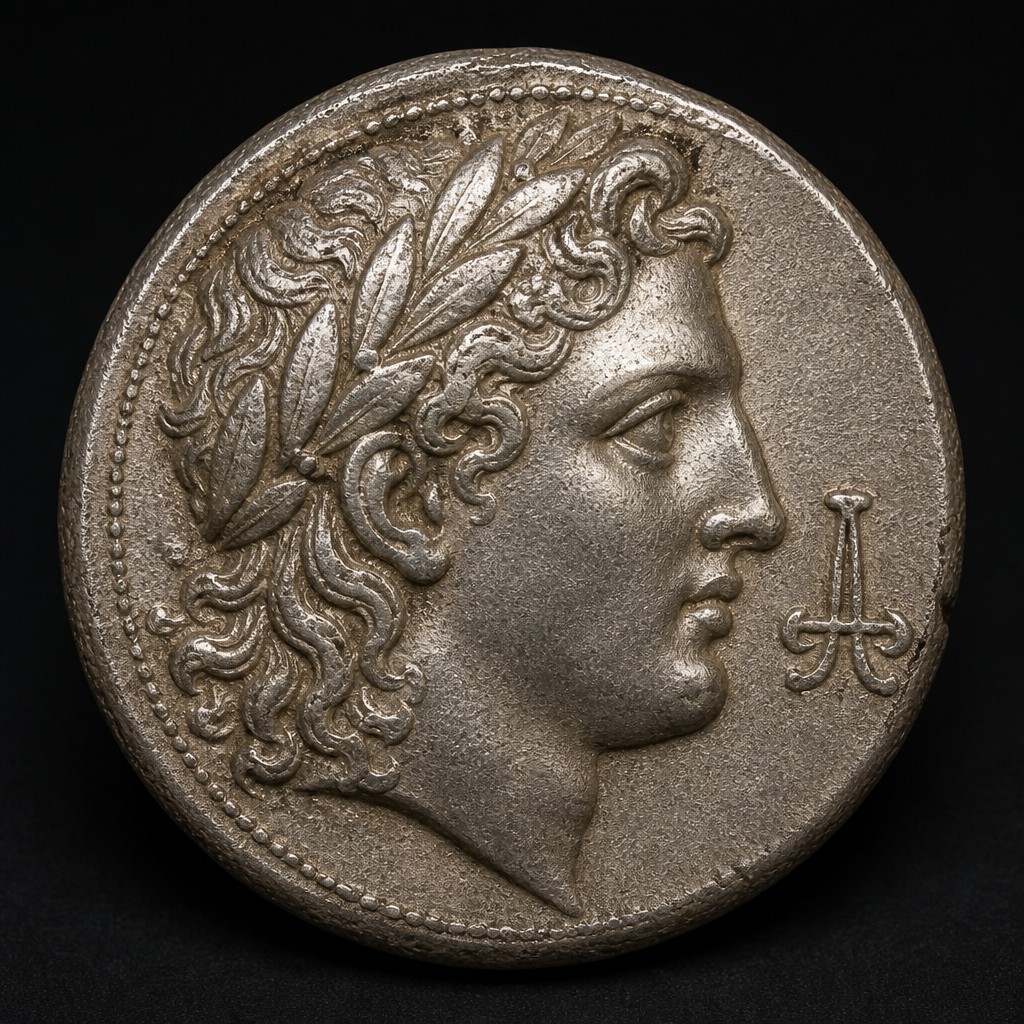
Katane (Catania) Apollo Tetradrachm
Silver tetradrachm of Katane in Sicily, admired for its finely engraved Apollo portrait and dynamic quadriga scene, sometimes signed by celebrated die engravers.
- Country
- Ancient Greece (Sicily)
- Denomination
- Tetradrachm
- Metal
- Silver
Got a coin like this?
Identify any coin from a photo, free.
Overview
The Katane (Catania) tetradrachm is among the most artistically refined coinages of Classical Sicily, celebrated for combining a beautifully rendered head of Apollo with a lively galloping quadriga scene. Several dies used at Katane were signed by renowned engravers, making this series a favorite among collectors interested in ancient numismatic art.
The city's coinage exemplifies the broader Sicilian tradition of large, high-relief silver tetradrachms produced during the region's Classical-period prosperity, when cities competed to produce the finest possible coin designs.
History & Background
Katane, modern Catania, was a Chalcidian Greek colony founded in the 8th century BC on Sicily's eastern coast near Mount Etna. During the 5th century BC the city, like many in Sicily, benefited from the era's agricultural wealth and competitive civic culture that encouraged elaborate coin artistry.
Sicilian mints of this period, including Katane, employed some of the most skilled die engravers in the Greek world, several of whom signed their work, an unusual practice for ancient coinage that gives modern scholars insight into individual artistic hands, such as those known by names like Herakleidas, Choirion, and Euainetos associated with various Sicilian mints.
How to Identify
The obverse depicts the head of Apollo, youthful and laureate or with flowing hair, rendered in high relief with Classical idealism; on signed examples, a small engraver's name may appear in tiny letters near the portrait. The reverse shows a fast quadriga (four-horse chariot) driven by a charioteer, often with Nike flying above crowning the horses, and the ethnic ΚΑΤΑΝΑΙΩΝ.
The tetradrachm weighs approximately 17 grams on the Attic-Sicilian standard, consistent with contemporary Sicilian issues. Style varies across the coinage's production span as different artists worked at the mint over time.
Collectors distinguish Katane's issues from similar Sicilian quadriga tetradrachms (such as those of Syracuse or Camarina) by the specific portrait style, any signature, and the ΚΑΤΑΝΑΙΩΝ ethnic in the exergue or field.
Value & Collectibility
Katane tetradrachms, especially those bearing an engraver's signature or of exceptional artistic quality, are highly sought after and can command strong prices, often well into four figures for choice examples, while more common or worn pieces are considerably more accessible, sometimes in the several-hundred-dollar range.
Artistic merit plays an outsized role in this series' value: sharp, high-relief strikes with fine detail in the Apollo portrait and quadriga are prized far above coins of similar technical grade but weaker artistic execution.
Frequently asked questions
Why are Katane's coins considered artistically important?
Several dies used at Katane were signed by skilled engravers, and the coinage as a whole displays the refined, high-relief style characteristic of the finest Classical Sicilian mints.
What does the quadriga scene represent?
It reflects the prestige of chariot racing in the Greek world and Sicilian cities' pride in equestrian and athletic achievement.
Are signed examples worth more?
Yes, coins bearing a visible engraver's signature are typically more desirable and valuable to specialist collectors.
How is Katane's tetradrachm different from Syracuse's?
While both feature quadriga reverses common to Sicily, the ethnic legend, portrait style, and specific artistic details differ between the two mints.
Other coins you may enjoy
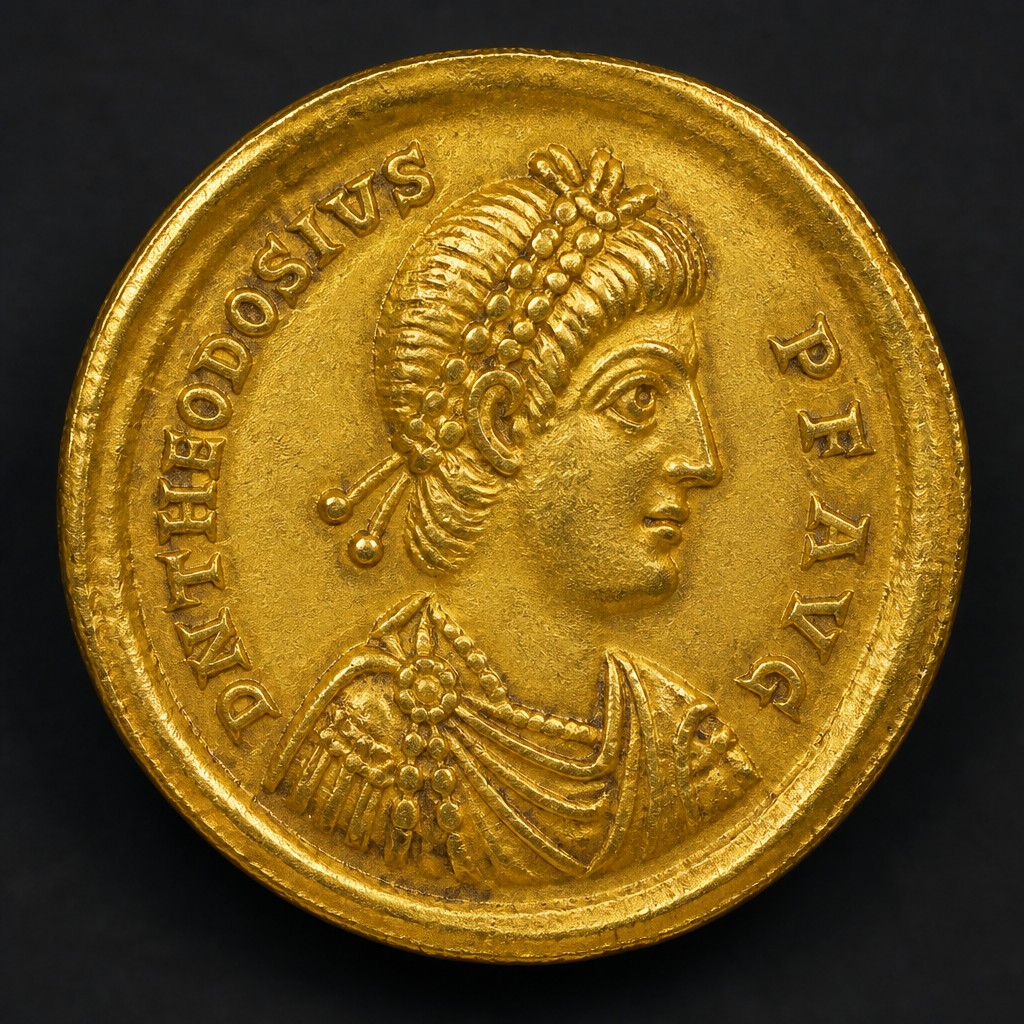
Theodosius I Solidus
379–395 AD
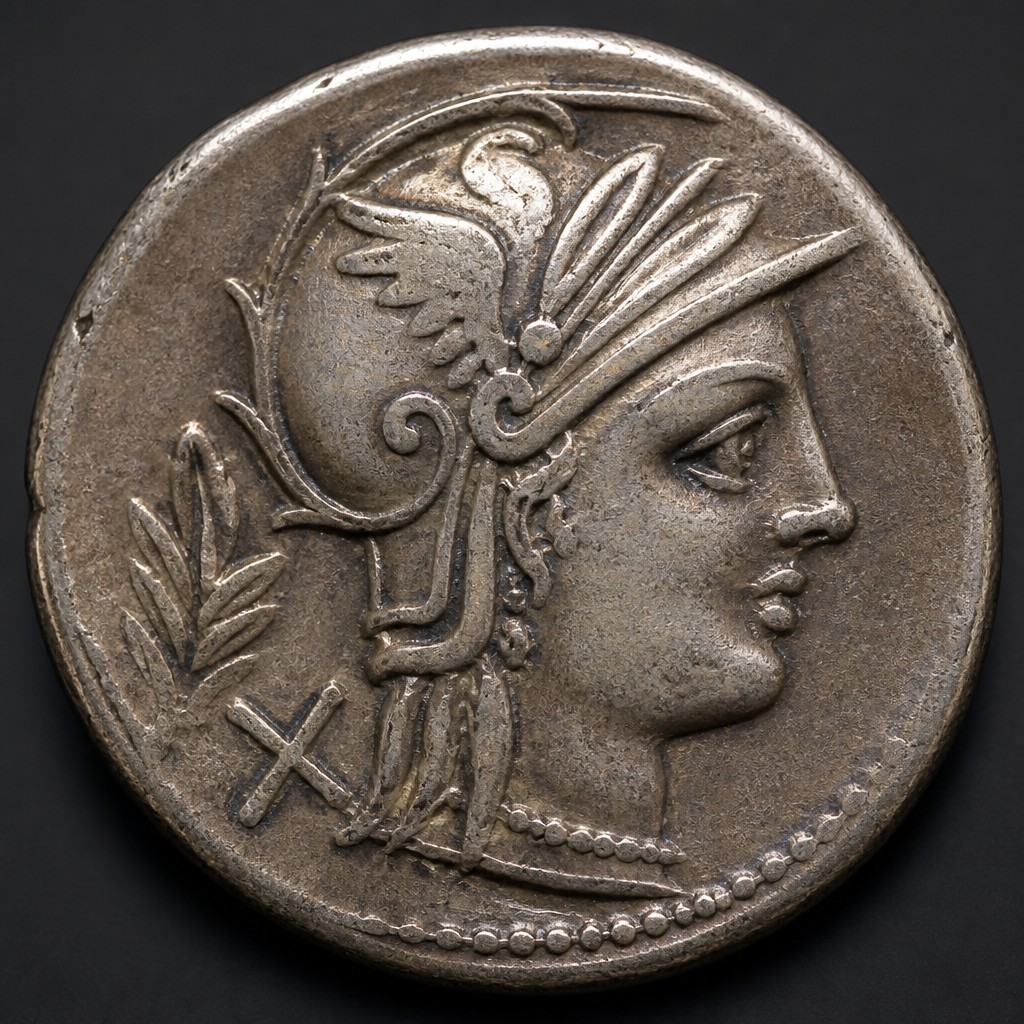
Republican Victoriatus
c. 211–170 BC
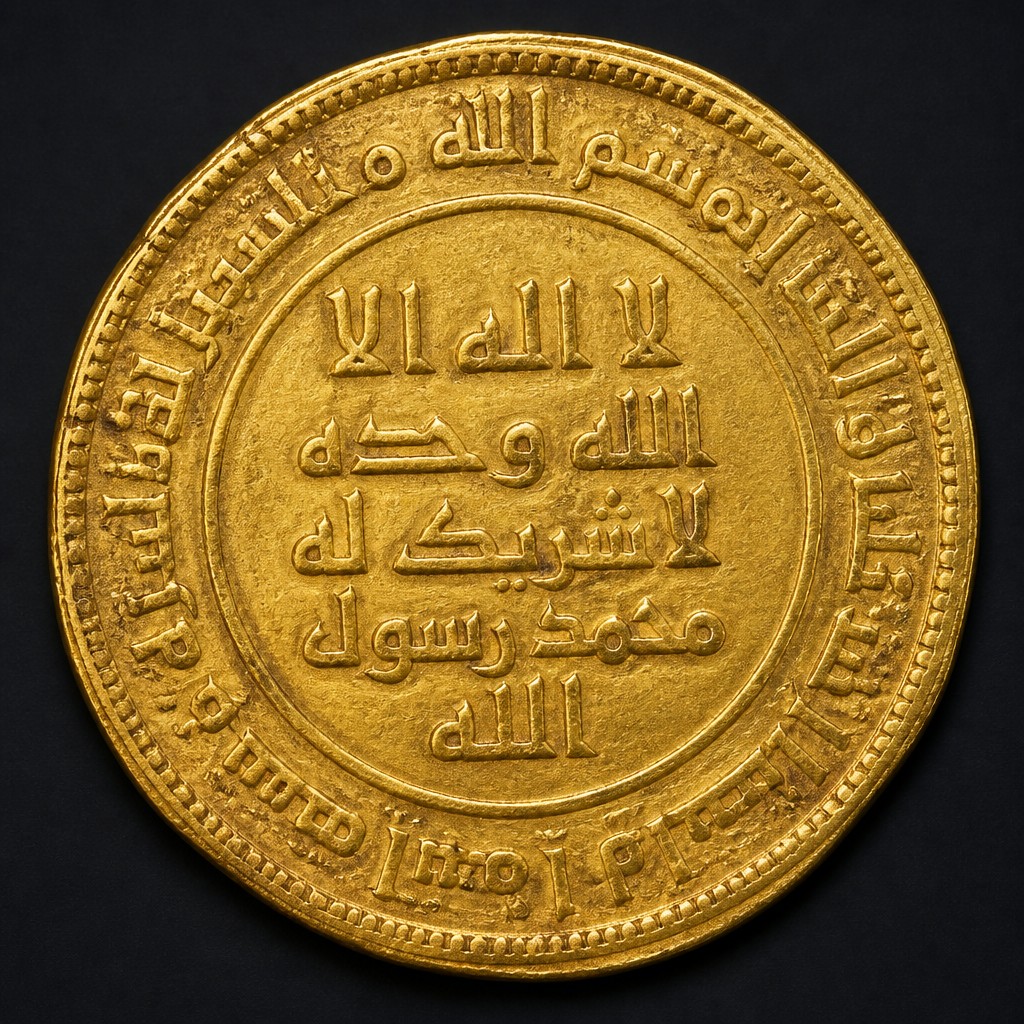
Islamic Gold Dinar (Umayyad)
c. 696–750 AD
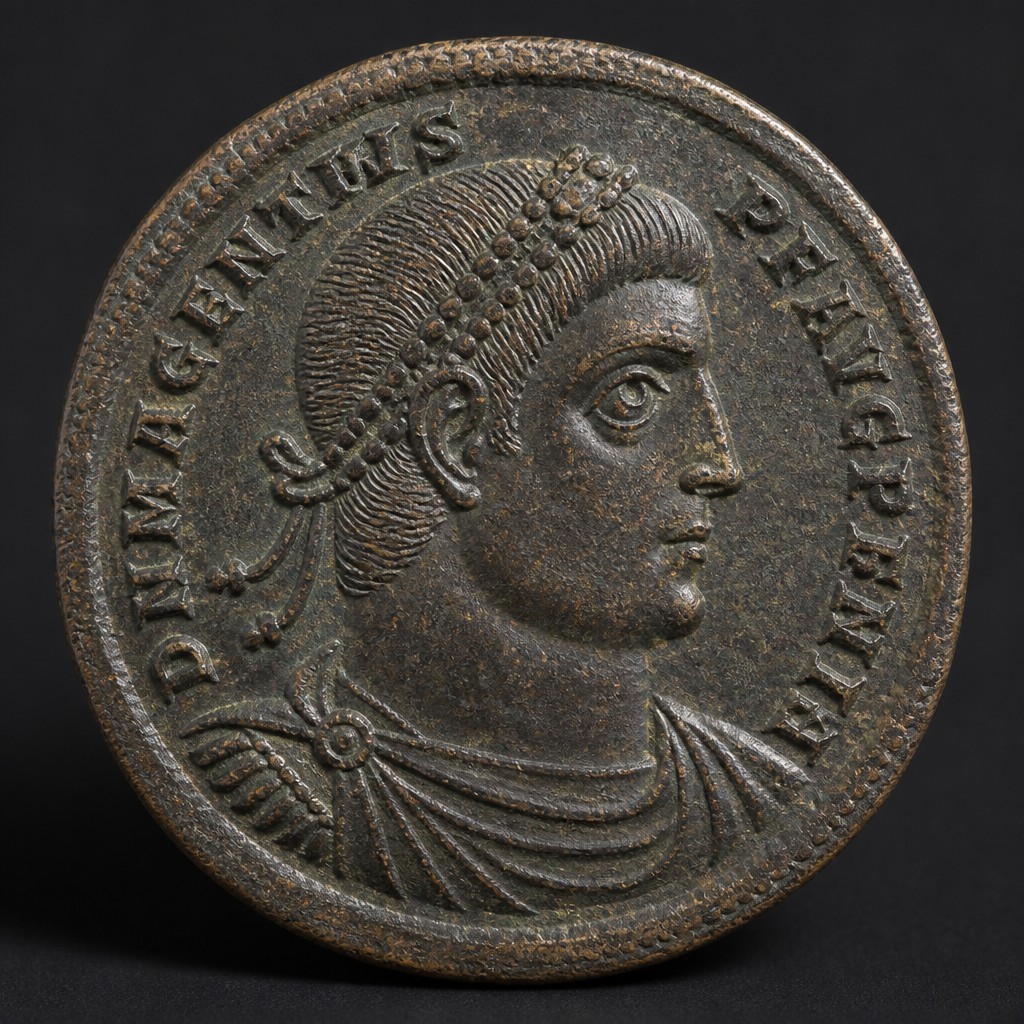
Magnentius Double Centenionalis
350–353 AD
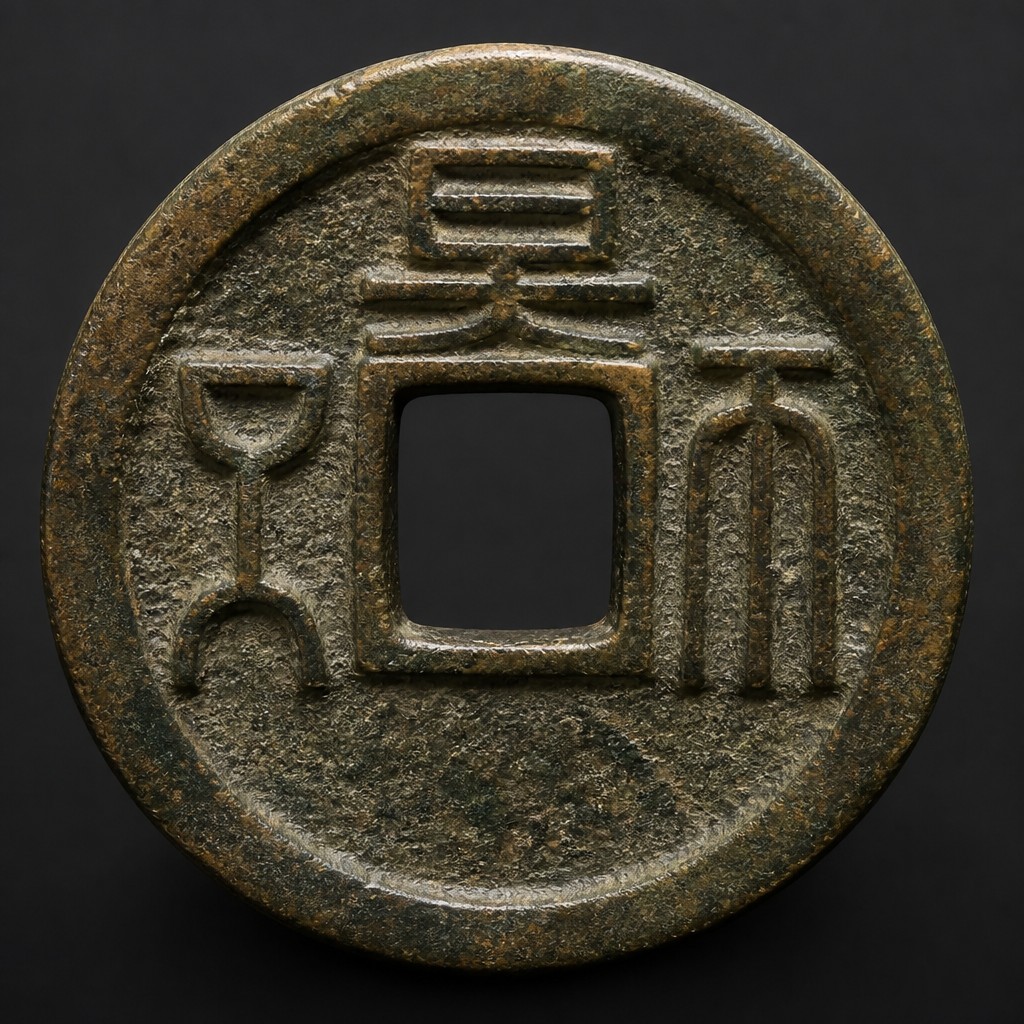
Chinese Wu Zhu Cash
118 BC – 618 AD
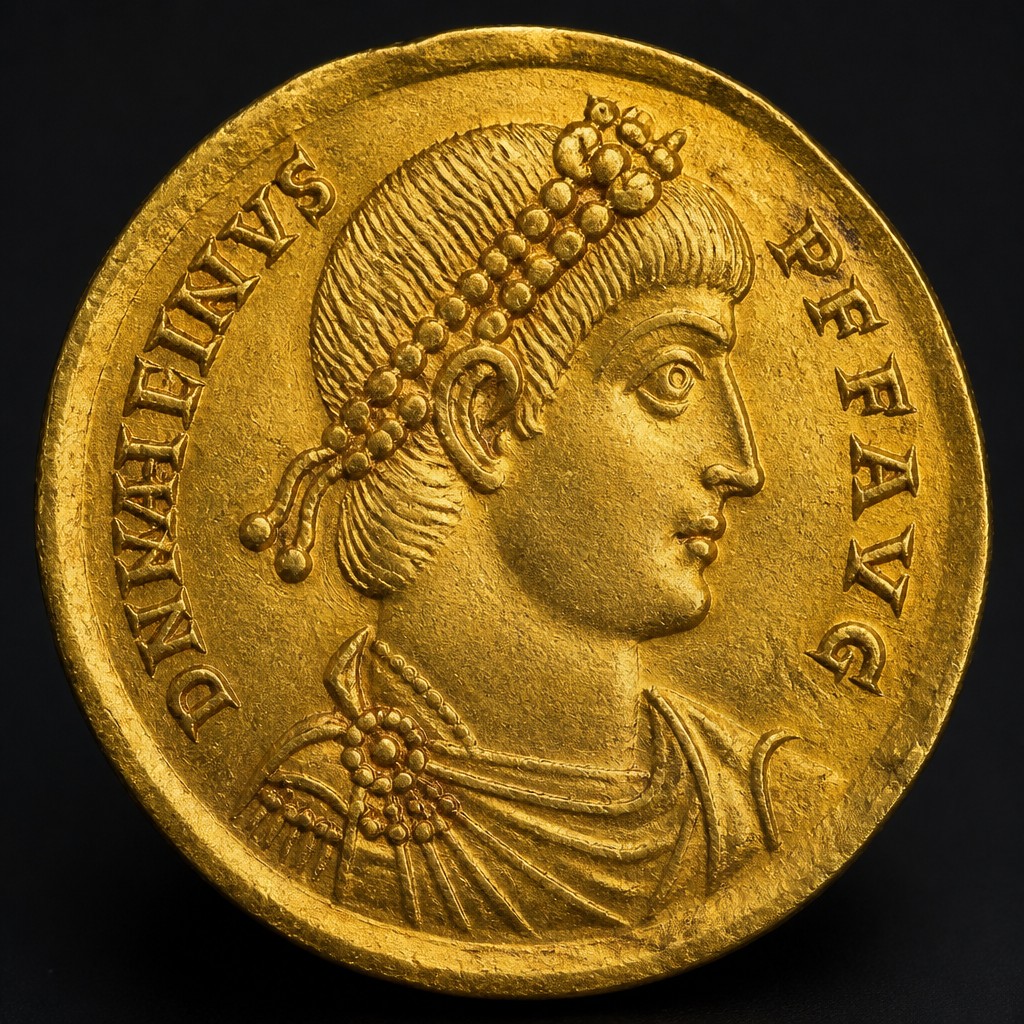
Valentinian I Solidus
364–375 AD
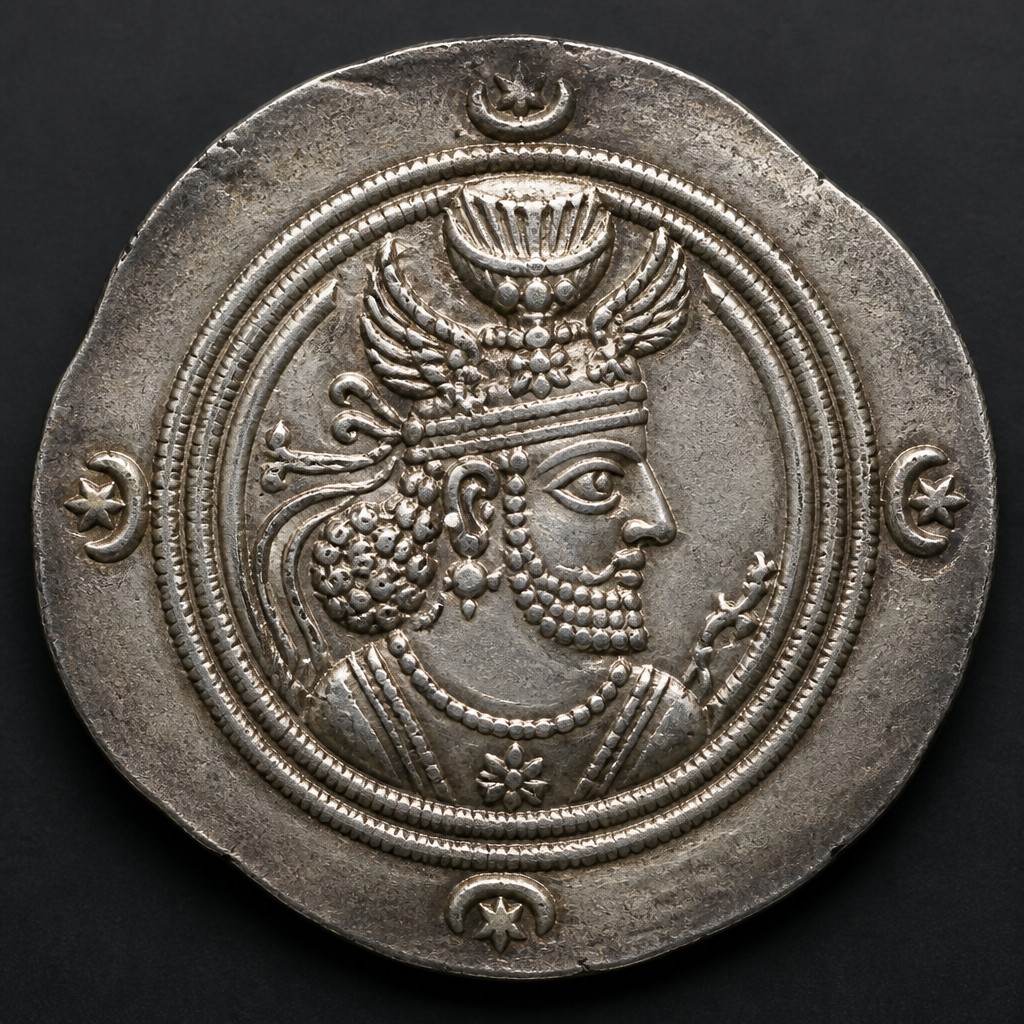
Sassanian Silver Drachm
c. 224–651 AD
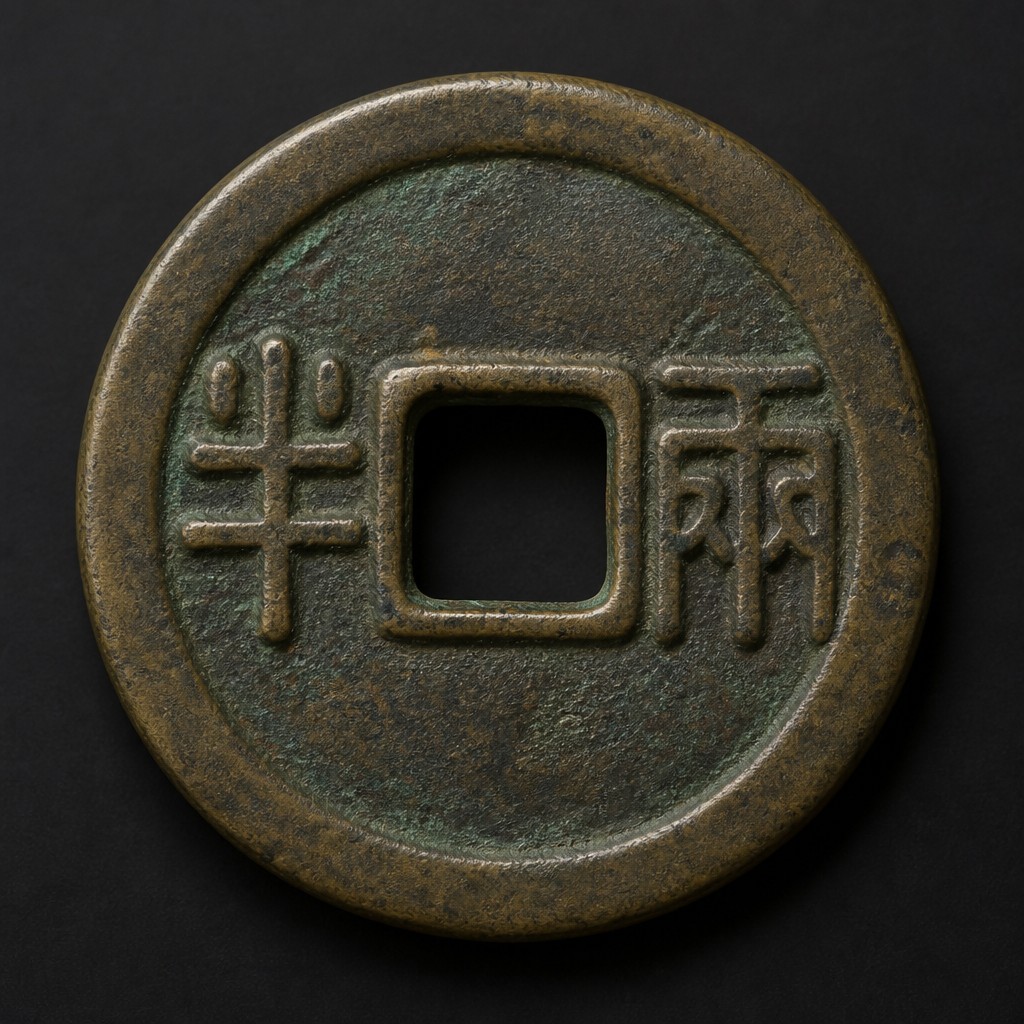
Chinese Ban Liang Cash
c. 221–118 BC
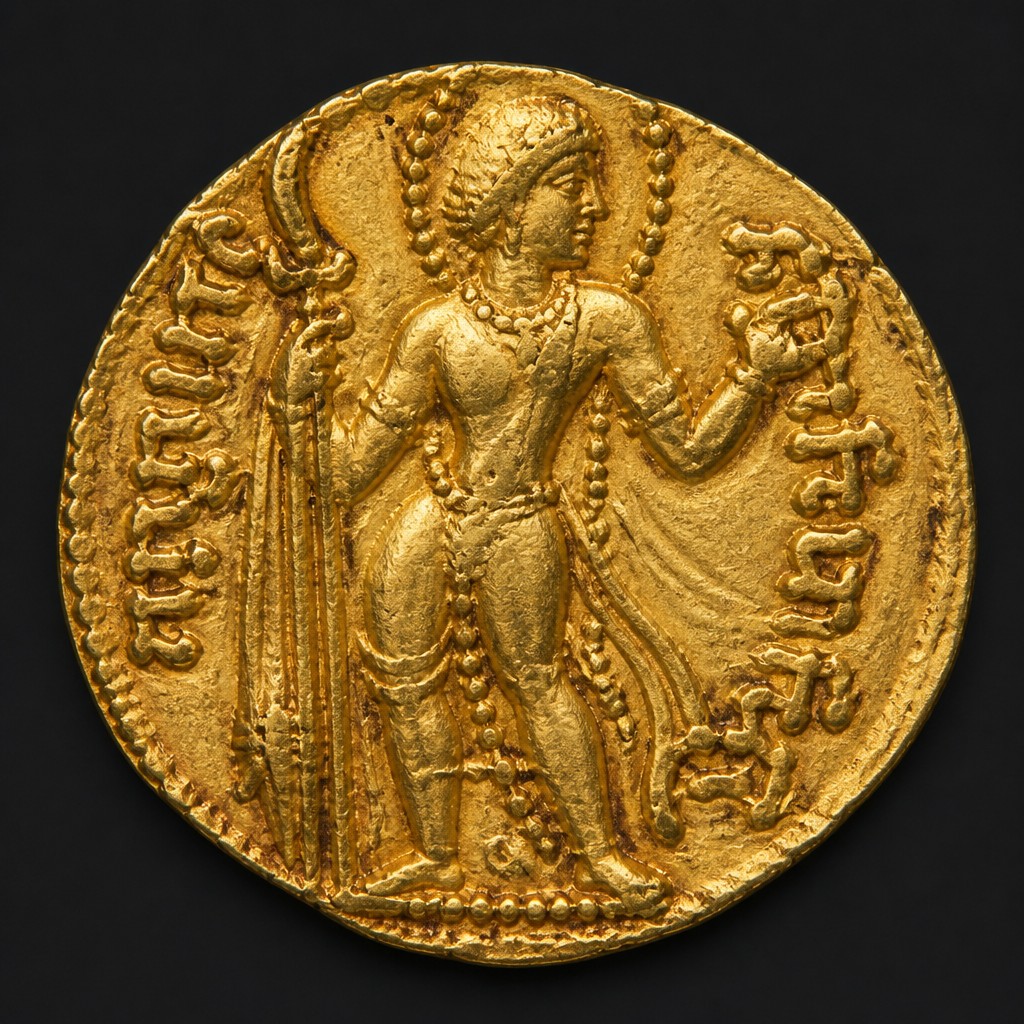
Gupta Empire Gold Dinar
c. 320–550 AD
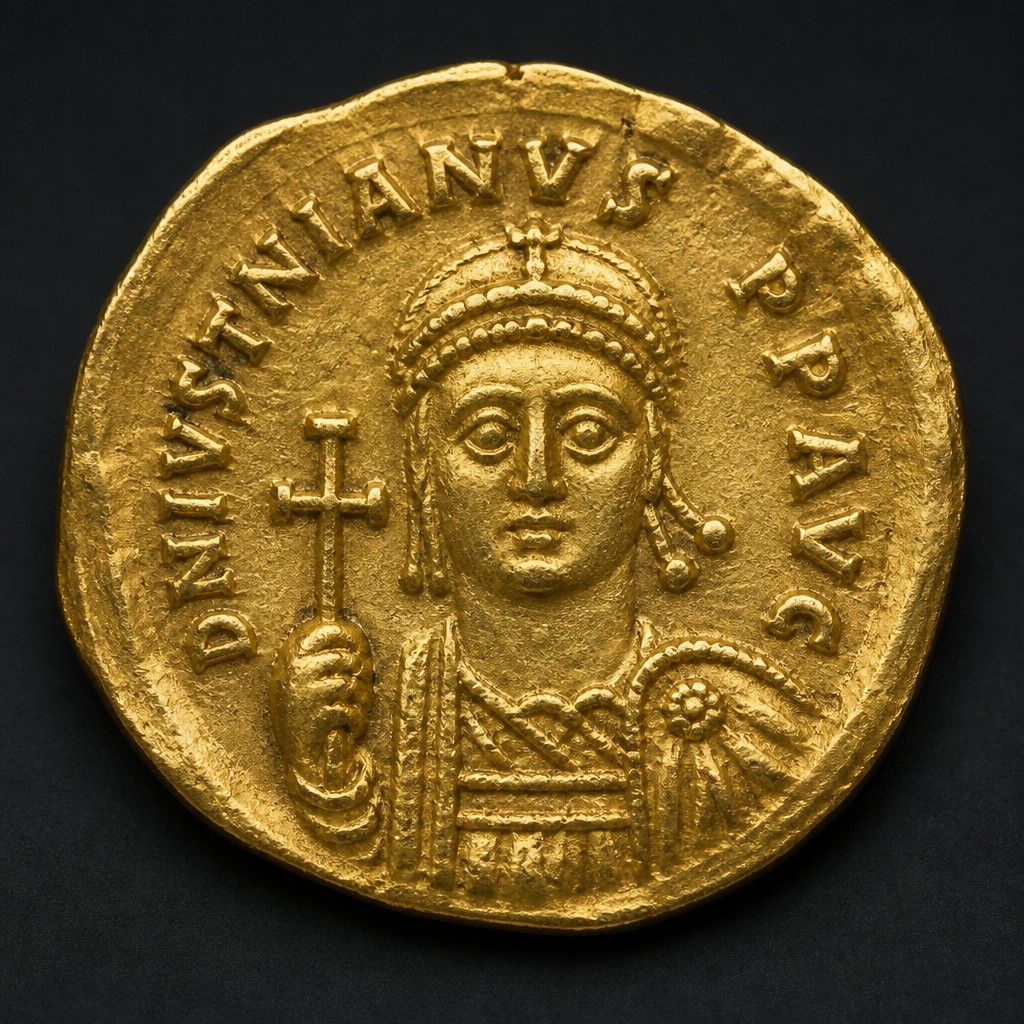
Byzantine Gold Tremissis
c. 4th–7th century AD
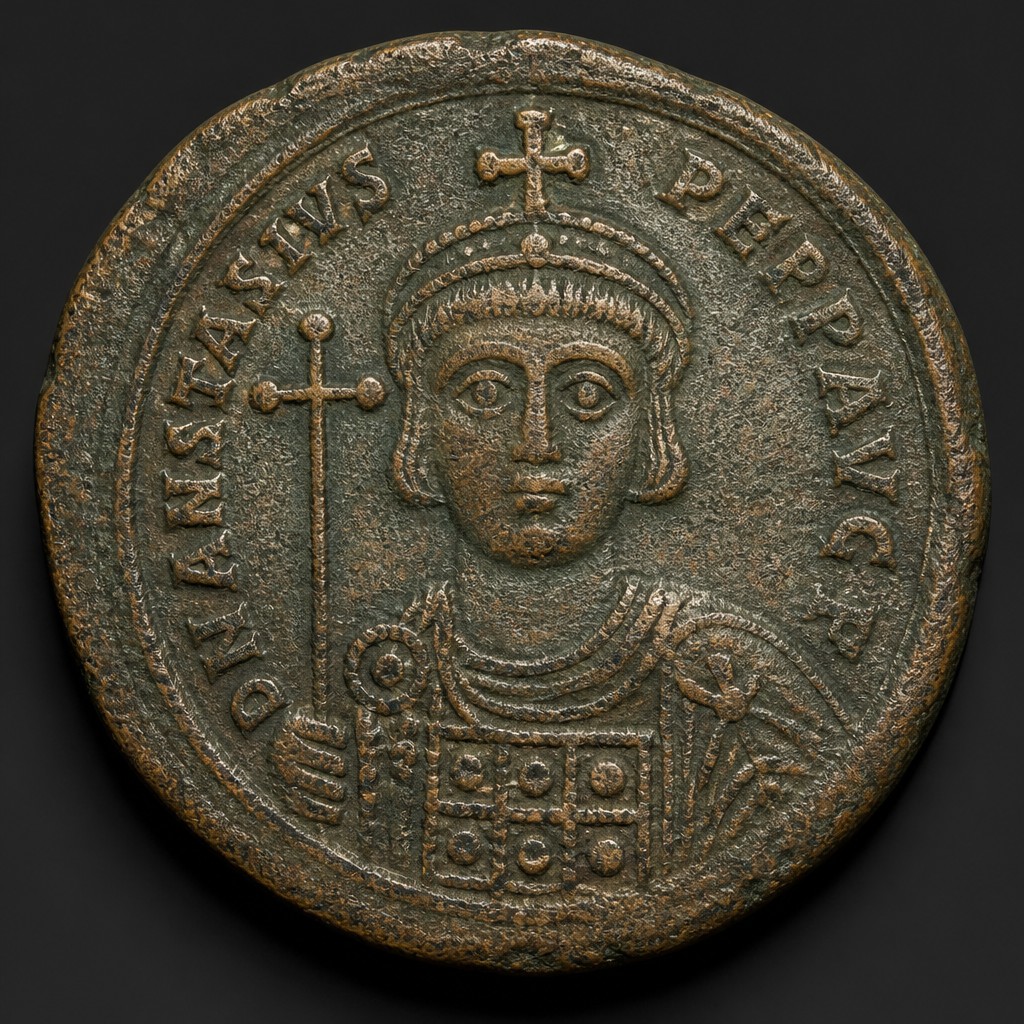
Byzantine Follis
498–c. 11th century AD
Celtic Gold Stater
c. 3rd century BC – 1st century AD