
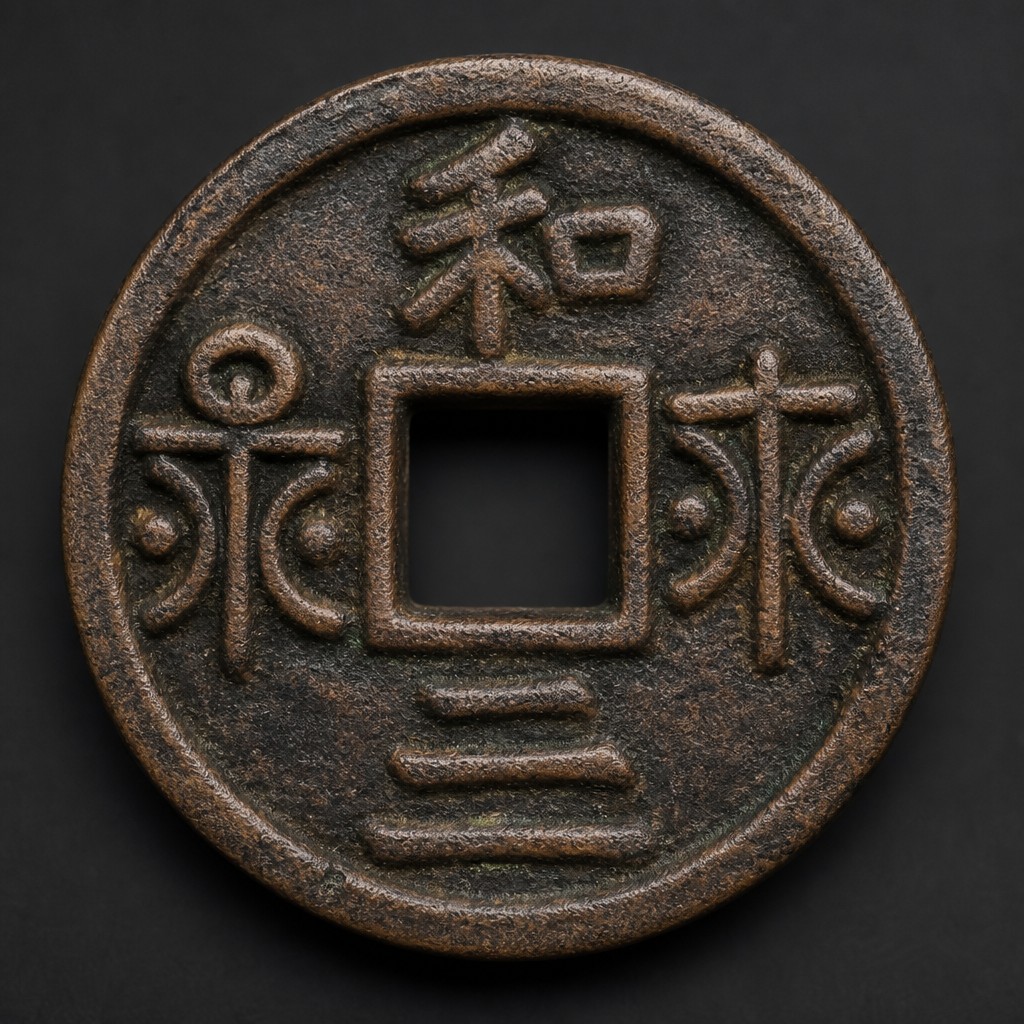
Japanese Wado Kaichin
Japan's earliest officially minted coin, cast in 708 AD in imitation of Tang Chinese cash, with a round shape and square center hole.
- Country
- Japan
- Denomination
- 1 Mon
- Metal
- Bronze/Copper (a rare early silver version also exists)
Got a coin like this?
Identify any coin from a photo, free.
Overview
The Wado Kaichin is generally regarded as the first coin struck by an official Japanese government, issued in the year 708 during the Nara period. It was created to support the new capital at Heijō-kyō and to introduce a monetary economy modeled on that of Tang dynasty China.
For collectors and historians, the Wado Kaichin is a foundational piece: it marks the beginning of formal Japanese coinage and the start of a long tradition of round, square-holed cash coins that would continue for over a thousand years.
History & Background
In 708, deposits of native copper were reported to the imperial court, and the Empress Genmei's government responded by issuing a new coinage, the Wado Kaichin, both to commemorate the find and to help finance construction of the new capital city. The design and denomination system were directly inspired by the Chinese Kaiyuan Tongbao coins of the Tang dynasty, which Japanese envoys had encountered on diplomatic missions.
The coin was part of a broader effort by the early Japanese state to centralize administration and adopt Chinese-style institutions, including a monetary economy to replace barter. A small number of subsequent "twelve early coinages" (kōchō jūni-sen) followed over the next two centuries, but the Wado Kaichin holds pride of place as the first.
Production of round cash coins in Japan later lapsed for centuries before resuming in a different form with coins like the Kan'ei Tsuho in the Edo period.
How to Identify
The Wado Kaichin is a small round bronze coin with a square hole punched through the center, following the standard East Asian cash coin format. The obverse bears four Chinese characters read top-bottom-right-left as "Wa-do-kai-chin," cast in relief with no images or portraits, consistent with the calligraphic style of contemporary Chinese coinage.
The reverse is typically blank or shows only casting marks, without additional inscriptions. Rim widths and character styles vary somewhat between casting batches, which specialists use to sort issues chronologically. Genuine early examples are quite worn and irregular due to the primitive casting technology of the period; sharp, perfectly centered examples are less common.
Value & Collectibility
As one of the earliest coins of Japan, the Wado Kaichin is highly sought after by collectors of Asian and Japanese numismatics, and well-preserved or clearly struck examples can command meaningful premiums over heavily worn or corroded pieces. Because casting quality varied and many surviving pieces are excavated and corroded, condition has an outsized effect on price.
Values for common, worn examples are generally moderate, while sharp, well-centered pieces with clear legends and pleasing patina bring notably more. As with most ancient and early medieval cast coinage, authentication and grading by a knowledgeable dealer or a recognized grading service is advisable given the long history of the type and the existence of later imitations.
Frequently asked questions
Is the Wado Kaichin really Japan's first coin?
It is traditionally considered the first officially minted, widely circulated Japanese coin, issued in 708 AD, although some earlier experimental or ceremonial pieces may have existed.
What metal is it made of?
Most Wado Kaichin coins are bronze or copper; a small, much rarer silver version was also issued briefly.
What does the inscription mean?
The four characters are generally read as referring to the Wado era name and to circulating currency, echoing the format of Chinese Kaiyuan Tongbao coins.
Why does it look like a Chinese coin?
Japan modeled its early coinage directly on Tang dynasty China's Kaiyuan Tongbao, adopting the round shape, square hole, and four-character legend format.
Other coins you may enjoy
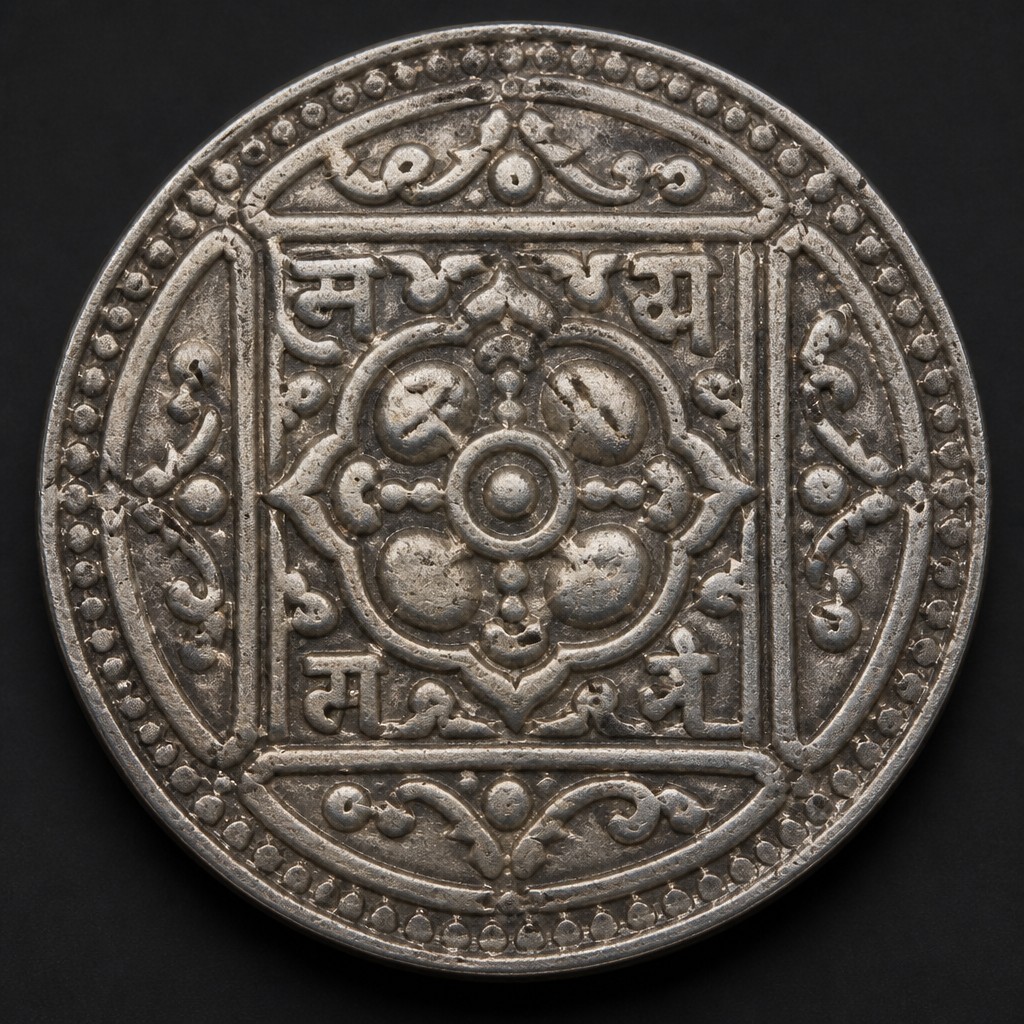
Nepal Silver Mohar
c. 16th–19th century
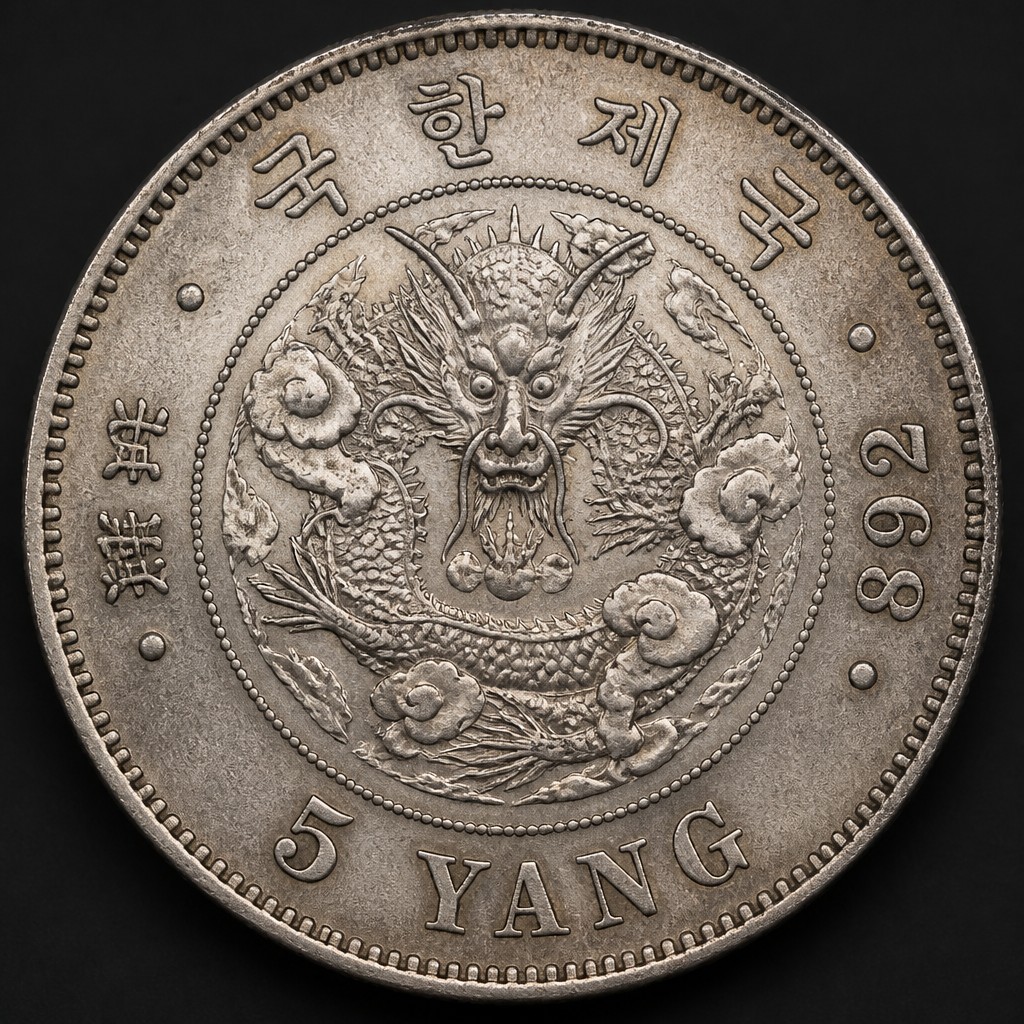
Korean 5 Yang Silver Dollar (1892)
1892
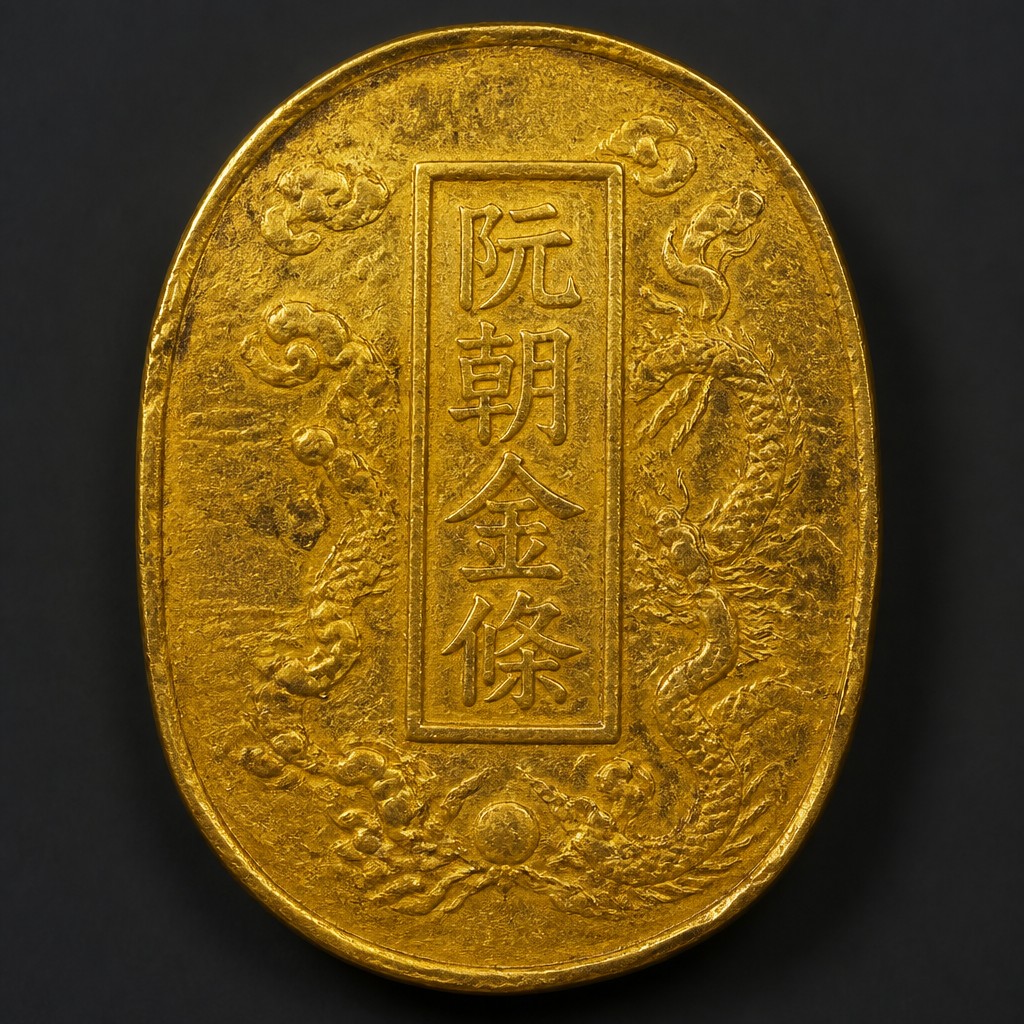
Nguyen Dynasty Gold Bar (Vietnam)
19th century
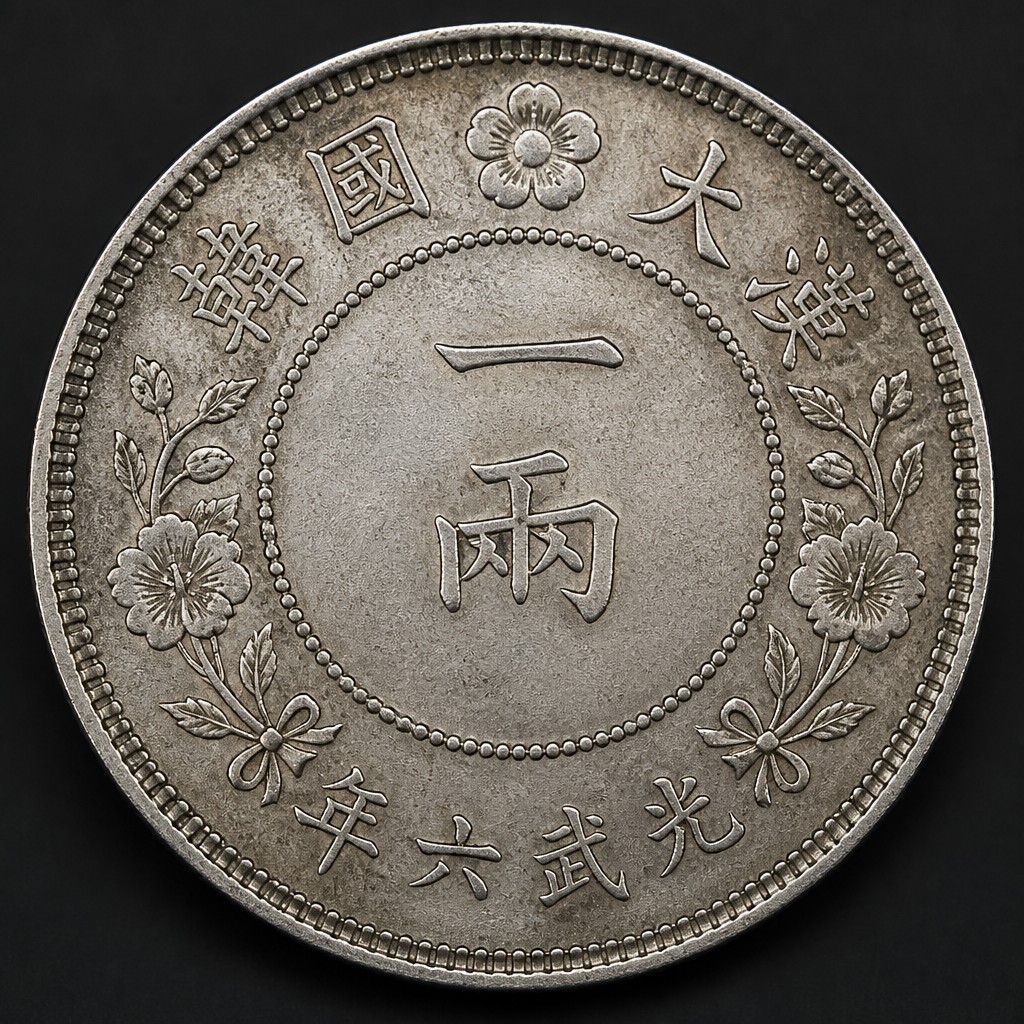
Korean 1 Yang Silver (Joseon/Great Han Empire)
1892–1902
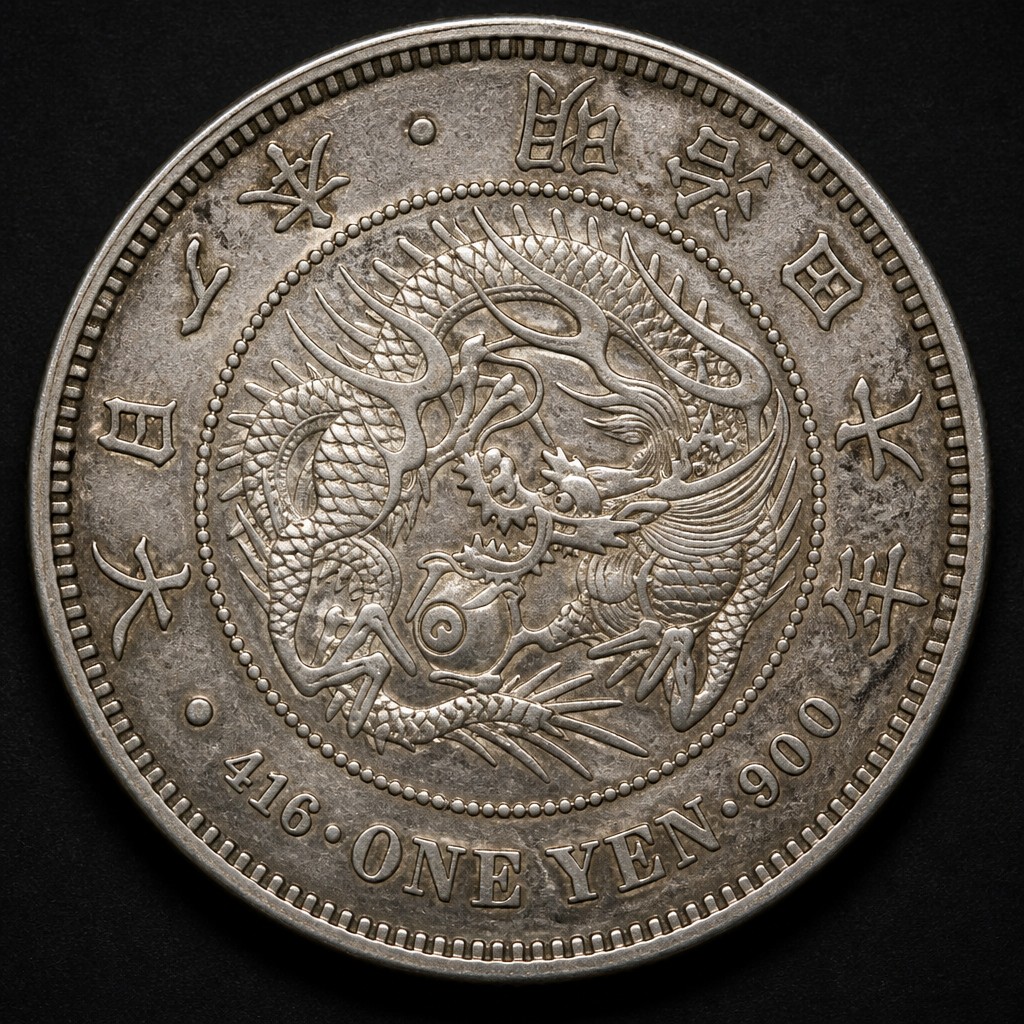
Japanese 1 Yen Silver 'Dragon' Trade Dollar
1870–1914 (trade dollar variant 1875–1877)
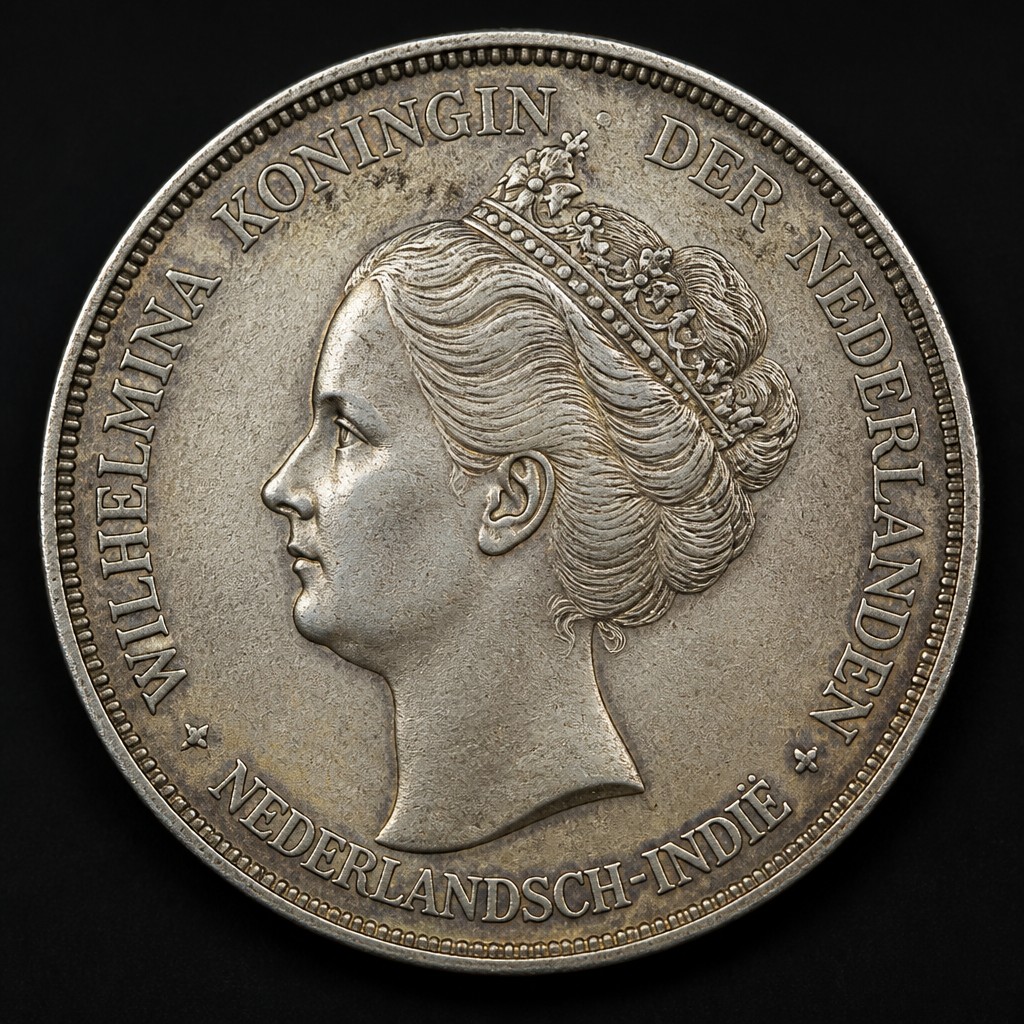
Netherlands East Indies Gulden (Wilhelmina)
1897–1945
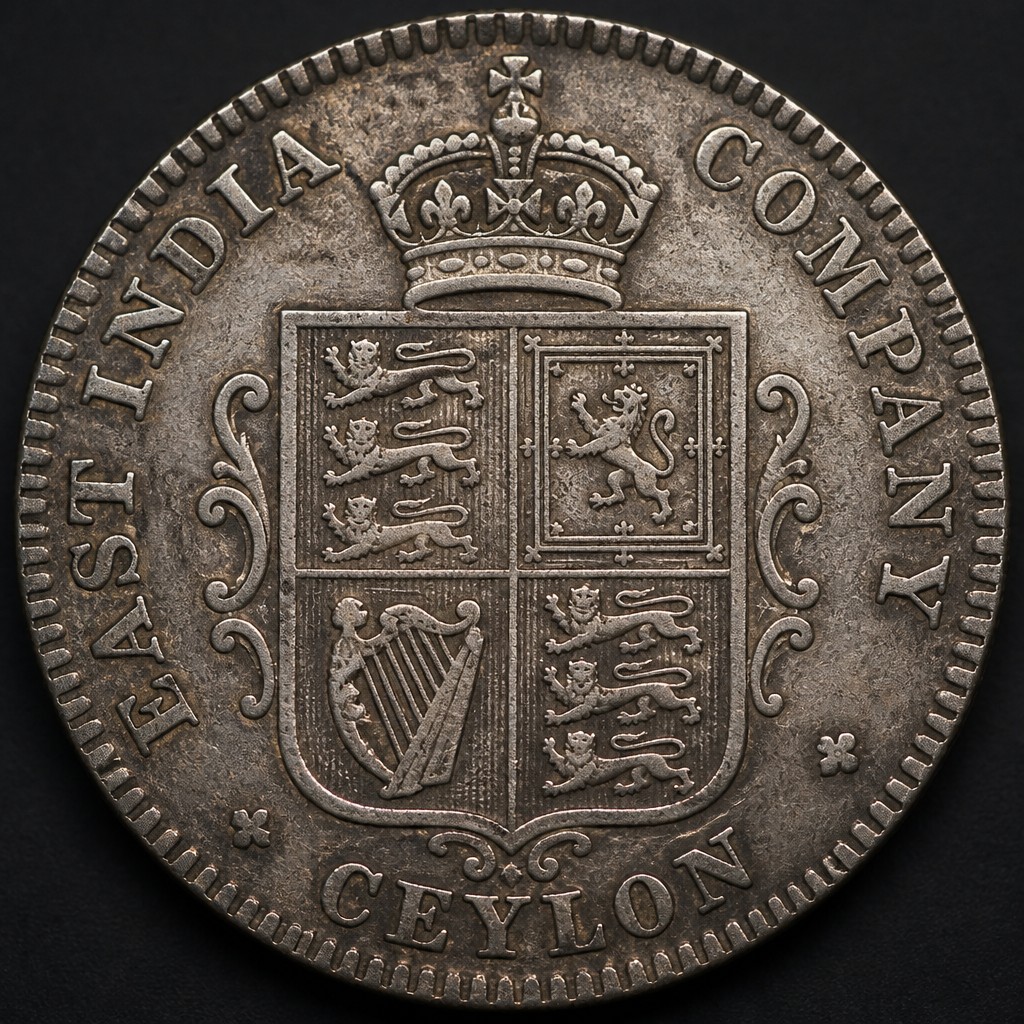
Ceylon (Sri Lanka) EIC Rixdollar
c. 1802–1821
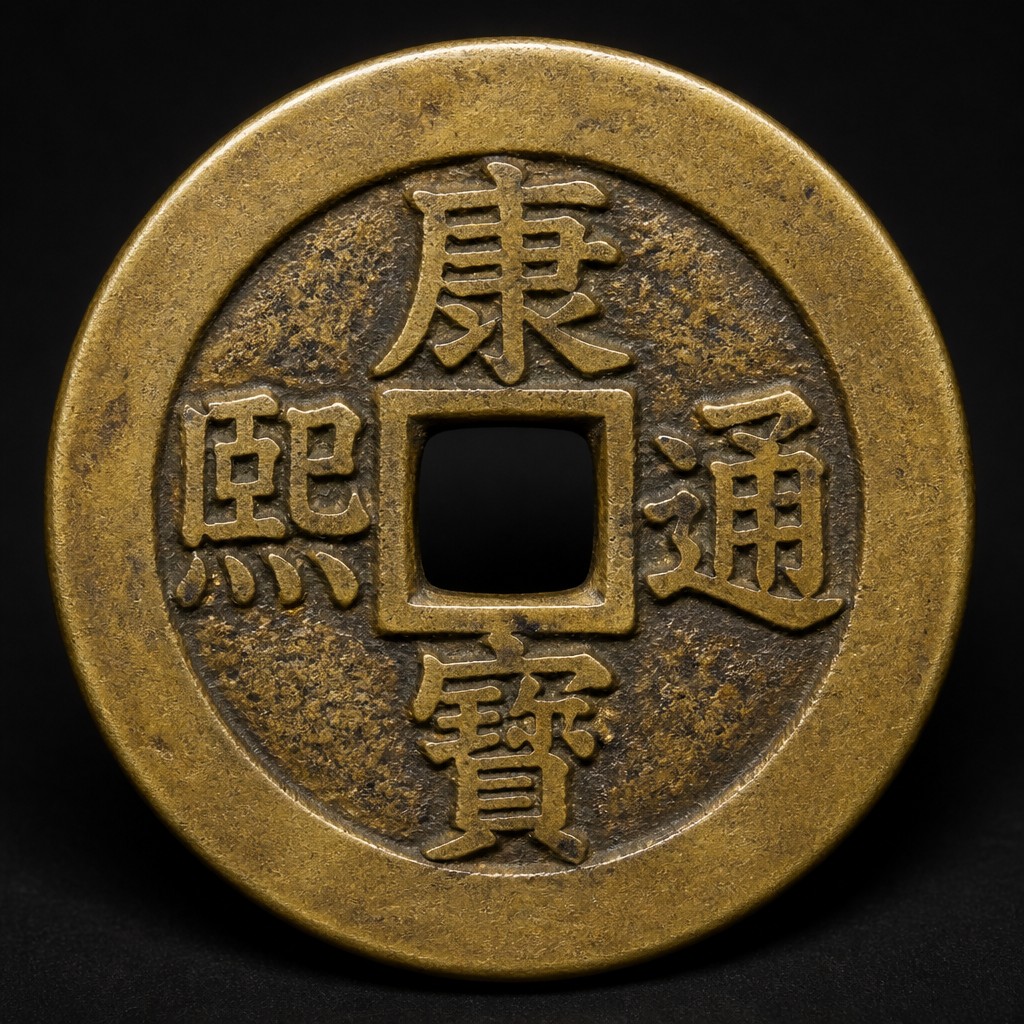
Chinese Cash Coin (Qing Dynasty 'Kangxi Tongbao')
1662–1722
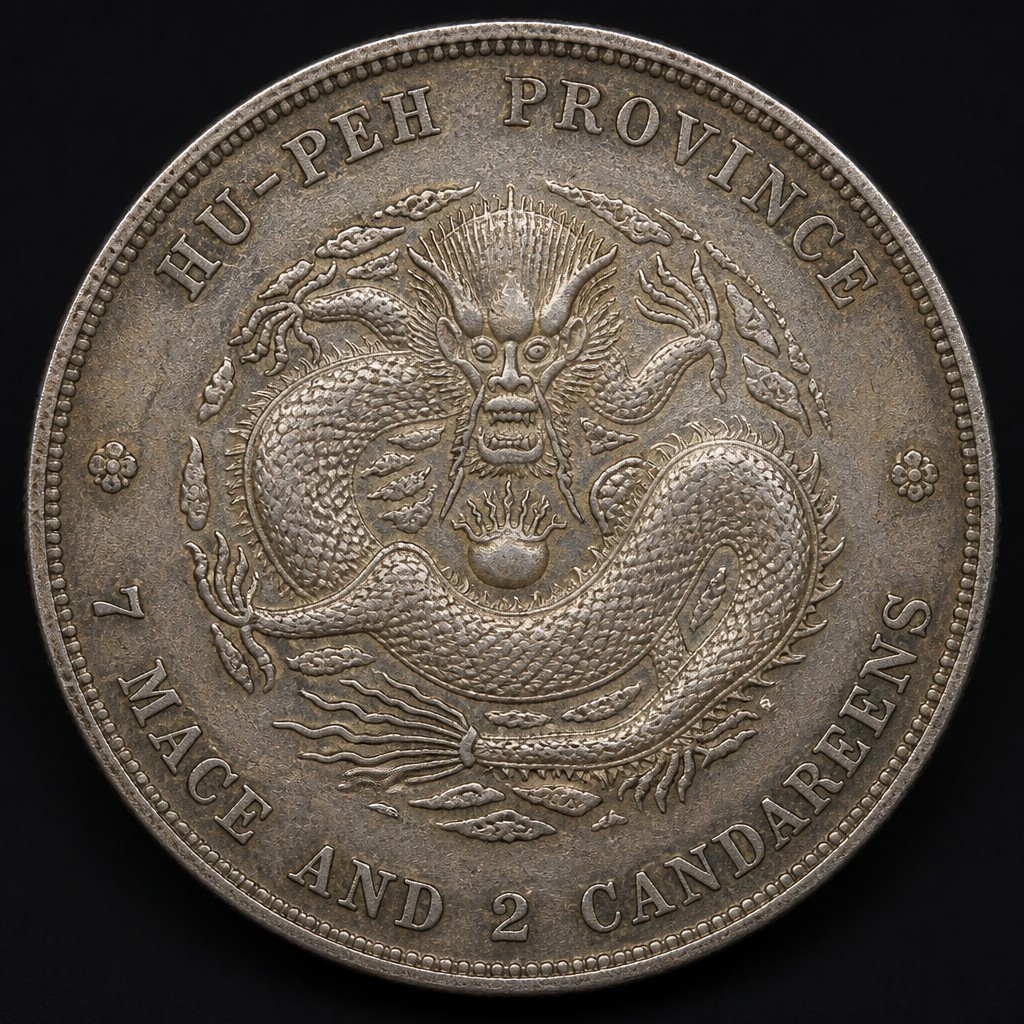
Chinese Hupeh Province Dragon Dollar
c. 1895–1909
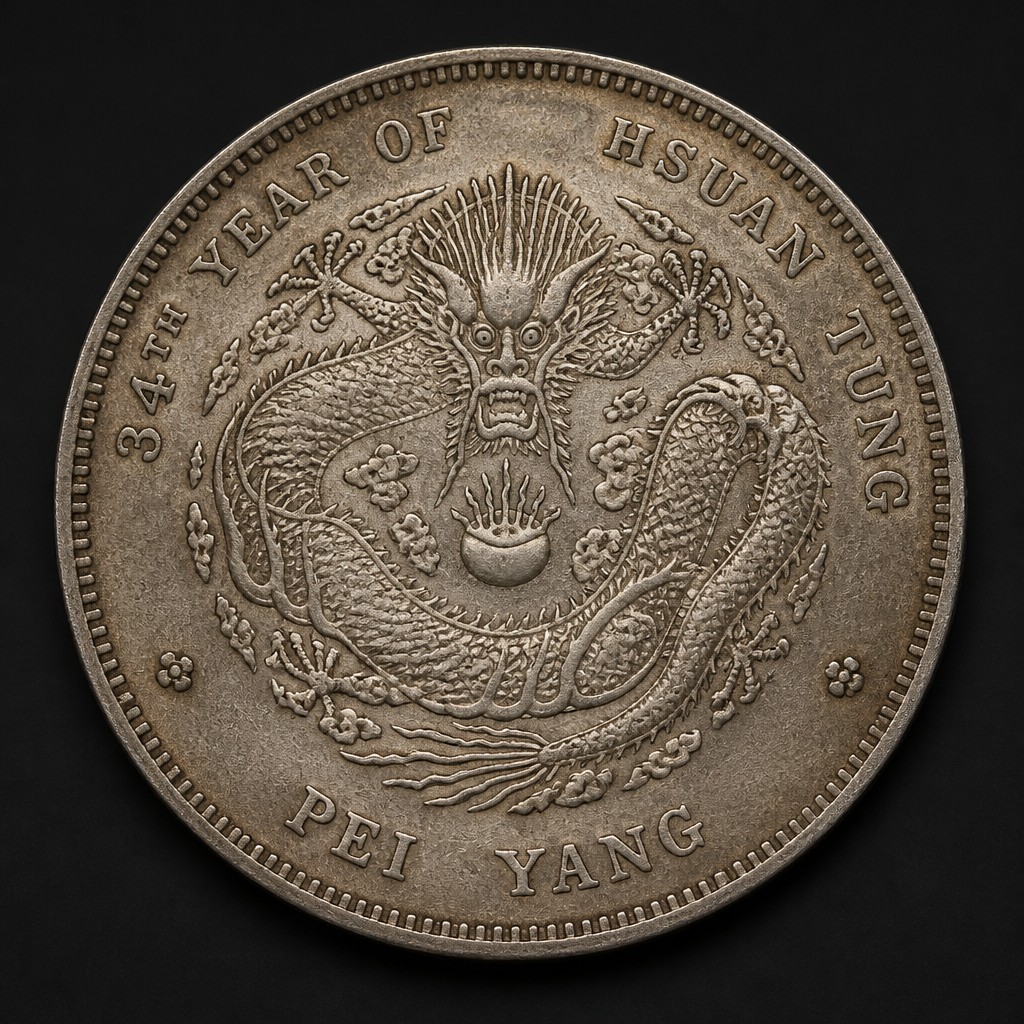
Chinese Empire Silver Dollar (Hsuan Tung Dragon)
1909–1911
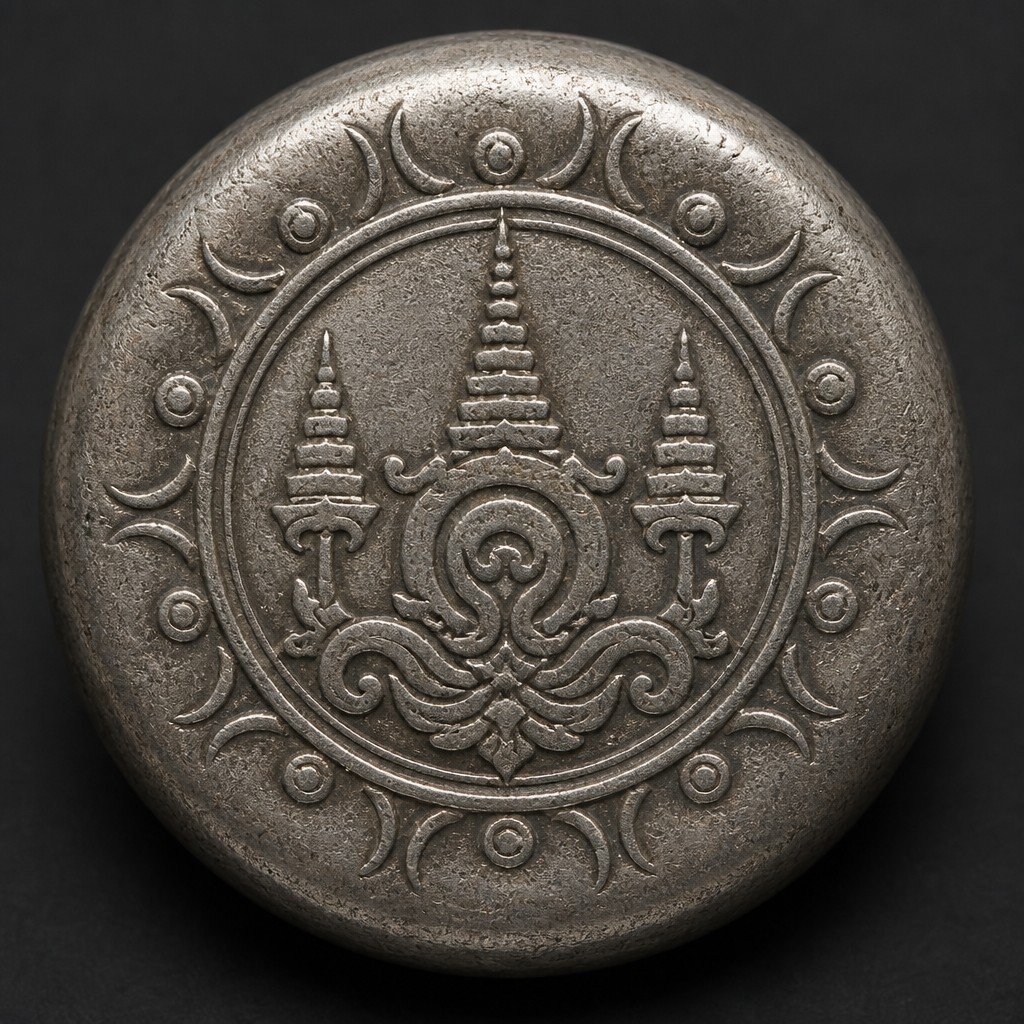
Thailand (Siam) Silver Baht 'Bullet Money' (Pod Duang)
c. 13th century – late 19th century
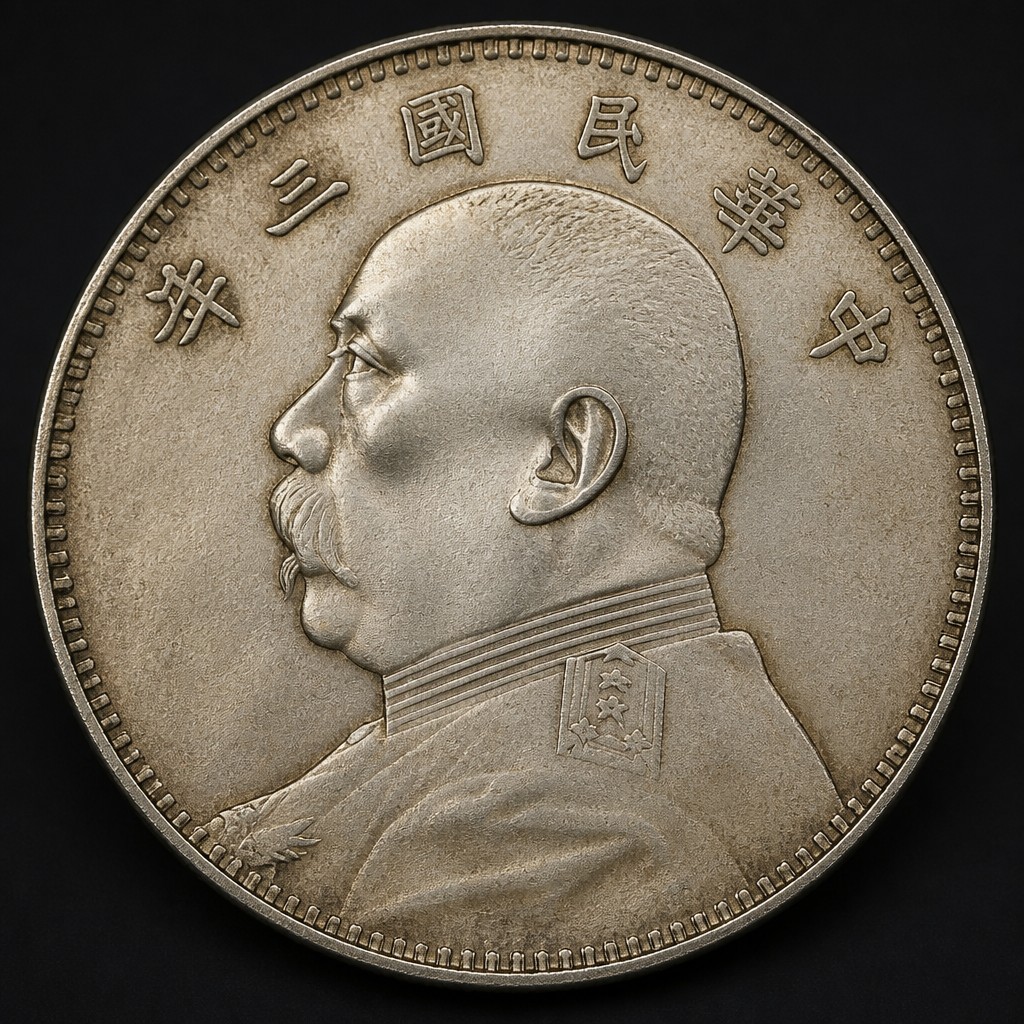
Yuan Shikai 'Fatman' Dollar (1914)
Dated 1914, struck into the early 1920s