
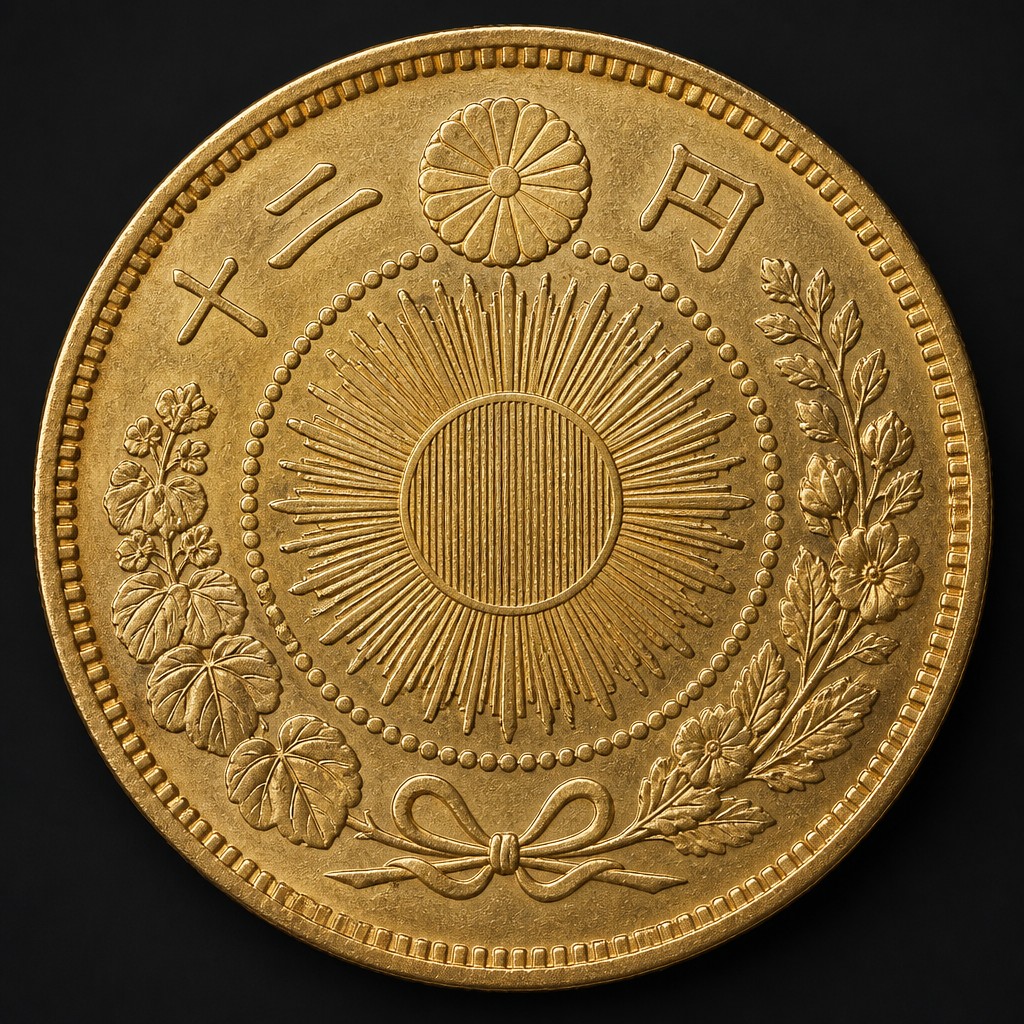
Japanese Meiji Gold 20 Yen
The largest and highest-denomination gold coin of Meiji-era Japan, featuring an imperial dragon design, struck to underpin Japan's modern gold-backed currency system.
- Country
- Japan
- Denomination
- 20 Yen
- Metal
- Gold (.900)
Got a coin like this?
Identify any coin from a photo, free.
Overview
The 20 yen gold coin was the flagship high-value gold denomination of Meiji Japan, produced to establish the country's credibility as a modern, internationally trading nation with a gold-backed currency. Its imposing size and finely rendered dragon artistry make it one of the most admired gold coins of the era among collectors of Japanese and world coinage.
It marks a pivotal chapter in Japan's rapid modernization following centuries of isolation under the Tokugawa shogunate.
History & Background
Japan adopted a modern decimal currency system after the Meiji Restoration, initially on a bimetallic gold-and-silver standard from 1871, which included a large 20 yen gold coin among its denominations. After a period of predominantly silver-based circulation driven by regional trade, Japan formally moved to a gold standard in 1897.
This reform prompted a revised, slightly reduced-weight new type 20 yen gold coin to be struck through the early 20th century, cementing the yen's place among the world's gold-standard currencies of the period until Japan eventually departed from the gold standard in the 1930s.
How to Identify
The obverse features a large coiled imperial dragon grasping a flaming pearl amid stylized clouds, similar in spirit to the dragon on the silver yen, encircled by a beaded rim.
The reverse displays a radiant sunburst behind the imperial chrysanthemum crest, flanked by paulownia sprays, with the denomination given in Japanese characters and the reign year. It is struck in .900 fine gold, and collectors distinguish the old type, heavier and pre-1897, from the new type, lighter and post-1897, primarily by weight and diameter as well as subtle date-related design details.
Value & Collectibility
Meiji 20 yen gold coins are sought after both for their gold content and their historical importance, with values ranging from a solid premium over gold for common later dates up to substantial sums for scarce early old type dates or coins in exceptional uncirculated condition.
As with most historic gold coins, condition, date rarity, and authenticity, given the existence of both period and modern counterfeits, are the primary drivers of price.
Frequently asked questions
What is the difference between old type and new type 20 yen gold coins?
Old type coins, struck before 1897, are heavier and larger; new type coins, struck after Japan's 1897 gold standard reform, are slightly lighter and smaller.
Why does the coin feature a dragon?
The dragon was a traditional emblem of imperial authority, echoing the design used on Japan's Meiji-era silver yen coinage.
Is the 20 yen gold coin rare?
Common later dates are moderately available, but early old type dates and high-grade uncirculated examples are considerably scarcer and more valuable.
What purity gold was used?
The coin was struck in .900 fine gold, matching the standard used across Japan's Meiji-era gold coinage.
Other coins you may enjoy
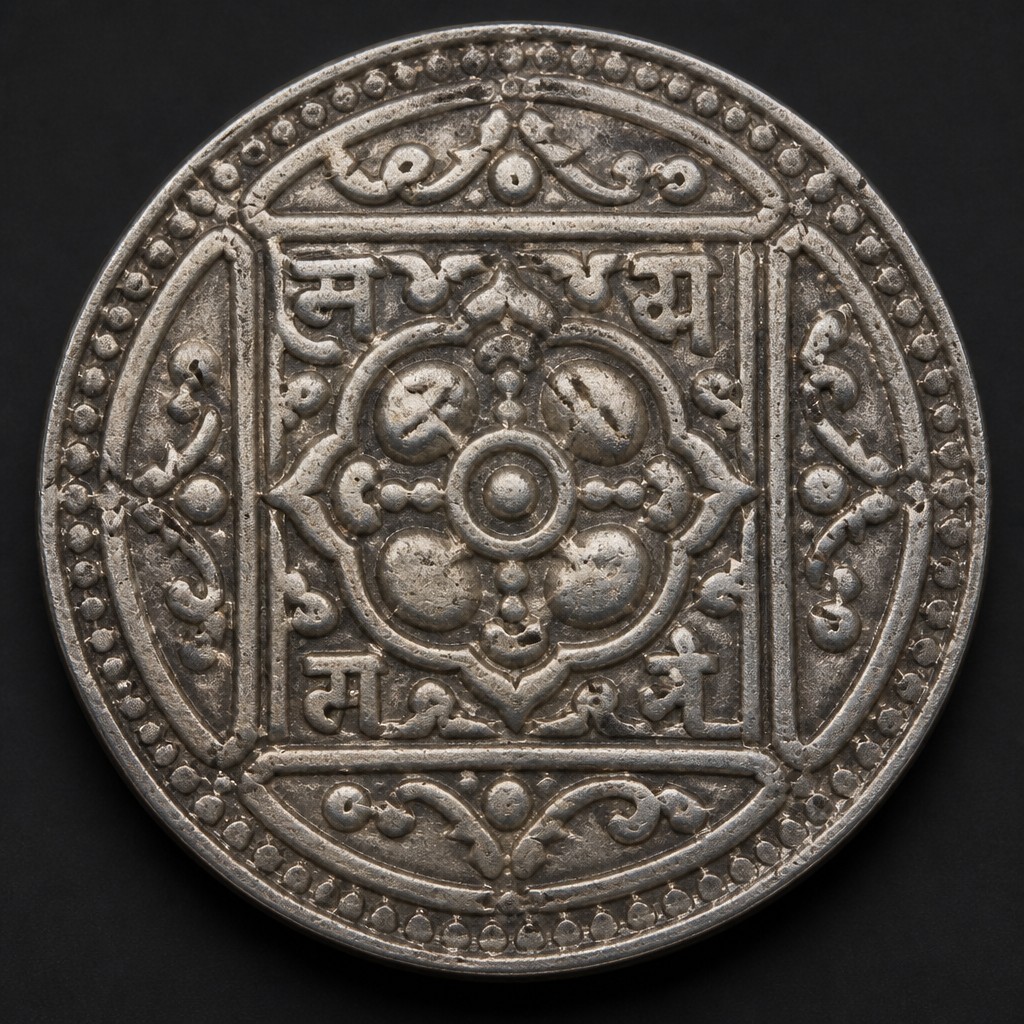
Nepal Silver Mohar
c. 16th–19th century
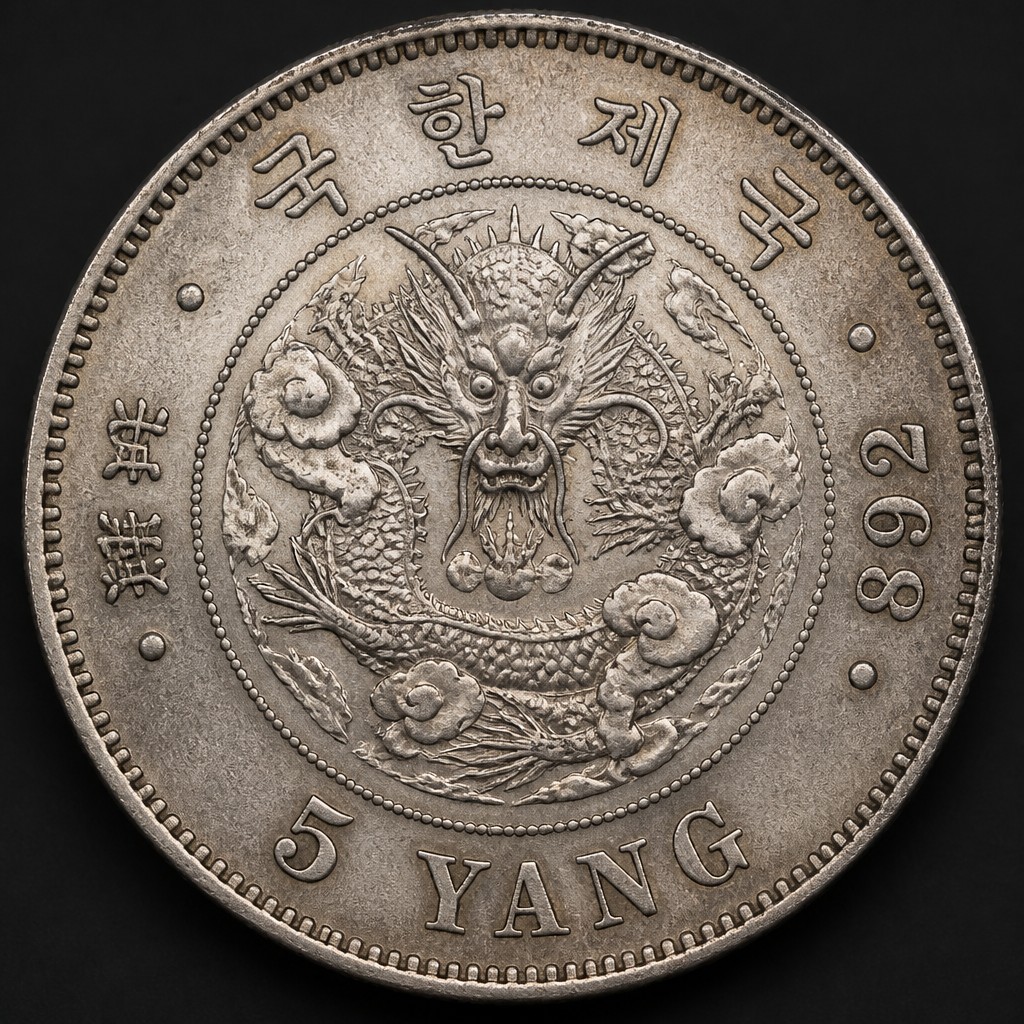
Korean 5 Yang Silver Dollar (1892)
1892
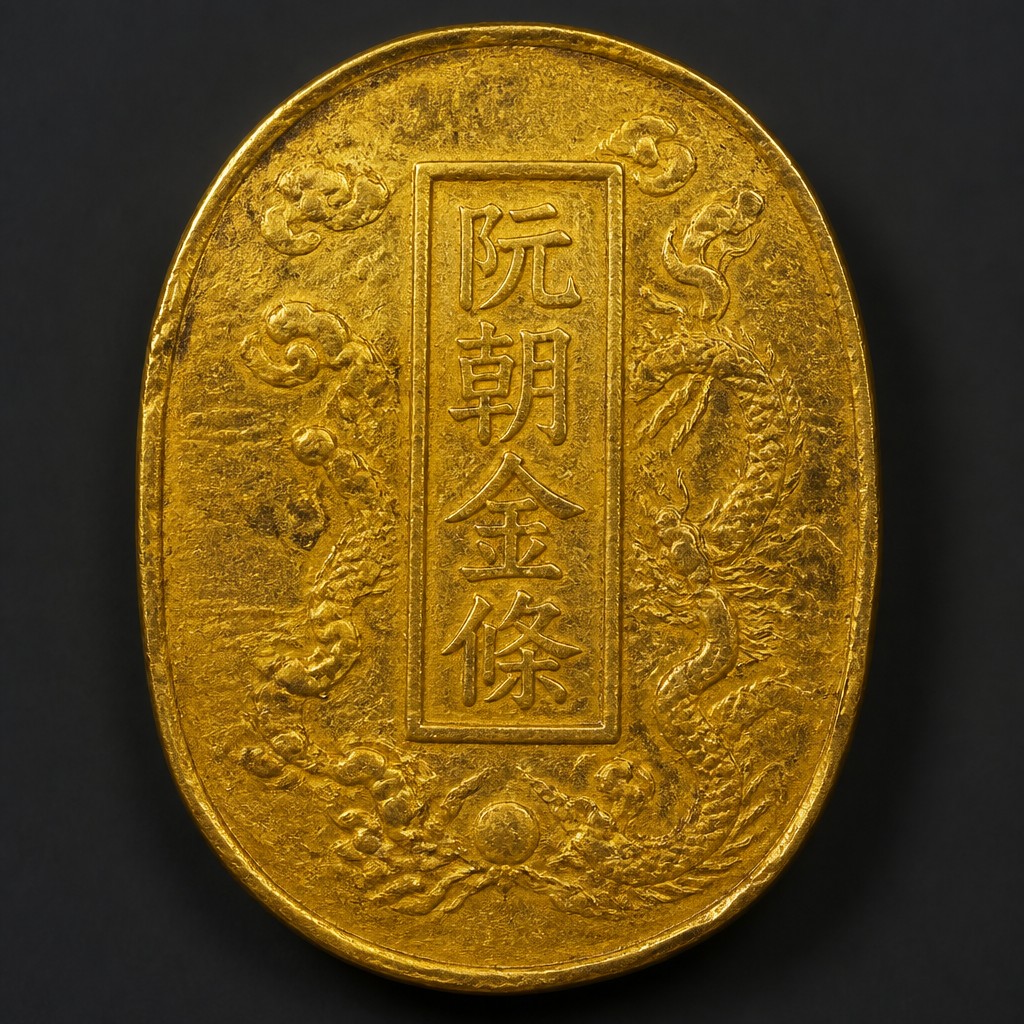
Nguyen Dynasty Gold Bar (Vietnam)
19th century
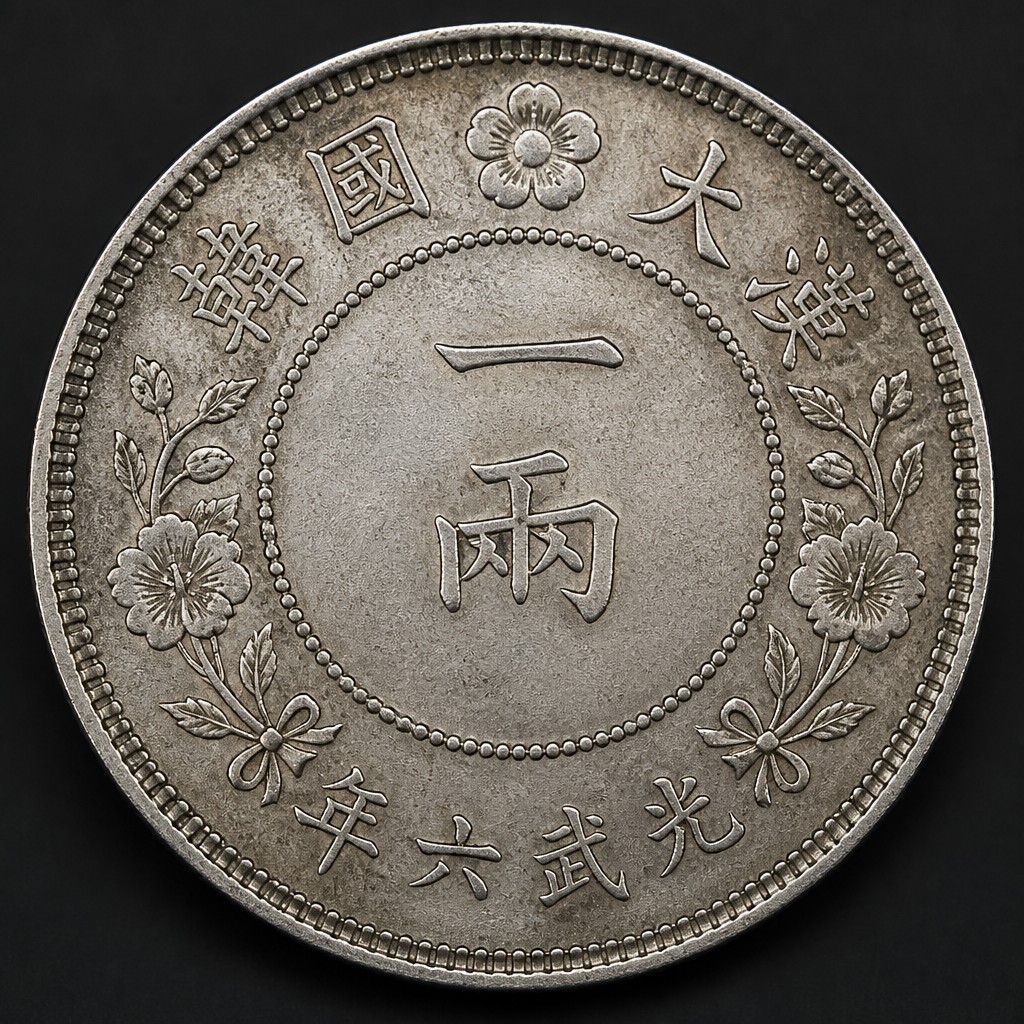
Korean 1 Yang Silver (Joseon/Great Han Empire)
1892–1902
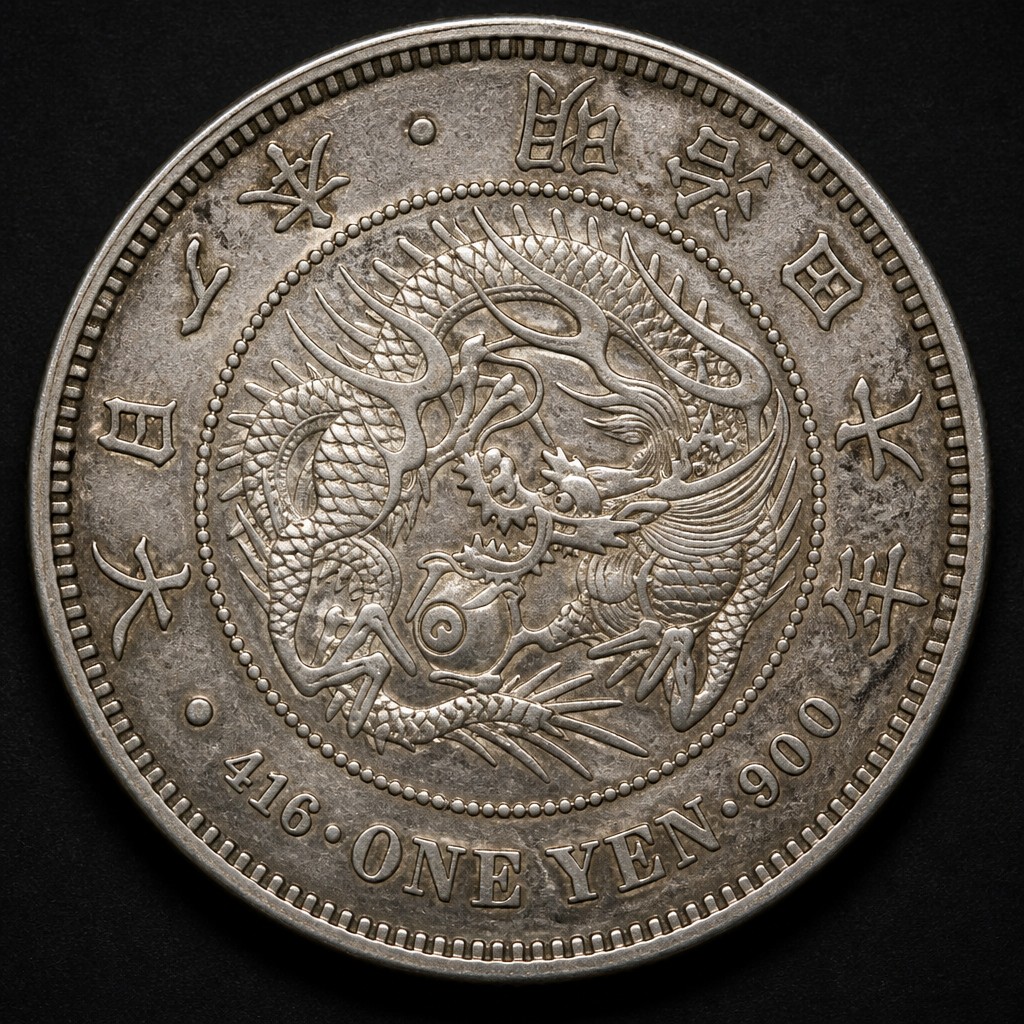
Japanese 1 Yen Silver 'Dragon' Trade Dollar
1870–1914 (trade dollar variant 1875–1877)
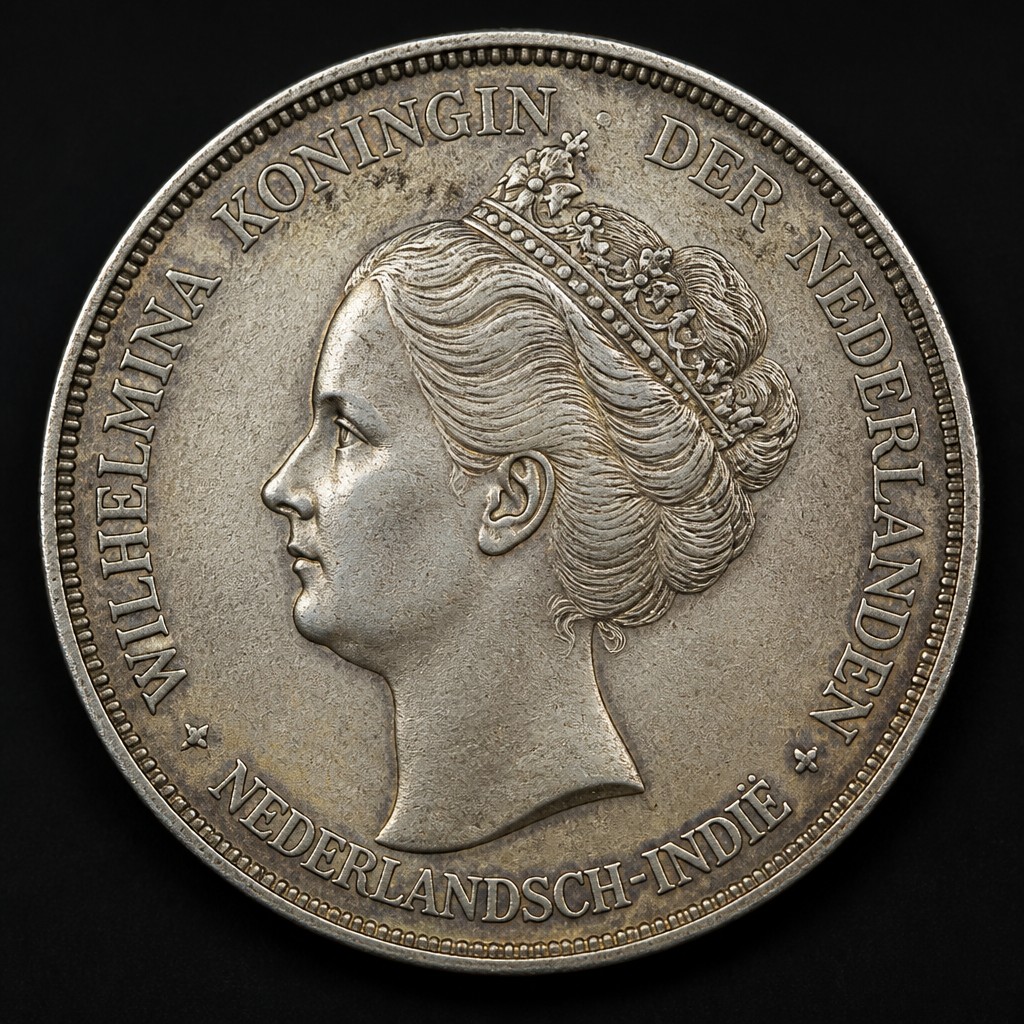
Netherlands East Indies Gulden (Wilhelmina)
1897–1945
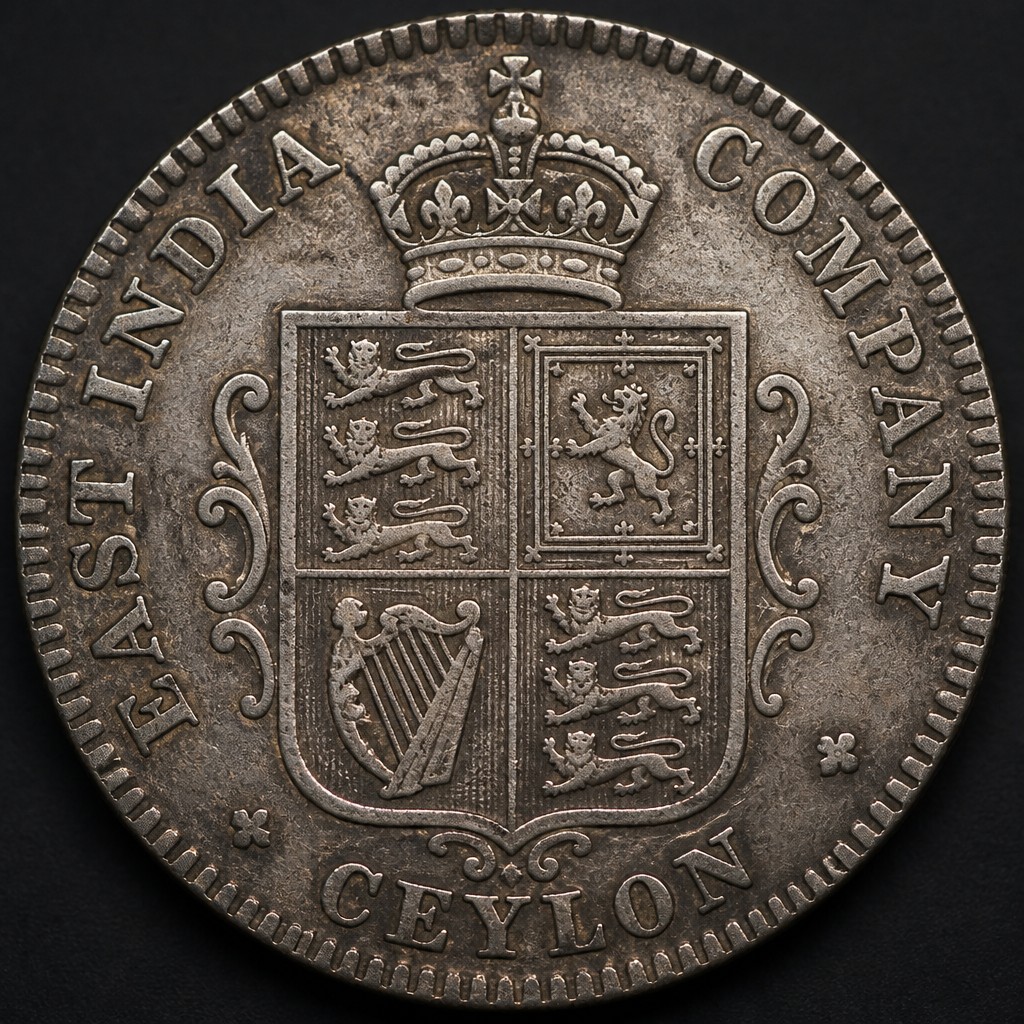
Ceylon (Sri Lanka) EIC Rixdollar
c. 1802–1821
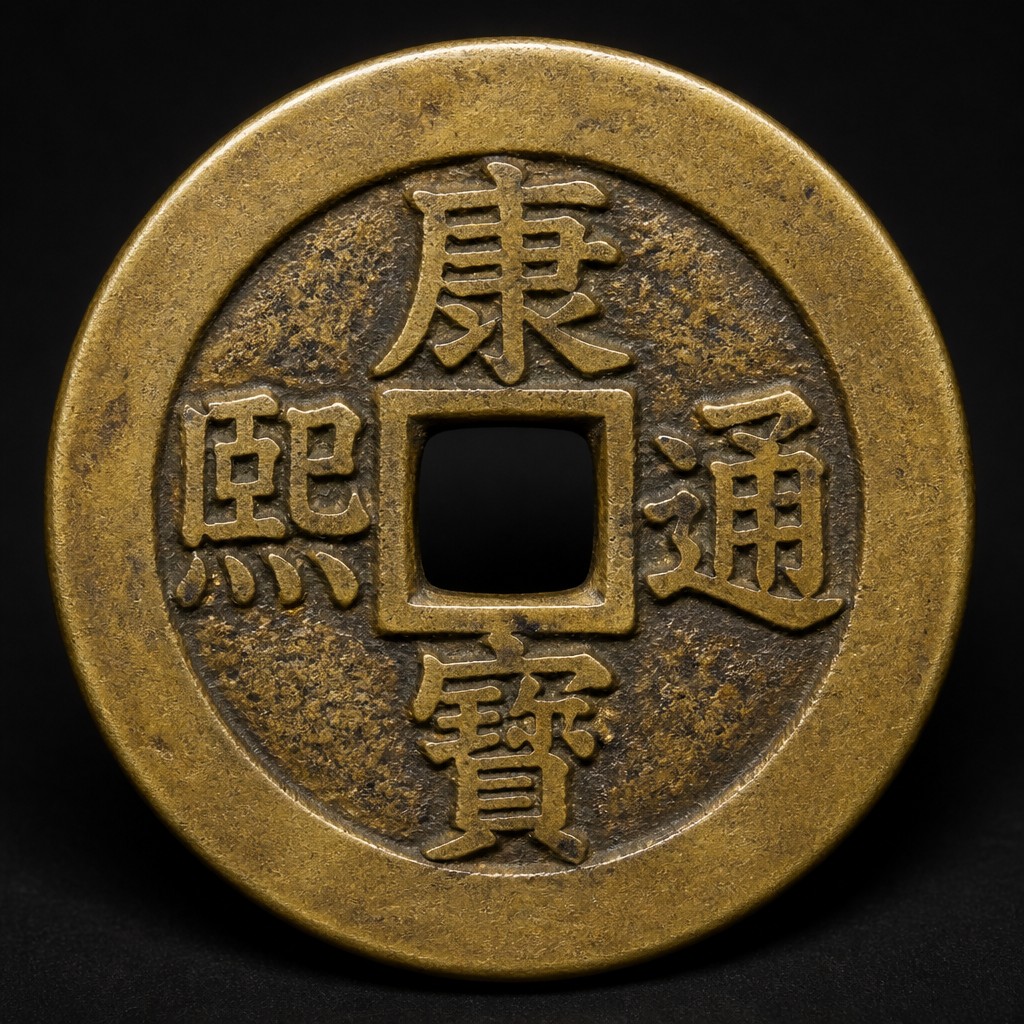
Chinese Cash Coin (Qing Dynasty 'Kangxi Tongbao')
1662–1722
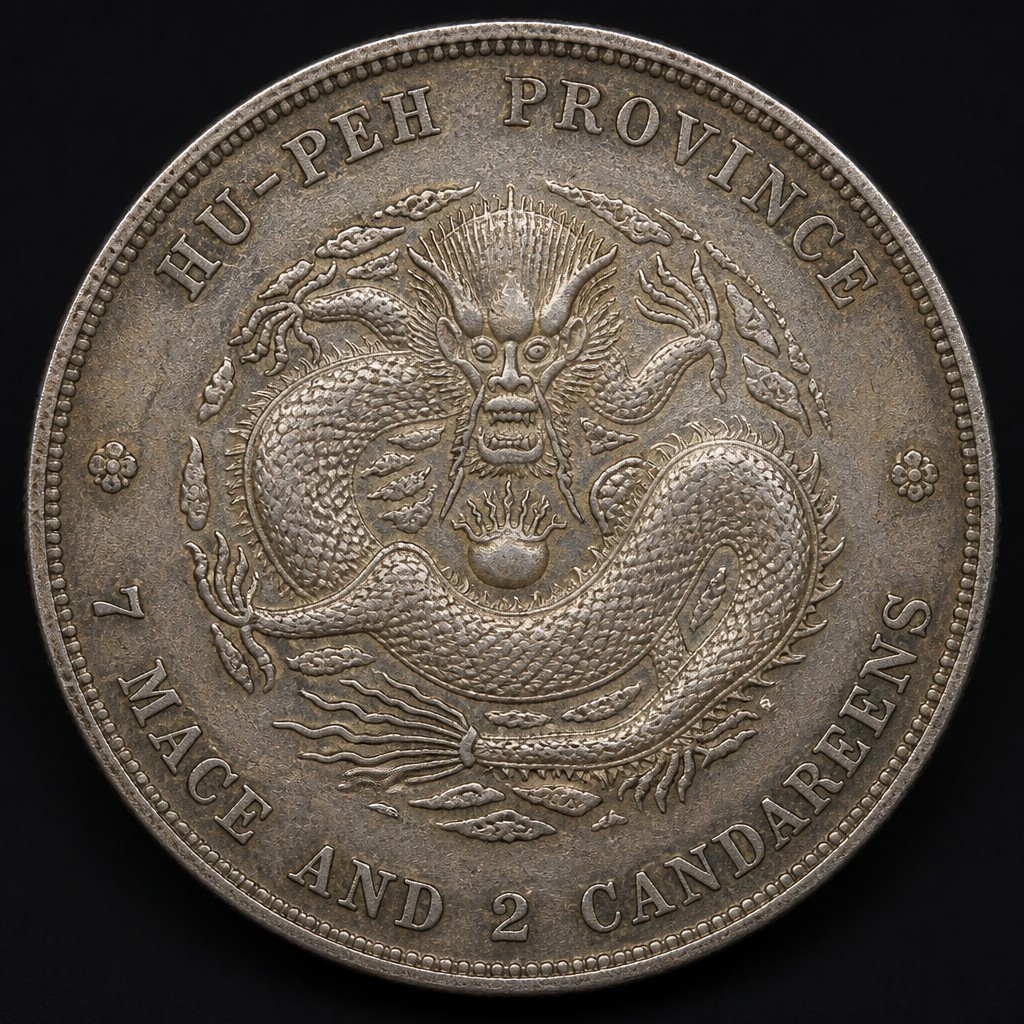
Chinese Hupeh Province Dragon Dollar
c. 1895–1909
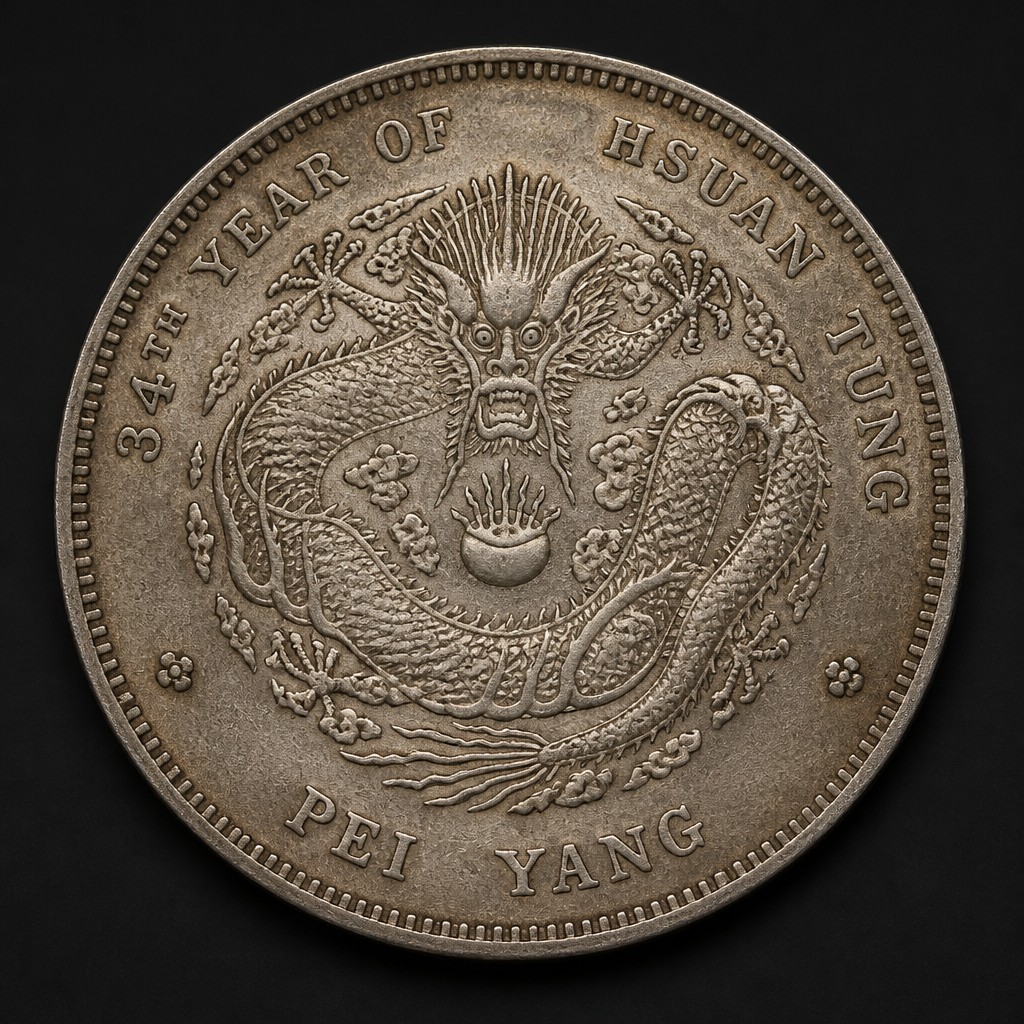
Chinese Empire Silver Dollar (Hsuan Tung Dragon)
1909–1911
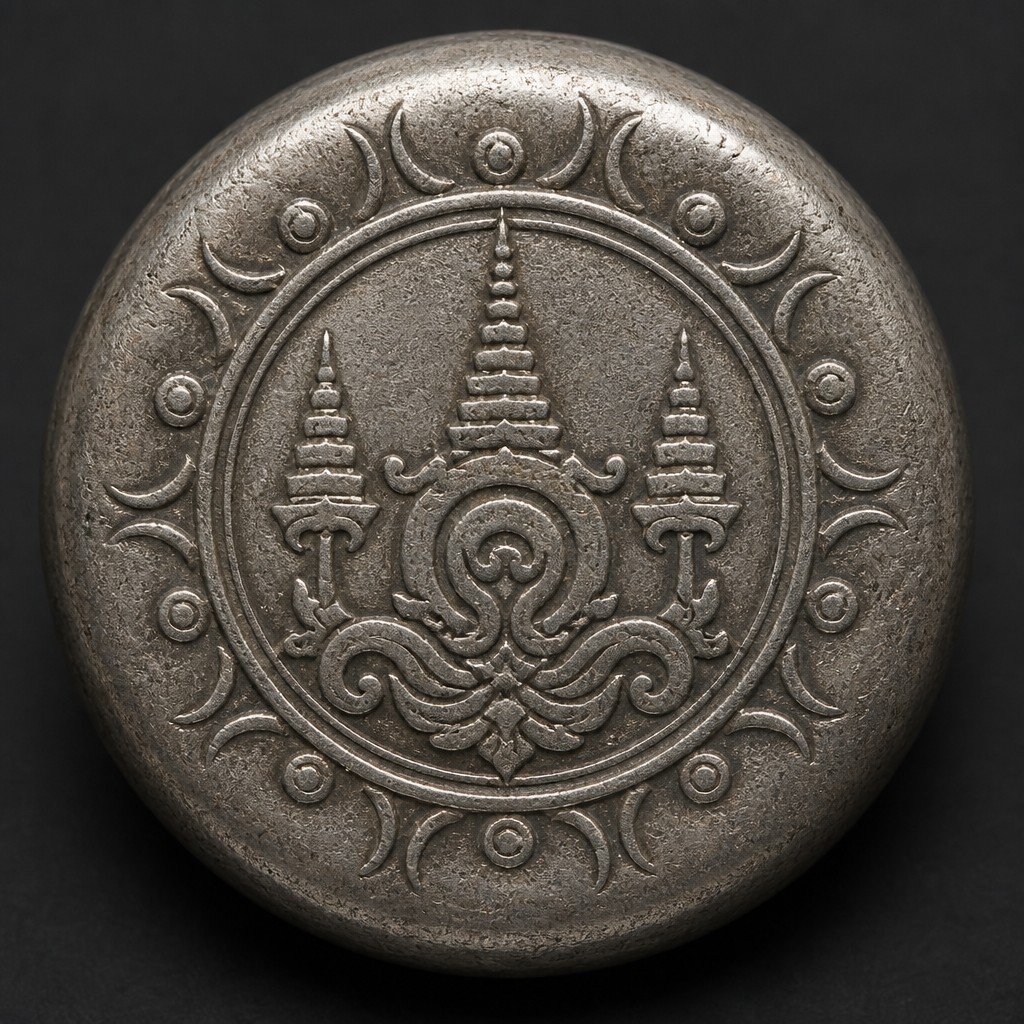
Thailand (Siam) Silver Baht 'Bullet Money' (Pod Duang)
c. 13th century – late 19th century
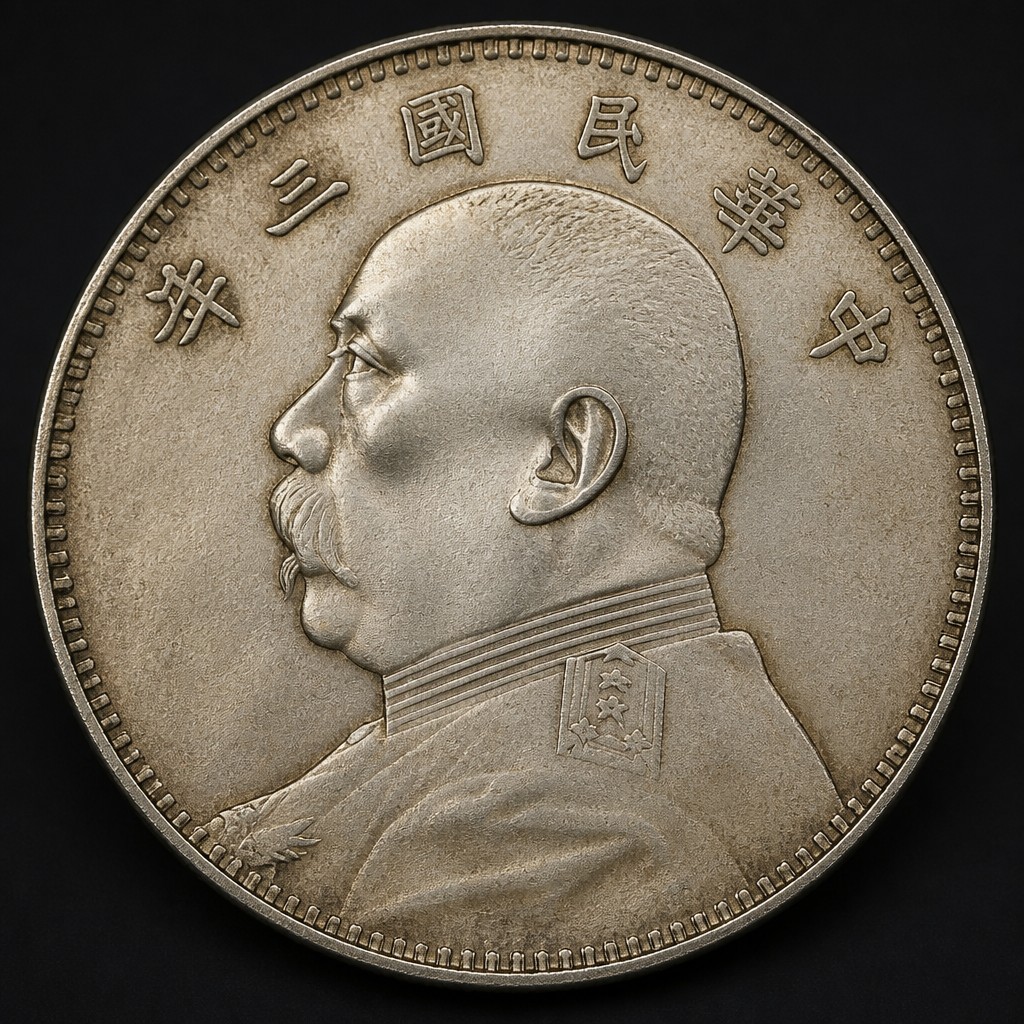
Yuan Shikai 'Fatman' Dollar (1914)
Dated 1914, struck into the early 1920s