
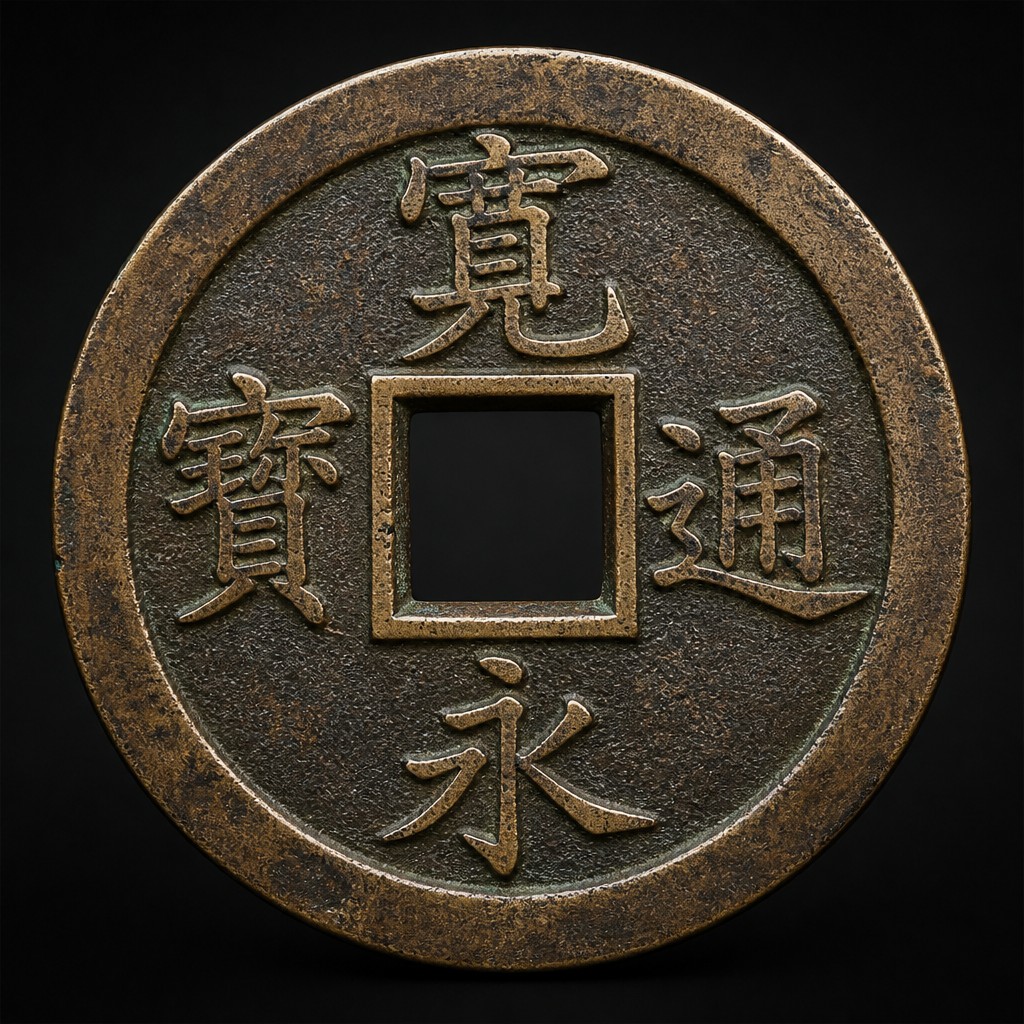
Japanese Kan'ei Tsuho Cash
The workhorse cash coin of Edo-period Japan, cast continuously from 1636 for over two centuries with a square hole and simple four-character legend.
- Country
- Japan
- Denomination
- 1 Mon (also 4 Mon and 100 Mon varieties)
- Metal
- Copper/Bronze (some low-denomination pieces in iron)
Got a coin like this?
Identify any coin from a photo, free.
Overview
The Kan'ei Tsuho was the standard everyday coin of Japan for most of the Edo period, filling the same role as the earlier Chinese-style cash coins but produced domestically on a massive scale. Its long production run and enormous variety of mint marks, metals, and minor die varieties make it a rich and accessible field for collectors of Japanese numismatics.
Because it circulated for so long and in such volume, the Kan'ei Tsuho is one of the most commonly encountered pre-modern Asian coins today, offering an affordable entry point into historical coin collecting alongside a deep well of scarcer varieties for specialists.
History & Background
Named for the Kan'ei era in which it was introduced (1624–1644), the Kan'ei Tsuho began regular casting in 1636 under the Tokugawa shogunate to provide a stable, standardized low-denomination currency for everyday commerce. Production continued, with interruptions and design tweaks, through the rest of the Edo period and into the early Meiji era before being phased out as Japan modernized its currency system in the 1870s.
Over its long life, the coin was cast at numerous official and licensed mints throughout Japan, each often marking its output with small symbols or characters on the reverse. Higher-denomination 4 mon and 100 mon versions were introduced later to address inflation and coin shortages, expanding the series considerably.
The sheer scale of production reflects the growth of a market economy in Tokugawa Japan, as commerce increasingly required a reliable small-denomination coinage for daily transactions among merchants and commoners.
How to Identify
Like other East Asian cash coins, the Kan'ei Tsuho is round with a square center hole, cast in copper alloy (with rarer iron and brass issues). The obverse carries the four characters "Kan-ei-tsu-ho" in a simple, legible script, without portraits or pictorial devices.
The reverse is where most of the variety lies: many issues are blank, but a large number carry small characters, dots, or symbols indicating the mint, casting batch, or denomination (notably the 4 mon pieces, which often show wave patterns on the reverse and are physically larger than the 1 mon type). The 100 mon pieces are larger still and rectangular-cornered in some variants.
Collectors distinguish varieties by calligraphy style, rim thickness, hole shape, and reverse marks, with reference catalogs listing hundreds of recognized mint and script varieties. Because the coin was cast for so long, condition ranges enormously from crisp, sharp pieces to heavily worn, pitted examples pulled from circulation or excavation.
Value & Collectibility
The great majority of Kan'ei Tsuho 1 mon coins are common and inexpensive, often available for a modest price even in decent condition, since untold millions were cast over more than two centuries. Value is driven far more by specific mint mark, script variety, and denomination than by the basic type itself.
Certain rare mint varieties, unusual metal compositions, error pieces, and the larger 100 mon denomination can command significantly higher prices among specialist collectors of Japanese cash coinage. As with most cast coin series, sharp casting, minimal corrosion, and clear reverse marks add meaningfully to desirability.
Frequently asked questions
How long was the Kan'ei Tsuho produced?
It was cast from 1636 through the Edo period and into the early Meiji era, roughly the 1870s, making it one of the longest-running coin types in history.
Are Kan'ei Tsuho coins rare?
The basic 1 mon type is common and affordable, but specific mint marks, script varieties, and higher denominations can be genuinely scarce and valuable.
What do the marks on the back mean?
Reverse symbols and characters generally indicate the mint or casting workshop that produced the coin, and specialists use them to classify hundreds of varieties.
What is the hole in the middle for?
The square hole allowed coins to be strung together on cords for counting and carrying large quantities, a practice common across East Asian cash coinage.
Other coins you may enjoy
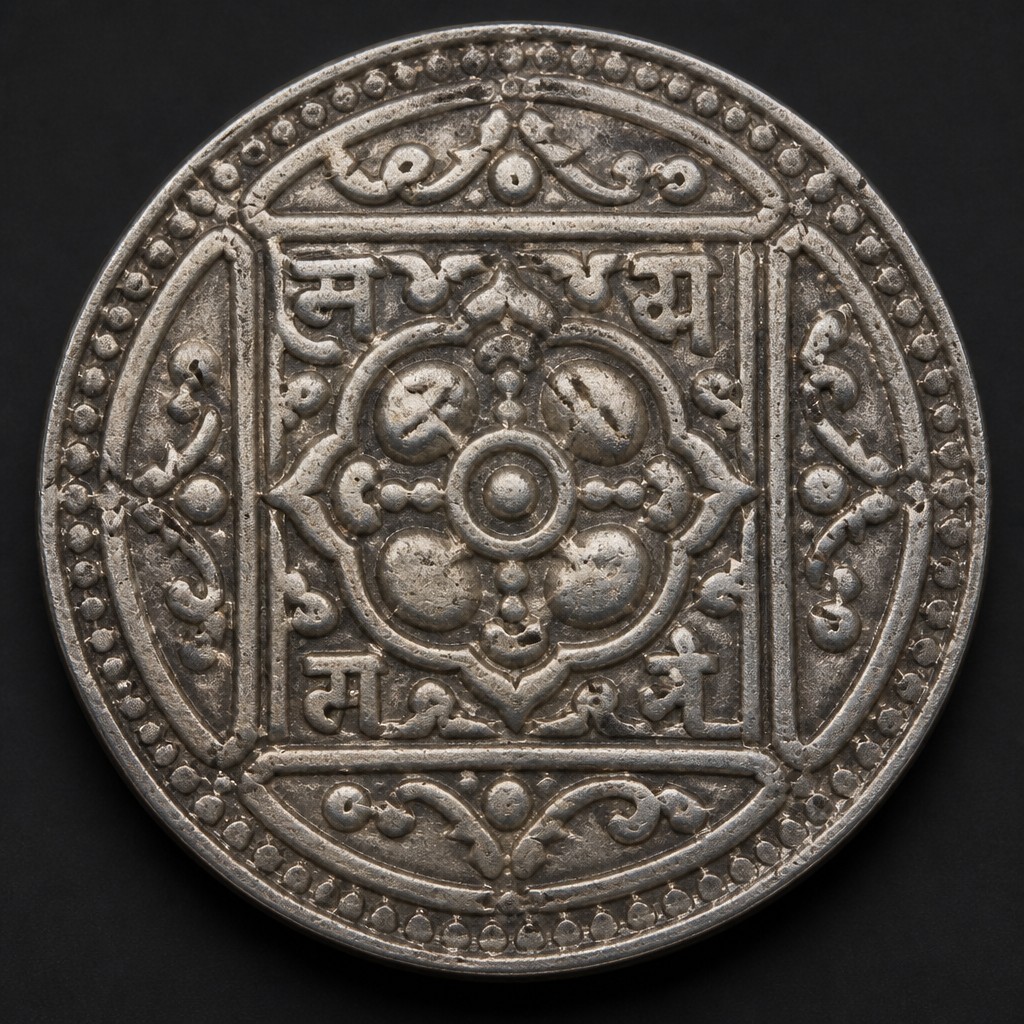
Nepal Silver Mohar
c. 16th–19th century
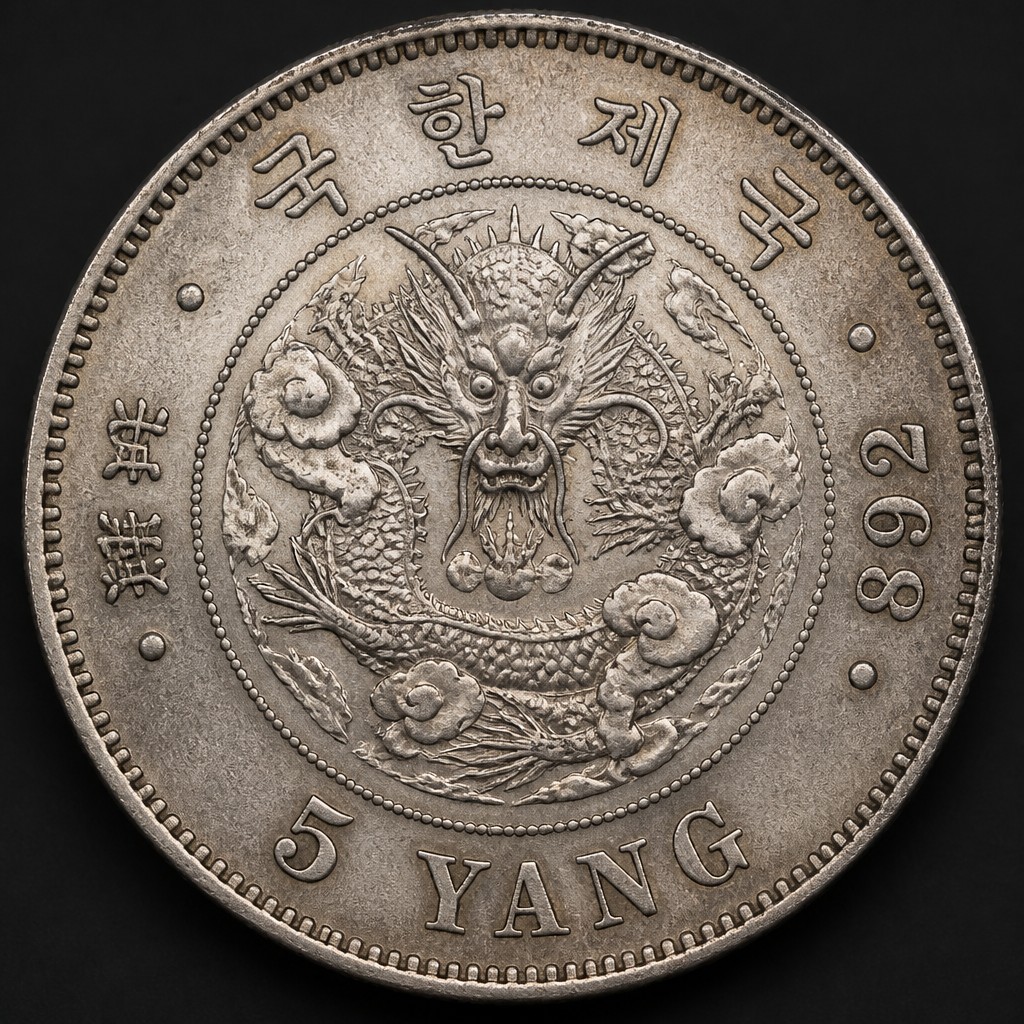
Korean 5 Yang Silver Dollar (1892)
1892
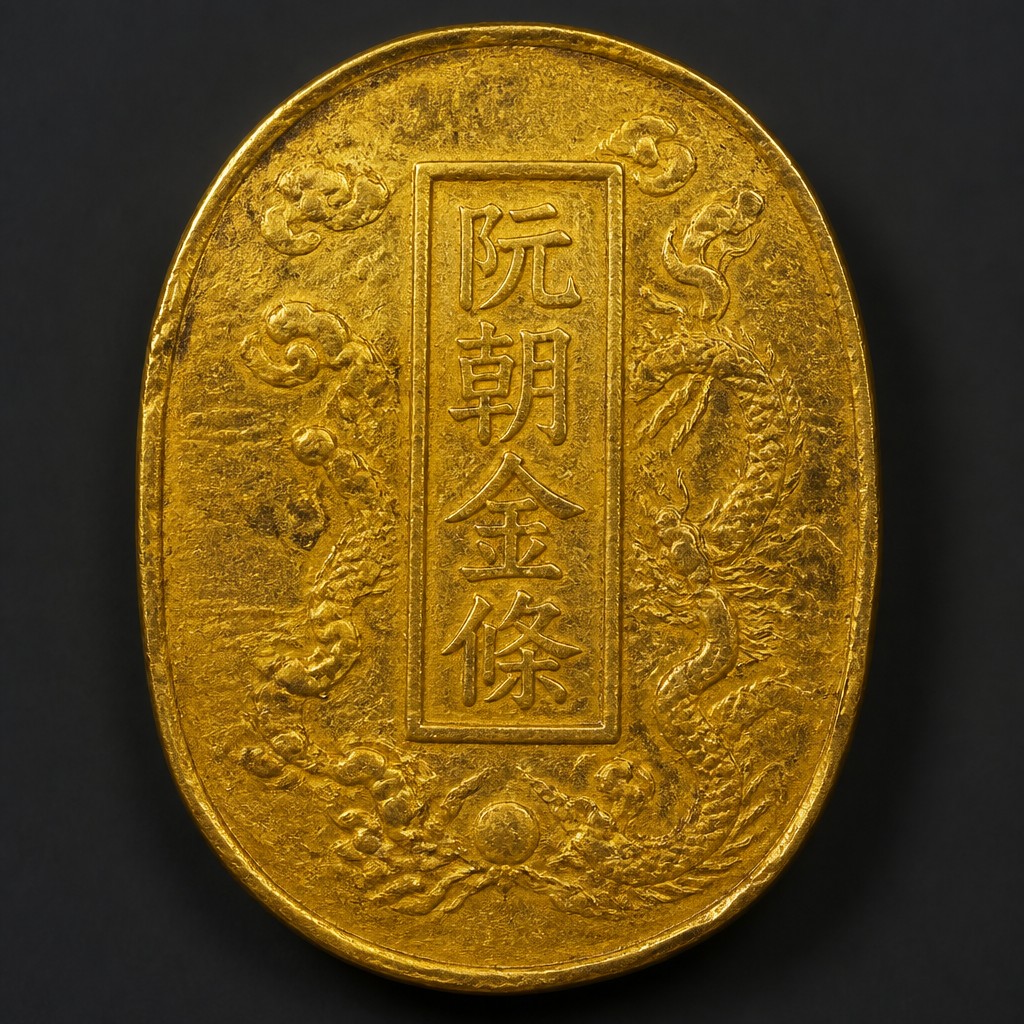
Nguyen Dynasty Gold Bar (Vietnam)
19th century
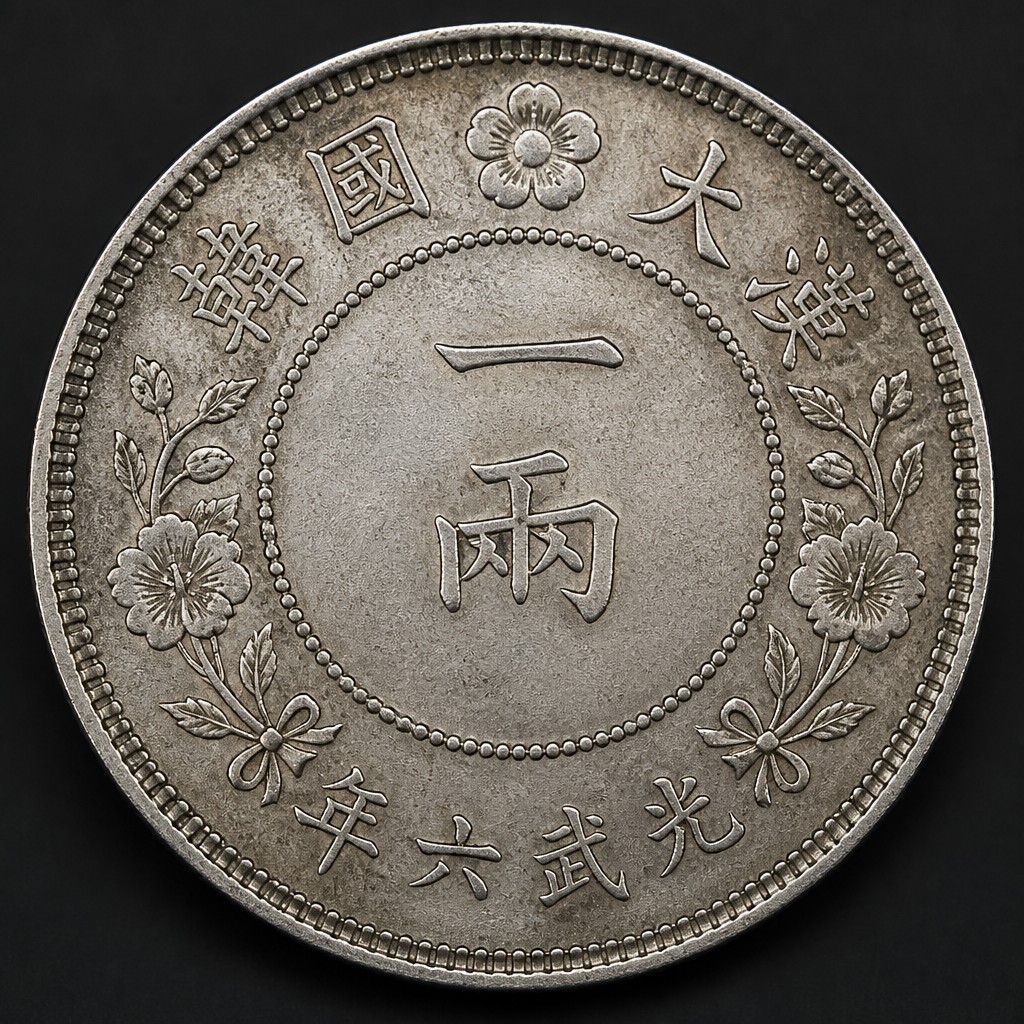
Korean 1 Yang Silver (Joseon/Great Han Empire)
1892–1902
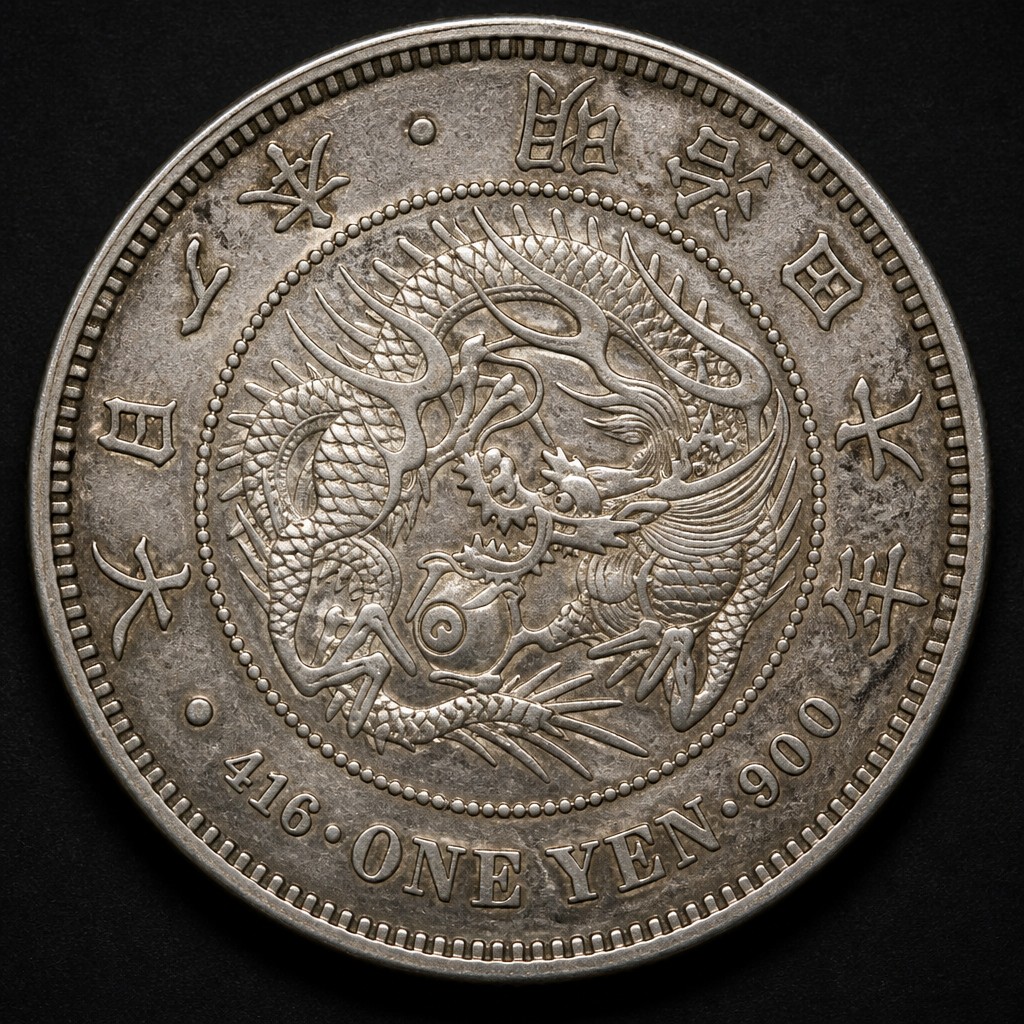
Japanese 1 Yen Silver 'Dragon' Trade Dollar
1870–1914 (trade dollar variant 1875–1877)
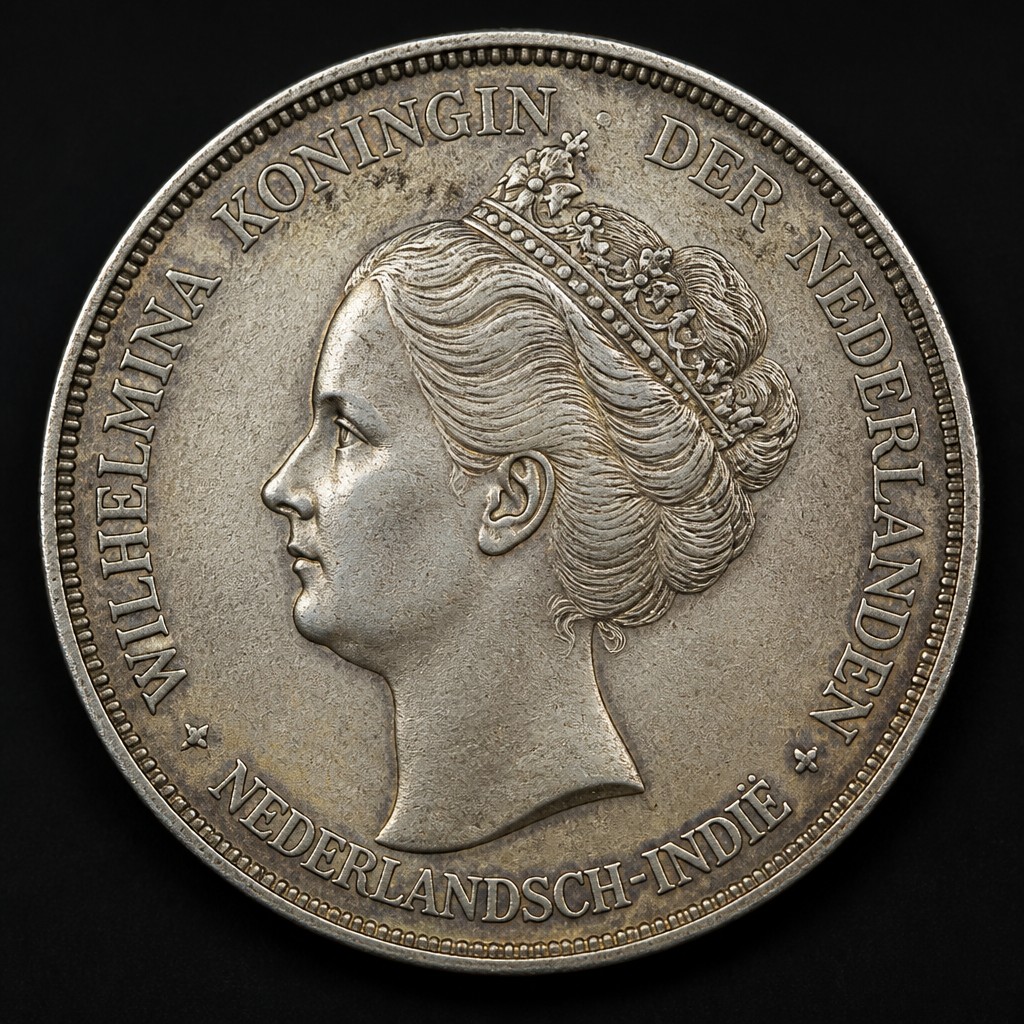
Netherlands East Indies Gulden (Wilhelmina)
1897–1945
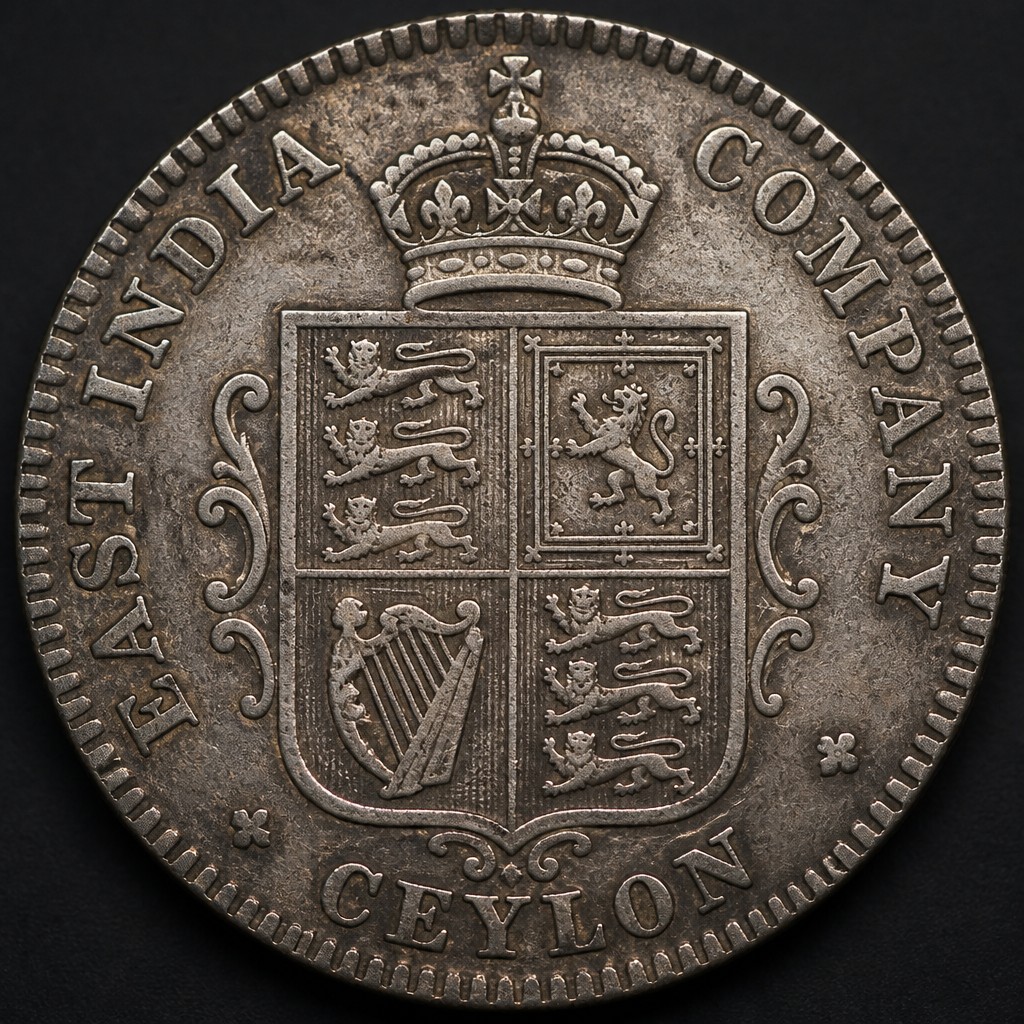
Ceylon (Sri Lanka) EIC Rixdollar
c. 1802–1821
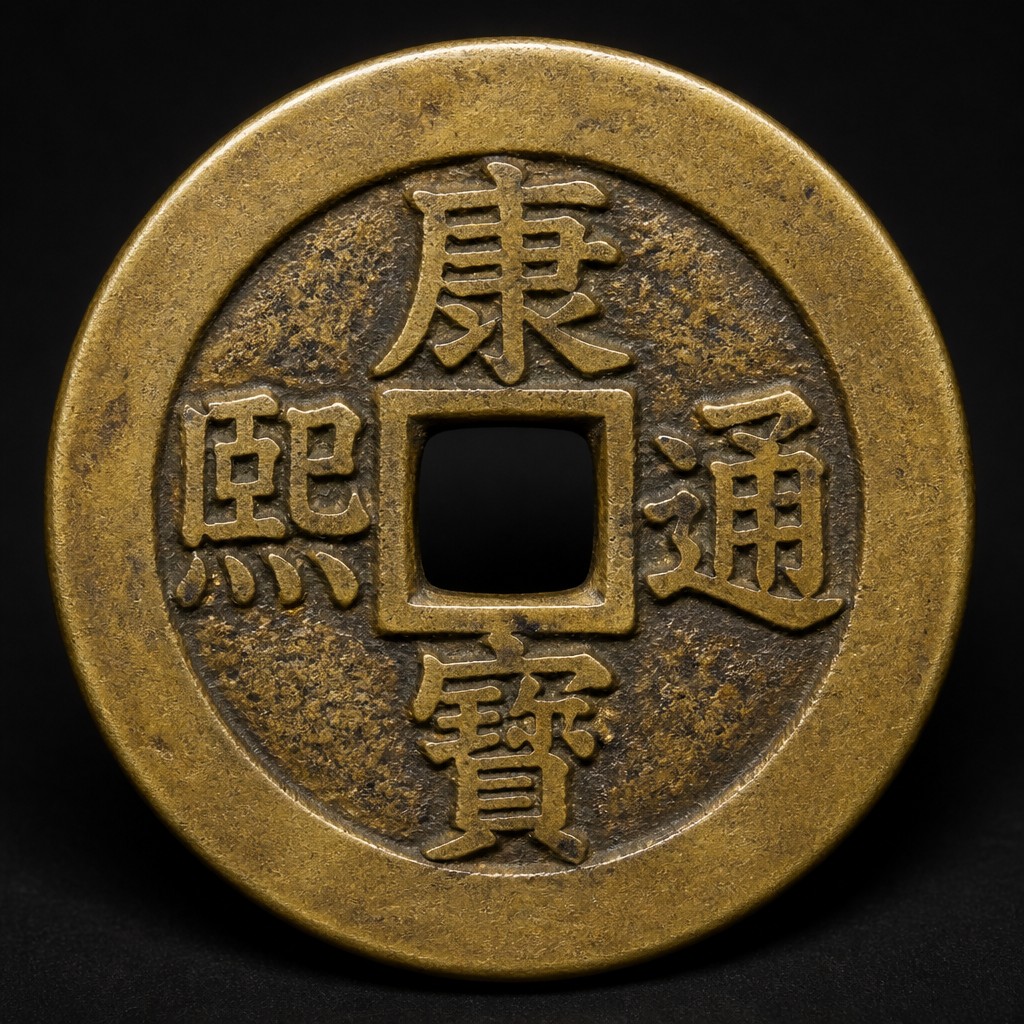
Chinese Cash Coin (Qing Dynasty 'Kangxi Tongbao')
1662–1722
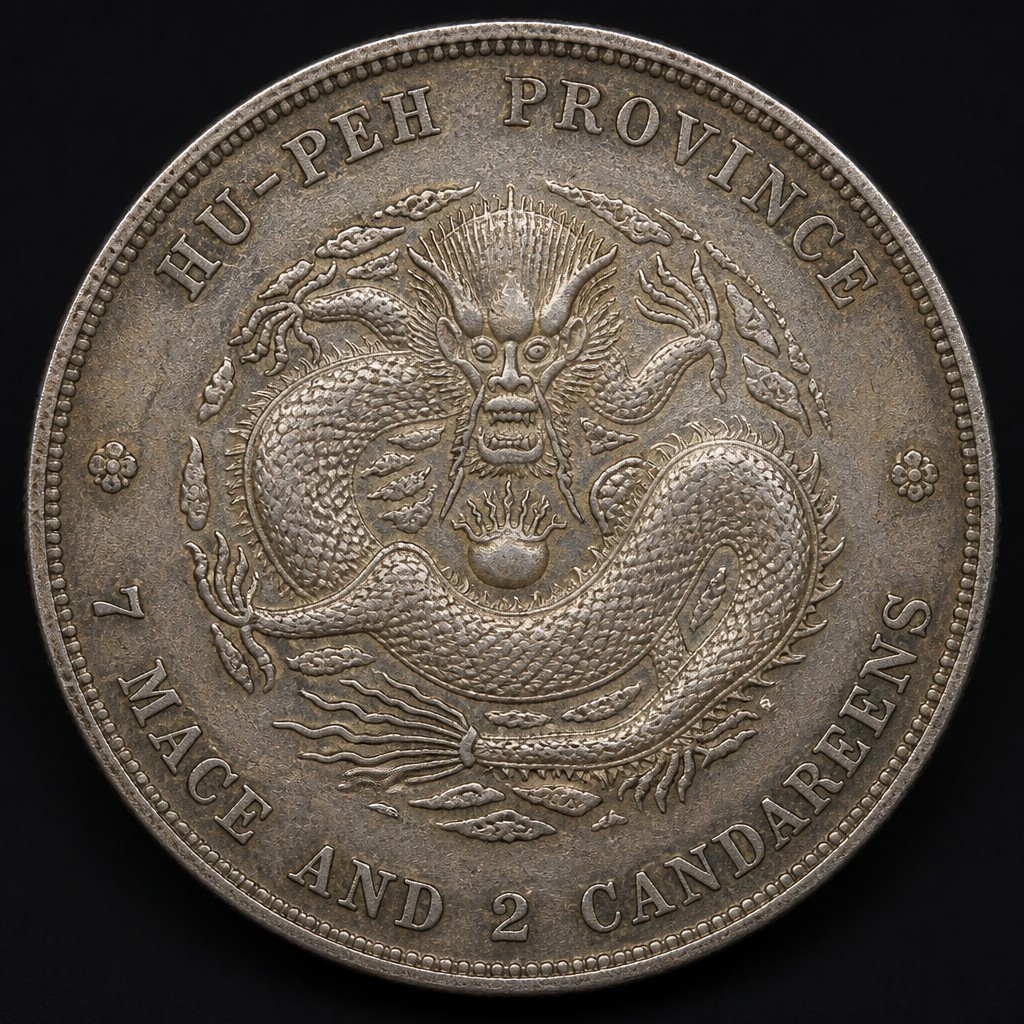
Chinese Hupeh Province Dragon Dollar
c. 1895–1909
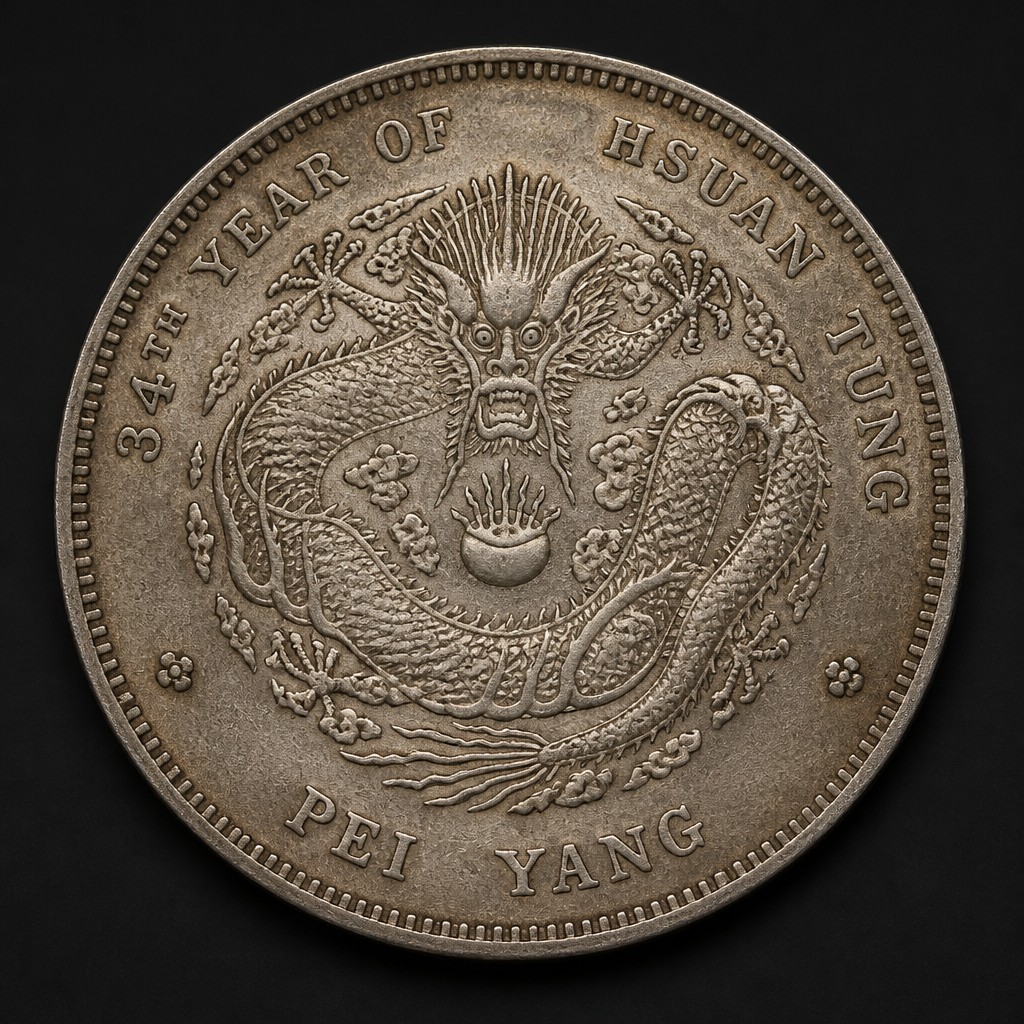
Chinese Empire Silver Dollar (Hsuan Tung Dragon)
1909–1911
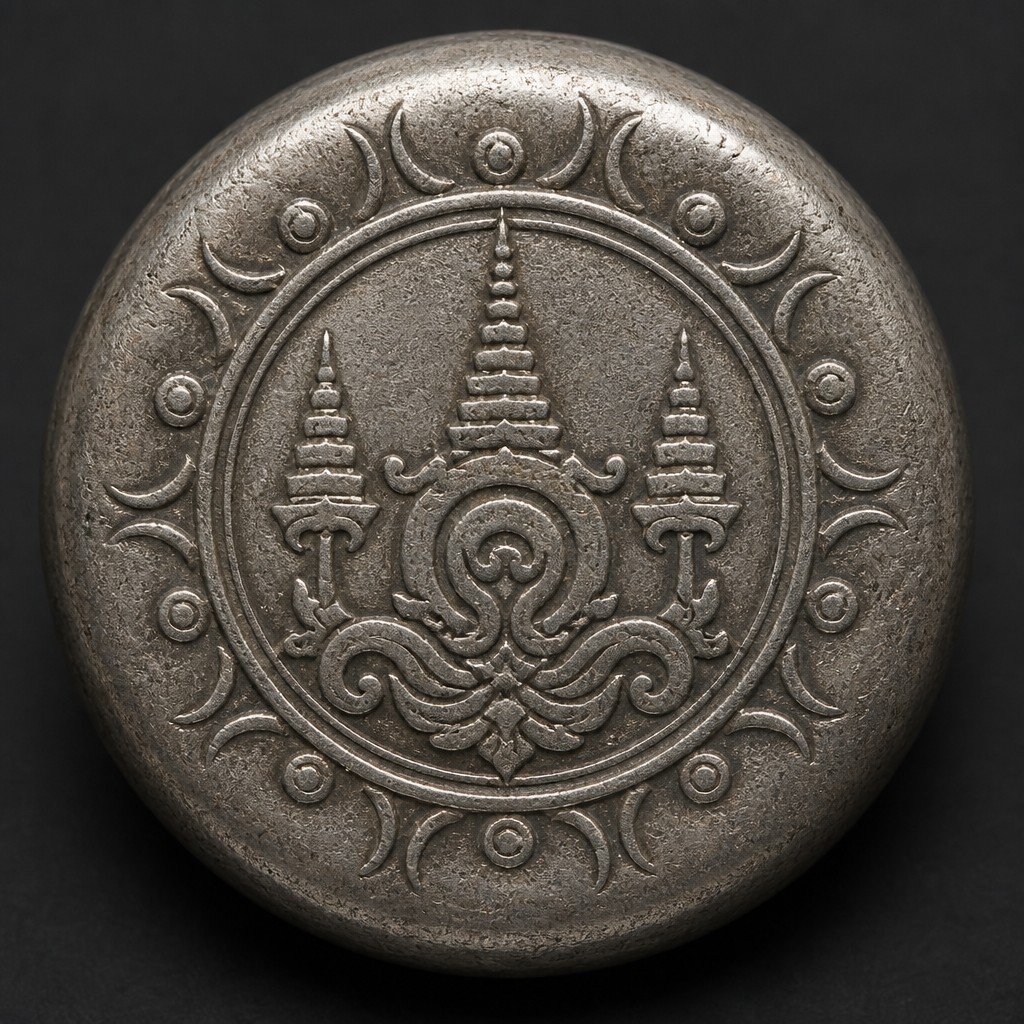
Thailand (Siam) Silver Baht 'Bullet Money' (Pod Duang)
c. 13th century – late 19th century
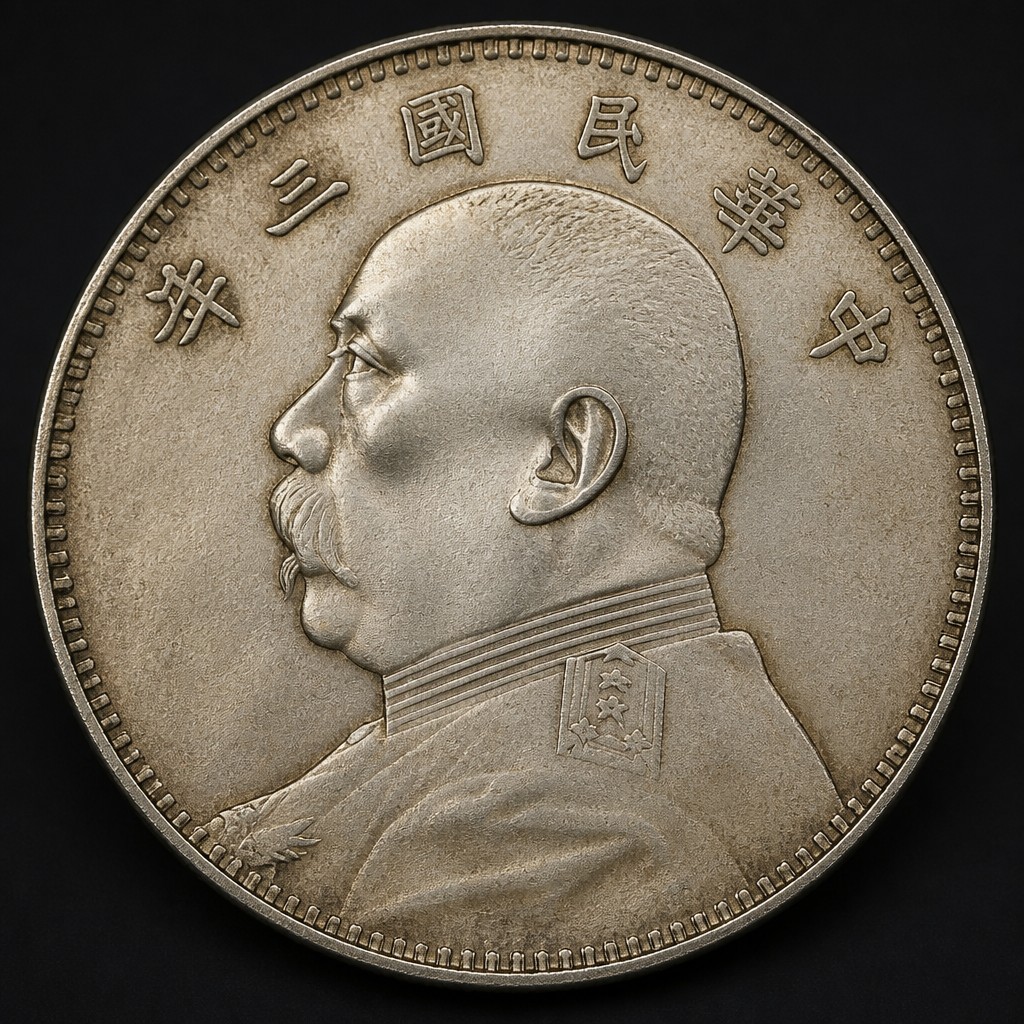
Yuan Shikai 'Fatman' Dollar (1914)
Dated 1914, struck into the early 1920s