
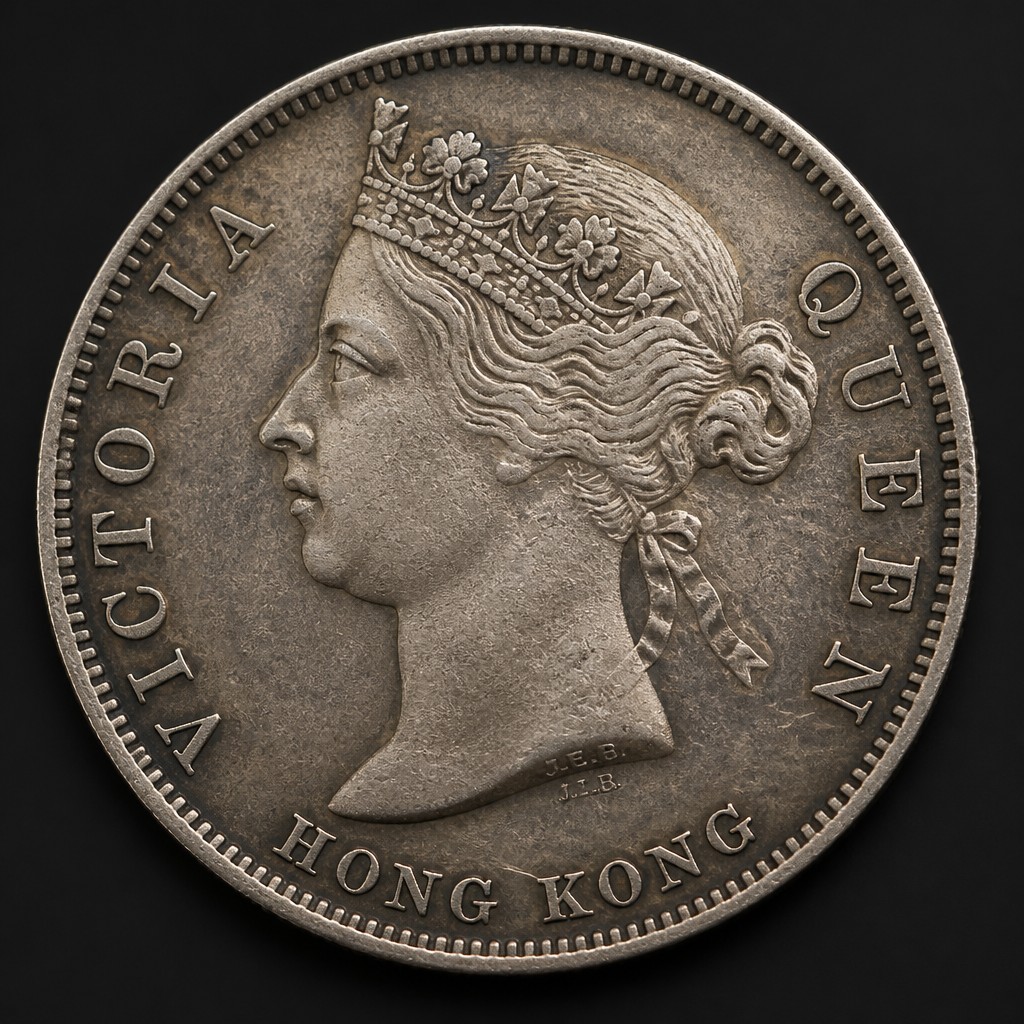
Hong Kong Silver Dollar (1866–1868, Victoria)
A short-lived silver dollar struck at Britain's ill-fated Hong Kong Mint, bearing a young portrait of Queen Victoria; the mint closed within two years.
- Country
- Hong Kong (British colony)
- Denomination
- One Dollar
- Metal
- 90% Silver
Got a coin like this?
Identify any coin from a photo, free.
Overview
The Hong Kong Silver Dollar was produced by Britain's newly built Hong Kong Mint in an ambitious but ultimately unsuccessful attempt to establish a British dollar-weight coin for use throughout the colony and southern China. It is notable both for its brief production window and for being struck at one of the shortest-lived official mints in the British Empire.
Because the mint operated for only a few years before closing, surviving examples represent a distinct and historically significant chapter in Hong Kong's early colonial monetary history.
History & Background
The Hong Kong Mint opened in 1866 with the goal of producing a silver dollar that could rival the Mexican dollar already trusted throughout Chinese and Southeast Asian trade. Despite modern equipment, the coin failed to gain the confidence of local merchants, who continued to prefer the familiar Mexican dollar, and the mint struggled financially from the outset.
Facing continuing losses, the colonial government closed the Hong Kong Mint in 1868, after only a few years of operation, and later sold its minting machinery to Japan, where it was used to help establish Japan's own modern mint at Osaka. This makes the Hong Kong dollar a numismatic bridge between British colonial coinage and the beginnings of Meiji-era Japanese coinage.
How to Identify
The obverse features a youthful laureate or diademed bust of Queen Victoria facing left, with her name and title in Latin around the rim. The reverse displays the denomination "ONE DOLLAR" in English along with the value rendered in Chinese characters, usually within a wreath or decorative border.
The coin is struck in .900 fine silver at roughly the same weight and diameter as the contemporary Mexican 8 reales/peso, around 27 grams and 38–39mm, so that it could circulate interchangeably in regional trade. No mint mark is needed to identify origin since all examples come from the single Hong Kong Mint.
Collectors should watch for the 1868 date, the final and scarcest year of issue, as well as for cleaned or artificially toned examples, which are common among older Chinese-trade-circulated silver.
Value & Collectibility
All dates of this short series are considered scarce by the standards of general world coinage, since total mintages across the mint's brief life were relatively limited. The 1868 issue is typically the most difficult to find in any grade.
Condition has an outsized effect on value: heavily worn or chopmarked circulated examples trade for modest sums, while problem-free coins with good original surfaces and eye appeal can bring prices well into four figures at auction, with the finest known examples reaching substantially higher. Because of its rarity and historical importance, buyers should be especially attentive to authenticity when considering higher-priced examples.
Frequently asked questions
Why did the Hong Kong Mint close so quickly?
It operated at a financial loss because local merchants continued to prefer the well-established Mexican dollar over the new British coin, making the mint commercially unviable within a few years.
What happened to the Hong Kong Mint's equipment?
After closure in 1868, the minting machinery was sold and shipped to Japan, where it helped establish an early Japanese mint during the Meiji era.
Is the Hong Kong Silver Dollar rare?
Yes, relative to most world silver dollars of the era, the entire series is considered scarce due to the mint's short operating life and limited total output.
Does this coin show an older or younger Queen Victoria?
It shows a youthful portrait of Victoria, consistent with other British and colonial coinage from the mid-1860s.
Other coins you may enjoy
Nepal Silver Mohar
c. 16th–19th century
Korean 5 Yang Silver Dollar (1892)
1892
Nguyen Dynasty Gold Bar (Vietnam)
19th century
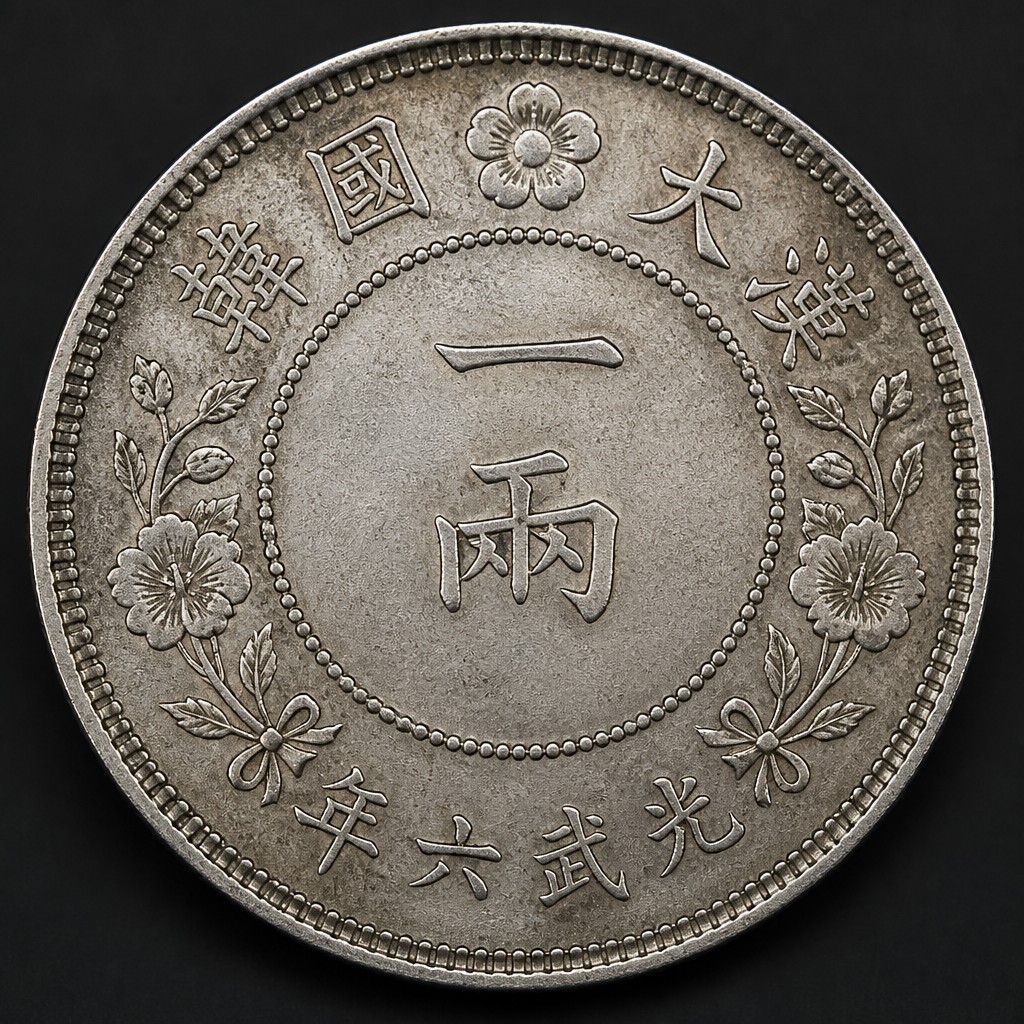
Korean 1 Yang Silver (Joseon/Great Han Empire)
1892–1902
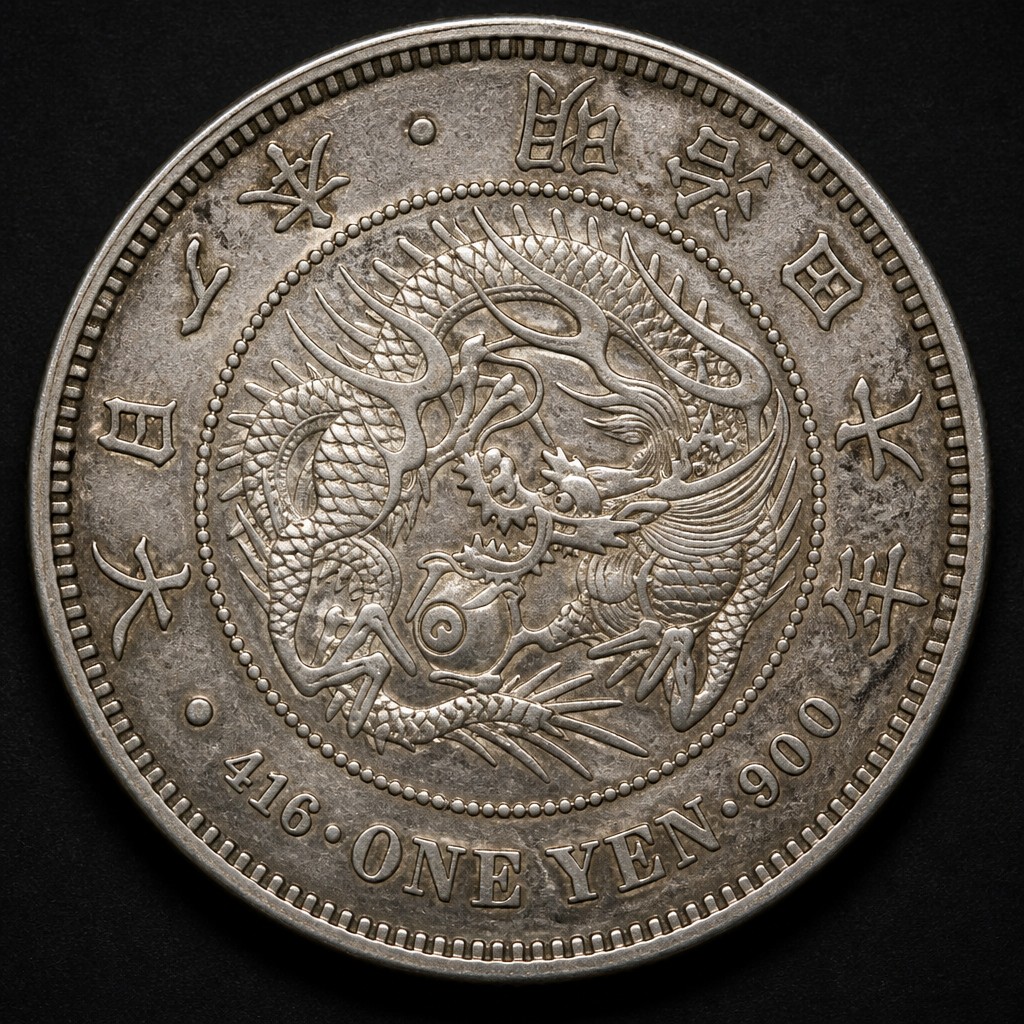
Japanese 1 Yen Silver 'Dragon' Trade Dollar
1870–1914 (trade dollar variant 1875–1877)
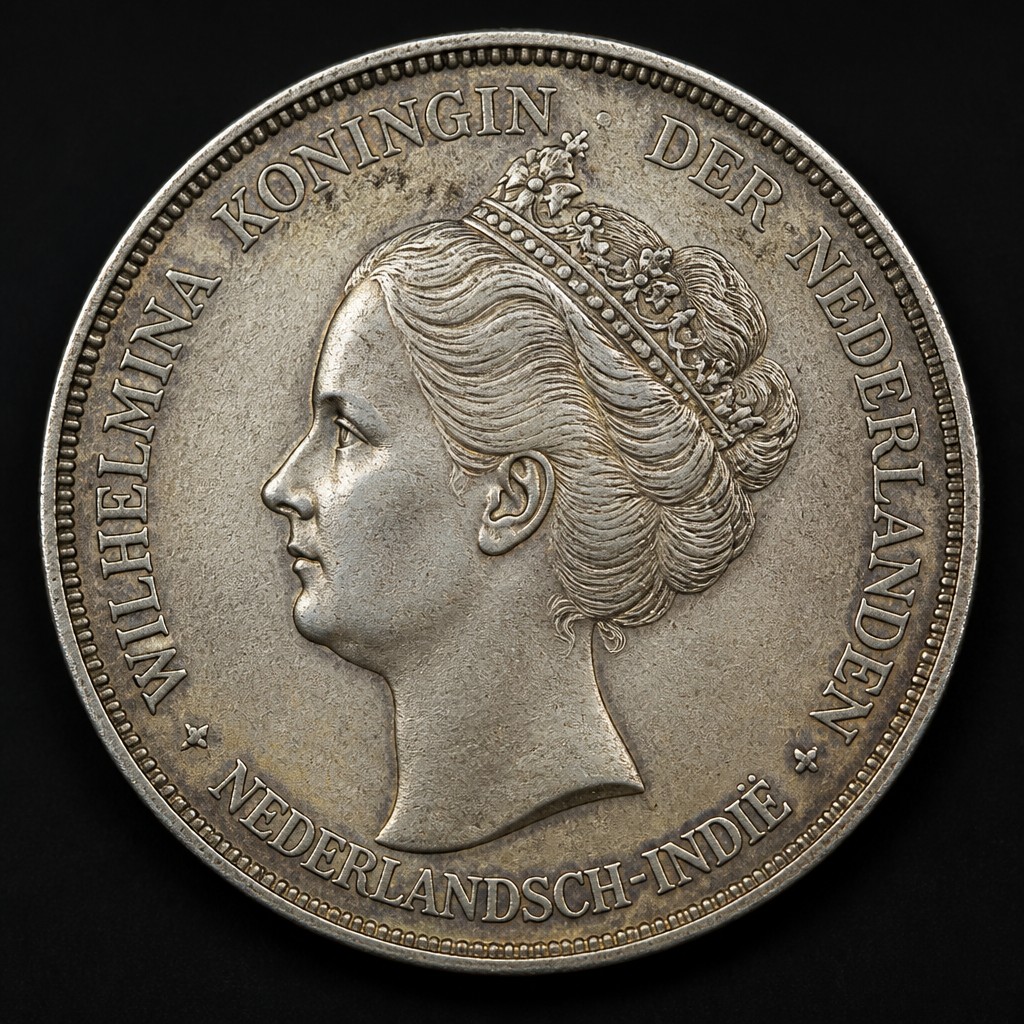
Netherlands East Indies Gulden (Wilhelmina)
1897–1945
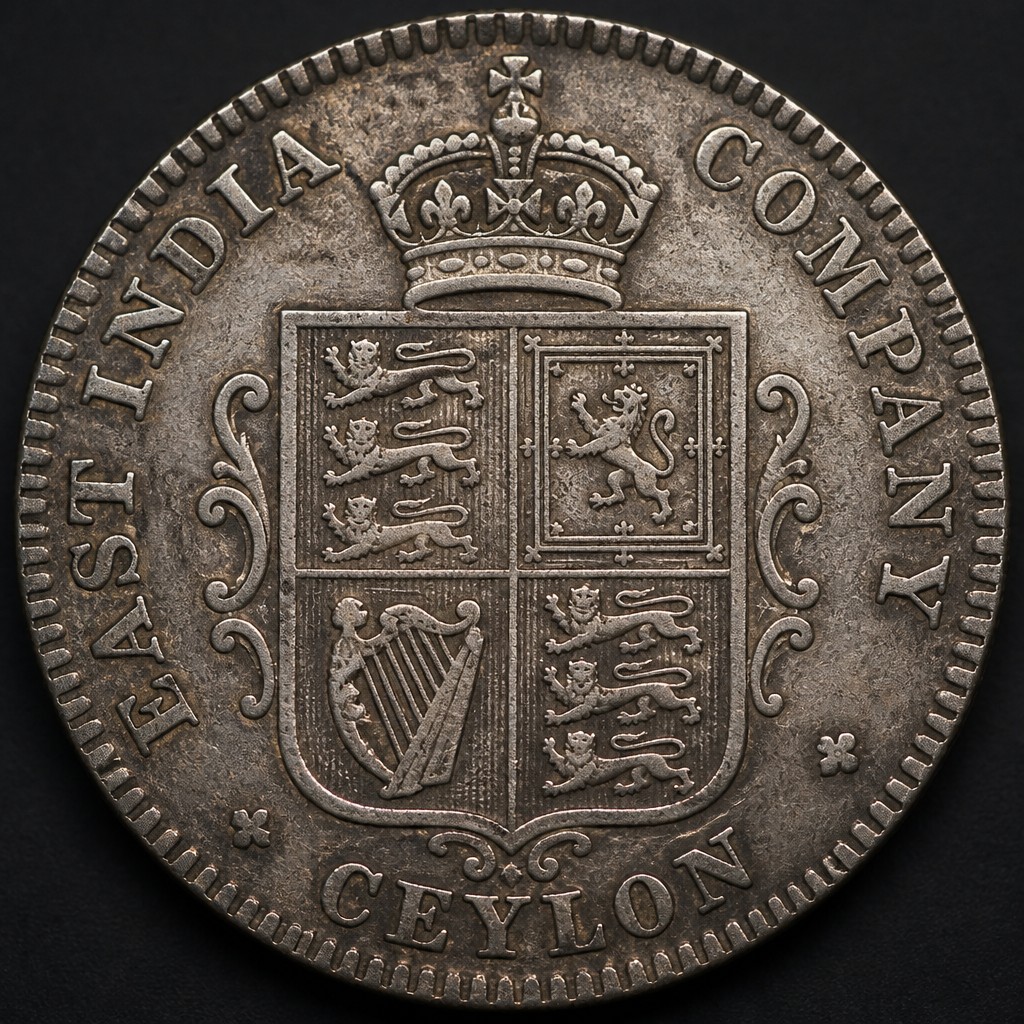
Ceylon (Sri Lanka) EIC Rixdollar
c. 1802–1821
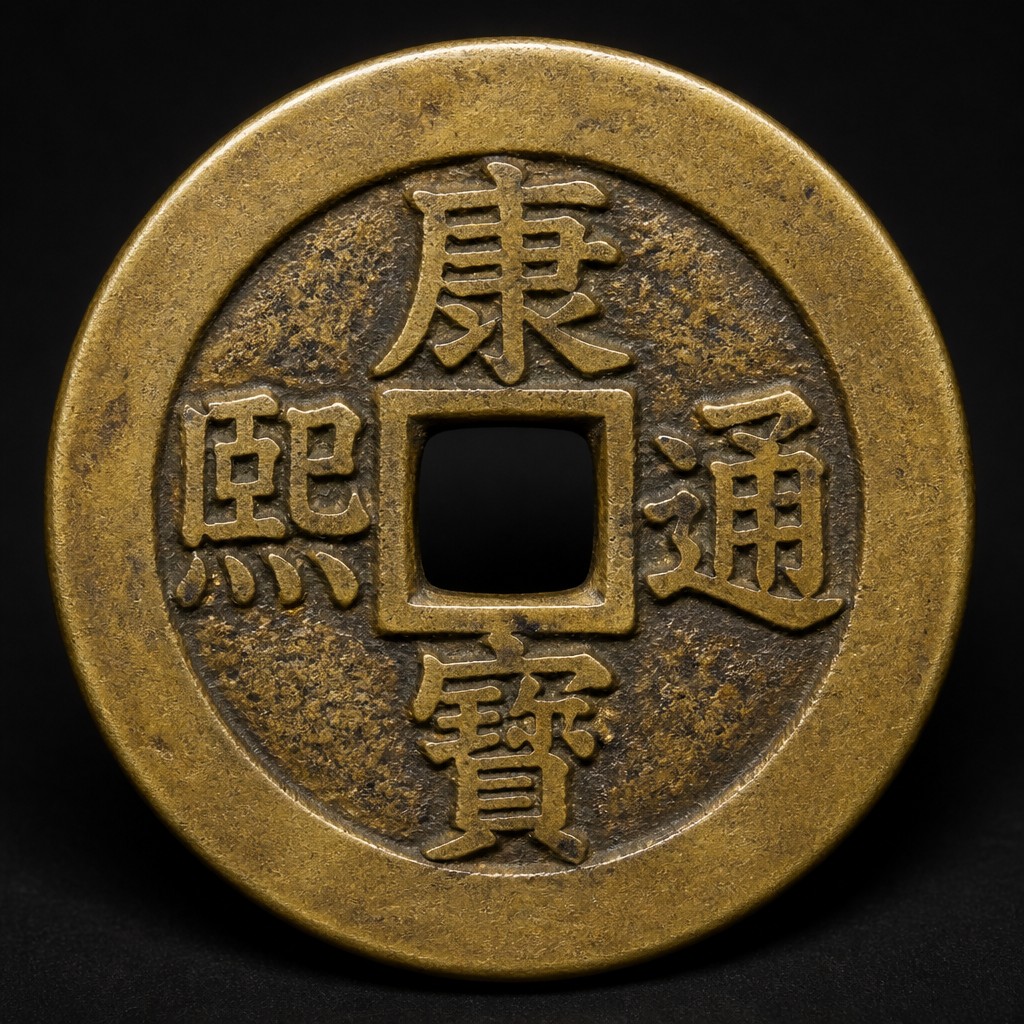
Chinese Cash Coin (Qing Dynasty 'Kangxi Tongbao')
1662–1722
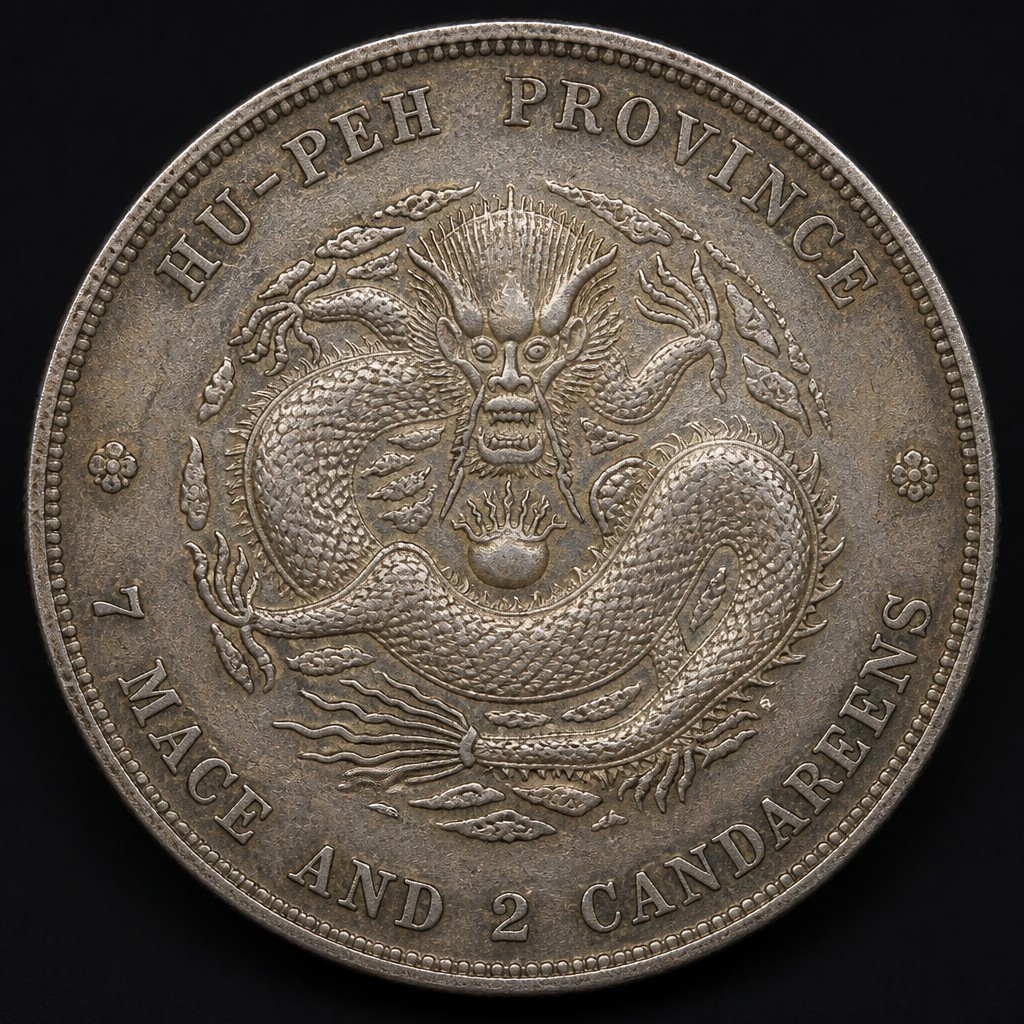
Chinese Hupeh Province Dragon Dollar
c. 1895–1909
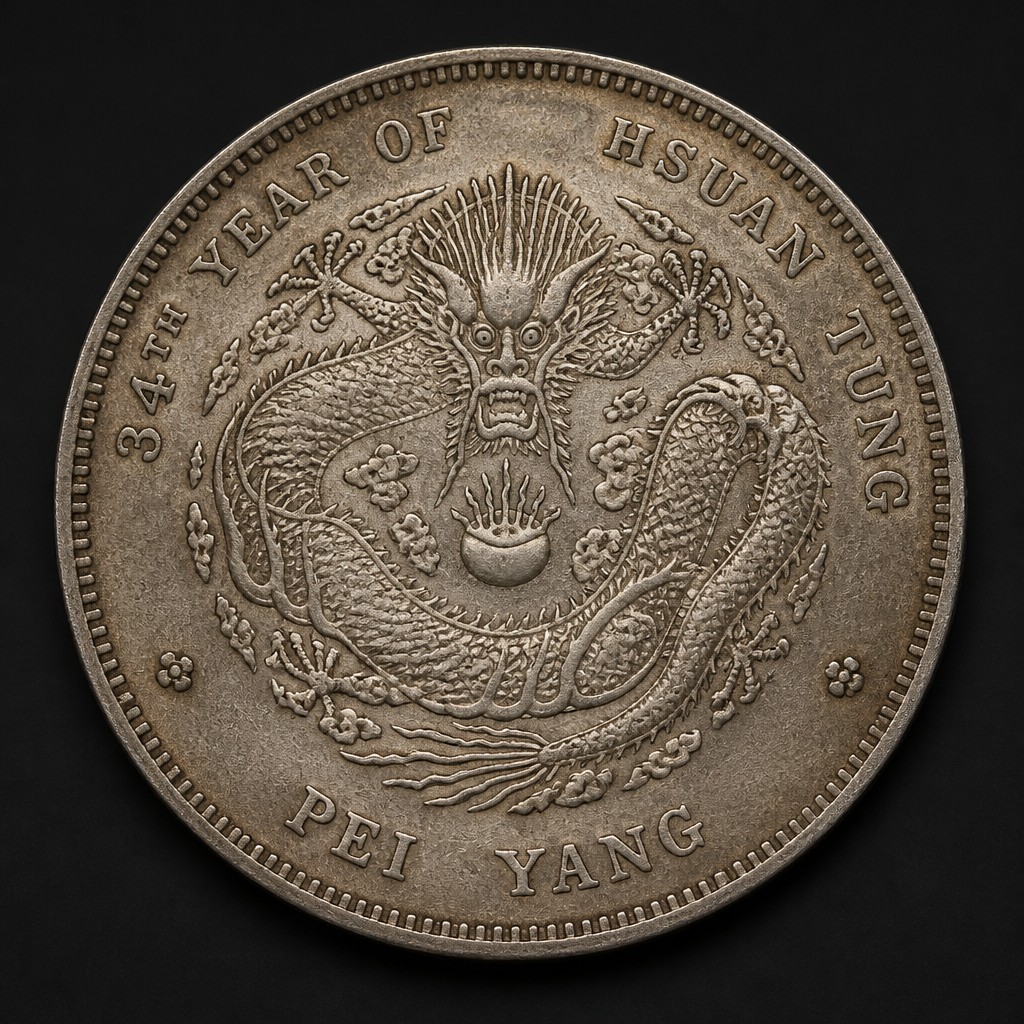
Chinese Empire Silver Dollar (Hsuan Tung Dragon)
1909–1911
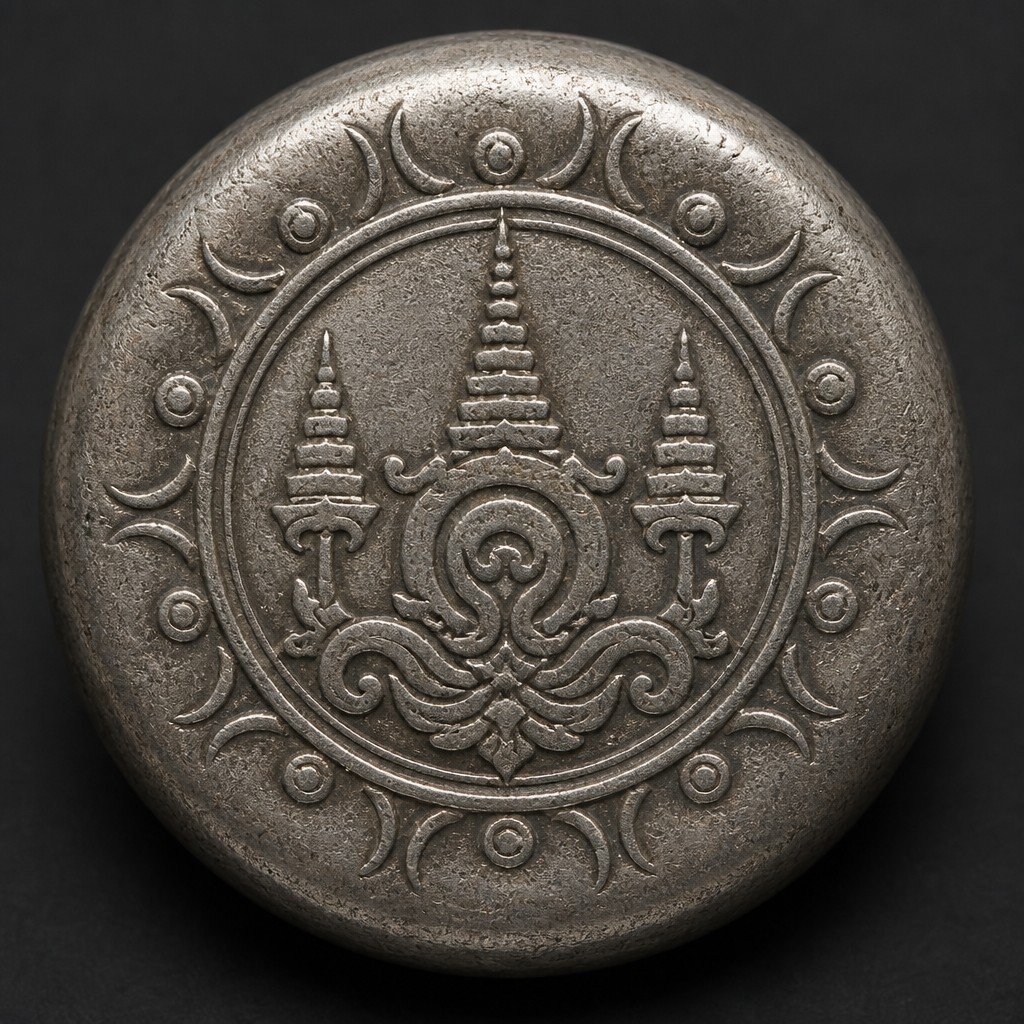
Thailand (Siam) Silver Baht 'Bullet Money' (Pod Duang)
c. 13th century – late 19th century
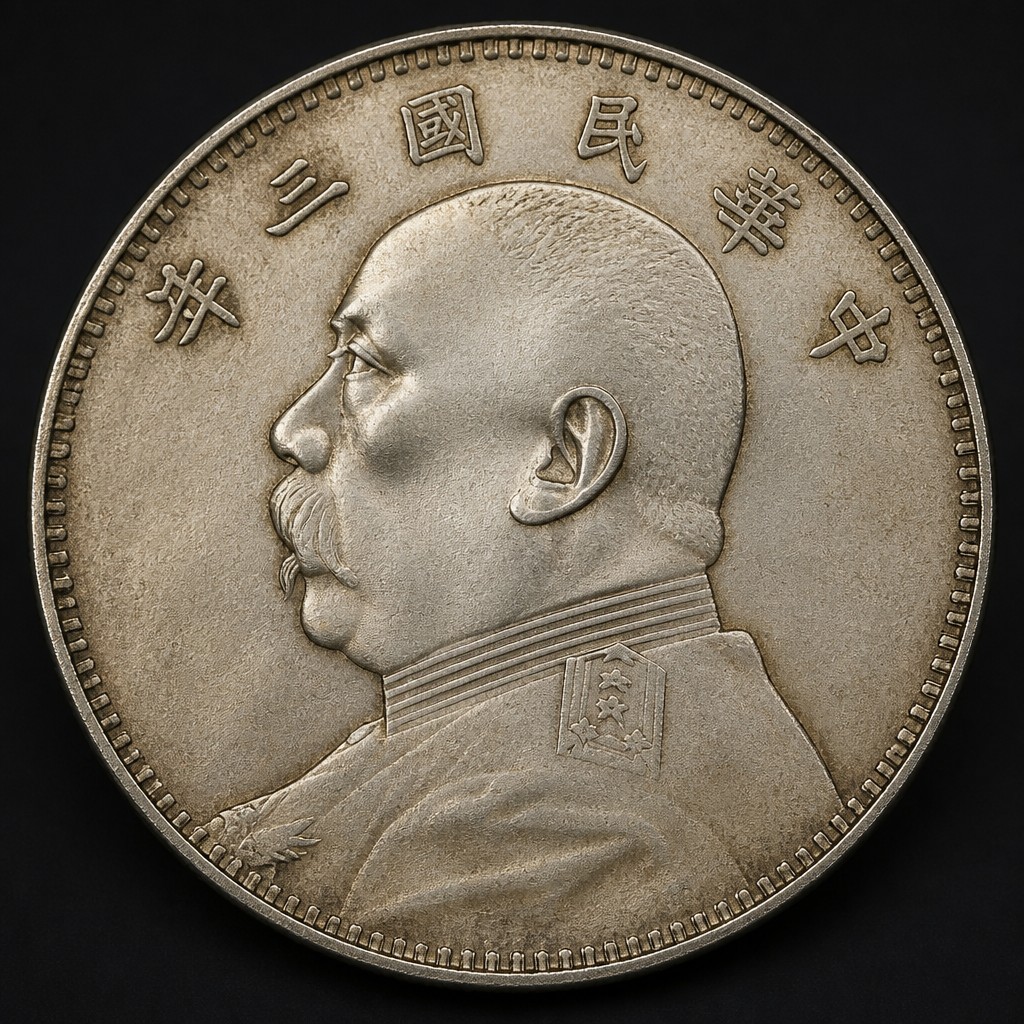
Yuan Shikai 'Fatman' Dollar (1914)
Dated 1914, struck into the early 1920s