
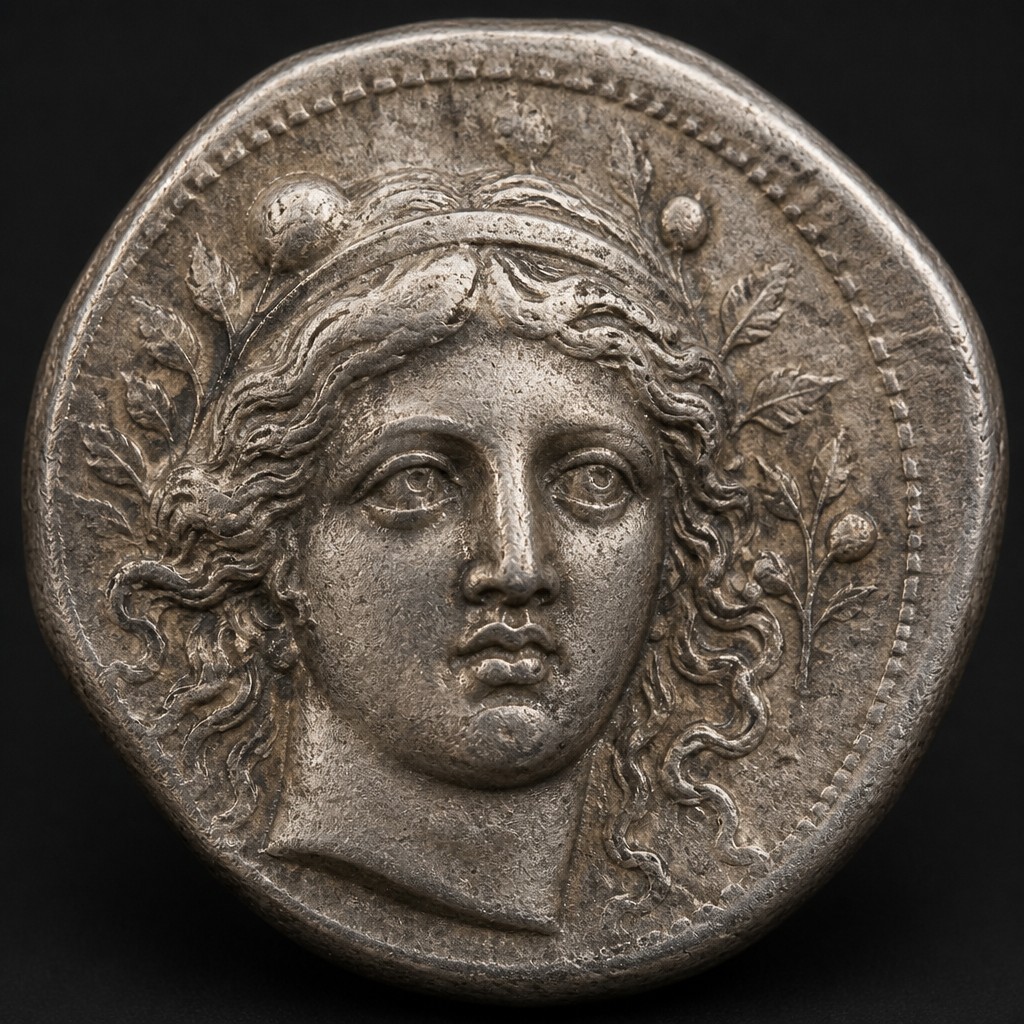
Himera Nymph Tetradrachm
Silver tetradrachm of the Sicilian city of Himera, showing a nymph sacrificing at an altar with a satyr bathing below, referencing the city's famous hot springs.
- Country
- Ancient Greece (Sicily)
- Denomination
- Tetradrachm
- Metal
- Silver
Got a coin like this?
Identify any coin from a photo, free.
Overview
The Himera tetradrachm is a distinctive Sicilian coinage that references the city's renowned hot mineral springs through an unusual reverse scene of a nymph performing a sacrifice while a satyr bathes in the sacred water below. This combination of religious ritual and playful genre imagery makes Himera's coinage one of the more narratively engaging series in ancient Sicilian numismatics.
Struck during Himera's Classical-period prosperity, before the city's destruction by Carthage, the coinage is prized by collectors both for its artistic charm and its connection to a Sicilian city whose site and springs remain notable archaeologically today.
History & Background
Himera was founded by Greek colonists from Zancle (Messina) in the 7th century BC on Sicily's northern coast, in an area known for its natural hot springs, which the Greeks associated with the healing and pleasure-related deities and nymphs. The city became a significant power and was the site of the famous Battle of Himera in 480 BC, where Greek forces defeated a Carthaginian invasion, an event ancient writers linked (sometimes fancifully) to the same year as the Greek victory over Persia at Salamis.
Himera's coinage flourished in the decades following this victory, reflecting the city's prosperity, until it was besieged and destroyed by Carthage in 409 BC in retaliation for the earlier defeat, ending the city's independent minting.
How to Identify
The obverse typically shows a fast quadriga driven by a charioteer, often with Nike flying above to crown the horses, a common Sicilian obverse theme. The reverse depicts the nymph Himera standing at an altar performing a sacrifice, while below her a small satyr is shown bathing or reclining in the water of the sacred spring, a unique and charming genre detail among Greek coin reverses.
The ethnic ΗΙΜΕΡΑΙΟΝ identifies the city on the coin. The tetradrachm follows the Attic-Sicilian weight standard, typically around 17 grams, consistent with contemporary issues from other Sicilian mints.
The bathing satyr beneath the sacrificing nymph is the key identifying feature that separates Himera's coinage from other Sicilian river or spring-related types, such as those of Selinus or Gela.
Value & Collectibility
Himera tetradrachms are respected within Sicilian series for their artistic and thematic interest, with well-struck examples often commanding prices from several hundred to well over a thousand dollars depending on centering and detail, particularly on the satyr and nymph figures.
Because the reverse composition includes fine small-scale details, strikes that clearly show the bathing satyr and the nymph's features are especially prized, with indistinct or off-center strikes valued considerably lower even in similar overall wear grades.
Frequently asked questions
What do the figures on the reverse represent?
The nymph personifies Himera and is shown sacrificing at an altar, while the bathing satyr below references the city's famous hot mineral springs.
What is the Battle of Himera?
It was a major battle in 480 BC in which Greek Sicilian forces defeated an invading Carthaginian army, a victory that shaped the city's later prosperity and coinage.
When did Himera's coinage end?
Coin production ceased after the city was destroyed by Carthage in 409 BC in retaliation for its earlier defeat.
Is the satyr detail always clearly visible?
Not always; because it is a small design element, sharply struck and well-centered examples show it much more clearly than worn or weakly struck coins.
Other coins you may enjoy
Theodosius I Solidus
379–395 AD
Republican Victoriatus
c. 211–170 BC
Islamic Gold Dinar (Umayyad)
c. 696–750 AD
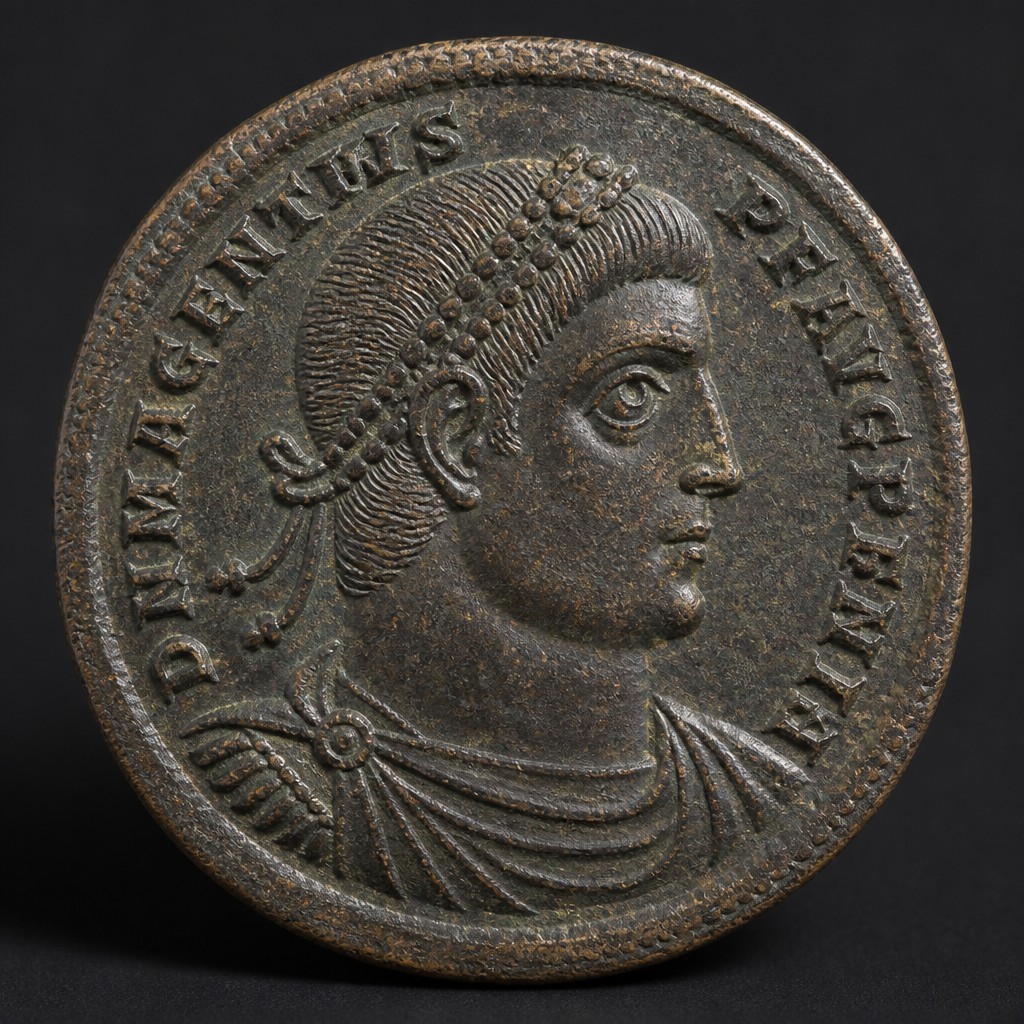
Magnentius Double Centenionalis
350–353 AD
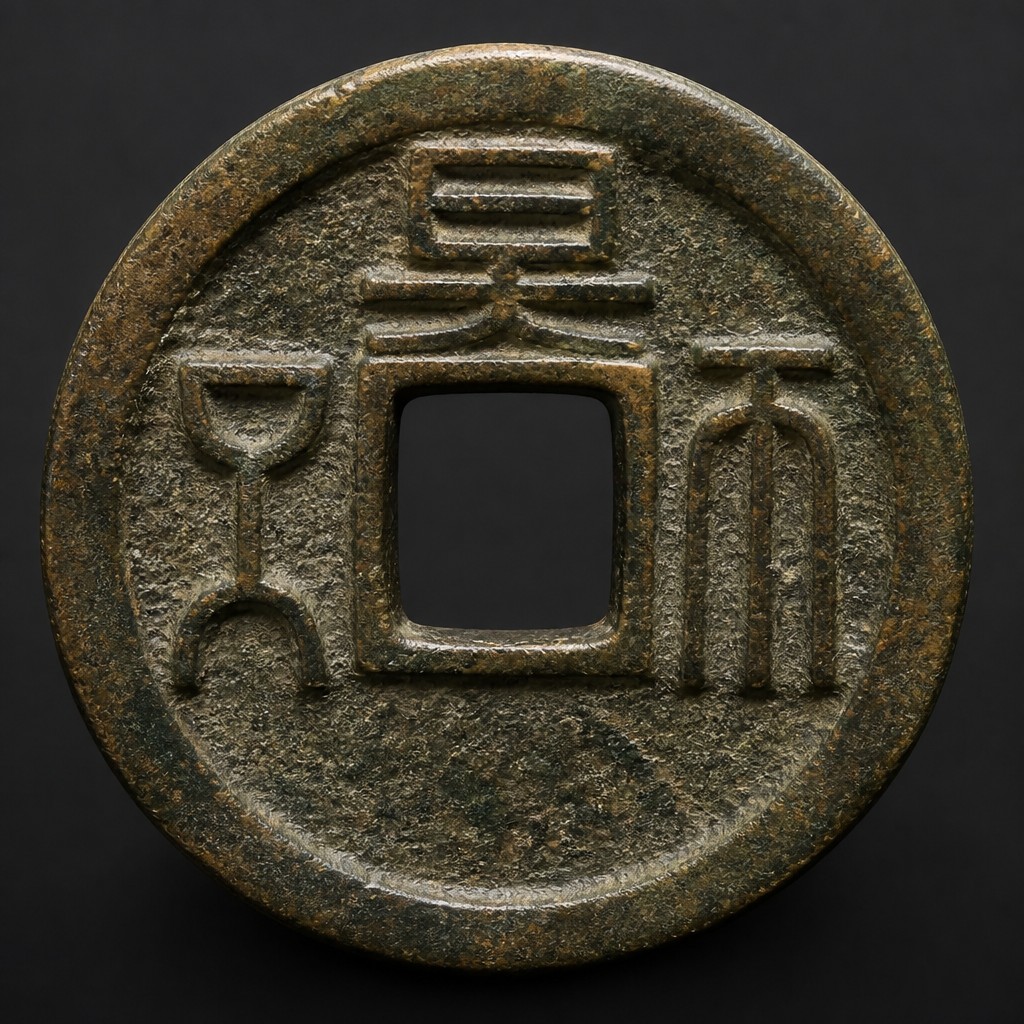
Chinese Wu Zhu Cash
118 BC – 618 AD
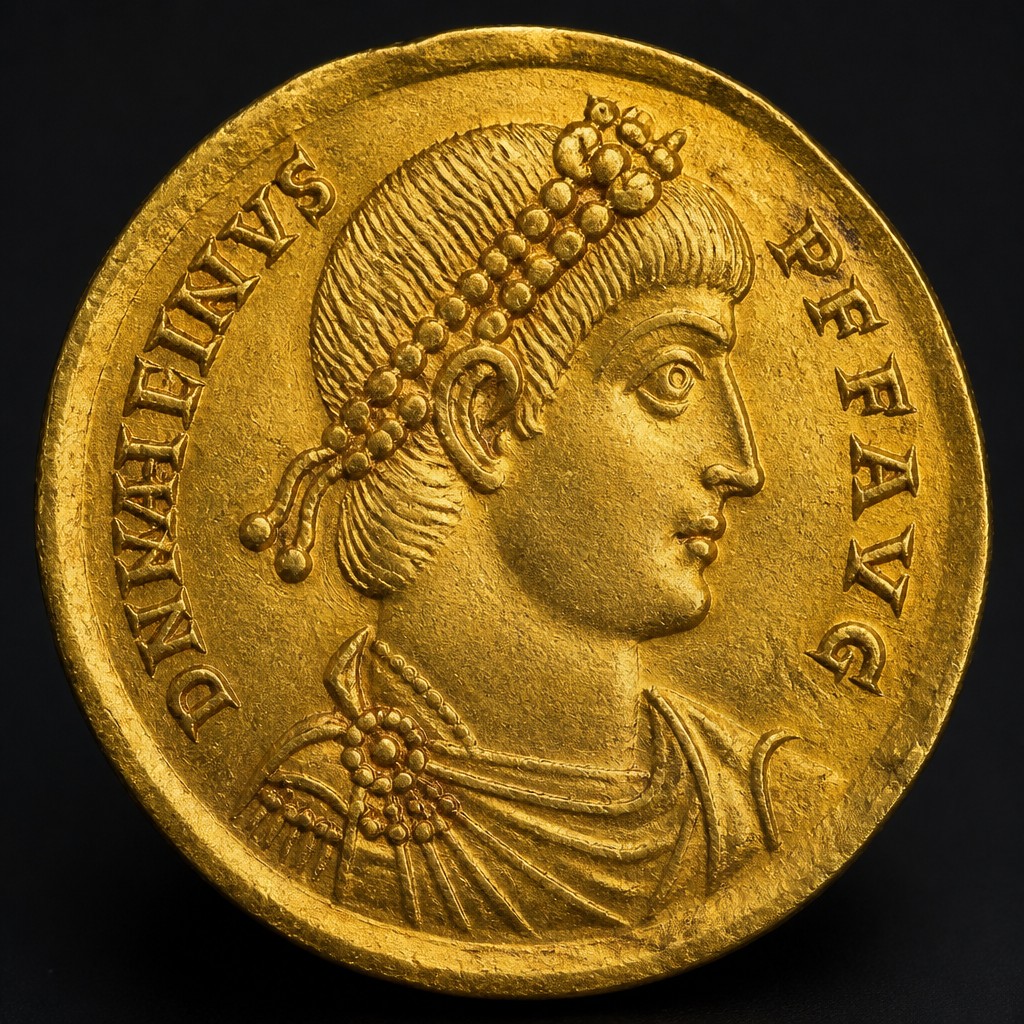
Valentinian I Solidus
364–375 AD
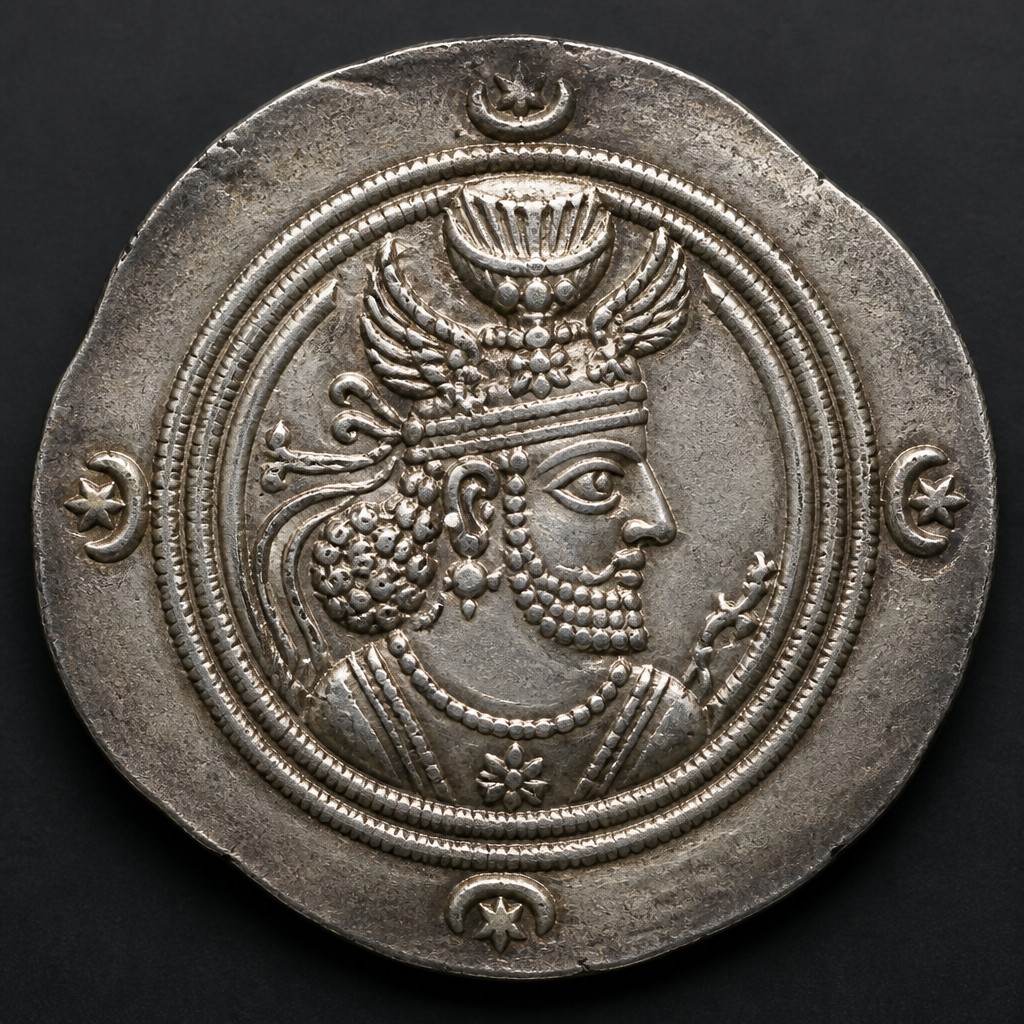
Sassanian Silver Drachm
c. 224–651 AD
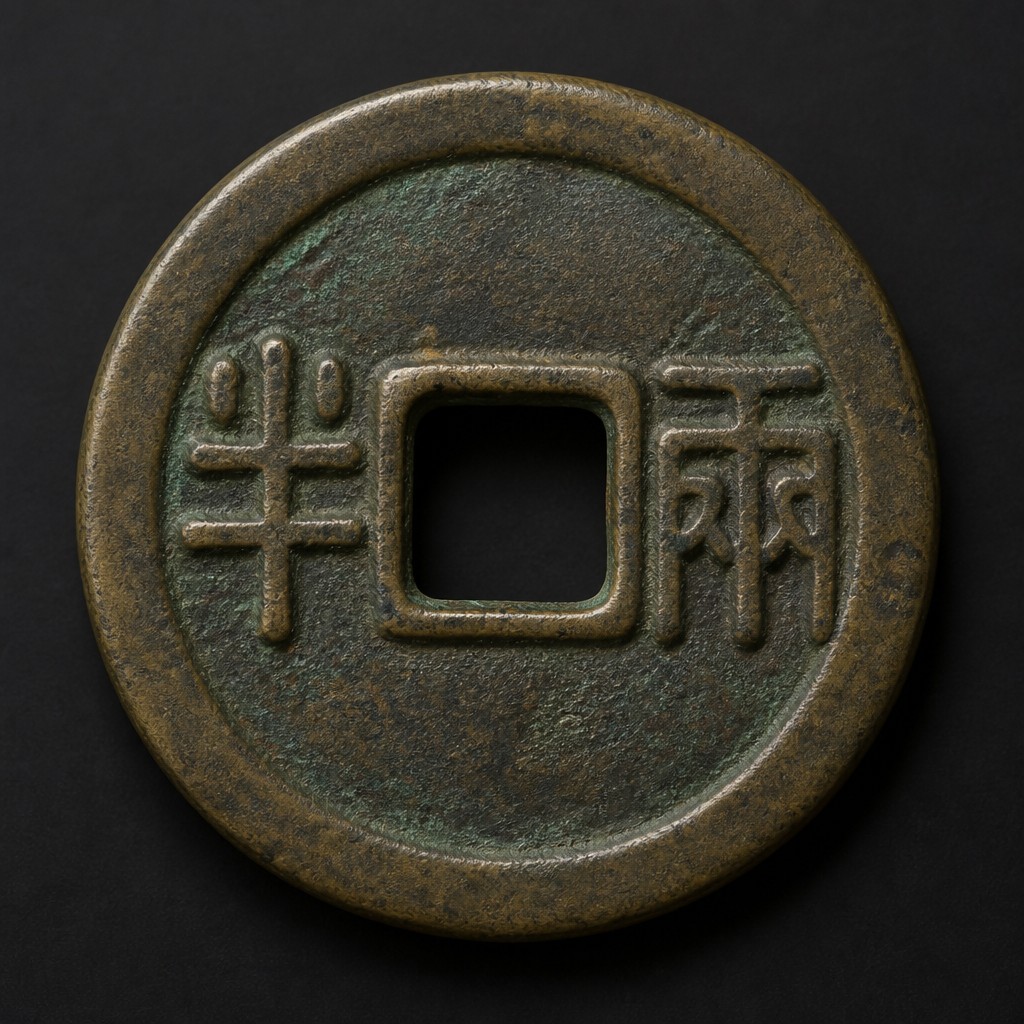
Chinese Ban Liang Cash
c. 221–118 BC
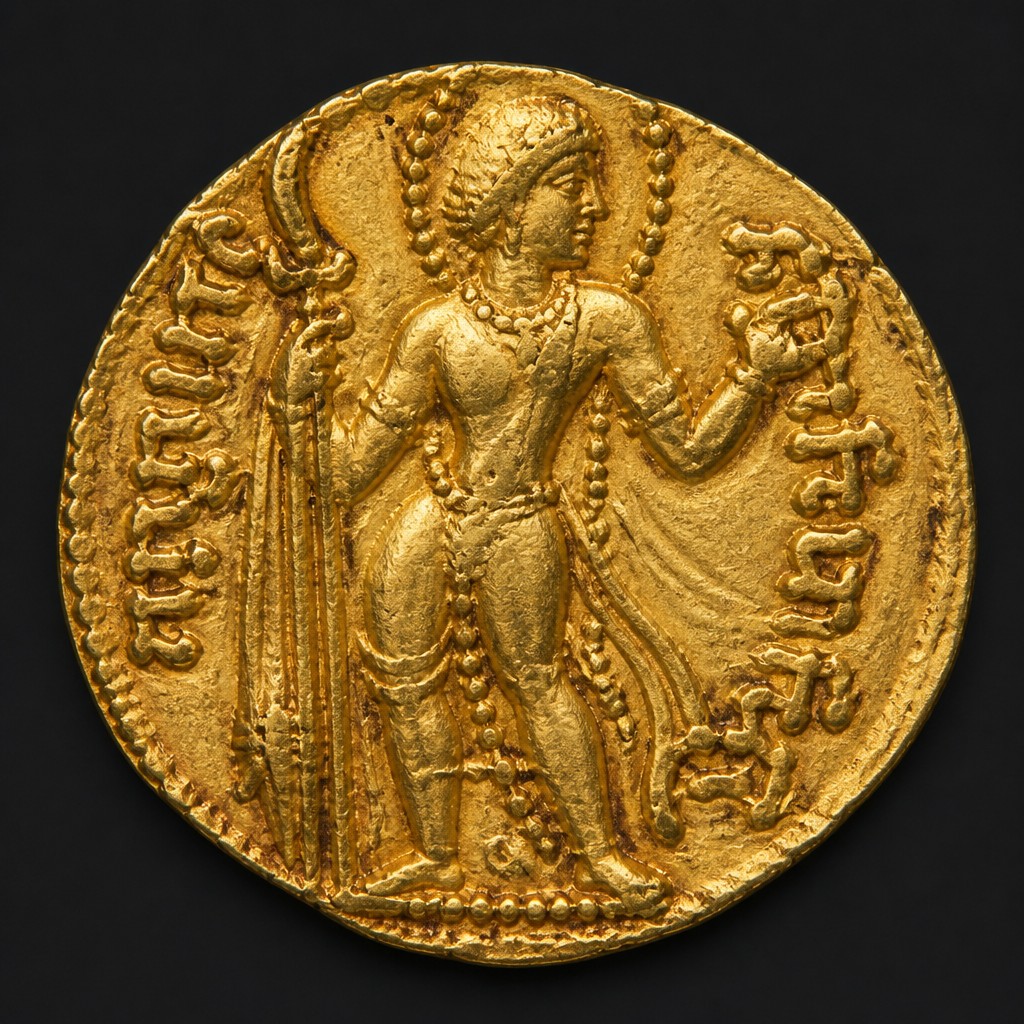
Gupta Empire Gold Dinar
c. 320–550 AD
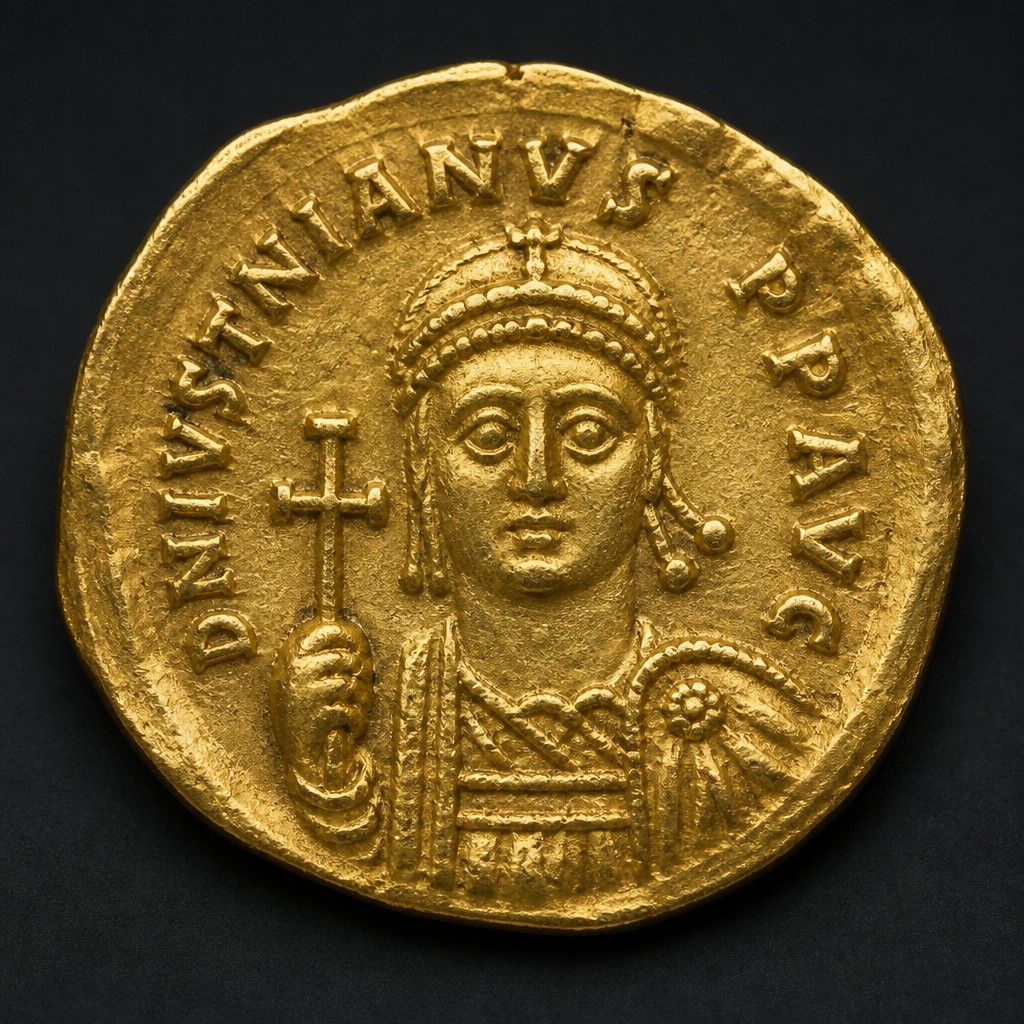
Byzantine Gold Tremissis
c. 4th–7th century AD
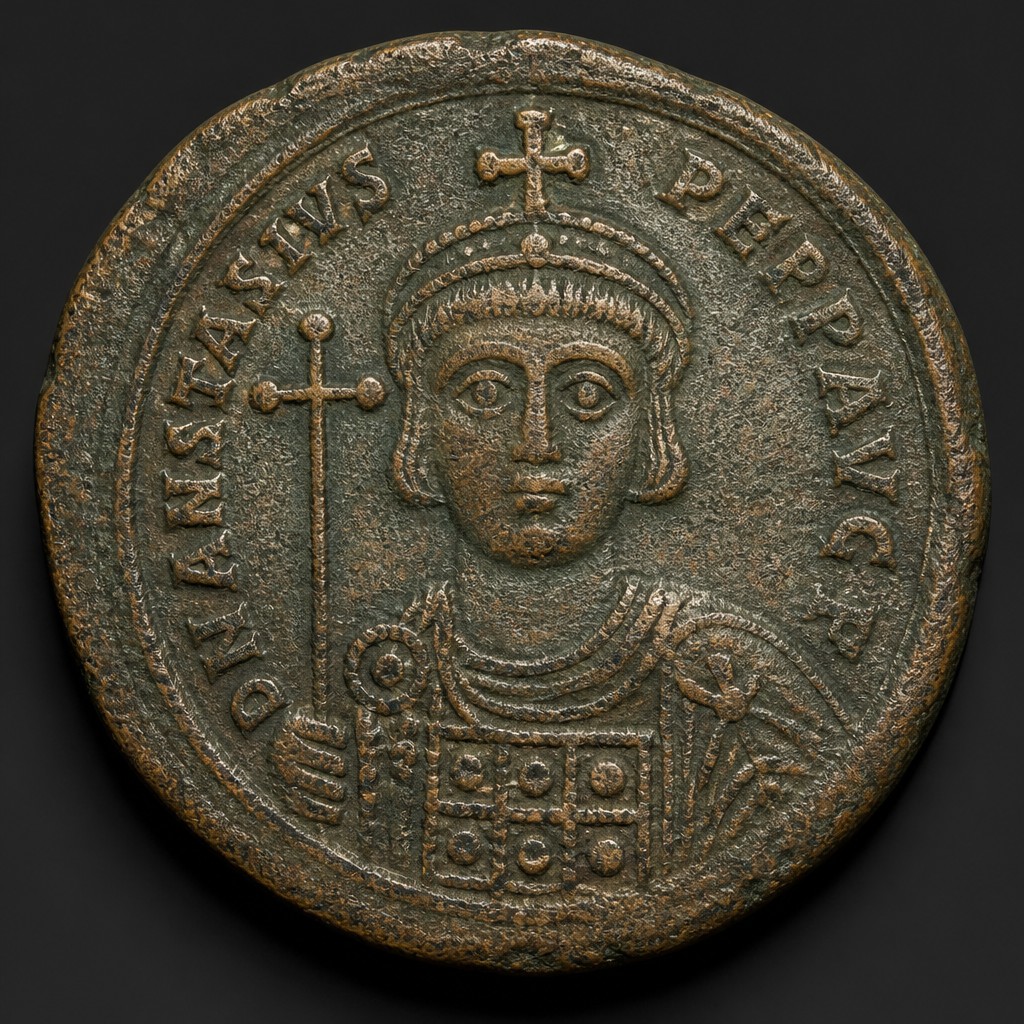
Byzantine Follis
498–c. 11th century AD
Celtic Gold Stater
c. 3rd century BC – 1st century AD