
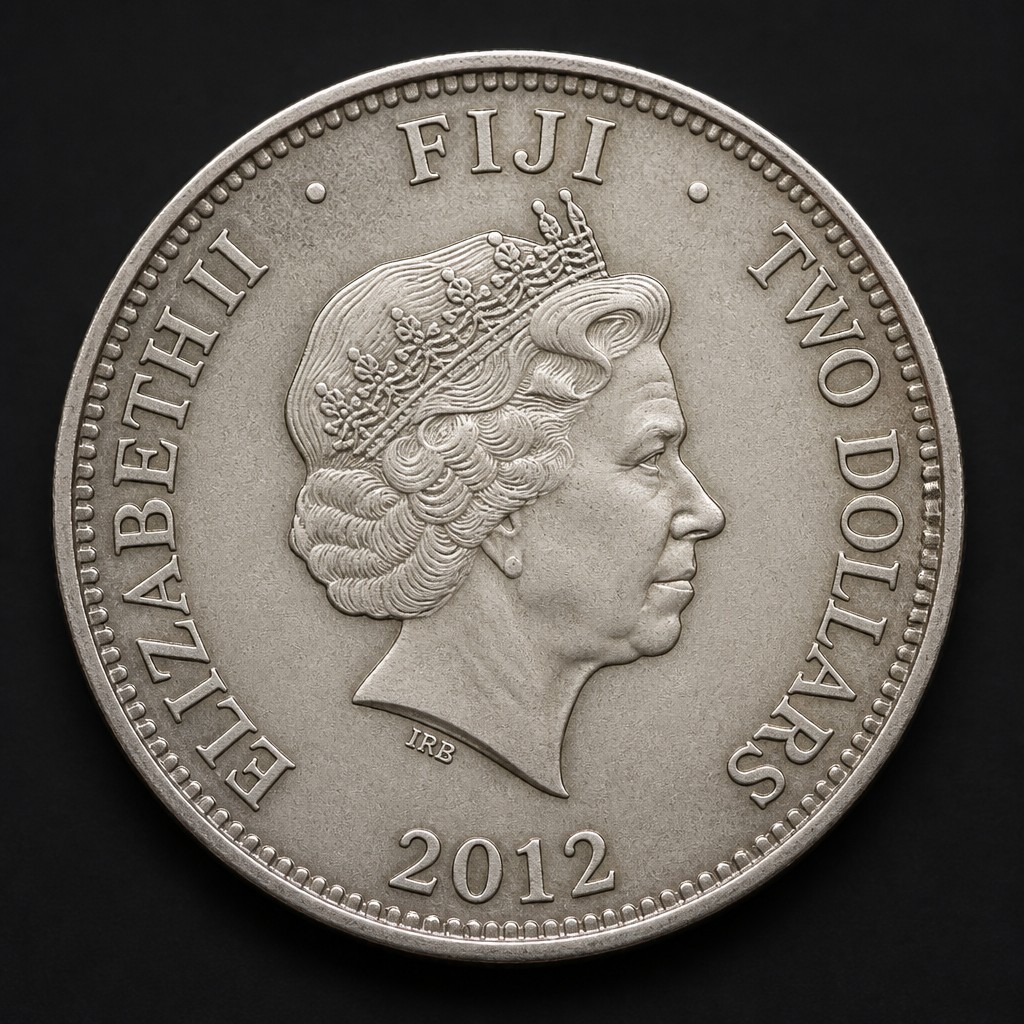
Fiji Silver Taku
A Fijian bullion coin whose denomination, the Taku, references traditional Fijian whale-tooth currency, produced by the New Zealand Mint since 2012.
- Country
- Fiji
- Denomination
- 1 Taku (1 oz); other denominations for fractional/large sizes
- Metal
- 0.999 fine silver
Got a coin like this?
Identify any coin from a photo, free.
Overview
The Fiji Silver Taku is a bullion coin issued in the name of the Republic of Fiji, notable for using 'Taku' as its actual denomination rather than a conventional currency unit, a nod to traditional Fijian tabua (whale tooth) exchange customs historically used in ceremonial trade. It is struck primarily in .999 fine silver in a one-ounce format, with additional sizes offered in some releases.
Produced by the New Zealand Mint, a private mint that also strikes coins for several Pacific nations, the Taku series has featured various reverse designs over its run, often drawing on Fijian or broader Pacific cultural themes.
Its distinctive denomination and Pacific Island sourcing give it a niche but dedicated following among collectors interested in less mainstream sovereign bullion issues.
History & Background
The Fiji Taku series was introduced in the early 2010s as part of a broader trend of smaller nations, particularly in the Pacific, partnering with established mints to issue internationally marketed bullion coins. The choice of 'Taku' as the coin's denomination directly references Fiji's traditional tabua currency, giving the modern bullion product a distinctly local cultural anchor.
The New Zealand Mint, based in Auckland, has produced coinage for multiple Pacific nations including Fiji, Niue, and others, and applied its production capabilities to the Taku series, offering designs that have varied by release year or theme.
While smaller in scale and recognition compared to major national bullion programs, the Taku series represents part of a wider category of Pacific Island bullion coins that combine cultural identity with standard precious metal investment appeal.
How to Identify
The obverse typically features Fiji's coat of arms or a similar national emblem along with the country name and denomination stated as 'Taku' rather than a dollar or franc value. The reverse design has varied across releases, sometimes featuring Fijian cultural imagery or thematic designs tied to specific coin programs issued under the Taku denomination.
Standard one-ounce coins are struck in .999 fine silver, with the New Zealand Mint's characteristics typical of its Pacific coinage, including clean, modern strike quality. Fractional and other weight variations have been produced for certain releases within the broader Taku series.
Because the Taku denomination and design themes have varied over the series' history, collectors should confirm the specific year and design variant, as the series does not follow as strict a single-theme format as some other national bullion programs.
Value & Collectibility
Value is driven primarily by the spot price of silver, with a premium reflecting the coin's relatively niche status compared to major bullion brands. Because production volumes and market recognition are smaller than for coins like the American Eagle or Canadian Maple Leaf, premiums and liquidity can vary more by dealer.
Early Taku releases and any special or limited-design variants may carry modest collector interest above bullion value, though the series has not developed the same depth of secondary market data as more established programs.
As with all bullion, buyers should expect pricing to track the silver market, and given the coin's smaller profile, should confirm current dealer premiums directly rather than relying on general price guides.
Frequently asked questions
What does 'Taku' mean?
It references traditional Fijian tabua (whale tooth) currency used historically in ceremonial exchange, adapted as the modern coin's denomination.
Who mints the coin?
The New Zealand Mint, a private mint that produces coinage for several Pacific nations.
What purity is the silver?
The coins are generally struck in .999 fine silver.
Is the design consistent across years?
No, the Taku series has featured varying designs and themes across different releases rather than one fixed image.
Is this a widely traded bullion coin?
It is more of a niche bullion product compared to major national coins, with smaller production volumes and less standardized secondary market pricing.
Other coins you may enjoy
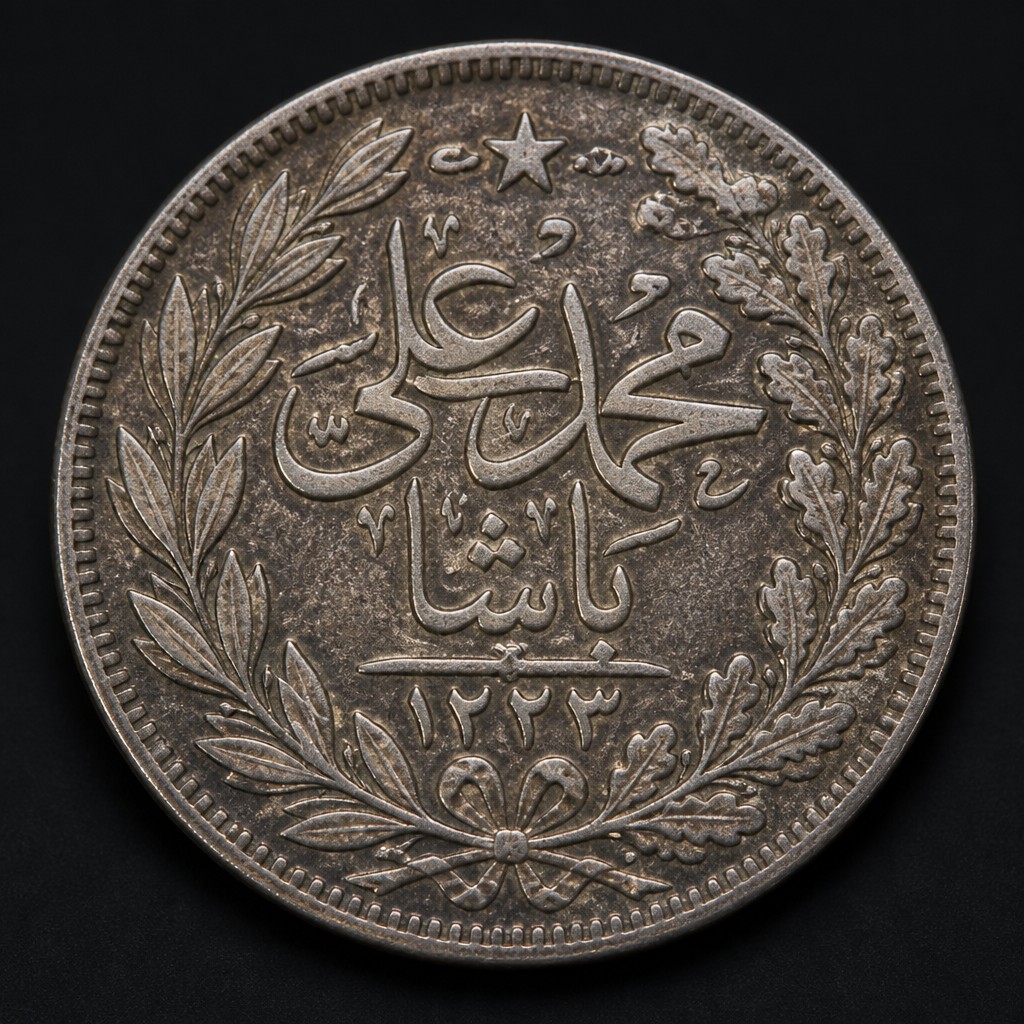
Egyptian Qirsh (Muhammad Ali Era)
Early-to-mid 19th century (c. 1805–1848)
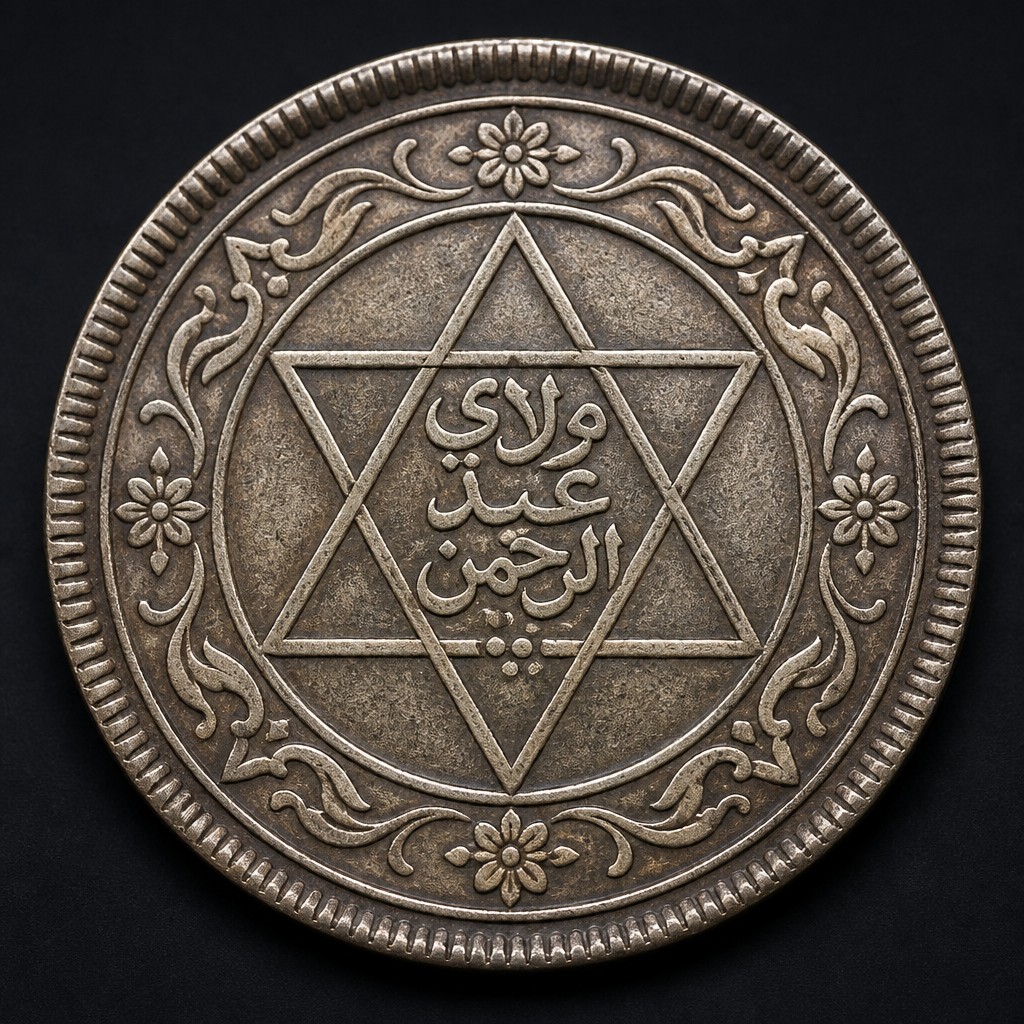
Moroccan Rial (Alawi Dynasty Coinage)
18th–19th century (pre-protectorate era)
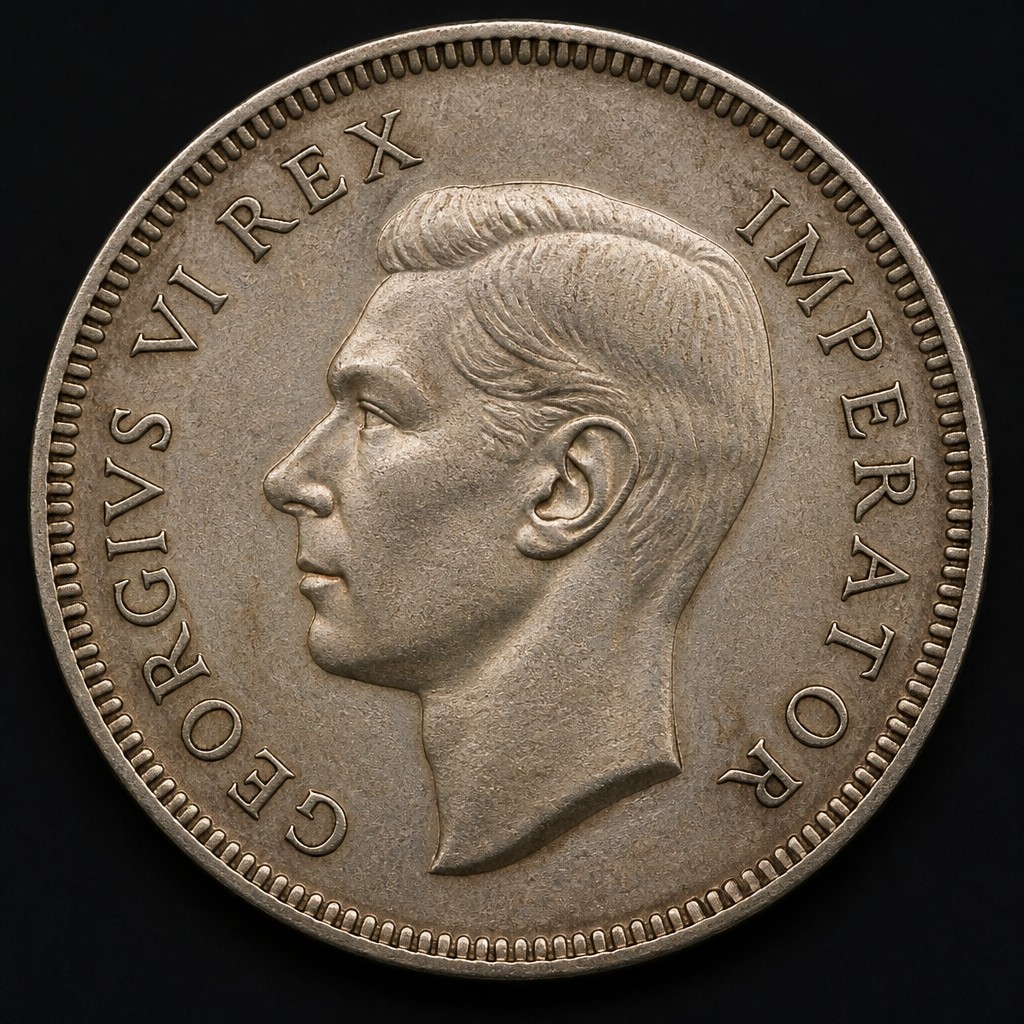
South African Sixpence (Union)
1923-1960
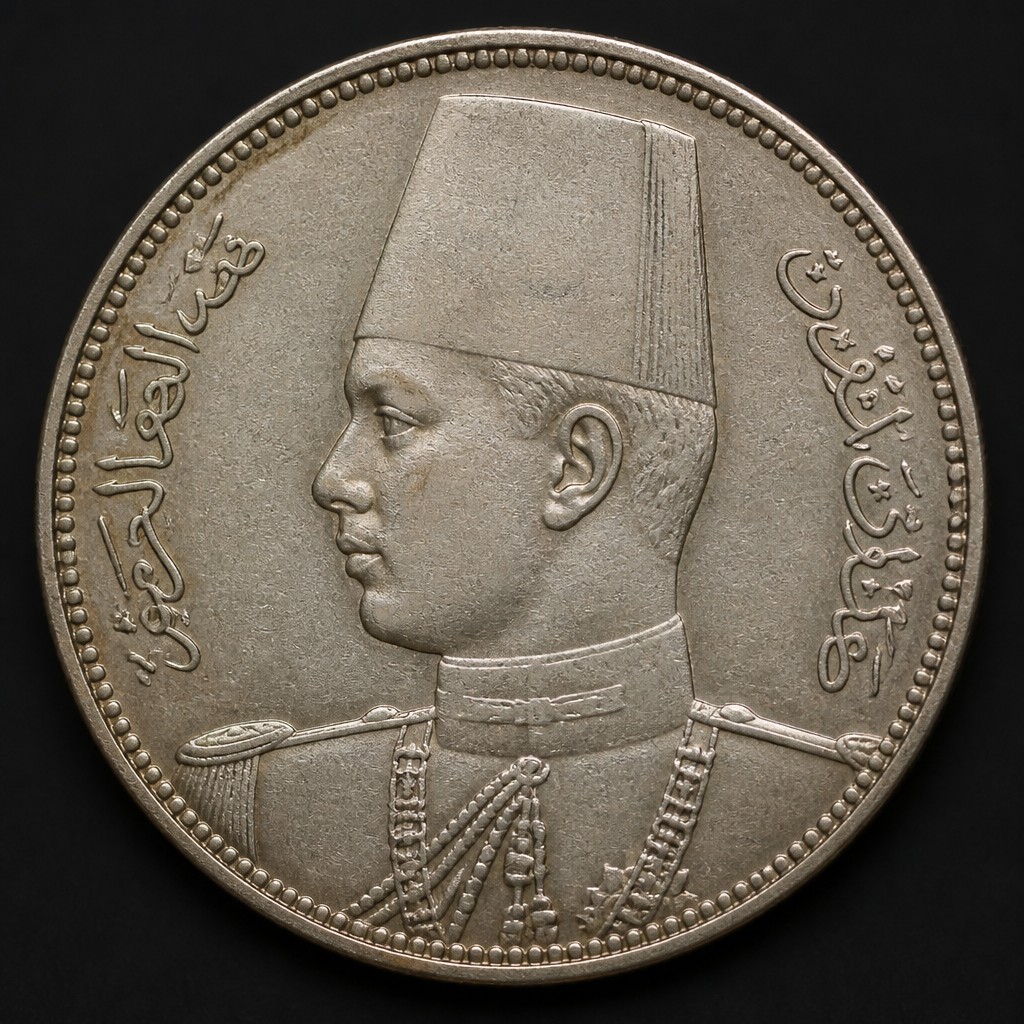
Egyptian Farouk 5 Piastres
1937-1952
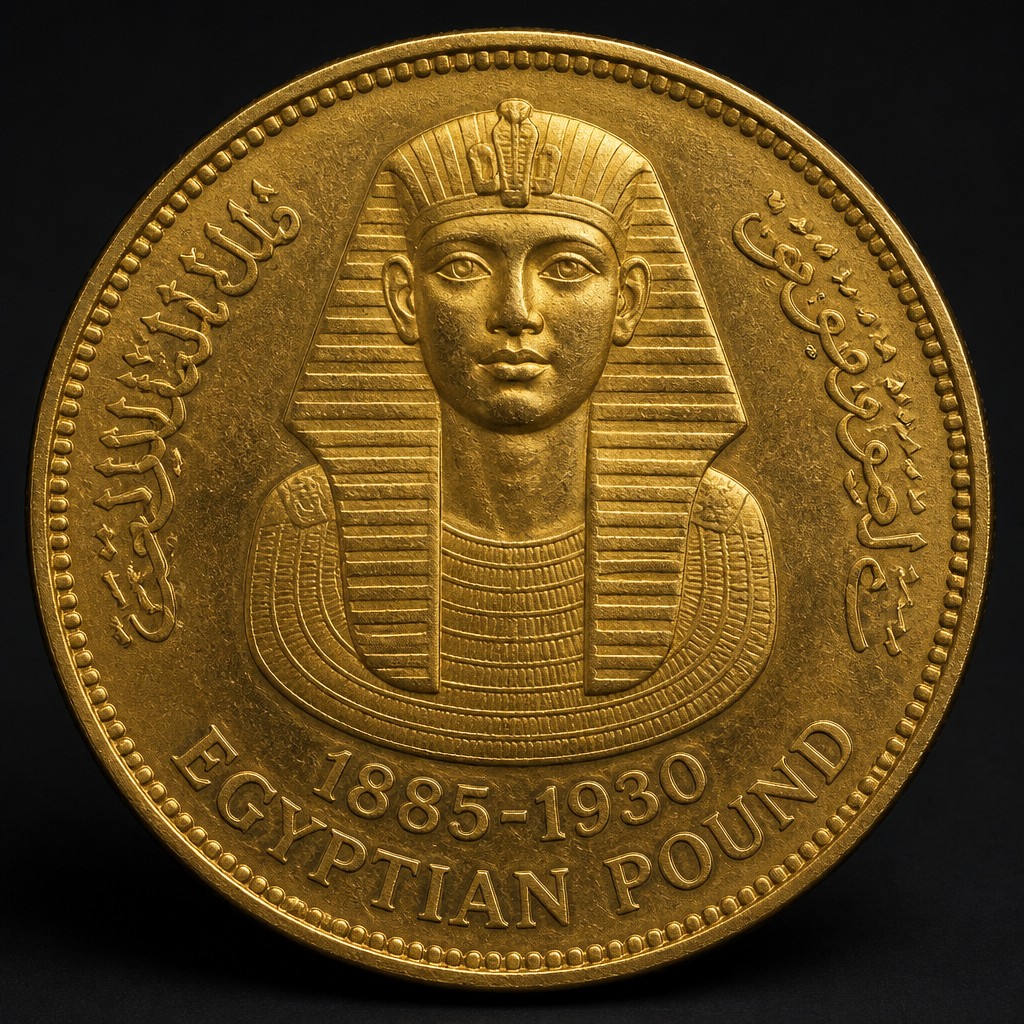
Egyptian Pound (gold)
1885–1930
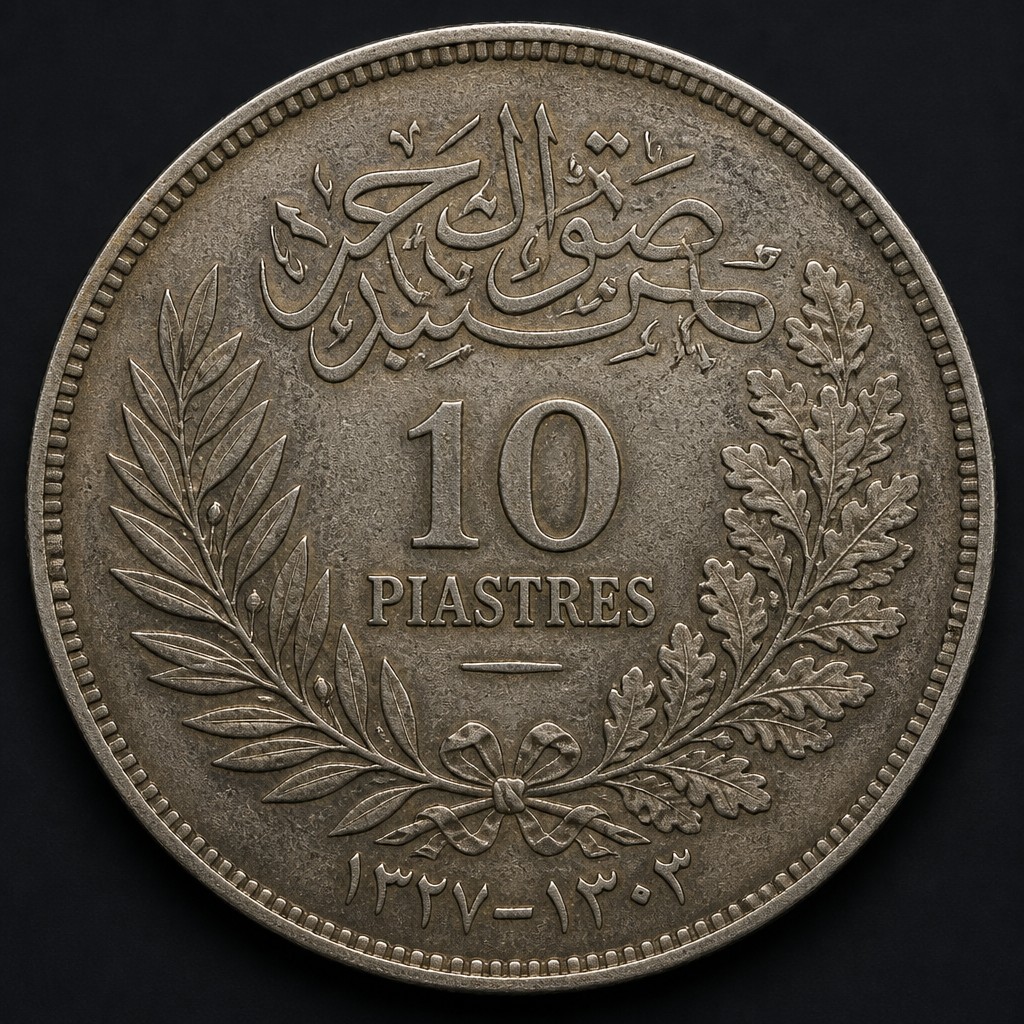
Egyptian 10 Piastres (silver)
1885–1939
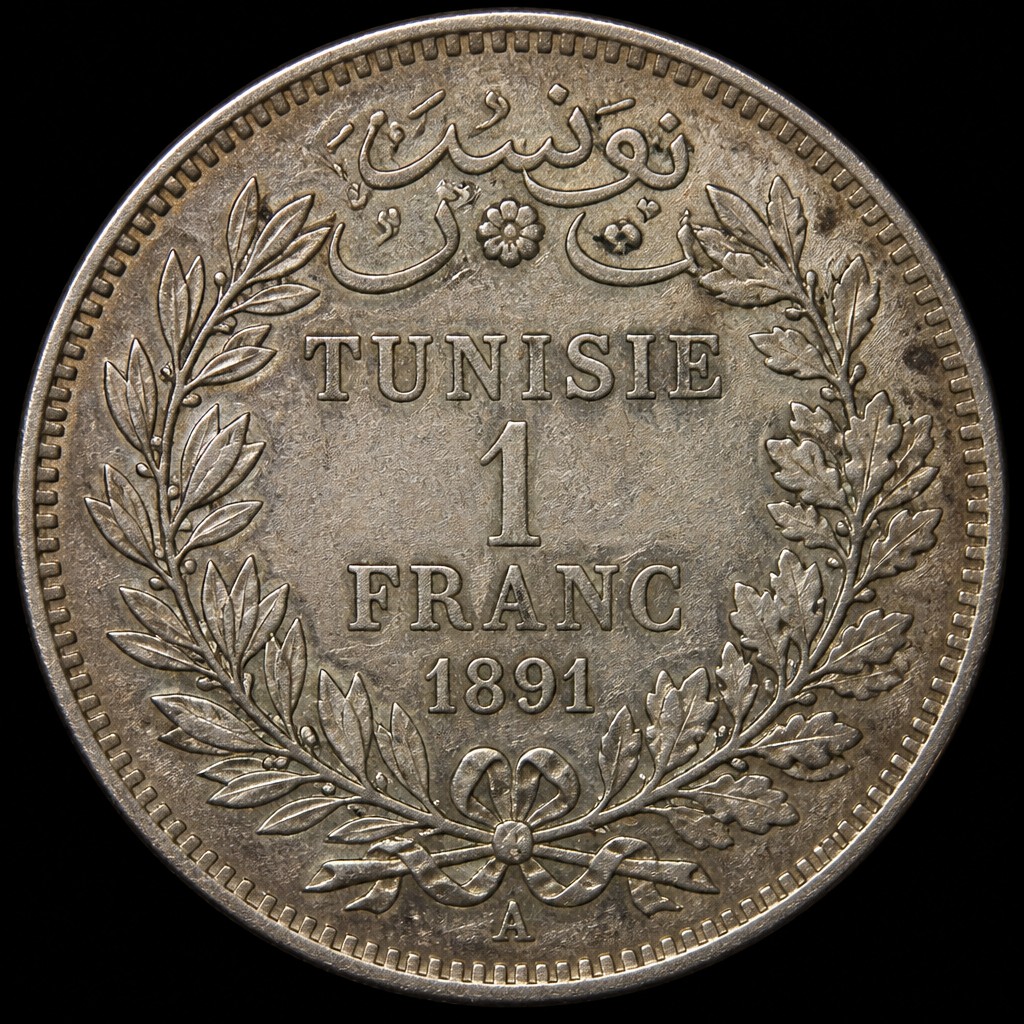
Tunisian Franc (Beylik Era)
Late 19th–early 20th century (c. 1891–1957 transition)
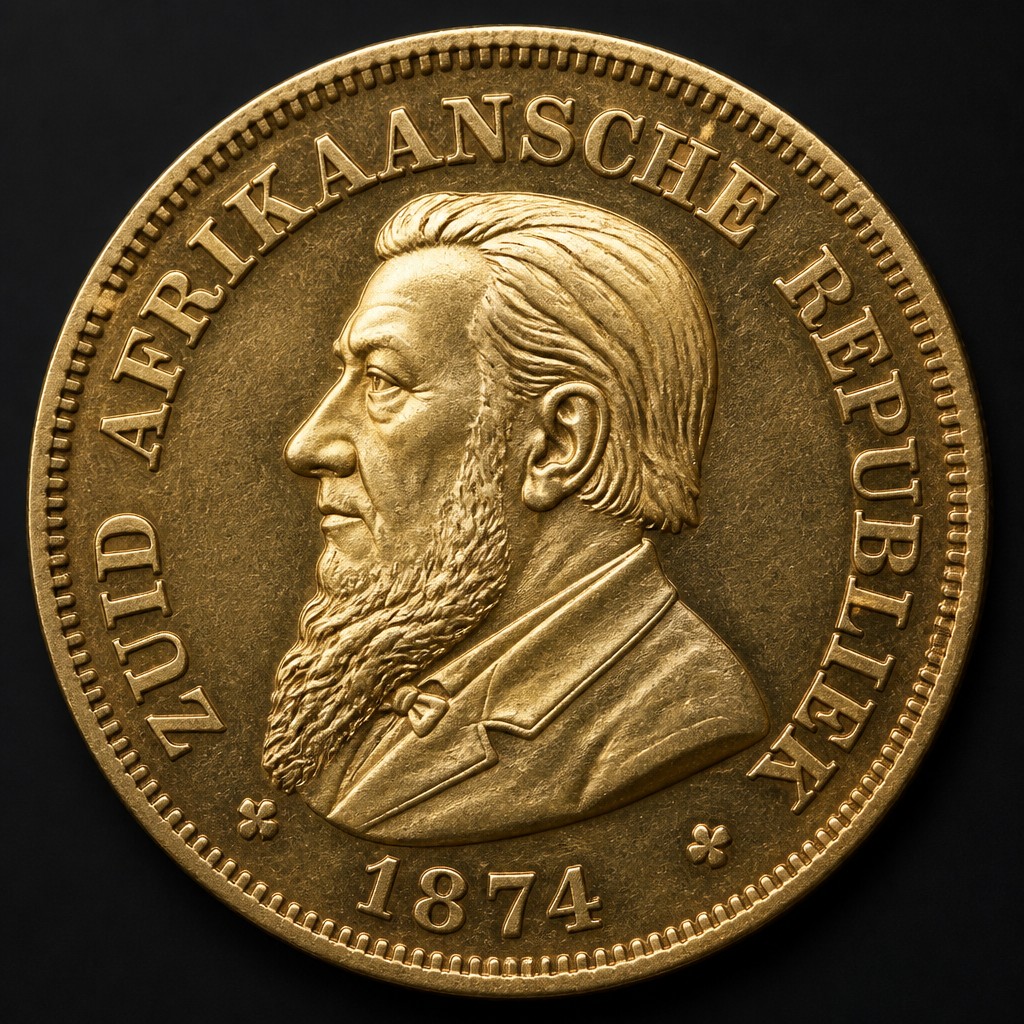
South African Republic Burgers Pond
1874
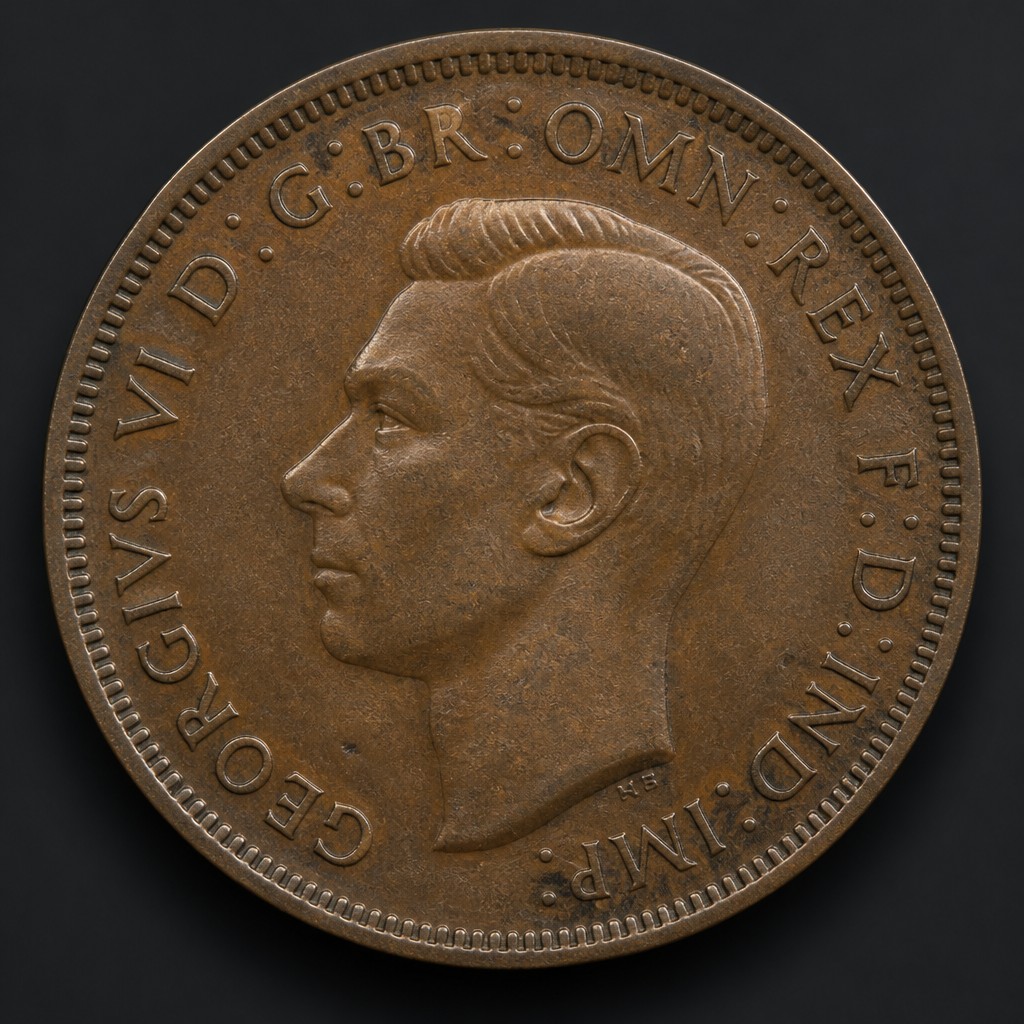
New Zealand Penny (KGVI)
1937-1952
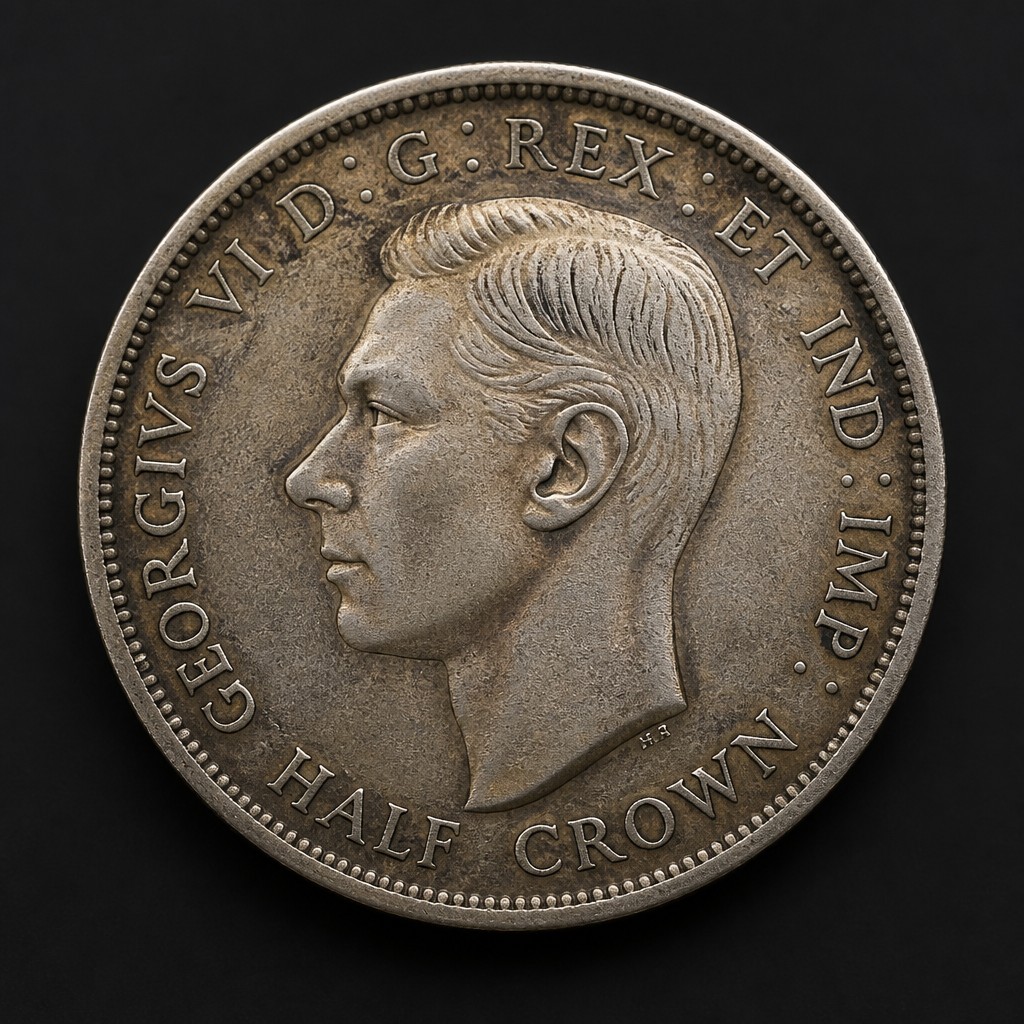
New Zealand Half Crown (pre-decimal)
1933-1965
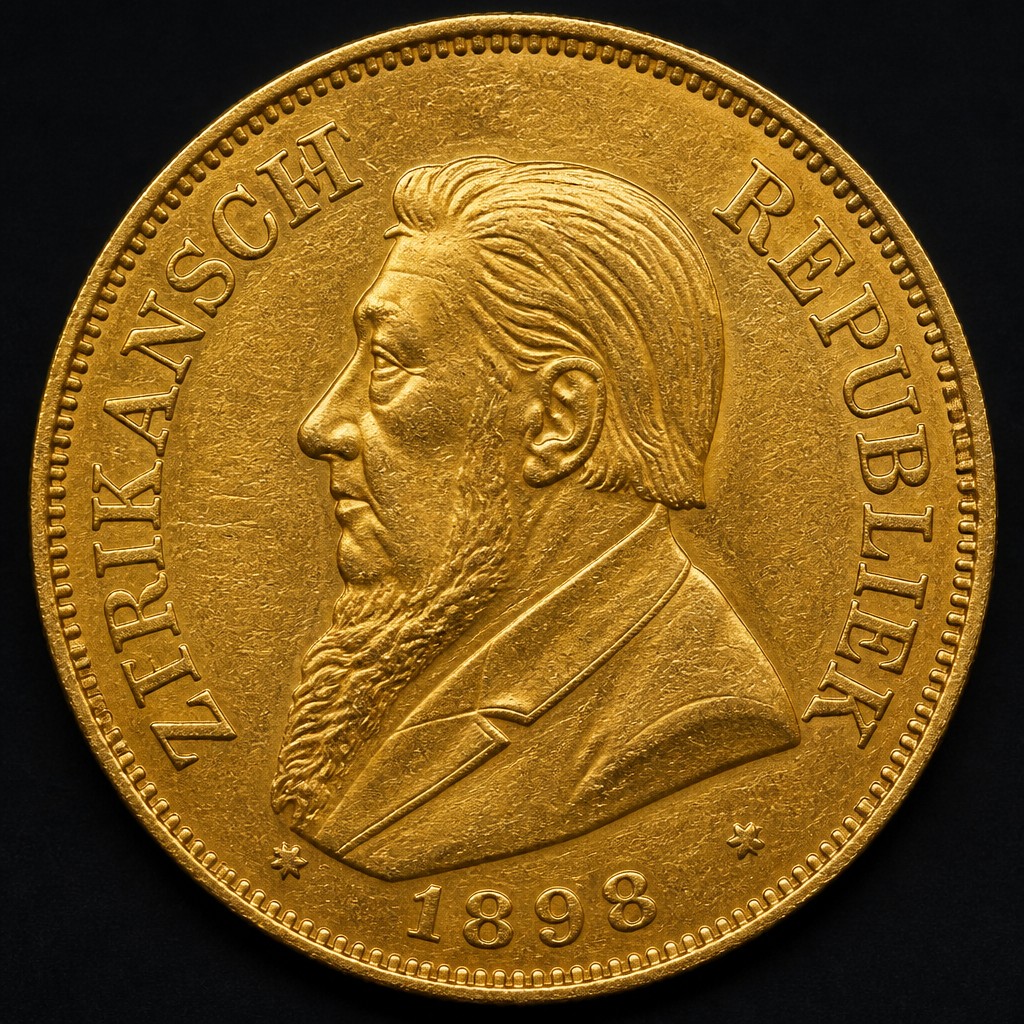
South African ZAR Kruger Pond
1892-1900
Australian Holey Dollar and Dump
1813