
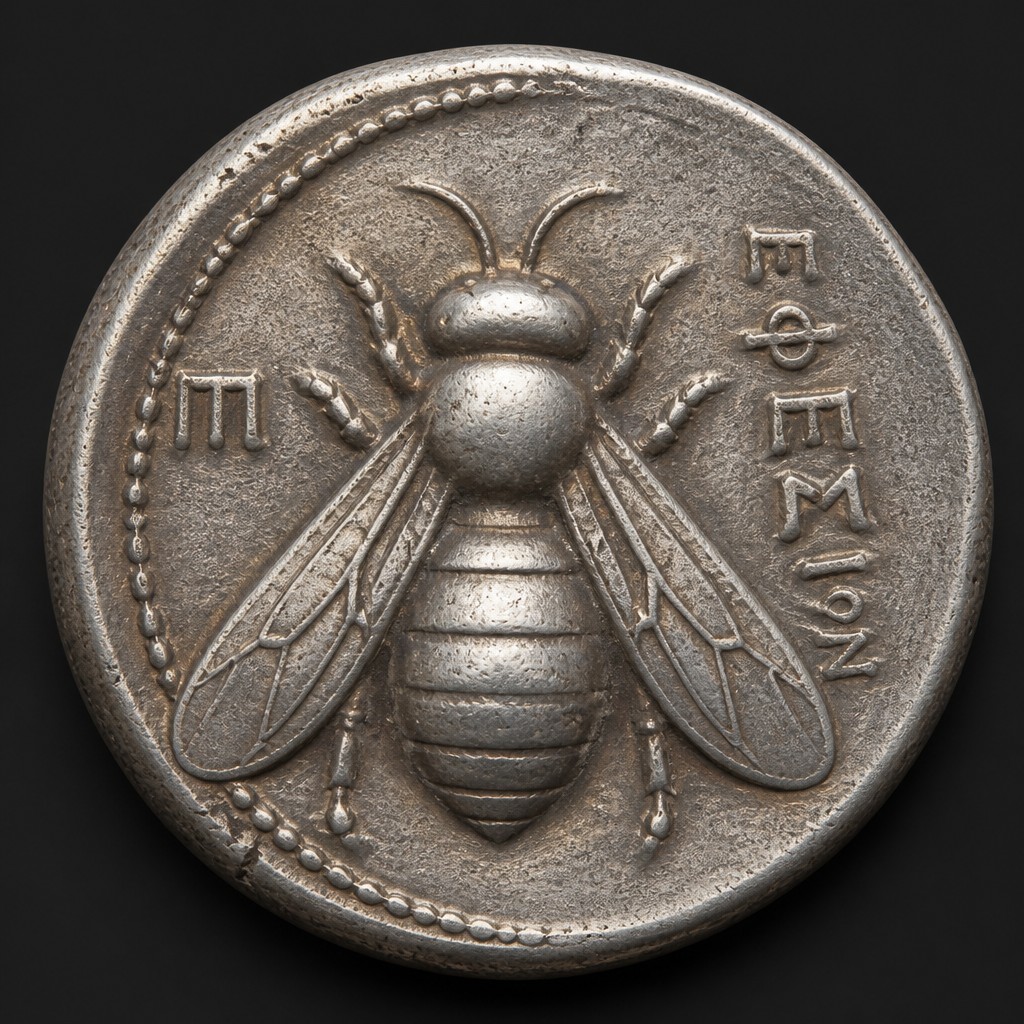
Ephesus Bee Tetradrachm
A silver coin from the Ionian city of Ephesus featuring a bee, sacred symbol of the great Temple of Artemis, paired with a stag on the reverse.
- Country
- Ancient Greece (Ionia)
- Denomination
- Tetradrachm
- Metal
- Silver
Got a coin like this?
Identify any coin from a photo, free.
Overview
The Ephesus bee coinage is one of the most recognizable civic coinages of Ionia, its design tied directly to the cult of Artemis of Ephesus, whose great temple, one of the Seven Wonders of the Ancient World, made the city a major religious and economic center. The bee was sacred to Artemis's priestesses, called Melissai (bees), and became Ephesus's enduring civic badge across many denominations and centuries.
Collectors value the series for its long production span, running from Classical Greek issues through Hellenistic and into the Roman provincial period, allowing enthusiasts to trace stylistic development in a single, thematically unified coinage.
History & Background
Ephesus was one of the leading cities of Ionia on the coast of Asia Minor, home to the enormous Temple of Artemis, a major pilgrimage and commercial center that anchored the city's wealth and importance for centuries. The bee, associated with the temple's priestesses and with Artemis's role as a nurturing, nature-oriented goddess, appears on the city's coinage from at least the Classical period onward, making it one of the most consistently used civic emblems in the ancient Greek world.
The coinage continued through Ephesus's various political changes, including periods under Persian, then Hellenistic, and eventually Roman control, with the bee-and-stag design persisting for centuries even as the ruling power over the city shifted, a testament to the enduring prestige of the Artemis cult.
How to Identify
The obverse shows a bee, usually rendered with outstretched wings and legs viewed from above, sometimes within a border. The reverse typically shows the forepart or full figure of a stag, standing or grazing, often beside a palm tree, with the city ethnic ΕΦΕΣΙΩΝ ("of the Ephesians") and sometimes a magistrate's name.
Denominations vary across the long production span from small silver fractions to tetradrachms and later bronze issues, so size and weight should be checked against the specific period claimed for the coin. The stag is closely associated with Artemis as goddess of the hunt, complementing the bee's religious symbolism on the obverse.
Value & Collectibility
Ephesus bee coinage spans a wide range of periods, metals, and denominations, so prices vary considerably: common small silver or bronze issues can often be found for modest sums, while well-preserved Classical-period silver tetradrachms or didrachms with sharp detail command higher prices, generally in the low-to-mid hundreds of dollars and up for choice examples. As with most Greek civic coinage, strike quality, centering, and clarity of the bee-and-stag imagery are the main factors separating an ordinary example from a premium one.
Frequently asked questions
Why does the coin show a bee?
The bee was sacred to the priestesses of Artemis at the great Temple of Ephesus and became the city's lasting civic emblem.
What is on the reverse?
Typically a stag, an animal associated with Artemis as goddess of the hunt, often shown beside a palm tree.
Was this design used for a long time?
Yes, the bee appears on Ephesian coinage across many centuries and several ruling powers, from the Classical Greek period into Roman provincial times.
What denominations exist?
The bee type was struck in various silver and bronze denominations over its long history, from small fractions up to tetradrachms.
How can I date a specific example?
Style, fabric, metal, and any accompanying magistrate names or monograms help specialists place a given coin within the long production span.
Other coins you may enjoy
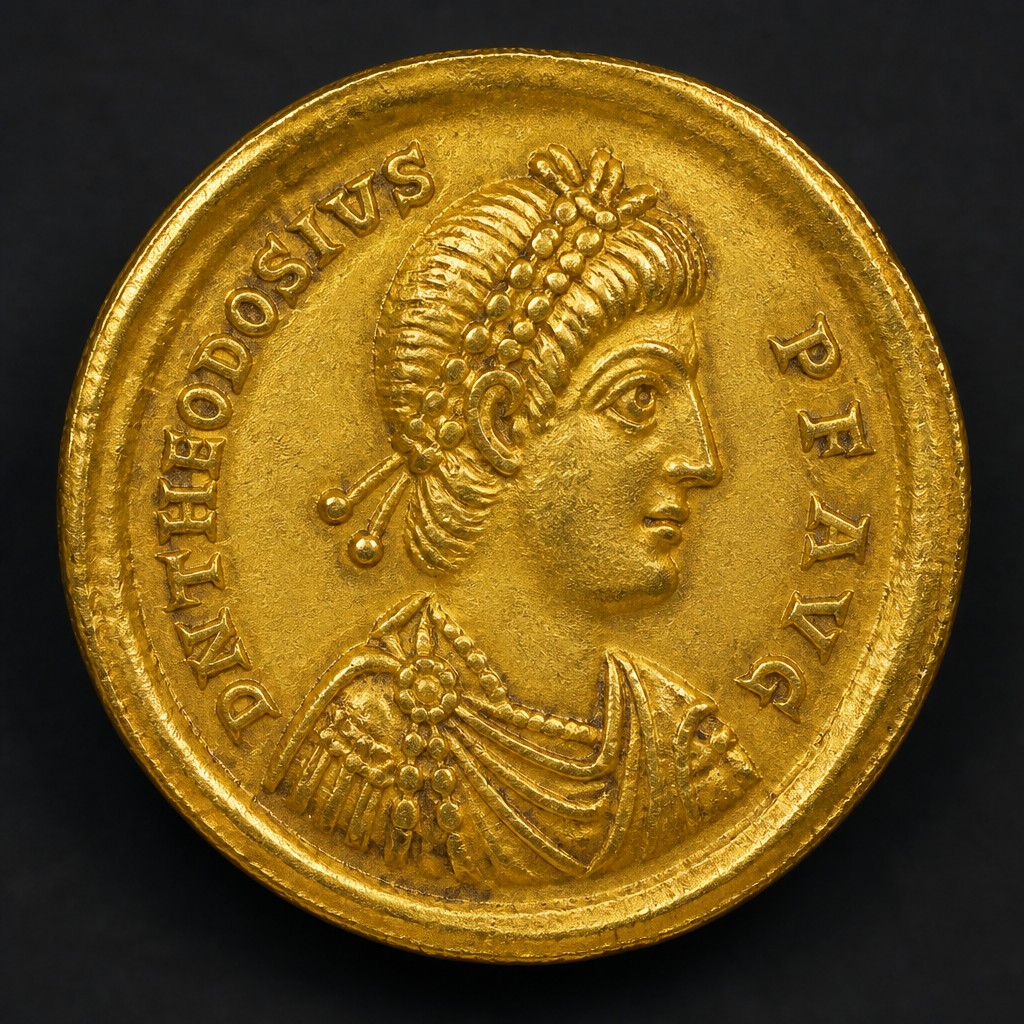
Theodosius I Solidus
379–395 AD
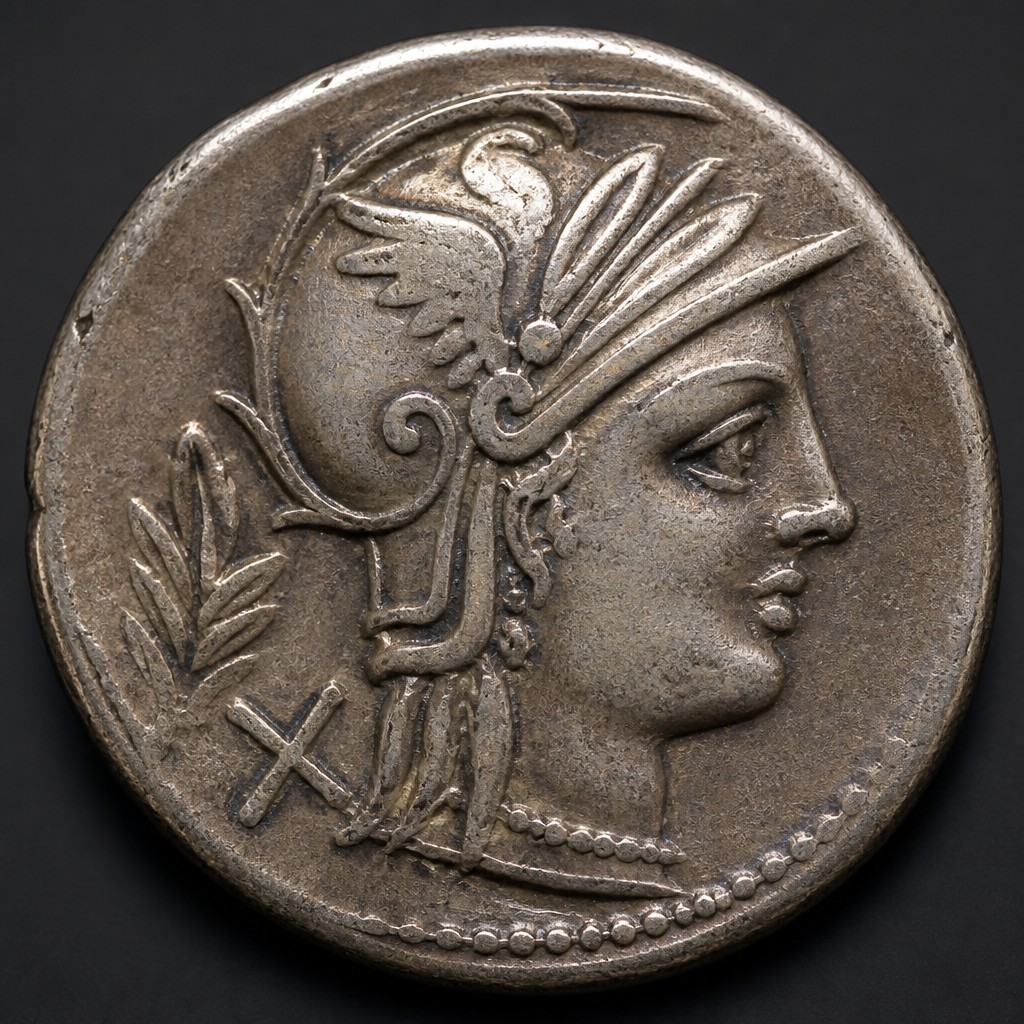
Republican Victoriatus
c. 211–170 BC
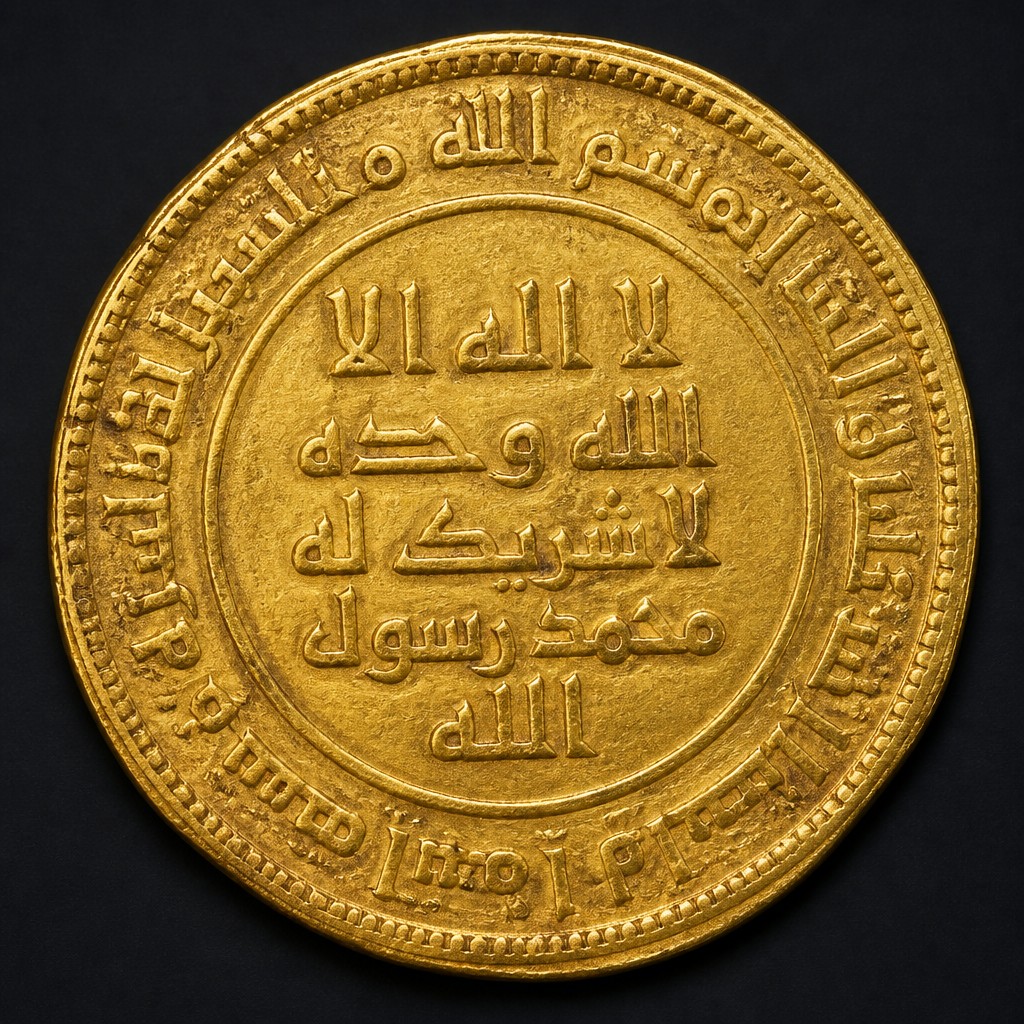
Islamic Gold Dinar (Umayyad)
c. 696–750 AD
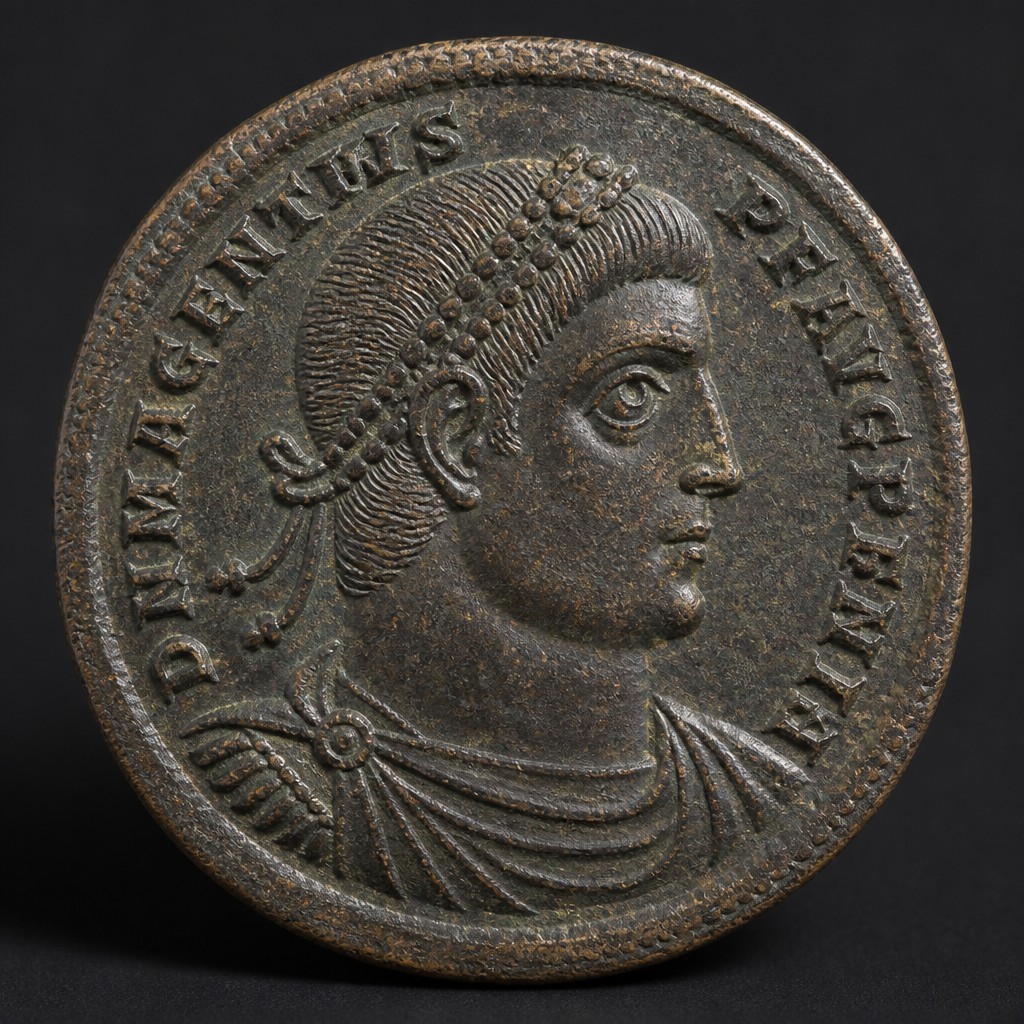
Magnentius Double Centenionalis
350–353 AD
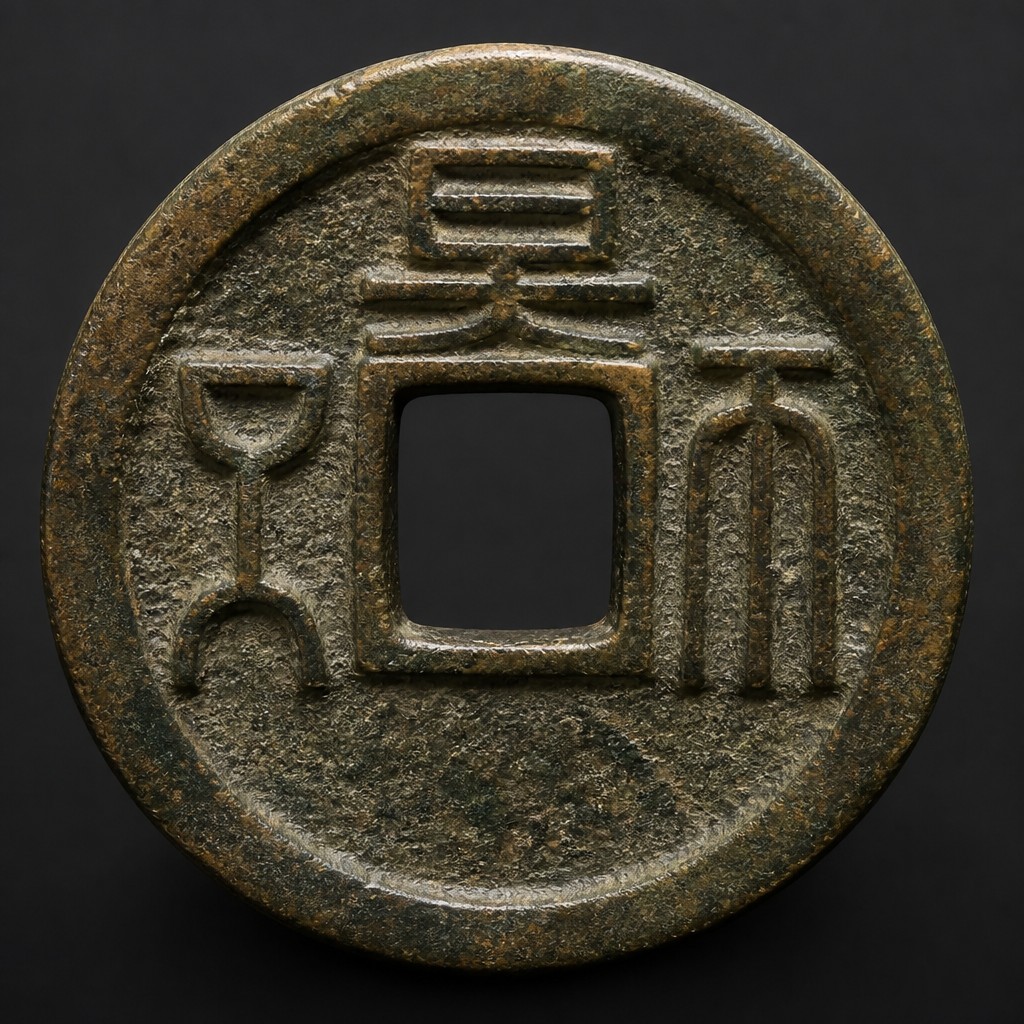
Chinese Wu Zhu Cash
118 BC – 618 AD
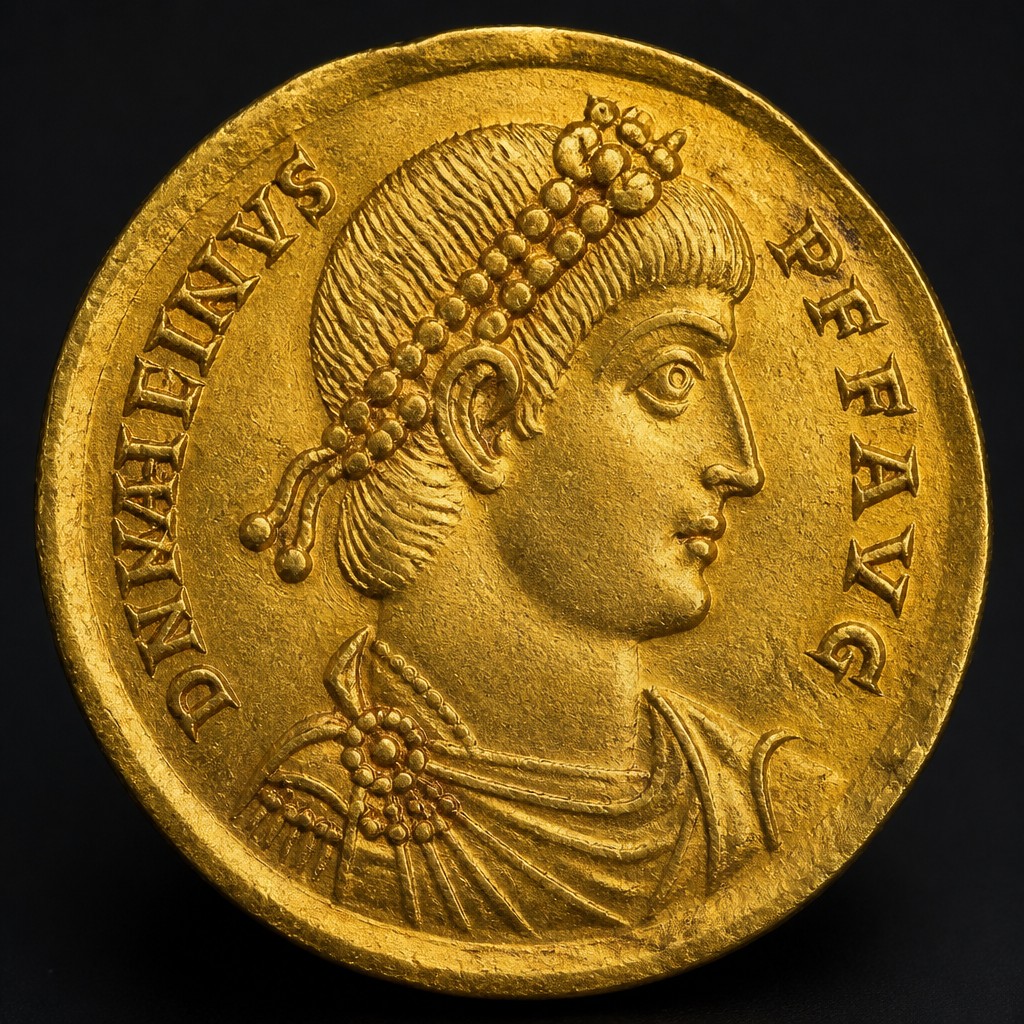
Valentinian I Solidus
364–375 AD
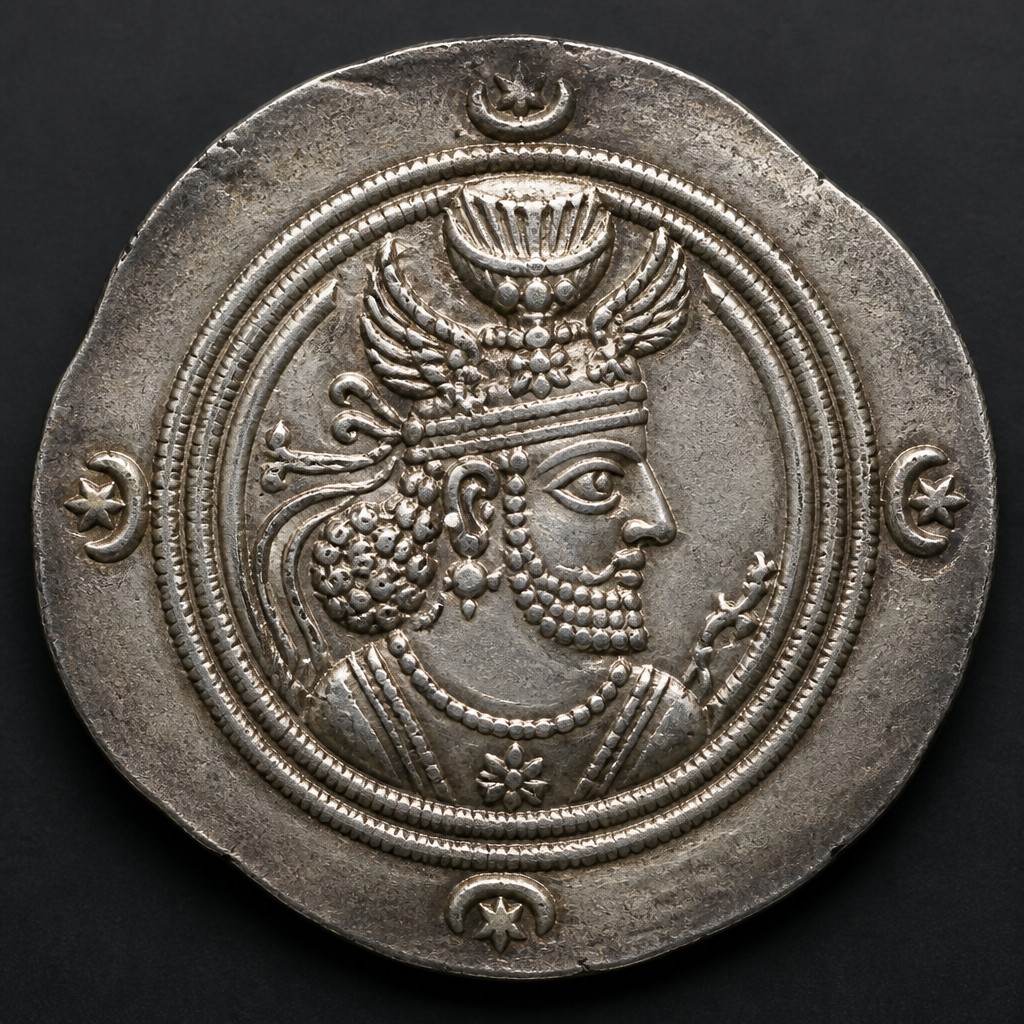
Sassanian Silver Drachm
c. 224–651 AD
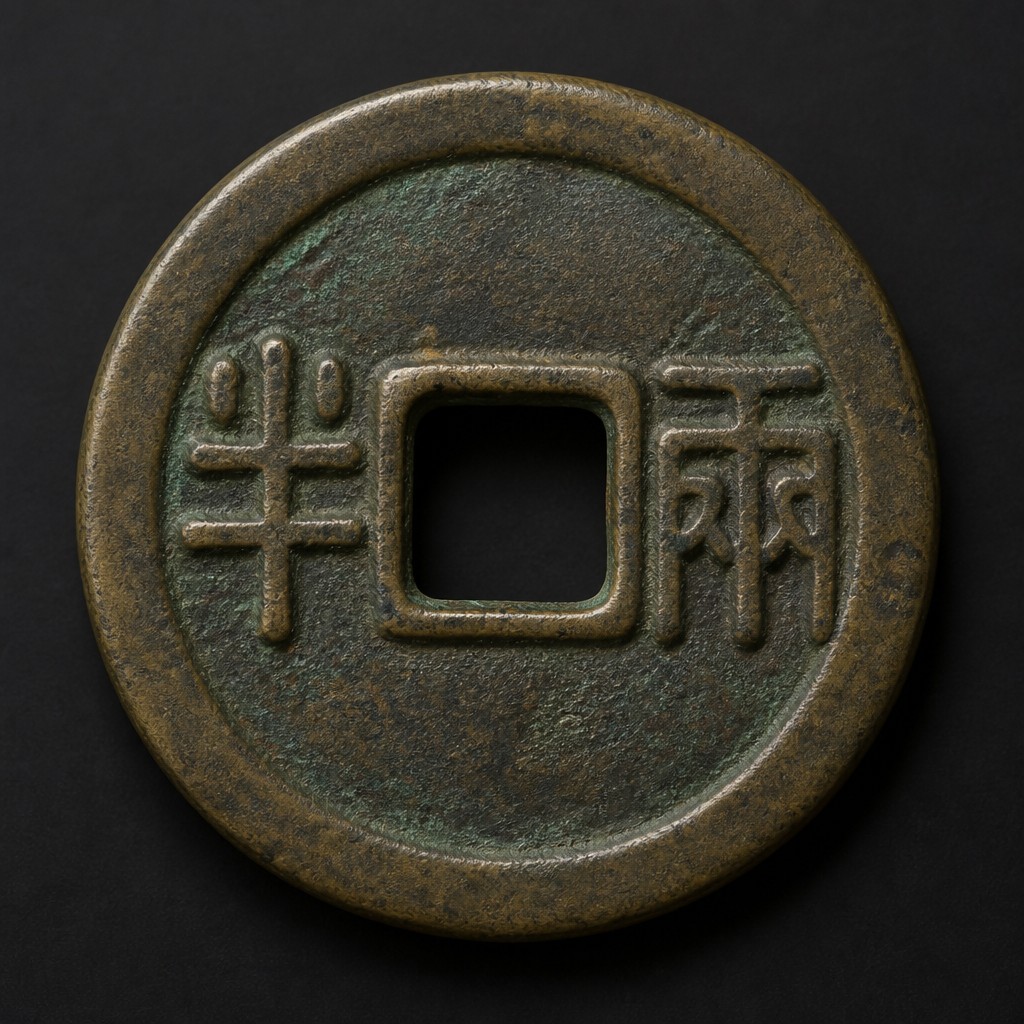
Chinese Ban Liang Cash
c. 221–118 BC
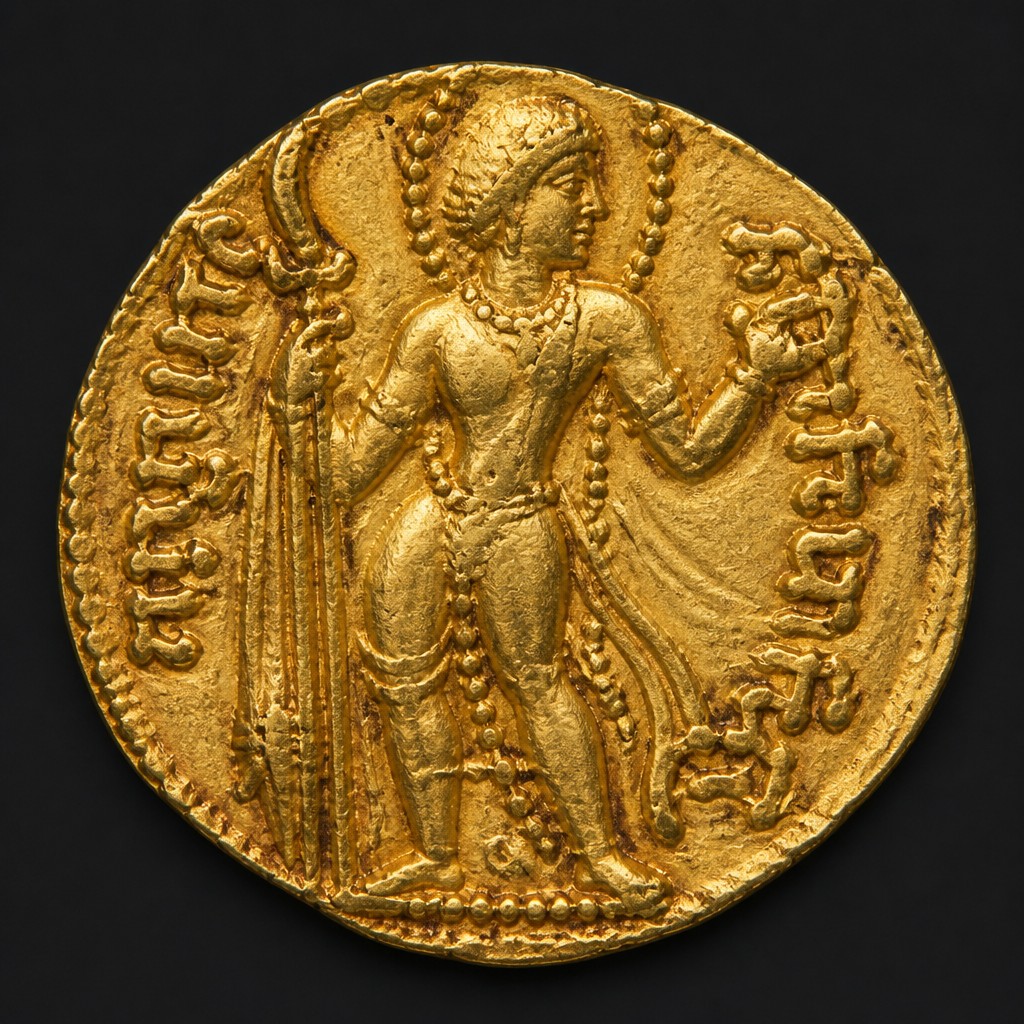
Gupta Empire Gold Dinar
c. 320–550 AD
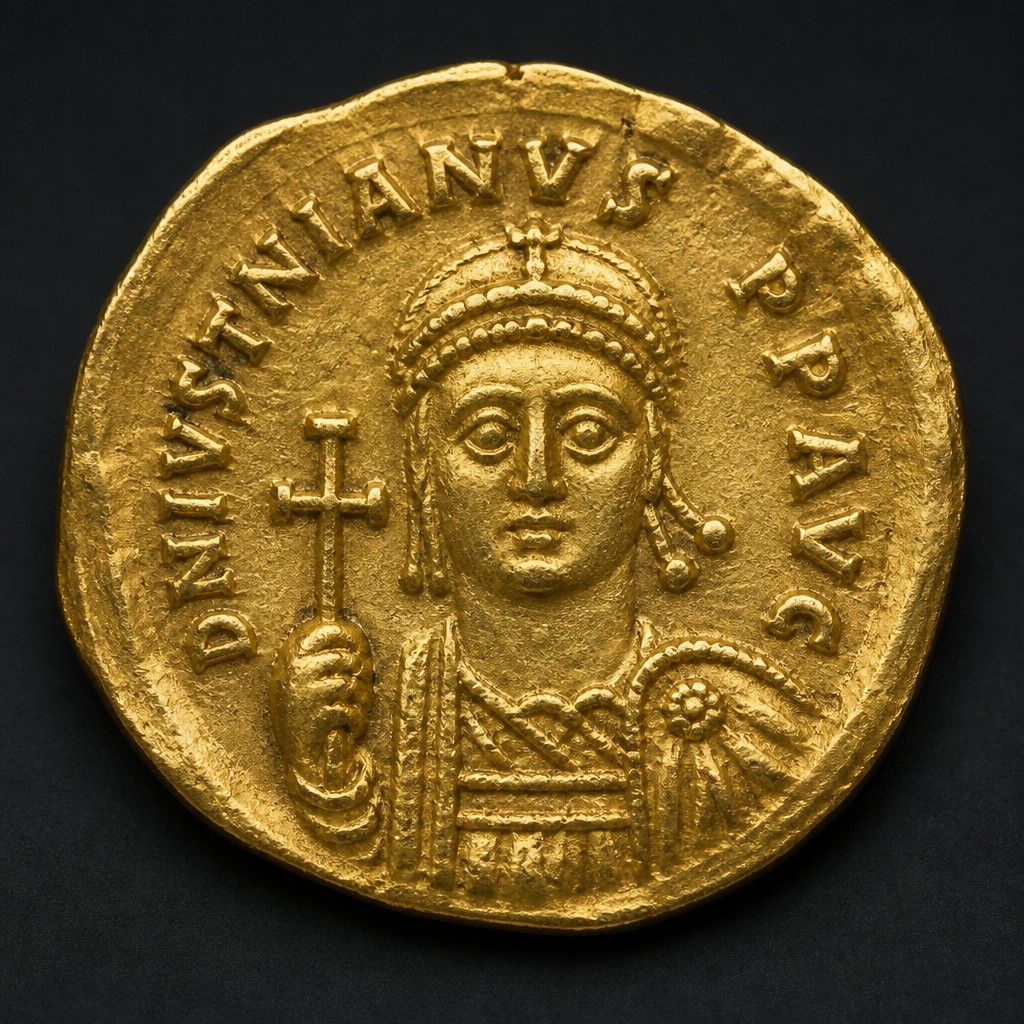
Byzantine Gold Tremissis
c. 4th–7th century AD
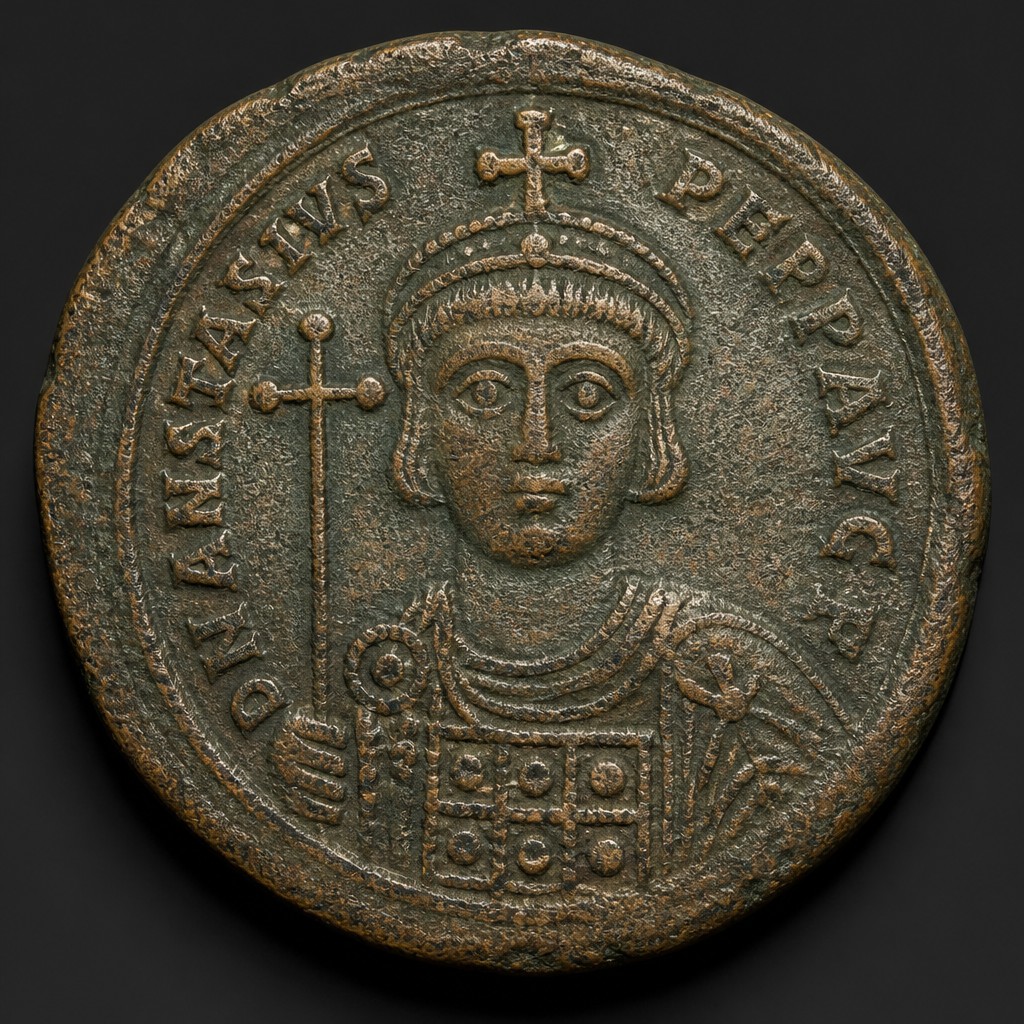
Byzantine Follis
498–c. 11th century AD
Celtic Gold Stater
c. 3rd century BC – 1st century AD