
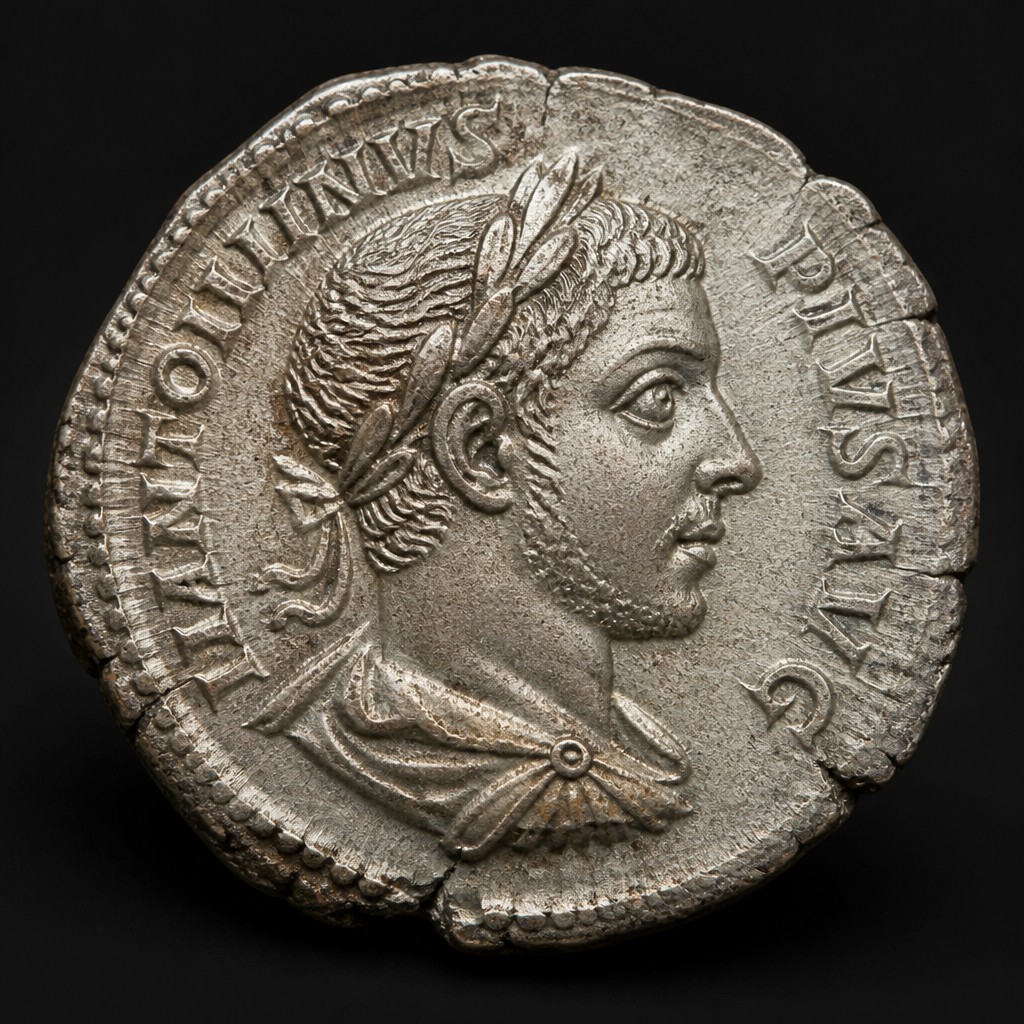
Elagabalus Denarius
Silver denarius of the teenage Syrian priest-emperor Elagabalus, whose brief, scandal-ridden reign is reflected in unusual reverse types tied to his sun-god cult.
- Country
- Ancient Rome
- Denomination
- Denarius
- Metal
- Silver (approx. 40–45%)
Got a coin like this?
Identify any coin from a photo, free.
Overview
The denarius of Elagabalus documents one of ancient Rome's most unusual and short reigns, that of a teenage hereditary priest from Emesa in Syria who was installed as emperor through a family-orchestrated military coup and who attempted to elevate his personal god, Elagabal, above the traditional Roman pantheon. His coinage, produced over roughly four years, reflects this singular episode in Roman religious and political history.
A distinctive reverse type found on his coinage depicts a conical sacred stone (a baetyl) associated with the cult of Elagabal being carried in a four-horse chariot, a design without close parallel elsewhere in Roman imperial coinage and one that directly ties the coin to his controversial religious program.
Collectors are drawn to Elagabalus's coinage for its rarity relative to more common Severan issues and for its vivid connection to one of the most colorful and heavily mythologized reigns in Roman history.
History & Background
Varius Avitus Bassianus, later known as Elagabalus, was a young member of the influential Syrian priestly family related to Julia Domna, serving as hereditary high priest of the sun god Elagabal at Emesa. Backed by his grandmother Julia Maesa, who orchestrated a claim that he was the illegitimate son of Caracalla, he was proclaimed emperor by troops in 218 AD at around age fourteen, defeating the short-lived usurper Macrinus.
His brief reign, lasting until 222 AD, became notorious in ancient sources for religious controversy, as he attempted to install his Syrian sun god above Jupiter in the Roman state religion, and for a range of personal scandals reported by hostile historians, some of which modern scholars treat with considerable skepticism given the political motivations behind ancient accounts of disfavored rulers.
Facing growing unpopularity, Elagabalus was pressured by his grandmother into adopting his cousin, the future Severus Alexander, as heir, but was ultimately assassinated along with his mother Julia Soaemias in a Praetorian Guard mutiny in 222 AD, after which Severus Alexander succeeded him and the Senate condemned his memory.
How to Identify
The obverse shows the youthful head of Elagabalus facing right, generally with the legend IMP CAES M AVR ANTONINVS AVG or similar, reflecting his official assumed name linking him (falsely, in the view of most modern historians) to the Antonine line. Reverse types include conventional imperial themes such as Fides Militum, Victory, and Fecunditas, alongside the more unusual and highly sought religious type showing the sacred baetyl stone of Elagabal in a four-horse chariot, sometimes with the legend SANCT DEO SOLI ELAGABAL referencing his personal deity.
The denarius weighs roughly 2.5 to 3.3 grams and measures about 17 to 19mm, with silver fineness continuing the debasement trend seen under his Severan predecessors.
Collectors distinguish his coinage from that of other Severan emperors primarily through his youthful portrait and specific titulature, and the unusual baetyl reverse type is unmistakable once recognized, as no other Roman emperor's coinage depicts a sacred stone of this kind.
Value & Collectibility
Standard Elagabalus denarii with conventional reverse types are collectible but somewhat less common than coinage of longer-reigning Severan emperors, generally commanding moderate premiums over the most common Severan issues, reflecting his shorter four-year reign.
The baetyl/sacred-stone reverse type is considerably scarcer and more actively sought after due to its unique religious iconography and direct connection to his notorious reign, often bringing significantly higher prices than his more standard types when offered at auction.
As with all ancient silver, strike quality and preservation matter greatly, but for Elagabalus's coinage the specific reverse type is often the single largest driver of price, given the strong collector interest in the more unusual and historically evocative designs from his reign.
Frequently asked questions
Who was Elagabalus?
He was a teenage Syrian hereditary priest of the sun god Elagabal who became Roman emperor in 218 AD through his family's political maneuvering, ruling until his assassination in 222 AD.
What is the baetyl shown on some of his coins?
It is a conical sacred stone associated with his god Elagabal, depicted being carried in a four-horse chariot, a unique reverse type tied to his controversial religious program.
Are Elagabalus's coins rare?
Standard types are collectible but less common than longer-reigning Severan emperors due to his short reign, while the sacred-stone type is notably scarcer and more sought after.
How did Elagabalus's reign end?
He was assassinated in a Praetorian Guard mutiny in 222 AD, along with his mother, after growing unpopularity, and was succeeded by his cousin Severus Alexander.
Other coins you may enjoy
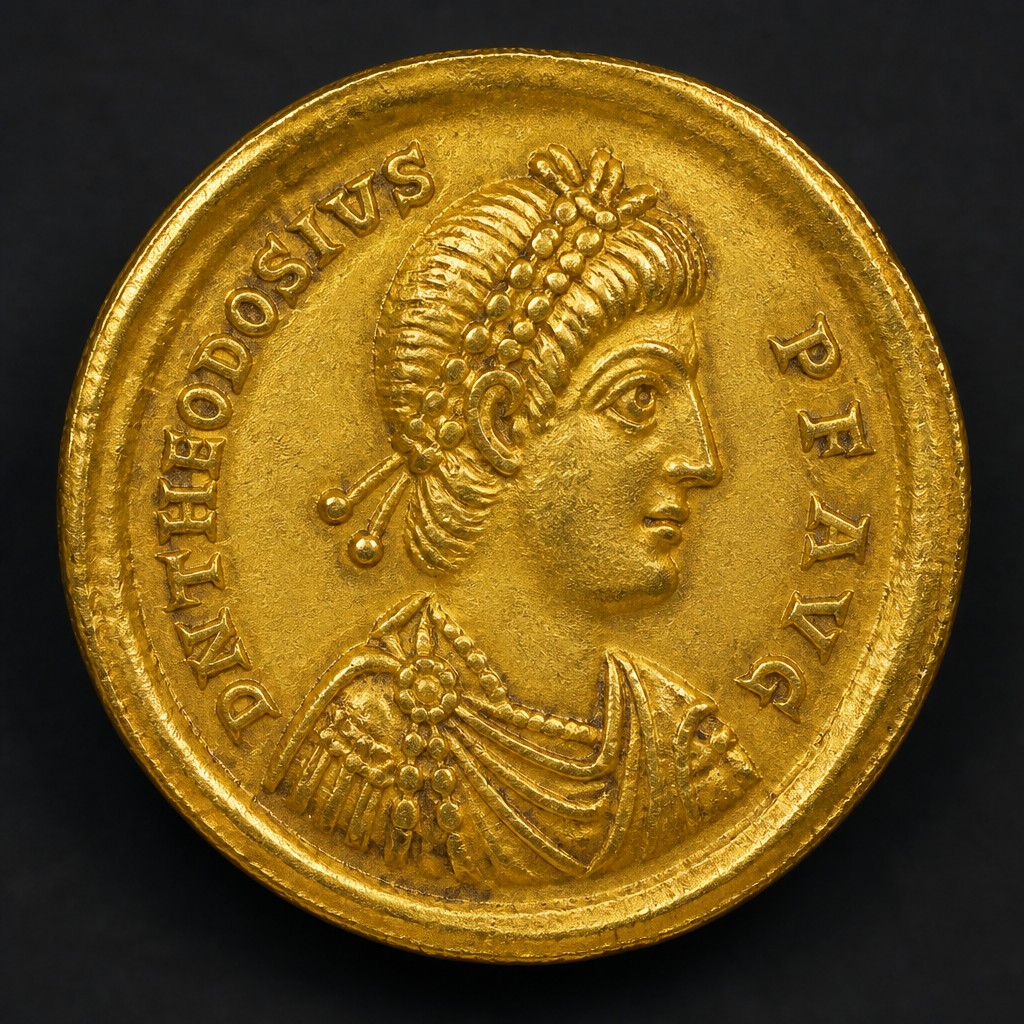
Theodosius I Solidus
379–395 AD
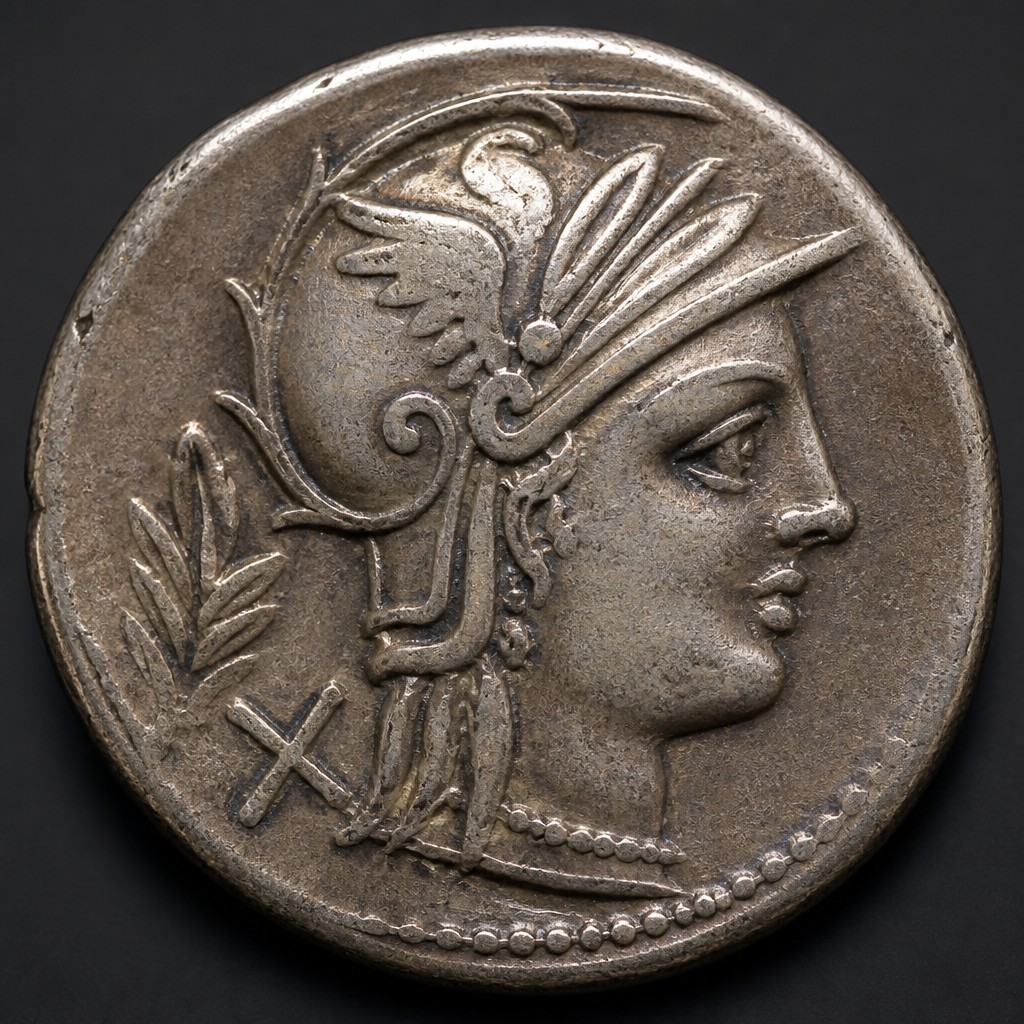
Republican Victoriatus
c. 211–170 BC
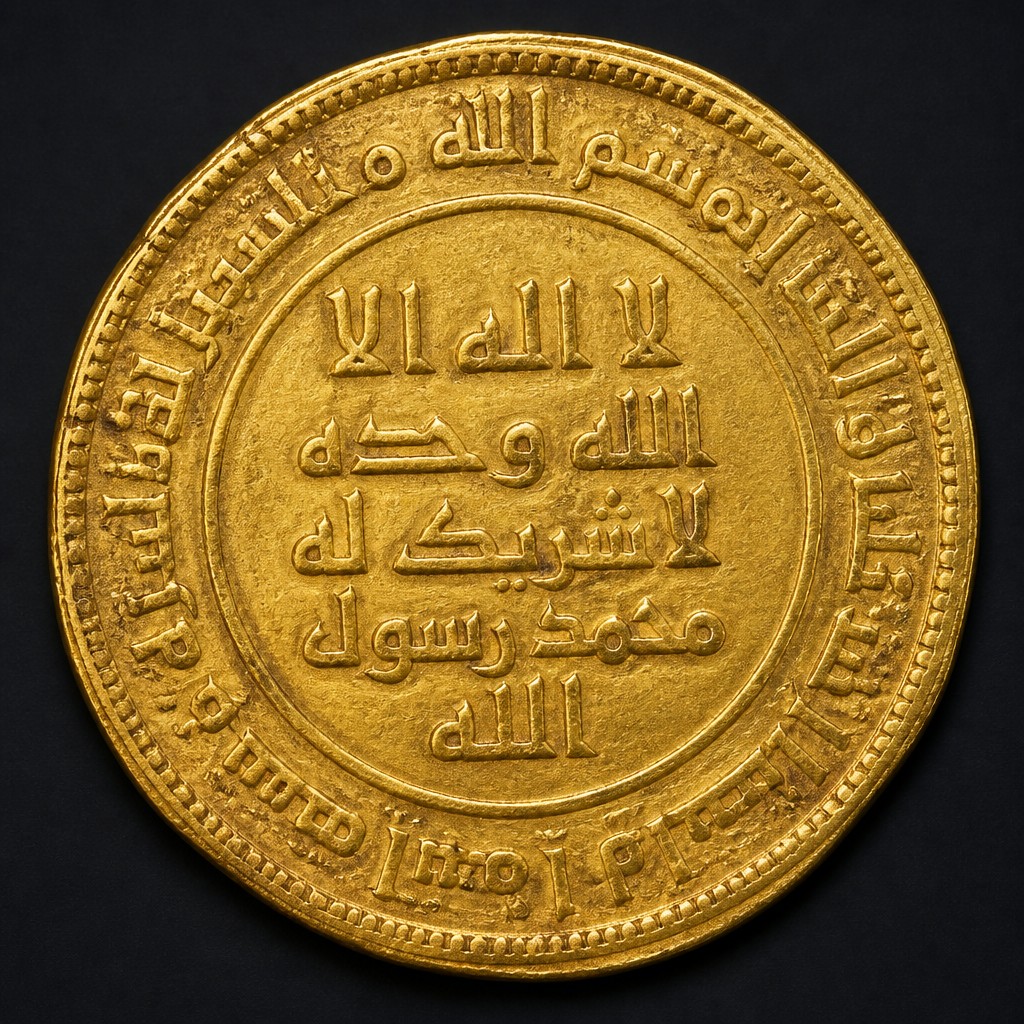
Islamic Gold Dinar (Umayyad)
c. 696–750 AD
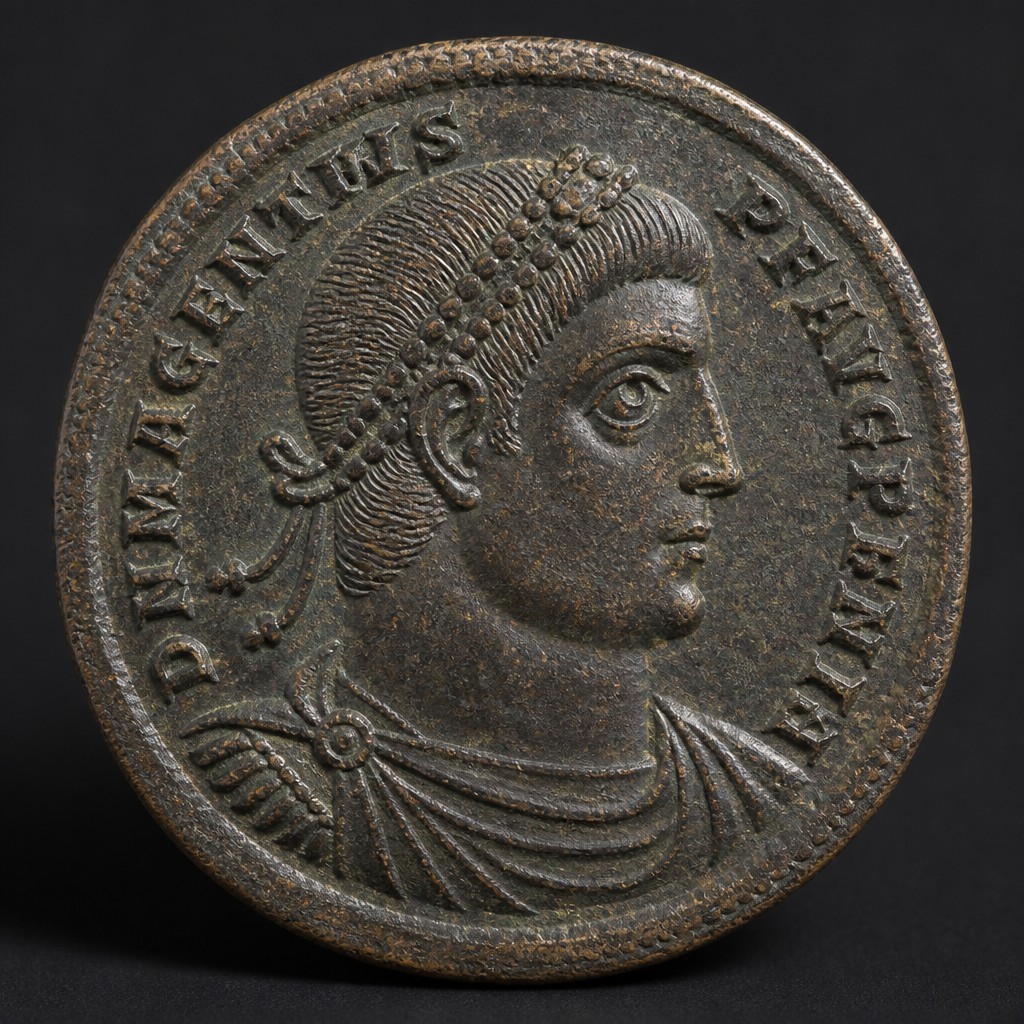
Magnentius Double Centenionalis
350–353 AD
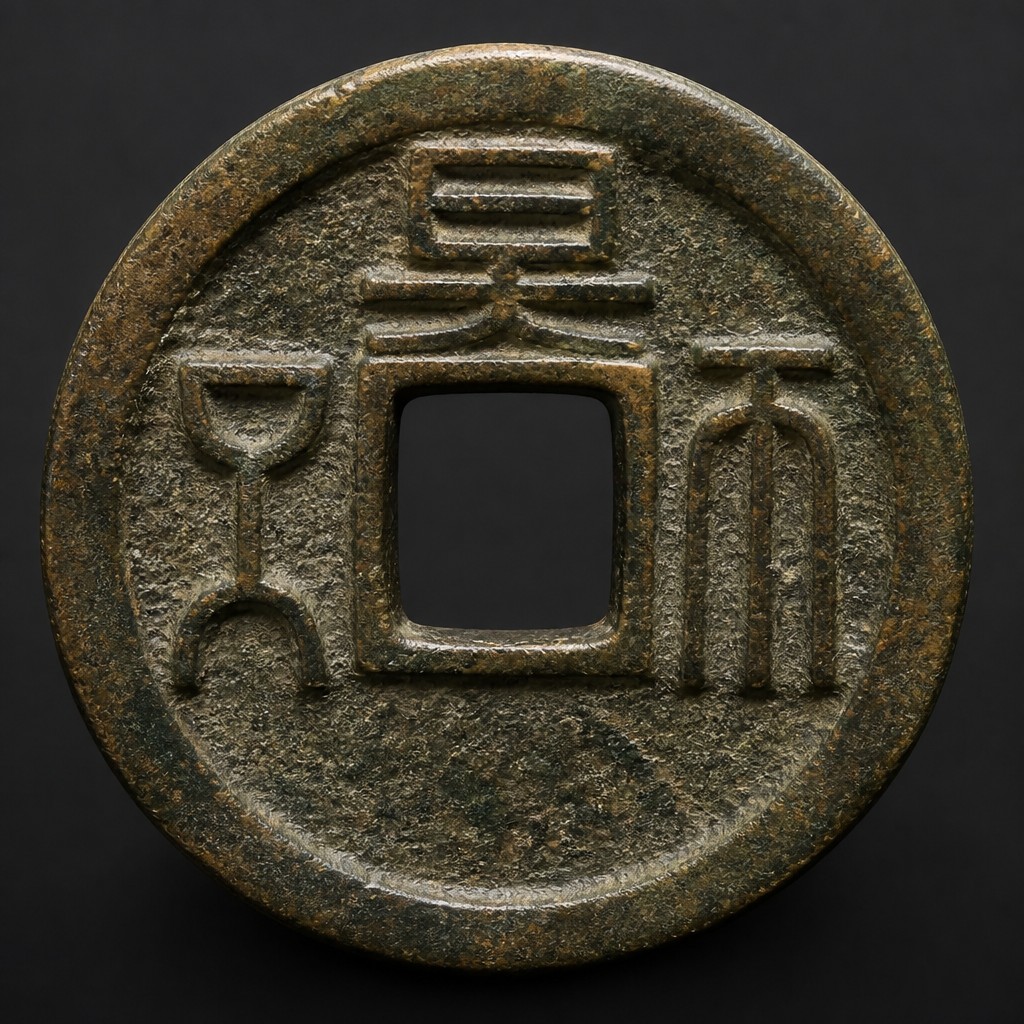
Chinese Wu Zhu Cash
118 BC – 618 AD
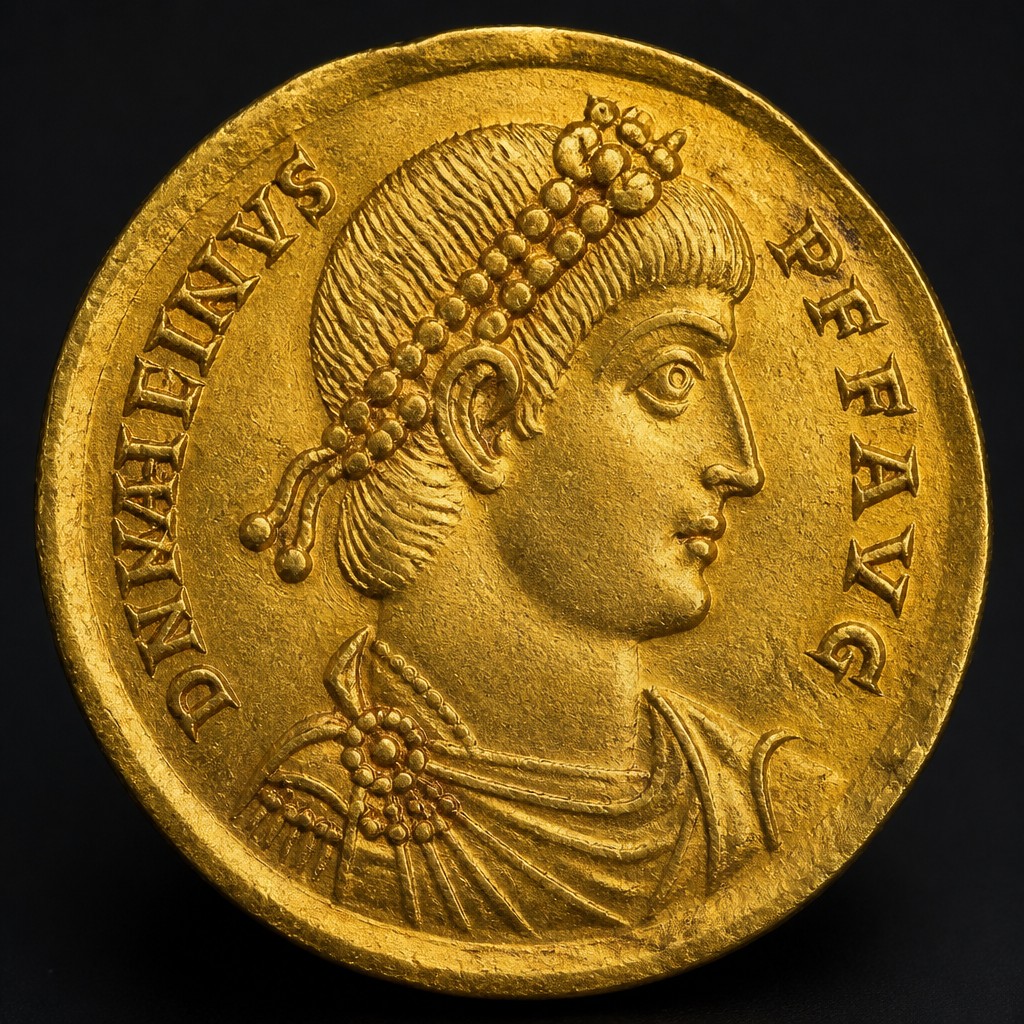
Valentinian I Solidus
364–375 AD
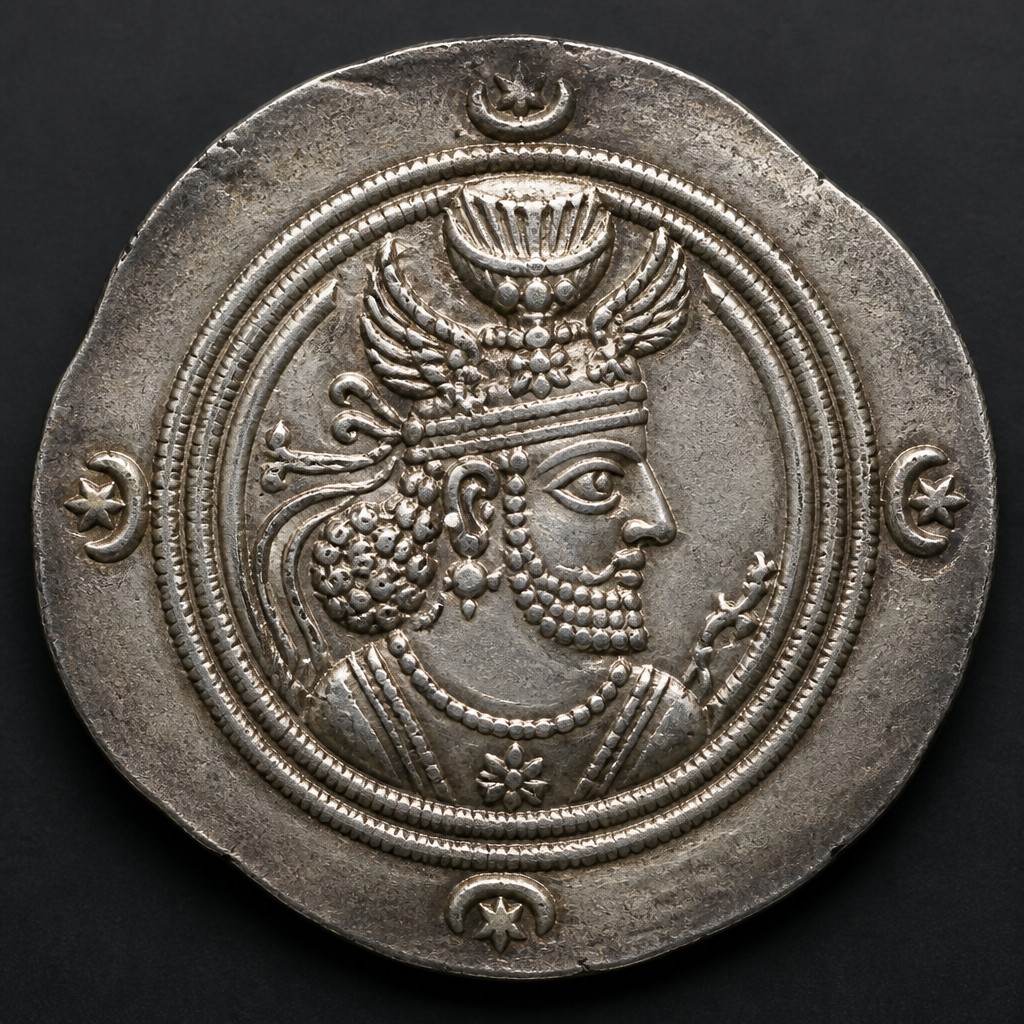
Sassanian Silver Drachm
c. 224–651 AD
Chinese Ban Liang Cash
c. 221–118 BC
Gupta Empire Gold Dinar
c. 320–550 AD
Byzantine Gold Tremissis
c. 4th–7th century AD
Byzantine Follis
498–c. 11th century AD
Celtic Gold Stater
c. 3rd century BC – 1st century AD