
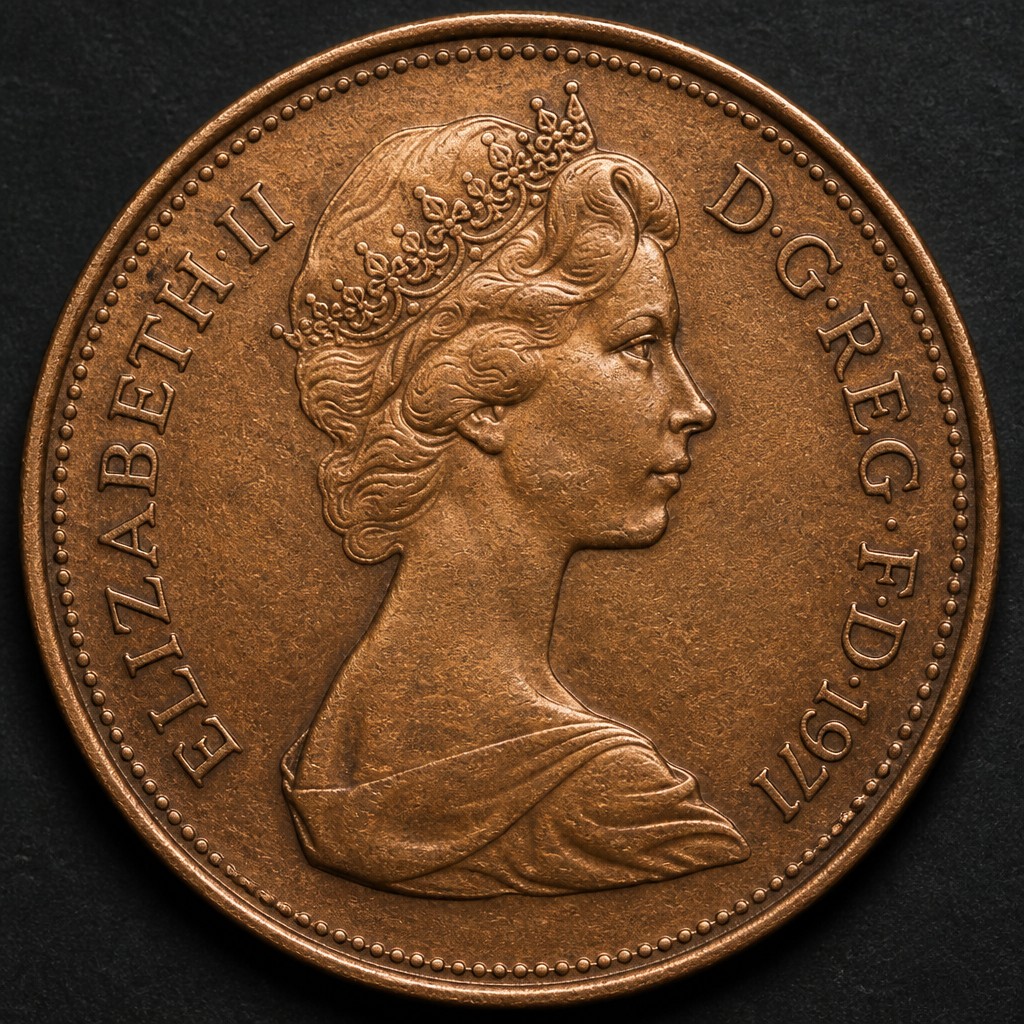
Decimal New Penny
The UK's smallest decimal coin, introduced on Decimal Day, 15 February 1971, inscribed "NEW PENNY" until 1982.
- Country
- United Kingdom
- Denomination
- One New Penny
- Metal
- Bronze (1971–1992); Copper-Plated Steel (1992–present)
Got a coin like this?
Identify any coin from a photo, free.
Overview
The decimal new penny was introduced as part of the United Kingdom's wholesale switch from the old pounds-shillings-pence system to a decimal currency of 100 pence to the pound. It replaced the old, much larger pre-decimal penny (worth 1/240 of a pound) with a coin worth exactly one hundredth of a pound.
Collectors particularly note the early "NEW PENNY" legend used from 1971 through 1981, which was changed to simply "ONE PENNY" from 1982 onward once the decimal system had fully bedded in, making the wording a simple and popular way to distinguish earlier from later dates.
History & Background
Britain officially adopted decimal currency on 15 February 1971, known as Decimal Day, replacing the centuries-old system of 12 pence to the shilling and 20 shillings to the pound with a simpler 100 pence to the pound. The new penny, along with the halfpenny and two pence, were introduced as part of this reform, all bearing the words "NEW PENNY" or "NEW PENCE" to distinguish them from the old pre-decimal coinage that continued to circulate alongside them briefly.
By 1982, decimalisation was long established and the word "new" was dropped from all the small denomination coins, with the one penny thereafter inscribed simply "ONE PENNY." The coin's composition also changed over time, moving from bronze to copper-plated steel in 1992 as the price of copper made the original alloy less economical.
The Royal Mint has kept the coin's obverse portrait current with each reign, and its reverse has generally featured a segment of, or the full, Royal Shield of Arms, or the crowned royal cypher on earlier issues.
How to Identify
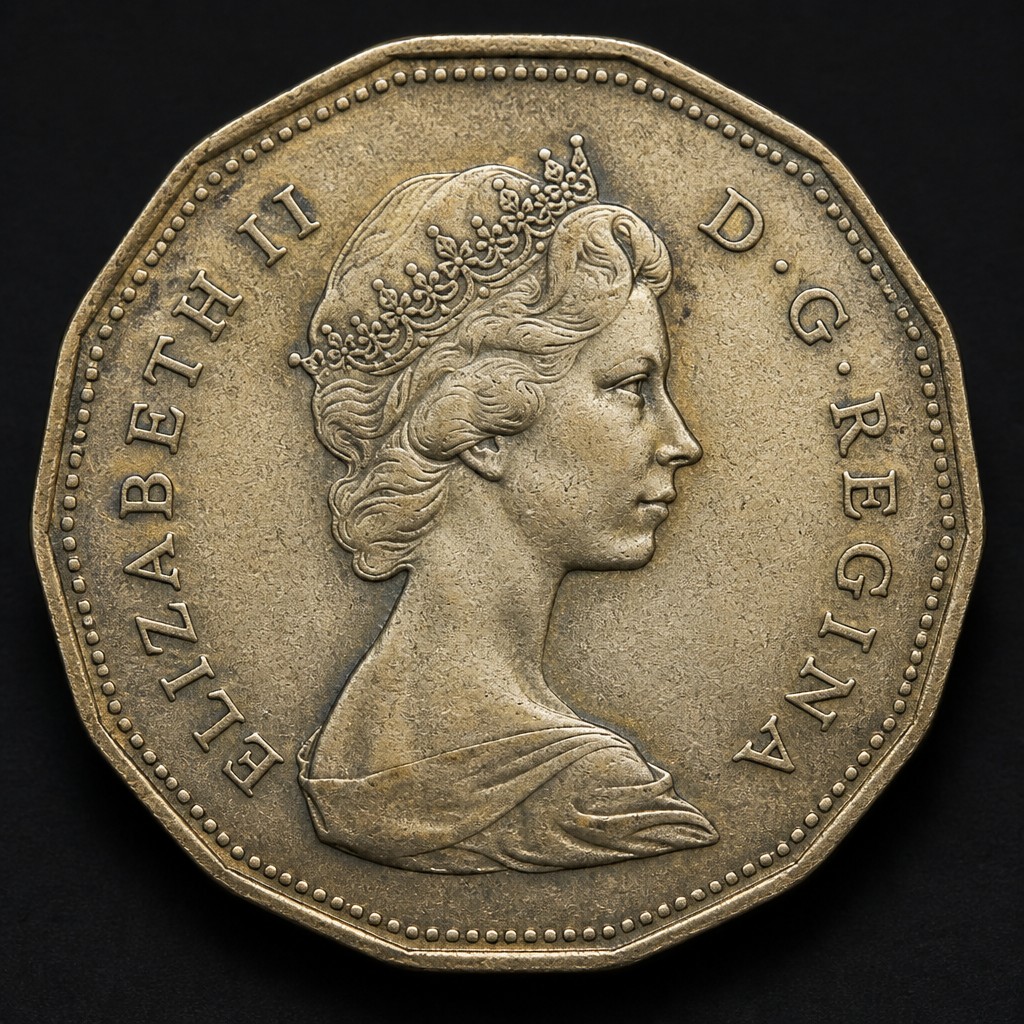
The coin is small, round, and bronze-colored (or, on later steel-based issues, magnetic due to the steel core beneath a copper plating). The obverse bears the monarch's portrait with legend, and the reverse shows either a portcullis-and-chain device (very early issues), a segment of the Royal Shield of Arms, or other Royal Mint-approved reverse depending on the year.
The clearest dating feature is the legend: coins struck from 1971 to 1981 read "NEW PENNY," while coins from 1982 onward read "ONE PENNY." A simple magnet test also distinguishes bronze coins (non-magnetic, pre-1992) from copper-plated steel coins (magnetic, 1992 onward).
Collectors should also note the coin is round and single-metal, unlike the bimetallic £1 and £2 coins, making confusion with higher denominations unlikely.
Value & Collectibility
The vast majority of decimal new pennies are extremely common and worth only face value, as billions were struck across the decimalisation period. A few early proof and specimen coins from 1971 official sets, and a handful of scarce date-and-mint combinations, can carry small premiums among collectors assembling a complete date run.
Because mintages were so large for ordinary business-strike coins, condition alone rarely creates significant value; the coin is primarily collected as a historically important artifact of Britain's currency reform rather than for rarity.
Frequently asked questions
Why does it say "NEW PENNY" instead of "ONE PENNY"?
Coins struck between 1971 and 1981 used "NEW PENNY" to distinguish the decimal coin from the old pre-decimal penny; the wording changed to "ONE PENNY" from 1982.
When did the UK switch to decimal currency?
On 15 February 1971, known as Decimal Day.
What metal is the coin made of?
Bronze from 1971 to 1992, and copper-plated steel from 1992 onward.
Are decimal pennies valuable?
Most are common and worth face value; only certain proof issues or scarce varieties carry a modest premium.
Other coins you may enjoy
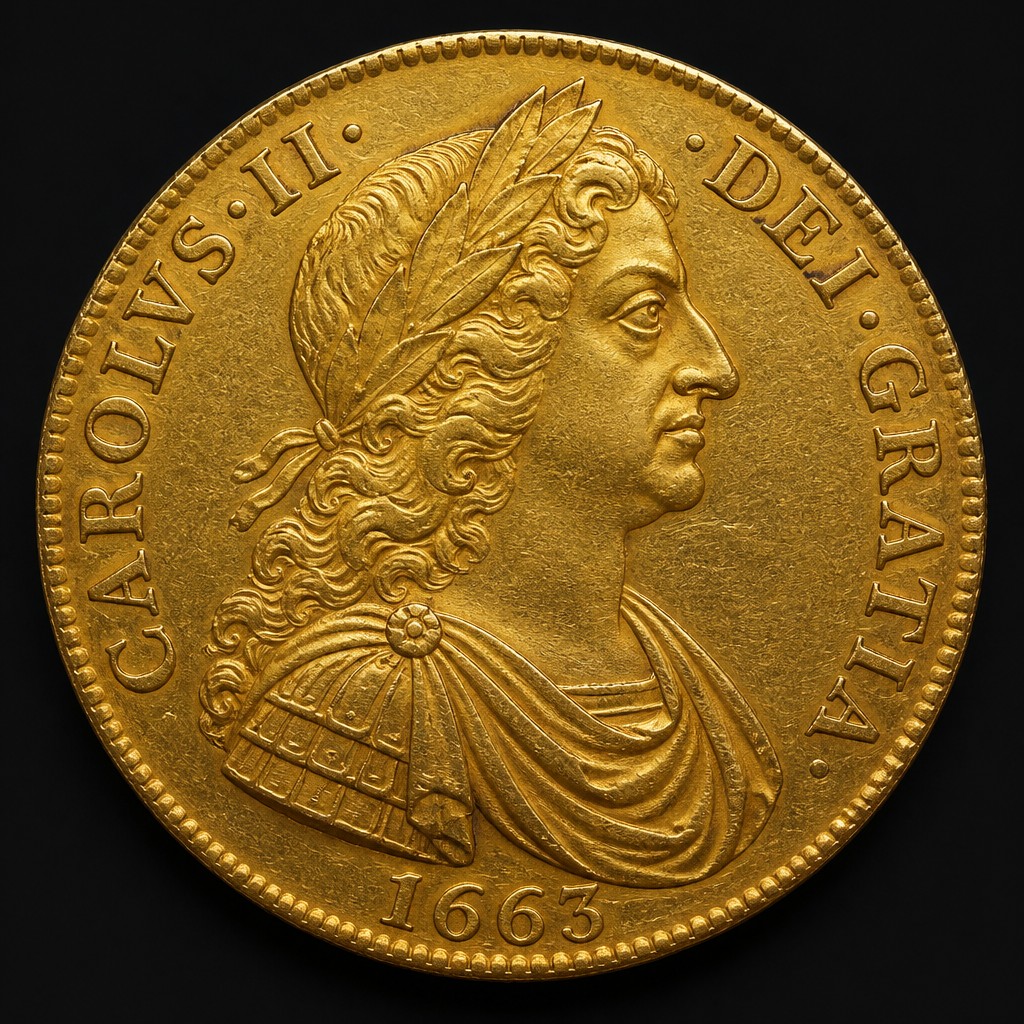
British Guinea
1663–1814
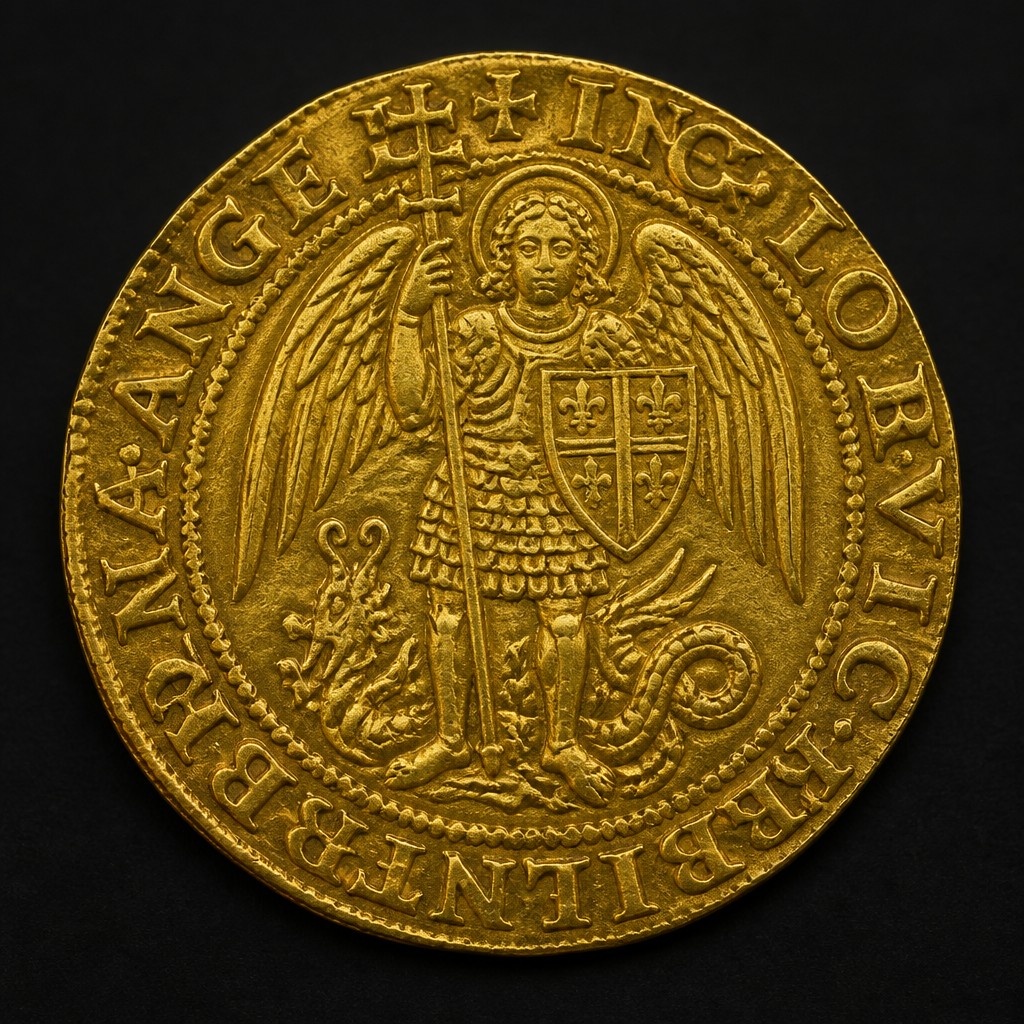
English Angel
1465–1642
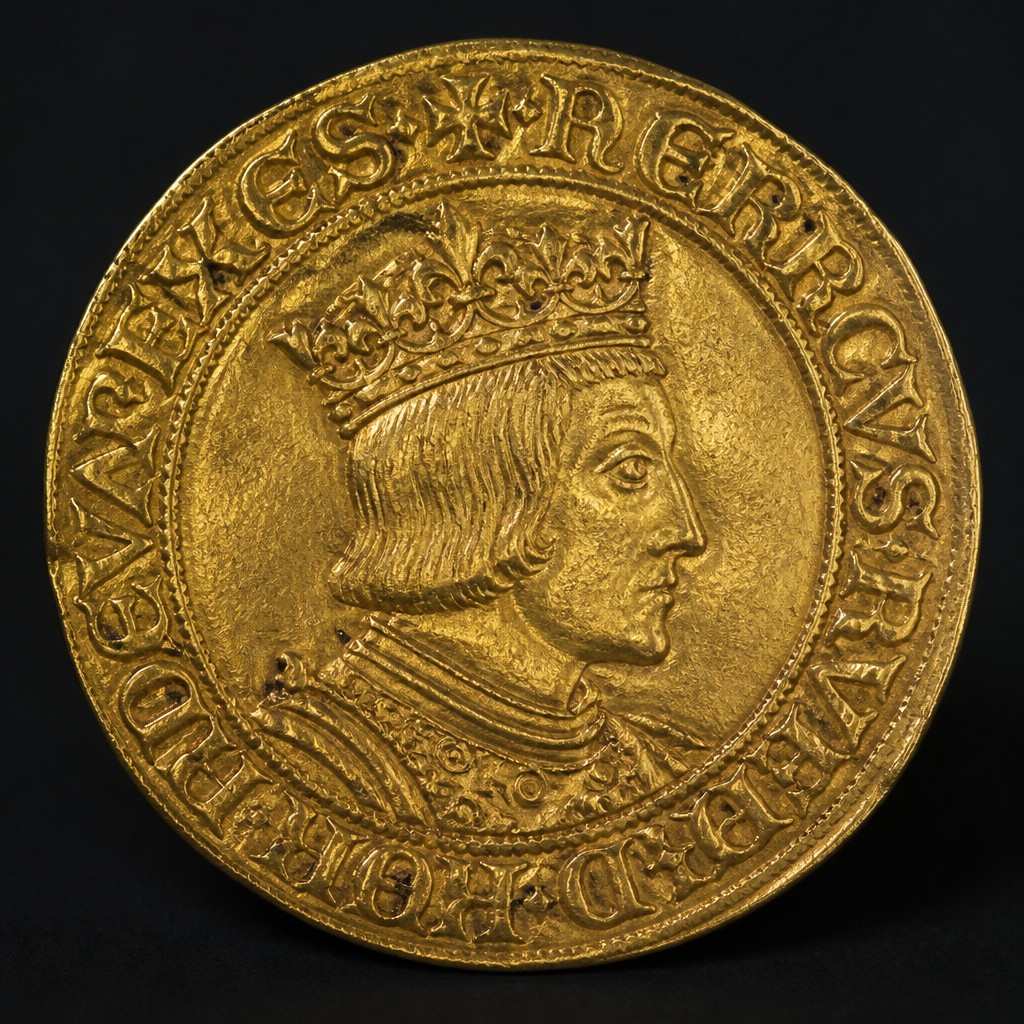
English Sovereign of Henry VII
1489–1509
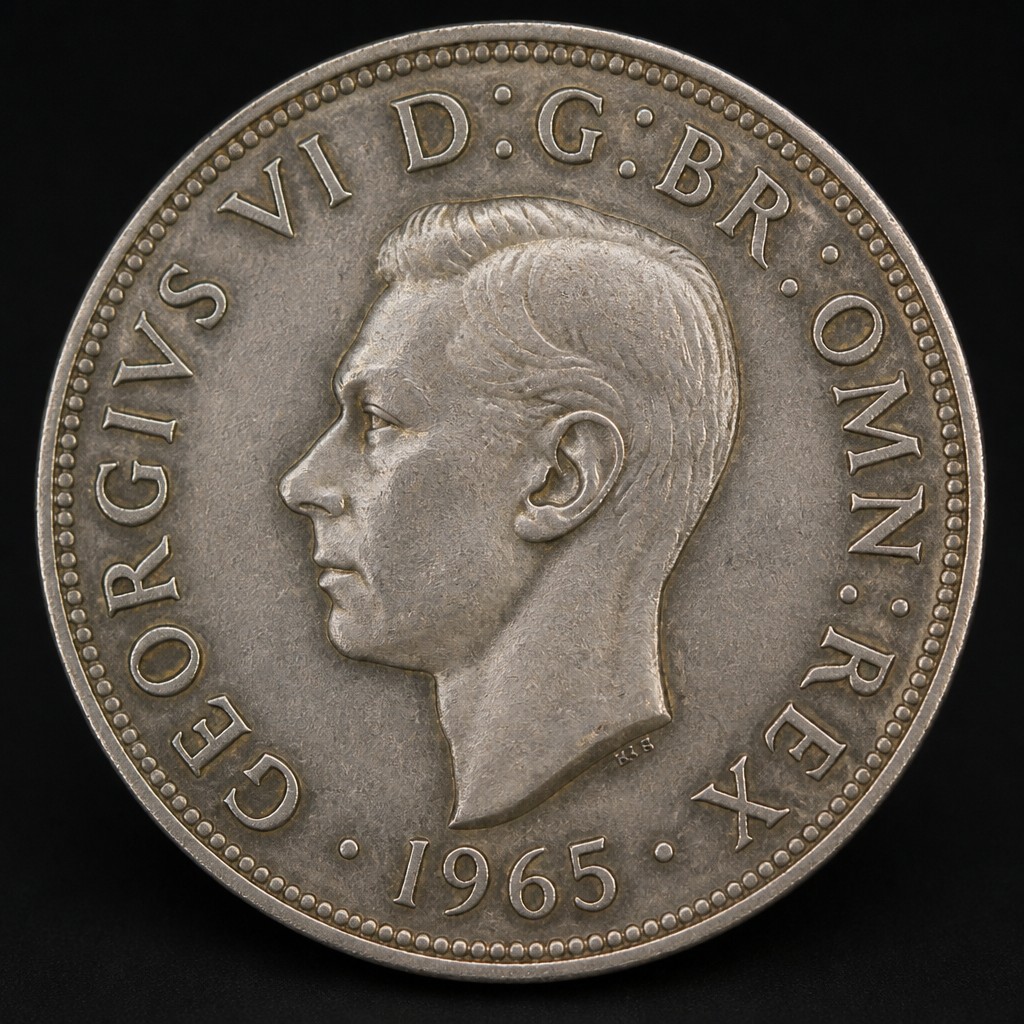
English Crown
1526–1965 (pre-decimal; commemorative crown-sized coins continue as five pound coins)
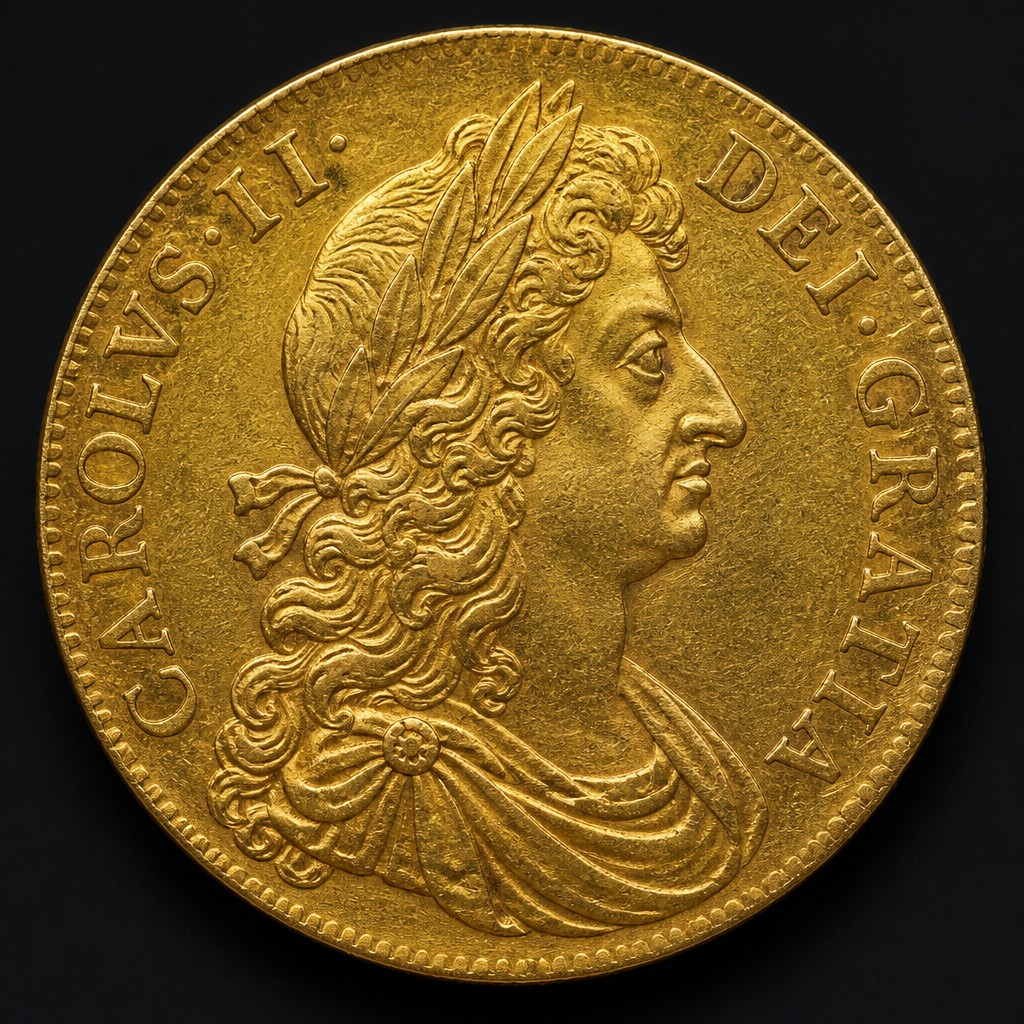
British Gold Guinea
1663–1814
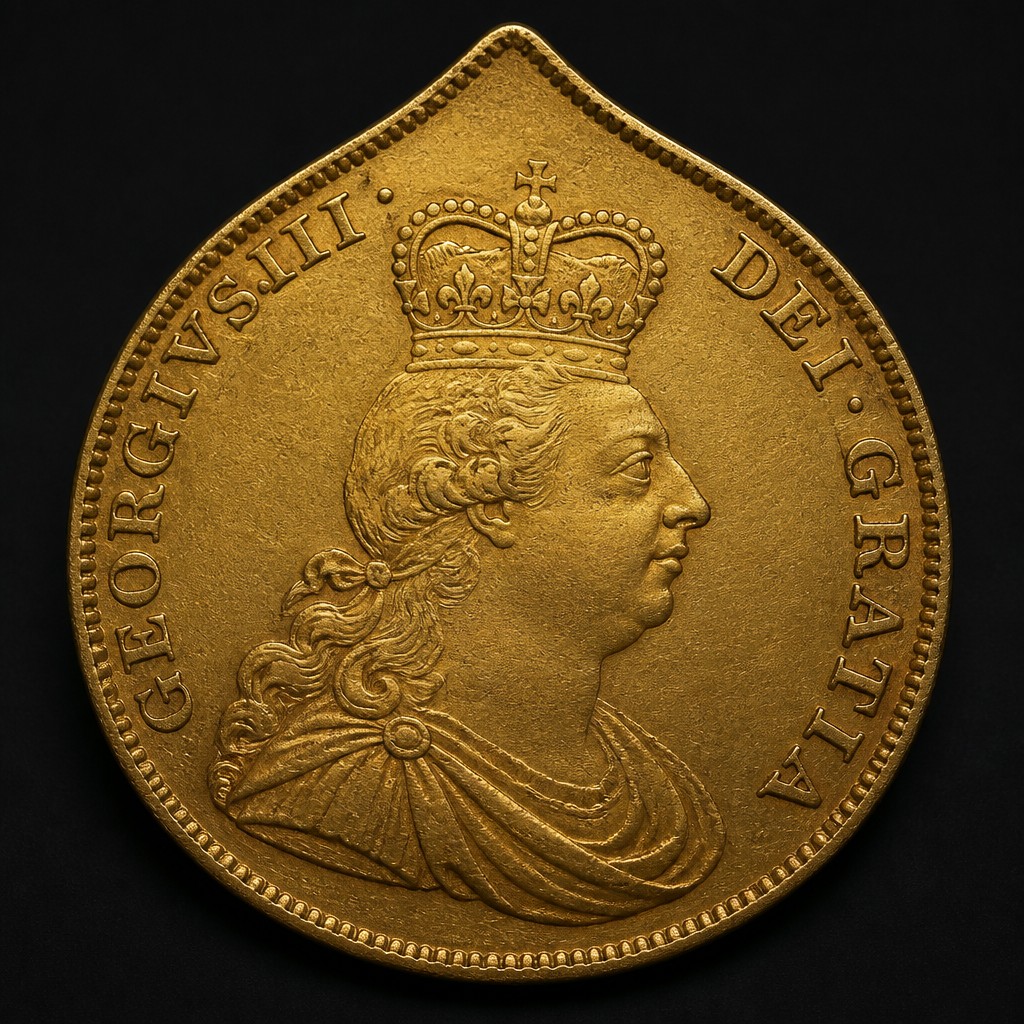
Spade Guinea
1787–1799
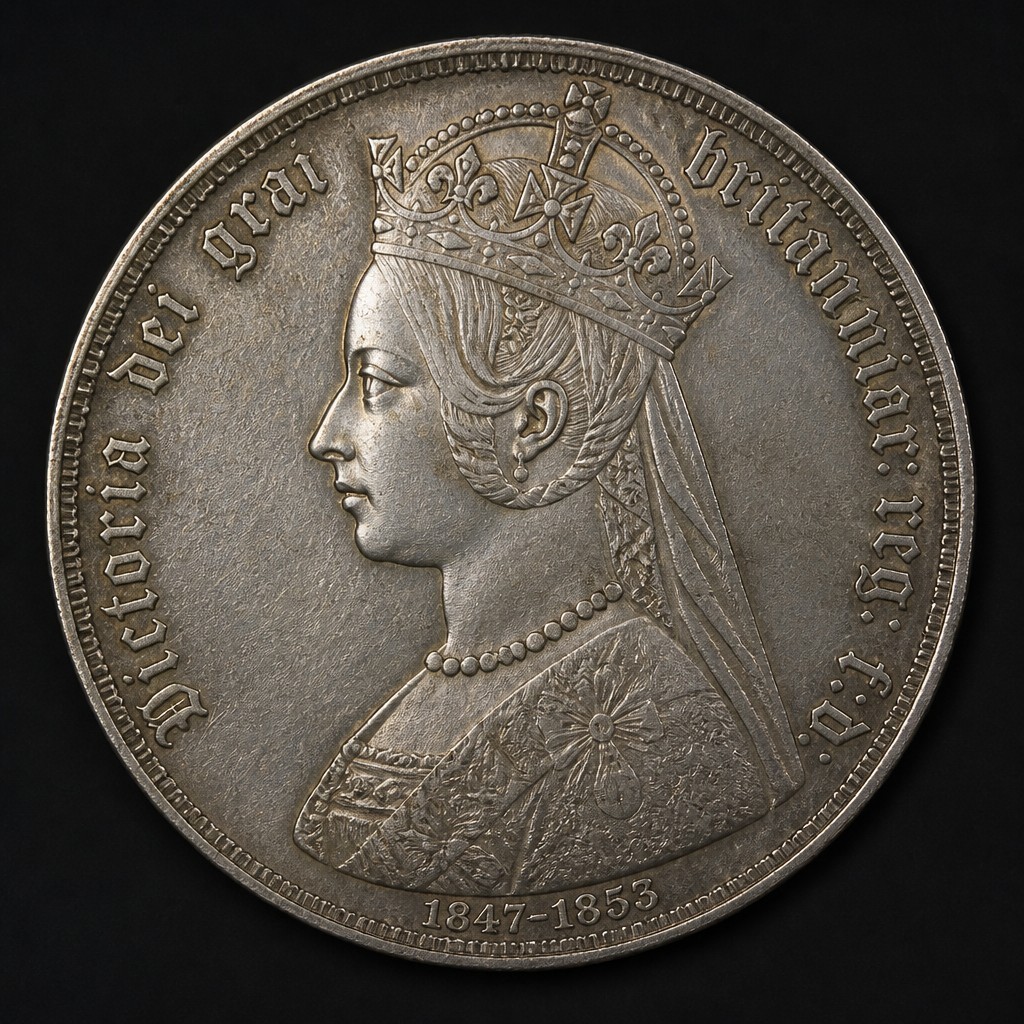
Gothic Crown
1847–1853
Groat (Fourpence)
1279–1888 (various revivals)
Farthing
13th century–1956
Halfpenny
c. 800s–1969
Five Pound Gold (Quintuple Sovereign)
1820–present (intermittent)
Threepence
1547–1970