
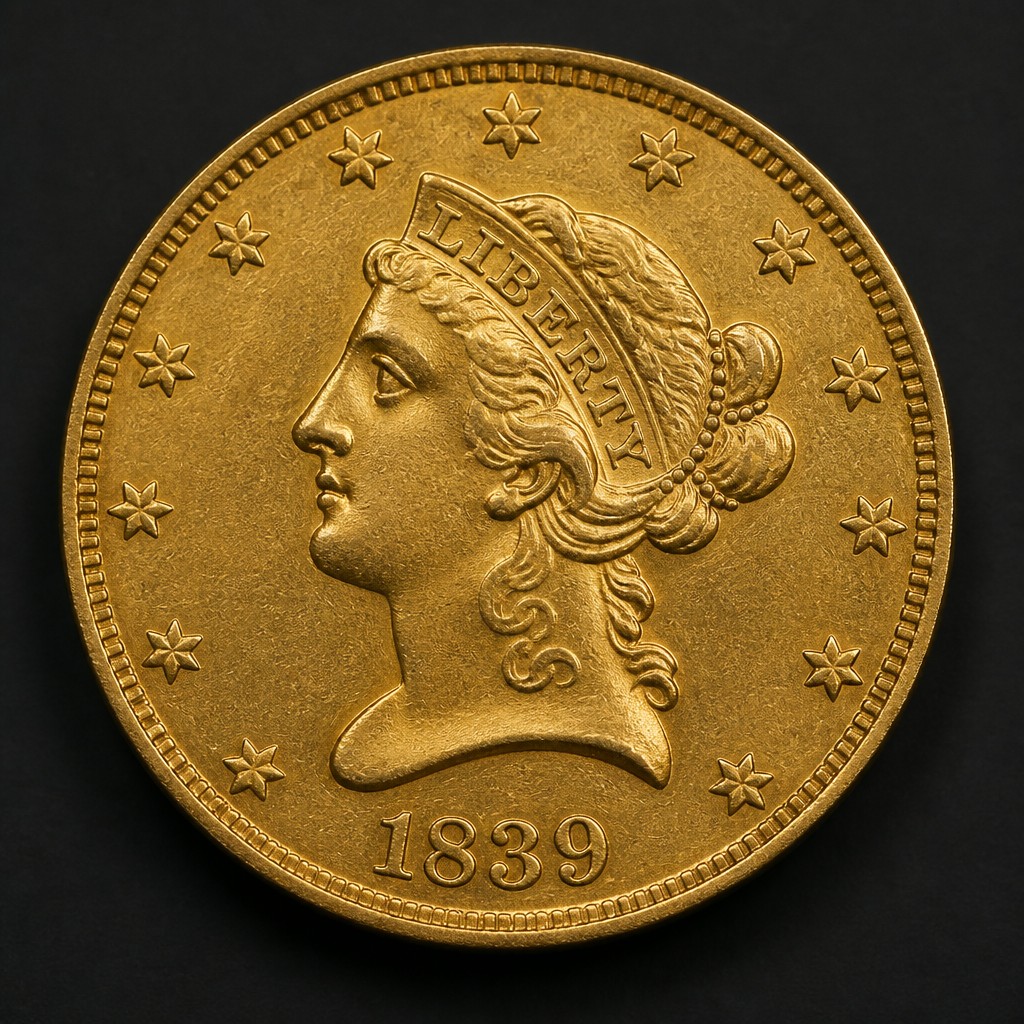
Coronet Head Half Eagle
The longest-running half eagle design, struck for nearly seventy years with Christian Gobrecht's Liberty coronet portrait, spanning No Motto and With Motto varieties across six different mints.
- Country
- United States
- Denomination
- Half Eagle ($5)
- Metal
- Gold (.900)
Got a coin like this?
Identify any coin from a photo, free.
Overview
The Coronet Head Half Eagle, also called the Liberty Head half eagle, was the standard U.S. five-dollar gold coin from 1839 until 1908, making it the longest-running design in the denomination's history. Designed by Christian Gobrecht, it replaced the earlier Classic Head type and remained largely unchanged in its basic design for nearly seventy years.
Because of its long run, the series was struck at more different mints than almost any other U.S. gold coin, including the Southern branch mints of Charlotte and Dahlonega before the Civil War, plus New Orleans, San Francisco, and Carson City. This makes it a favorite among collectors who build sets by mint and date, similar in spirit to Morgan dollar collecting.
The series is generally divided into two major varieties: No Motto (1839-1866), struck before the motto IN GOD WE TRUST was added to U.S. coinage, and With Motto (1866-1908), after it was incorporated onto the reverse.
History & Background
After the short-lived Classic Head half eagle of 1834-1838, the Mint adopted a new design by chief engraver Christian Gobrecht in 1839, featuring a coronet-style Liberty head similar in spirit to designs used on other denominations of the period. This Coronet, or Liberty Head, design proved durable and was struck with only minor modifications for nearly seven decades.
During this long run, the coin was produced at Southern branch mints established to coin locally mined gold, Charlotte, North Carolina and Dahlonega, Georgia, both of which closed at the start of the Civil War in 1861, as well as at New Orleans, and later at the Western mints of San Francisco and Carson City as the nation expanded. In 1866, the motto IN GOD WE TRUST was added above the eagle on the reverse, following its introduction on other coinage during the Civil War era.
The series ended in 1908 when it was replaced by Bela Lyon Pratt's strikingly different Indian Head half eagle, which used an unusual incuse (recessed) design, closing out the Coronet Head half eagle as the last of the classic 19th-century gold coin designs for this denomination.
How to Identify
The obverse shows Liberty's head in profile facing left, wearing a coronet inscribed LIBERTY, with her hair in a bun secured by a string of beads, surrounded by thirteen stars and the date below.
The reverse depicts a naturalistic eagle with a shield on its breast, an olive branch and arrows in its talons; on No Motto coins (1839-1866), only UNITED STATES OF AMERICA and the denomination FIVE D. appear, while on With Motto coins (1866-1908), the phrase IN GOD WE TRUST appears on a ribbon above the eagle.
Mintmarks appear on the reverse below the eagle: C for Charlotte, D for Dahlonega, O for New Orleans, S for San Francisco, and CC for Carson City. Coins without a mintmark were struck at Philadelphia. The coin is gold with a reeded edge, and distinguishing it from the earlier Classic Head or later Indian Head types is straightforward based on the coronet portrait style and raised (rather than incuse) design.
Value & Collectibility
Because the series spans nearly seventy years and six mints, values vary enormously: common-date Philadelphia and San Francisco issues in circulated grades are often available at modest premiums over their gold content, while certain Southern branch mint dates, especially from Charlotte, Dahlonega, and Carson City, are legitimately rare and valuable.
Key dates and low-mintage branch mint issues can bring many thousands to tens of thousands of dollars in choice condition, while common later dates in typical circulated grades may trade closer to their bullion value plus a modest numismatic premium.
Collectors pursuing this series often specialize by mint (a "Charlotte set" or "Dahlonega set," for example) or by variety (No Motto versus With Motto), since a complete date-and-mint set spanning the full run is a substantial and expensive undertaking.
Frequently asked questions
What is the difference between No Motto and With Motto Coronet half eagles?
No Motto coins (1839-1866) lack any religious motto on the reverse, while With Motto coins (1866-1908) added IN GOD WE TRUST on a ribbon above the eagle.
Which mints struck the Coronet Head Half Eagle?
Philadelphia, Charlotte, Dahlonega, New Orleans, San Francisco, and Carson City all struck this type at various points during its nearly seventy-year run.
Why did Charlotte and Dahlonega stop striking coins?
Both Southern branch mints closed in 1861 at the outbreak of the Civil War and never resumed federal coin production.
What replaced the Coronet Head Half Eagle?
In 1908, it was replaced by Bela Lyon Pratt's Indian Head half eagle, notable for its unusual incuse (recessed) design.
Other coins you may enjoy
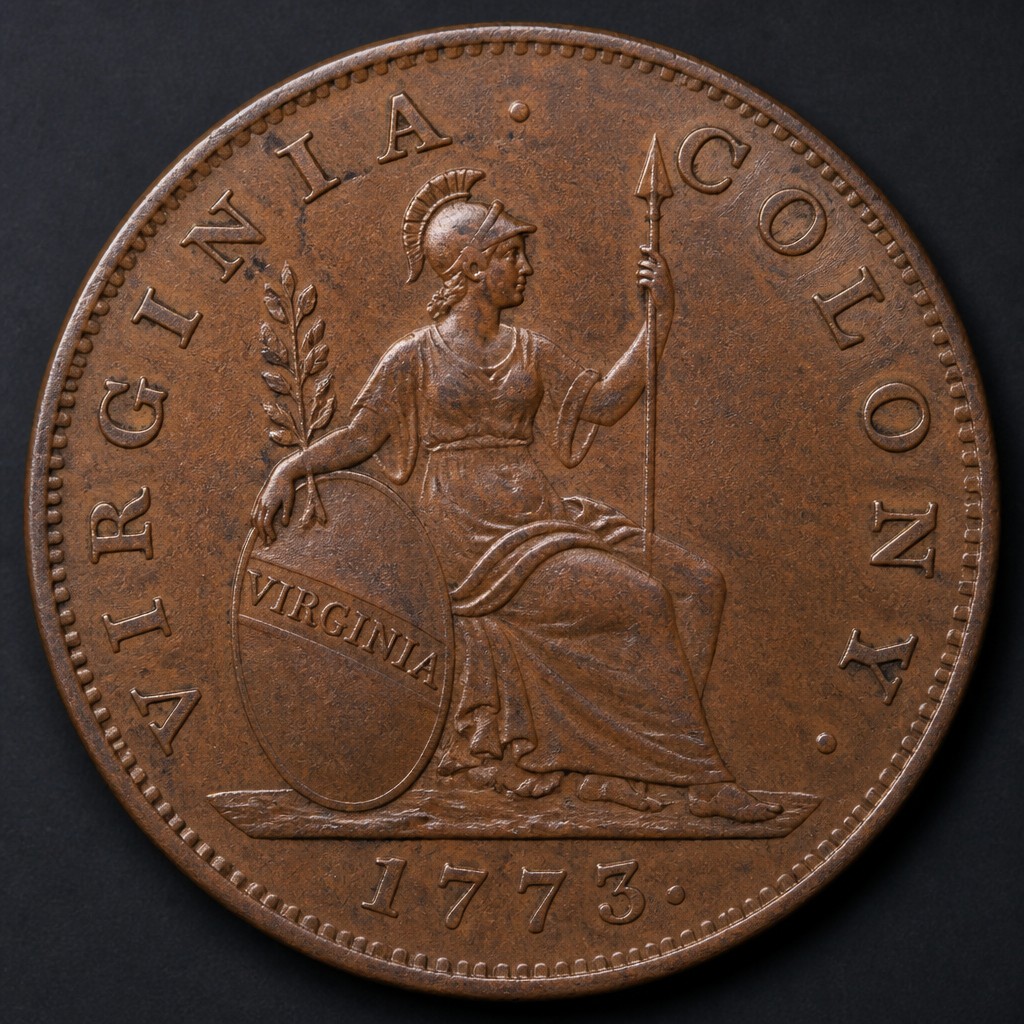
Virginia Halfpenny
1773
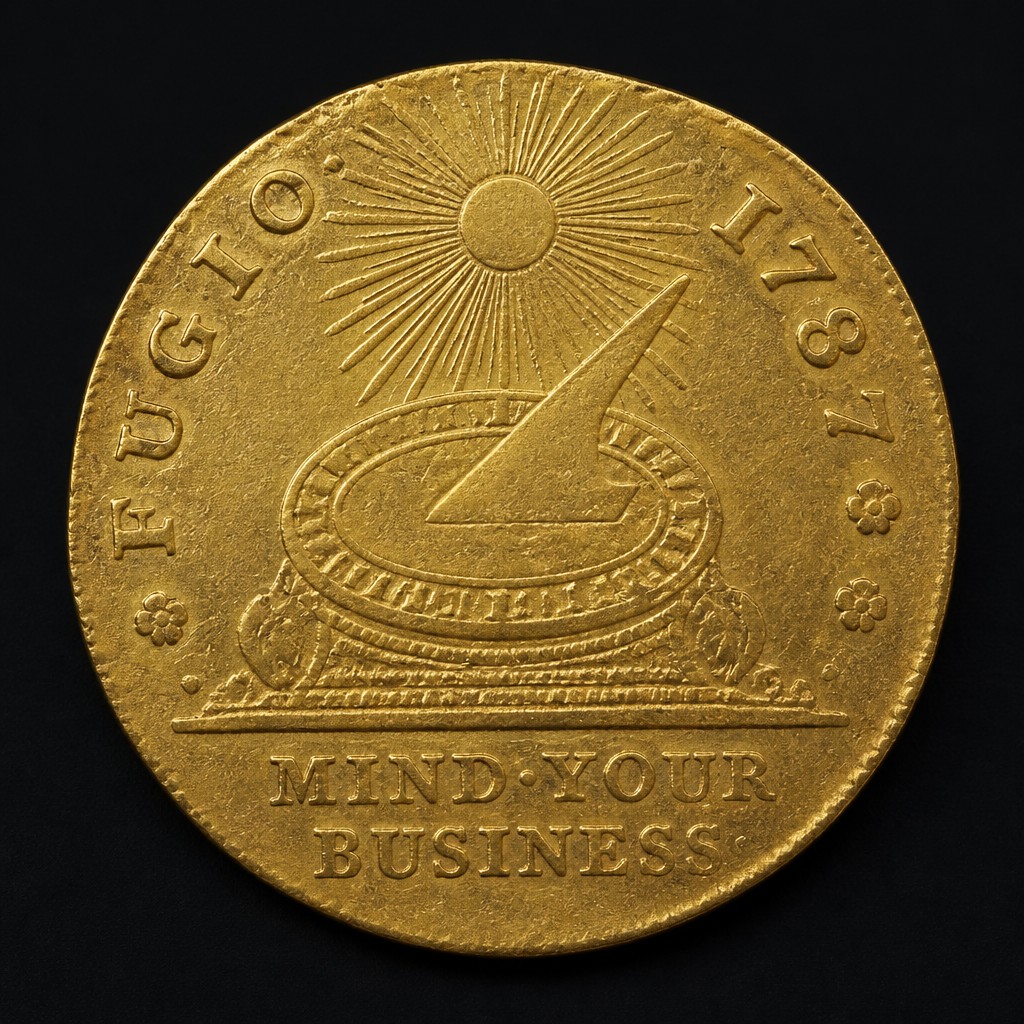
Brasher Doubloon
1787
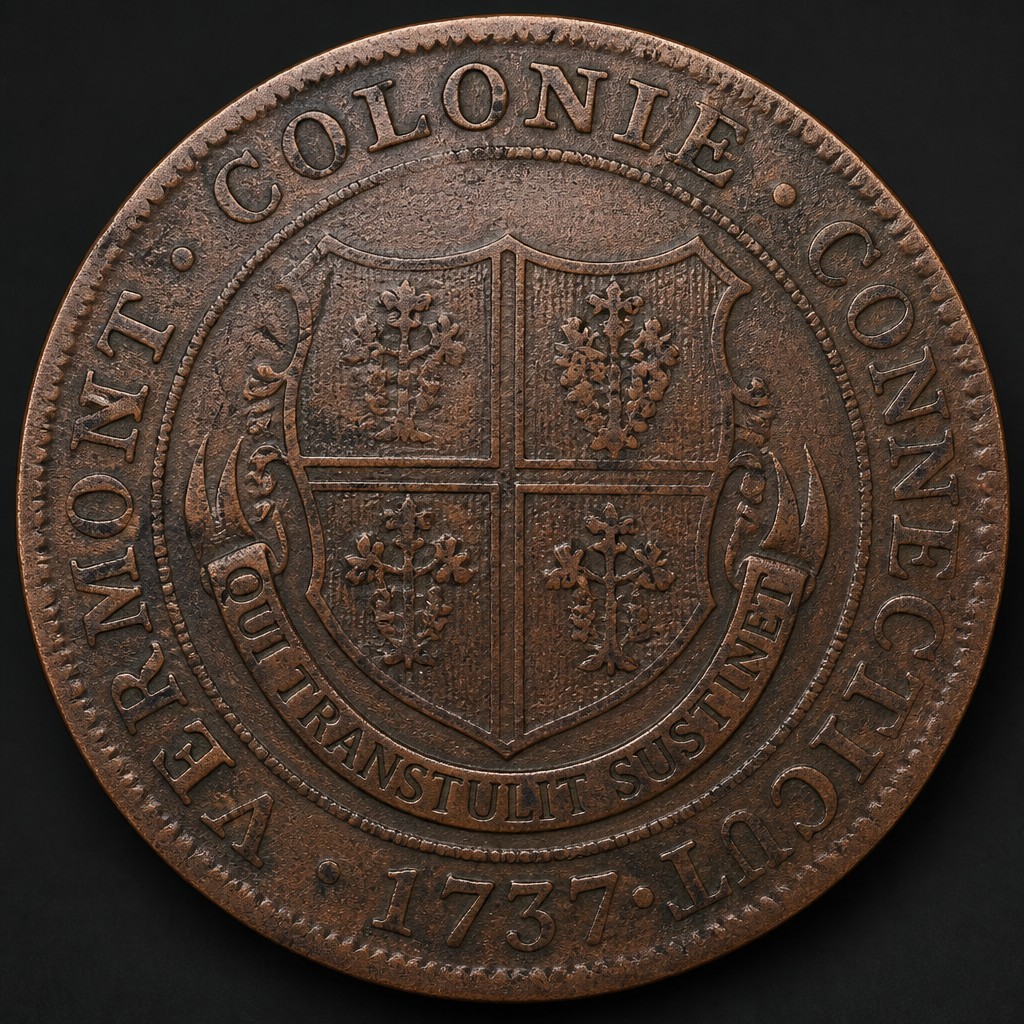
Higley Copper
1737–1739
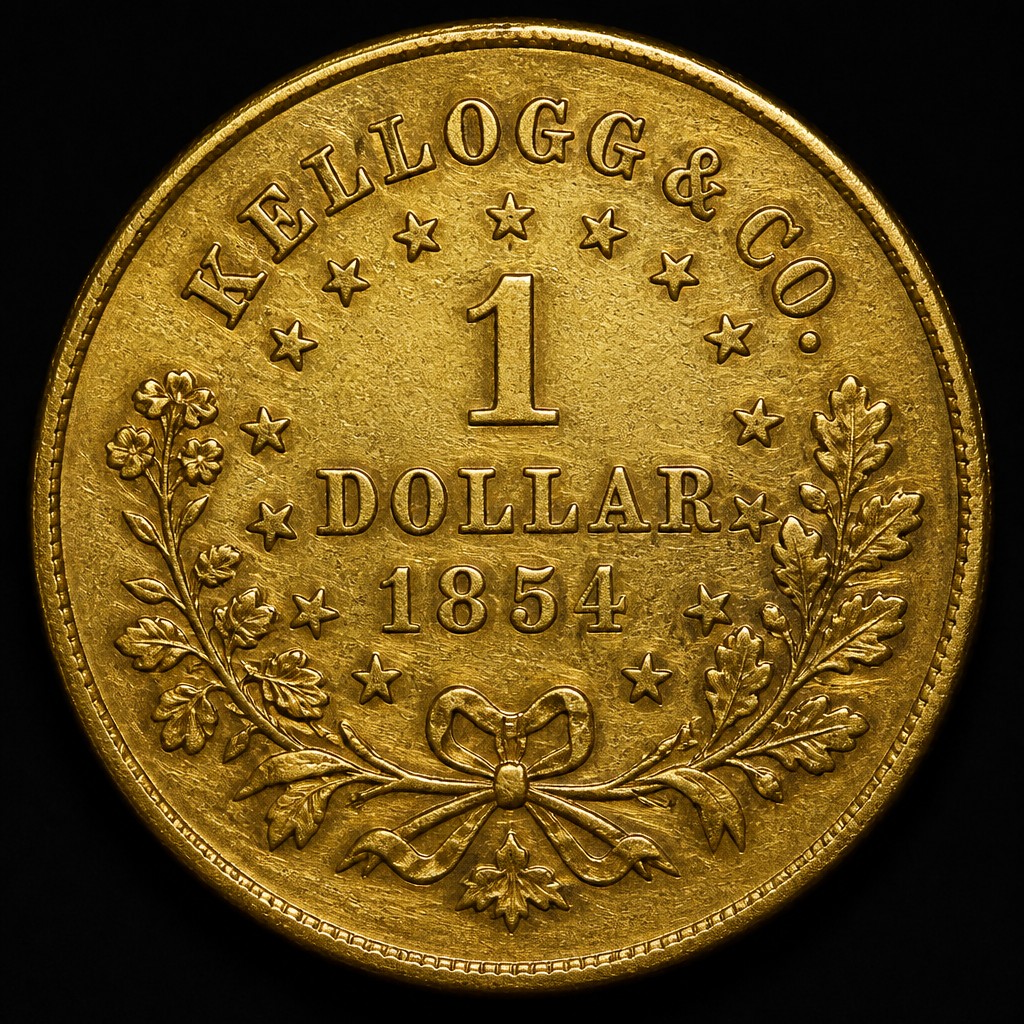
Kellogg & Co. Gold Piece
1854–1855
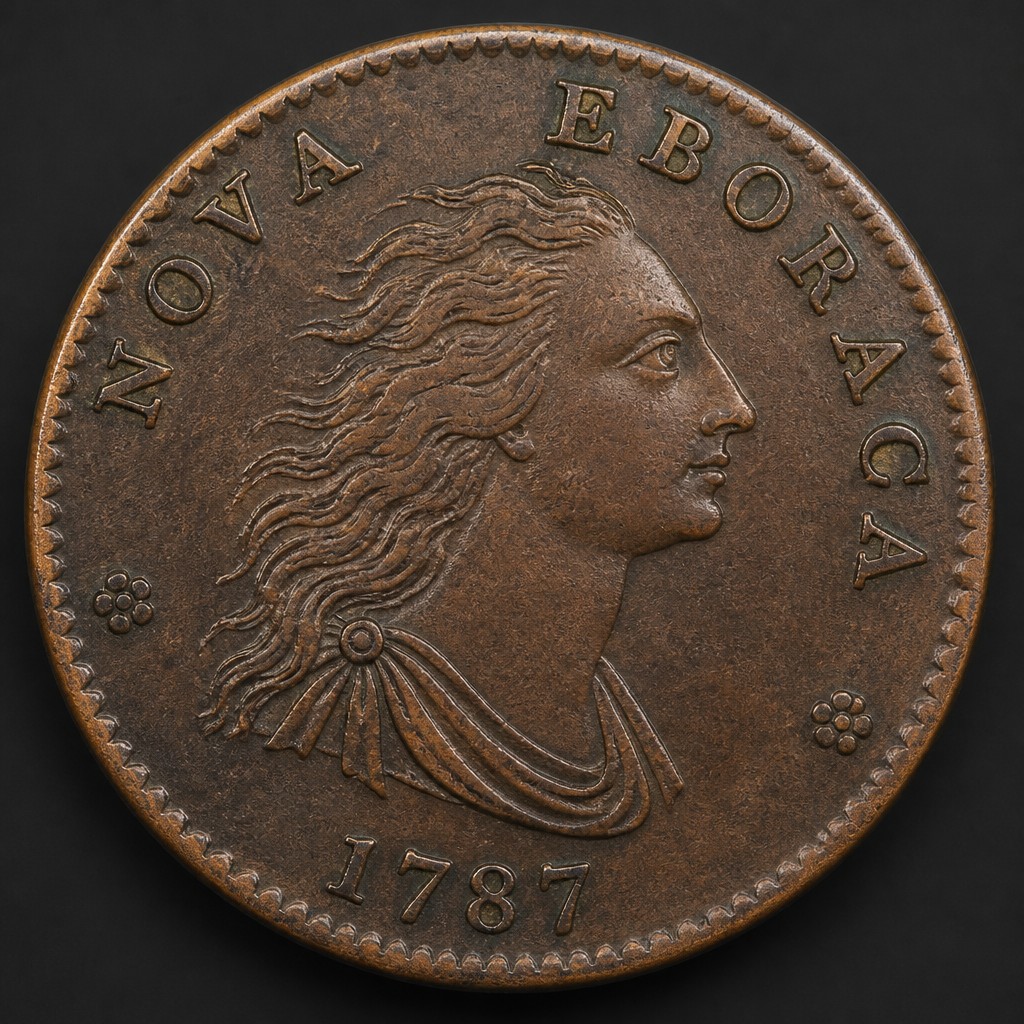
Nova Eborac Copper
1787
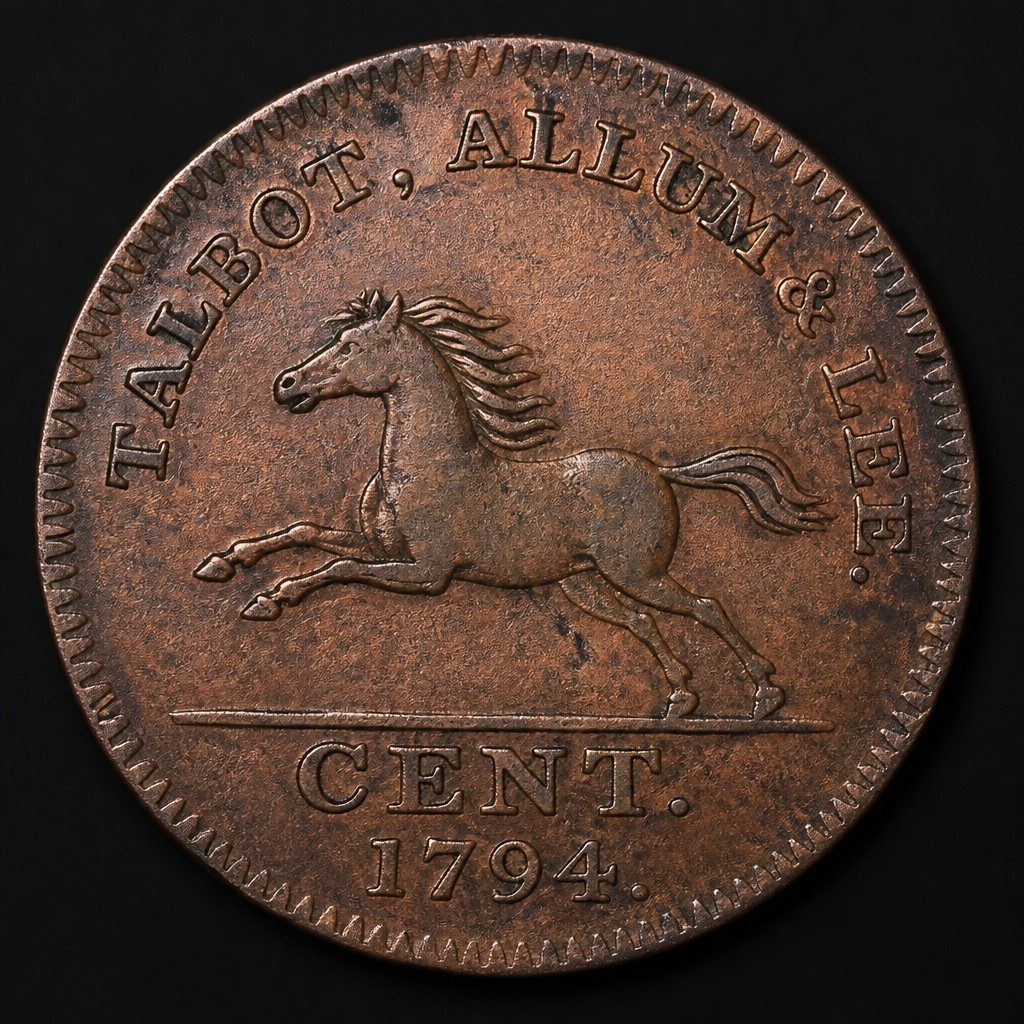
Talbot, Allum & Lee Cent
1794–1795
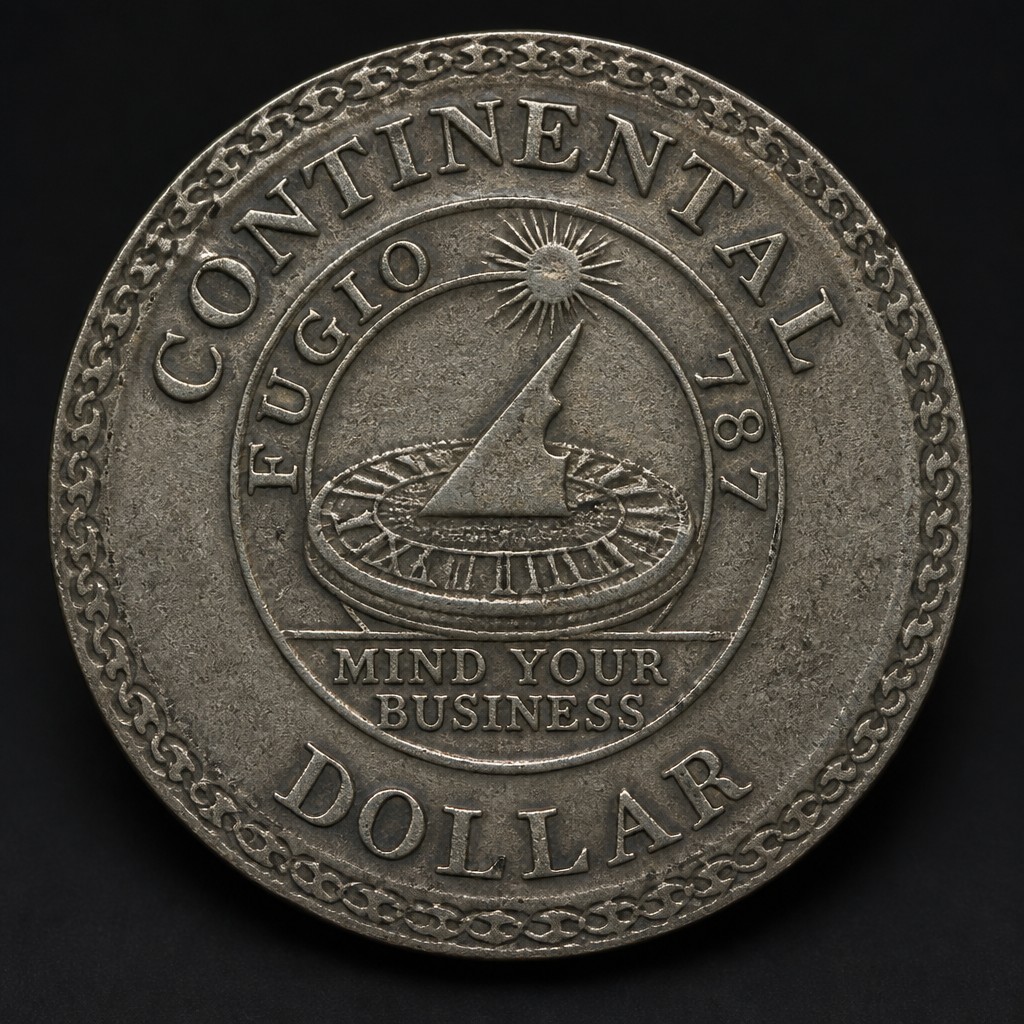
Continental Dollar
1776
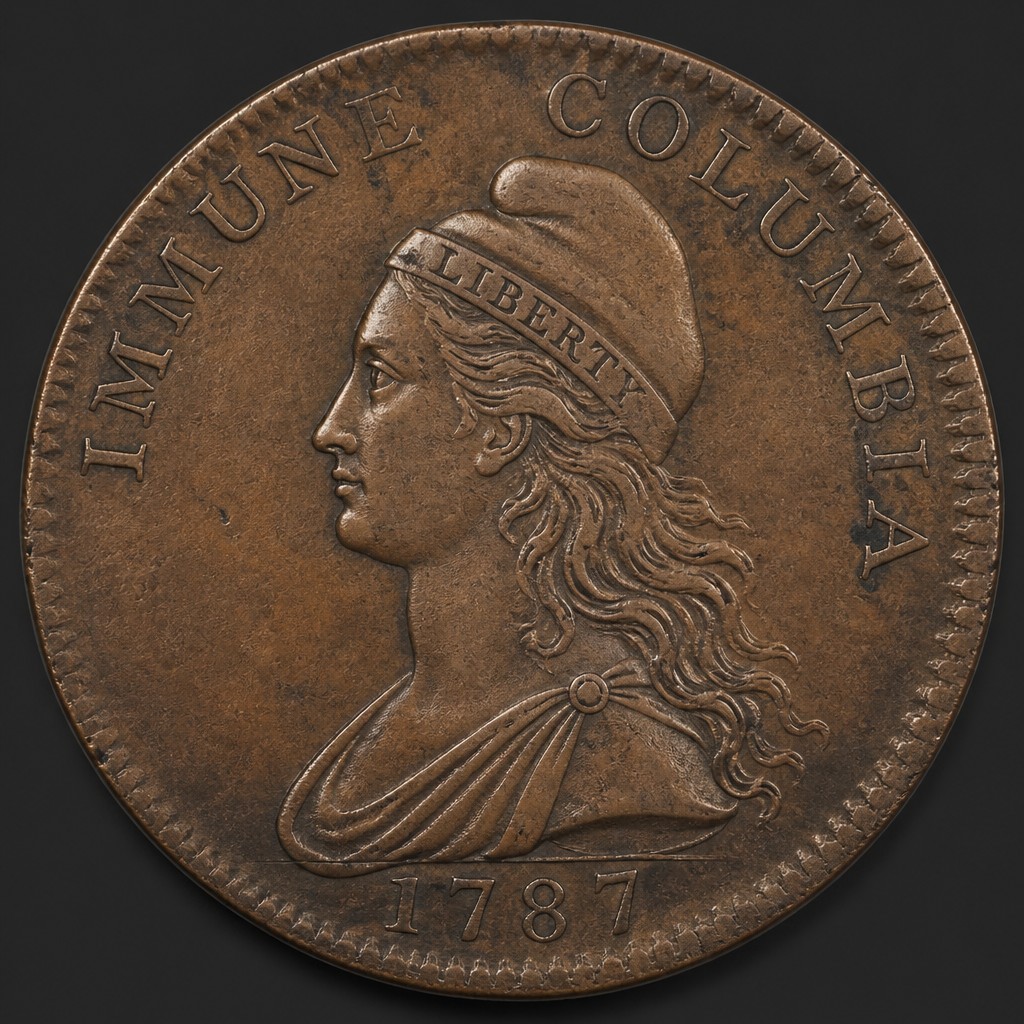
Immune Columbia Copper
circa 1785–1787
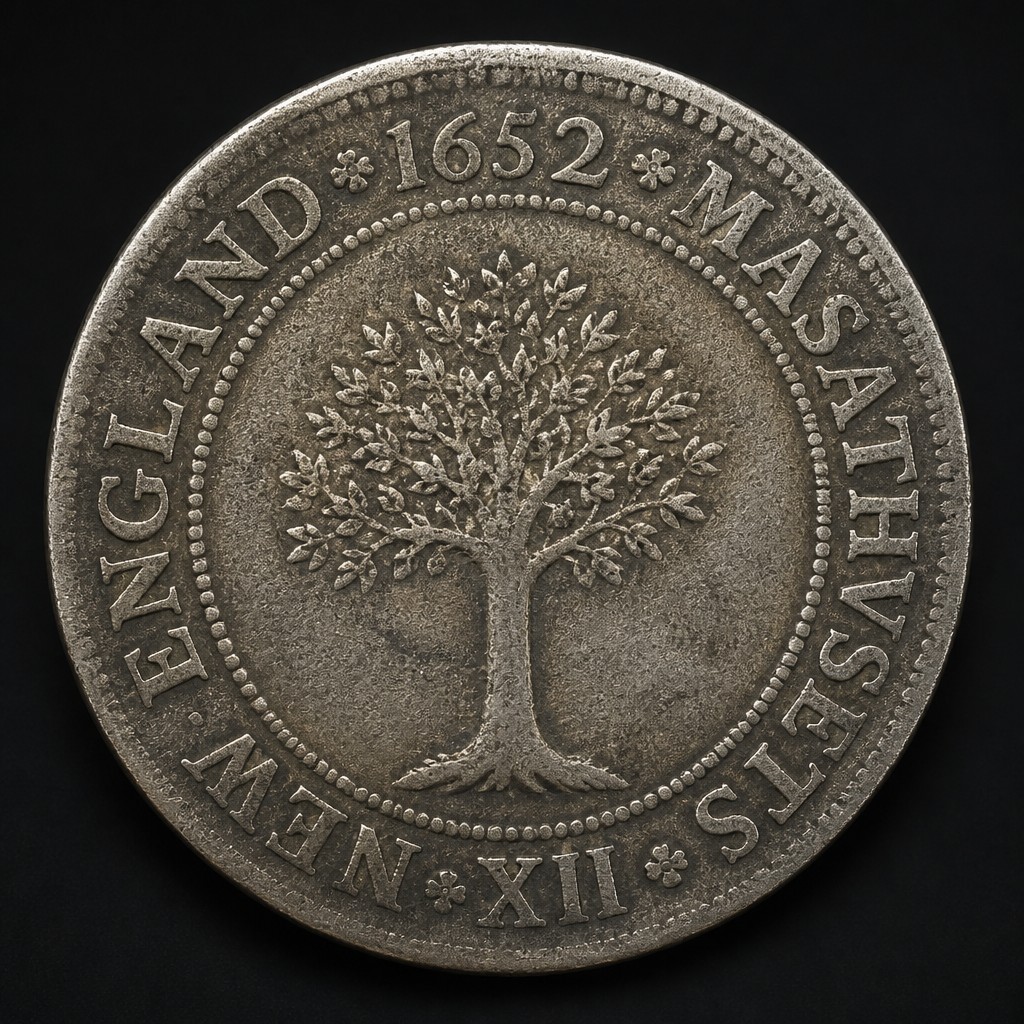
Massachusetts Oak Tree Shilling
Dated 1652, struck circa 1660–1667
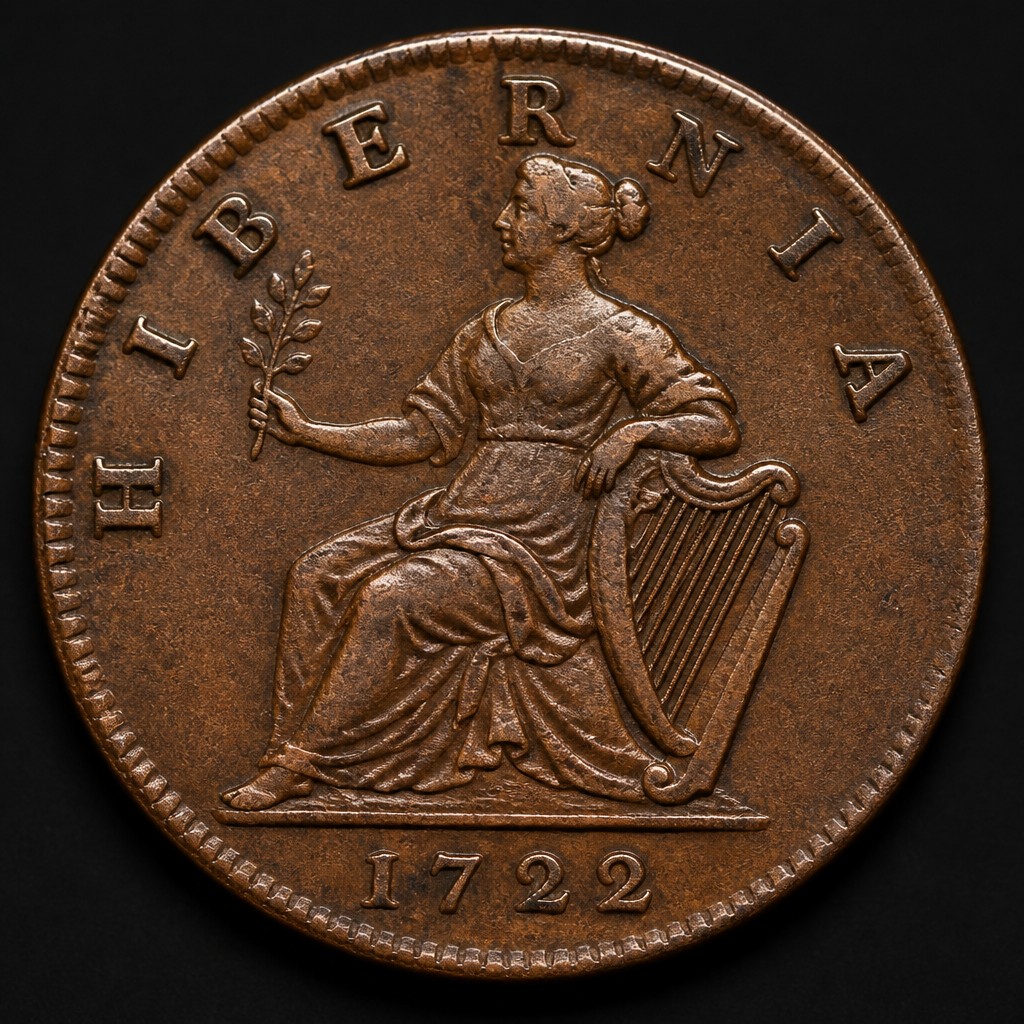
Wood's Hibernia Halfpenny
1722–1724
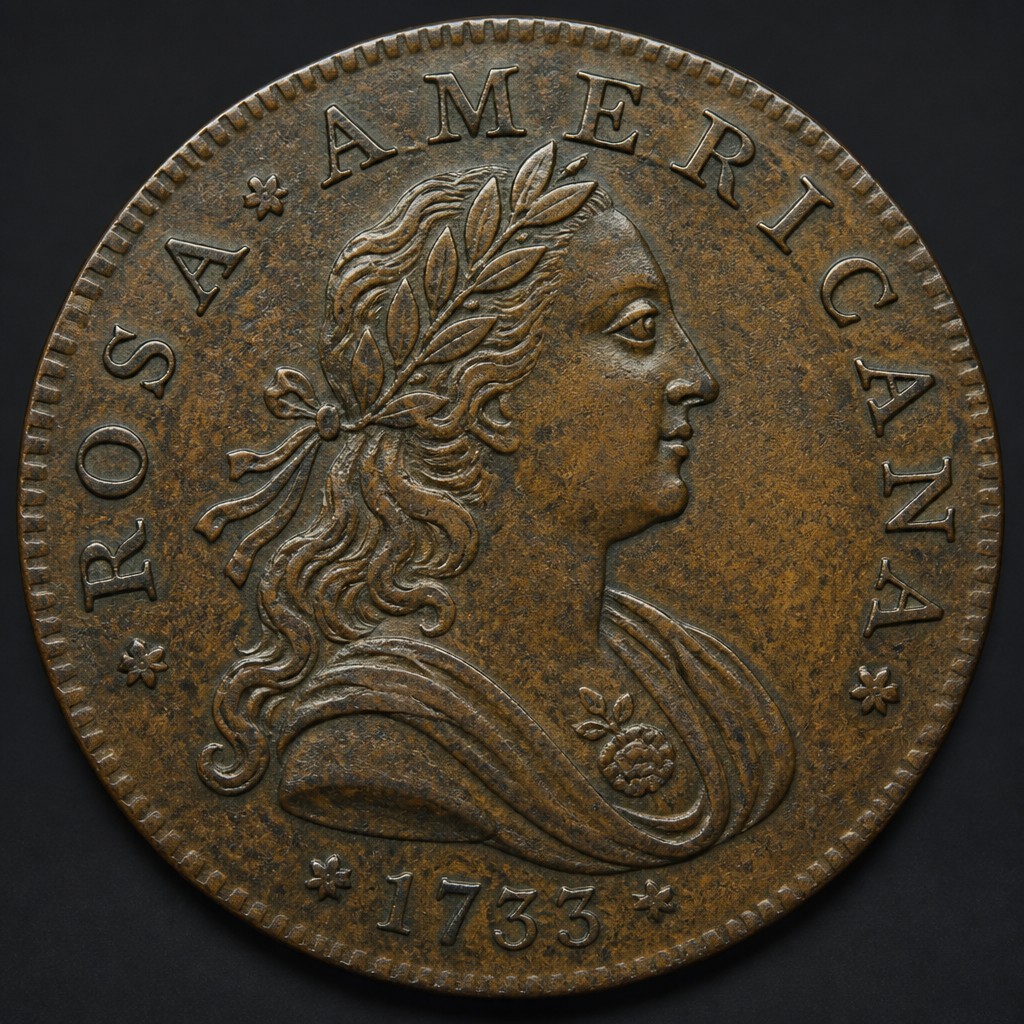
Rosa Americana Coinage
1722–1724 (with pattern issues dated 1733)
Massachusetts Willow Tree Shilling
Dated 1652, struck circa 1653–1660