
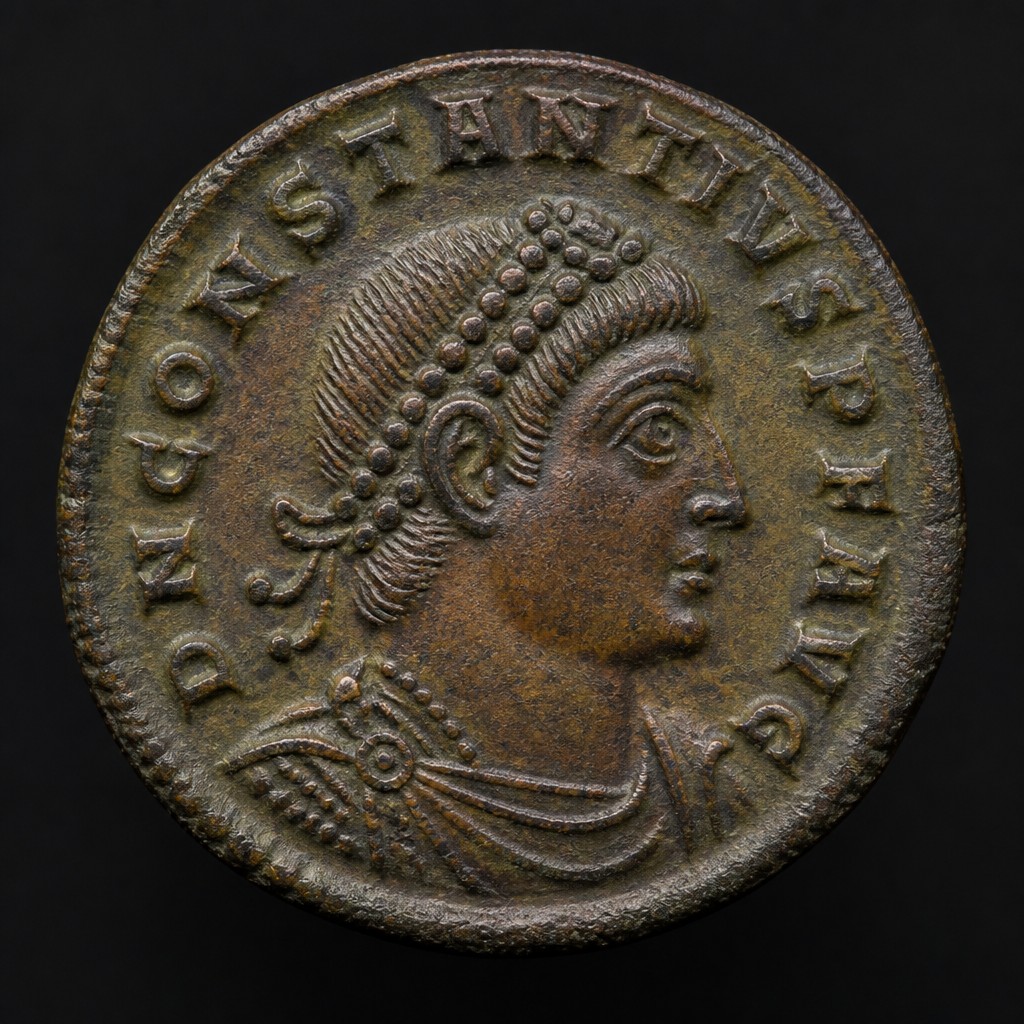
Constantius II Centenionalis
A bronze centenionalis of Constantius II featuring the dramatic 'Fallen Horseman' reverse, one of the most famous designs of the Late Roman Empire.
- Country
- Ancient Rome
- Denomination
- Centenionalis
- Metal
- Bronze
Got a coin like this?
Identify any coin from a photo, free.
Overview
Issued under Constantine the Great's son Constantius II, this bronze denomination is best known for its dramatic "Fallen Horseman" reverse, showing a Roman soldier spearing a mounted enemy who tumbles from his horse. It is one of the most visually striking and widely collected coin types of the Late Roman Empire.
The type was part of a broader propaganda series proclaiming the "restoration of happy times" (FEL TEMP REPARATIO) and celebrating Roman military success against barbarian cavalry. Its bold imagery has made it one of the most requested ancient bronzes among collectors who want a coin with genuine visual drama.
History & Background
The FEL TEMP REPARATIO series was introduced around 348 AD to mark an imperial anniversary and continued for over a decade under Constantius II and his co-rulers, including his ill-fated Caesar Constantius Gallus and later Julian II. Several reverse designs circulated under this legend, but the fallen horseman type, showing Roman military dominance over mounted barbarian foes, became the most iconic and long-lived.
The coin reflects the ongoing frontier pressures the empire faced along the Rhine, Danube, and eastern borders during this period, as well as the imperial court's continued use of coinage as a tool of morale-boosting propaganda. Later in the series' run the design was simplified, and eventually the type was phased out in favor of other reverse themes.
How to Identify
The obverse shows a diademed and draped bust of Constantius II facing right, with the legend D N CONSTANTIVS P F AVG. The reverse depicts a Roman soldier standing or advancing left, spearing a mounted enemy horseman who falls backward off his rearing horse, with the legend FEL TEMP REPARATIO around and a mintmark in the exergue.
The denomination, often called a centenionalis or, in its larger early form, a maiorina, typically measures around 20–23mm in the earlier, larger issues and shrinks somewhat in later strikes as the empire reduced bronze coin weights. Collectors should note that other emperors of the same era, including Constans, Constantius Gallus, and Julian II, also struck fallen-horseman types, so the obverse legend and portrait are needed to confirm the specific ruler.
Value & Collectibility
This is a popular and generally affordable ancient bronze, with common worn examples widely available and sharper, well-detailed strikes commanding higher prices due to the visual appeal of the fallen horseman scene. Larger, earlier-style examples with full detail on both figures tend to be more desirable than later, smaller, and more crudely struck versions.
Because the type was issued for over a decade across many mints, most examples are not individually rare, though certain mint and officina combinations are scarcer. Its dramatic design keeps demand strong even for coins in modest condition.
Frequently asked questions
What does the fallen horseman scene depict?
It shows a Roman soldier spearing a mounted enemy warrior who is falling from his horse, celebrating Roman military triumph over barbarian cavalry.
Did only Constantius II issue this type?
No, several mid-4th-century emperors, including Constans, Constantius Gallus, and Julian II, struck similar fallen-horseman coins; the obverse portrait and legend identify the specific ruler.
What does FEL TEMP REPARATIO mean?
It is Latin for "the restoration of happy times," a propaganda slogan proclaiming renewed prosperity and stability for the empire.
Is this coin considered rare?
No, it was struck in large numbers at many mints over more than a decade, so most examples are common and reasonably priced.
Other coins you may enjoy
Theodosius I Solidus
379–395 AD
Republican Victoriatus
c. 211–170 BC
Islamic Gold Dinar (Umayyad)
c. 696–750 AD
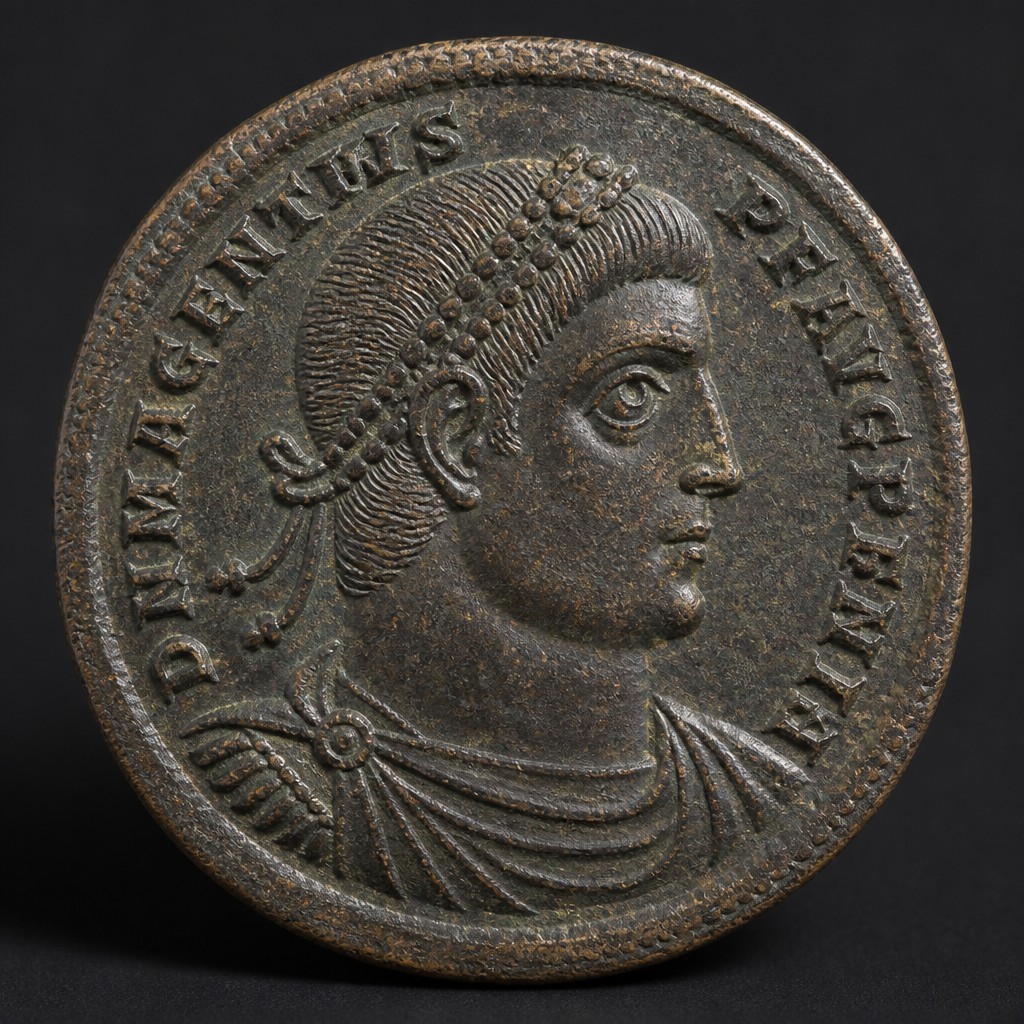
Magnentius Double Centenionalis
350–353 AD
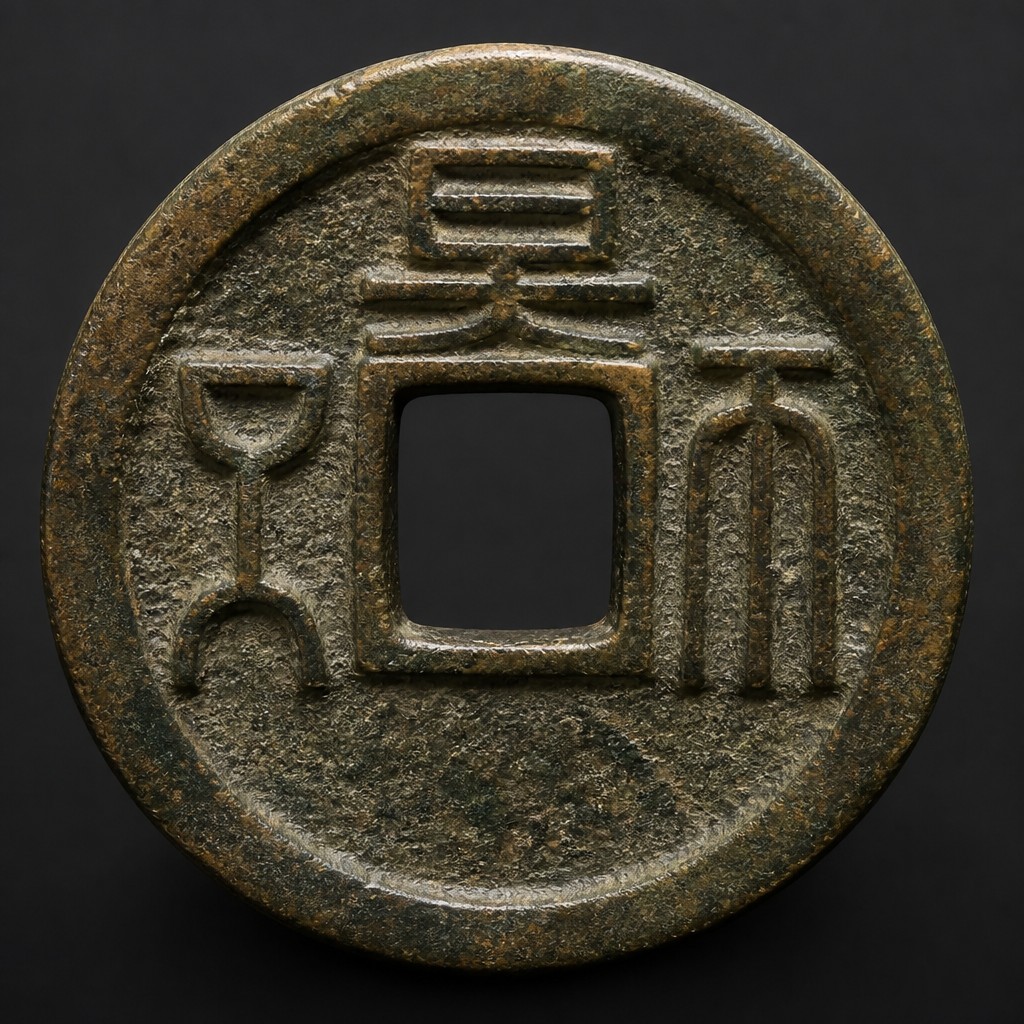
Chinese Wu Zhu Cash
118 BC – 618 AD
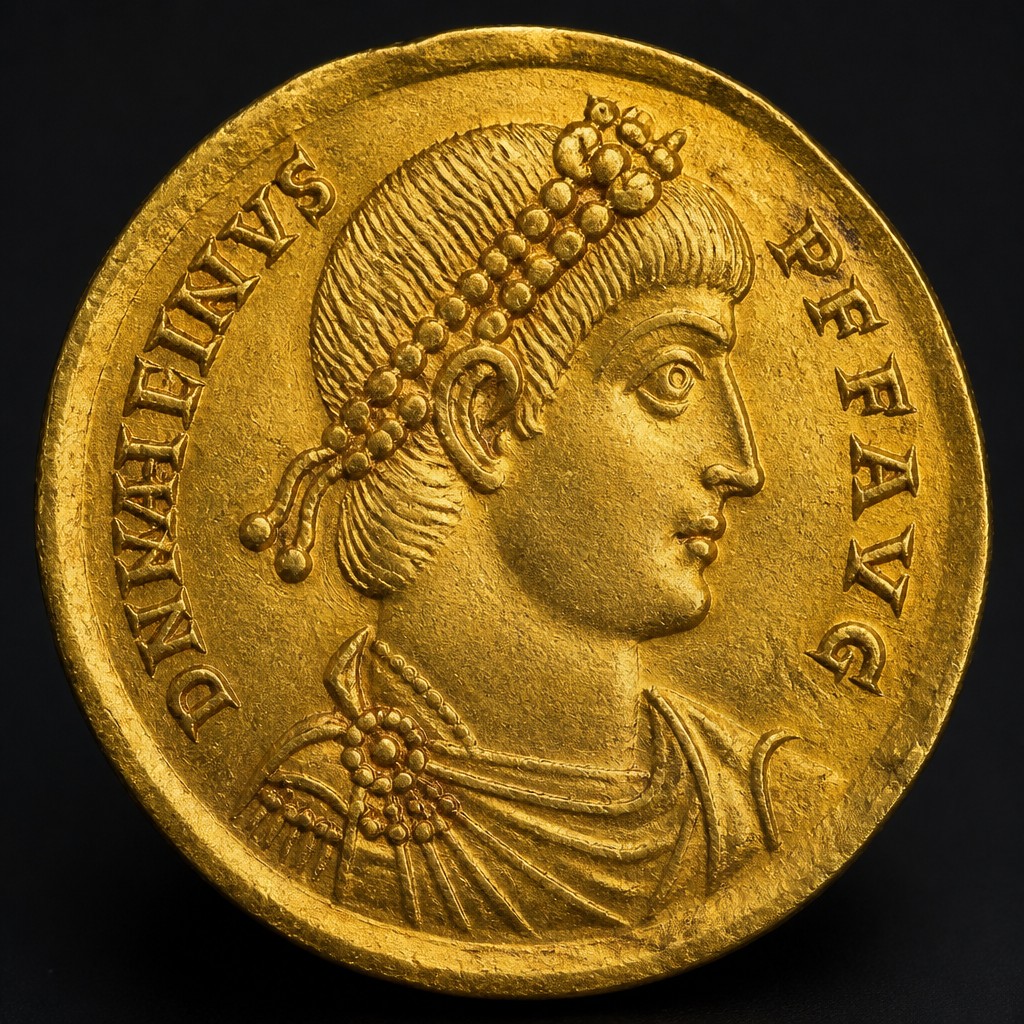
Valentinian I Solidus
364–375 AD
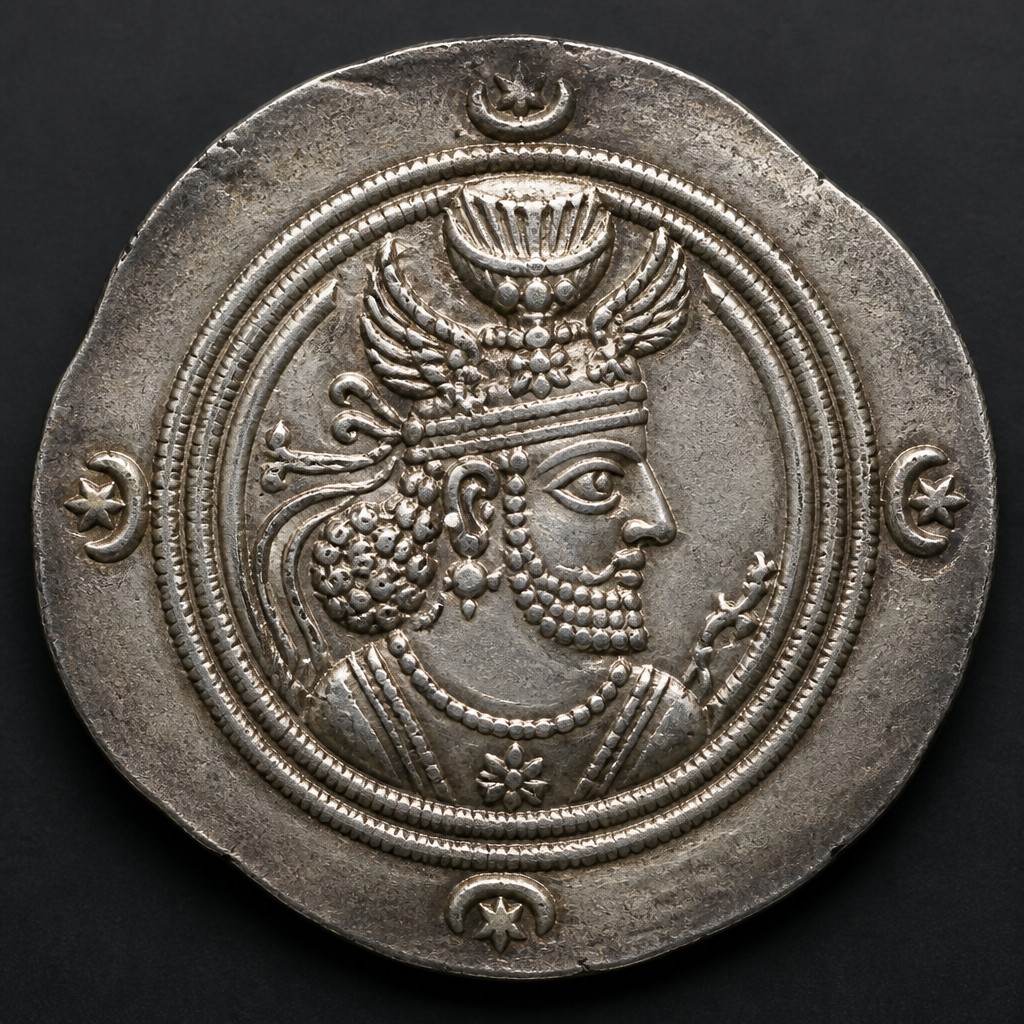
Sassanian Silver Drachm
c. 224–651 AD
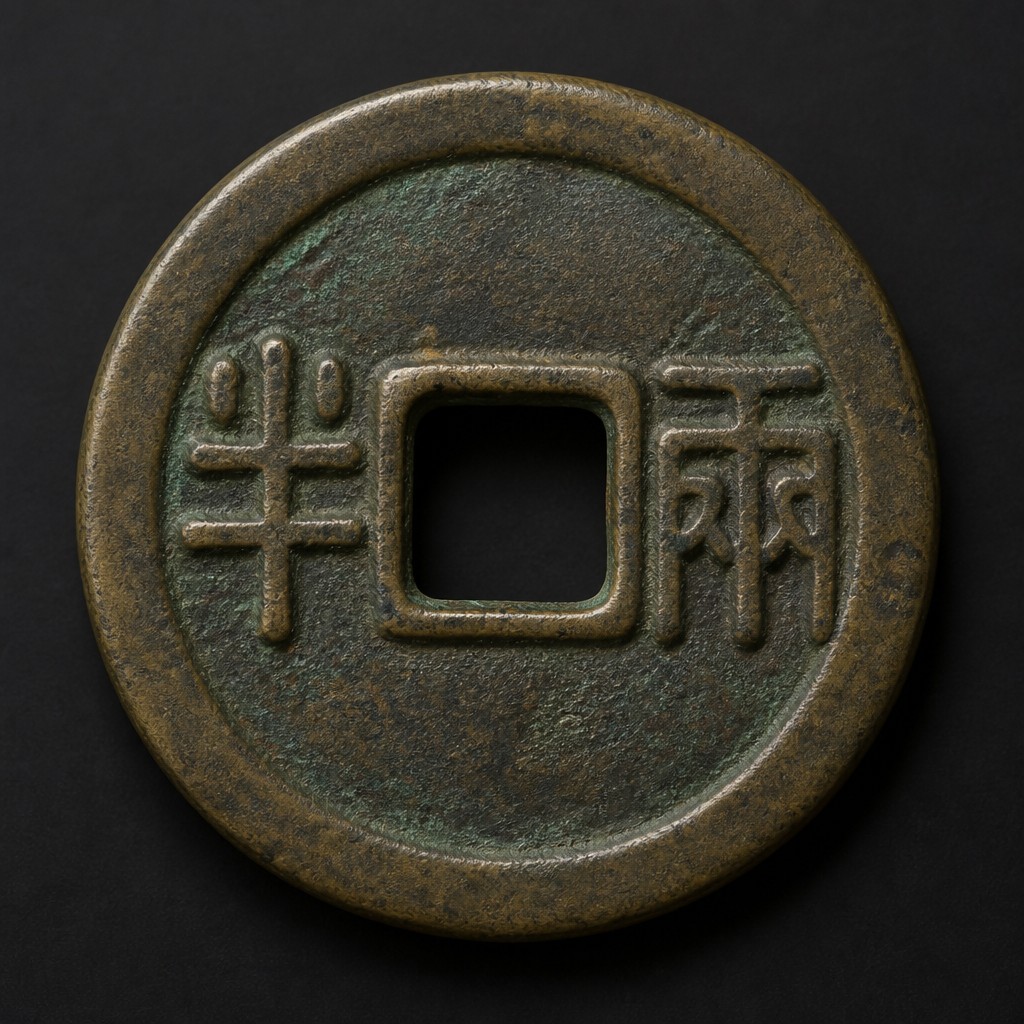
Chinese Ban Liang Cash
c. 221–118 BC
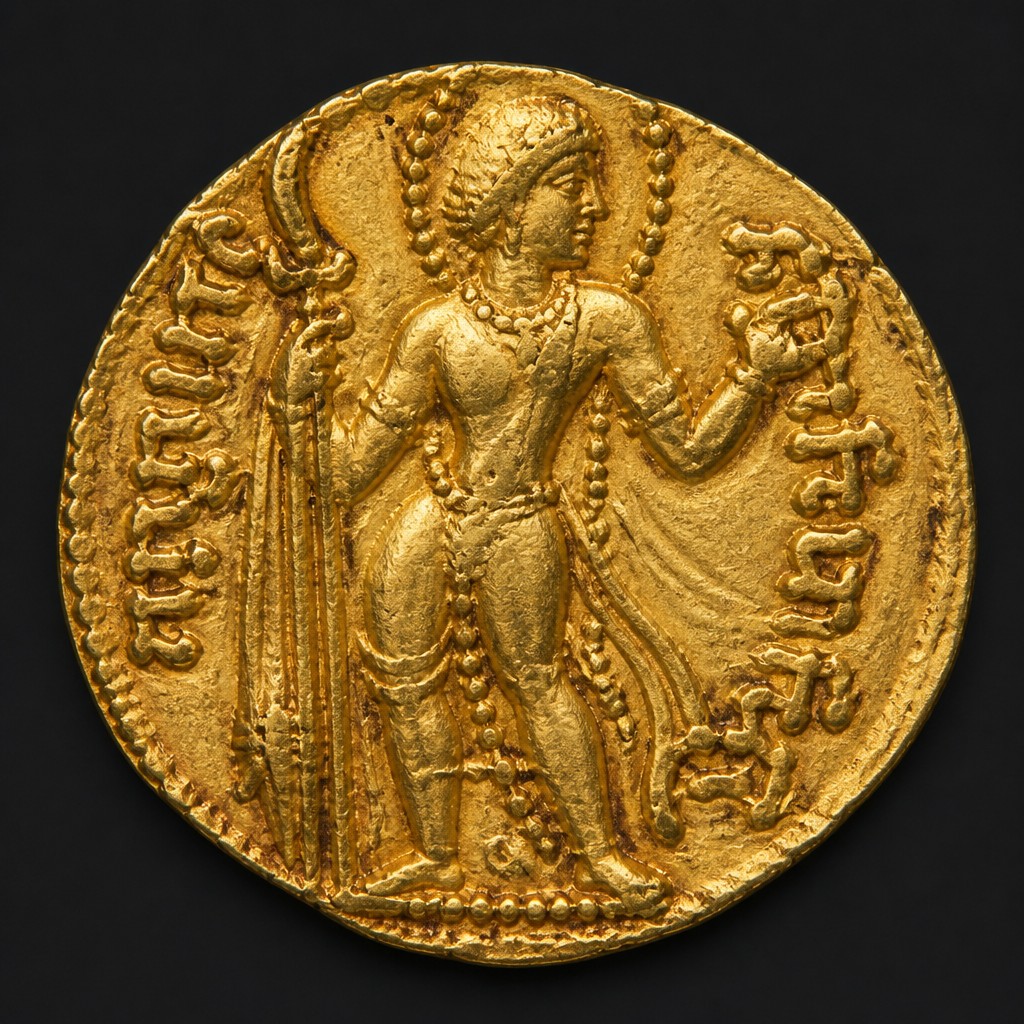
Gupta Empire Gold Dinar
c. 320–550 AD
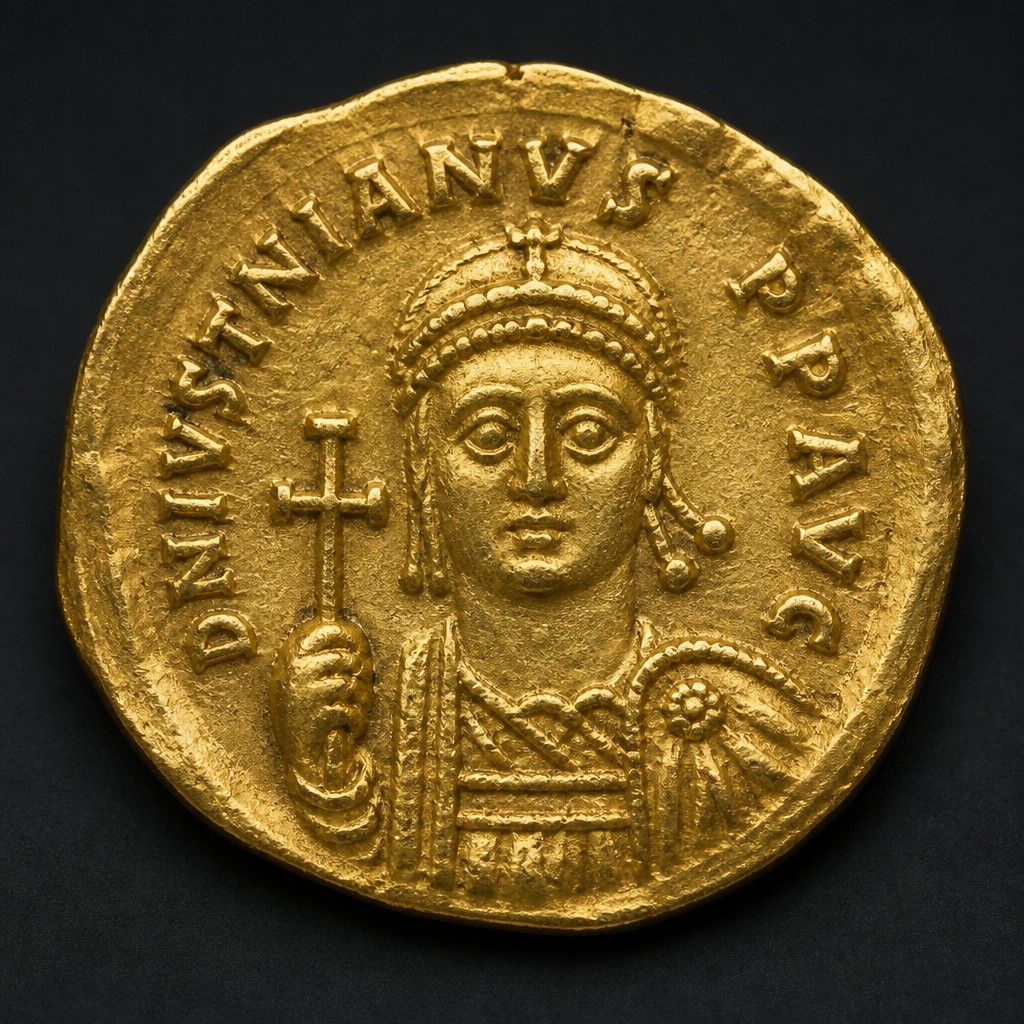
Byzantine Gold Tremissis
c. 4th–7th century AD
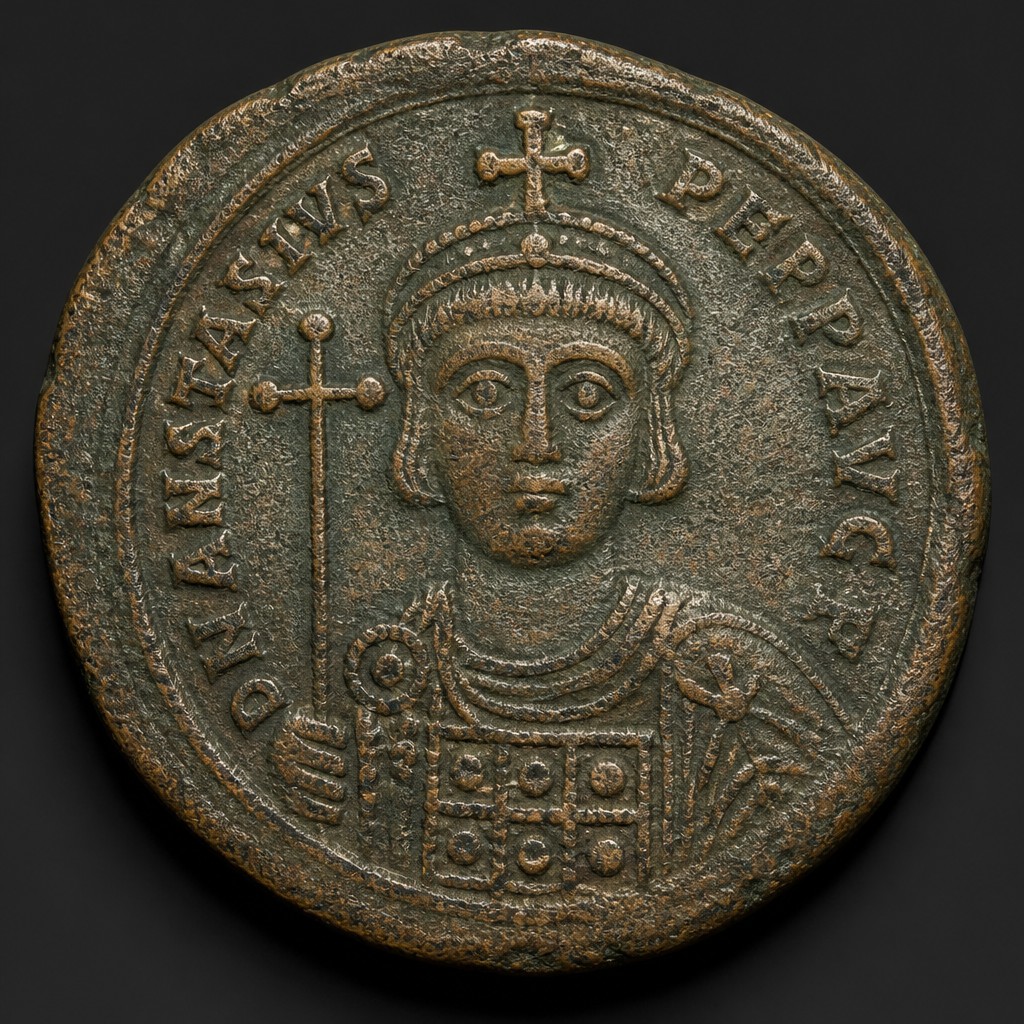
Byzantine Follis
498–c. 11th century AD
Celtic Gold Stater
c. 3rd century BC – 1st century AD