
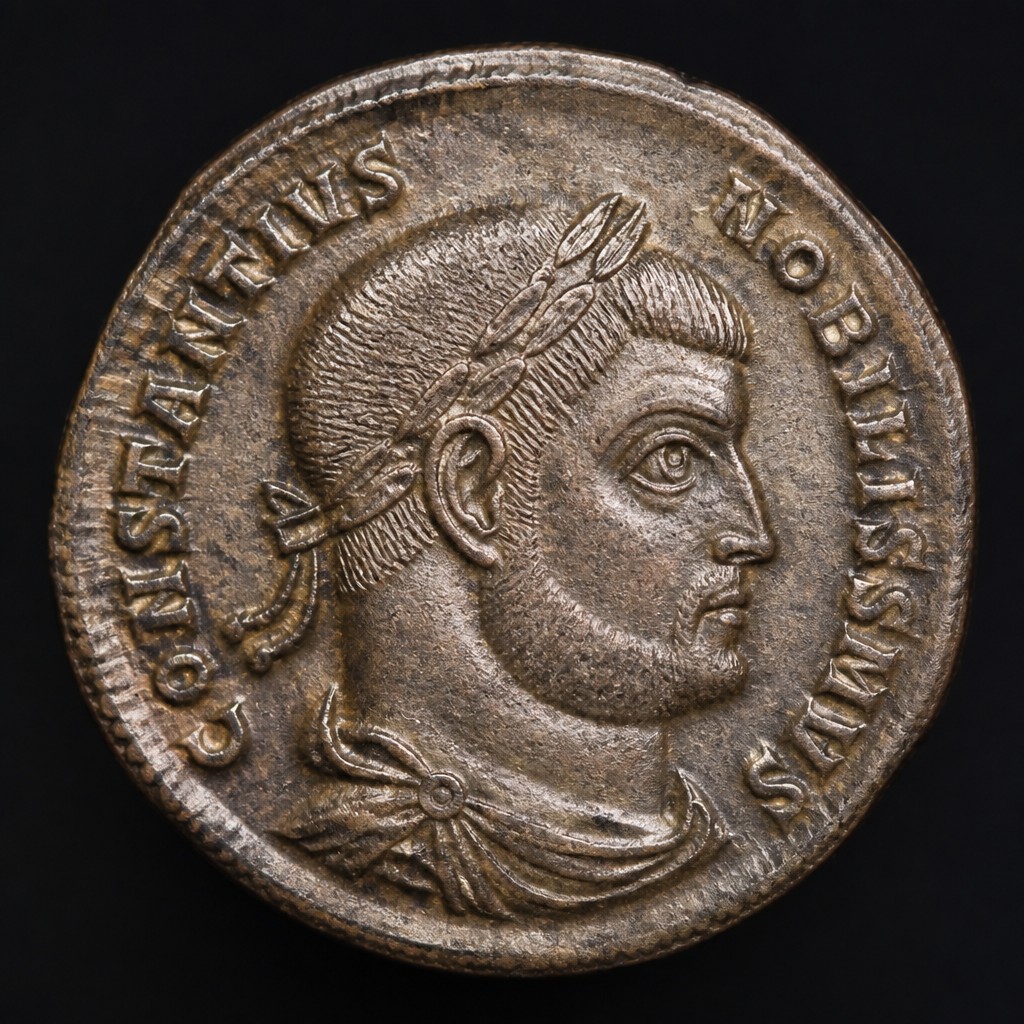
Constantius I Chlorus Follis
Reform-era bronze follis of Constantius I Chlorus, Caesar and later Augustus of the western Tetrarchy, remembered chiefly as the father of Constantine the Great.
- Country
- Ancient Rome
- Denomination
- Follis (Nummus)
- Metal
- Bronze with thin silver wash
Got a coin like this?
Identify any coin from a photo, free.
Overview
Constantius I Chlorus's follis coinage was struck under the same reformed system introduced by Diocletian, and as one of the four Tetrarchic rulers, his coins share the standard designs of the period while also documenting his specific responsibility for the far-western provinces, including Britain and Gaul. His coinage holds special historical interest because of his connection to his far more famous son, Constantine the Great.
For collectors, a Constantius I follis represents both an accessible piece of Tetrarchic coinage and a tangible link to the beginning of the Constantinian dynasty that would soon reshape the Roman world.
History & Background
Flavius Valerius Constantius, later known as Constantius I or by the nickname 'Chlorus' (meaning 'pale' or 'the pale one,' likely a later Byzantine-era attribution), was appointed Caesar in the western Tetrarchy in 293 AD under Maximian. He is particularly noted for his campaigns in Britain, including defeating the usurper Allectus and restoring the province to central Roman control around 296 AD.
Upon Diocletian and Maximian's joint abdication in 305 AD, Constantius was elevated to senior Augustus of the west, but he ruled for only about a year before dying at Eboracum (modern York) in 306 AD while campaigning in Britain. His death there prompted his troops to immediately proclaim his son Constantine as emperor, setting in motion the events that would eventually lead to Constantine's sole rule and the eventual Christianization of the empire.
How to Identify
The obverse shows a laureate, cuirassed bust of Constantius, with legends such as CONSTANTIVS NOB CAES during his time as Caesar, later changing to reflect his elevation to Augustus (CONSTANTIVS PF AVG) after 305 AD.
The primary reverse type follows the Tetrarchic standard, GENIO POPVLI ROMANI, showing the Genius figure with patera and cornucopia, matching the designs used by Diocletian, Maximian, and Galerius during the same period. Mint marks identify western production centers particularly associated with his command, including Trier, Lugdunum, and London.
The coin follows the standard follis format of roughly 25-27mm with silvered bronze surfaces typical of the era. Collectors identify Constantius's coins specifically through the obverse legend and, for advanced specialists, through his particular mint associations in the far western provinces, especially London, which struck coinage tied to his British campaigns.
Value & Collectibility
Constantius I folles are generally available and reasonably affordable, with typical examples often found in the roughly $25 to $60 range in circulated condition. Coins from the London mint carry added interest for collectors of British-related ancient coinage and can sometimes command a modest premium due to specific mint appeal, even though the type itself is not especially rare.
As with other Tetrarchic folles, strike quality, silvering preservation, and clarity of mint marks are the primary factors influencing value beyond basic type and mint rarity.
Frequently asked questions
Who was Constantius I Chlorus?
He was a Caesar and later Augustus of the western Roman Tetrarchy, and the father of Constantine the Great.
Where did Constantius I die?
He died at Eboracum (modern York, England) in 306 AD while on campaign in Britain.
What happened after his death?
His troops immediately proclaimed his son Constantine as emperor at York, launching Constantine's eventual rise to sole rule of the empire.
Are London mint coins of Constantius I special?
They are of particular interest to collectors due to the connection with his British campaigns, though not necessarily rare in an absolute sense.
Other coins you may enjoy
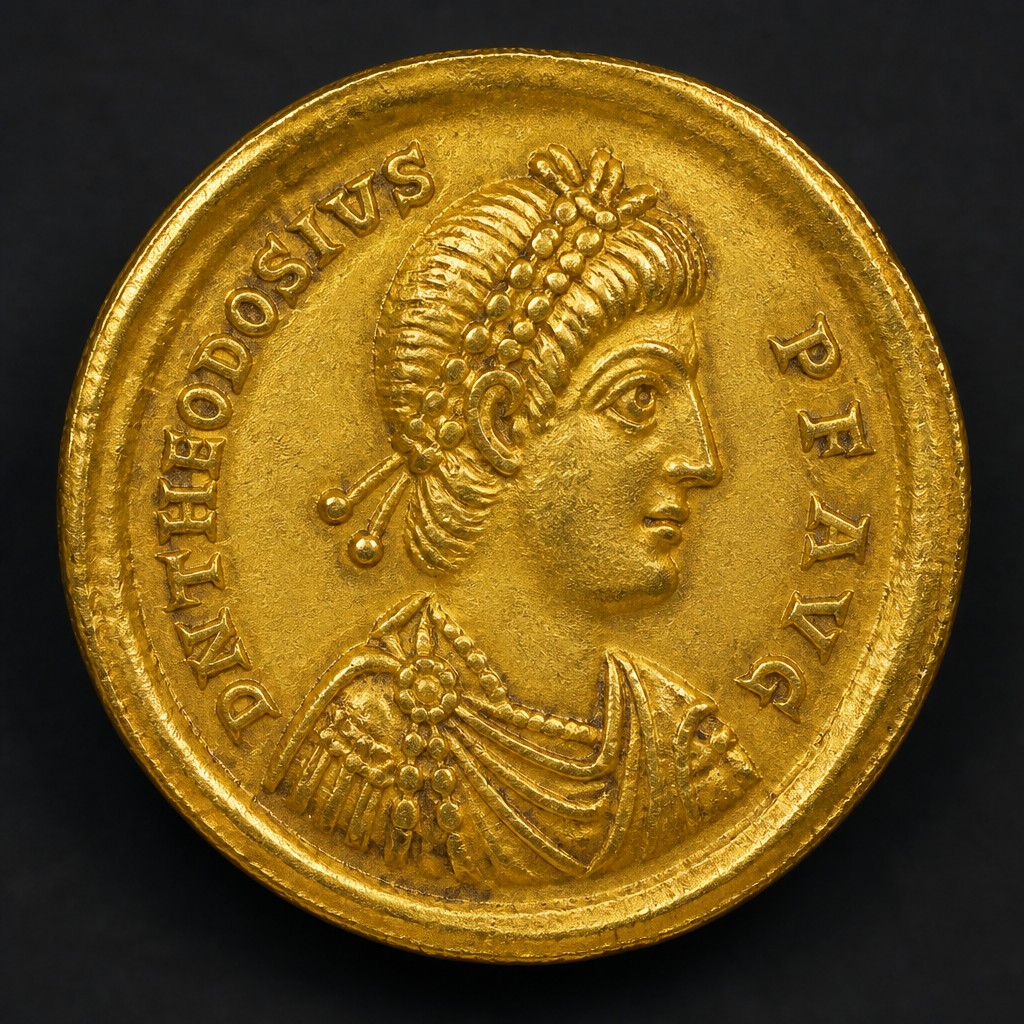
Theodosius I Solidus
379–395 AD
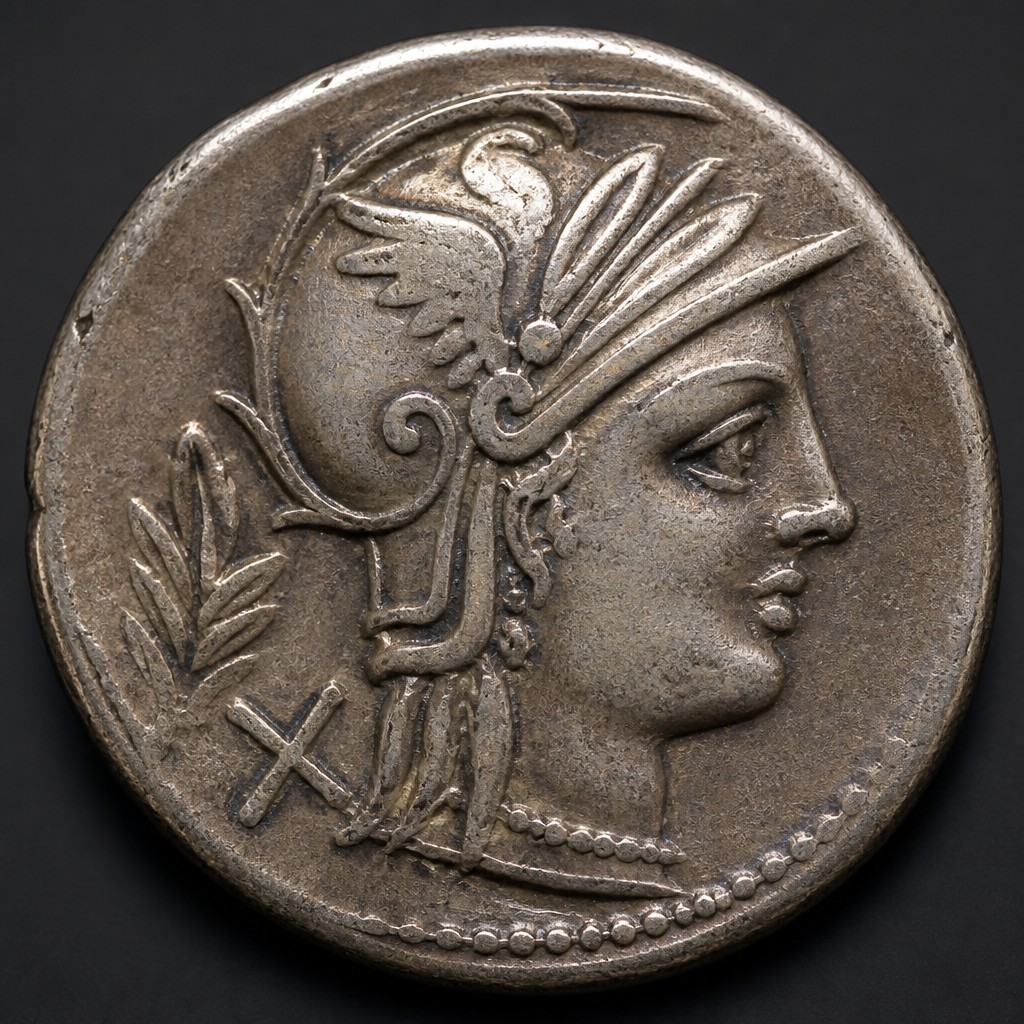
Republican Victoriatus
c. 211–170 BC
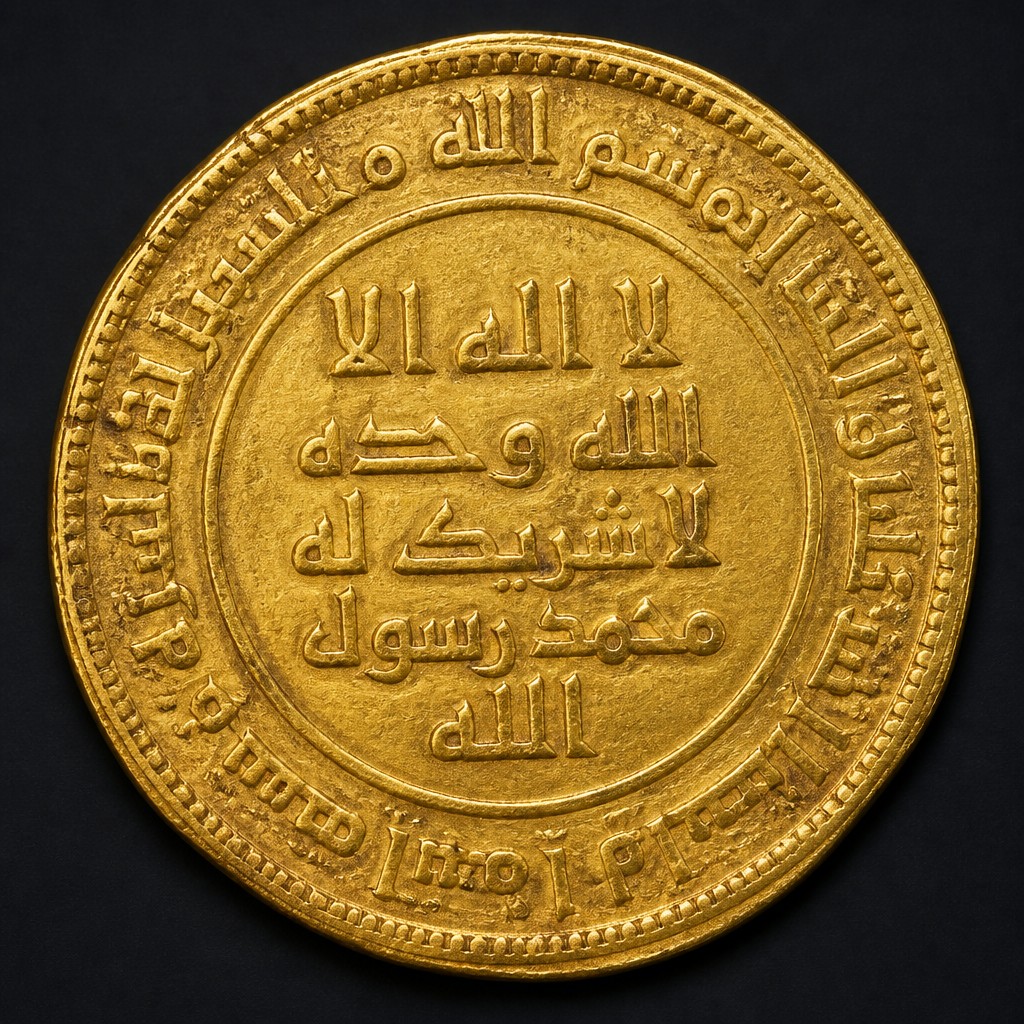
Islamic Gold Dinar (Umayyad)
c. 696–750 AD
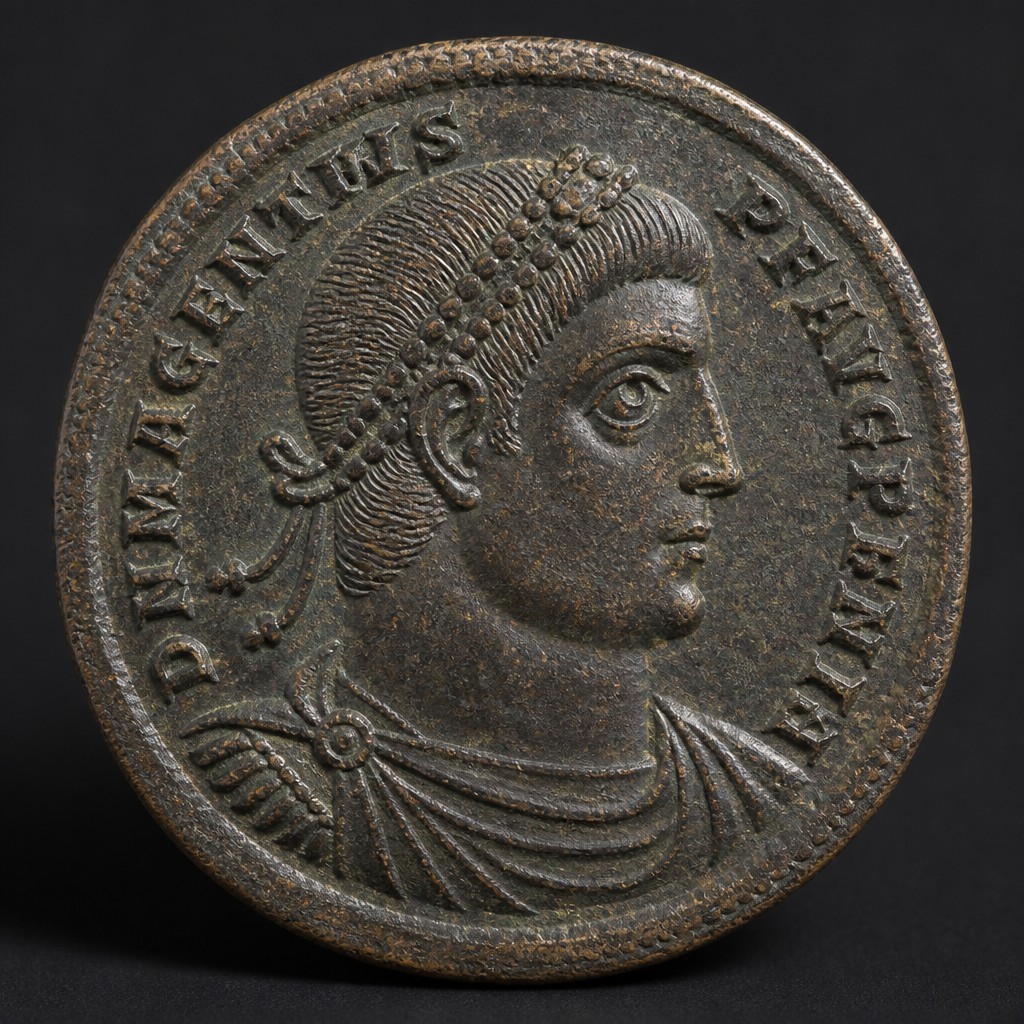
Magnentius Double Centenionalis
350–353 AD
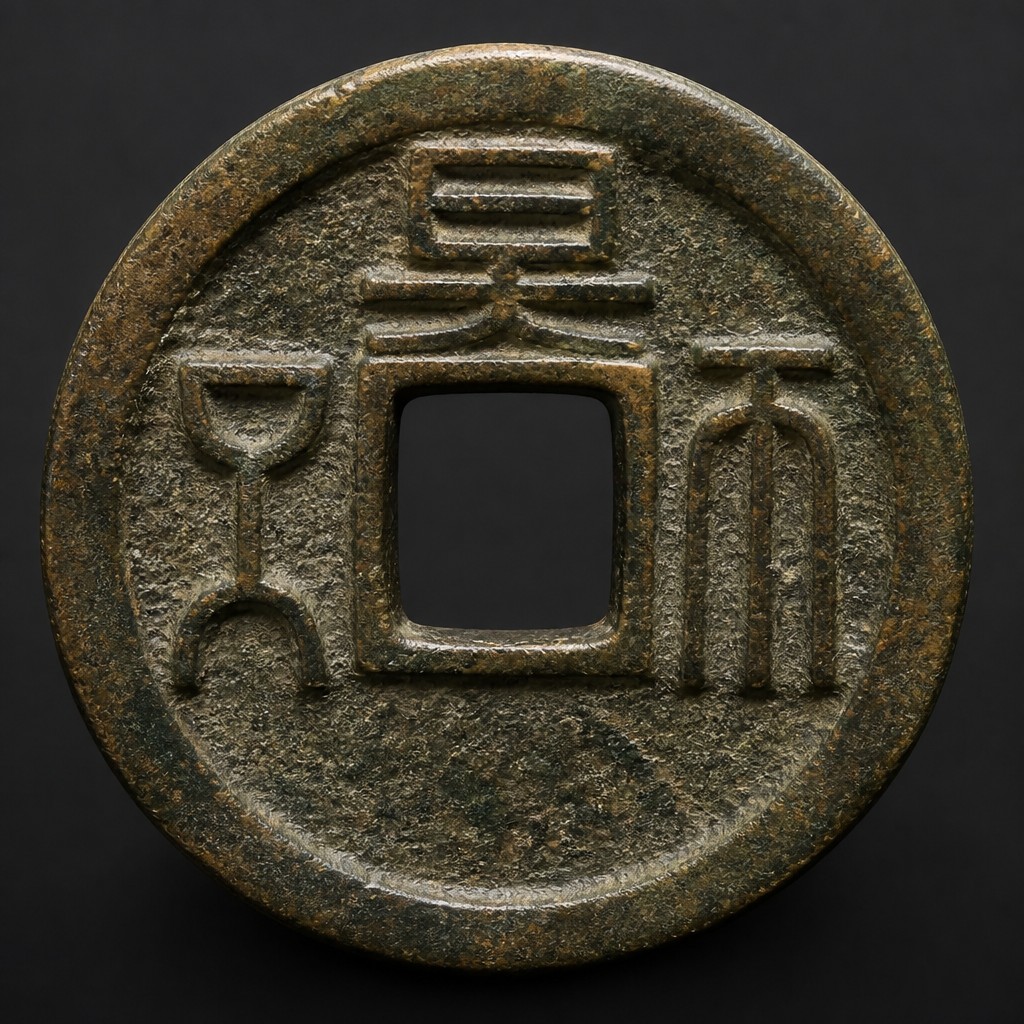
Chinese Wu Zhu Cash
118 BC – 618 AD
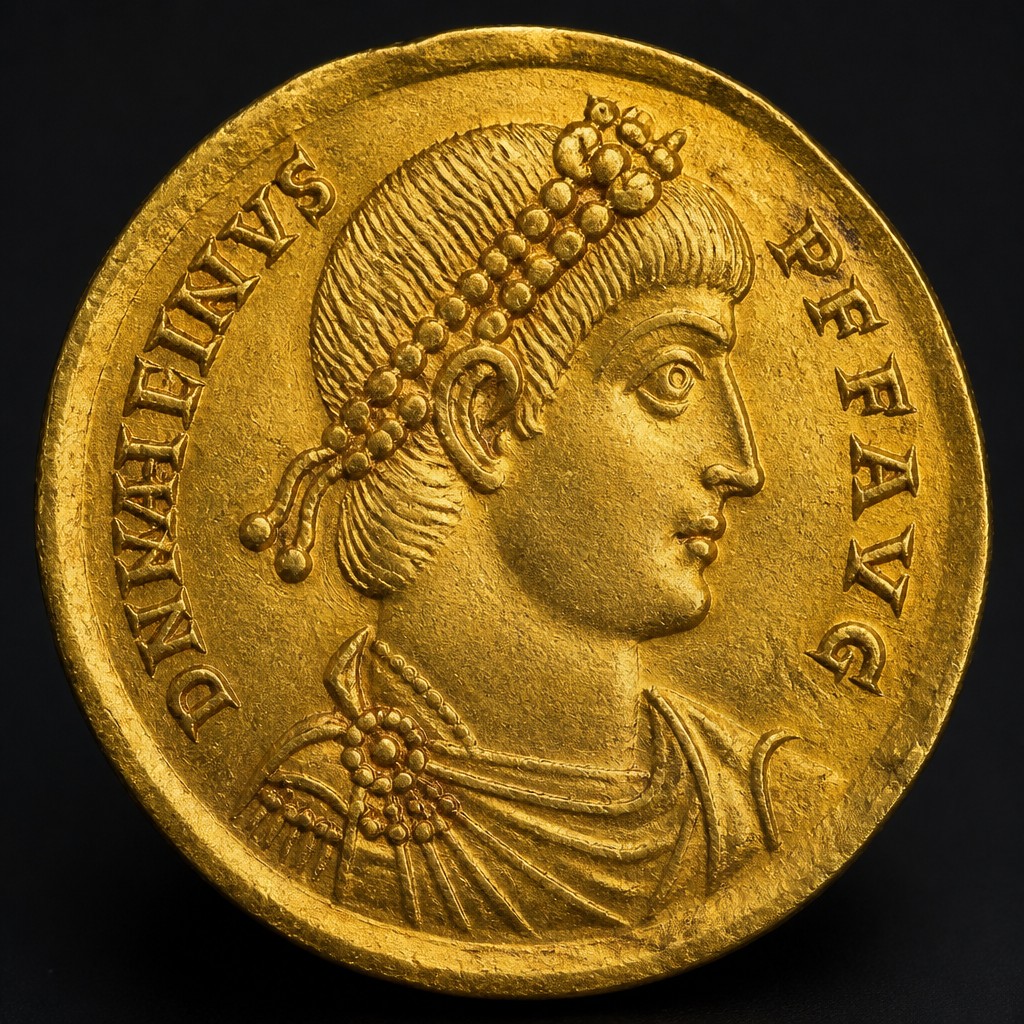
Valentinian I Solidus
364–375 AD
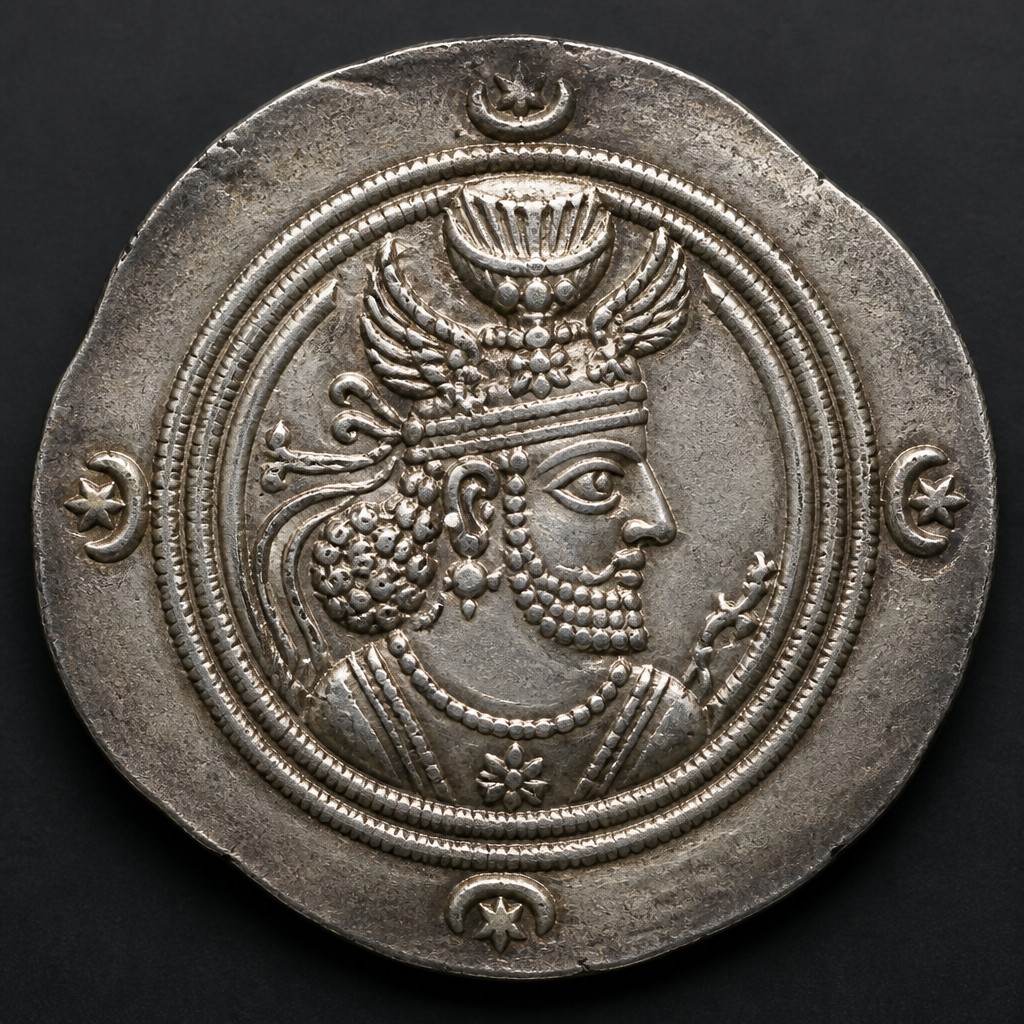
Sassanian Silver Drachm
c. 224–651 AD
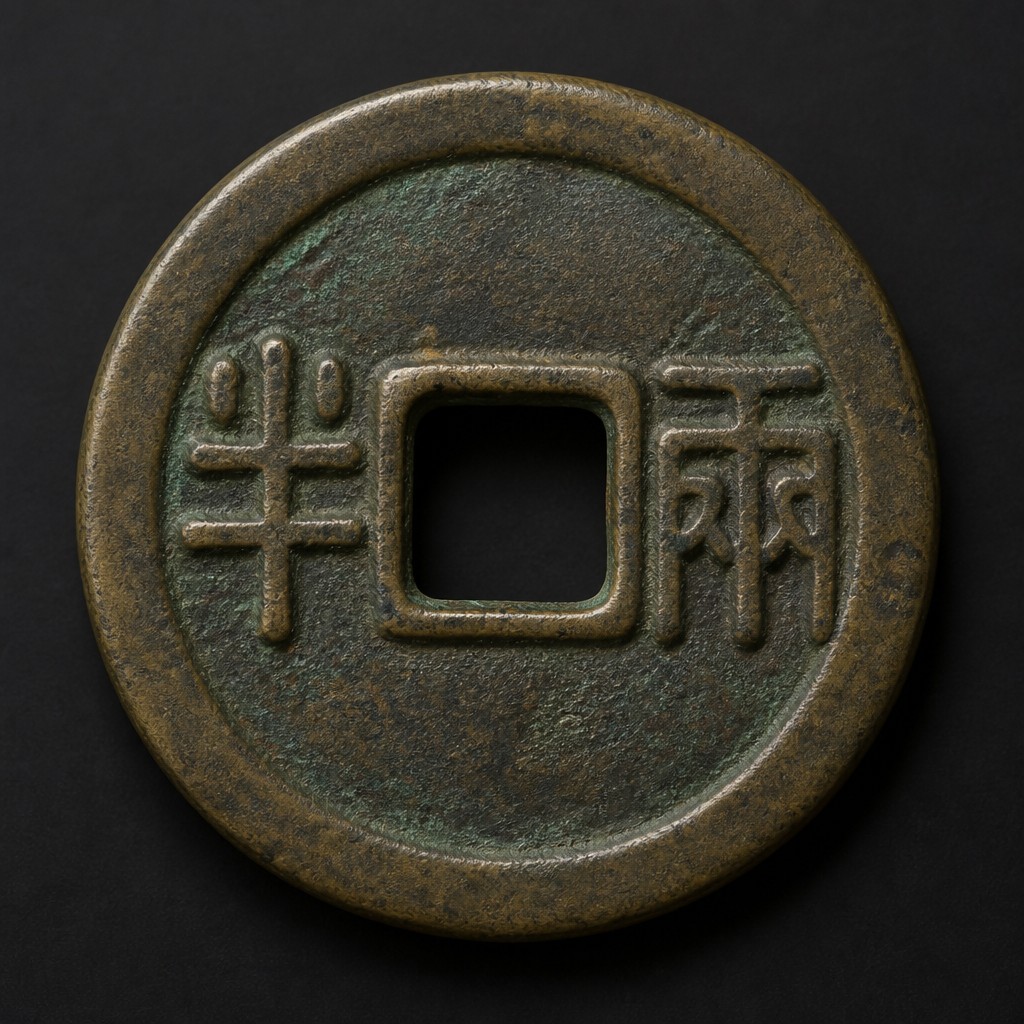
Chinese Ban Liang Cash
c. 221–118 BC
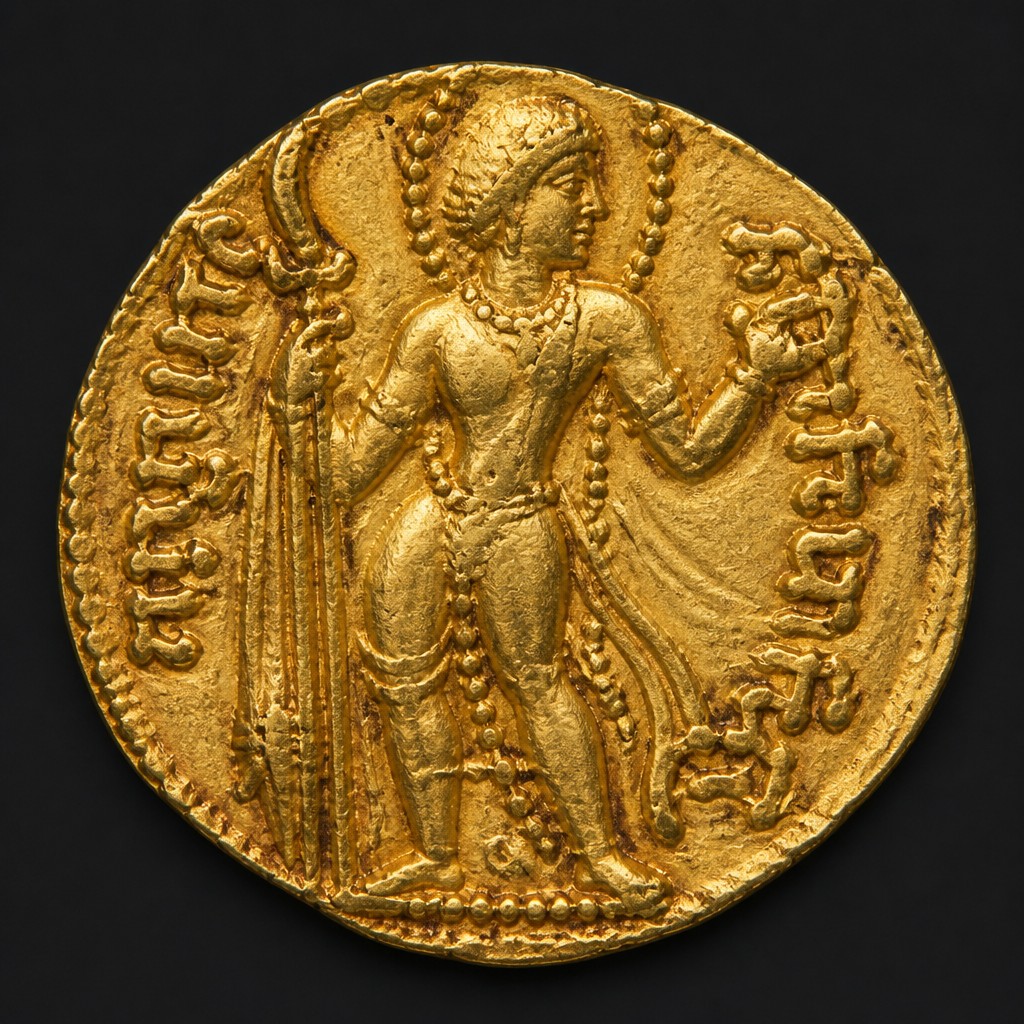
Gupta Empire Gold Dinar
c. 320–550 AD
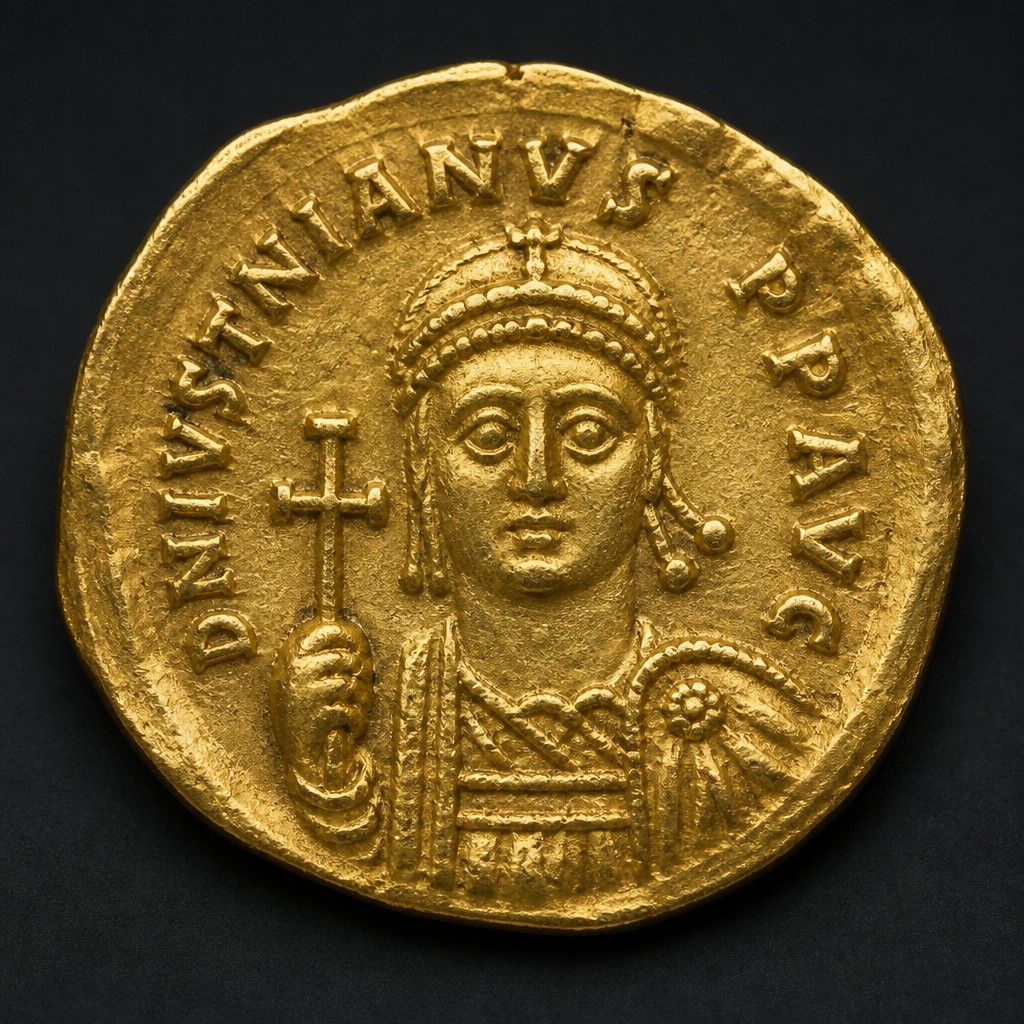
Byzantine Gold Tremissis
c. 4th–7th century AD
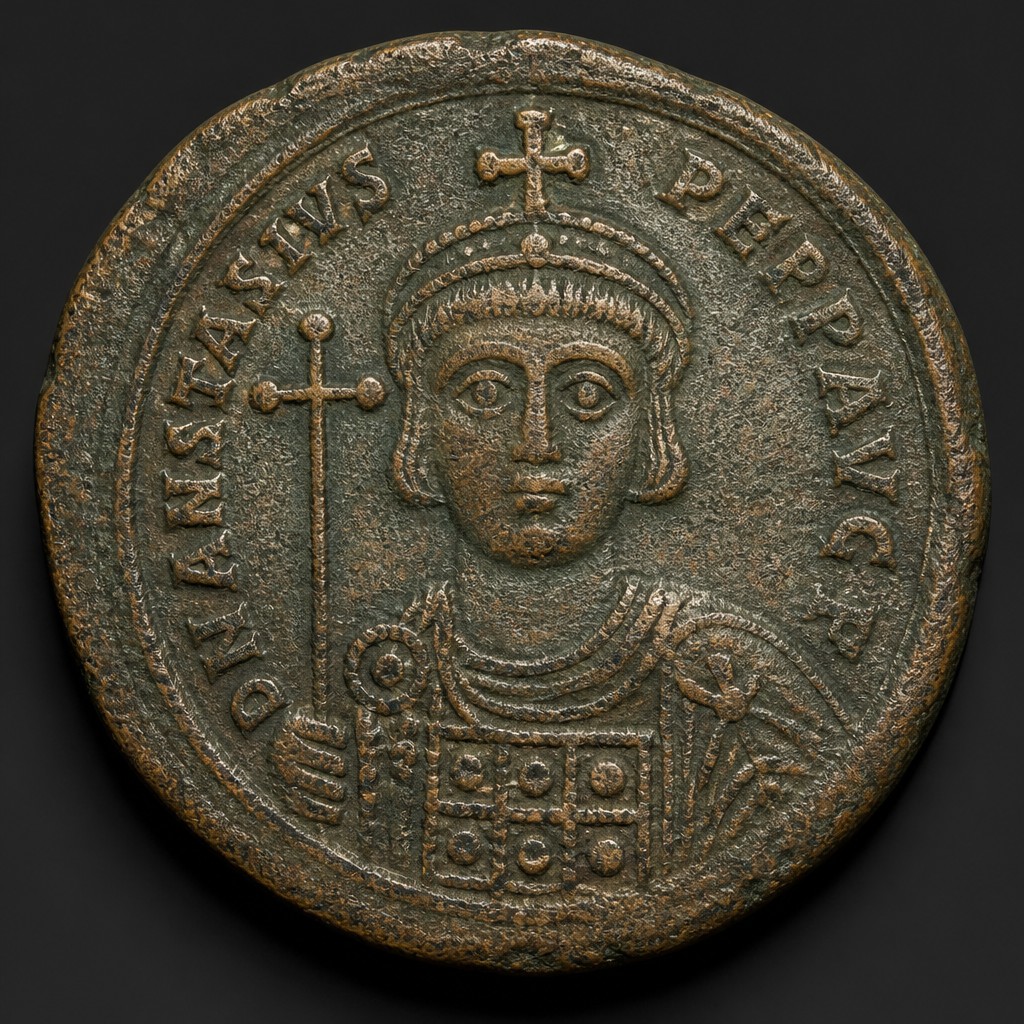
Byzantine Follis
498–c. 11th century AD
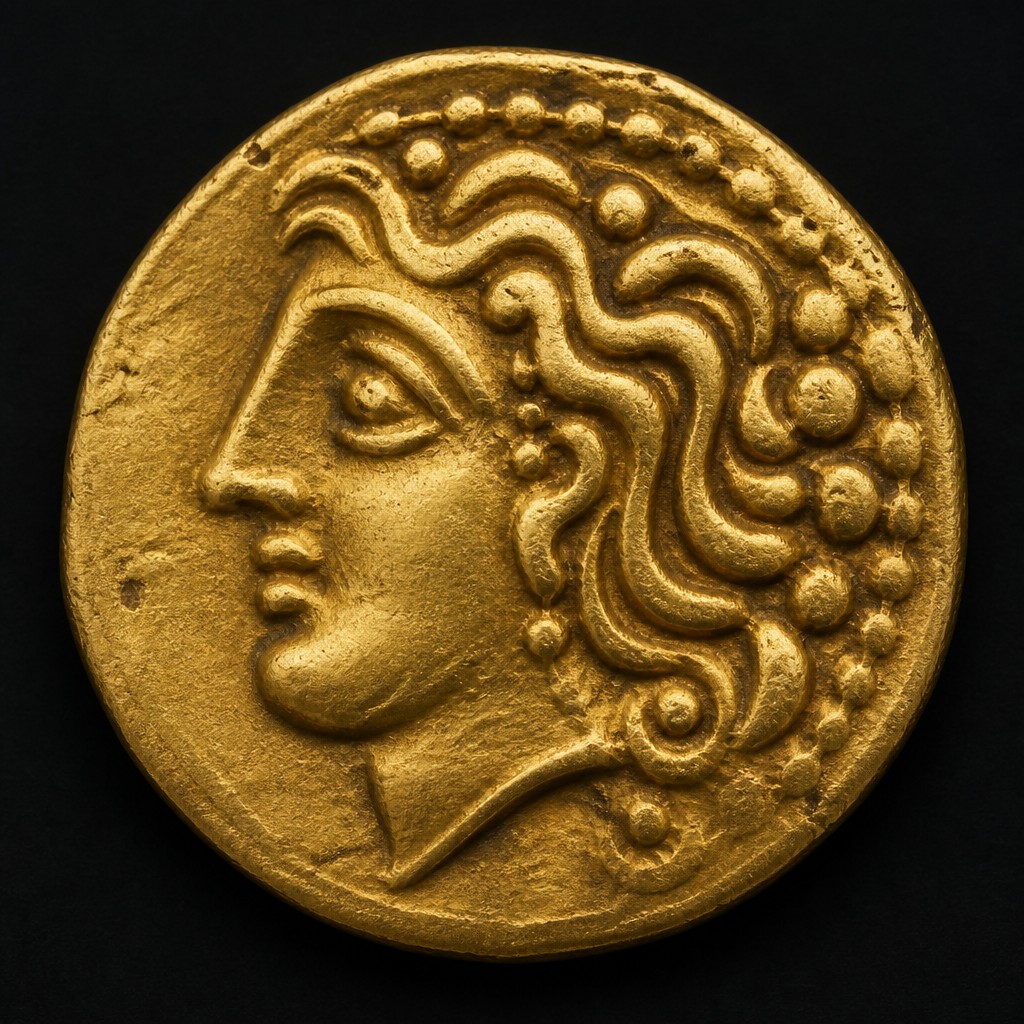
Celtic Gold Stater
c. 3rd century BC – 1st century AD