
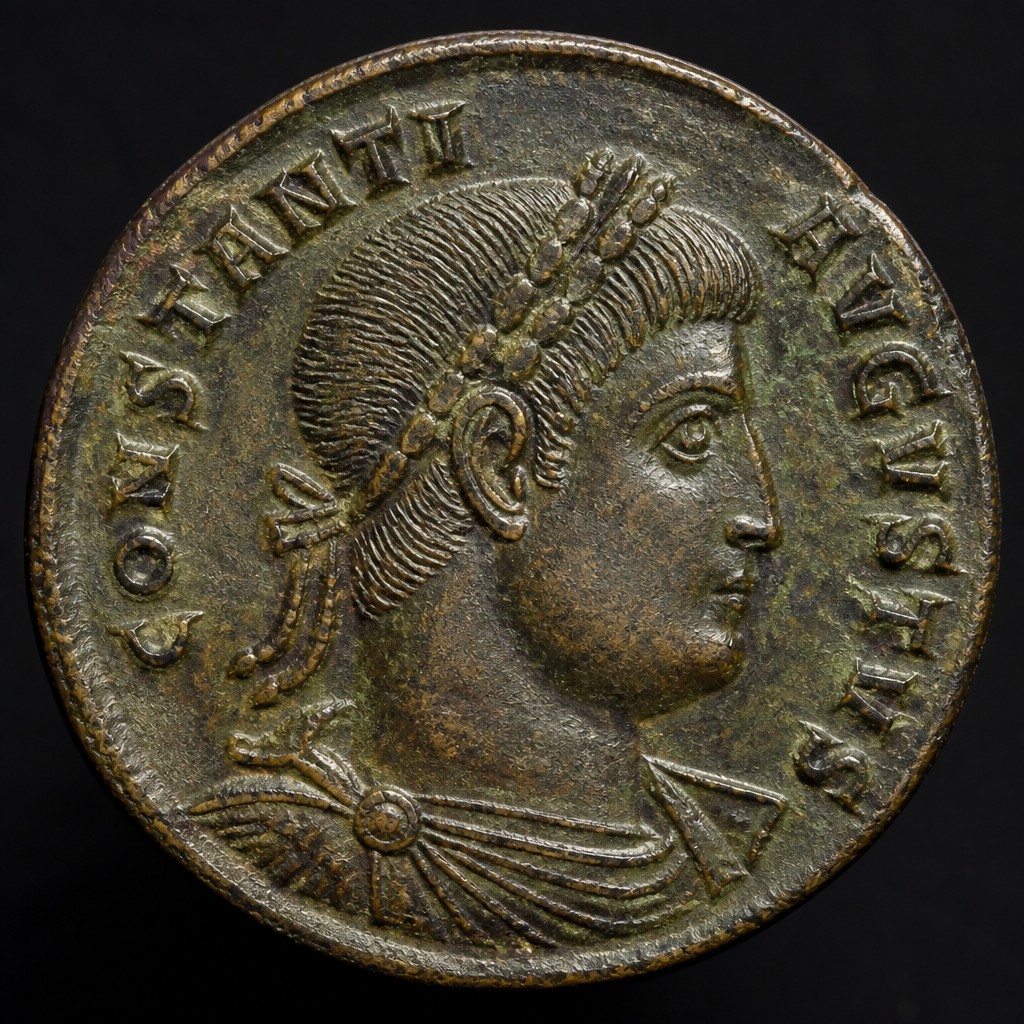
Constantine URBS ROMA Commemorative
A small bronze commemorative honoring the city of Rome with a helmeted Roma obverse and the iconic she-wolf suckling Romulus and Remus on the reverse.
- Country
- Ancient Rome
- Denomination
- Follis (AE3/AE4 commemorative)
- Metal
- Bronze
Got a coin like this?
Identify any coin from a photo, free.
Overview
Struck across the Roman world starting around 330 AD, this small bronze coin was part of a commemorative series celebrating the city of Rome itself rather than the reigning emperor. It is beloved by collectors chiefly for its reverse: the she-wolf nursing the twin founders of Rome, one of antiquity's most enduring and recognizable images.
Because the coin carries no emperor's name or portrait on the obverse, it functioned as a kind of civic tribute piece, struck alongside a companion series honoring Constantinople. Its charm, low cost, and mythological subject make it one of the most popular ancient bronzes for new collectors.
History & Background
The URBS ROMA commemorative series began around 330 AD, roughly coinciding with the dedication of Constantinople as Constantine's new eastern capital. By issuing parallel coins honoring both Rome and Constantinople, Constantine balanced homage to the ancient capital with promotion of his new one, reinforcing the idea of a unified empire with two great cities.
The series continued to be struck at mints throughout the empire for roughly a decade and a half, into the reigns of Constantine's sons, before commemorative issues of this style were discontinued. The wolf-and-twins imagery drew on centuries-old Roman foundation mythology, deliberately invoking Rome's ancient legendary origins even as the empire's center of gravity shifted eastward.
How to Identify
The obverse shows a helmeted, draped bust representing the personified city of Rome (Roma), facing left, with the simple legend VRBS ROMA and no emperor's name. The reverse depicts the she-wolf standing left, suckling the twins Romulus and Remus, with two stars above and a mintmark in the exergue; some varieties show minor differences in the wolf's pose or accompanying details.
The coin is a small bronze module, generally 15–19mm, reflecting the reduced size of Roman bronze coinage by this period. Because it lacks an imperial obverse portrait, it is unmistakable among Constantinian bronzes and is easily distinguished from its companion CONSTANTINOPOLIS type by the helmeted Roma bust versus the Victory-on-prow reverse.
Value & Collectibility
This is one of the most affordable and popular ancient Roman coins in the hobby, prized purely for its charming and historically resonant design rather than for scarcity. Common examples in worn to average condition are widely available and inexpensive, while sharply struck coins with full detail on the wolf and twins bring more.
Because millions were struck across many mints, rarity is mostly a function of specific mint and officina combinations rather than the basic type. Its low price point relative to its iconic imagery makes it one of the best-selling ancient coins for beginning collectors and gift purchases.
Frequently asked questions
Why is there no emperor's portrait?
The obverse depicts the personified city of Rome (Roma) rather than a living emperor, since this was a civic commemorative issue rather than a standard circulating coin type.
What does the she-wolf scene represent?
It depicts the legendary founding myth of Rome, in which the twins Romulus and Remus were suckled by a she-wolf before Romulus went on to found the city.
Is this the same coin as the Constantinopolis commemorative?
No, it is a companion type; Constantinopolis coins show a helmeted city personification on the obverse and Victory standing on a ship's prow on the reverse.
How much is a typical example worth?
Most circulated examples are inexpensive and widely available, though price rises with sharpness of strike and full detail on the wolf and twins.
Other coins you may enjoy
Theodosius I Solidus
379–395 AD
Republican Victoriatus
c. 211–170 BC
Islamic Gold Dinar (Umayyad)
c. 696–750 AD
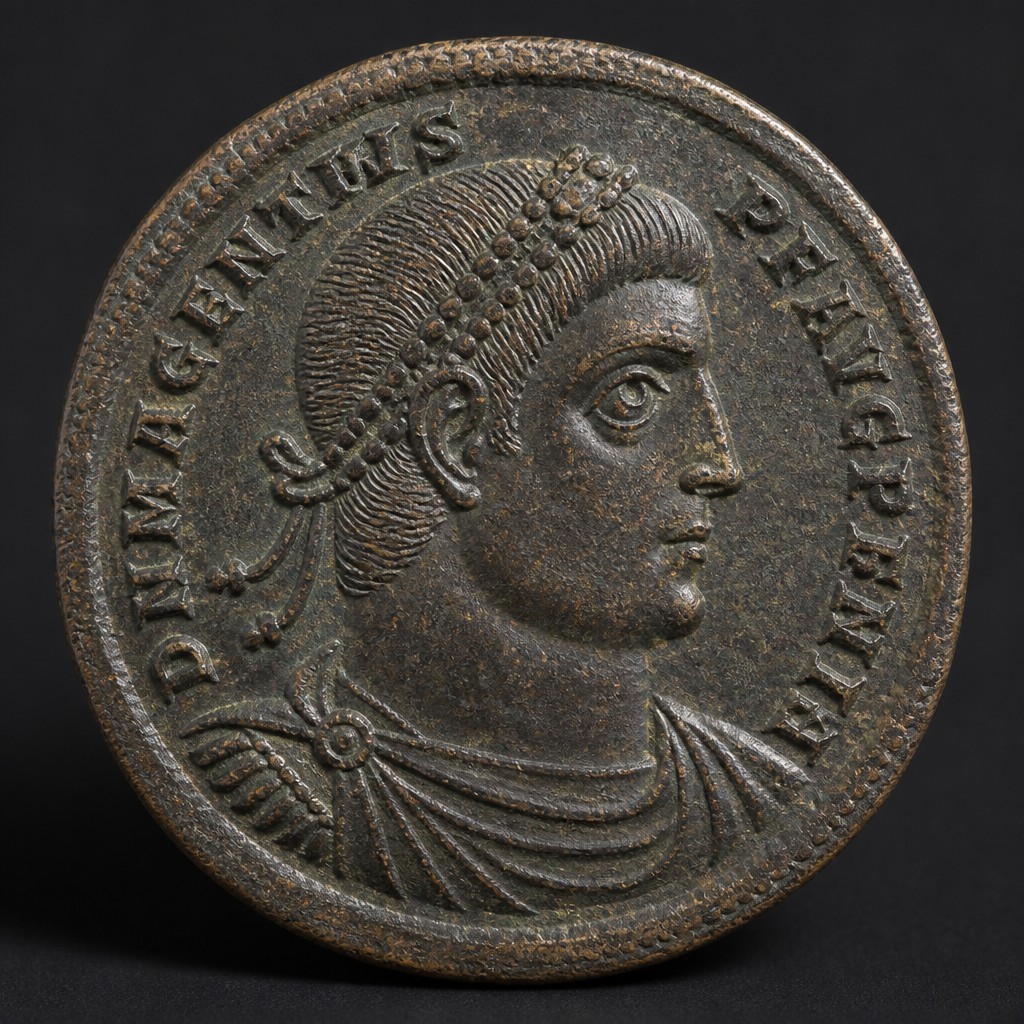
Magnentius Double Centenionalis
350–353 AD
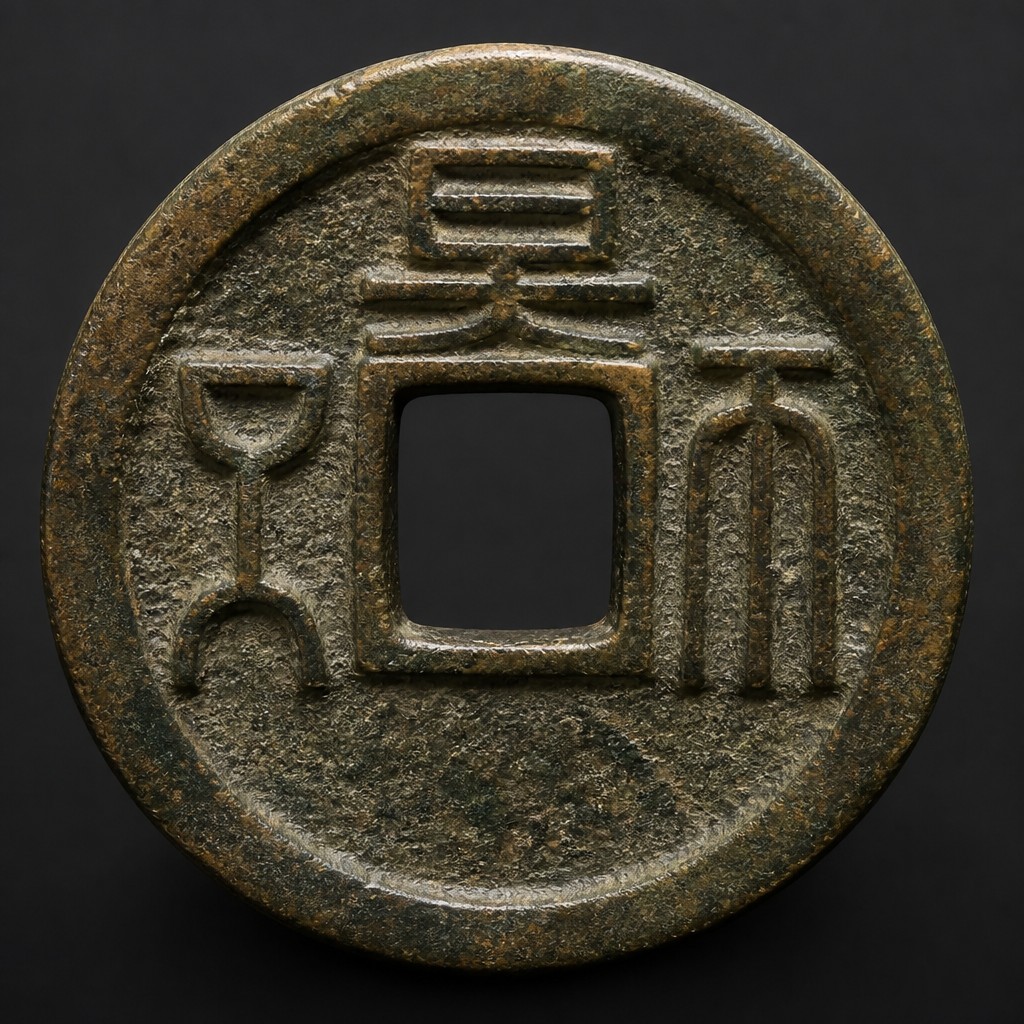
Chinese Wu Zhu Cash
118 BC – 618 AD
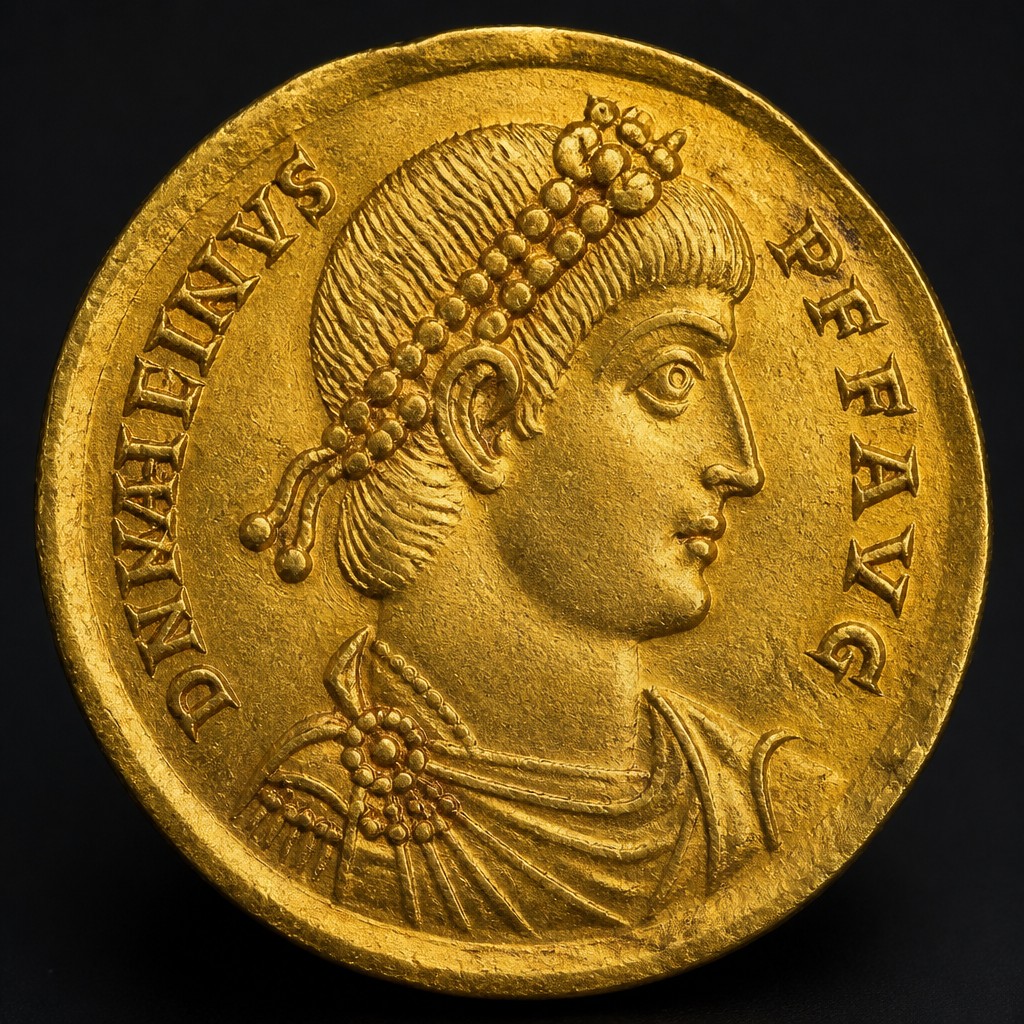
Valentinian I Solidus
364–375 AD
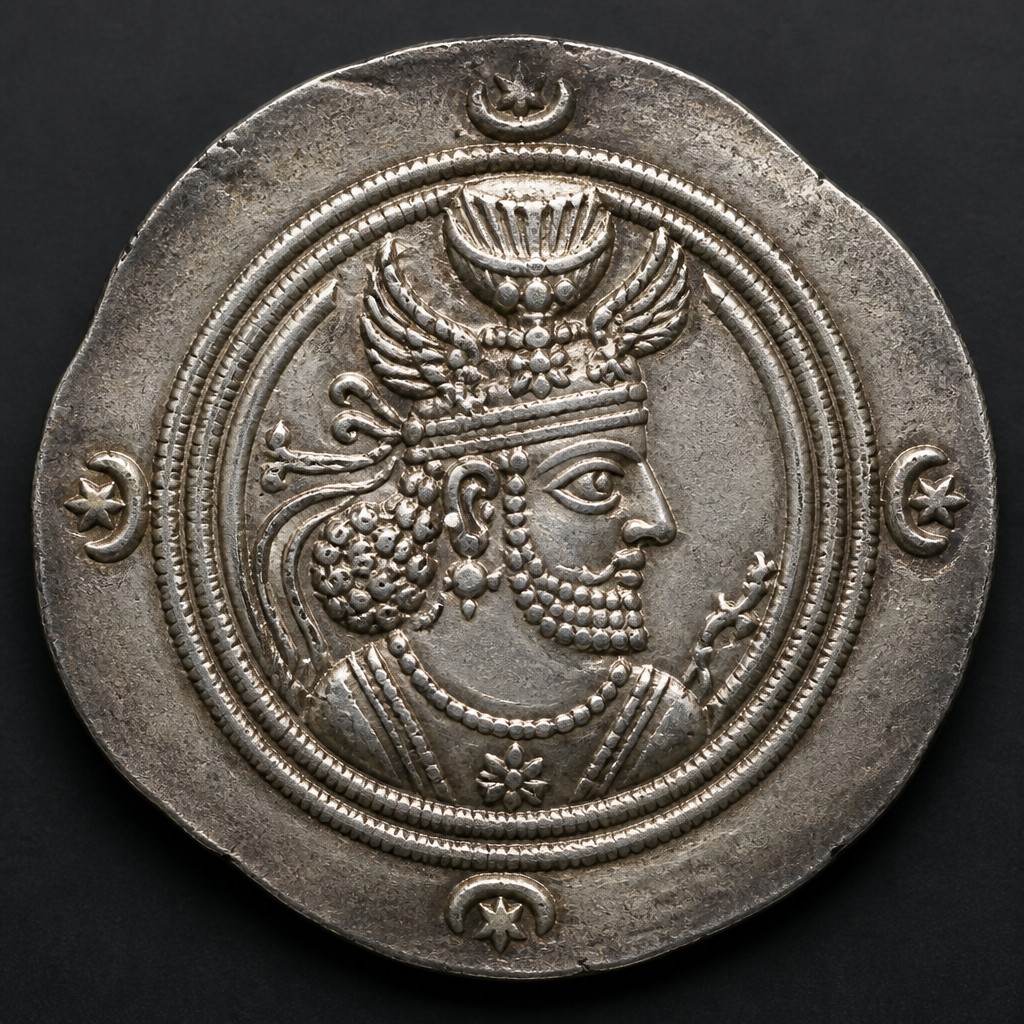
Sassanian Silver Drachm
c. 224–651 AD
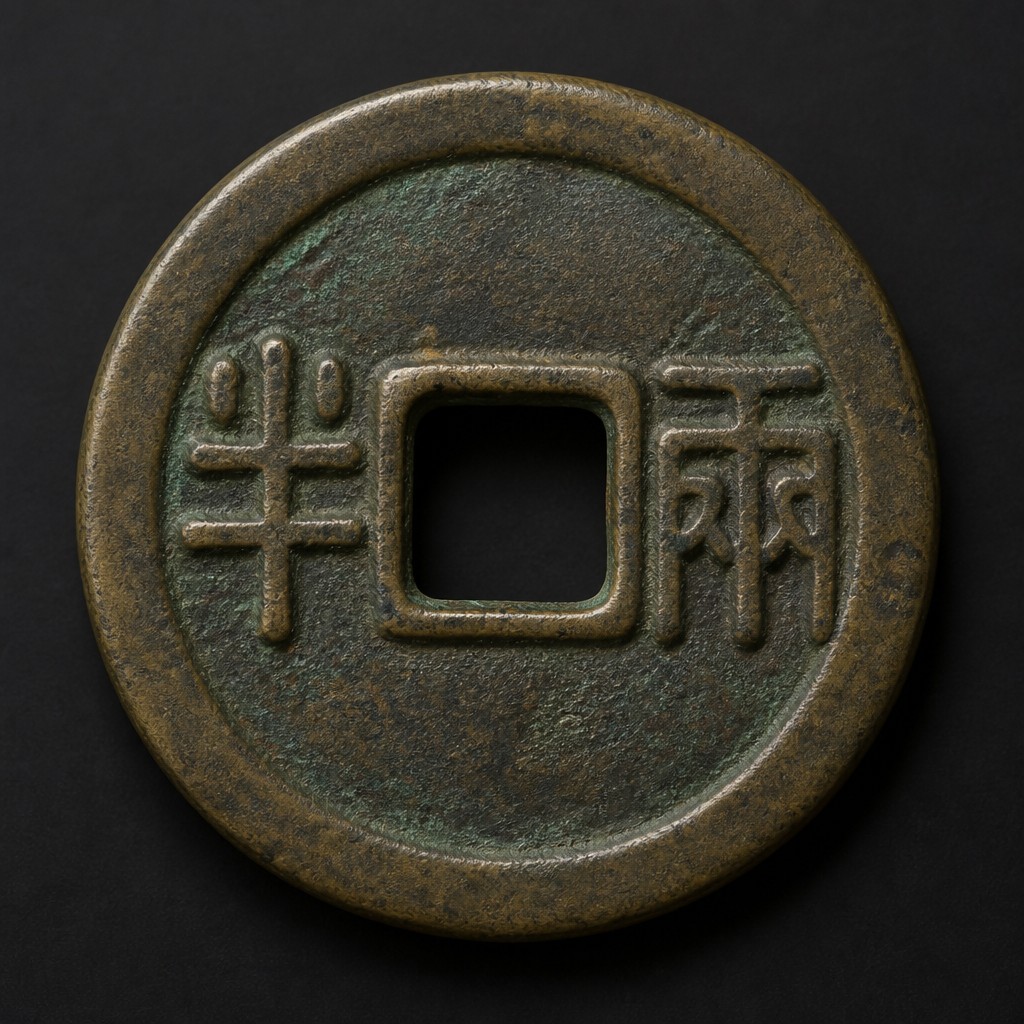
Chinese Ban Liang Cash
c. 221–118 BC
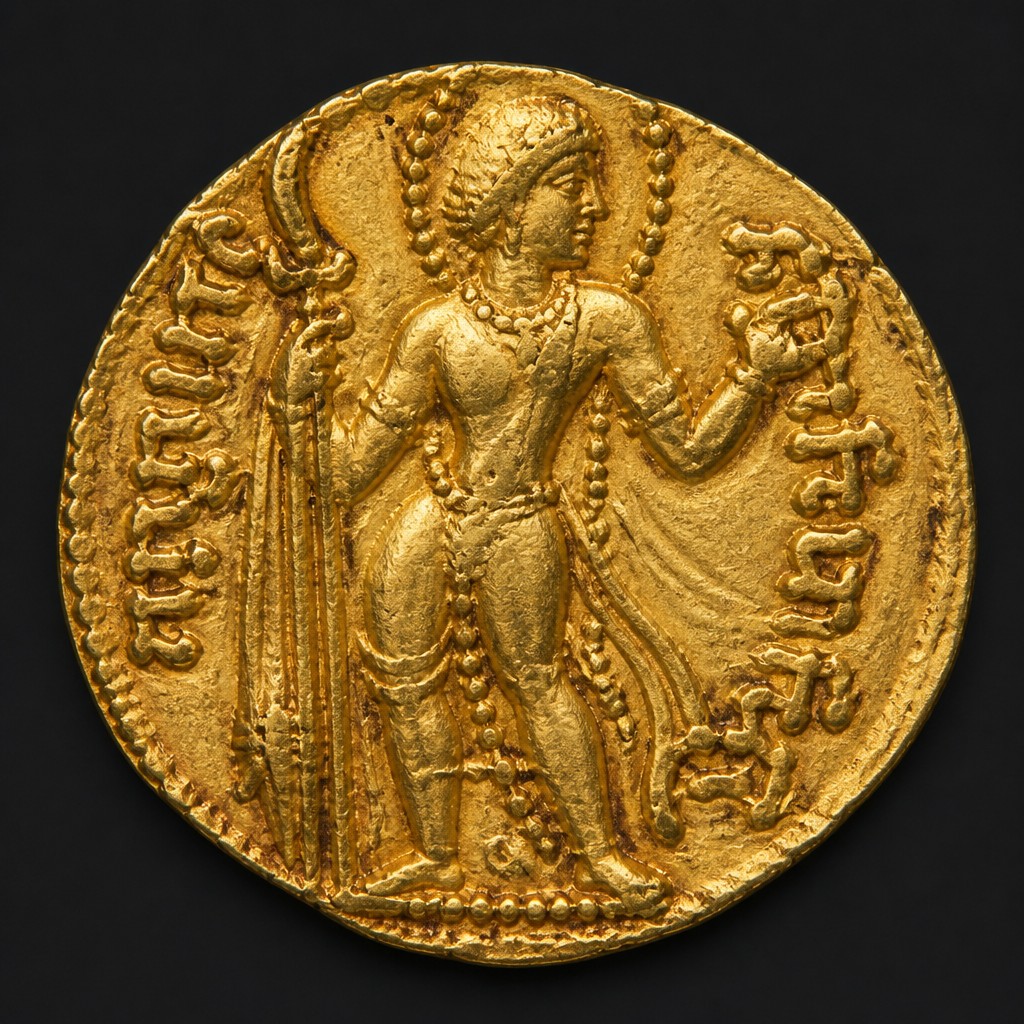
Gupta Empire Gold Dinar
c. 320–550 AD
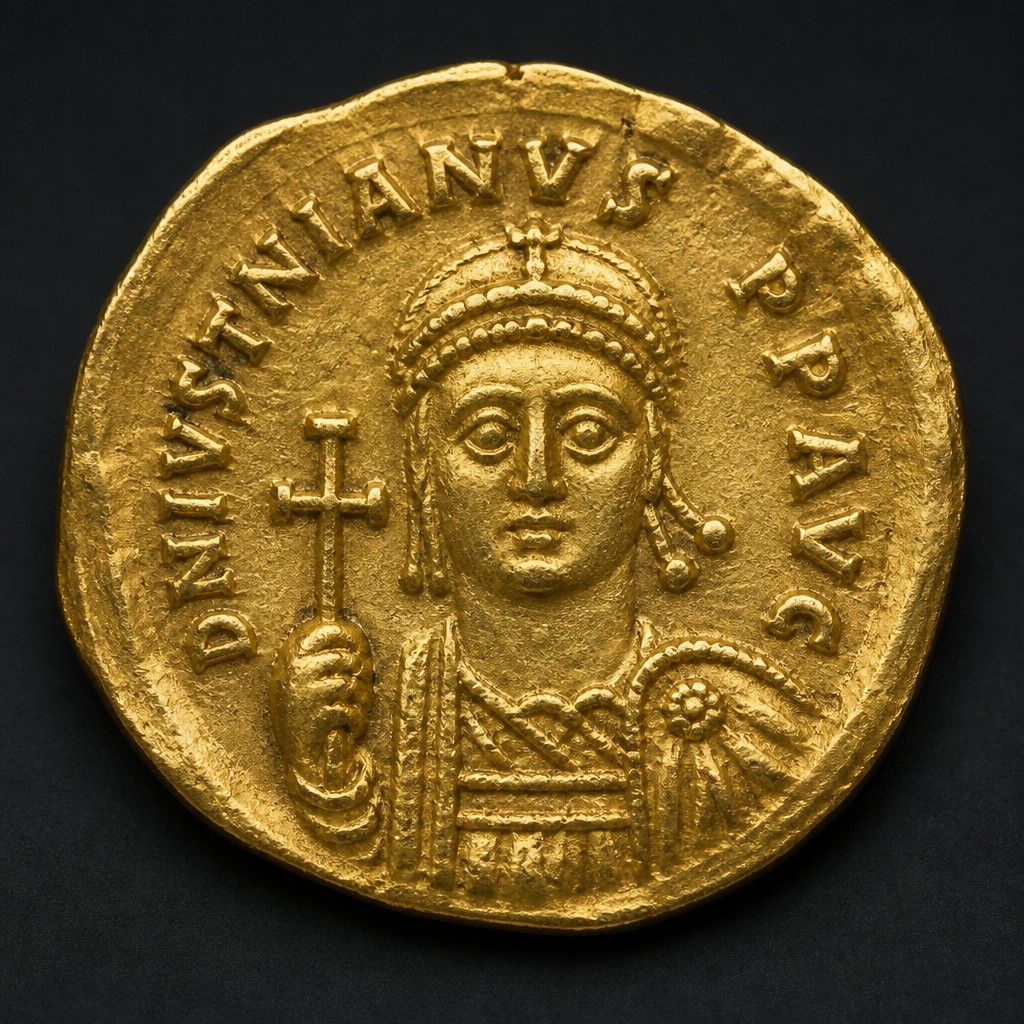
Byzantine Gold Tremissis
c. 4th–7th century AD
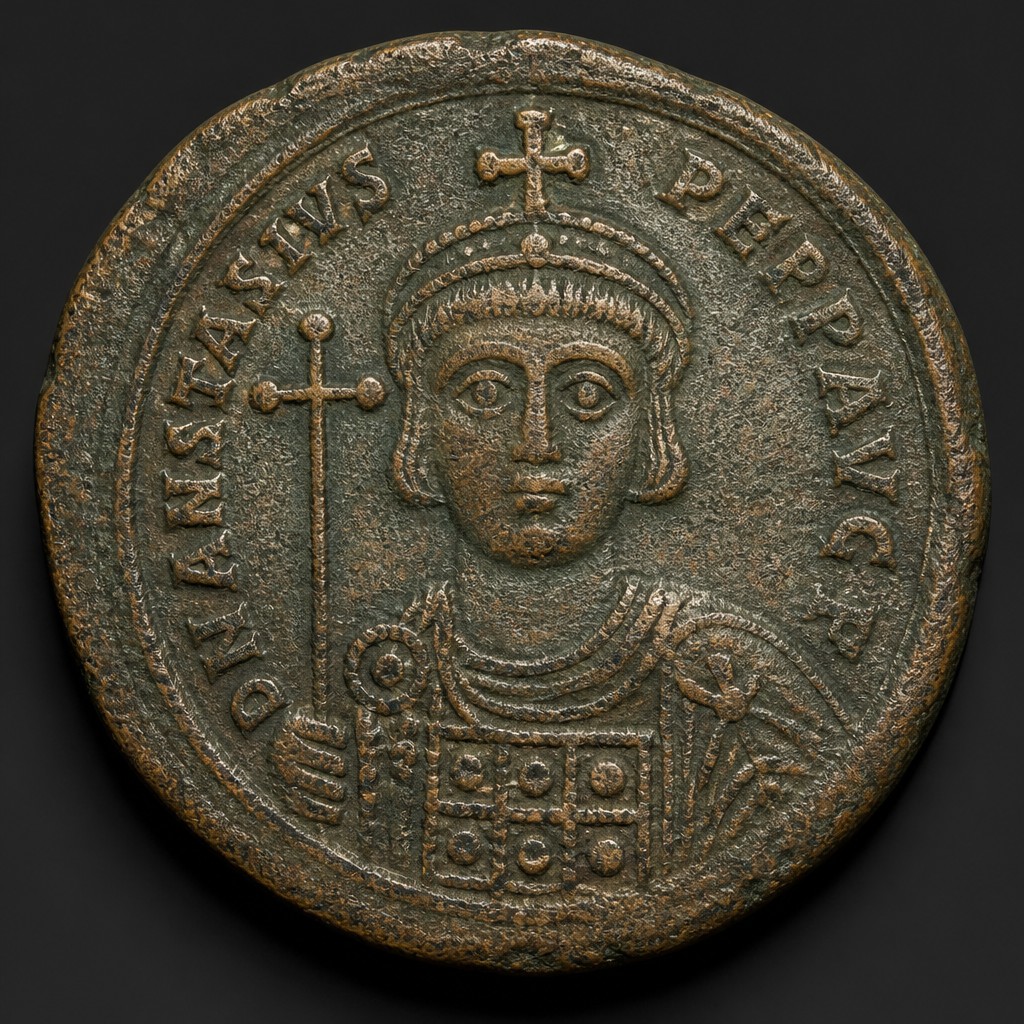
Byzantine Follis
498–c. 11th century AD
Celtic Gold Stater
c. 3rd century BC – 1st century AD