
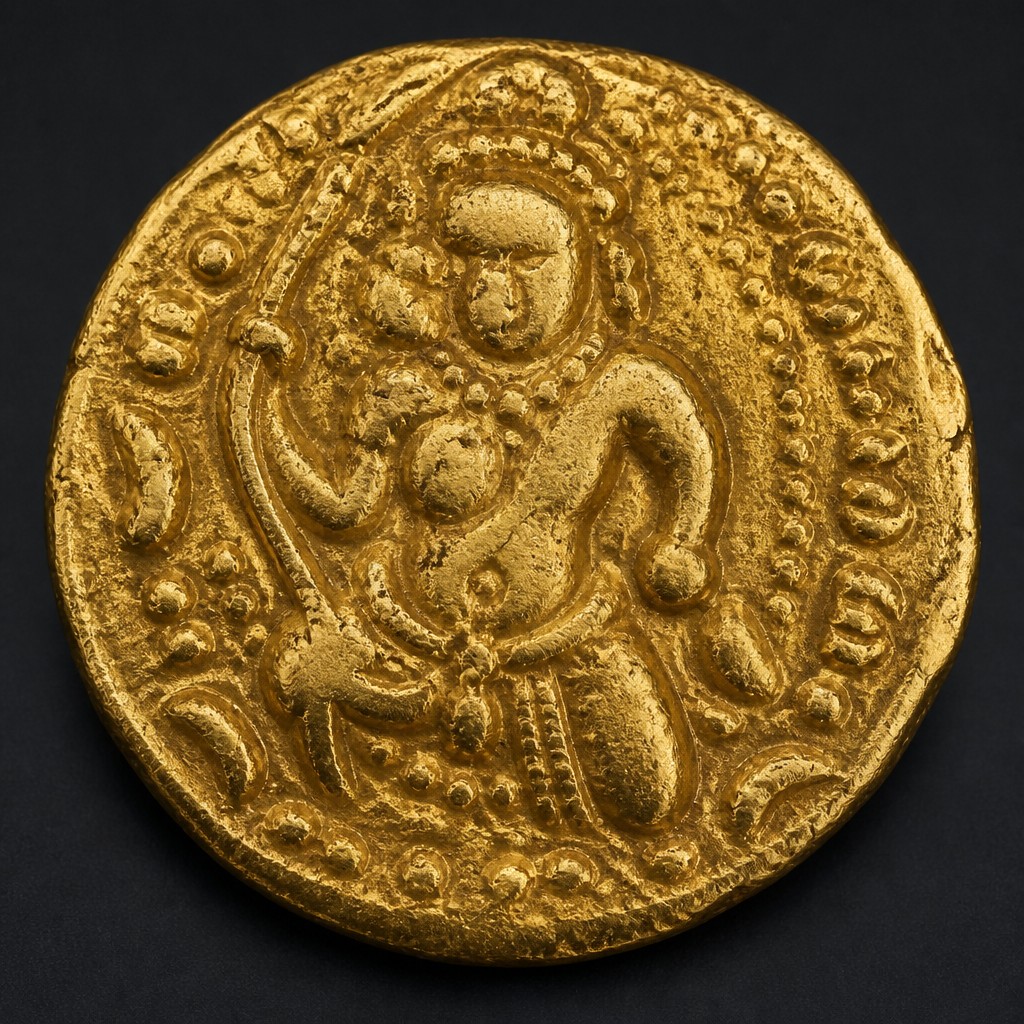
Chola Dynasty Gold Kahavanu
A gold coin of the powerful medieval South Indian Chola dynasty, typically bearing the dynastic tiger, fish, and bow emblem alongside a standing or seated royal figure.
- Country
- Chola Dynasty (South India)
- Denomination
- Kahavanu
- Metal
- Gold
Got a coin like this?
Identify any coin from a photo, free.
Overview
The Chola dynasty was one of the most powerful and long-lasting South Indian kingdoms, at its height controlling much of southern India, Sri Lanka, and exerting naval influence across parts of Southeast Asia. Their gold coinage, often referred to broadly as the kahavanu or kalanju, reflects the wealth generated by extensive trade networks and successful military campaigns.
For collectors, Chola gold coins are notable for their compact, thick fabric and for iconography tied directly to Chola royal identity, particularly the combined tiger-fish-bow emblem that symbolized the dynasty's power.
History & Background
The Chola dynasty rose to particular prominence from the 9th through 13th centuries AD under rulers such as Rajaraja I and Rajendra I, who expanded Chola power through much of southern India, into Sri Lanka, and via naval expeditions as far as parts of Southeast Asia. This era of political and military strength was accompanied by a flourishing of temple architecture, Tamil literature, and international trade, all of which the Chola gold coinage helped facilitate.
Chola coins were produced in gold, silver, and copper, with the gold issues serving as the dynasty's premier coinage for major transactions, tribute, and temple donations. Iconography on the coins frequently emphasized the tiger (the Chola royal emblem), along with the fish (associated with the Pandya dynasty, sometimes included after Chola conquests) and the bow (associated with the Chera dynasty), together symbolizing Chola dominance over rival South Indian powers.
As Chola power declined in the 13th century and gave way to successor states, including the eventual rise of Vijayanagara, the specific gold coin types of the Cholas gradually gave way to new regional coinages, though the general South Indian tradition of small, thick gold coins continued for centuries afterward.
How to Identify
Chola gold coins are typically small, thick, and irregularly shaped disks, a format common to South Indian gold coinage generally, quite different from the broad, flat coins of contemporary northern Indian or Islamic issues. The obverse commonly shows a standing or seated royal figure, sometimes interpreted as the king himself or a deity, along with symbols of royal authority.
The reverse or, on some types, a secondary field on the obverse displays the combined tiger, fish, and bow emblem associated with Chola supremacy over the Pandya and Chera territories, though the exact combination of symbols varies by ruler and period. Inscriptions, where present, are typically in Tamil or Grantha script and may be abbreviated or minimal due to the coin's small size.
Because these coins are hand-struck on small, thick planchets, strike quality and centering vary considerably, and specific ruler attribution can be challenging without reference to specialized South Indian numismatic catalogs, since many Chola-era gold coins share broadly similar design elements across different reigns.
Value & Collectibility
Chola gold coins are collected both for their historical association with one of India's great medieval empires and for their intrinsic gold content, and they occupy a respected niche within South Indian and broader Indian numismatics. Prices vary considerably based on the specific ruler, clarity of the emblem, and overall condition.
Well-preserved examples with a clear tiger-fish-bow design and legible royal figure command stronger interest from specialists, while worn or poorly struck pieces are more modestly priced. As with other ancient and medieval Indian gold issues, buying from a dealer experienced in South Indian coinage is advisable given the specialized nature of attribution.
Frequently asked questions
What does the tiger-fish-bow symbol mean?
It represents the Chola dynasty's dominance over its historic rivals, with the tiger symbolizing the Cholas themselves, the fish the Pandyas, and the bow the Cheras.
Why are Chola gold coins so small and thick?
This compact, thick format was a common feature of South Indian gold coinage for centuries, distinct from the broader, flatter coins produced in northern India.
How powerful was the Chola dynasty?
At its height under rulers like Rajaraja I and Rajendra I, the Chola empire controlled much of southern India, Sri Lanka, and projected naval power into parts of Southeast Asia.
Are Chola coins commonly found?
They are less commonly encountered than some other historical Indian coinages, and specific attribution to individual Chola rulers often requires reference to specialized catalogs.
Other coins you may enjoy
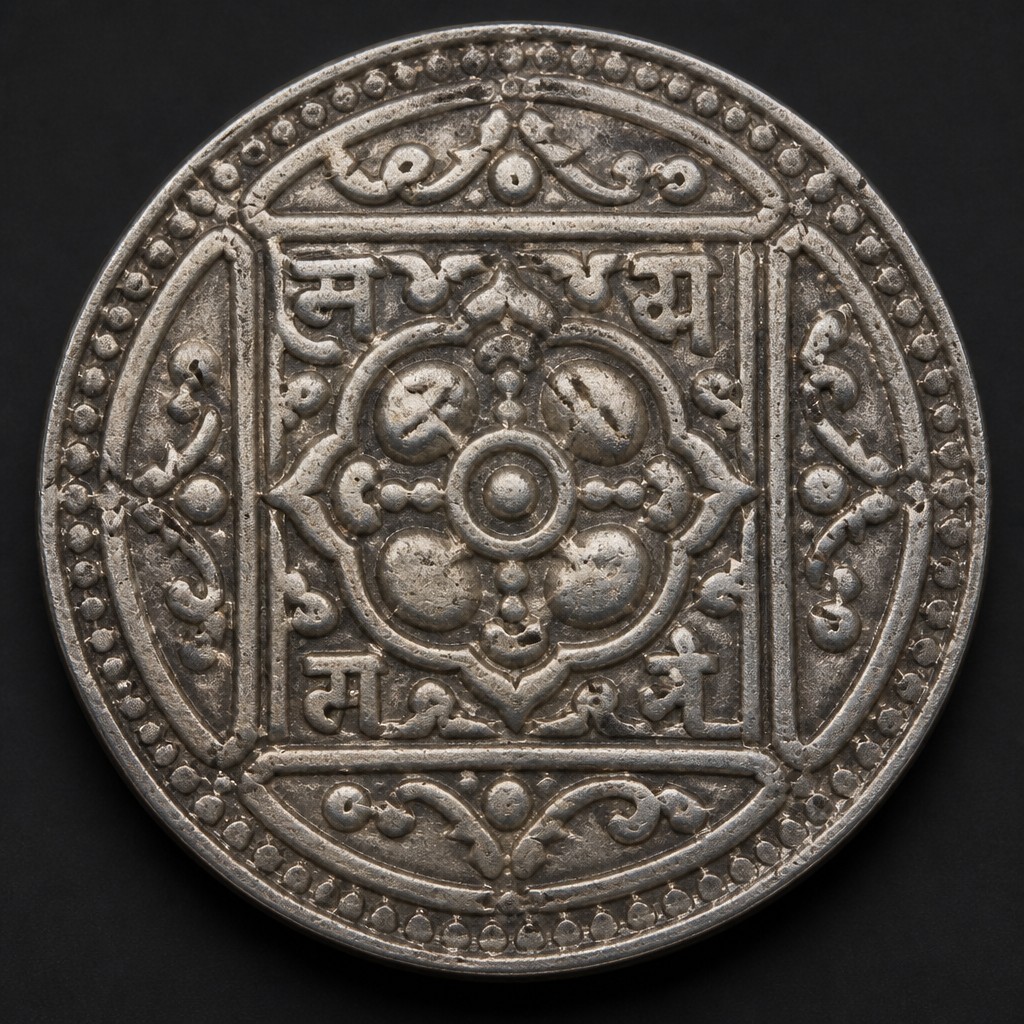
Nepal Silver Mohar
c. 16th–19th century
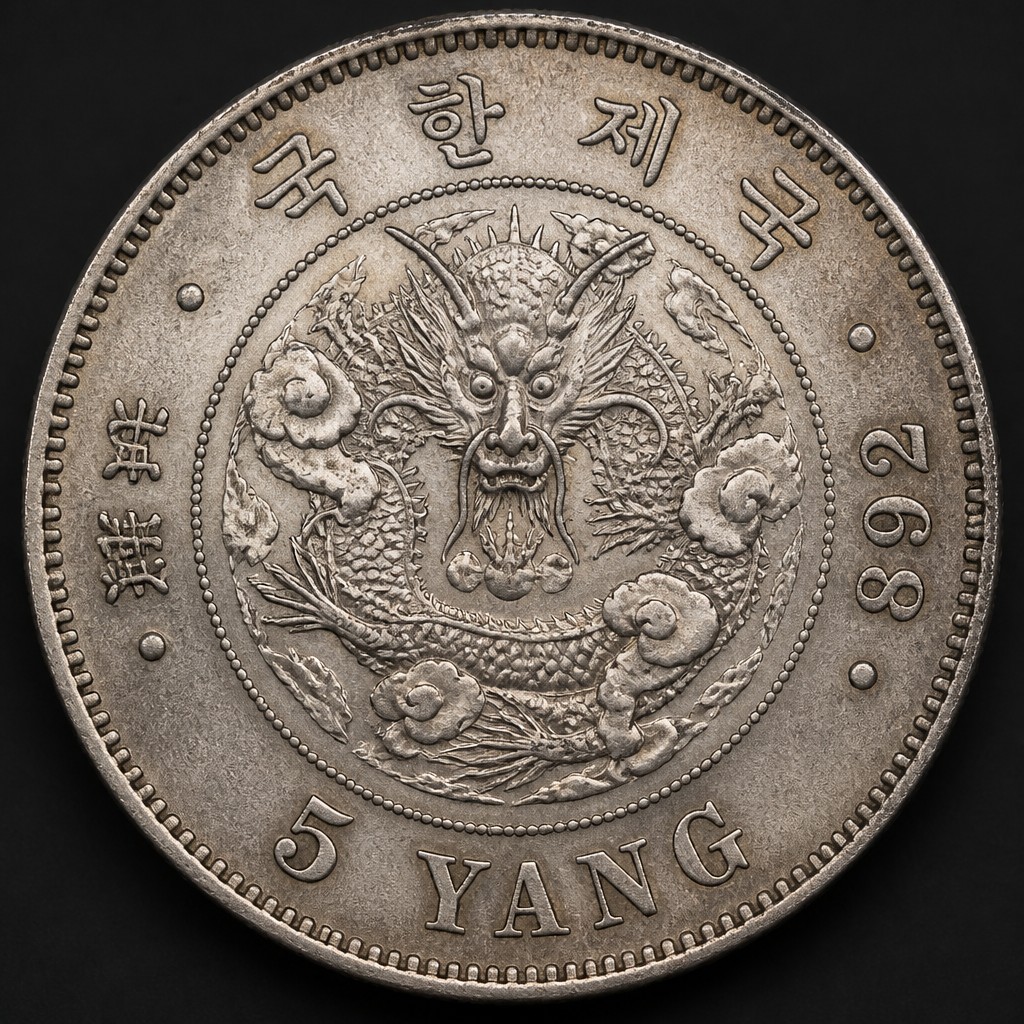
Korean 5 Yang Silver Dollar (1892)
1892
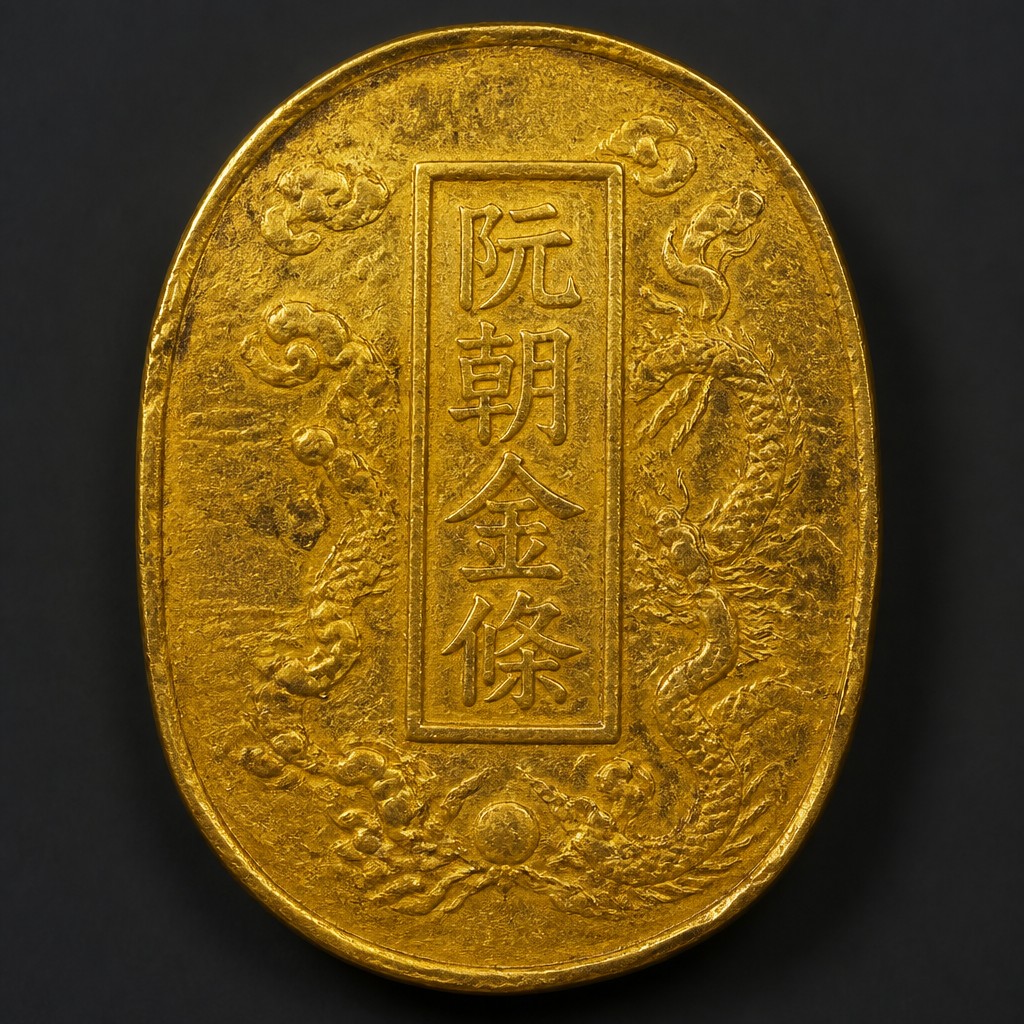
Nguyen Dynasty Gold Bar (Vietnam)
19th century
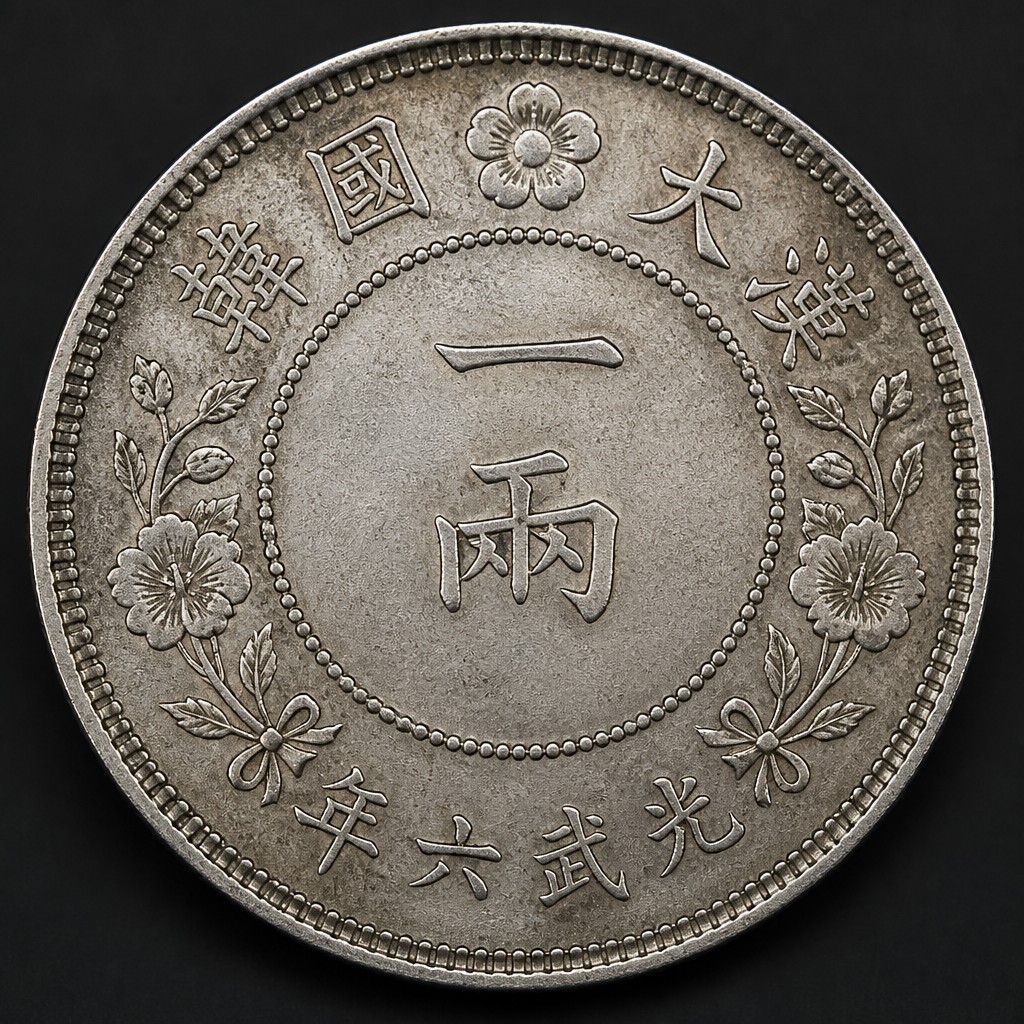
Korean 1 Yang Silver (Joseon/Great Han Empire)
1892–1902
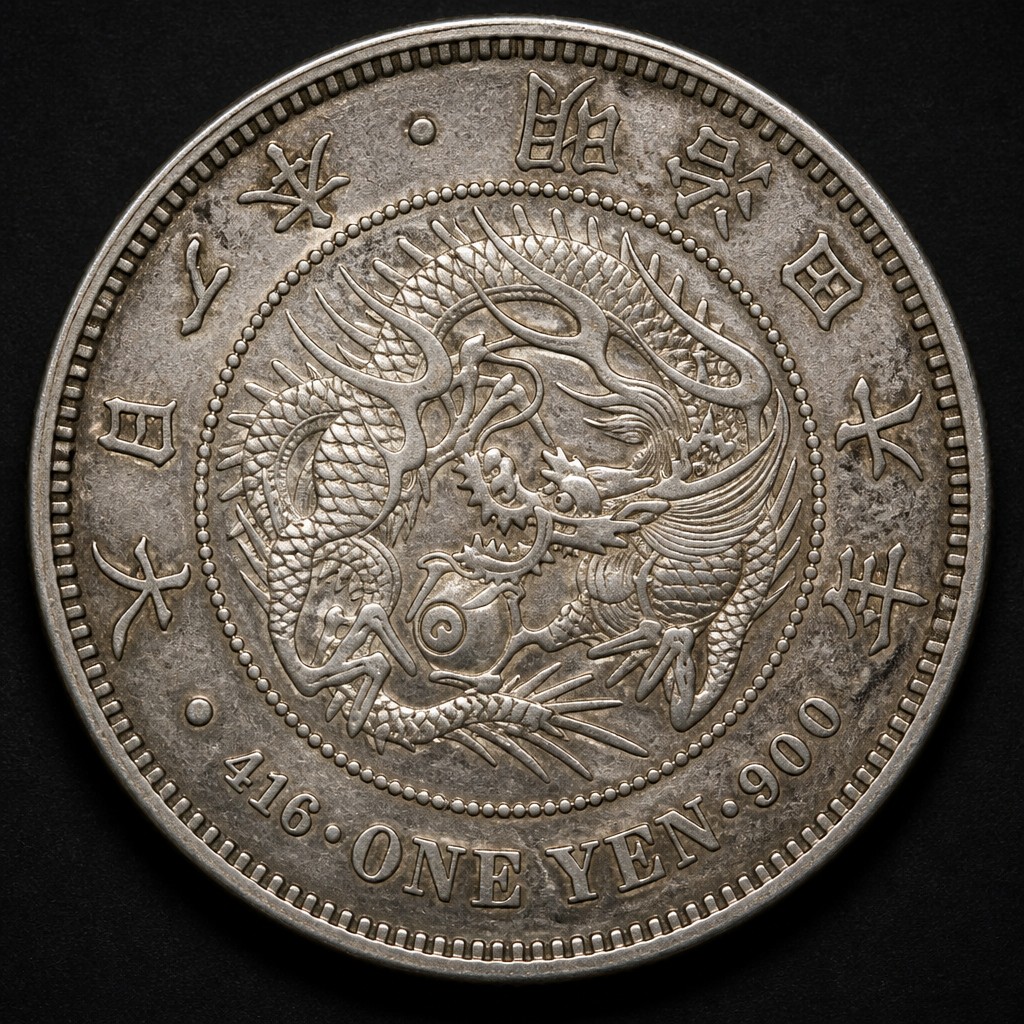
Japanese 1 Yen Silver 'Dragon' Trade Dollar
1870–1914 (trade dollar variant 1875–1877)
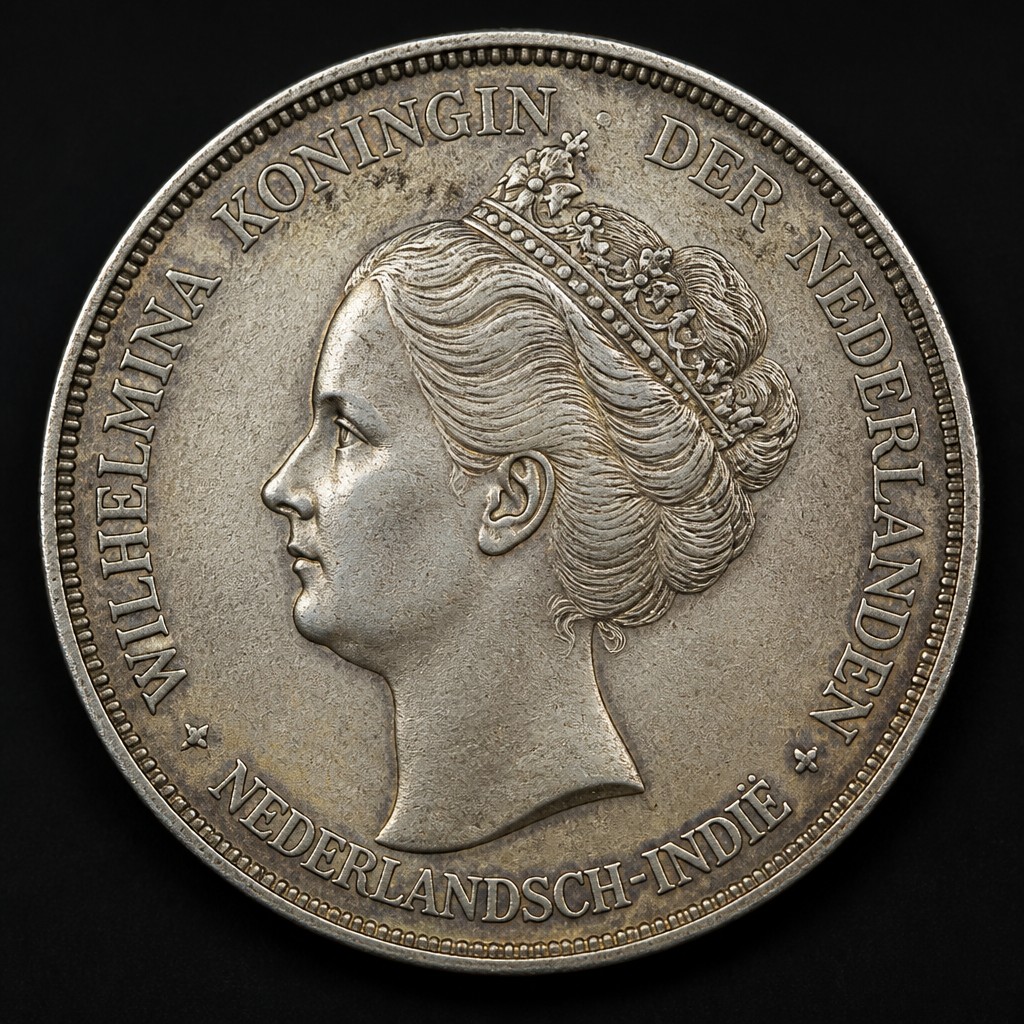
Netherlands East Indies Gulden (Wilhelmina)
1897–1945
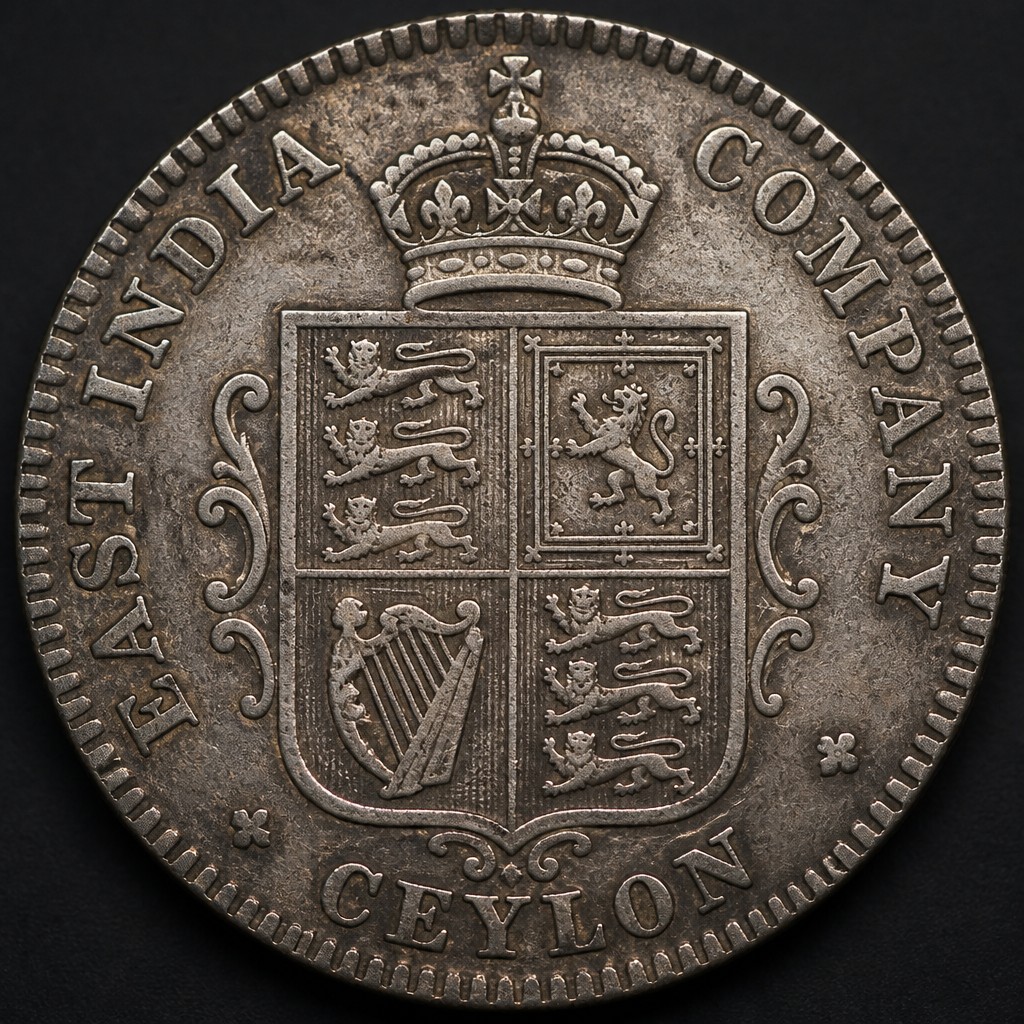
Ceylon (Sri Lanka) EIC Rixdollar
c. 1802–1821
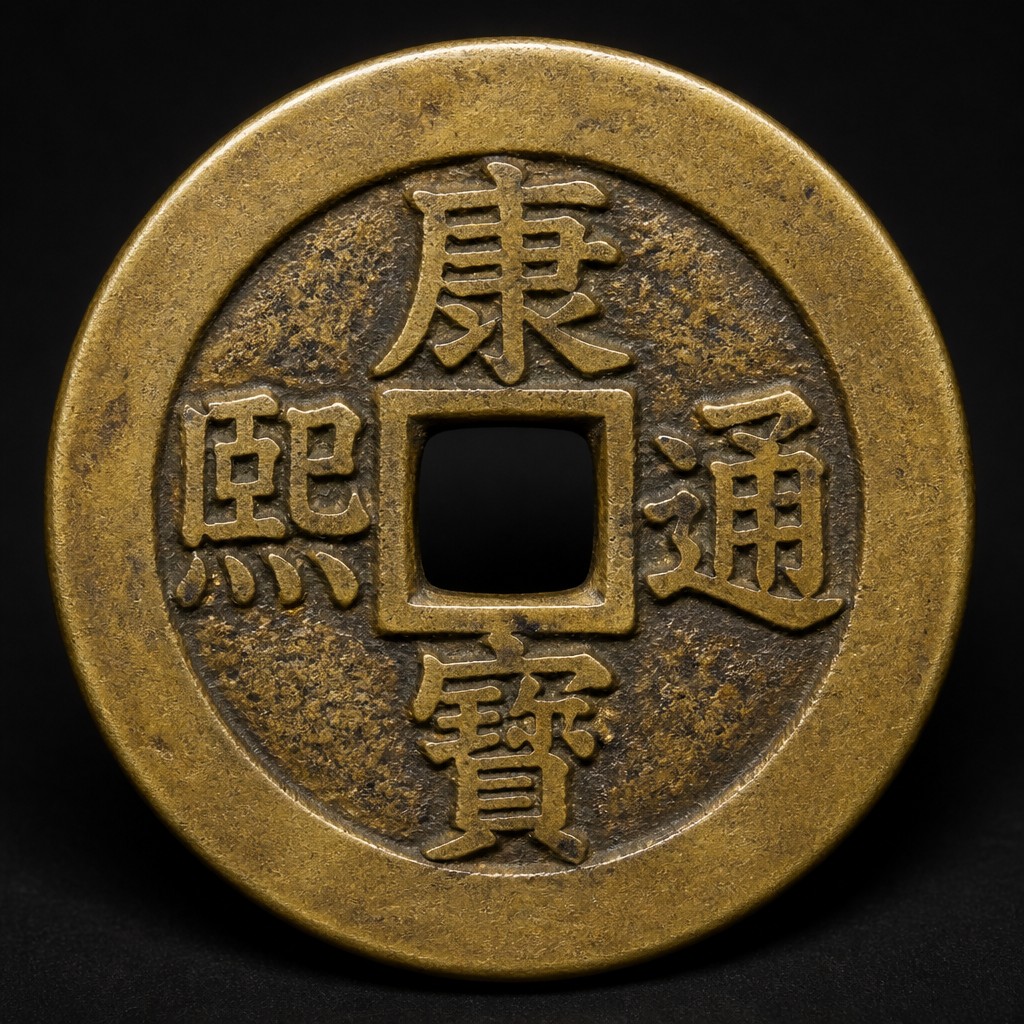
Chinese Cash Coin (Qing Dynasty 'Kangxi Tongbao')
1662–1722
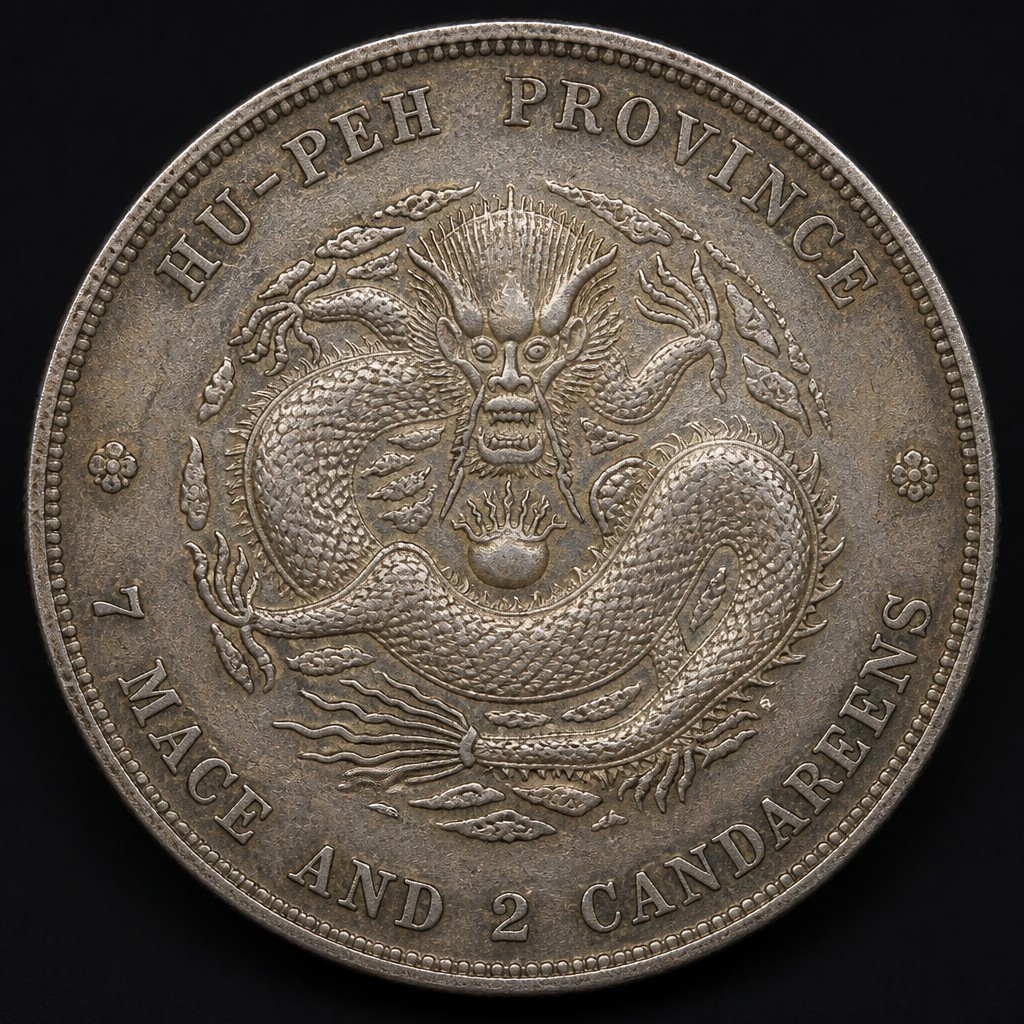
Chinese Hupeh Province Dragon Dollar
c. 1895–1909
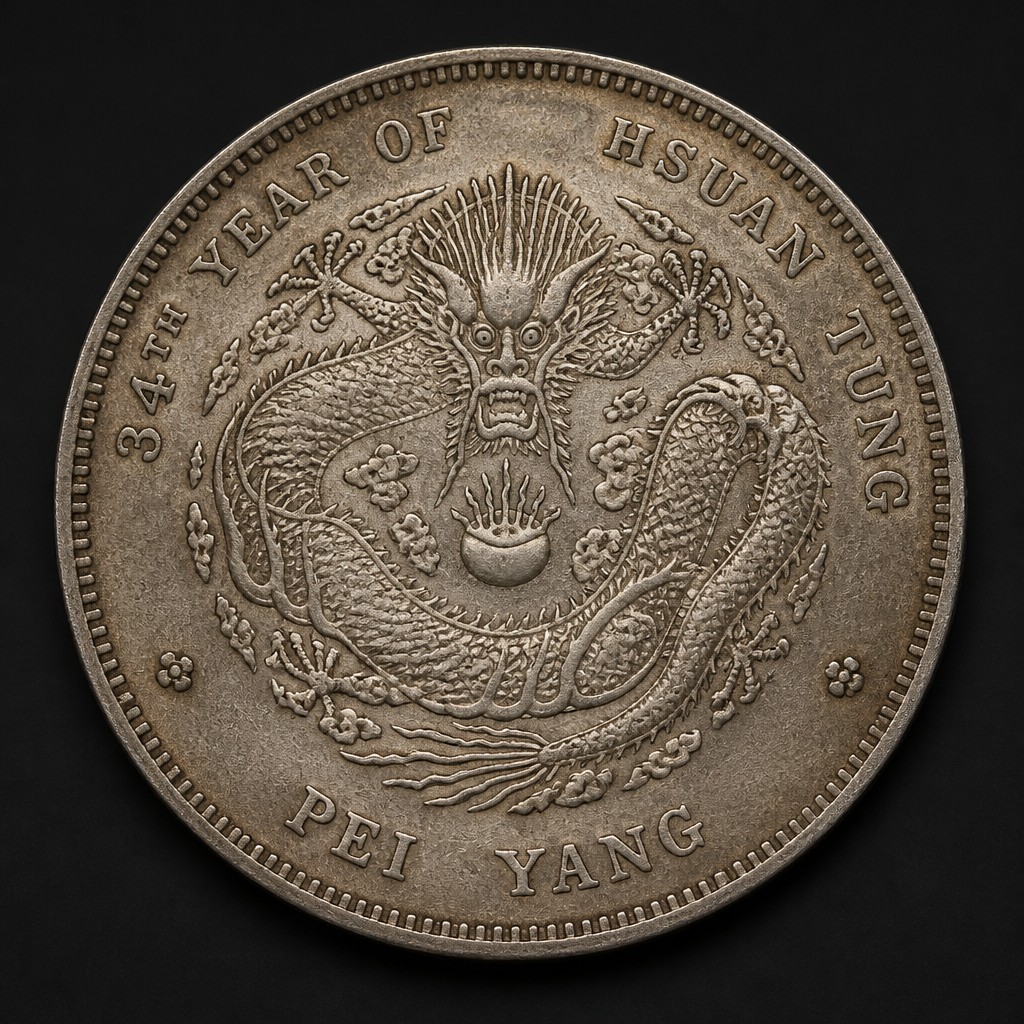
Chinese Empire Silver Dollar (Hsuan Tung Dragon)
1909–1911
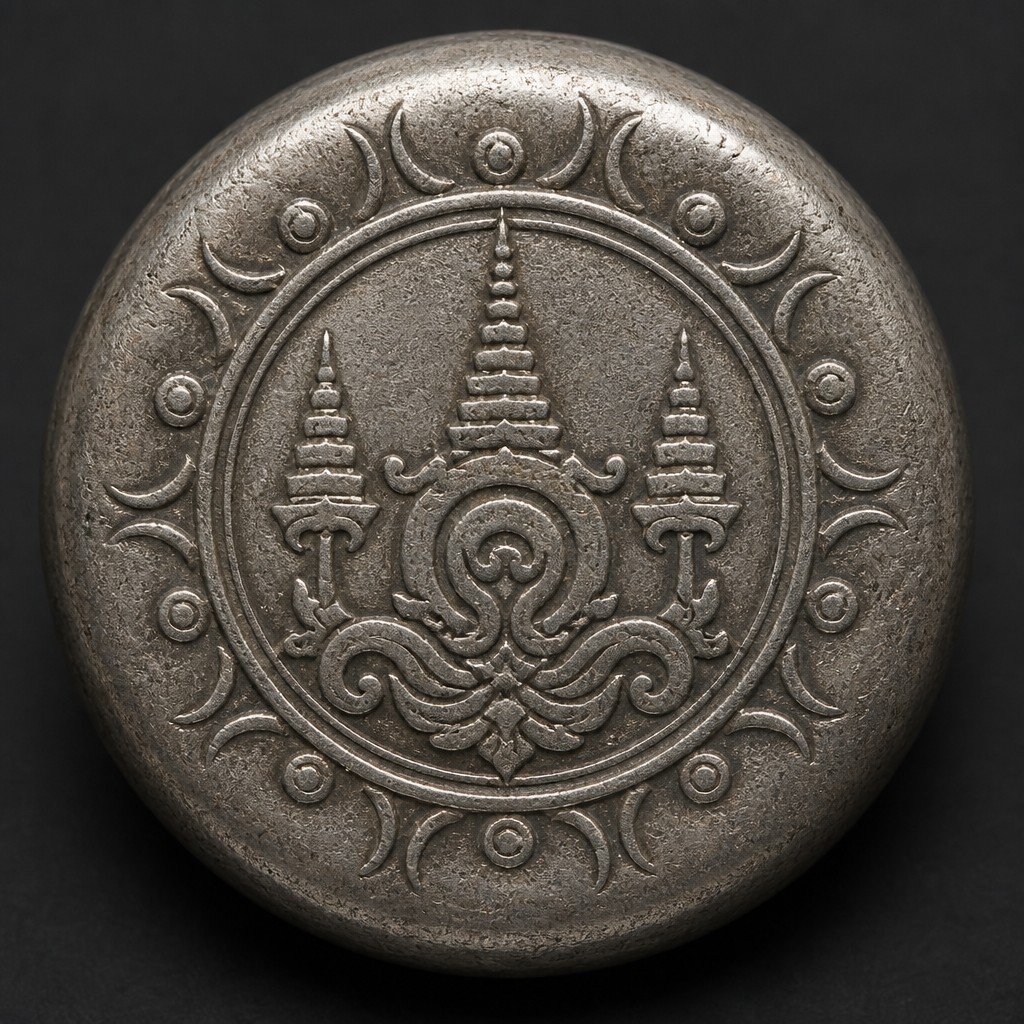
Thailand (Siam) Silver Baht 'Bullet Money' (Pod Duang)
c. 13th century – late 19th century
Yuan Shikai 'Fatman' Dollar (1914)
Dated 1914, struck into the early 1920s