
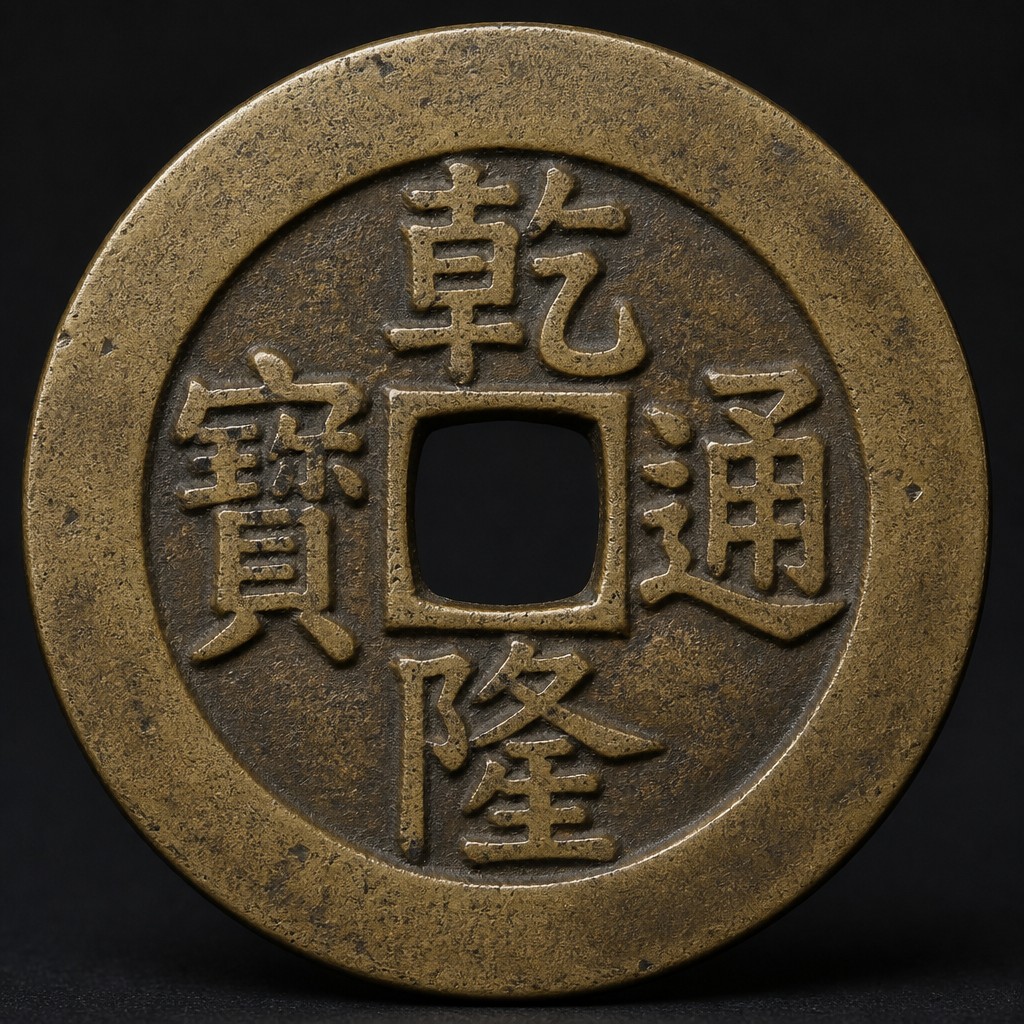
Chinese Qing Dynasty Cash (Qian Long Tong Bao)
A brass cash coin issued during the long, prosperous reign of the Qianlong Emperor, one of the most commonly encountered Qing Dynasty coins in collections today.
- Country
- China (Qing Dynasty)
- Denomination
- Cash (Wen)
- Metal
- Brass/bronze
Got a coin like this?
Identify any coin from a photo, free.
Overview
Qian Long Tong Bao cash coins circulated throughout one of the most celebrated reigns in Chinese imperial history, a period often associated with territorial expansion, cultural flourishing, and economic prosperity under the Manchu-led Qing Dynasty. Because so many were struck across the empire's mint network, they remain among the most commonly found antique Chinese coins today.
Collectors appreciate these coins both as an accessible entry point into Qing Dynasty numismatics and for the added interest of their bilingual design, which combines traditional Chinese characters with Manchu script identifying the issuing mint.
History & Background
The Qianlong Emperor reigned over the Qing Dynasty from 1735/1736 until his formal abdication in 1796, though he continued to hold significant power until his death in 1799, making his reign one of the longest and most influential in Chinese history. Coinage bearing his reign title, Qian Long Tong Bao, was struck at the central Board of Revenue mint in Beijing as well as numerous provincial mints across the empire.
This widespread mint network, combined with the reign's considerable length, resulted in an especially large surviving population of these coins compared to many other Qing reign types, making them a familiar sight in collections and antique markets even today.
How to Identify
The obverse bears four Chinese characters, "Qian Long Tong Bao," read in the traditional order of top, bottom, right, then left. The reverse departs from earlier all-Chinese cash coin designs by displaying two Manchu script characters, reflecting the Qing Dynasty's Manchu ruling heritage, which identify the specific mint that produced the coin, such as the Board of Revenue mint often rendered as "Boo Chiowan."
The coin is round with a square center hole, cast in a brass or yellowish bronze alloy, and typically measures around 25mm in diameter. Identifying the specific mint requires reading the Manchu characters on the reverse, which differ from mint to mint across the empire.
Value & Collectibility
Qian Long Tong Bao cash coins are extremely common and typically quite inexpensive, often available for just a few dollars in ordinary worn condition, owing to the long reign and extensive mint network that produced them. This makes the type a popular and low-cost starting point for new collectors of Chinese coins.
Certain scarcer mint varieties, unusually large or heavy specimens sometimes associated with presentation or "mother coin" status, or exceptionally well-preserved examples can bring meaningfully higher prices among specialists who collect Qing cash coins by mint.
Frequently asked questions
Why does the reverse have different-looking characters than the obverse?
The reverse characters are in Manchu script, the language of the ruling Qing dynasty's Manchu founders, and they identify the specific mint that struck the coin.
Are these coins rare?
No, they are among the more common antique Chinese coins due to the Qianlong Emperor's long reign and the empire's extensive mint network.
How can I tell which mint made my coin?
The two Manchu characters on the reverse identify the mint; reference guides to Qing mint marks can help match them to a specific location.
What made the Qianlong era notable in Chinese history?
It is widely regarded as a high point of Qing Dynasty prosperity, territorial extent, and cultural achievement.
What metal are these coins made of?
Most Qianlong-era cash coins are a brass or bronze alloy, giving them a characteristic yellowish color.
Other coins you may enjoy
Nepal Silver Mohar
c. 16th–19th century
Korean 5 Yang Silver Dollar (1892)
1892
Nguyen Dynasty Gold Bar (Vietnam)
19th century
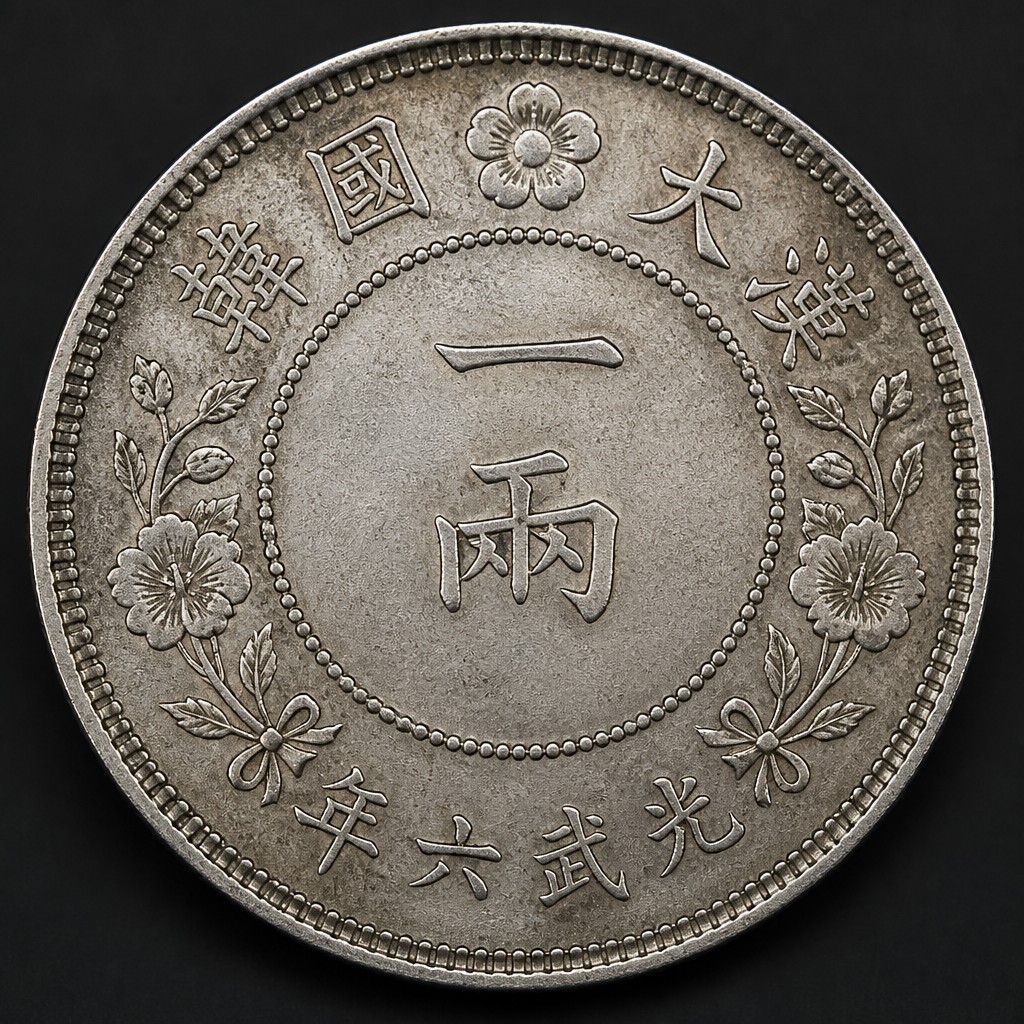
Korean 1 Yang Silver (Joseon/Great Han Empire)
1892–1902
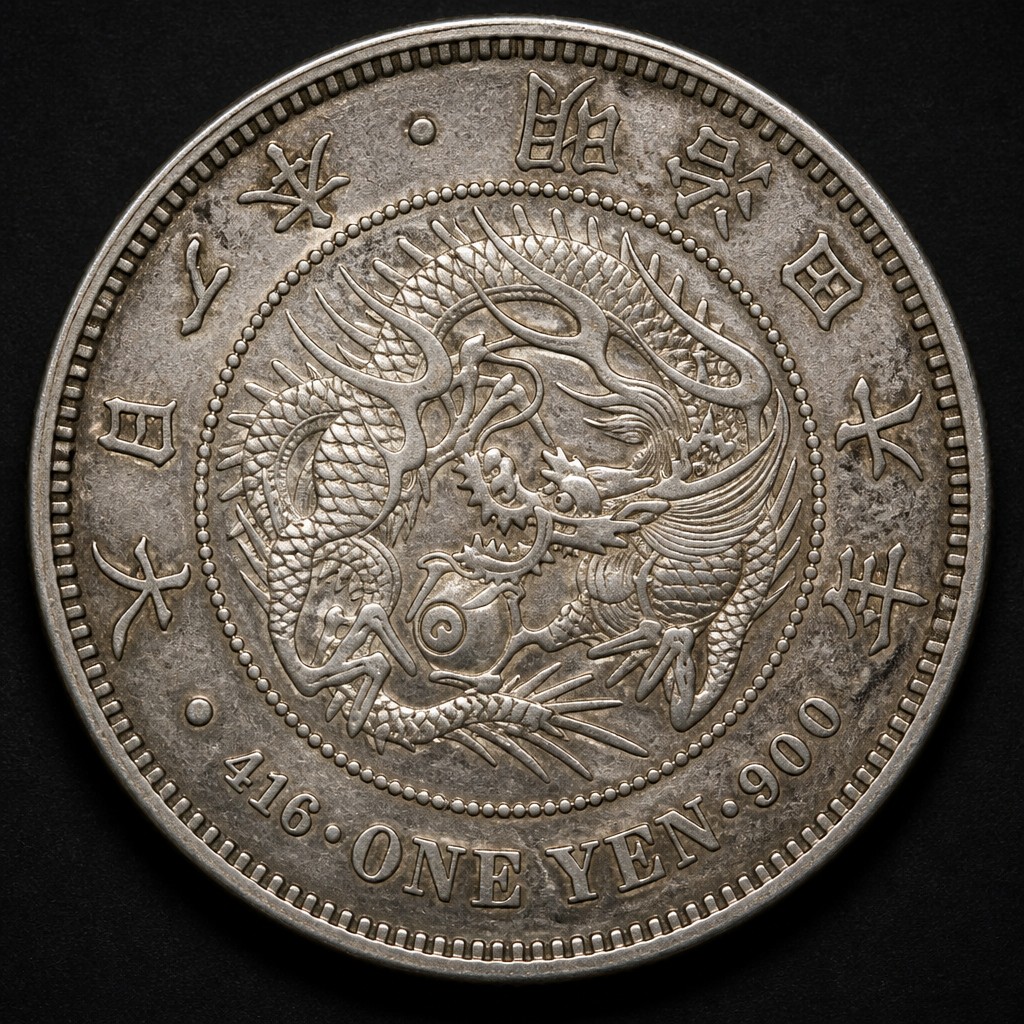
Japanese 1 Yen Silver 'Dragon' Trade Dollar
1870–1914 (trade dollar variant 1875–1877)
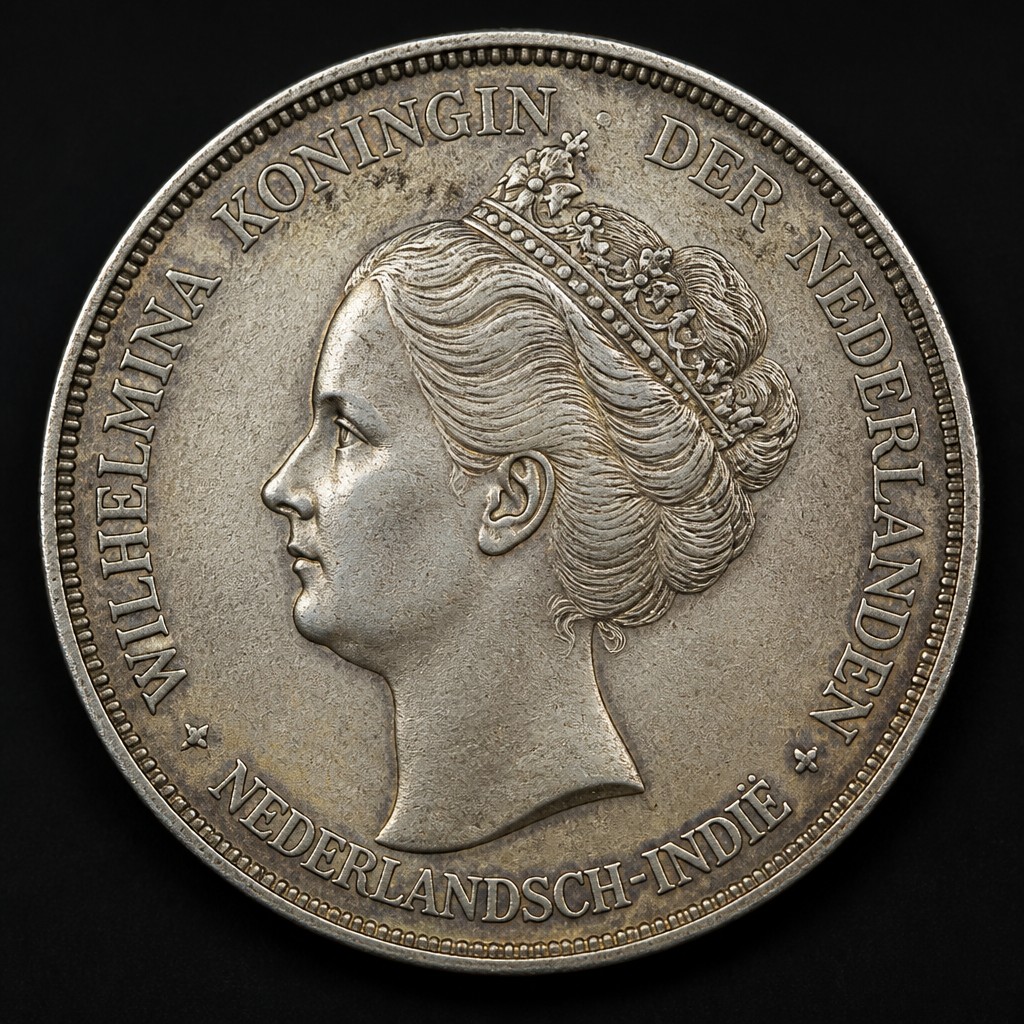
Netherlands East Indies Gulden (Wilhelmina)
1897–1945
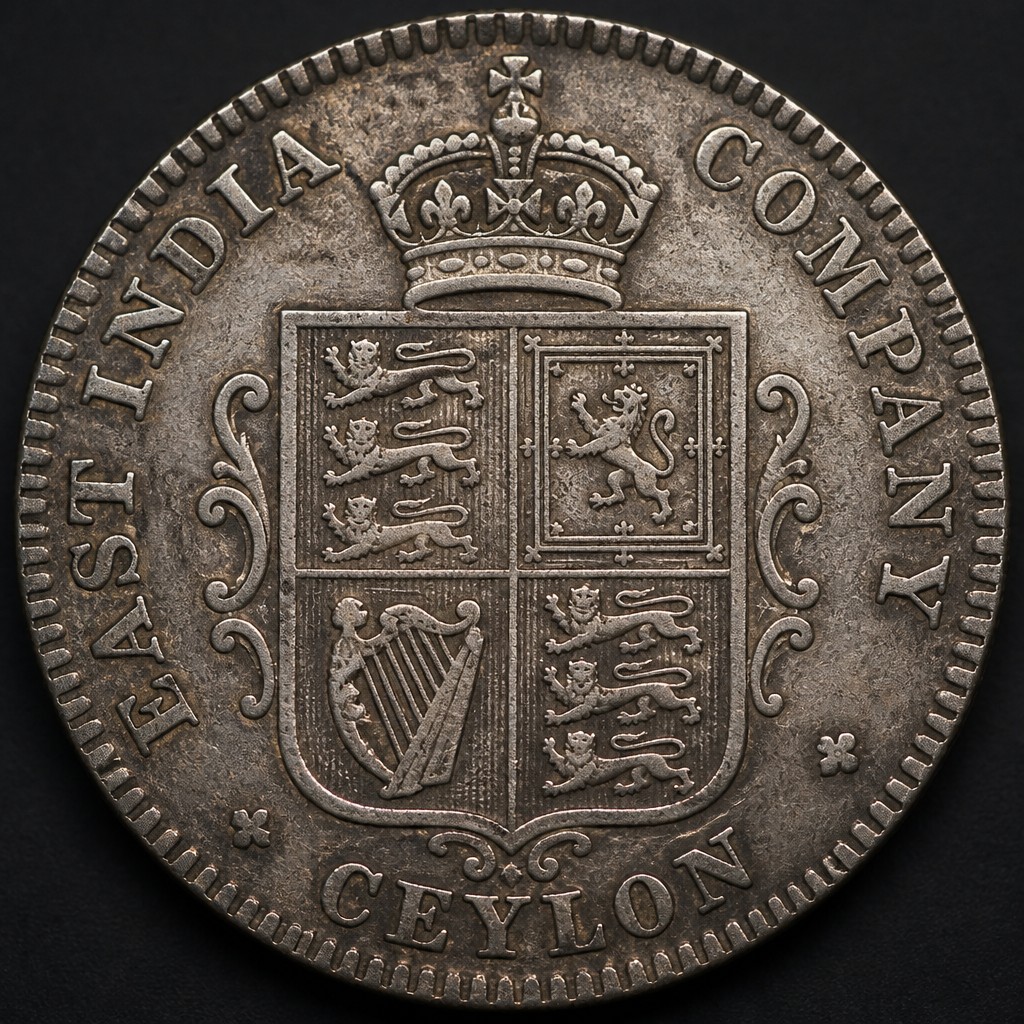
Ceylon (Sri Lanka) EIC Rixdollar
c. 1802–1821
Chinese Cash Coin (Qing Dynasty 'Kangxi Tongbao')
1662–1722
Chinese Hupeh Province Dragon Dollar
c. 1895–1909
Chinese Empire Silver Dollar (Hsuan Tung Dragon)
1909–1911
Thailand (Siam) Silver Baht 'Bullet Money' (Pod Duang)
c. 13th century – late 19th century
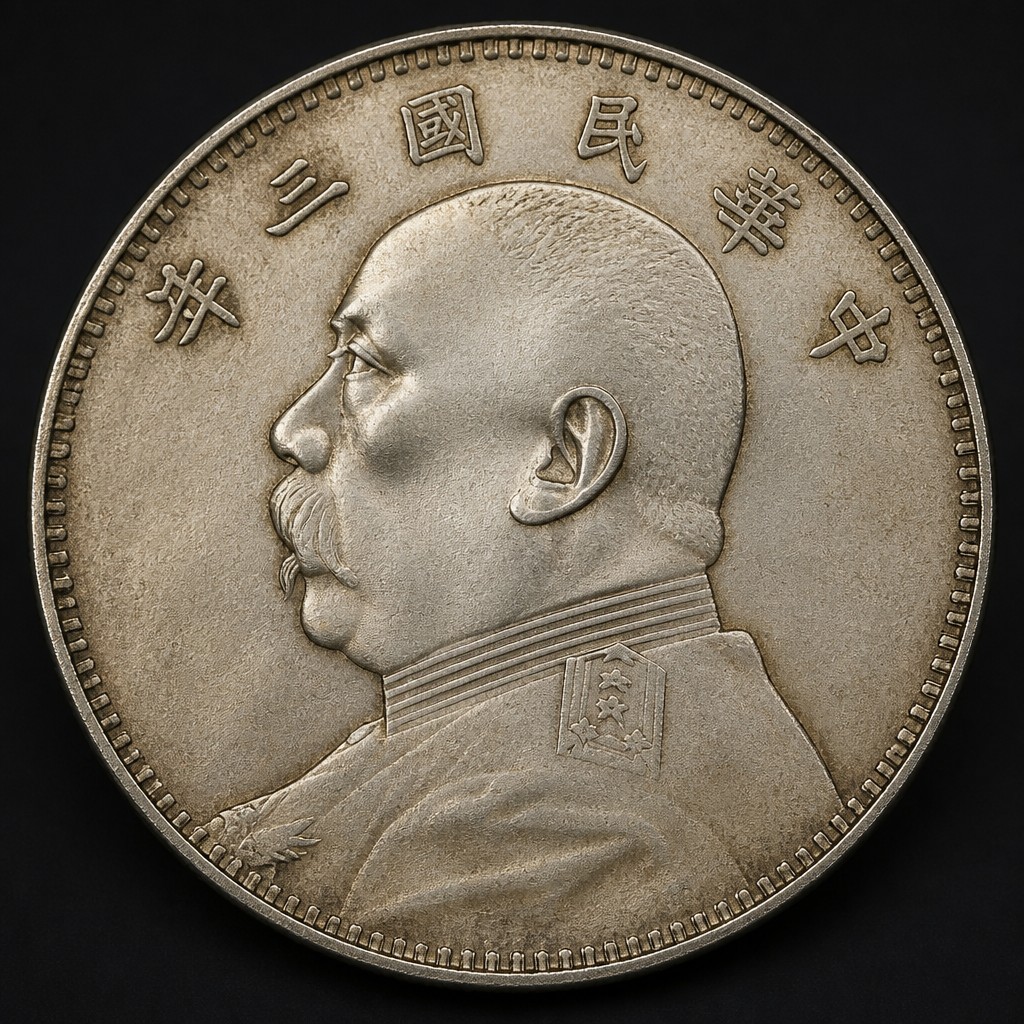
Yuan Shikai 'Fatman' Dollar (1914)
Dated 1914, struck into the early 1920s