
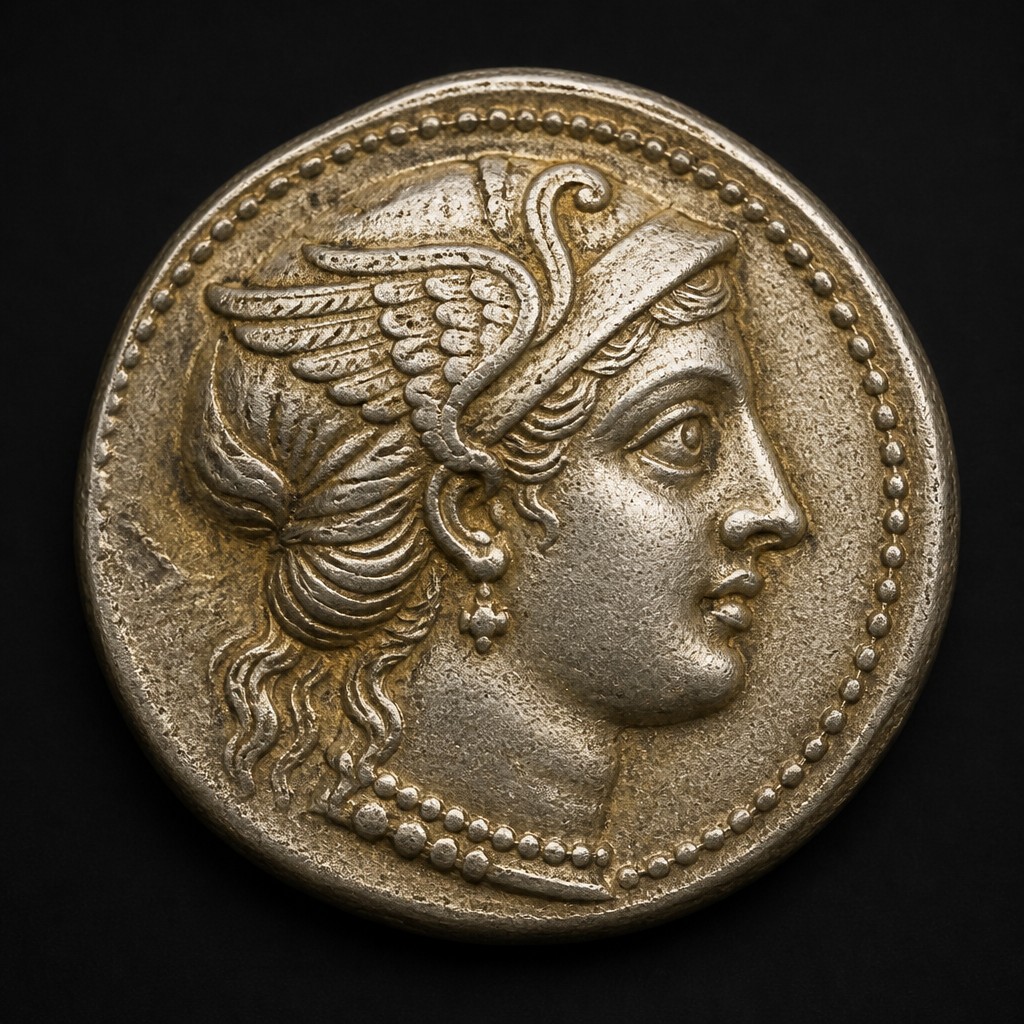
Carthage Zeugitania Electrum Stater
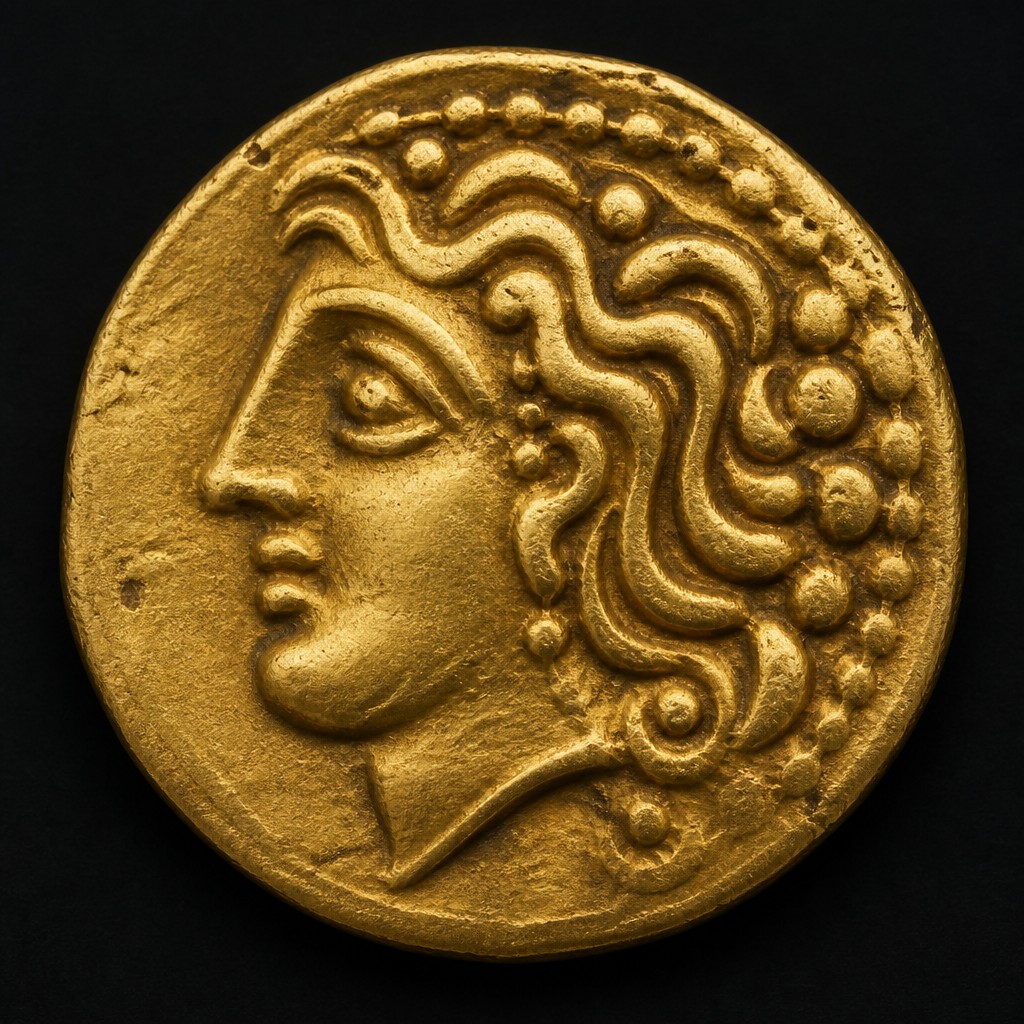
A gold-silver electrum coin struck by Carthage, chiefly to fund its wars in Sicily, showing a wreathed female head and a horse or horse's head.
- Country
- Ancient Carthage
- Denomination
- Stater (Shekel)
- Metal
- Electrum (gold-silver alloy)
Got a coin like this?
Identify any coin from a photo, free.
Overview
The Carthaginian electrum stater is among the most historically loaded coins of the ancient Mediterranean, struck by North Africa's great trading power to pay the mercenary armies it sent to fight for control of Sicily. Electrum, a naturally occurring (and sometimes artificially blended) alloy of gold and silver, let Carthage stretch its precious-metal reserves during decades of costly conflict.
Collectors are drawn to these coins both for their striking Hellenistic-influenced artistry, produced by Greek die engravers working in Carthaginian service in Sicily, and for the way the series visibly documents Carthage's fortunes: the gold content of the alloy tends to decline as the wars against Syracuse and later Rome dragged on and state finances tightened.
As one of the few substantial coinages left by Carthage before its eventual destruction by Rome, the series offers a rare numismatic window into a civilization whose own written records barely survive.
History & Background
Carthage, a Phoenician colony in what is now Tunisia, only began striking coinage seriously once it became entangled in the affairs of Sicily during the late 5th century BC, largely to pay Greek and other mercenary soldiers who would not accept payment in kind. The electrum stater series grew out of this military necessity and continued through the long Sicilian wars against Syracuse and into the First Punic War against Rome.
Because the dies were frequently cut by Greek engravers working in Carthaginian-held Sicilian cities, the coins borrow heavily from Sicilian Greek numismatic art, particularly the Syracusan tradition, even while carrying distinctly Carthaginian religious symbols. As Carthage's treasury came under strain, particularly by the mid-3rd century BC, the gold proportion within the electrum was reduced, a debasement pattern numismatists have used to help sequence the coinage chronologically.
The series effectively ends with Carthage's defeat in the First Punic War and the loss of its Sicilian holdings in 241 BC, after which Carthaginian coinage shifted focus toward Spain and other theaters.
How to Identify
The obverse typically shows the wreathed head of a goddess, generally identified as Tanit, the chief goddess of Carthage, though her portrait is rendered in a Greek stylistic idiom that has led some scholars to compare her to Persephone or Arethusa on contemporary Sicilian coins. She often wears a wreath of grain, reeds, or laurel and sometimes triple-pendant earrings.
The reverse commonly depicts a horse, either a free-standing horse or simply a horse's head, sometimes with a palm tree in the background, a possible pun on the Phoenician word for Carthage's region or a reference to date-palm cultivation. Legends are minimal or absent, occasionally featuring Punic letters rather than Greek or Latin script.
Weight standards and gold content vary across the long production run, so precise attribution to a specific issue or approximate date generally relies on comparing style, weight, and alloy color rather than any inscribed date. Because true electrum can appear anywhere from pale yellow-gold to a more silvery hue depending on its gold-to-silver ratio, color alone is not a reliable dating tool without technical analysis.
Value & Collectibility
Genuine Carthaginian electrum staters are ancient and scarce enough that even well-worn examples carry meaningful value, generally starting in the low thousands of dollars for a modest grade example and rising well beyond that for pieces with strong strikes, attractive centering, and high gold content. Because the series spans many die varieties and alloy stages, specialists often pay a premium for well-documented, published types.
Condition, strike quality, and how well the goddess's portrait and the horse are centered all affect price substantially, as does provenance given the coin's importance and the market's caution around ancient Mediterranean material. As with most ancient coinage, professional attribution and, where possible, metallurgical testing add confidence and can affect value.
Frequently asked questions
What is electrum?
Electrum is a naturally occurring or man-made alloy of gold and silver, sometimes with trace copper, used for early and Carthaginian coinages before pure gold or silver became standard.
Who is depicted on the obverse?
Most numismatists identify the veiled or wreathed female head as Tanit, Carthage's principal goddess, though the engraving style borrows heavily from Greek Sicilian art.
Why did Carthage strike these coins?
They were minted mainly to pay mercenary soldiers fighting Carthage's wars in Sicily against Syracuse and, later, Rome.
Why does the gold content vary?
As Carthage's finances came under pressure during prolonged warfare, the state gradually reduced the proportion of gold in the electrum alloy, a pattern used to help date issues.
Are these coins rare today?
They are scarce ancient coins; genuine, well-preserved examples are actively sought by specialists in Punic and Sicilian Greek numismatics.
Other coins you may enjoy
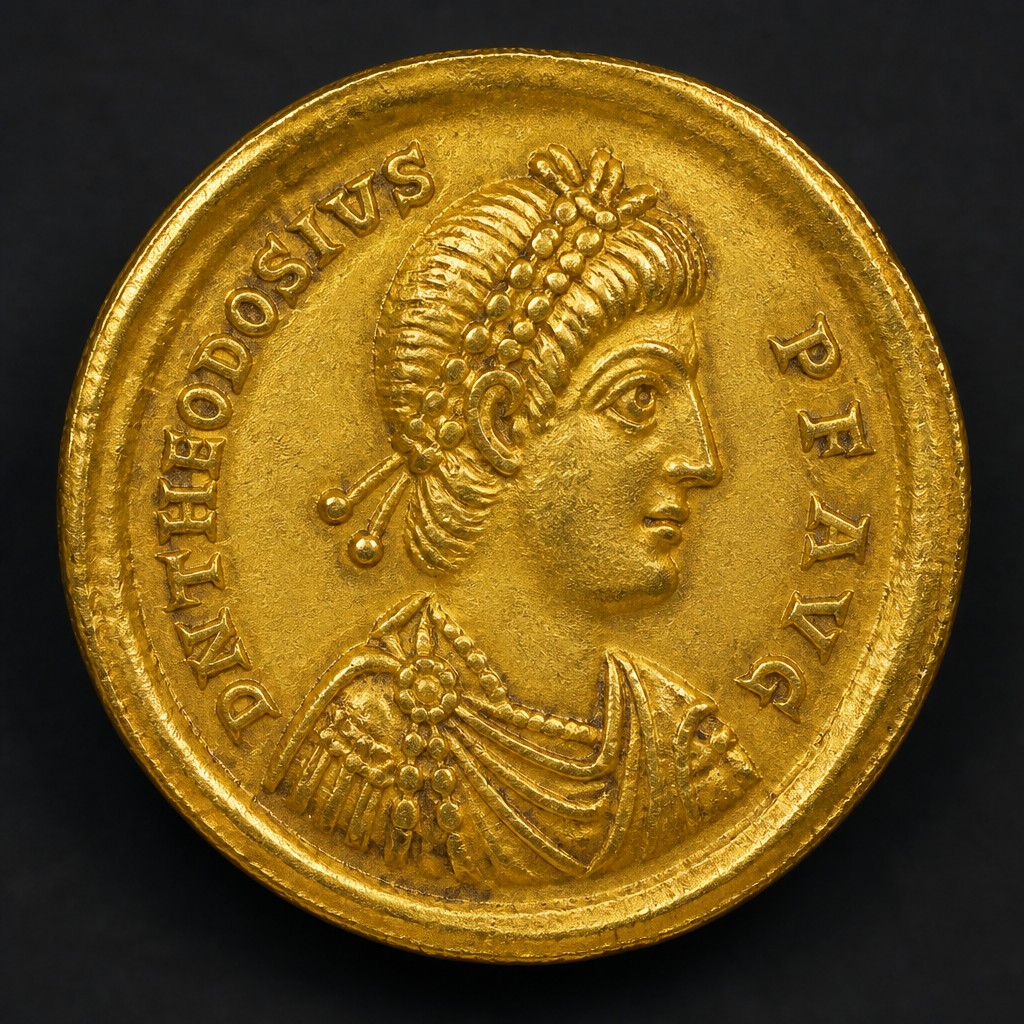
Theodosius I Solidus
379–395 AD
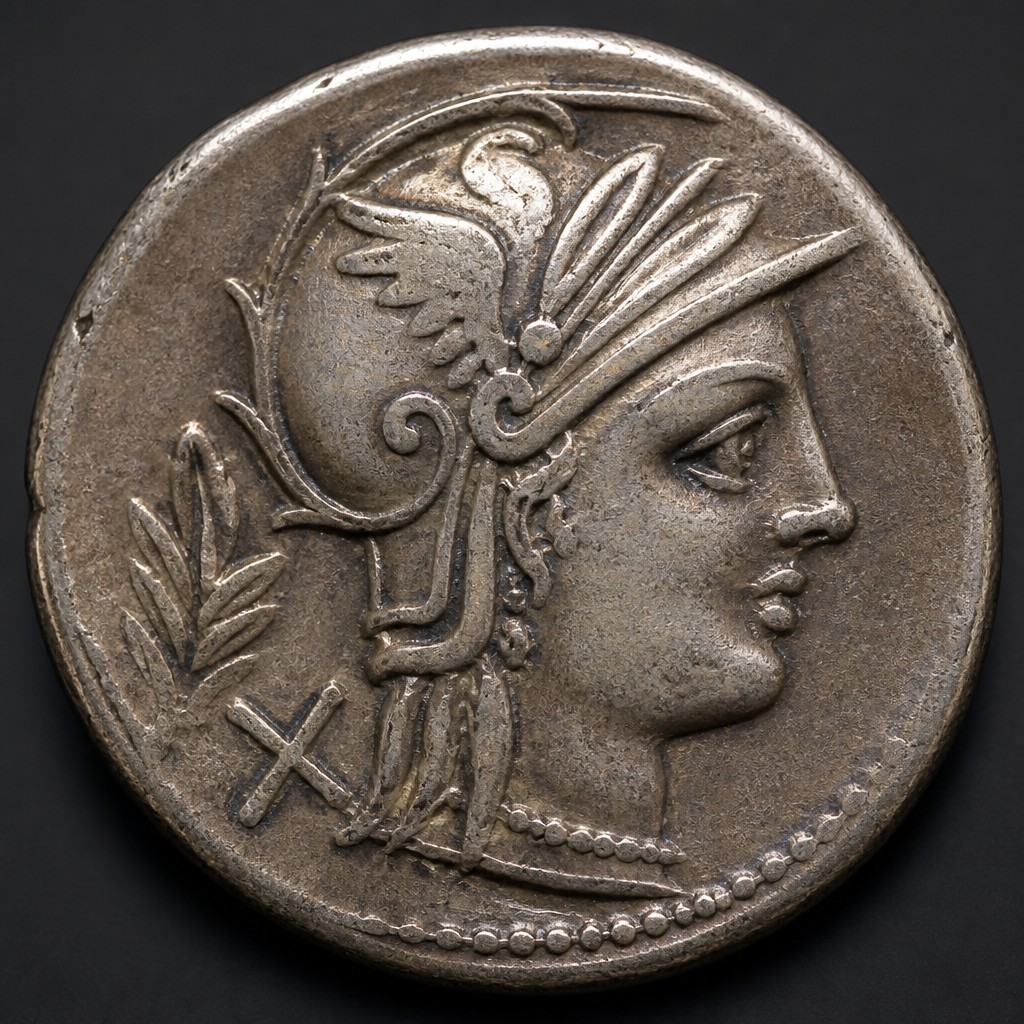
Republican Victoriatus
c. 211–170 BC
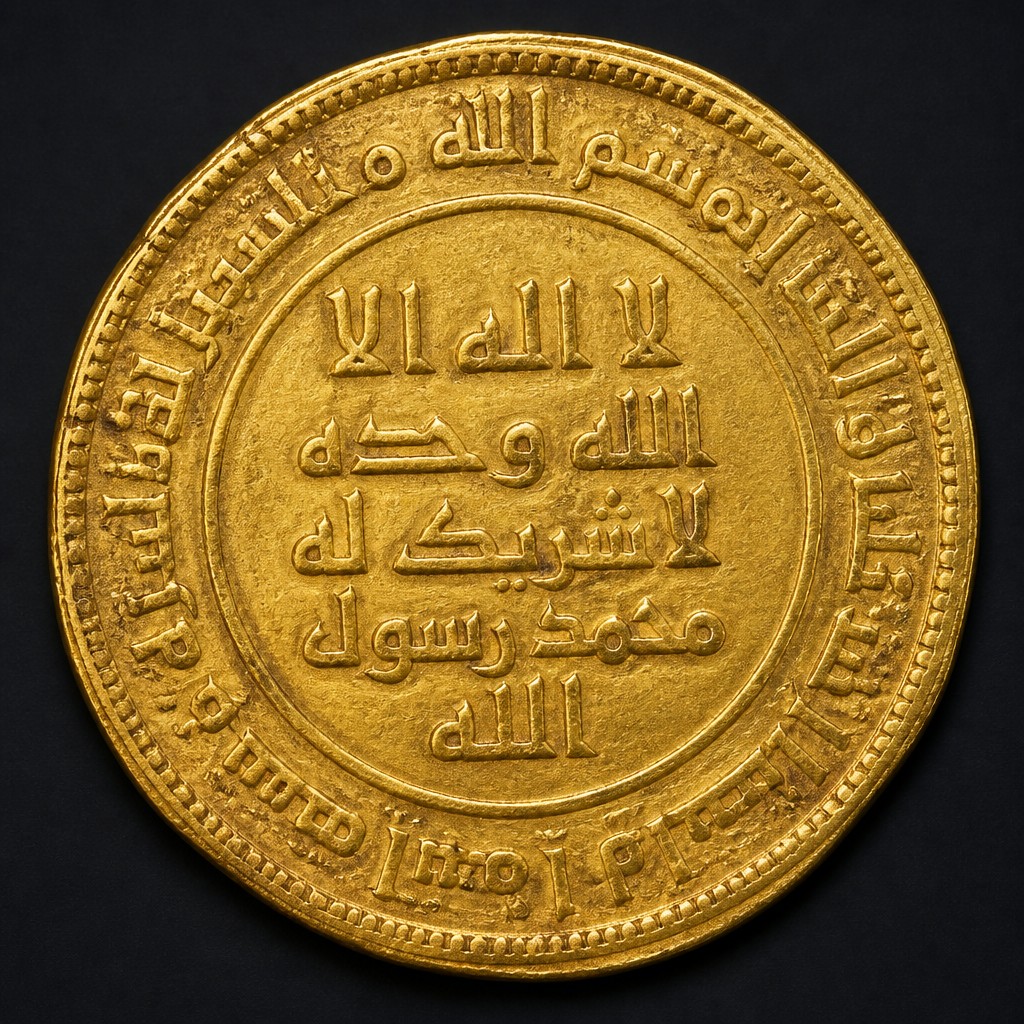
Islamic Gold Dinar (Umayyad)
c. 696–750 AD
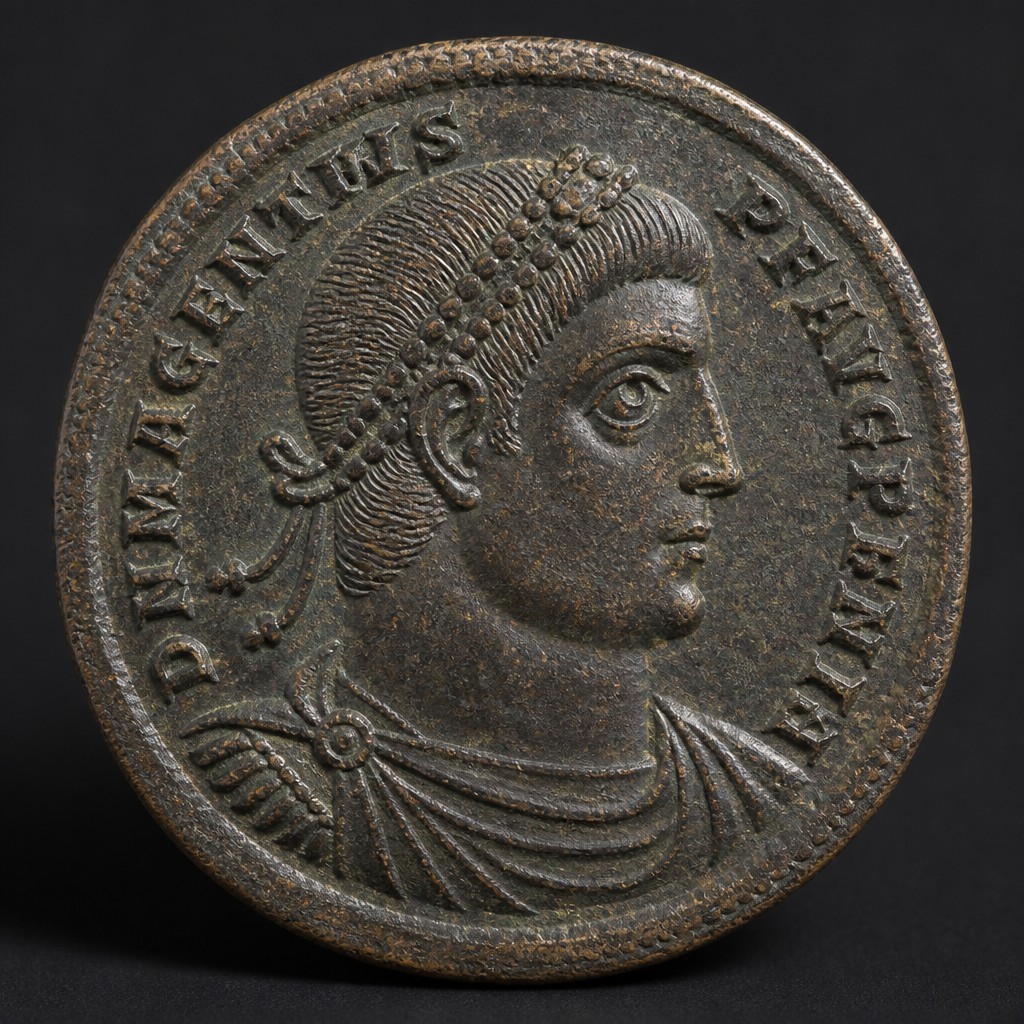
Magnentius Double Centenionalis
350–353 AD
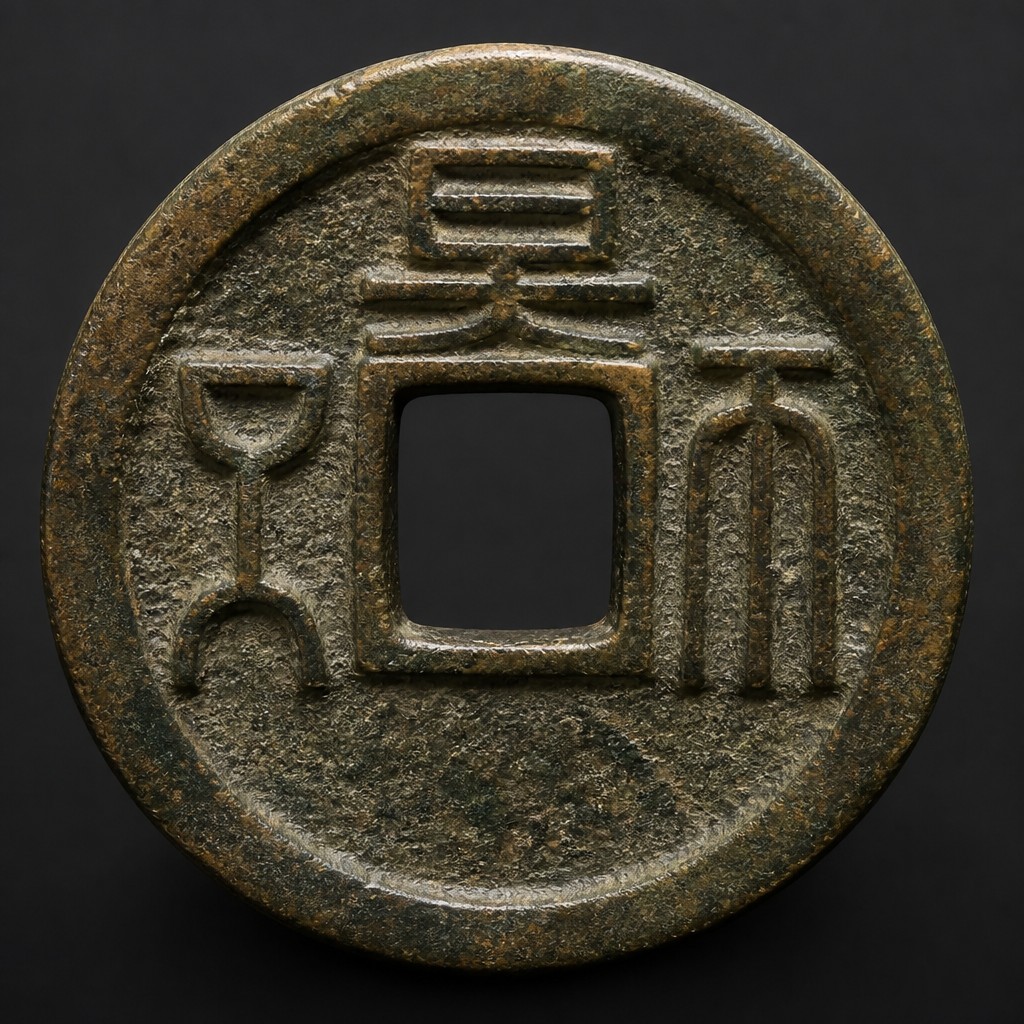
Chinese Wu Zhu Cash
118 BC – 618 AD
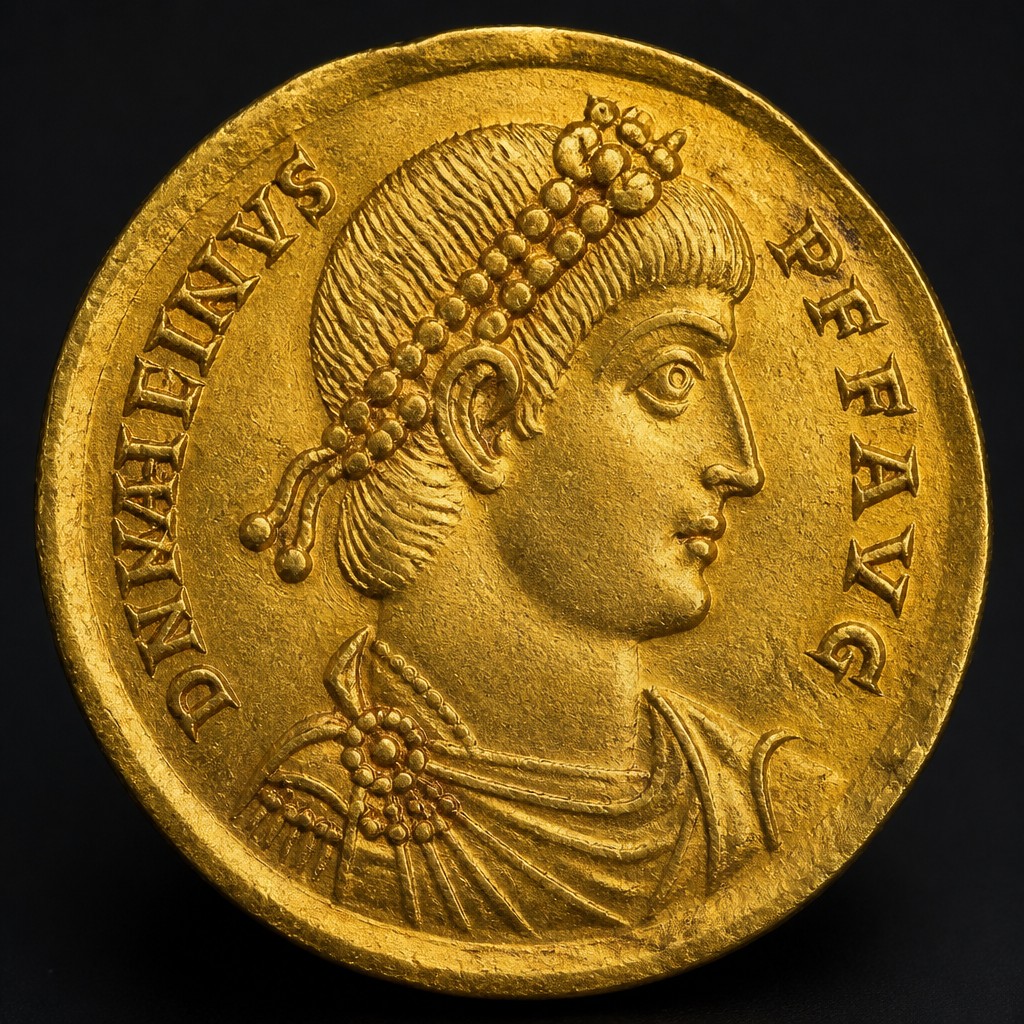
Valentinian I Solidus
364–375 AD
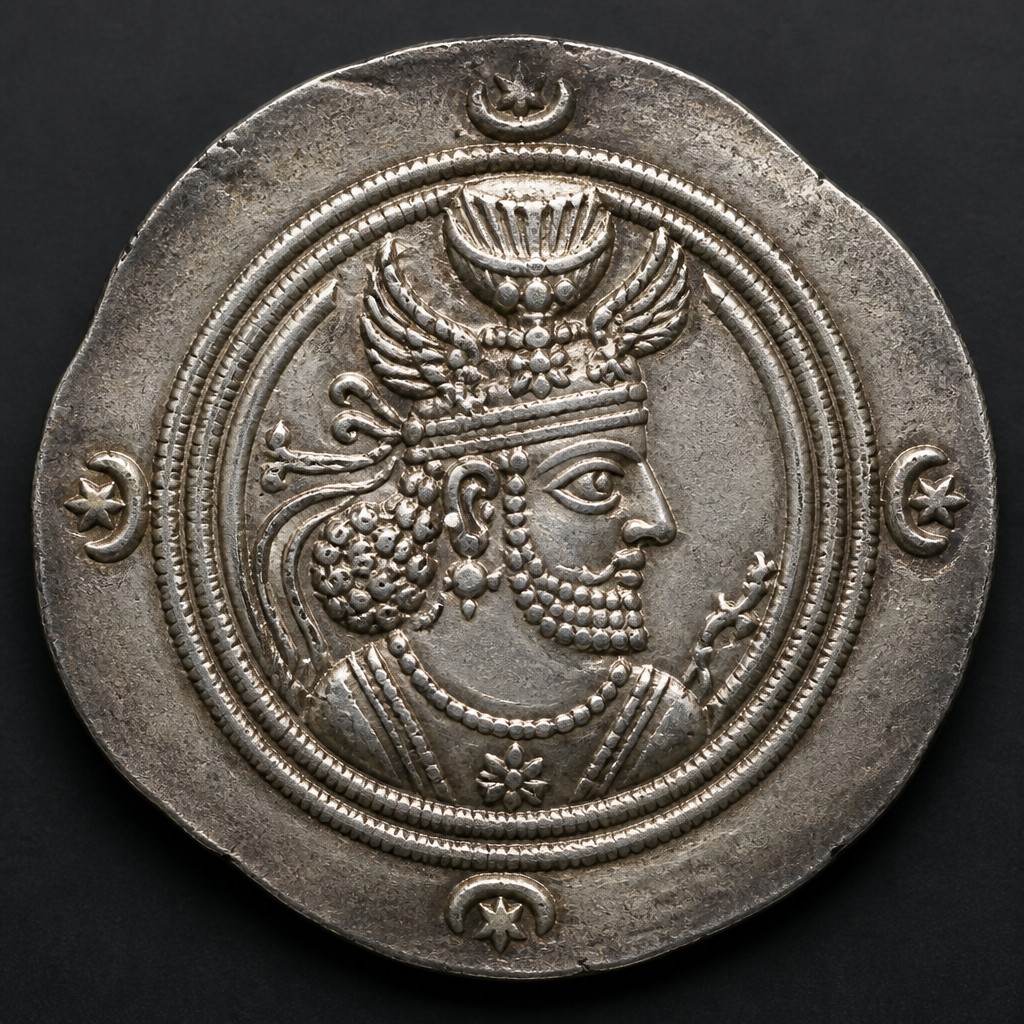
Sassanian Silver Drachm
c. 224–651 AD
Chinese Ban Liang Cash
c. 221–118 BC
Gupta Empire Gold Dinar
c. 320–550 AD
Byzantine Gold Tremissis
c. 4th–7th century AD
Byzantine Follis
498–c. 11th century AD
Celtic Gold Stater
c. 3rd century BC – 1st century AD