
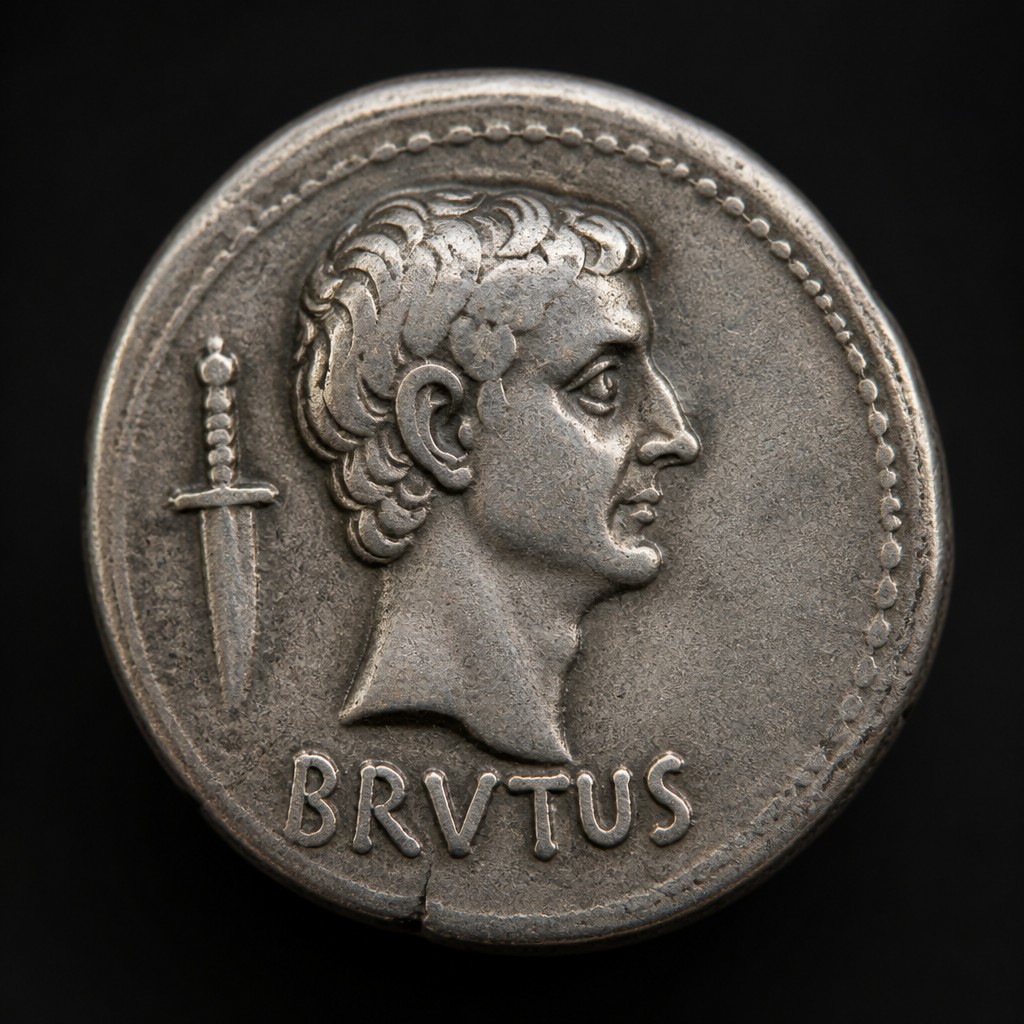
Brutus EID MAR Denarius
One of the most famous coins in existence, issued by Julius Caesar's assassin Brutus to commemorate the Ides of March, showing two daggers flanking a cap of liberty.
- Country
- Roman Republic
- Denomination
- Denarius
- Metal
- Silver (approx. 95-98% fine)
Got a coin like this?
Identify any coin from a photo, free.
Overview
The EID MAR denarius is arguably the single most celebrated coin in all of ancient numismatics, issued by Marcus Junius Brutus to openly commemorate his role in assassinating Julius Caesar on the Ides of March, 44 BC. Its brazen, self-incriminating design, proclaiming an act of political murder directly on state coinage, has no real parallel elsewhere in ancient or modern numismatics.
Extreme rarity compounds the coin's fame: only a small number of genuine examples are known to exist, particularly in the far rarer gold aureus version, which has sold for multi-million-dollar sums at auction when examples have appeared. Even the more numerous silver denarius version remains a landmark rarity, and any genuine example represents one of the most historically and financially significant ancient coins a collector could ever hope to encounter.
History & Background
After participating in the assassination of Julius Caesar on the Ides of March (March 15), 44 BC, Marcus Junius Brutus fled Rome and eventually raised an army in the eastern provinces alongside his co-conspirator Gaius Cassius Longinus, preparing for the civil war against Caesar's avengers, Octavian and Mark Antony. In 42 BC, in the lead-up to the decisive Battle of Philippi, Brutus's military mint struck this denarius to pay and rally his troops.
Rather than avoiding the controversy of Caesar's murder, the coin openly celebrates it, pairing Brutus's own portrait with a reverse showing the pileus, a cap traditionally given to freed slaves and symbolizing liberty, flanked by two daggers, and the inscription EID MAR, an abbreviation for the Ides of March. This stands as a uniquely bold piece of political messaging, presenting the assassination as an act of liberation from tyranny rather than a crime.
Brutus and Cassius were ultimately defeated at the Battle of Philippi later in 42 BC, and both took their own lives following the loss, ending the conspirators' cause and paving the way for Octavian's eventual rise to sole power as Augustus.
How to Identify
The obverse shows a bare-headed portrait of Brutus with the legend BRVT IMP, referencing his acclamation as imperator, along with the name of the moneyer responsible for the issue, Lucius Plaetorius Cestianus, abbreviated as L PLAET CEST. This marks a notable irony, since Brutus, an opponent of one-man rule, nonetheless placed his own portrait on the coin in a manner similar to Caesar's controversial lifetime portrait issue.
The reverse is the coin's most iconic and distinctive feature: a pileus, the soft conical cap traditionally awarded to freed slaves and symbolizing liberty, positioned between two daggers, with the legend EID MAR below, an abbreviation of Latin "Eidibus Martiis" ("on the Ides of March"). This design directly and unambiguously references the assassination of Caesar.
The coin follows the standard small Roman silver denarius size of roughly 18-19mm, though a far rarer gold aureus version of the same design also exists. Because the coin has been forged and imitated over the centuries owing to its fame, and because genuine examples are so scarce, authentication by recognized ancient coin specialists is essential before any purchase or serious assessment of an example claiming to be genuine.
Value & Collectibility
The EID MAR denarius is one of the most valuable and celebrated ancient coins in existence. Genuine silver denarius examples, of which only a limited number are known, have sold at auction for prices ranging from roughly one hundred thousand to several hundred thousand dollars depending on condition and provenance, while the exceptionally rare gold aureus version achieved a widely reported sale price of over four million dollars in 2020, among the highest prices ever paid for an ancient coin.
Given the coin's fame, extremely limited number of genuine specimens, and long history of imitation, any example presented for sale warrants especially careful, expert scrutiny, and should ideally carry a well-documented provenance and certification from a recognized ancient coin authority. For most collectors, the EID MAR denarius represents an aspirational rarity discussed and studied more often than actually owned.
Frequently asked questions
What does EID MAR mean?
It is an abbreviation of the Latin 'Eidibus Martiis,' meaning 'on the Ides of March,' the day Julius Caesar was assassinated in 44 BC.
Who issued this coin?
It was issued by Marcus Junius Brutus, one of Caesar's assassins, in 42 BC to pay and rally his troops before the Battle of Philippi.
Why is the design considered so unusual?
It openly commemorates a political assassination, pairing a cap of liberty and two daggers with the date of the murder, an extraordinarily bold and unparalleled piece of ancient political messaging.
How rare is this coin?
Only a very small number of genuine examples are known, particularly the gold aureus version, making it one of the rarest and most valuable ancient coins in existence.
Has this coin sold for a lot of money?
Yes, a genuine gold aureus example reportedly sold for over four million dollars in 2020, among the highest prices ever recorded for an ancient coin.
Other coins you may enjoy
Theodosius I Solidus
379–395 AD
Republican Victoriatus
c. 211–170 BC
Islamic Gold Dinar (Umayyad)
c. 696–750 AD
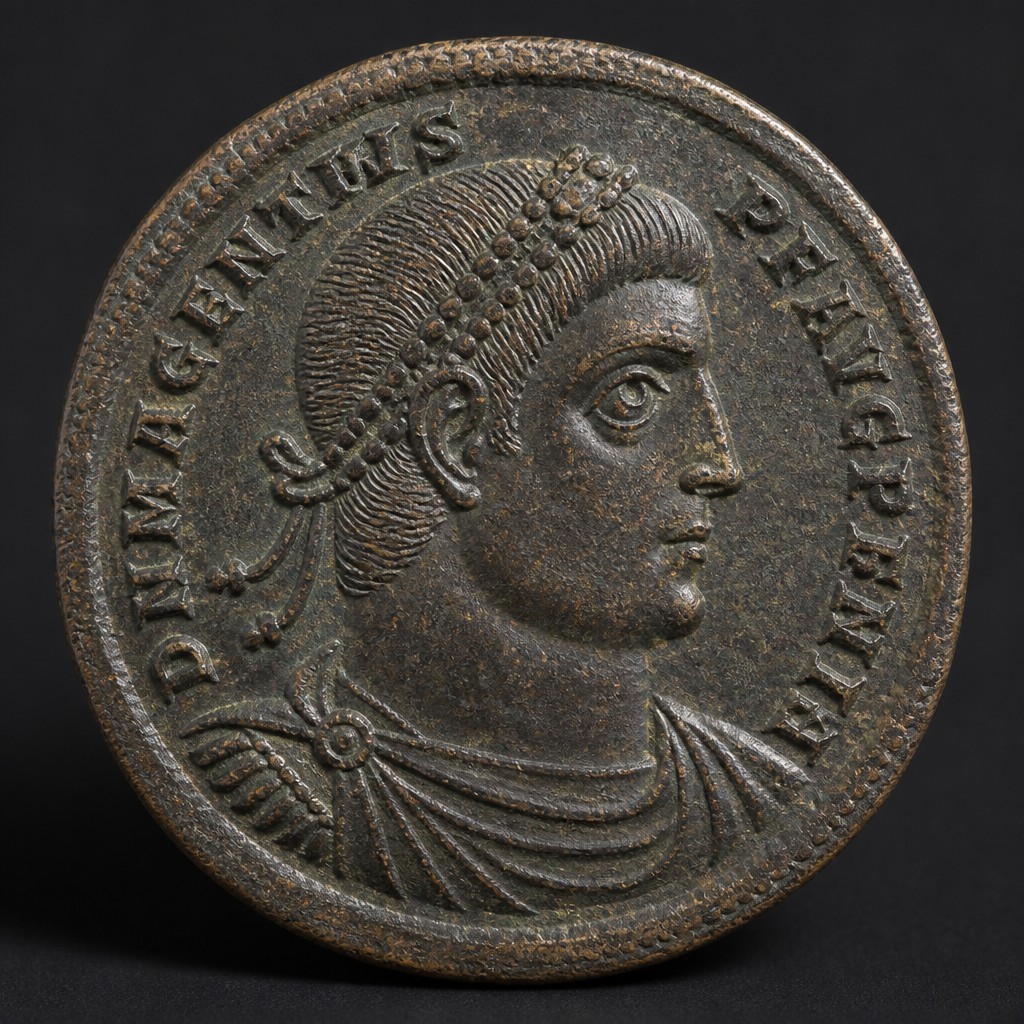
Magnentius Double Centenionalis
350–353 AD
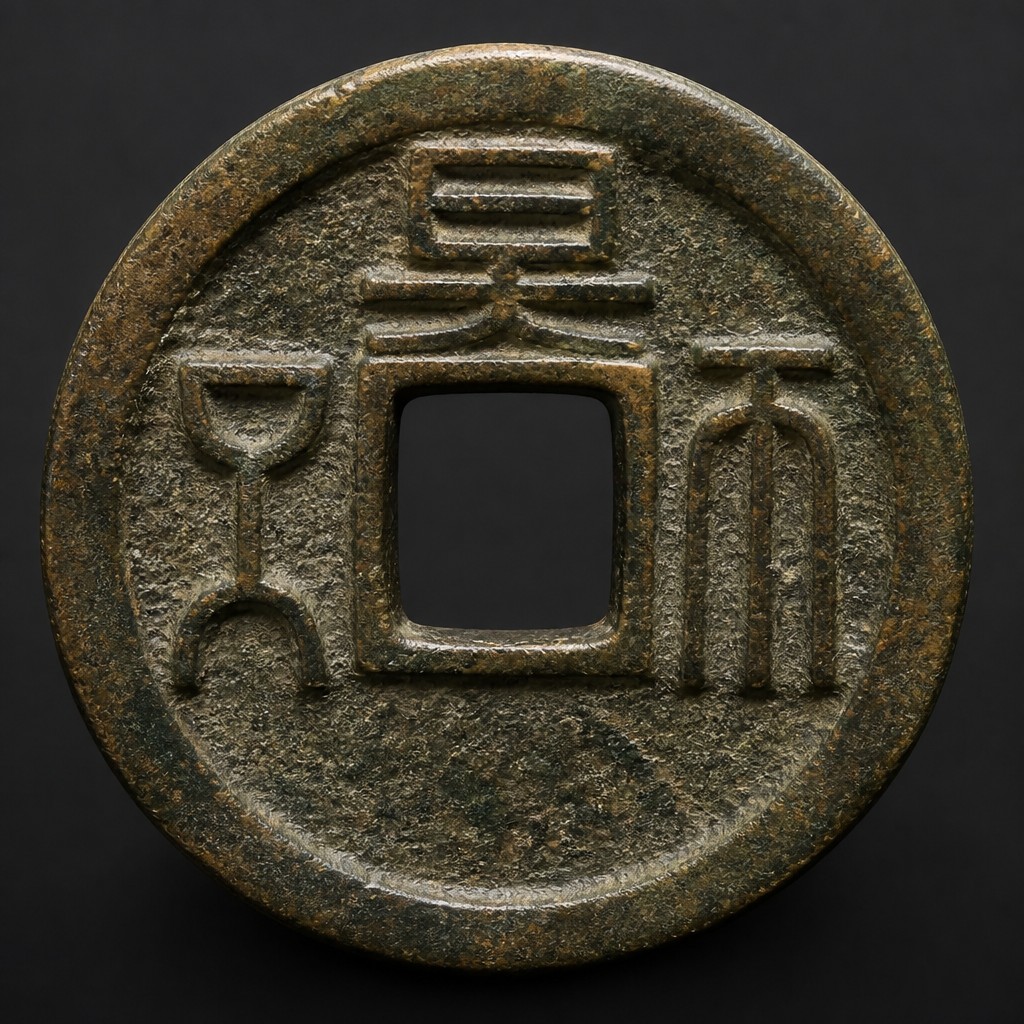
Chinese Wu Zhu Cash
118 BC – 618 AD
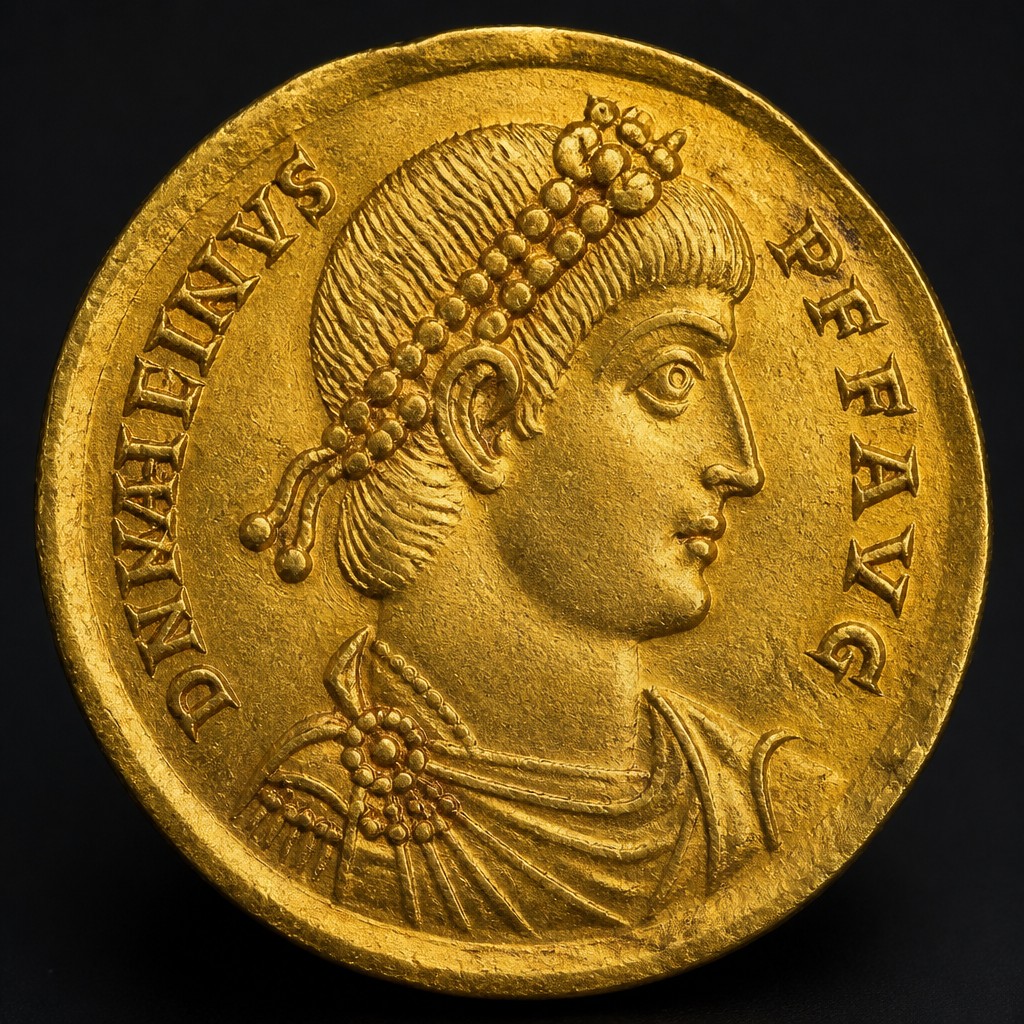
Valentinian I Solidus
364–375 AD
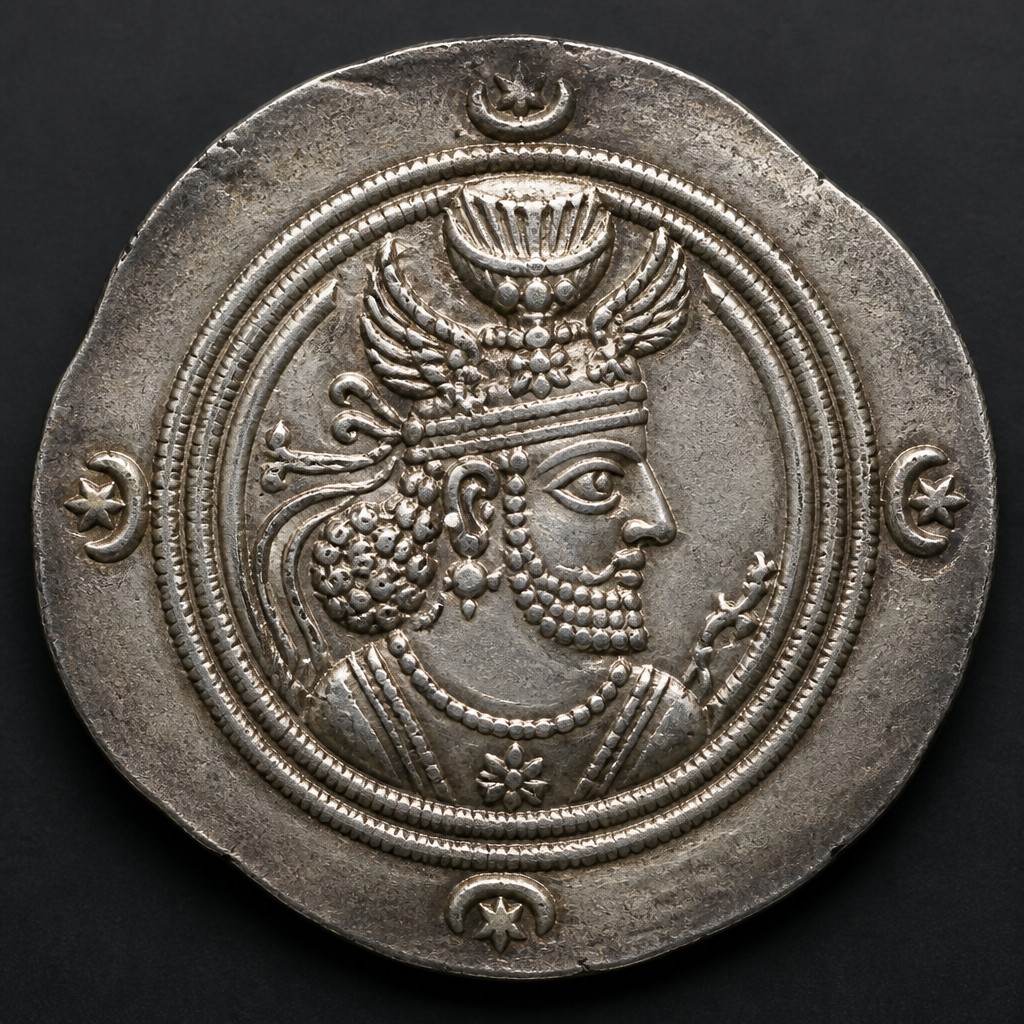
Sassanian Silver Drachm
c. 224–651 AD
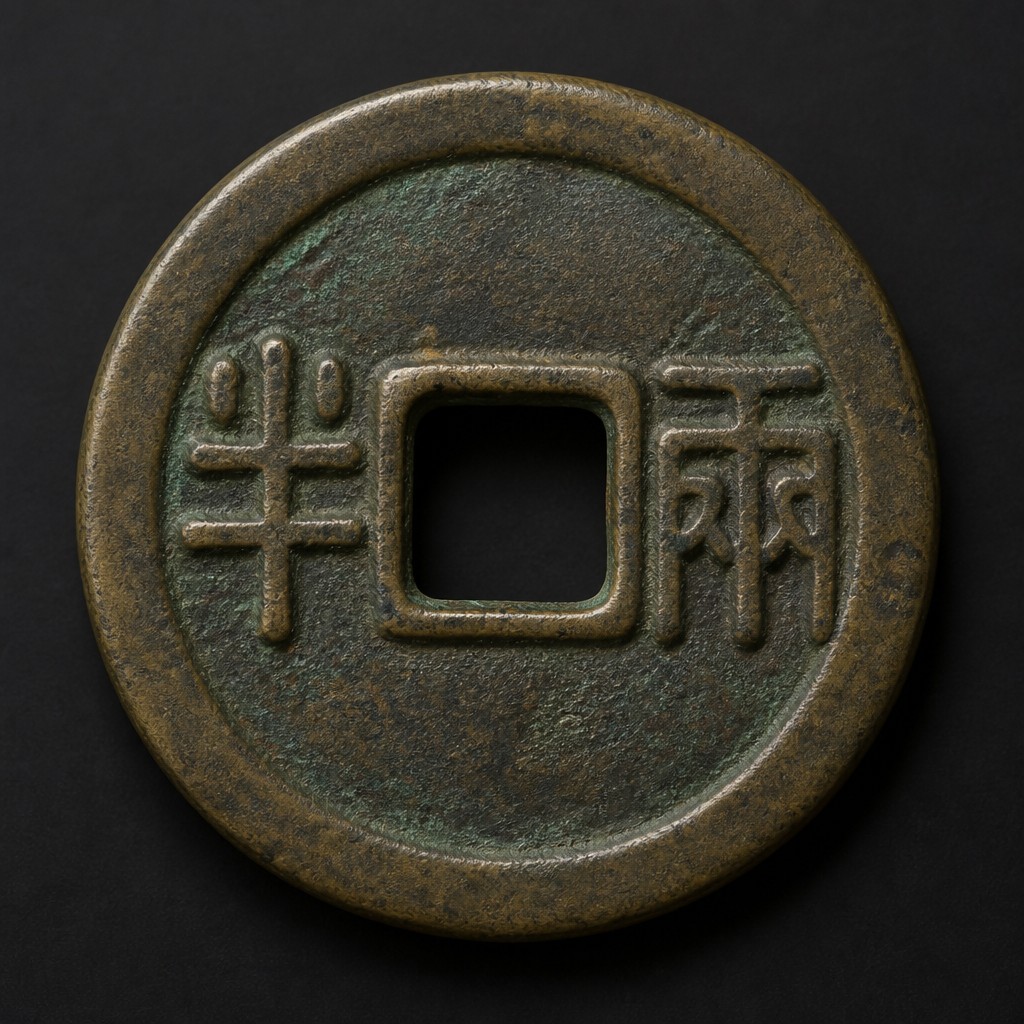
Chinese Ban Liang Cash
c. 221–118 BC
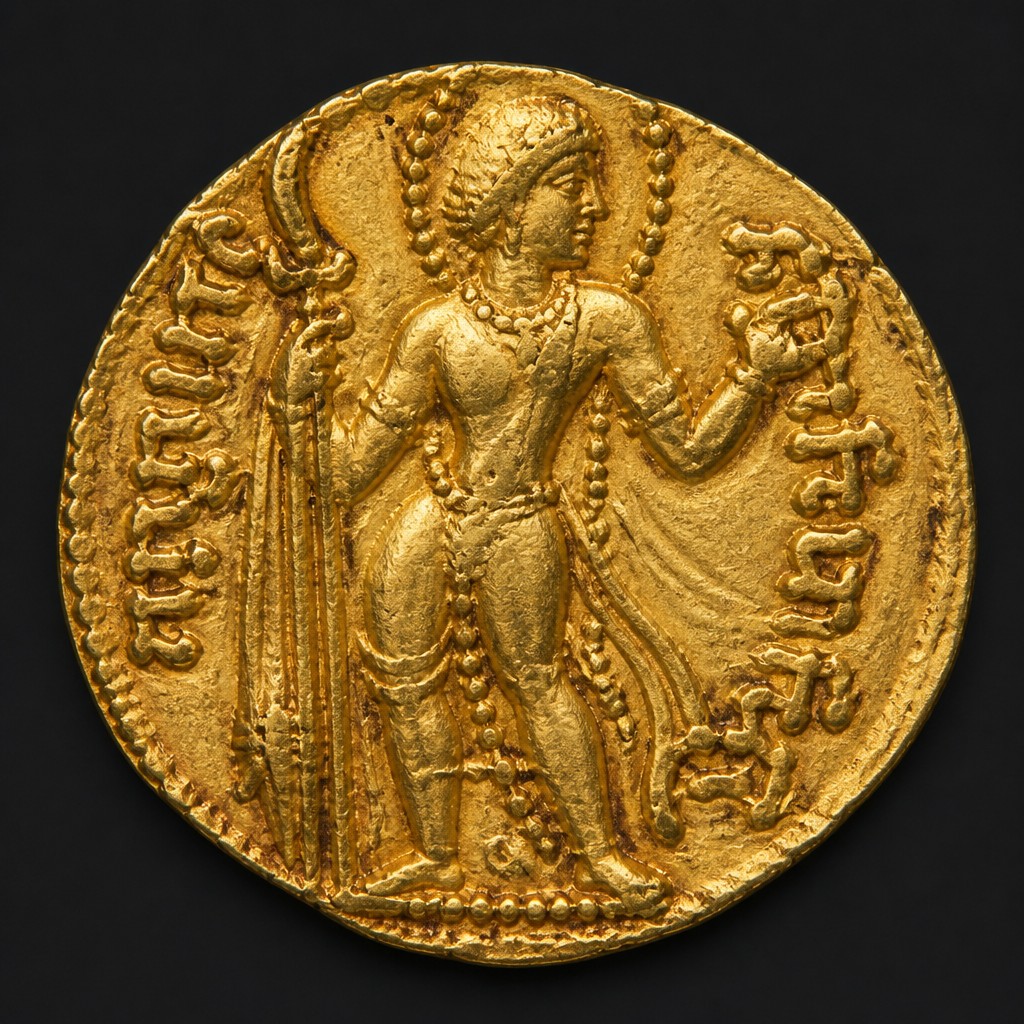
Gupta Empire Gold Dinar
c. 320–550 AD
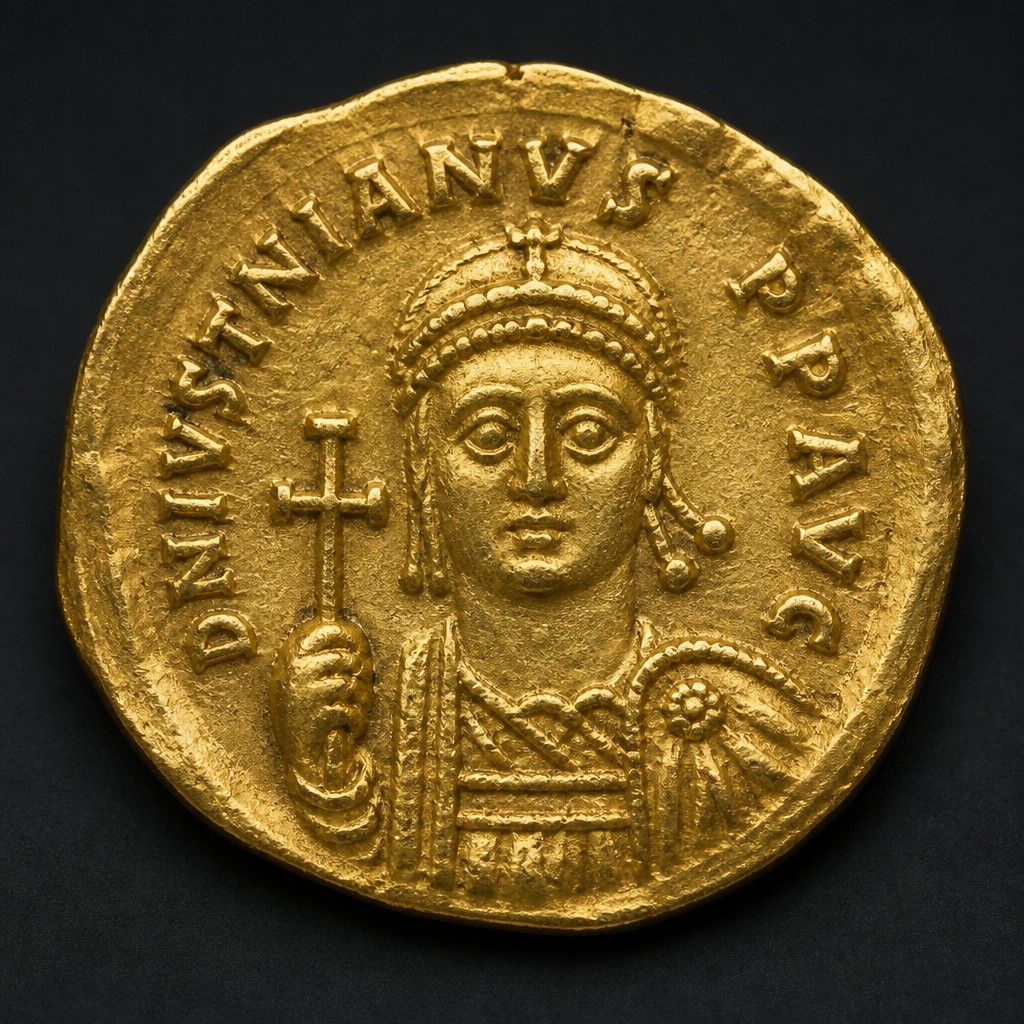
Byzantine Gold Tremissis
c. 4th–7th century AD
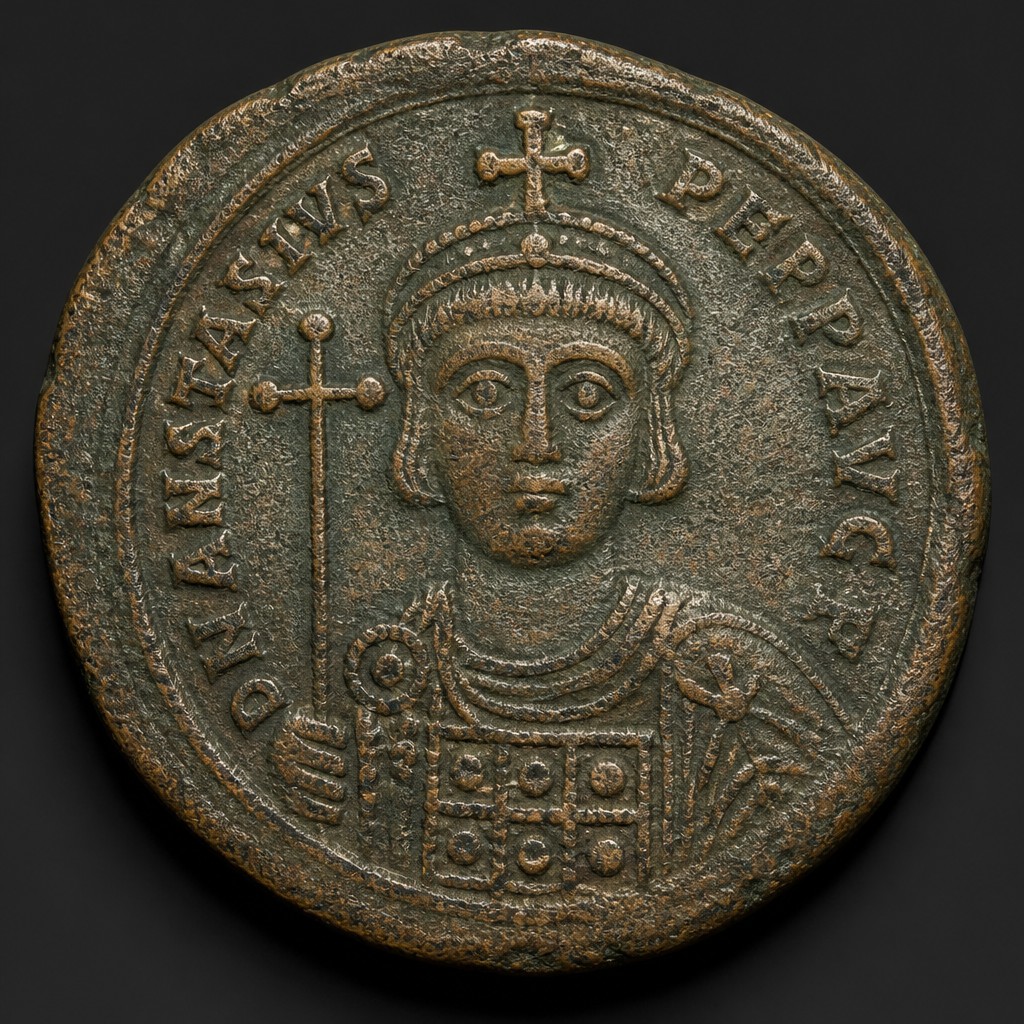
Byzantine Follis
498–c. 11th century AD
Celtic Gold Stater
c. 3rd century BC – 1st century AD