
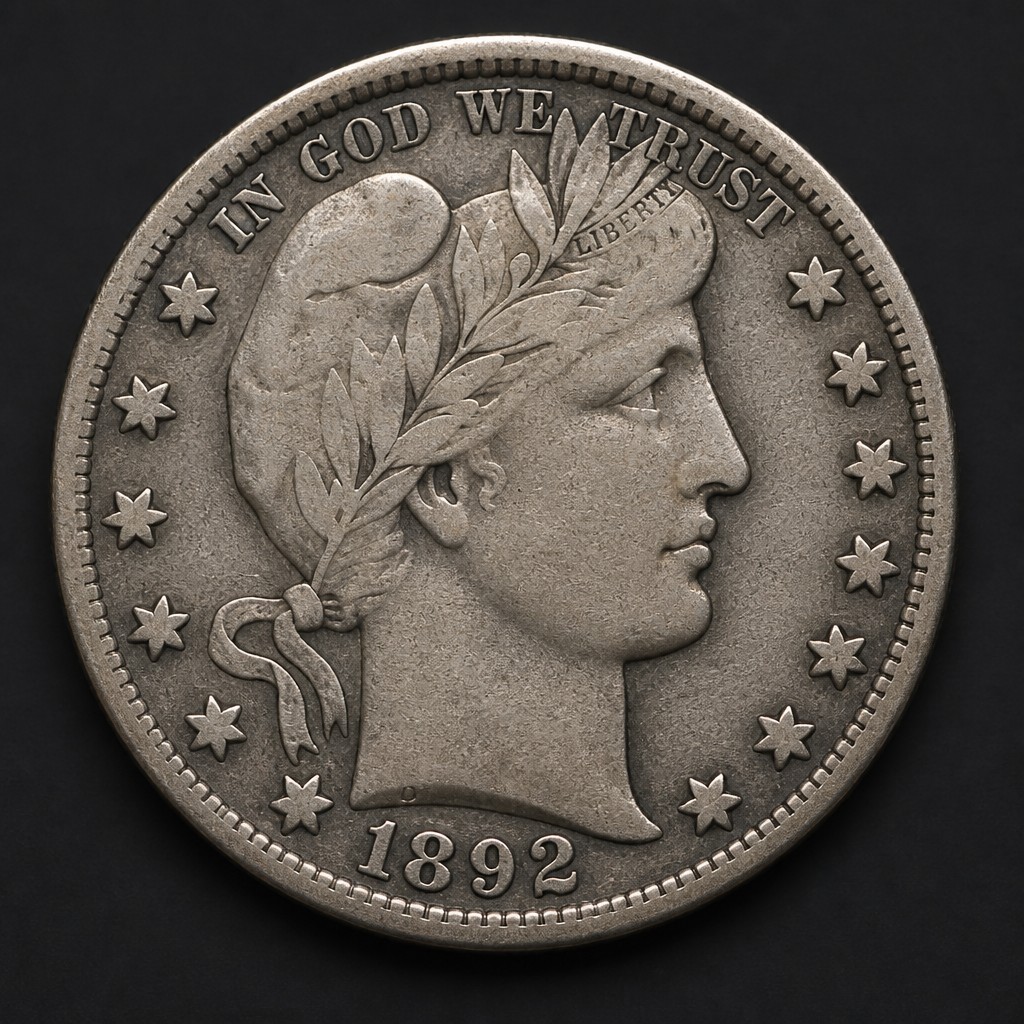
Barber Half Dollar
A 90% silver half dollar (1892-1915) with a right-facing Liberty head designed by Charles E. Barber, part of a matching Barber dime, quarter, and half dollar series.
- Country
- United States
- Denomination
- Half Dollar
- Metal
- 90% Silver
Got a coin like this?
Identify any coin from a photo, free.
Overview
The Barber half dollar, named for Mint Chief Engraver Charles E. Barber, was struck from 1892 through 1915 as part of a redesign that replaced the long-running Seated Liberty coinage across the dime, quarter, and half dollar. Its classical Liberty head and heraldic eagle reverse gave U.S. silver coinage a more uniform, neoclassical look.
The series is popular with type collectors seeking a representative Barber-era coin and with date collectors chasing the full run, which includes several genuinely scarce issues, particularly from the New Orleans mint.
History & Background
The design emerged after a public design competition in 1891 failed to produce a satisfactory result, leading Mint Director Edward Leech to direct Barber to create the new designs himself. Barber's Liberty head, wearing a laurel wreath and cap, drew inspiration from French coinage and classical sculpture, a departure from the seated allegorical figure used for decades prior.
Minted at Philadelphia, New Orleans, Denver (starting 1906), and San Francisco, the series ran until 1915, after which it was replaced by the Walking Liberty half dollar in 1916, a design generally regarded as more artistically ambitious.
How to Identify
The obverse shows Liberty's head facing right, wearing a laurel wreath with a band inscribed "LIBERTY," surrounded by "UNITED STATES OF AMERICA" and stars, with the date below. The reverse features a heraldic eagle with wings spread, holding an olive branch and arrows, with a shield on its breast, encircled by "E PLURIBUS UNUM" and "HALF DOLLAR."
The coin is struck in 90% silver, 10% copper, measures about 30.6 mm, and has a reeded edge. Mint marks (O for New Orleans, D for Denver, S for San Francisco; none for Philadelphia) are found on the reverse below the eagle's tail feathers.
Barber halves are easily distinguished from the earlier Seated Liberty type by the classical head obverse, and from the later Walking Liberty design by the static, non-allegorical figure and heraldic eagle reverse.
Value & Collectibility
Most Barber half dollars in worn, well-circulated grades are affordable, often trading near a modest premium over silver melt for common dates. Because the series saw heavy circulation, well-preserved examples in extra fine or mint state are disproportionately scarce and command strong premiums, and several dates, especially early New Orleans issues, are recognized key dates worth considerably more even in modest grades.
Collectors should note that Barber coinage is prone to heavy wear on the high points of Liberty's head, so grading matters; a coin that looks decent at a glance can still be quite worn, affecting value significantly.
Frequently asked questions
Who designed the Barber half dollar?
Mint Chief Engraver Charles E. Barber.
What replaced the Barber half dollar?
The Walking Liberty half dollar, introduced in 1916.
Which Barber half dollar dates are considered key dates?
Certain early New Orleans-minted dates and low-mintage issues are the scarcest and most sought after.
What metal are Barber half dollars made of?
90% silver, 10% copper, the standard U.S. silver coin alloy of the era.
How can I tell a Barber half dollar from a Seated Liberty half dollar?
The Barber half shows a classical Liberty head in profile, while the Seated Liberty half shows a full seated allegorical figure.
Other coins you may enjoy
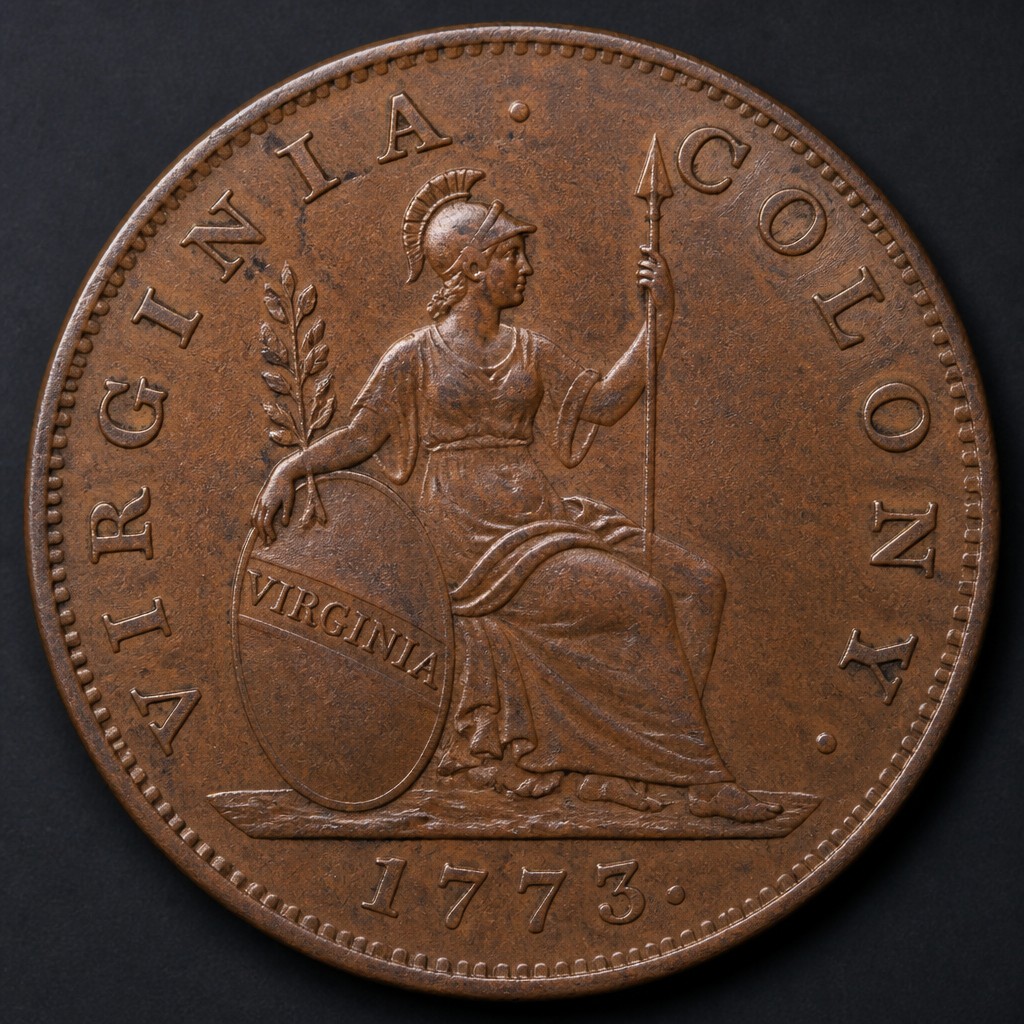
Virginia Halfpenny
1773
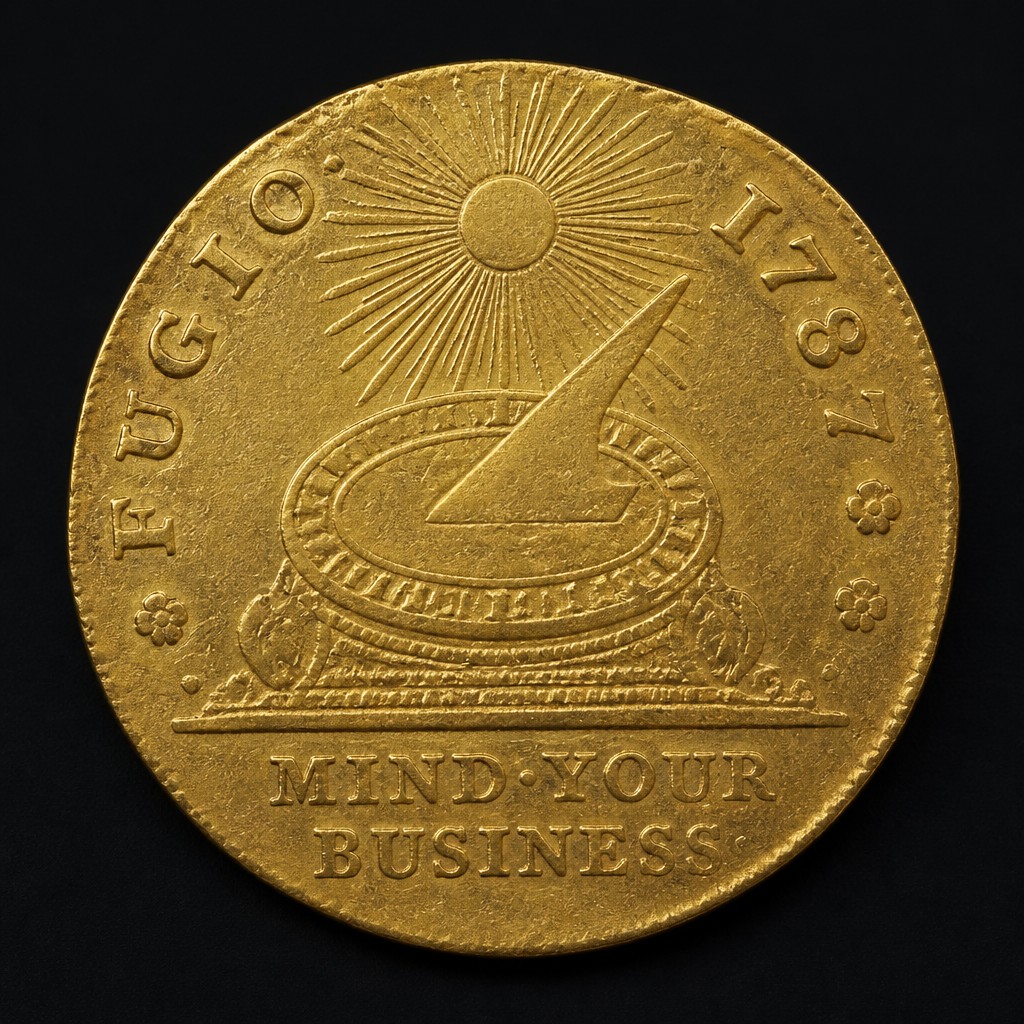
Brasher Doubloon
1787
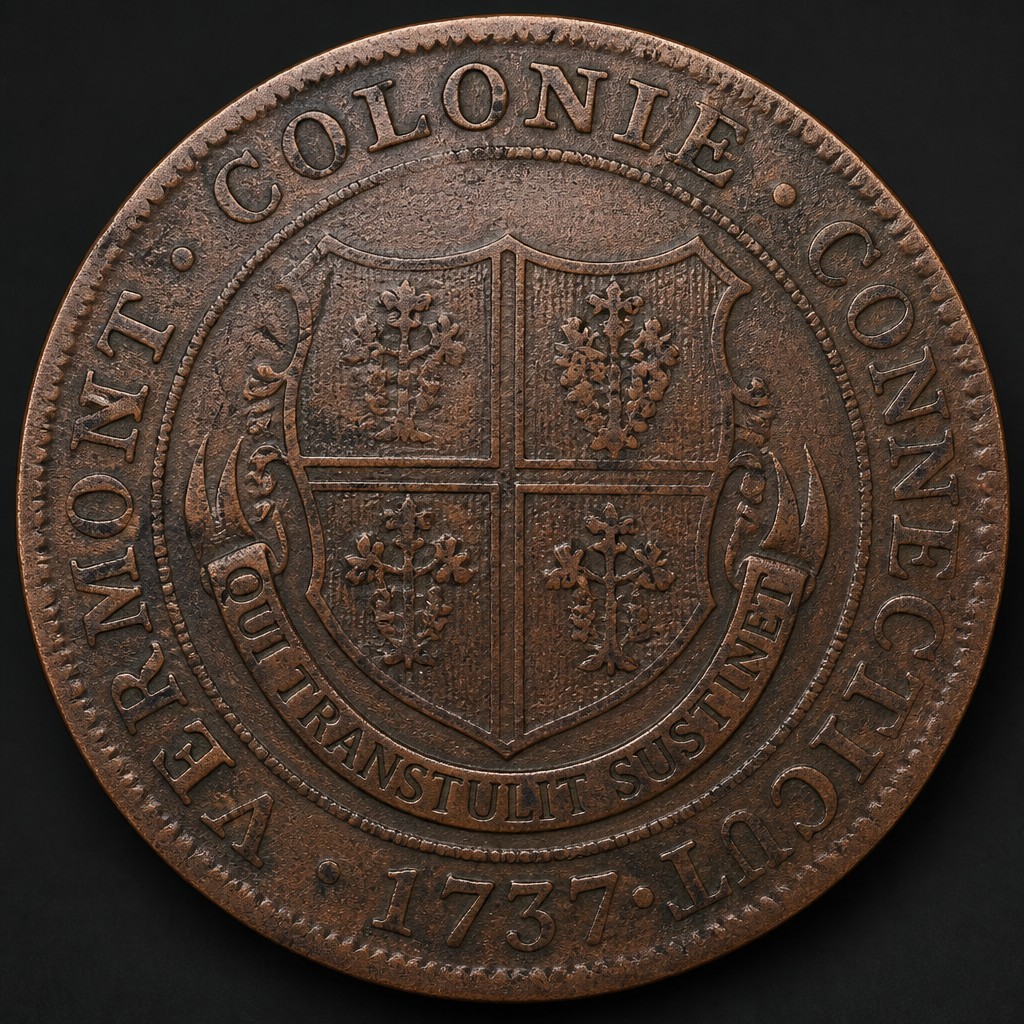
Higley Copper
1737–1739
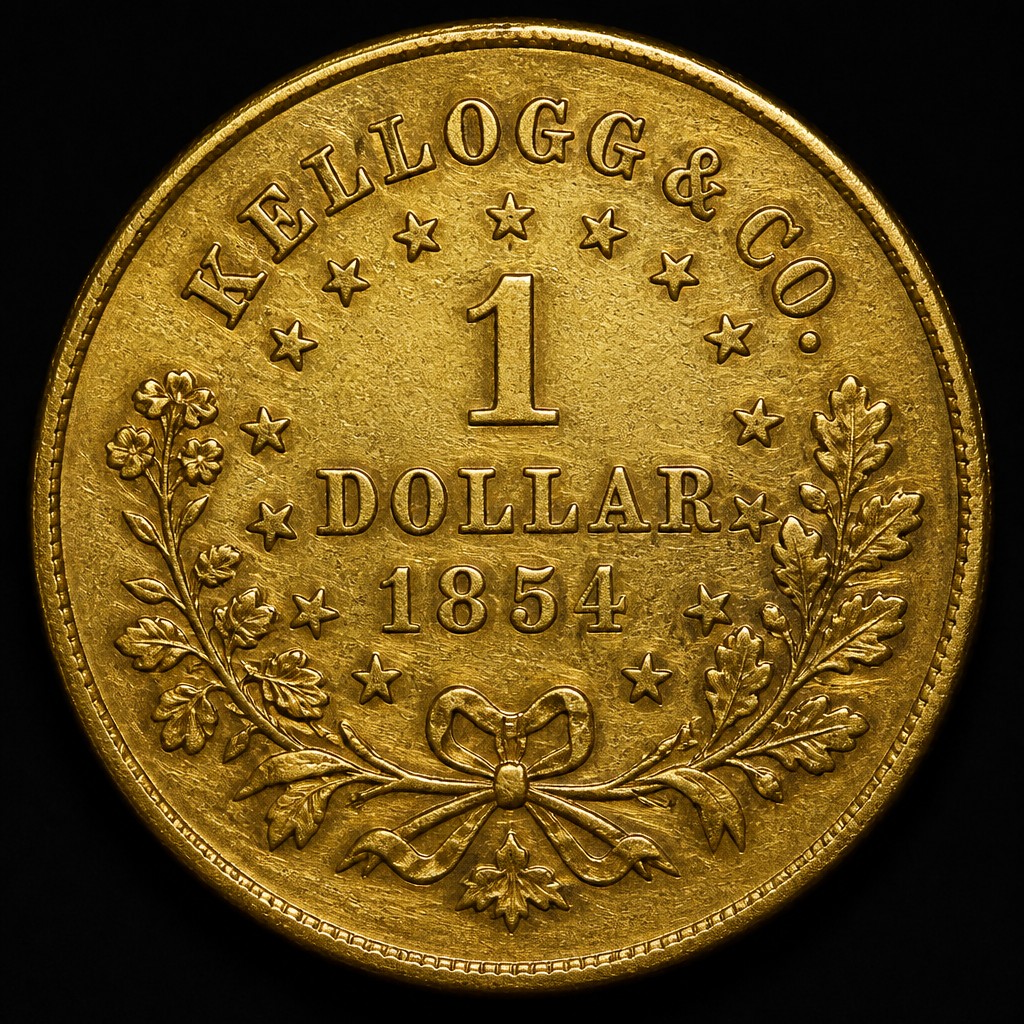
Kellogg & Co. Gold Piece
1854–1855
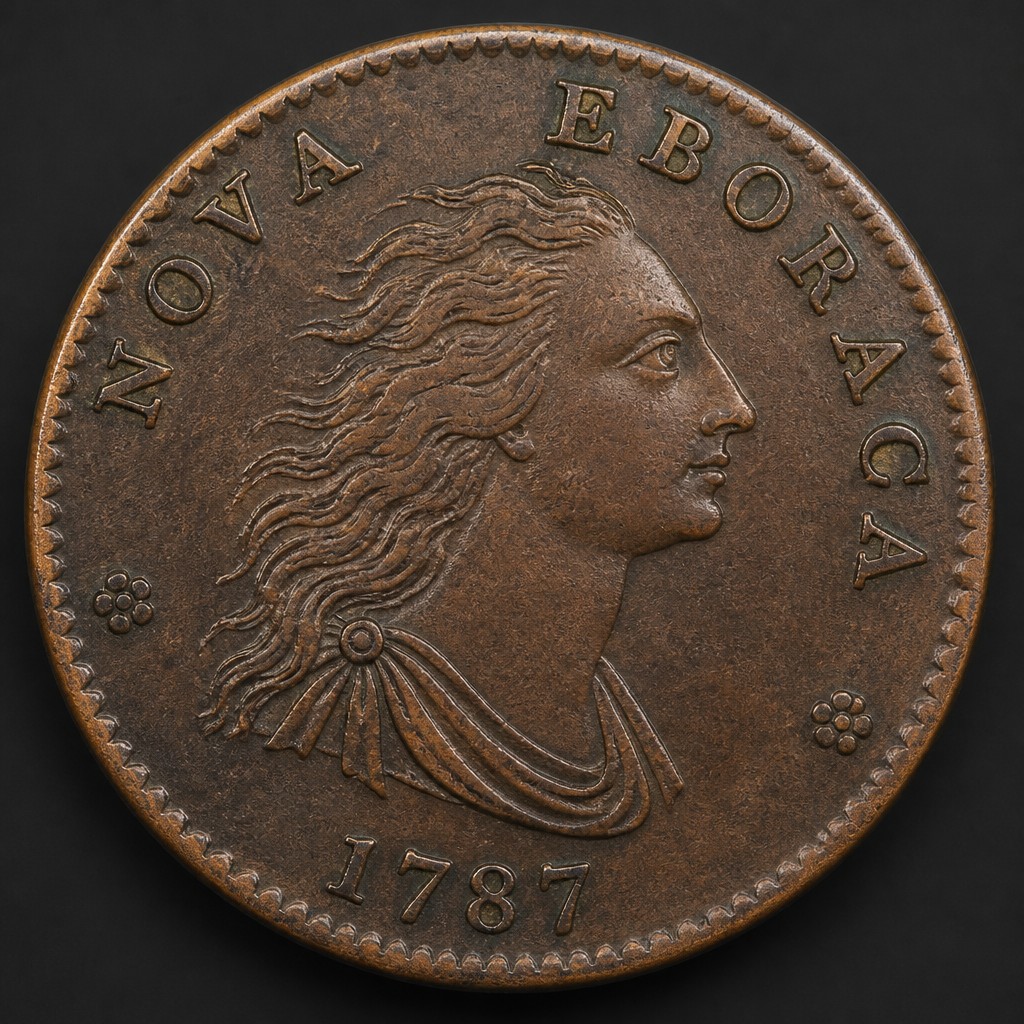
Nova Eborac Copper
1787
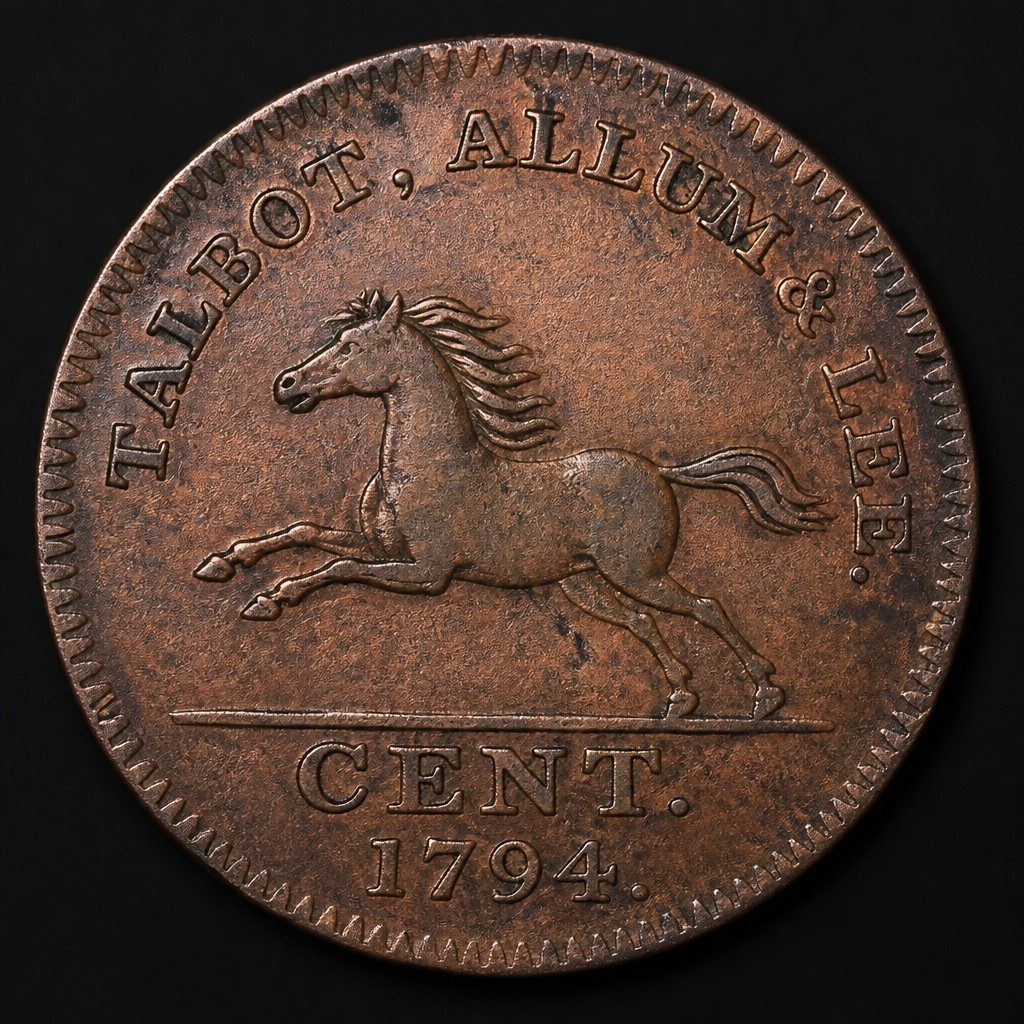
Talbot, Allum & Lee Cent
1794–1795
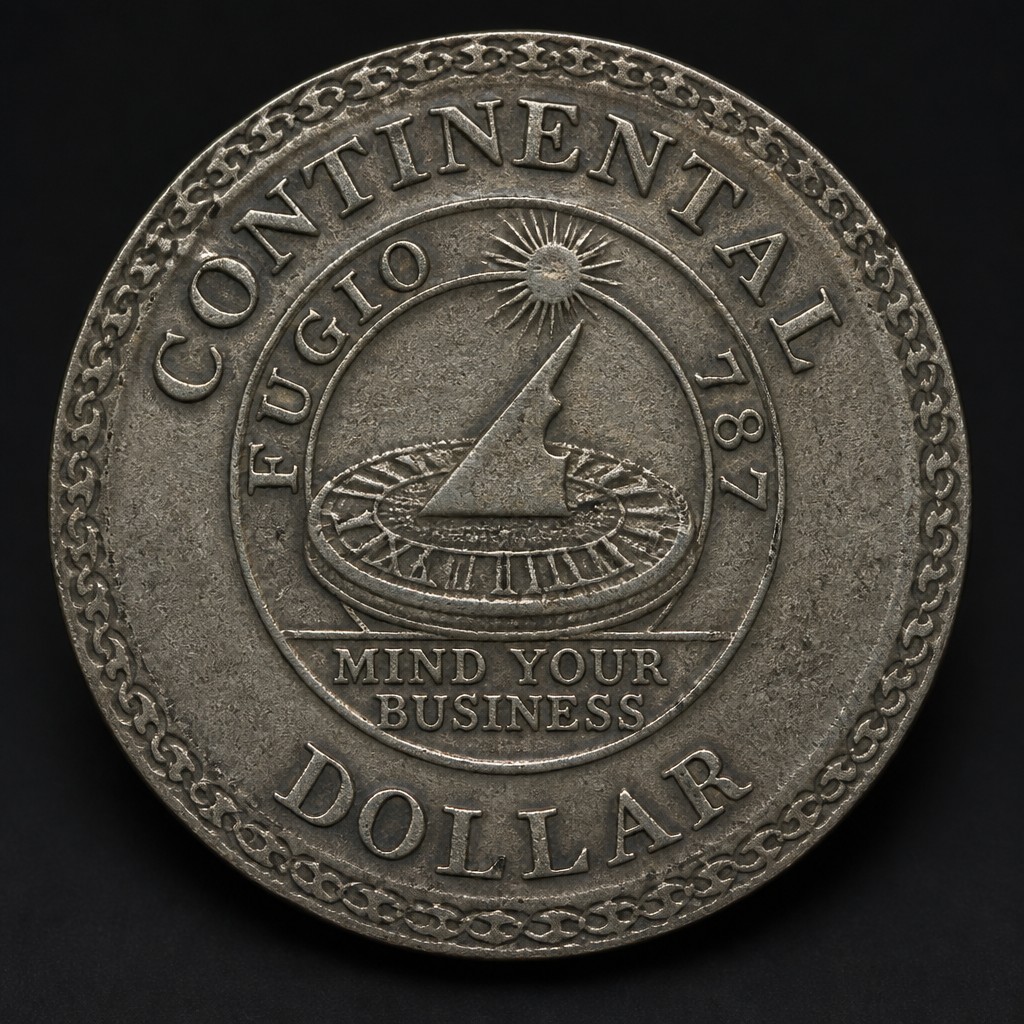
Continental Dollar
1776
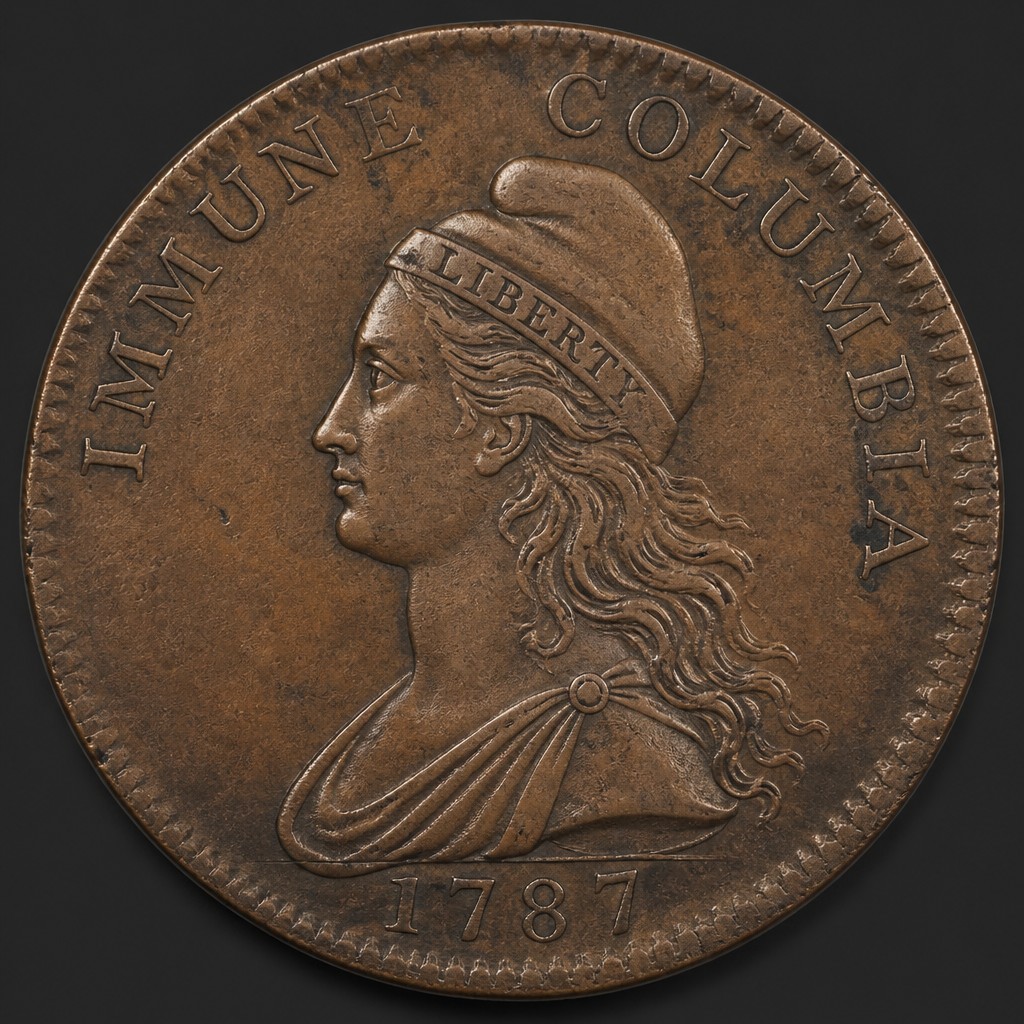
Immune Columbia Copper
circa 1785–1787
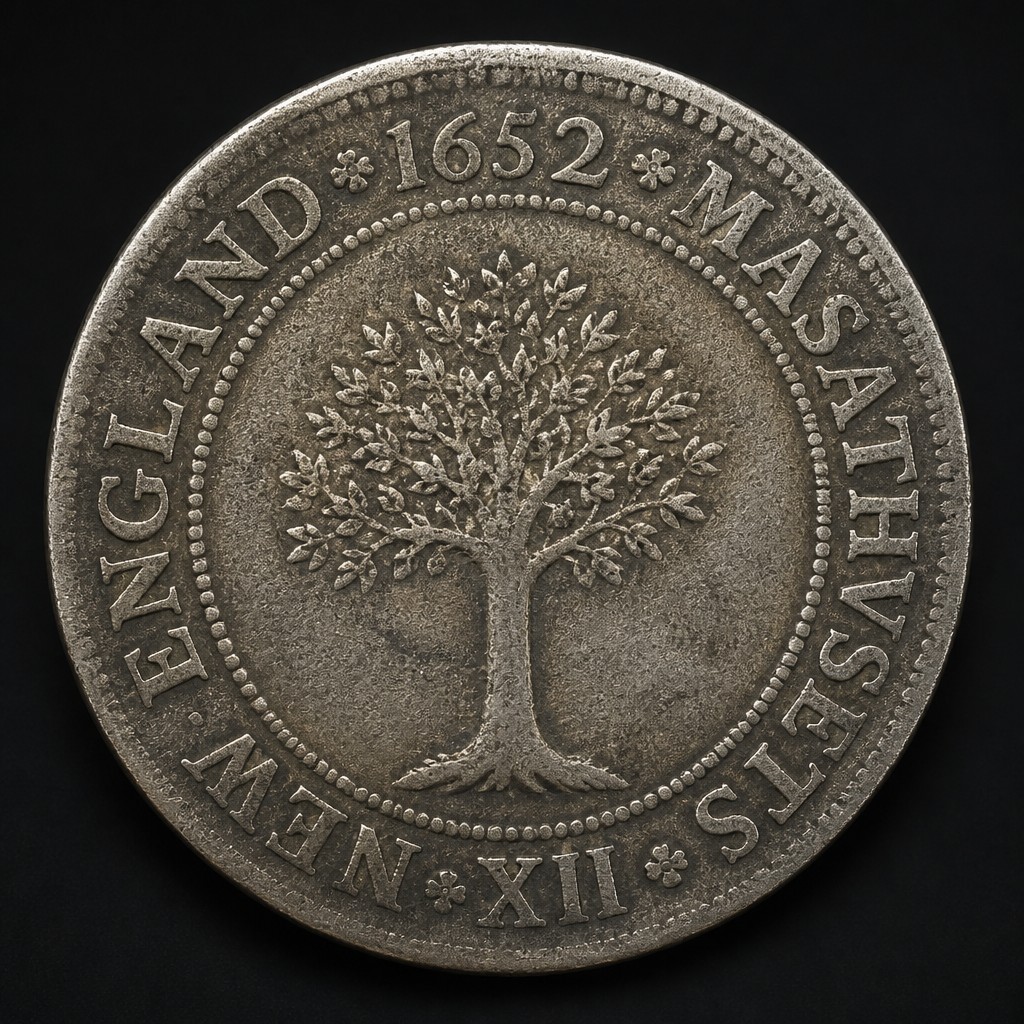
Massachusetts Oak Tree Shilling
Dated 1652, struck circa 1660–1667
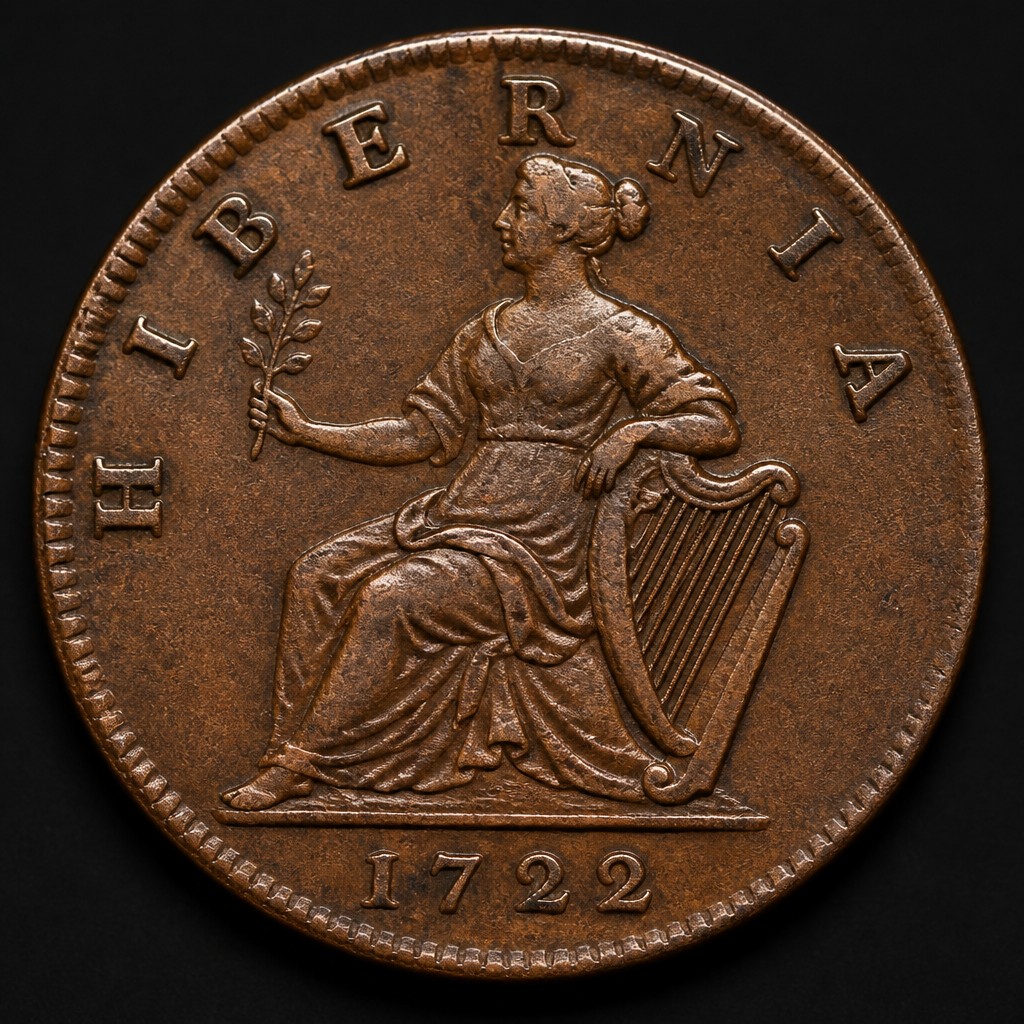
Wood's Hibernia Halfpenny
1722–1724
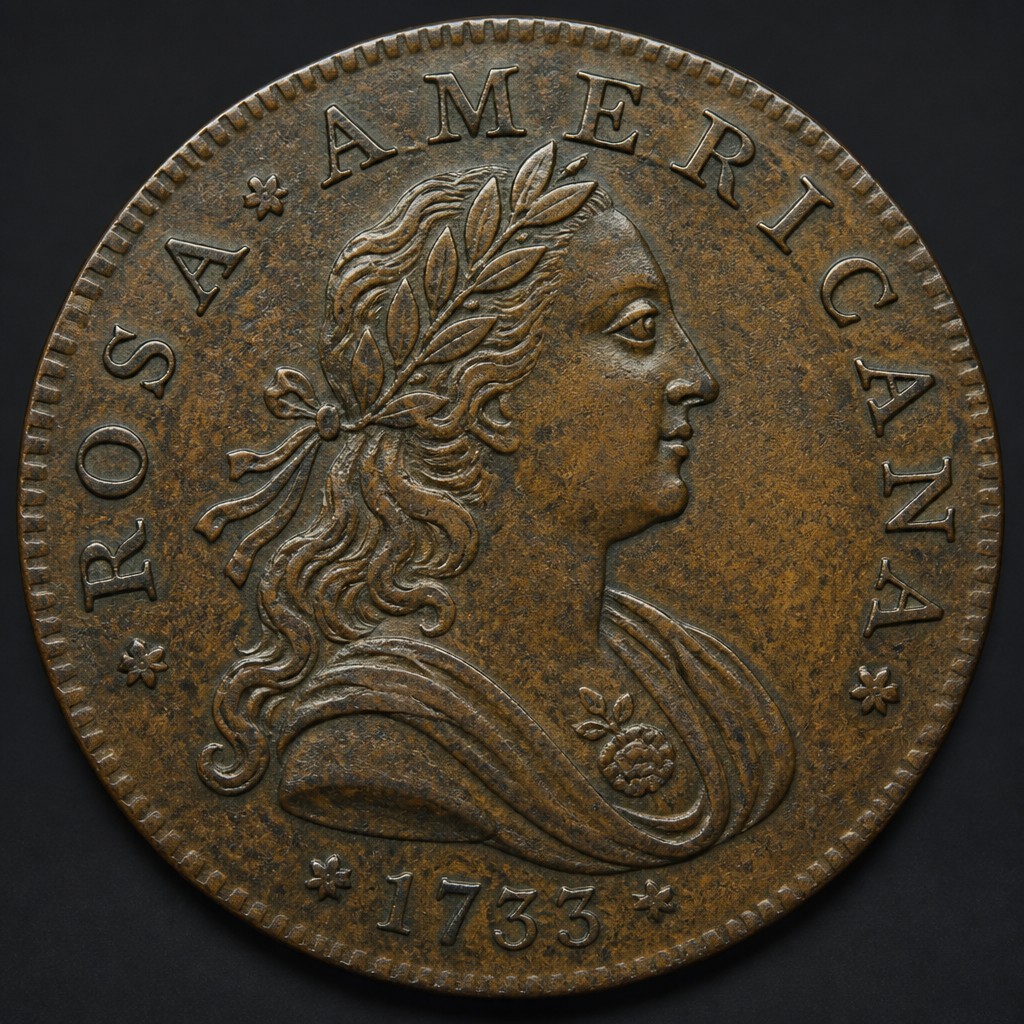
Rosa Americana Coinage
1722–1724 (with pattern issues dated 1733)
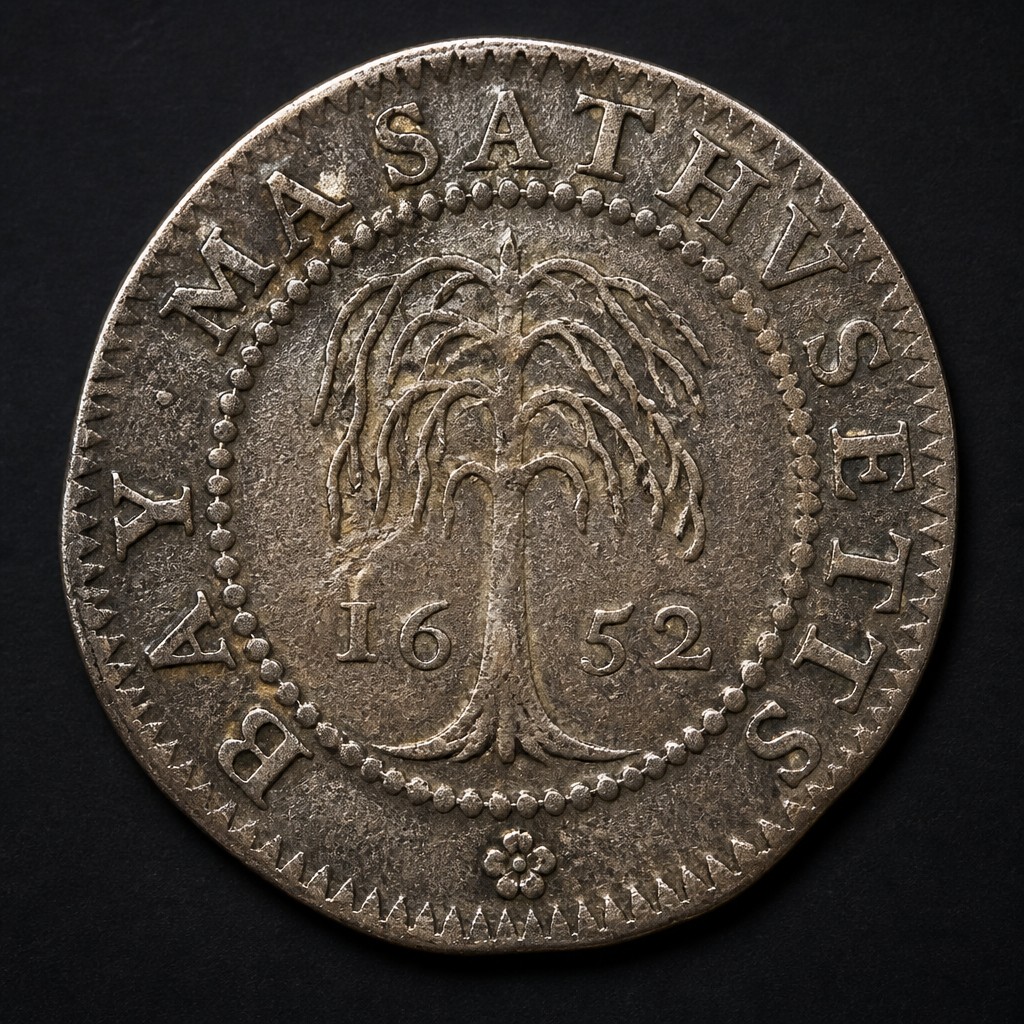
Massachusetts Willow Tree Shilling
Dated 1652, struck circa 1653–1660