
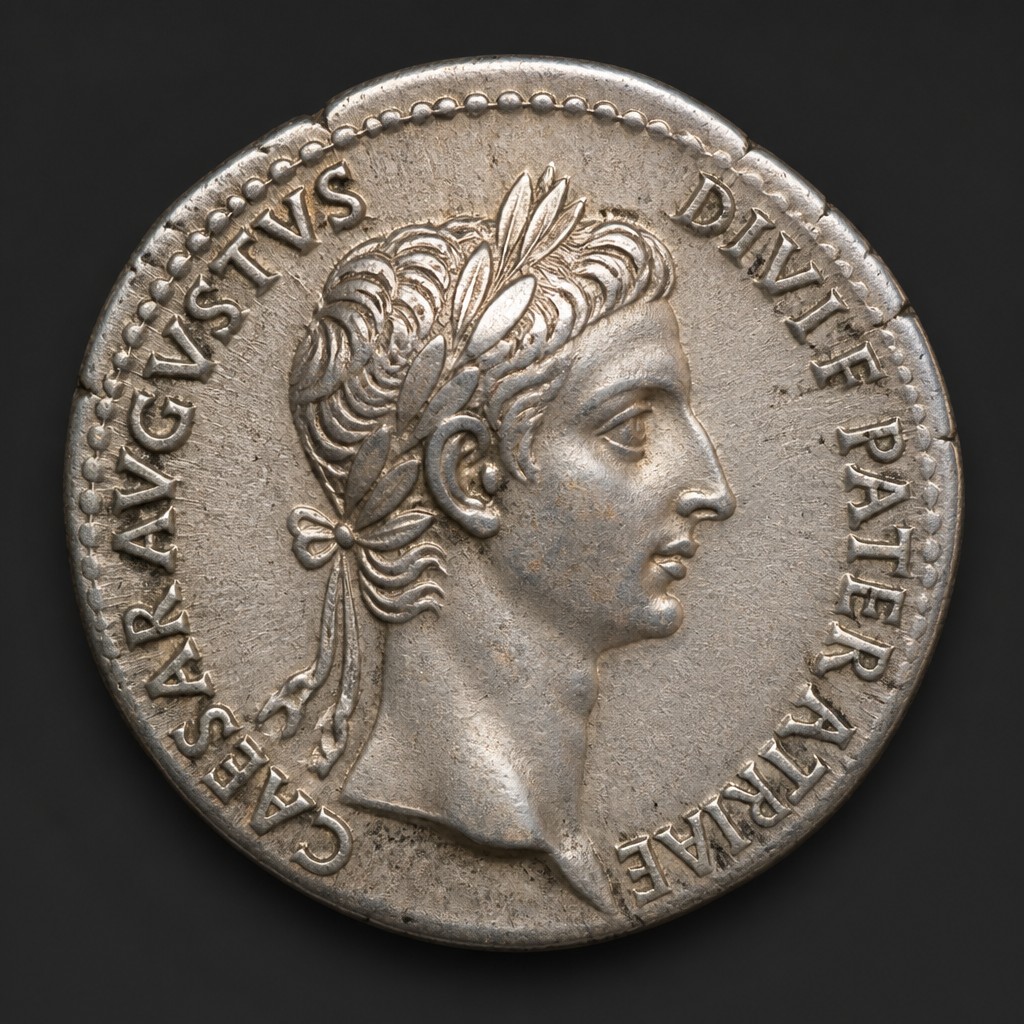
Augustus Denarius
The main silver coin of Rome's first emperor, Augustus, whose long reign established the imperial monetary system that would last for centuries.
- Country
- Roman Empire
- Denomination
- Denarius
- Metal
- Silver (approx. 95-98% fine)
Got a coin like this?
Identify any coin from a photo, free.
Overview
The Augustus denarius represents the beginning of the Roman imperial coinage system, struck under the emperor who ended a century of civil war and founded the Principate. Because Augustus reigned for over four decades, his denarius coinage is unusually varied, ranging from types celebrating his military victories to intimate dynastic messaging about his intended heirs.
Collectors particularly prize the coin for its role as a hinge point in Roman history, marking the transition from Republican political coinage to imperial portraiture that would define Roman money for the rest of antiquity. The famous "Caius and Lucius Caesares" type, struck in vast quantities at Lugdunum late in his reign, is one of the most commonly encountered ancient silver coins today and a frequent entry point for new ancient coin collectors.
History & Background
Augustus, born Gaius Octavius and later known as Octavian, rose to sole power after defeating Mark Antony at the Battle of Actium in 31 BC, and in 27 BC was granted the honorific title "Augustus" by the Senate, marking the formal start of the Roman Empire. His long reign, lasting until his death in AD 14, allowed the imperial coinage system to mature and standardize under his authority in a way the fractured late Republic never achieved.
Early in his reign, Augustus's denarii were struck at various mints across the empire, some continuing local or provincial styles, while later coinage increasingly centralized production at Lugdunum in Gaul, which became the chief mint for silver and gold coinage. Types from this period often promoted his religious and civic reforms, his military successes, and messages of peace after decades of war.
One of the most historically important later types shows his adopted grandsons and intended heirs, Gaius and Lucius Caesar, reflecting Augustus's efforts to secure a smooth succession, though both young men predeceased him. This type was struck for years after their deaths and circulated so widely that it remains one of the most commonly found ancient silver coins in the modern market.
How to Identify
The obverse of most Augustus denarii shows his laureate or bare head in profile, typically with a Latin legend naming him as Caesar Augustus and listing some of his honorific titles. Portrait styles evolve subtly over his long reign, from more youthful renderings early on to a more mature, idealized image in later issues.
Reverse types vary widely: some show Augustus's adopted sons Gaius and Lucius Caesar standing togate with shields and spears between them, with priestly implements above; others depict a Capricorn (his astrological birth sign, though some scholars debate this), Victory on a globe, or seated and standing deities tied to his religious program. Mint marks are generally implicit through style and legend rather than explicit letters, and careful reference to catalogued types helps pinpoint the specific mint and approximate date.
The coin is a standard small silver piece of the era, roughly 18-19mm in diameter, hand-struck with typically strong, well-centered detail on the Lugdunum issues given their long, standardized production run. Distinguishing an Augustus denarius from later Julio-Claudian issues mainly comes down to the specific facial features, titles, and reverse type referenced in standard catalogs.
Value & Collectibility
The common "Caius and Lucius Caesares" type is one of the more affordable ancient Roman silver coins, with worn to moderately worn examples often available for well under a couple hundred dollars, making it a popular first ancient coin. Scarcer Augustus types, particularly those from smaller provincial mints or with unusual reverse designs, can command significantly higher prices.
As with all ancient coins, strike quality, centering, and the sharpness of the portrait heavily influence price, and a well-struck, lightly toned example in higher grade can be worth many times a similarly common but poorly struck or worn piece. Historical importance as the founding emperor's coinage adds enduring collector demand across grade levels.
Frequently asked questions
Who was Augustus?
Augustus, born Octavian, was Rome's first emperor, ruling from 27 BC until his death in AD 14 after ending the civil wars of the late Republic.
What is the most common Augustus denarius type?
The 'Caius and Lucius Caesares' type struck at Lugdunum, showing his intended heirs, is one of the most frequently encountered ancient Roman silver coins.
Is this a good coin for a beginning collector?
Common types are relatively affordable and historically significant, making them a popular entry point into ancient Roman coin collecting.
Where were Augustus denarii mainly struck?
Primarily at Lugdunum (modern Lyon) in Gaul later in his reign, though earlier issues came from Rome and various provincial mints.
Why is this coin historically important?
It marks the start of the Roman imperial coinage system, replacing the political coin messaging of the fractured late Republic with centralized imperial portraiture.
Other coins you may enjoy
Theodosius I Solidus
379–395 AD
Republican Victoriatus
c. 211–170 BC
Islamic Gold Dinar (Umayyad)
c. 696–750 AD
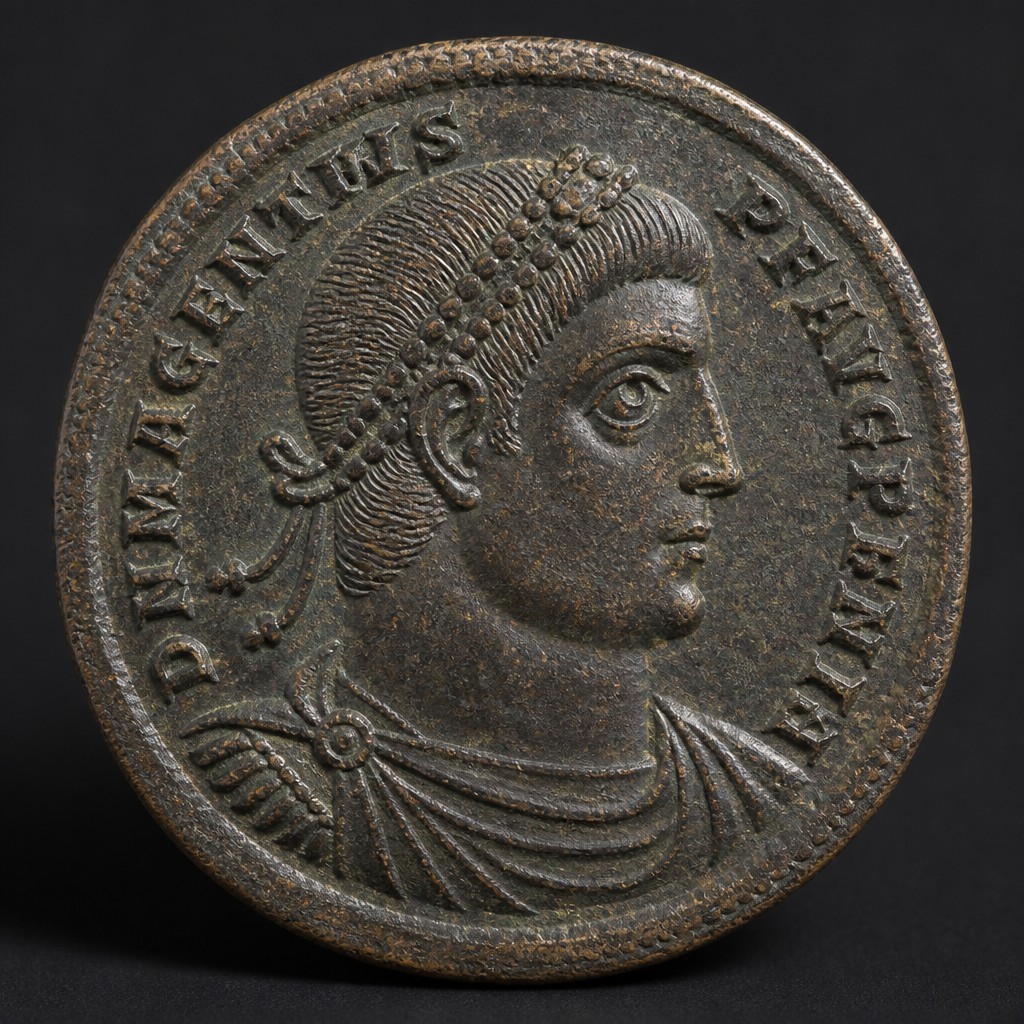
Magnentius Double Centenionalis
350–353 AD
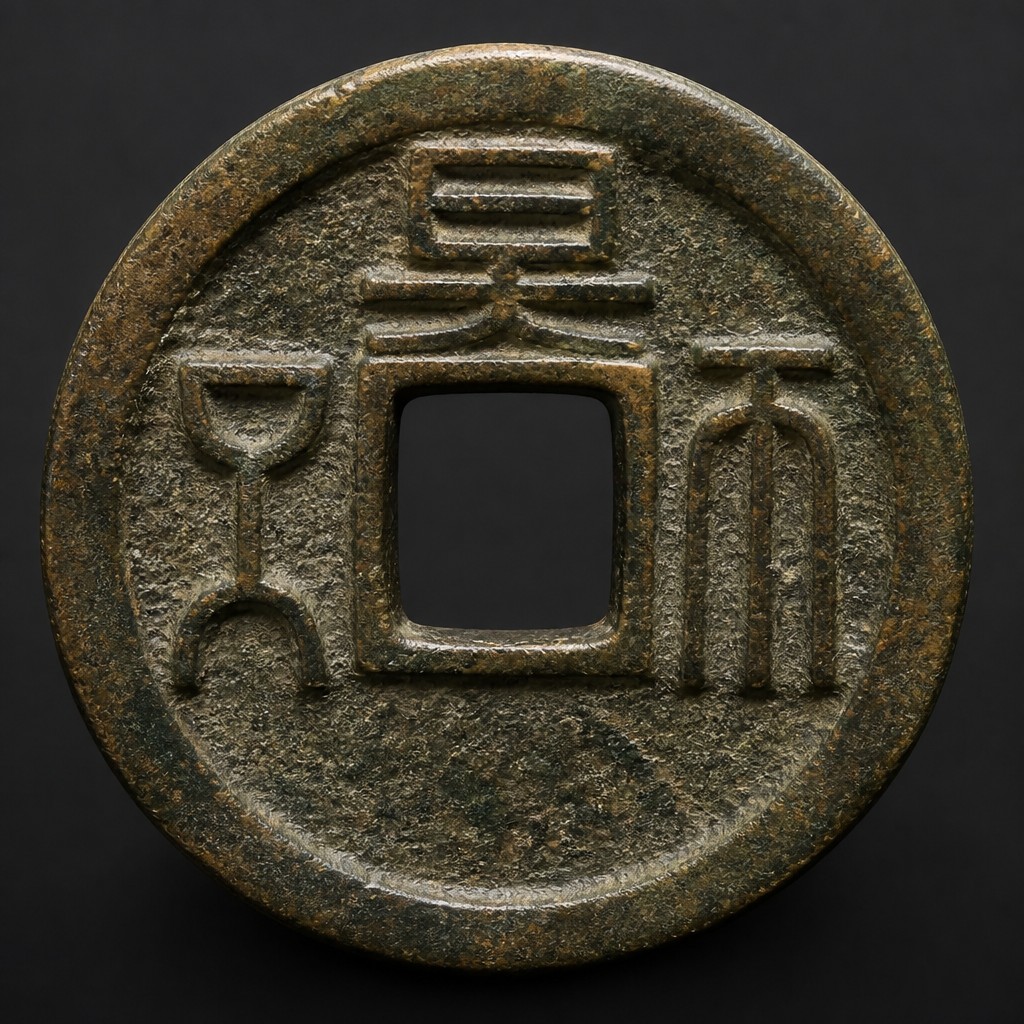
Chinese Wu Zhu Cash
118 BC – 618 AD
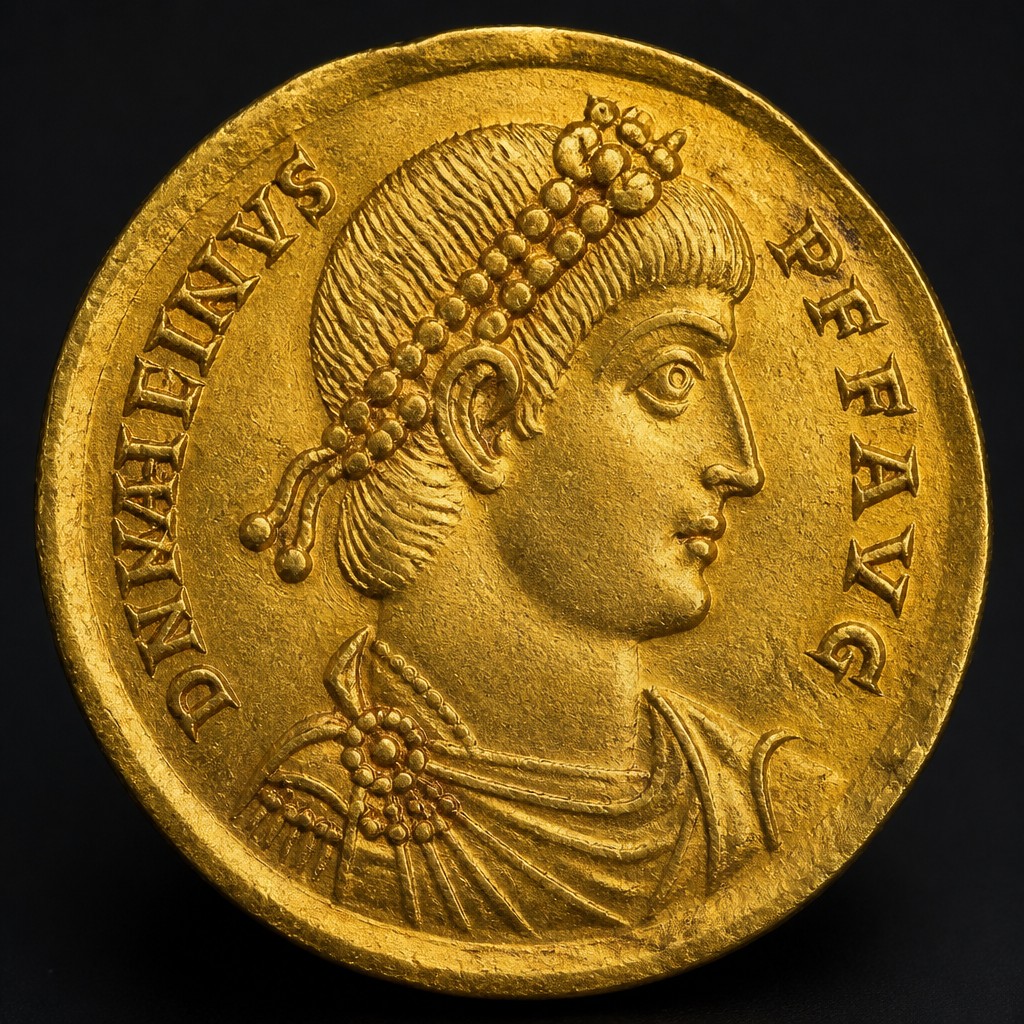
Valentinian I Solidus
364–375 AD
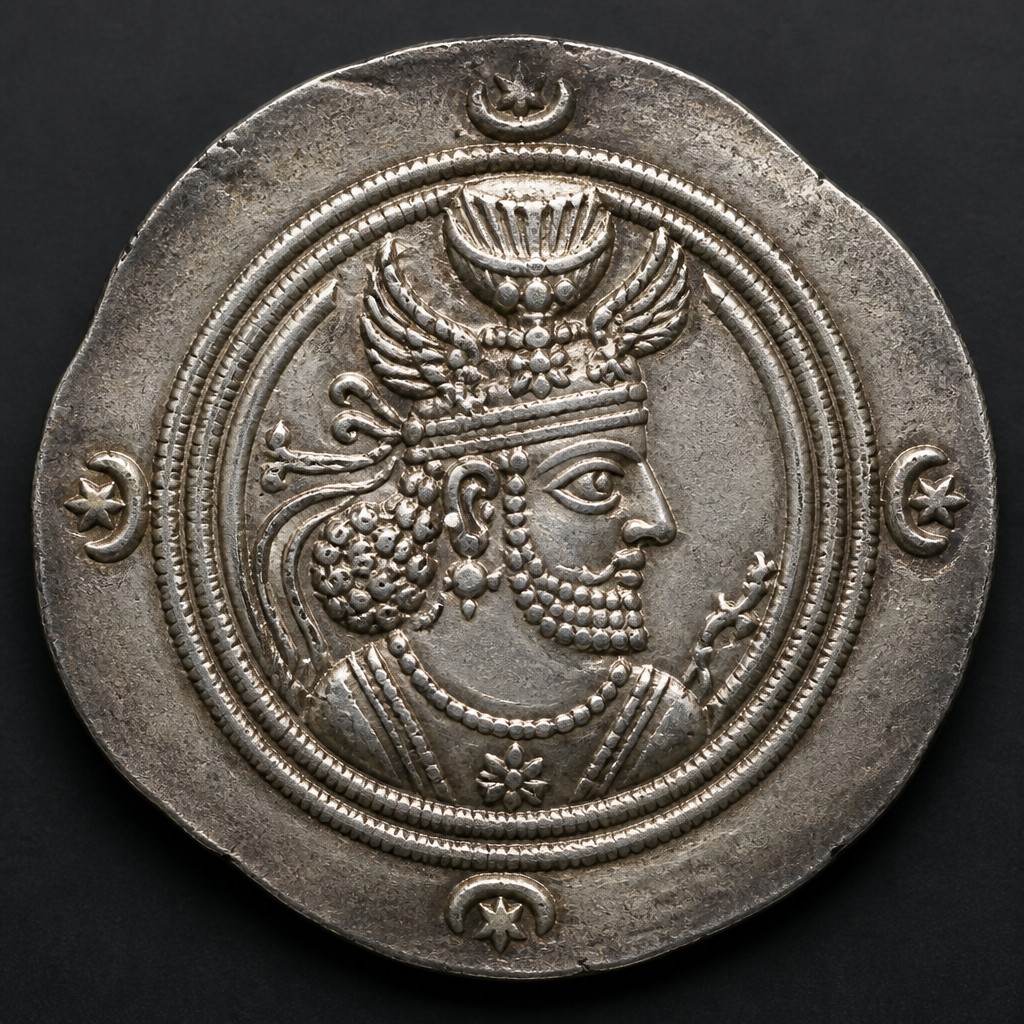
Sassanian Silver Drachm
c. 224–651 AD
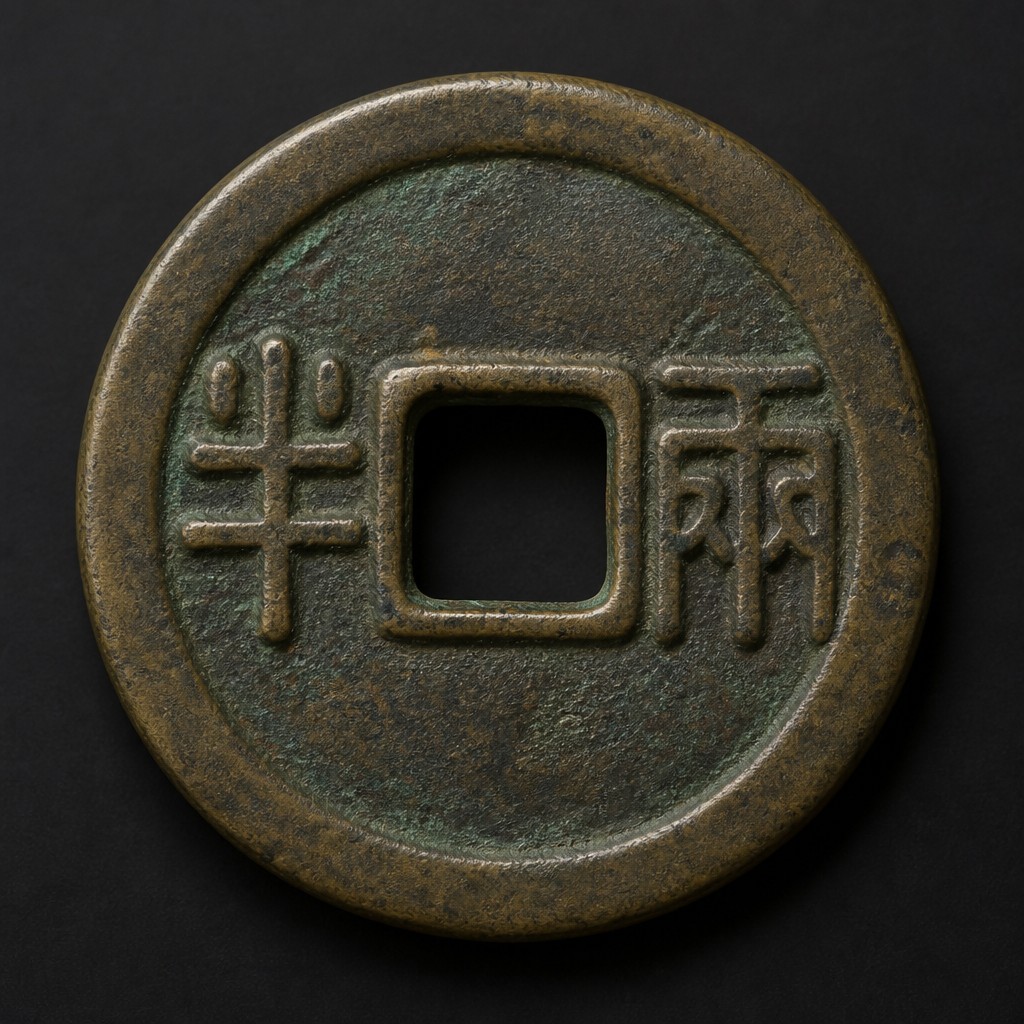
Chinese Ban Liang Cash
c. 221–118 BC
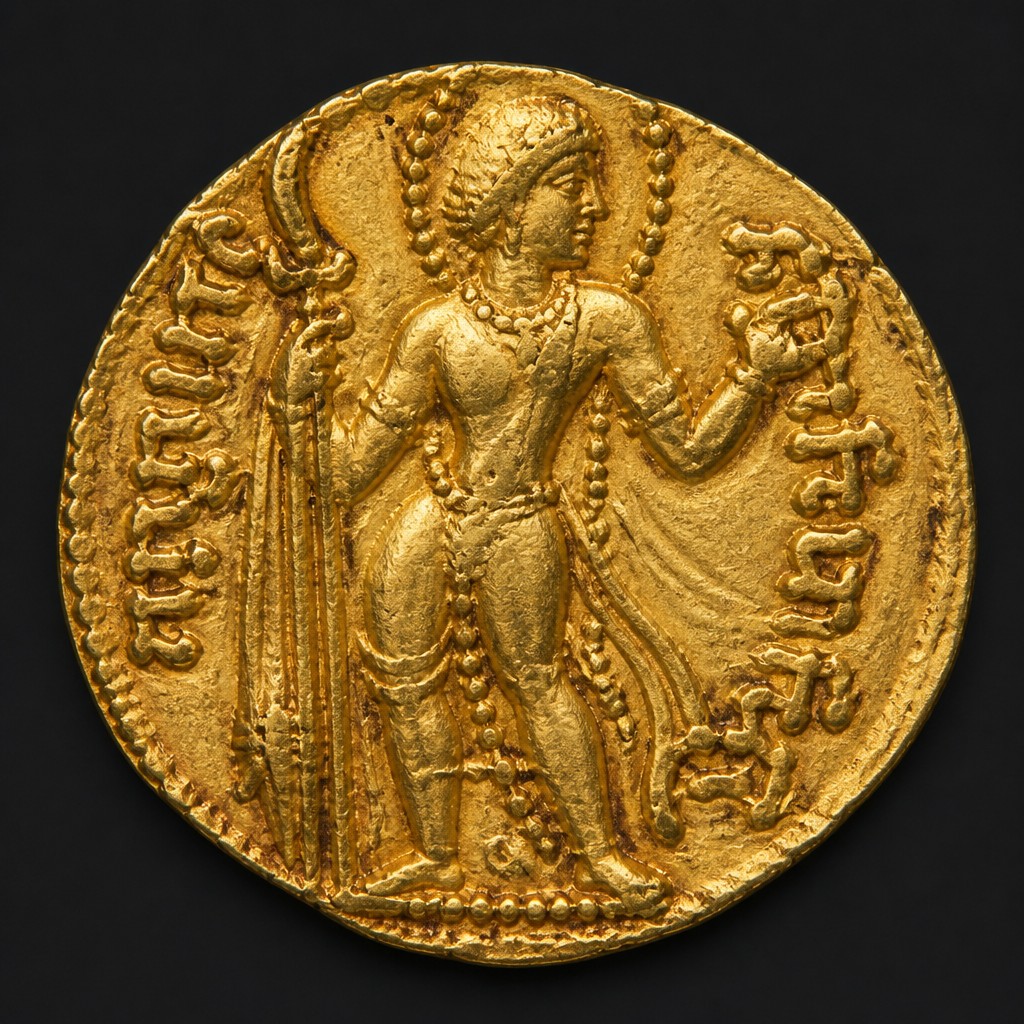
Gupta Empire Gold Dinar
c. 320–550 AD
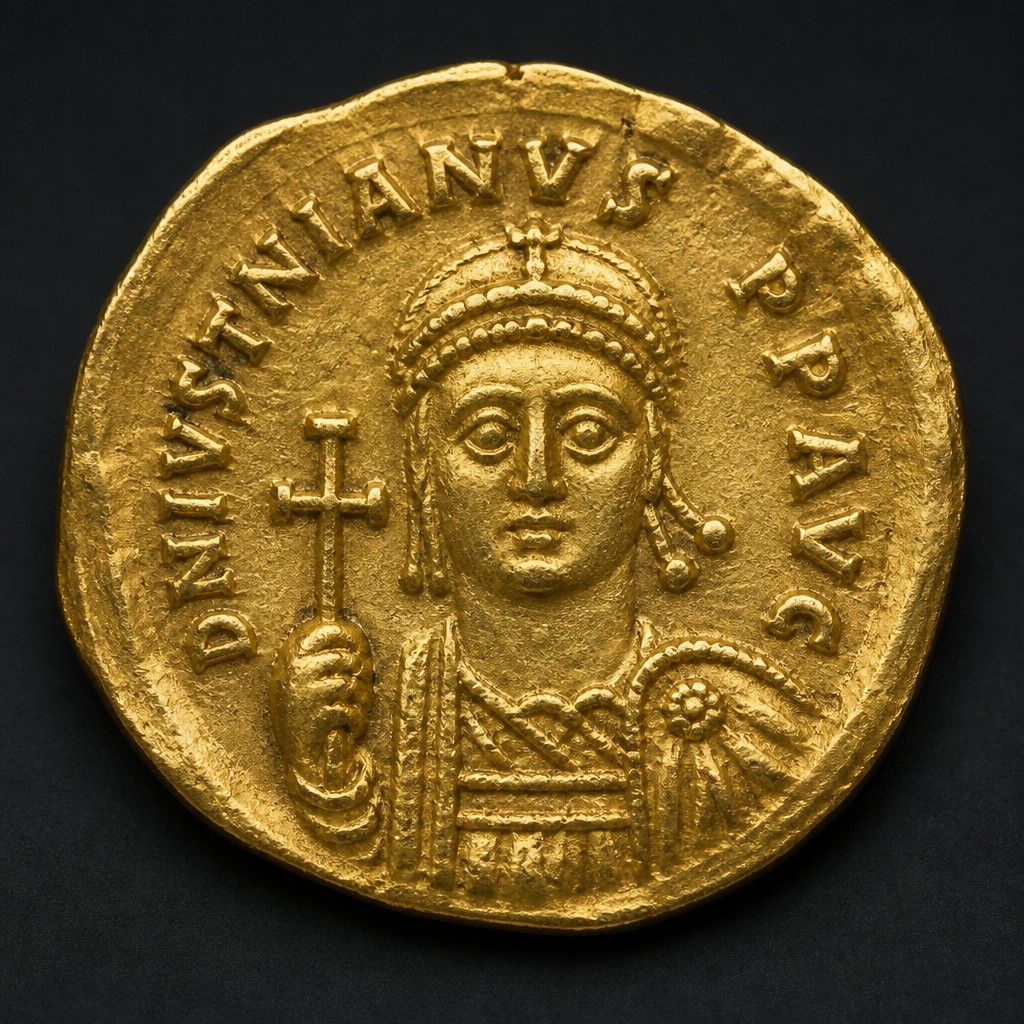
Byzantine Gold Tremissis
c. 4th–7th century AD
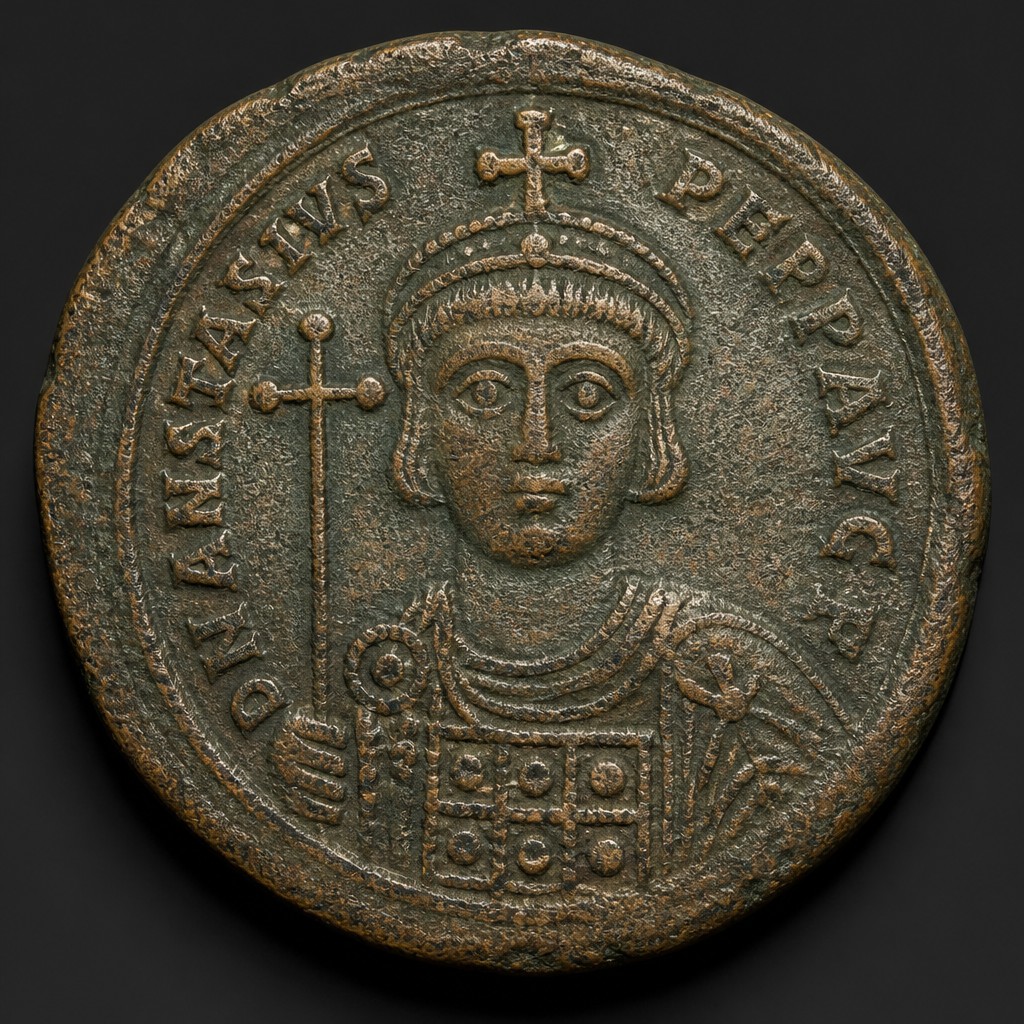
Byzantine Follis
498–c. 11th century AD
Celtic Gold Stater
c. 3rd century BC – 1st century AD