
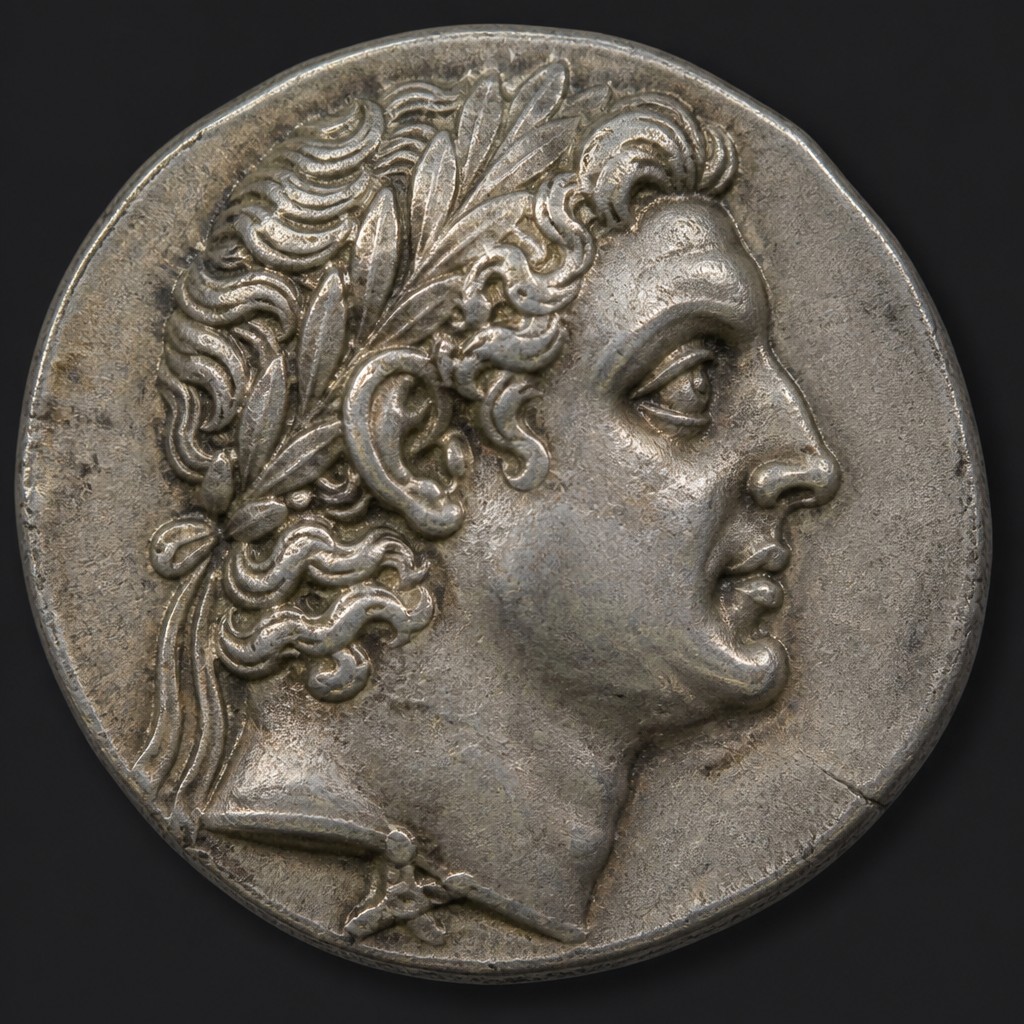
Antiochos Seleucid Tetradrachm
Silver tetradrachm struck for one of several Seleucid kings named Antiochus, featuring a royal portrait obverse and enthroned Apollo reverse typical of the dynasty.
- Country
- Ancient Greece (Seleucid Empire)
- Denomination
- Tetradrachm
- Metal
- Silver
Got a coin like this?
Identify any coin from a photo, free.
Overview
Several Seleucid kings bore the name Antiochus, and tetradrachms struck in their names form a large and varied series within Hellenistic numismatics. Because the name spans rulers from Antiochus I Soter in the early 3rd century BC to later, weaker kings of the dynasty's decline in the 1st century BC, coins simply labeled "Antiochos tetradrachm" can represent quite different periods, portrait styles, and historical contexts.
Collectors are drawn to this series for its combination of individualized royal portraiture, a hallmark of Hellenistic coinage, and its connection to the Seleucid Empire, one of the great successor states of Alexander the Great that dominated much of the Near East and Asia Minor for over two centuries.
History & Background
The Seleucid dynasty used the name Antiochus repeatedly, and the most historically significant bearer was Antiochus III "the Great" (reigned 222–187 BC), who briefly restored much of the empire's former extent before his defeat by Rome. Other notable kings of the name include Antiochus I Soter, who consolidated his father Seleukos I's conquests, and Antiochus IV Epiphanes, whose reign is remembered for his controversial religious policies in Judea recorded in the biblical books of Maccabees.
Seleucid royal coinage evolved over the dynasty's history from idealized youthful portraits toward increasingly realistic, sometimes unflattering depictions of individual kings as their political power waned. Tetradrachms were the workhorse silver denomination of the empire, used to pay soldiers and conduct large-scale trade across the eastern Mediterranean and Near East.
How to Identify
The obverse typically shows the diademed portrait of the reigning Antiochus, facing right, with features and style varying by specific king and mint. The reverse commonly depicts Apollo seated on the omphalos (the sacred stone at Delphi), holding an arrow and resting a hand on a bow, a design used consistently across many Seleucid kings as a dynastic emblem.
The Greek legend usually reads BASILEOS ANTIOCHOU ("of King Antiochus"), sometimes with an additional epithet such as ΕΠΙΦΑΝΟΥΣ (Epiphanes) or ΜΕΓΑΛΟΥ (the Great) to help identify which specific ruler struck the coin. Because multiple kings share the name, precise attribution depends on portrait style, any epithet in the legend, and mint control marks in the field.
The tetradrachm is a substantial silver coin, generally in the range of 15–17 grams and 28–32mm in diameter, with a broad flat flan typical of Seleucid issues.
Value & Collectibility
Prices vary widely depending on which specific Antiochus struck the coin, its condition, and rarity of the mint or type. Common issues of well-attested kings like Antiochus III or Antiochus IV can often be found for a few hundred dollars in collectible grades, while rarer types, exceptional portraits, or coins from less common mints can bring considerably more.
As with most Hellenistic royal coinage, a sharp, well-centered portrait significantly increases desirability, since these coins are often collected as ancient portraiture rather than for numeric grade alone. Provenance and clear legends aiding attribution to a specific king also add value.
Frequently asked questions
How many Seleucid kings were named Antiochus?
The Seleucid dynasty had numerous kings named Antiochus over roughly two centuries, from Antiochus I in the early 3rd century BC to later rulers during the empire's decline in the 1st century BC.
How can I tell which Antiochus struck my coin?
Attribution relies on the portrait style, any epithet included in the Greek legend, and mint marks or monograms in the field, often requiring comparison to reference catalogs.
What does the reverse design show?
Most Seleucid tetradrachms in this series show Apollo seated on the omphalos at Delphi, holding an arrow, a design used as a recurring dynastic symbol.
Is Antiochus III's coinage the most sought after?
Coins of Antiochus III "the Great" are historically significant due to his territorial conquests, and are popular, though value ultimately depends on condition and specific type.
Other coins you may enjoy
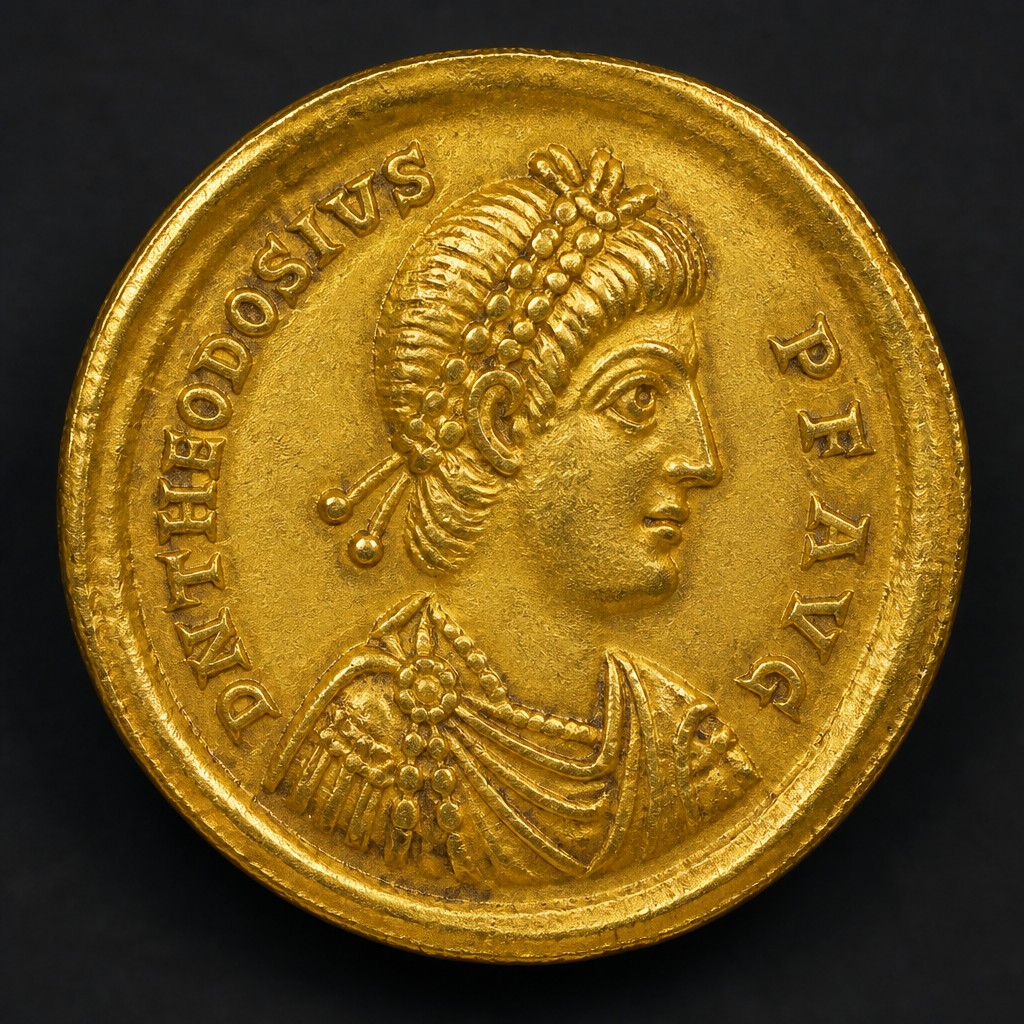
Theodosius I Solidus
379–395 AD
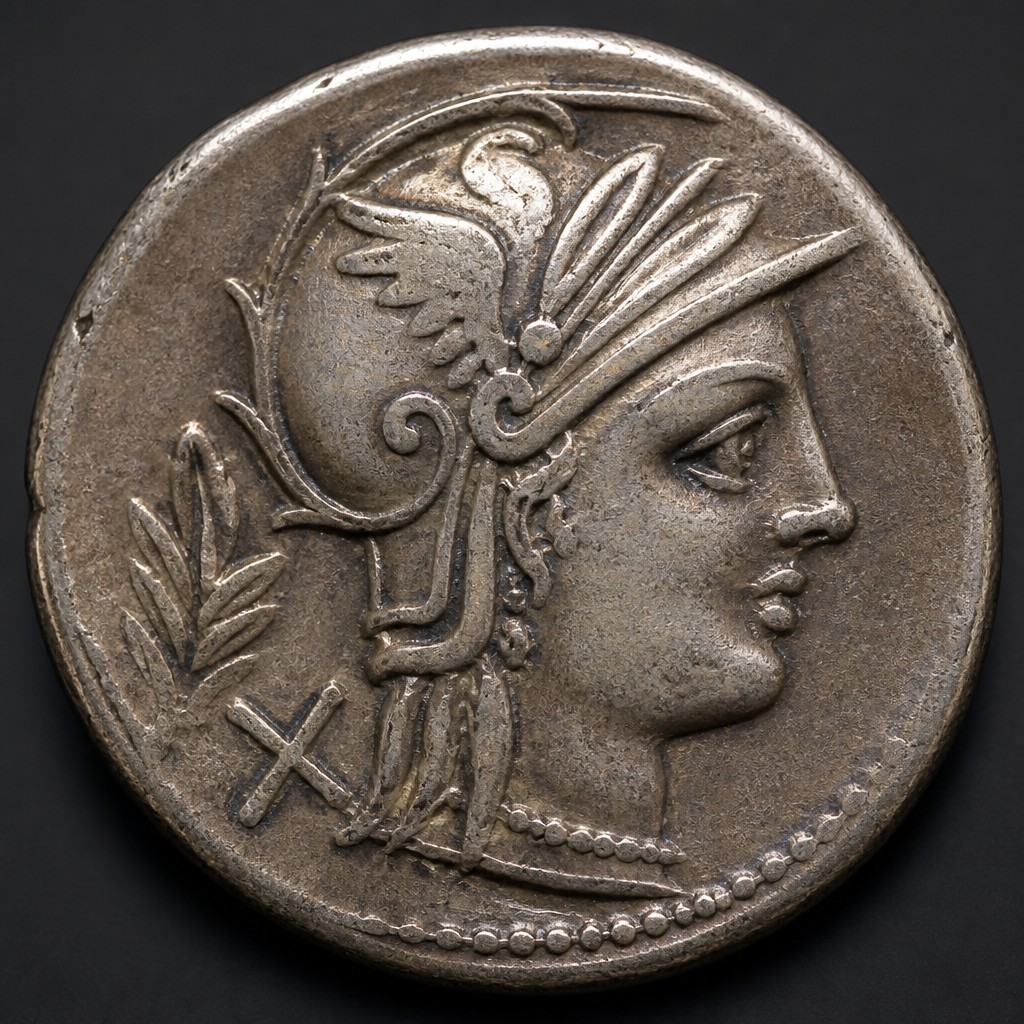
Republican Victoriatus
c. 211–170 BC
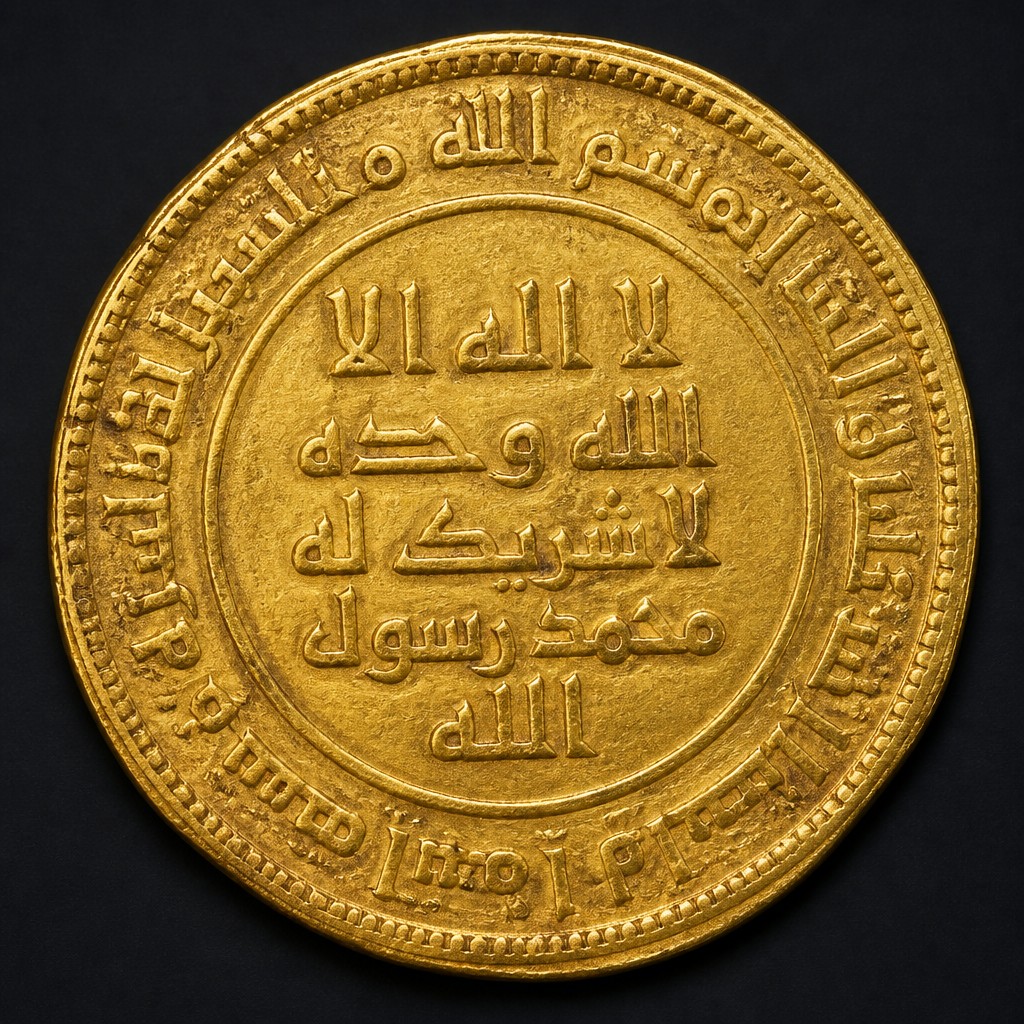
Islamic Gold Dinar (Umayyad)
c. 696–750 AD
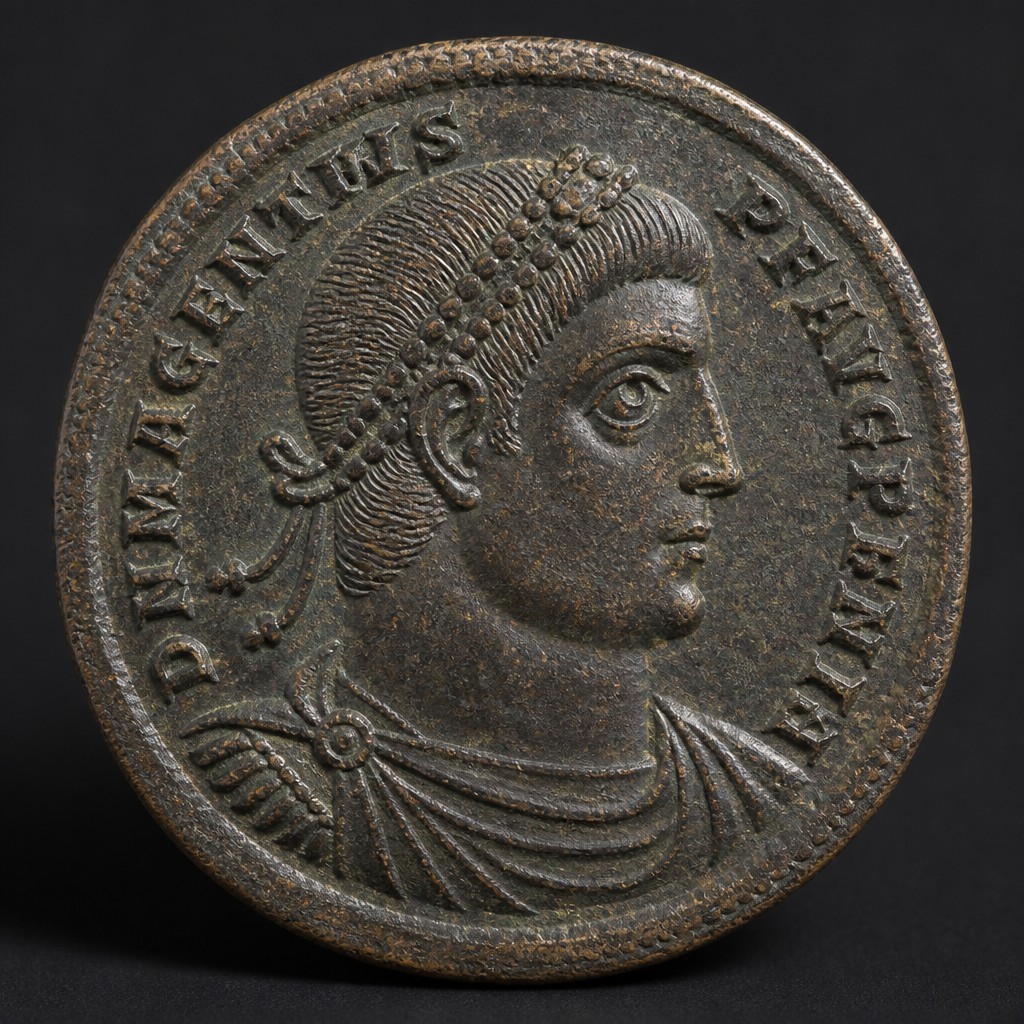
Magnentius Double Centenionalis
350–353 AD
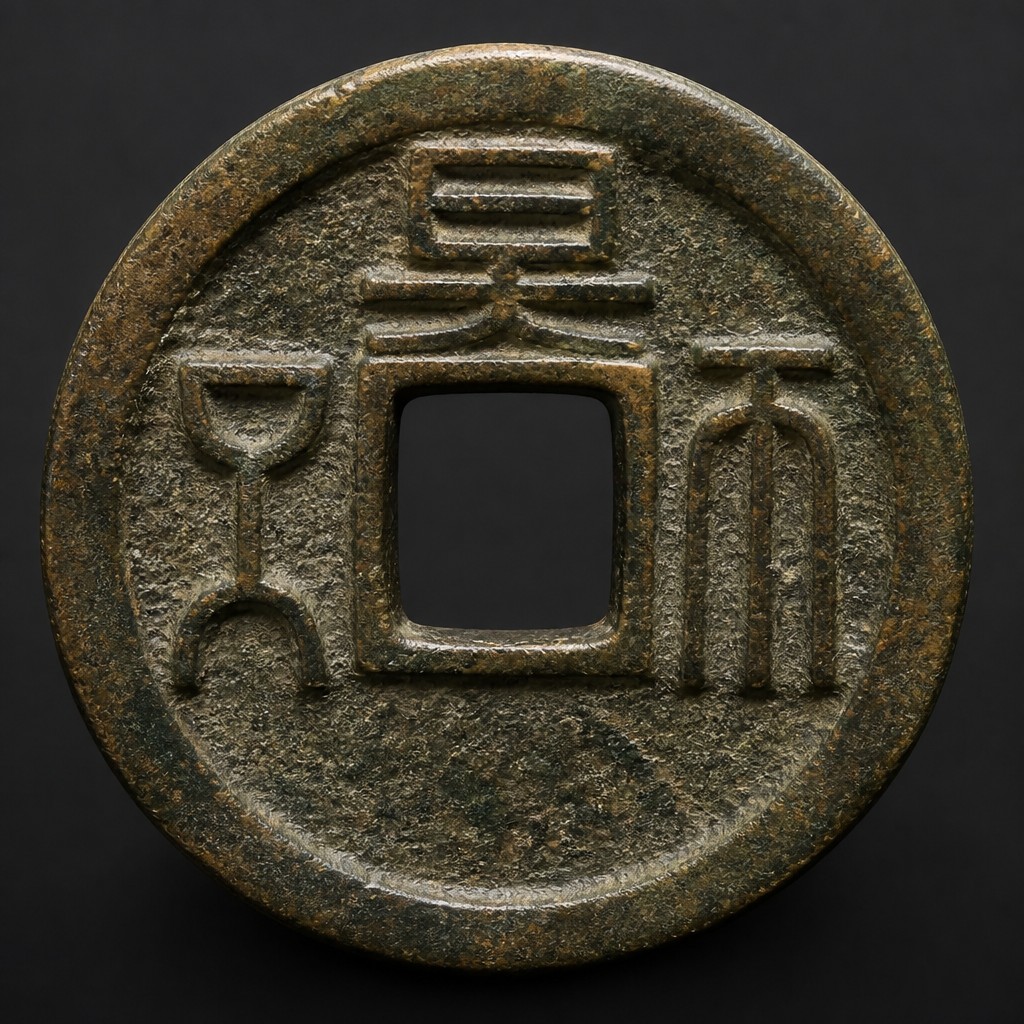
Chinese Wu Zhu Cash
118 BC – 618 AD
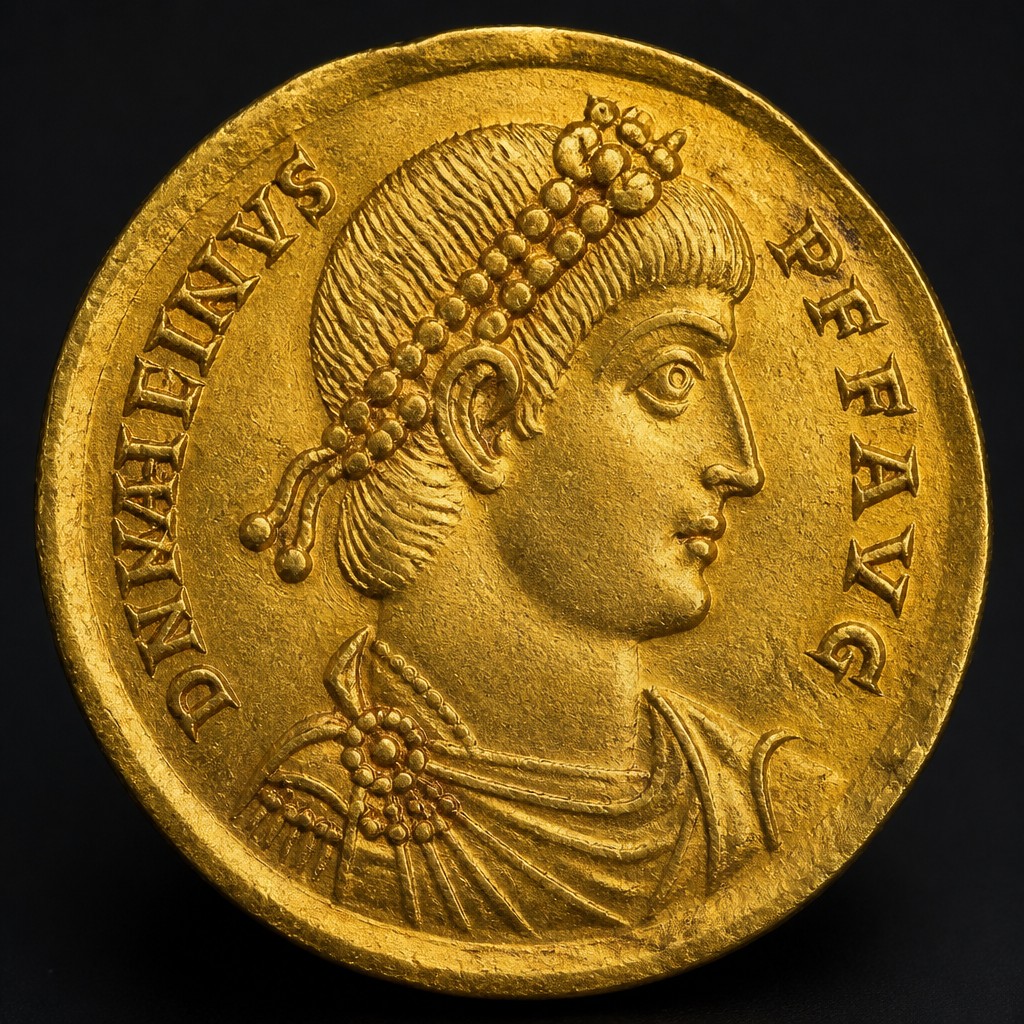
Valentinian I Solidus
364–375 AD
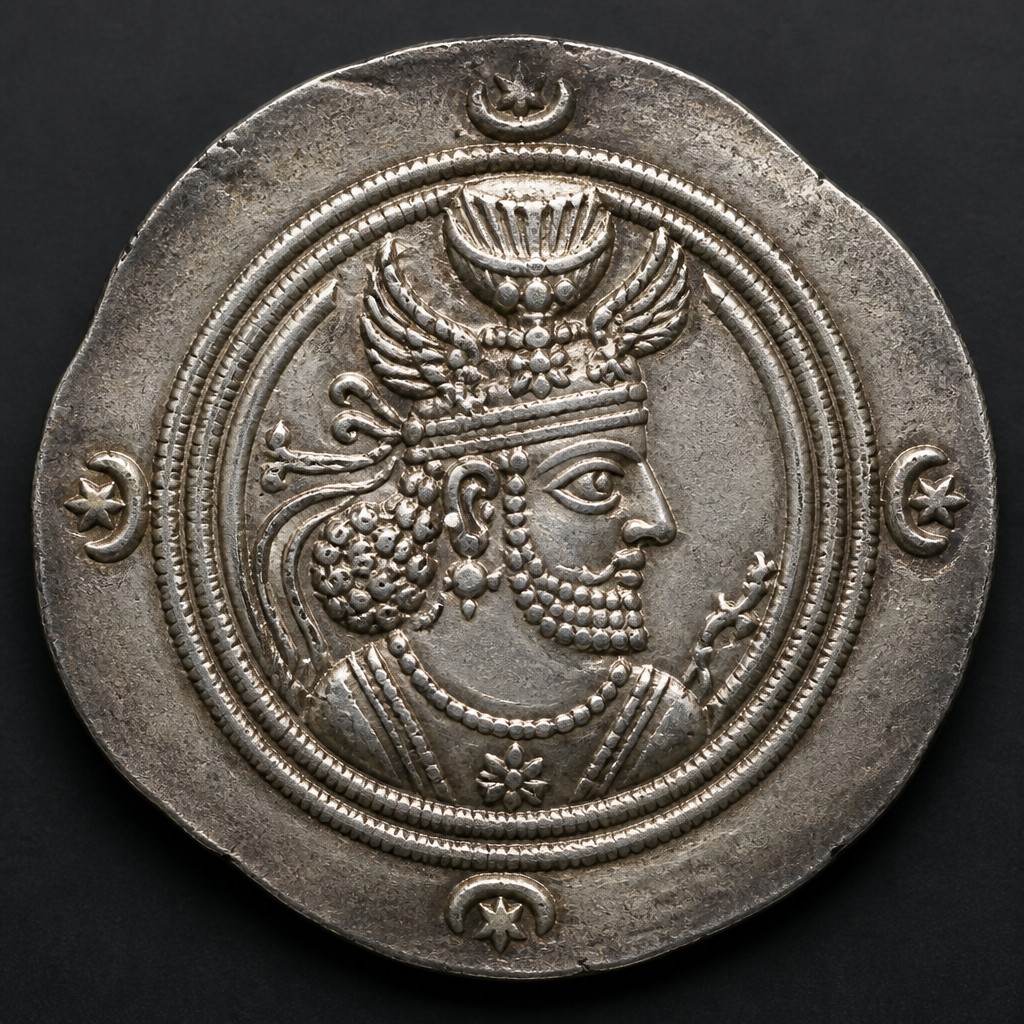
Sassanian Silver Drachm
c. 224–651 AD
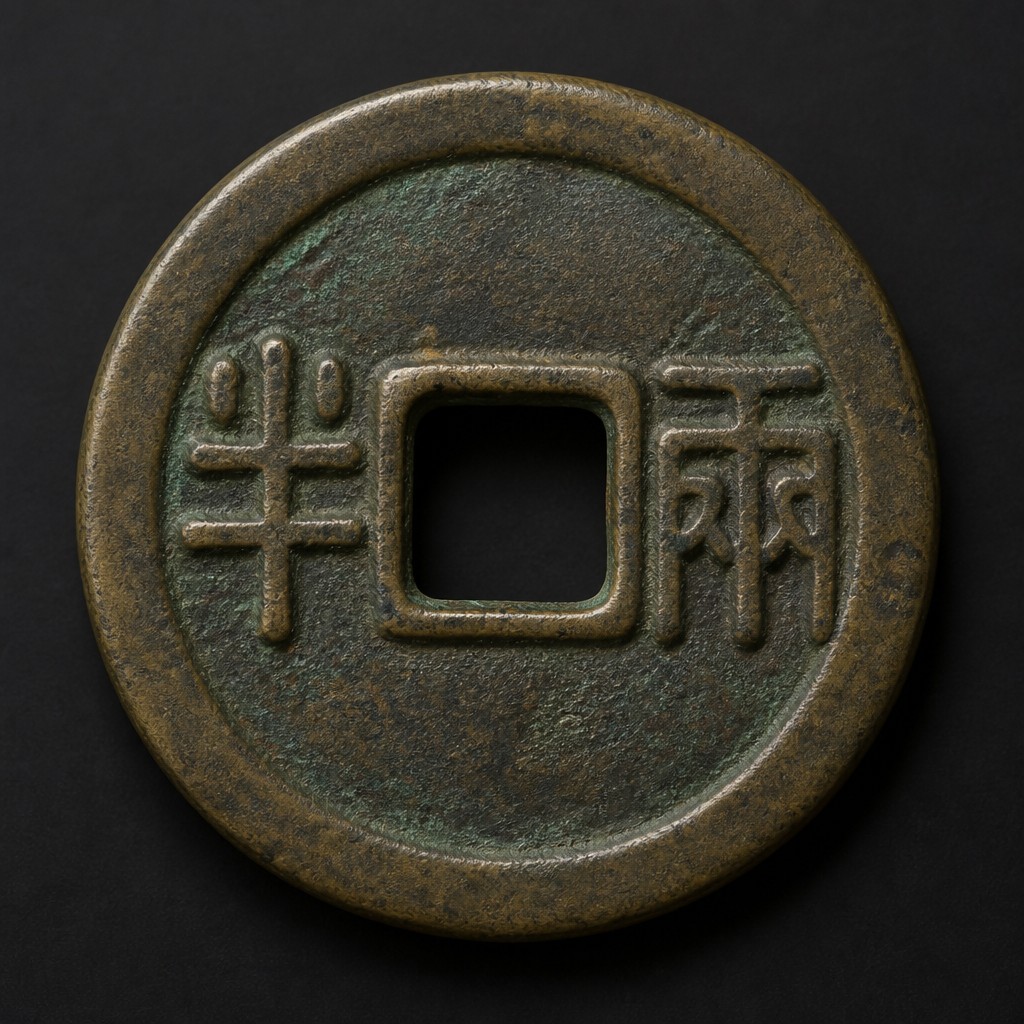
Chinese Ban Liang Cash
c. 221–118 BC
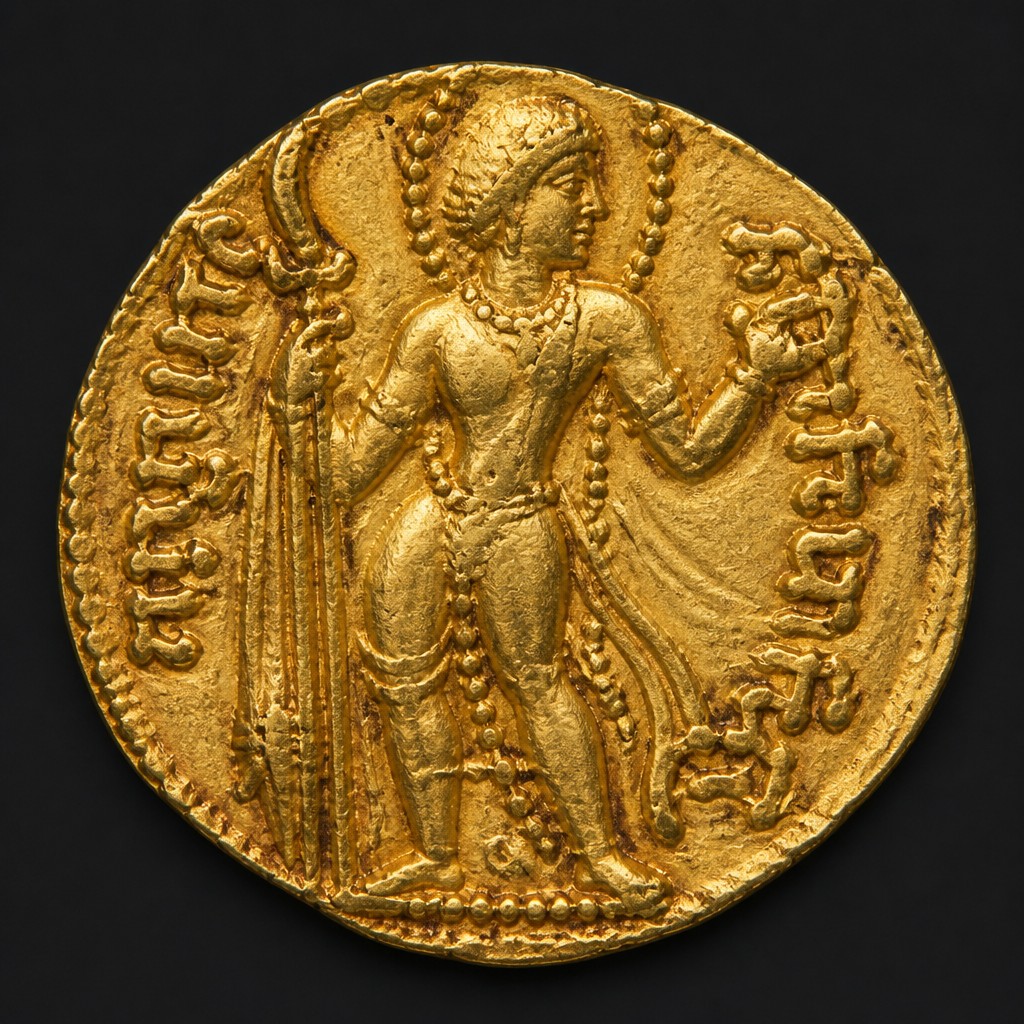
Gupta Empire Gold Dinar
c. 320–550 AD
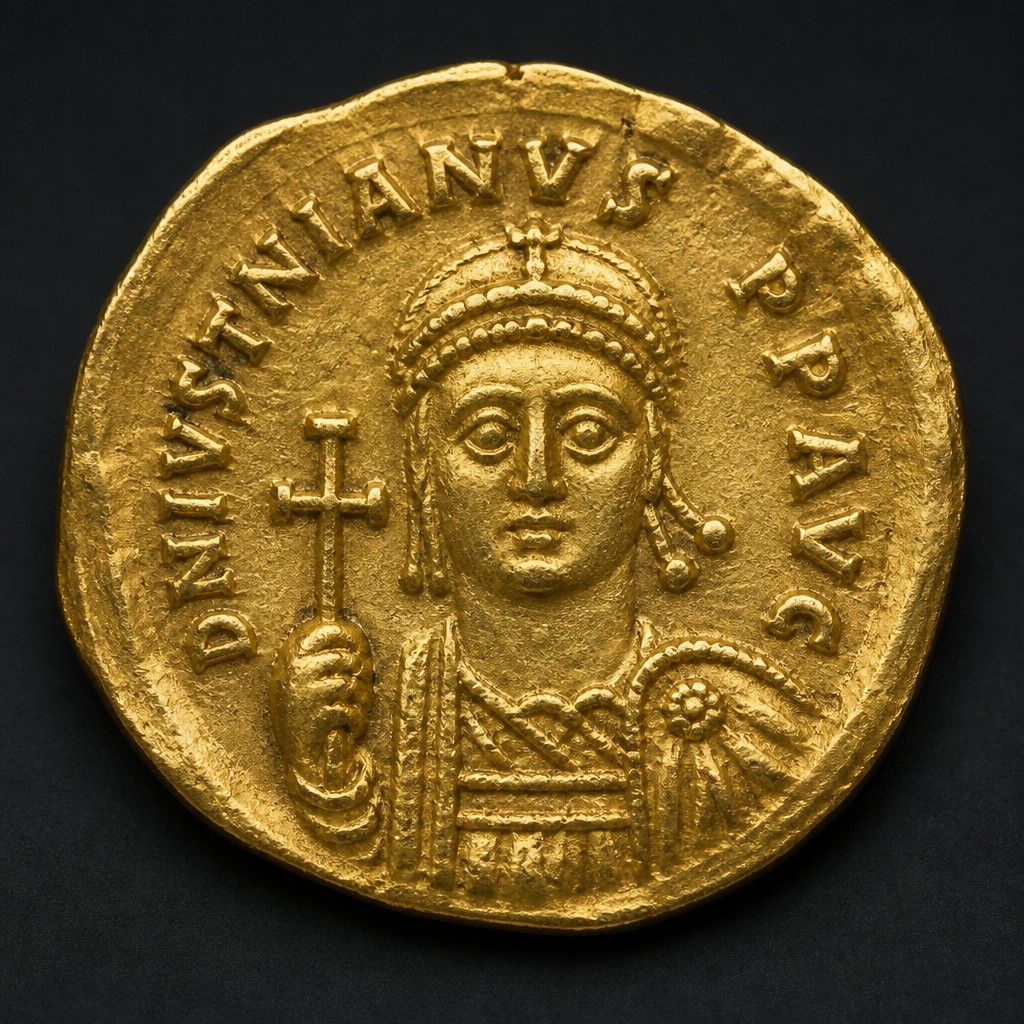
Byzantine Gold Tremissis
c. 4th–7th century AD
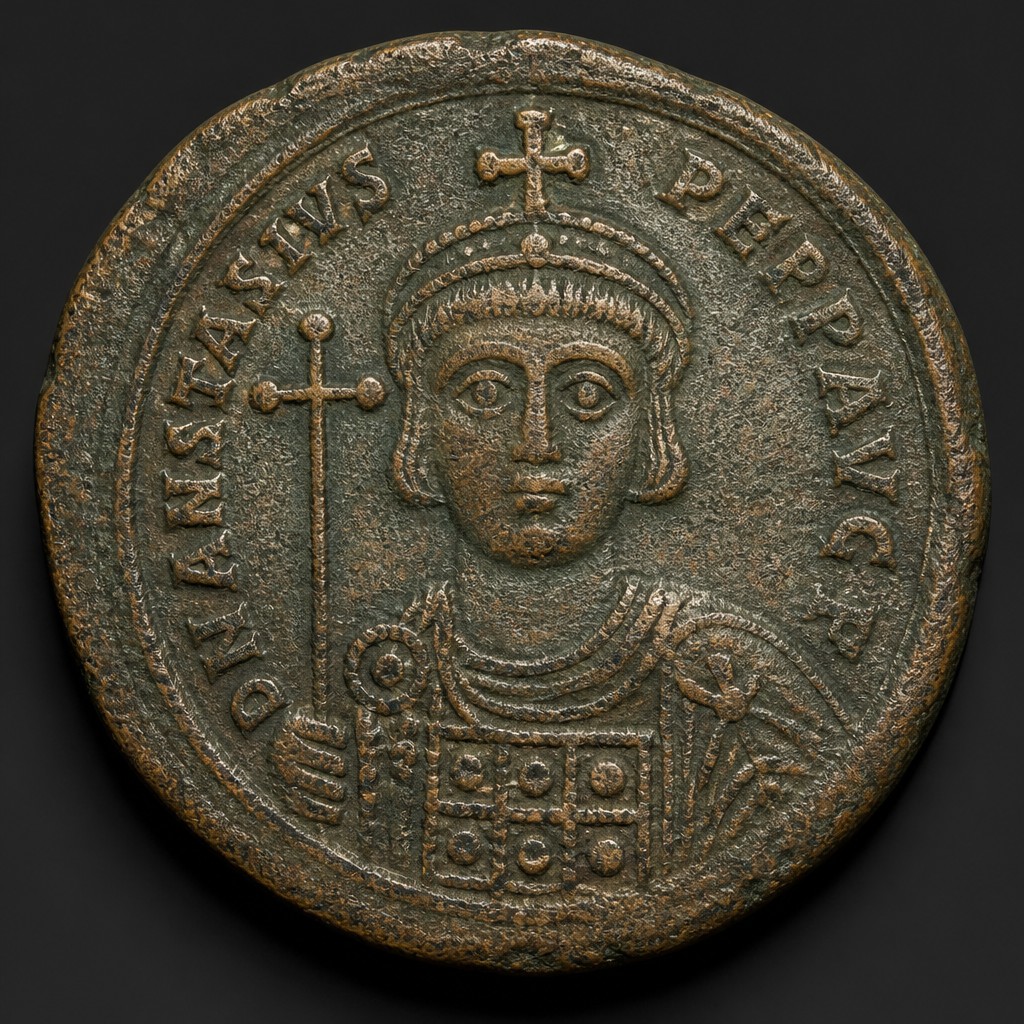
Byzantine Follis
498–c. 11th century AD
Celtic Gold Stater
c. 3rd century BC – 1st century AD