
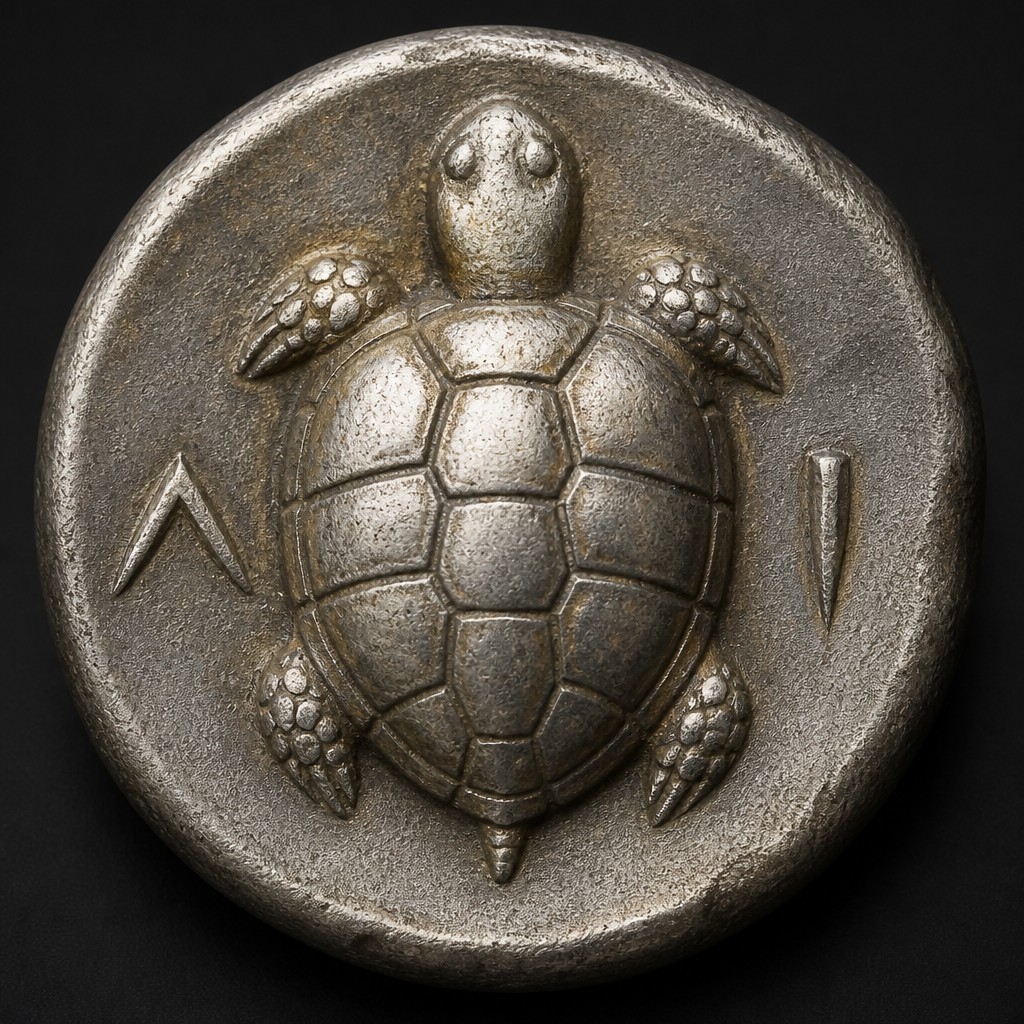
Aegina Land Tortoise Stater
A silver stater from the island of Aegina bearing a land tortoise, successor to the earlier sea-turtle design and among the earliest widely circulated coinages in the Greek world.
- Country
- Ancient Greece (Aegina)
- Denomination
- Stater
- Metal
- Silver
Got a coin like this?
Identify any coin from a photo, free.
Overview
The Aeginetan tortoise stater is one of the true pioneers of Greek coinage, struck by the island city-state of Aegina from among the very earliest phases of Greek coin production. The type is so historically important that "turtles" became something of a byword for money in parts of the ancient Greek world, and the coinage set the weight standard, the so-called Aeginetic standard, used by many other city-states.
The design evolved over time from an early sea turtle to a later land tortoise, and collectors distinguish carefully between the two phases, with the earlier sea-turtle issues generally considered the more historically significant and sought-after of the pair.
History & Background
Aegina was a small but commercially powerful island in the Saronic Gulf, and according to ancient tradition its coinage, along with that of Lydia and a few other early mints, ranks among the very first struck coinages anywhere in the Greek world, emerging around the late 7th century BC. Aegina's wealth came from maritime trade, and its silver "turtle" coins circulated so widely across the Aegean and mainland Greece that the Aeginetic weight standard became a benchmark used by many other cities.
Around the middle of the 5th century BC, following Aegina's defeat and political subjugation by Athens after the First Peloponnesian War, the design changed from the earlier sea turtle to a land tortoise, a shift numismatists have long debated as possibly reflecting either a change in local religious symbolism or simply a stylistic evolution; production of the type continued until Aegina's coinage was eventually suppressed by Athens.
How to Identify
The obverse shows a tortoise viewed from above; on early issues (sea turtle type) the shell shows a single row of raised dots down the center, while later issues (land tortoise type) show a divided shell with two rows of dots and a more naturalistic, articulated body and legs. The reverse consists of a simple incuse square, typically divided into compartments by intersecting lines, an early and rather primitive form of reverse design compared with the pictorial reverses that later became standard in Greek coinage.
The coin is struck in silver on the heavier Aeginetic weight standard, giving genuine staters a distinctly substantial heft compared with similar-looking Attic-standard coins.
Value & Collectibility
Aeginetan tortoise staters are relatively accessible for coins of such early date and historical importance, with common, well-worn land tortoise examples often available for a few hundred dollars, while sharper, better-centered pieces and especially the earlier and scarcer sea turtle type command significantly higher prices. Because the design is simple and the coinage was produced over a long span, condition, strike quality, and correct identification of type (sea turtle versus land tortoise) are the main drivers of value.
Frequently asked questions
What is the difference between the sea turtle and land tortoise types?
The earlier sea turtle shows a single row of dots on the shell, while the later land tortoise shows a divided shell with two rows of dots and more naturalistic legs; the land tortoise type followed Aegina's defeat by Athens.
Why is this coinage historically important?
Aegina was among the very first Greek city-states to strike coinage, and its "turtle" staters set a weight standard adopted by many other cities.
What does the reverse look like?
A simple incuse square divided into compartments, a primitive design typical of the earliest Greek coinage.
Are these coins affordable?
Many worn examples are reasonably priced, though sharp strikes and the rarer early sea turtle type cost considerably more.
What metal and standard was used?
Silver, struck on the heavier Aeginetic weight standard rather than the Attic standard used at Athens.
Other coins you may enjoy
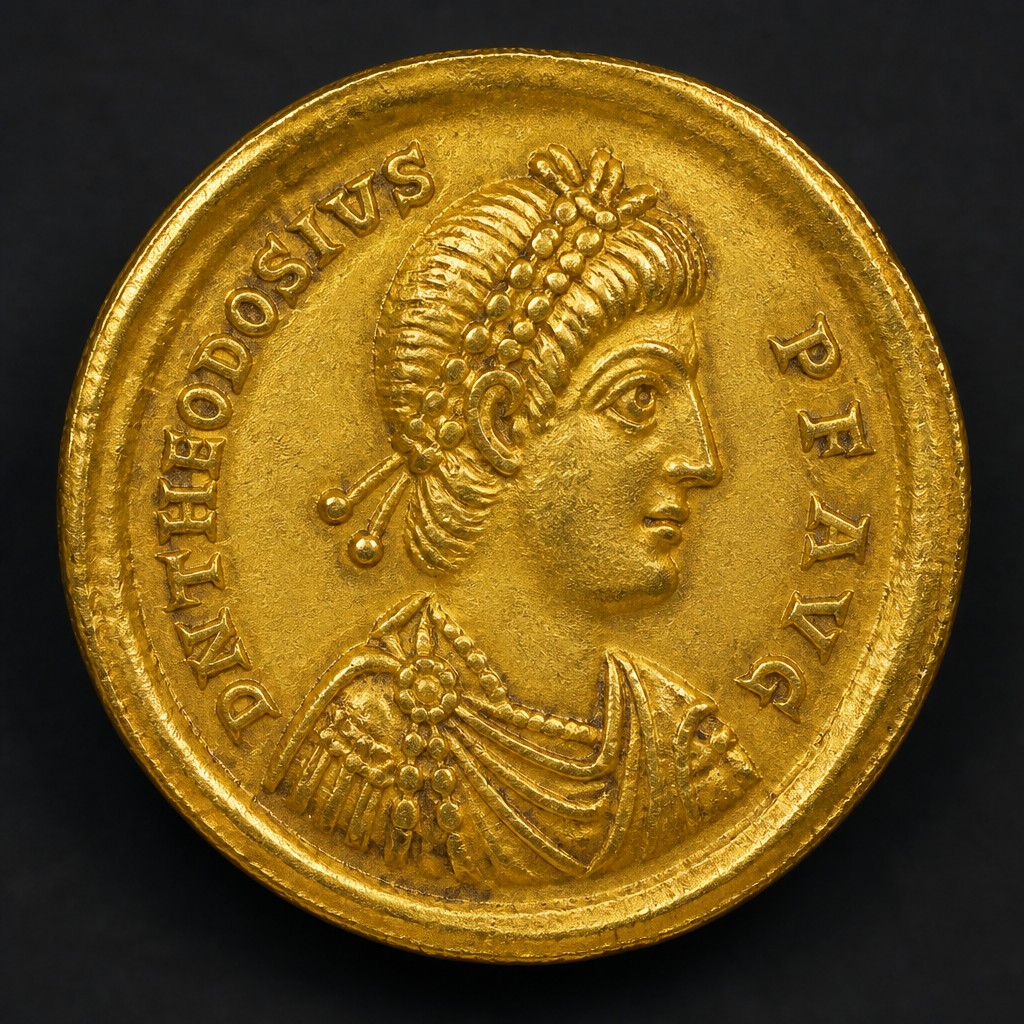
Theodosius I Solidus
379–395 AD
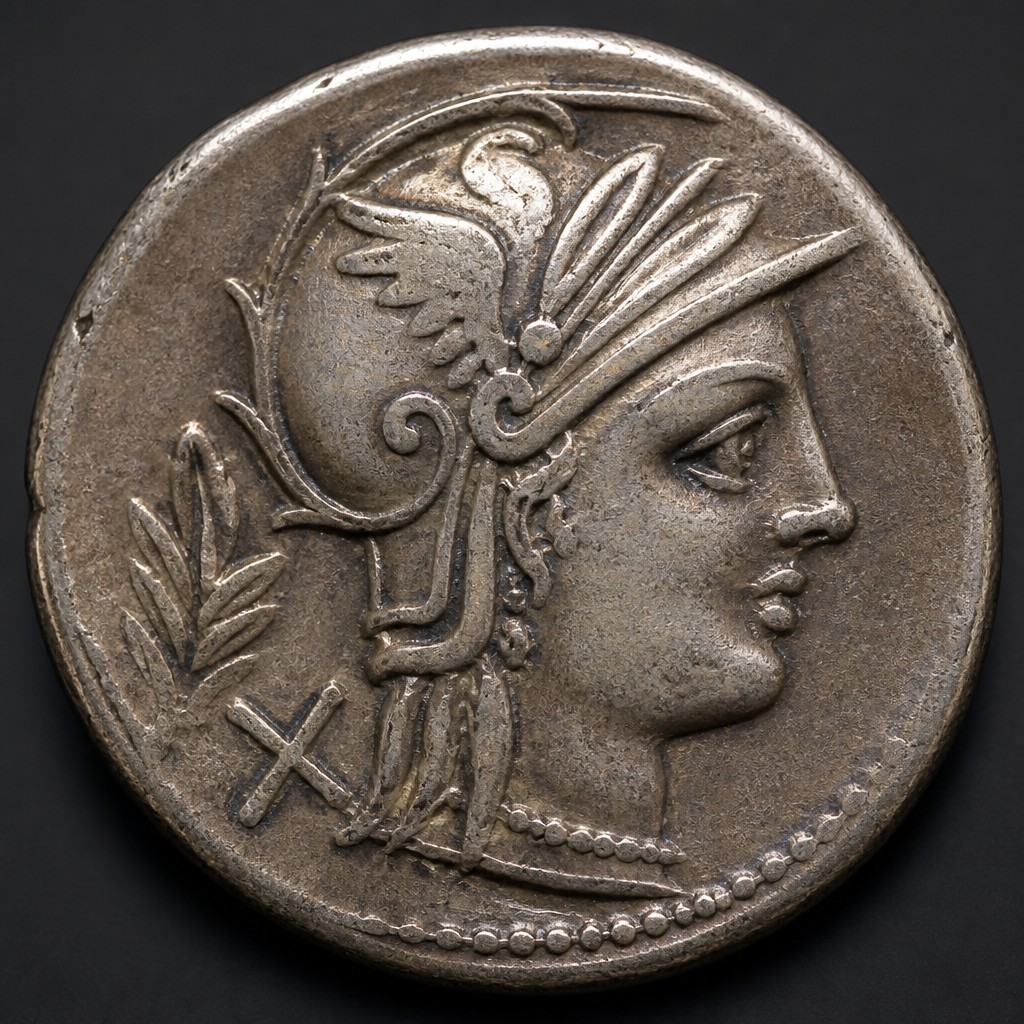
Republican Victoriatus
c. 211–170 BC
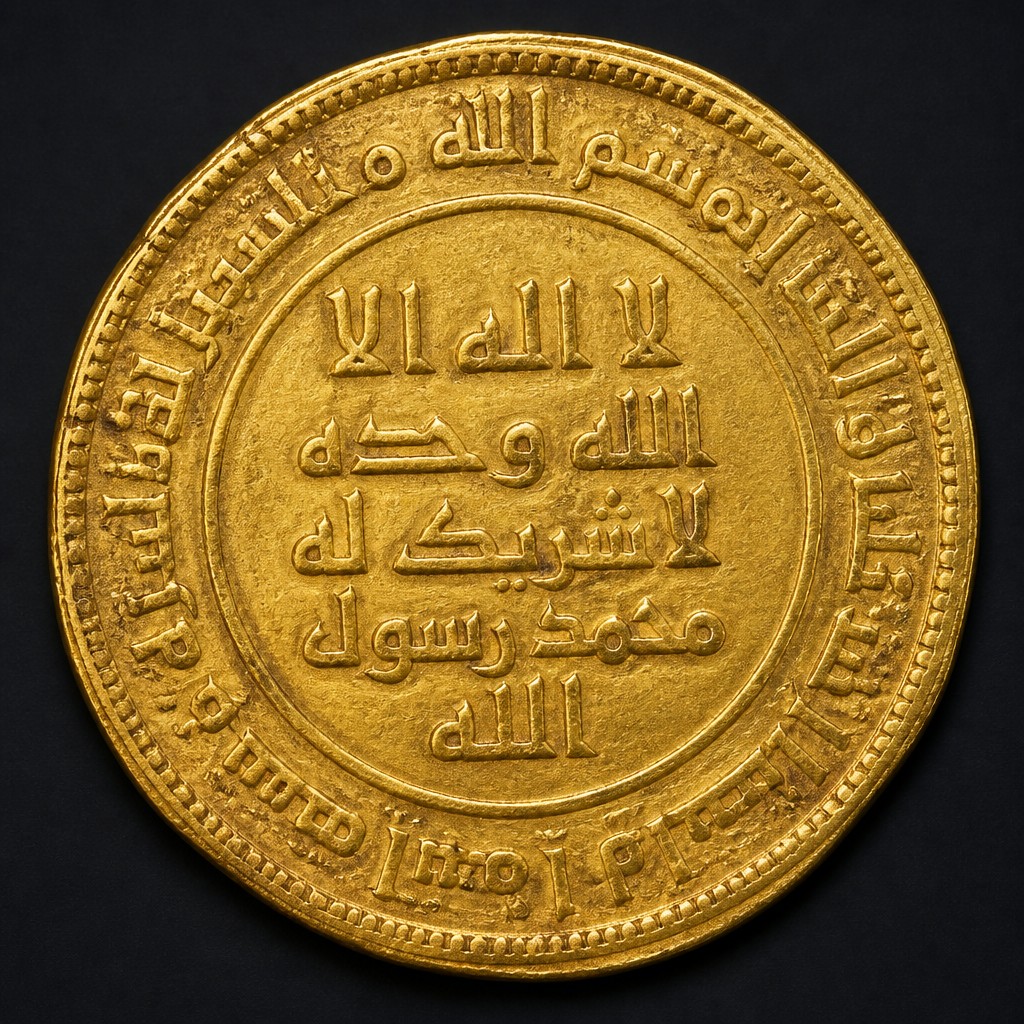
Islamic Gold Dinar (Umayyad)
c. 696–750 AD
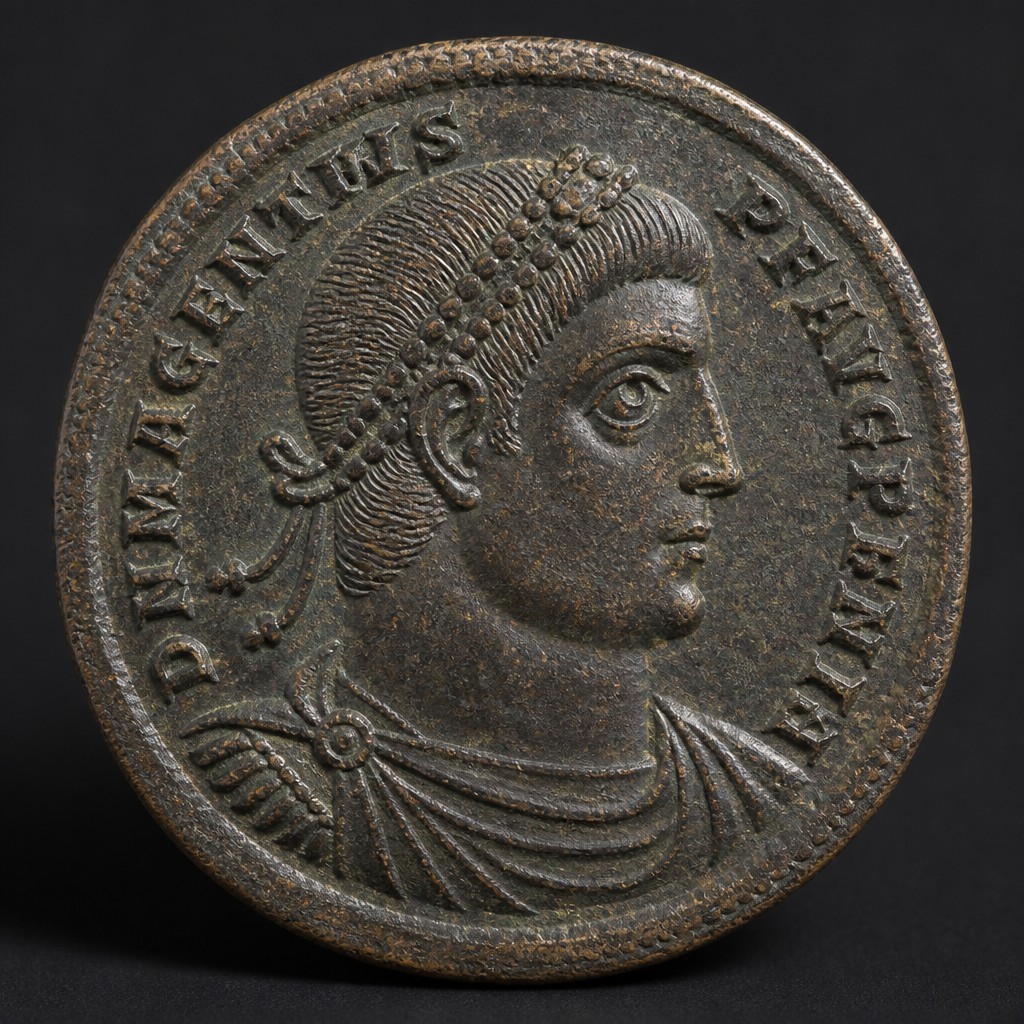
Magnentius Double Centenionalis
350–353 AD
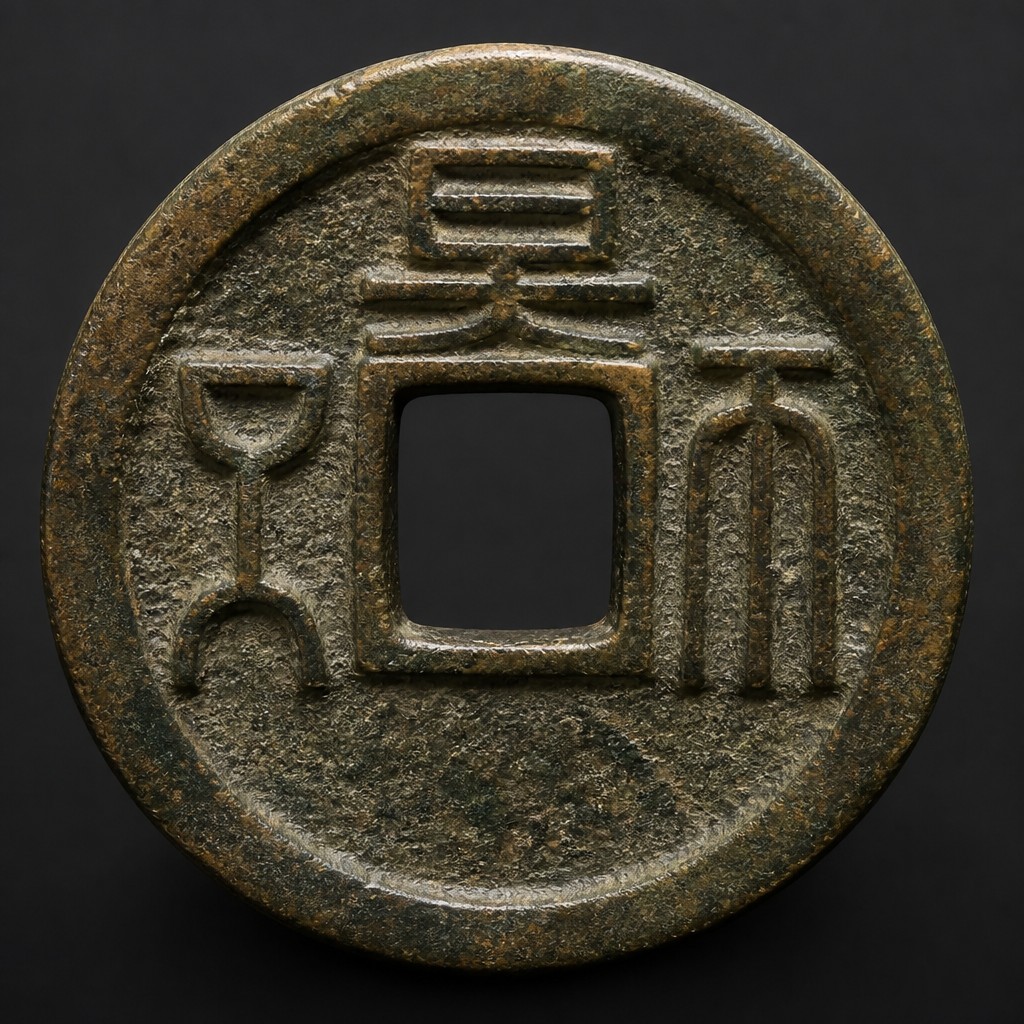
Chinese Wu Zhu Cash
118 BC – 618 AD
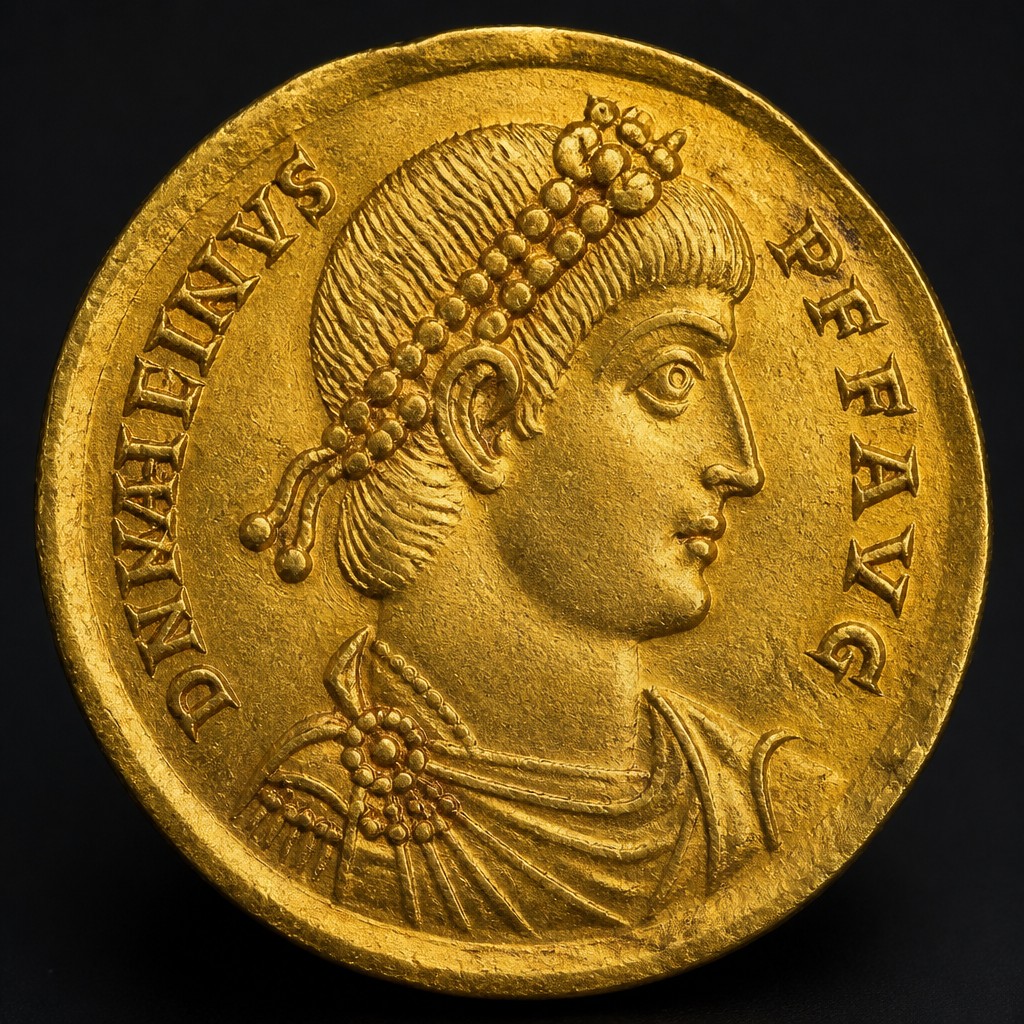
Valentinian I Solidus
364–375 AD
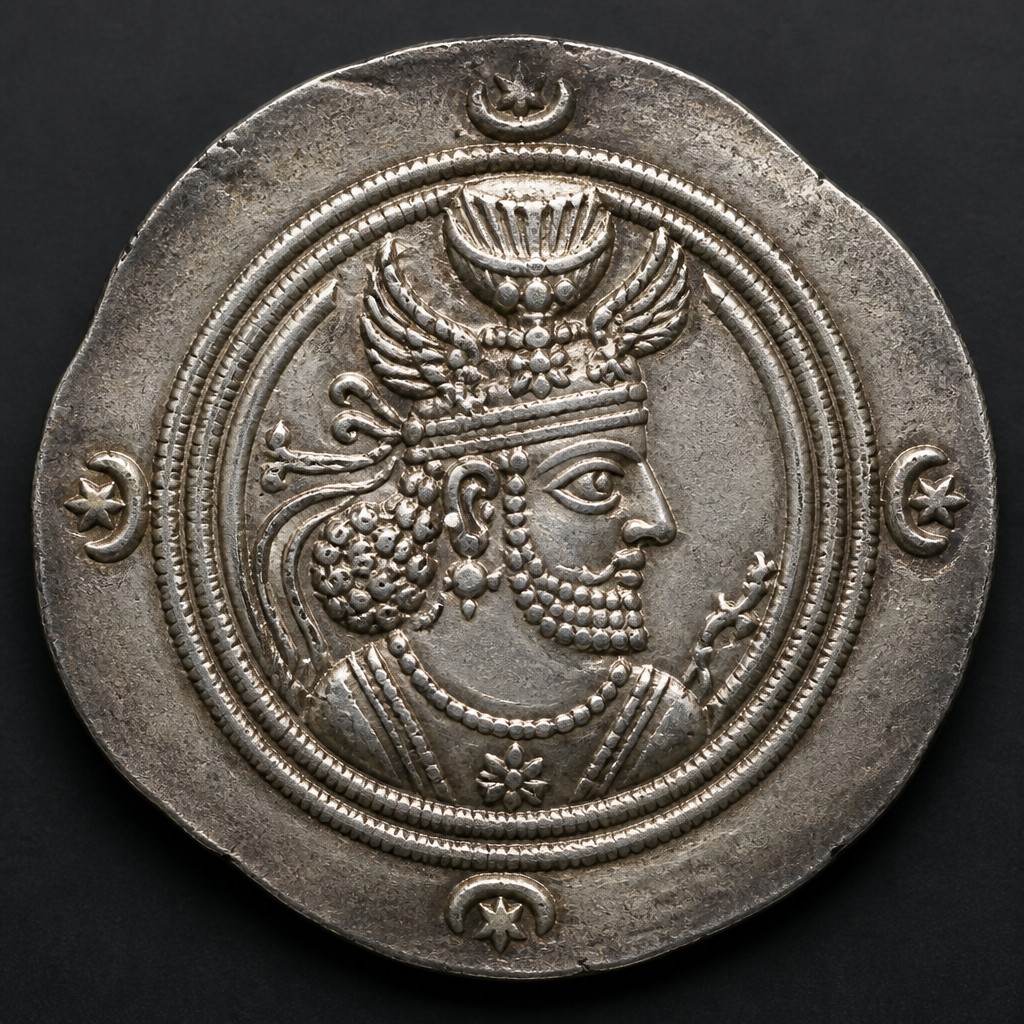
Sassanian Silver Drachm
c. 224–651 AD
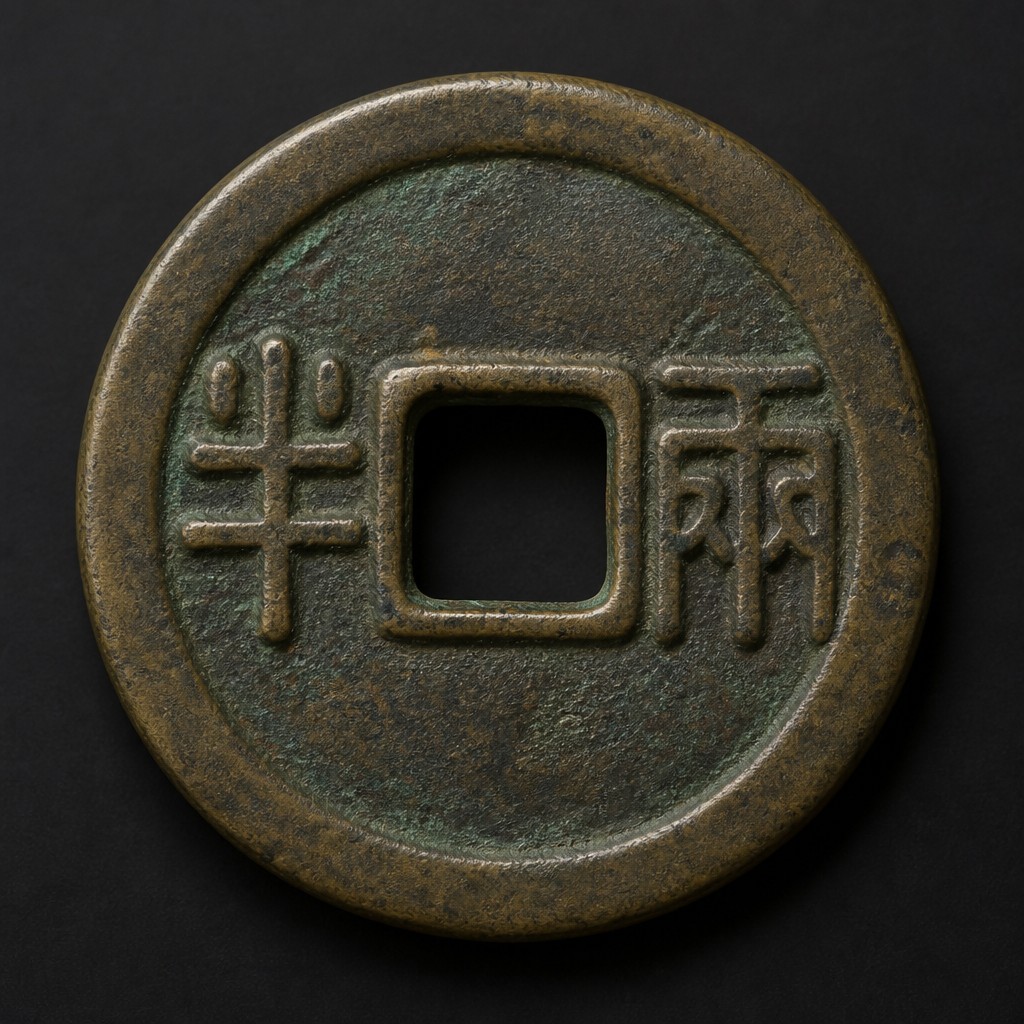
Chinese Ban Liang Cash
c. 221–118 BC
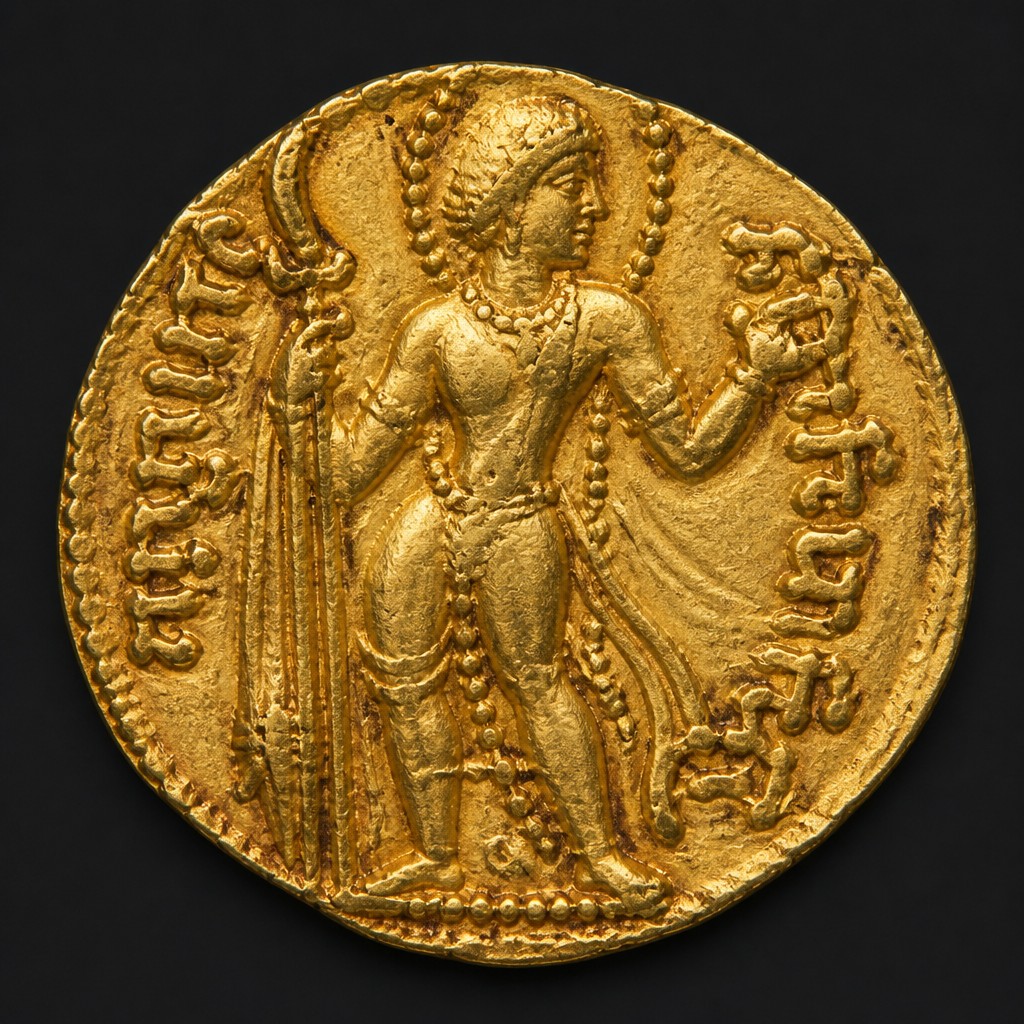
Gupta Empire Gold Dinar
c. 320–550 AD
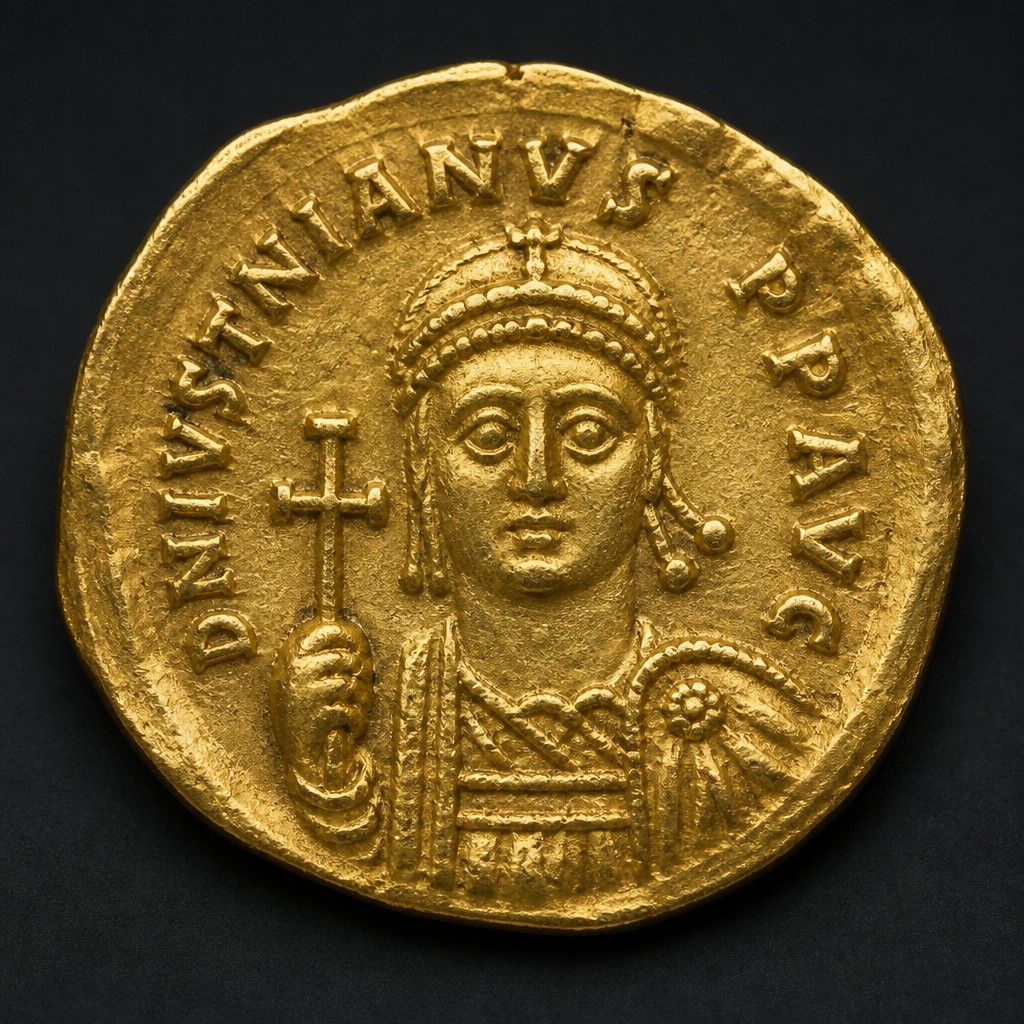
Byzantine Gold Tremissis
c. 4th–7th century AD
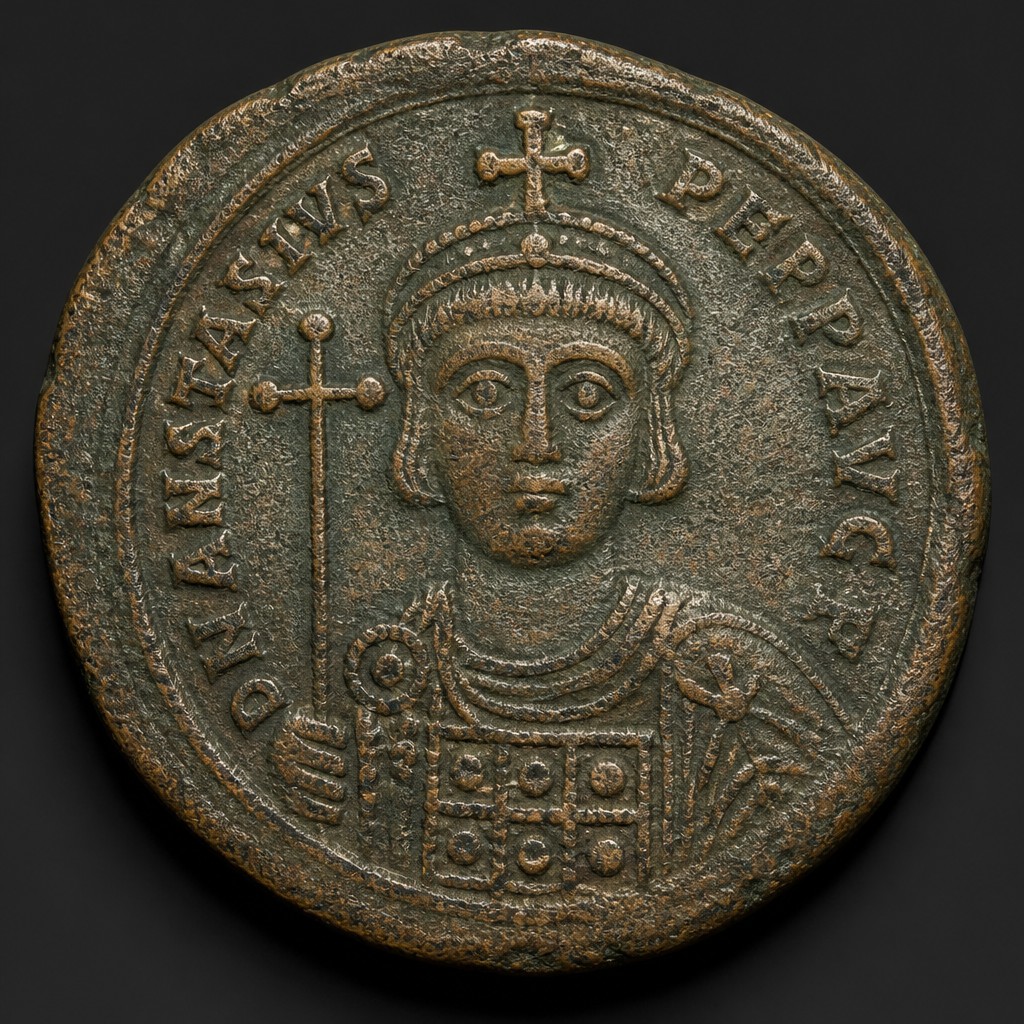
Byzantine Follis
498–c. 11th century AD
Celtic Gold Stater
c. 3rd century BC – 1st century AD