
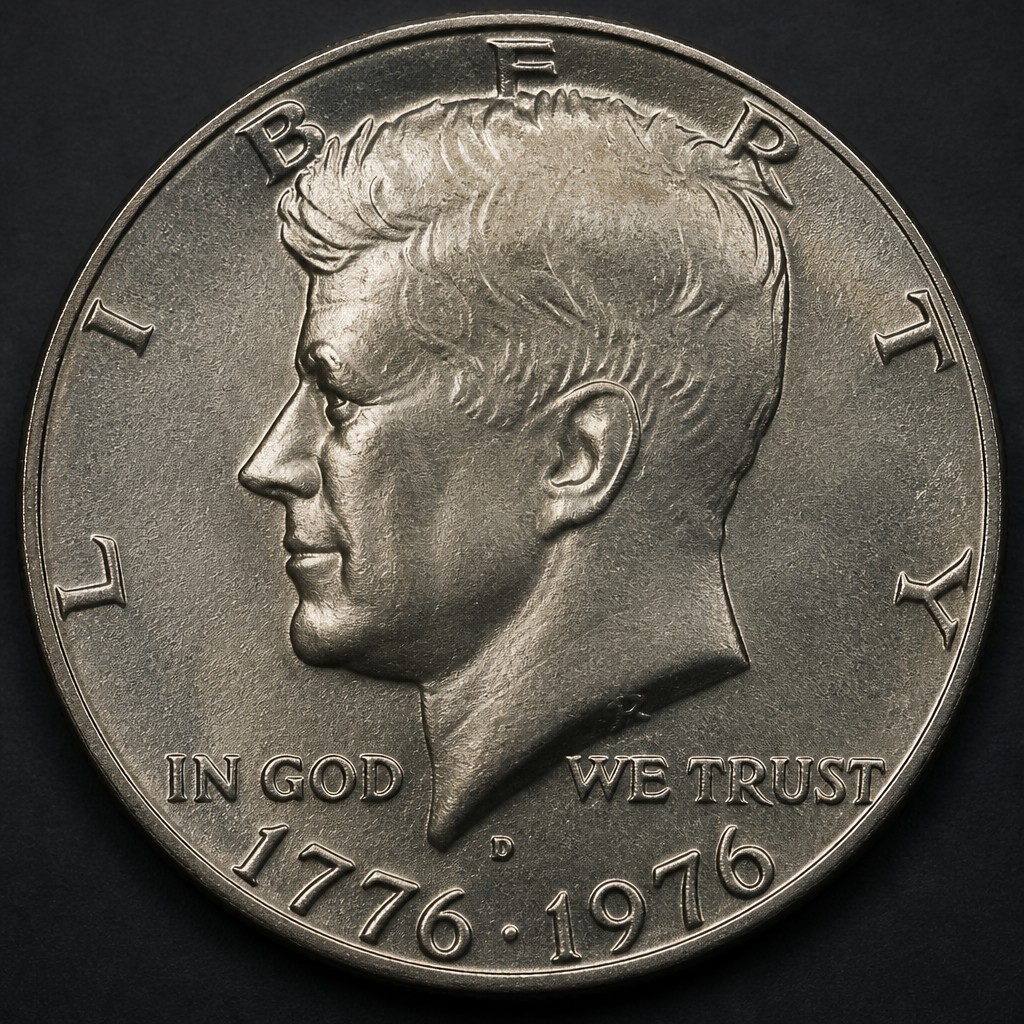
1976 Bicentennial Kennedy Half Dollar
A special dual-dated 1776-1976 Kennedy half dollar with a redesigned Independence Hall reverse, struck to commemorate the United States Bicentennial.
- Country
- United States
- Denomination
- Half Dollar
- Metal
- Copper-Nickel Clad (circulation), 40% Silver (special collector sets)
Got a coin like this?
Identify any coin from a photo, free.
Overview
The Bicentennial half dollar replaced the regular eagle reverse of the Kennedy half dollar for coins struck in 1975 and 1976, all of which carry the dual date 1776-1976 rather than a single year, to celebrate 200 years of American independence. It was part of a broader Bicentennial coinage program that also changed the reverse designs of the quarter and dollar for the same two years.
Because the coin was struck for two calendar years under one date, it does not fit into a traditional year-by-year mint set the way most U.S. coins do, and collectors instead distinguish examples by mintmark and finish. Special silver versions were also sold directly to collectors, separate from the standard copper-nickel clad coins used in everyday commerce.
History & Background
As the United States approached its 200th anniversary of independence in 1976, Congress authorized a competition and subsequent redesign of the reverse of the quarter, half dollar, and dollar coins for a limited run of Bicentennial coinage. Seth Huntington won the design competition for the half dollar with a depiction of Independence Hall in Philadelphia, the building where the Declaration of Independence was debated and signed.
The Mint began striking Bicentennial coins in 1975 so that adequate supplies would be ready in time for the 1976 celebrations, which is why all examples bear the dual date 1776-1976 rather than showing 1975 or 1976 individually. Alongside the standard copper-nickel clad coins struck for circulation, the Mint also produced 40% silver versions specifically for collectors, sold in special proof and uncirculated sets.
After 1976, the half dollar's reverse returned to the standard eagle and presidential coat of arms design used before and after the Bicentennial program.
How to Identify
The obverse retains the familiar Kennedy portrait, though it was adjusted to complement the new reverse. The reverse shows Independence Hall with its distinctive tower, surrounded by the inscriptions UNITED STATES OF AMERICA, HALF DOLLAR, and the dual date 1776-1976, rather than a single year.
Standard circulation coins are struck in copper-nickel clad and show the typical copper-colored edge stripe, while special collector editions struck in 40% silver have a solid silver-colored edge and slightly different weight and tone. Mintmarks appear on the obverse near Kennedy's neck: no mark for Philadelphia, "D" for Denver, and "S" for San Francisco, with San Francisco issues generally being proof or silver versions rather than for circulation.
Because the coin was struck in two different calendar years under the same date, there is no way to distinguish a 1975-struck example from a 1976-struck example just by looking at it; only mintmark and finish differences (proof versus business strike, clad versus silver) can be identified.
Value & Collectibility
Standard copper-nickel clad Bicentennial half dollars are common, having been struck in very large numbers for circulation, so most examples in worn to lightly circulated condition are worth close to face value or a small collector premium. Uncirculated rolls and mint-set examples in high grade can bring modestly more.
The 40% silver versions sold in special proof and uncirculated sets carry a higher value tied to their silver content plus a numismatic premium, and pristine, well-preserved examples in original government packaging are especially desirable. As with other clad-era coins, exceptional condition and certified grading can meaningfully increase value for standout pieces.
Frequently asked questions
Why do Bicentennial half dollars say 1776-1976 instead of a single year?
The Mint struck them in both 1975 and 1976 to have enough coins ready for the Bicentennial celebrations, so all examples share the dual date regardless of the actual strike year.
Who designed the Bicentennial half dollar reverse?
Seth Huntington designed the Independence Hall reverse used on the 1976 Bicentennial half dollar.
Are Bicentennial half dollars silver?
Most circulating examples are copper-nickel clad, but the Mint also sold 40% silver versions in special collector sets.
Are 1976 Bicentennial half dollars valuable?
Standard clad coins are common and generally worth modest premiums over face value, while silver collector versions and top-grade certified pieces are worth more.
Other coins you may enjoy
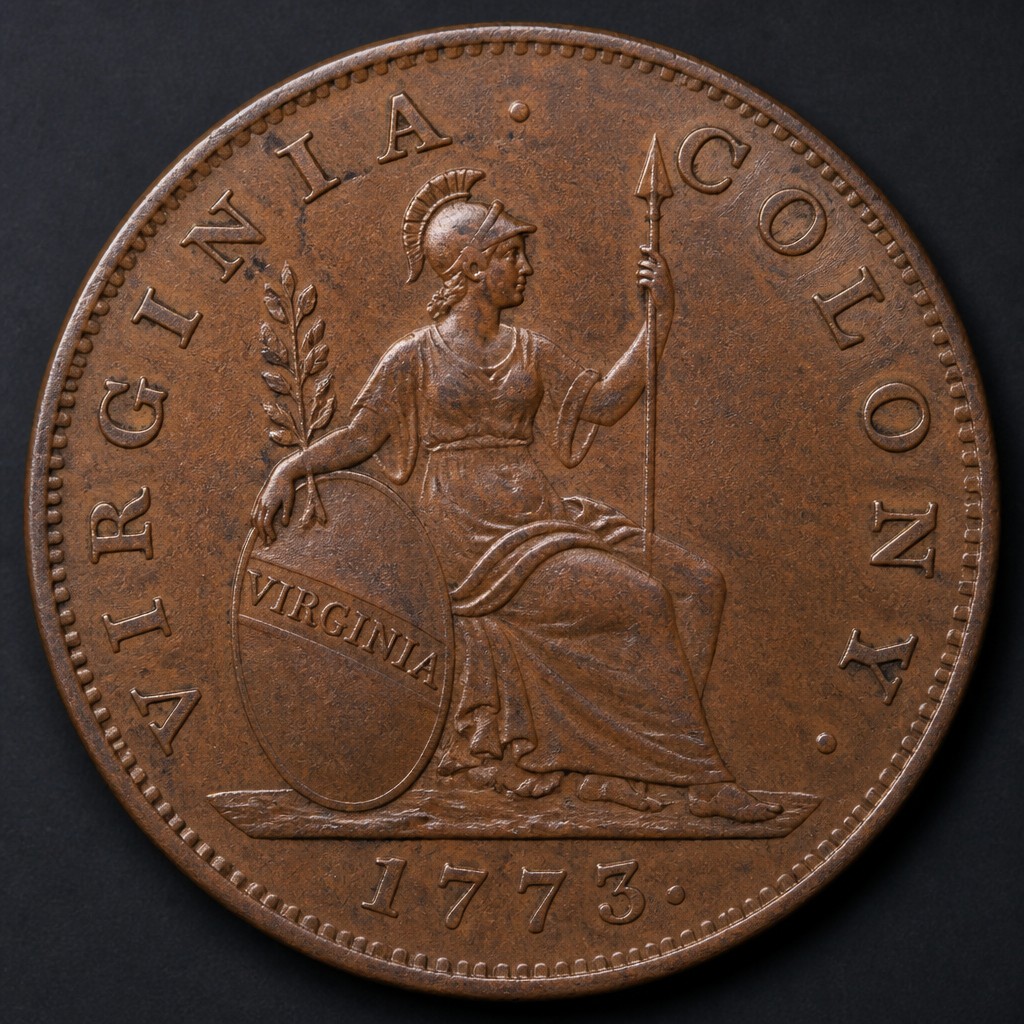
Virginia Halfpenny
1773
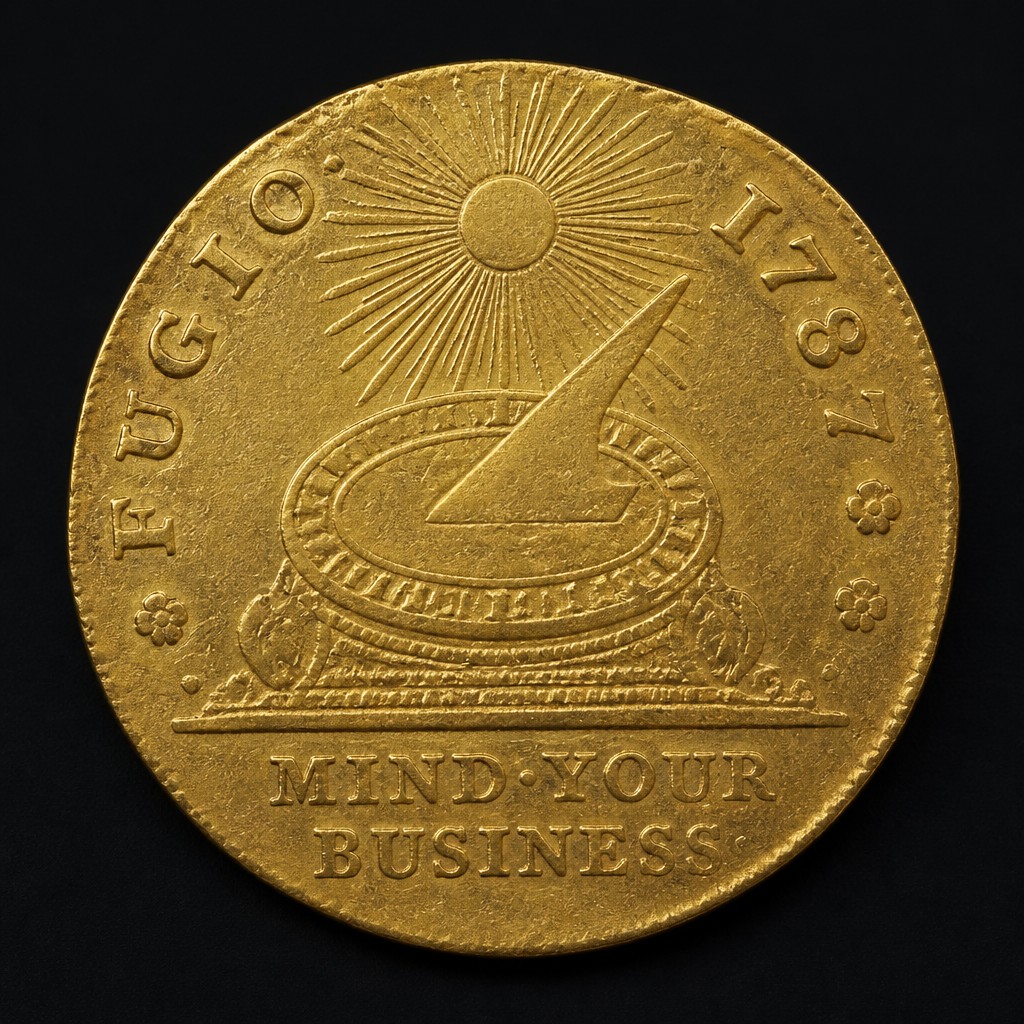
Brasher Doubloon
1787
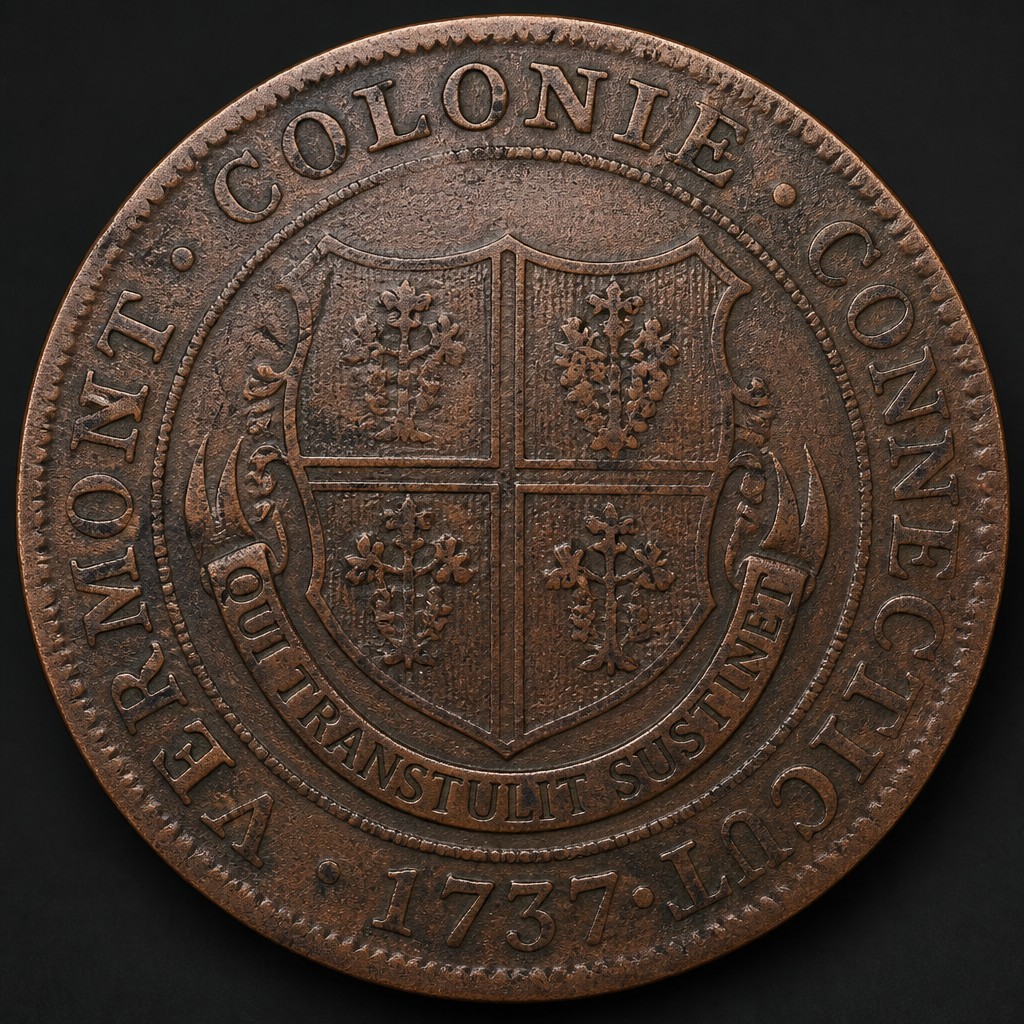
Higley Copper
1737–1739
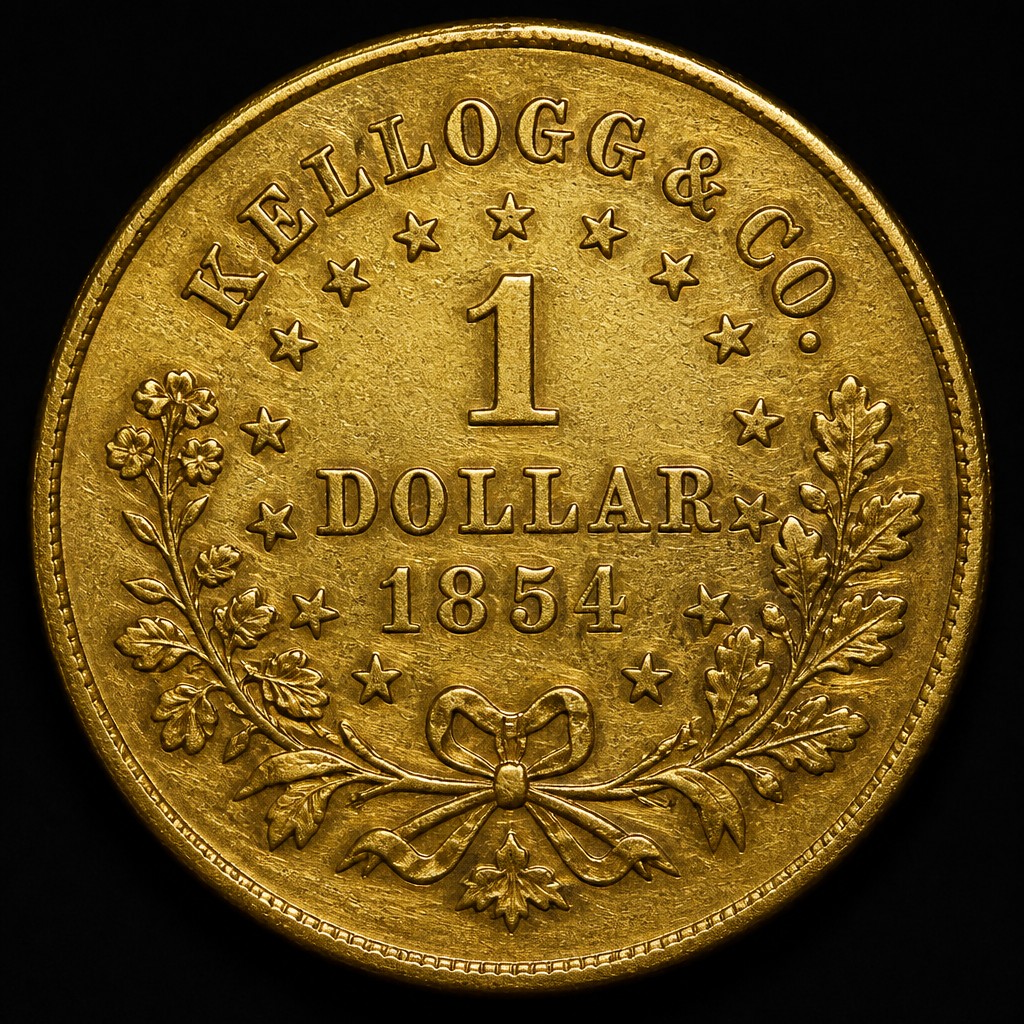
Kellogg & Co. Gold Piece
1854–1855
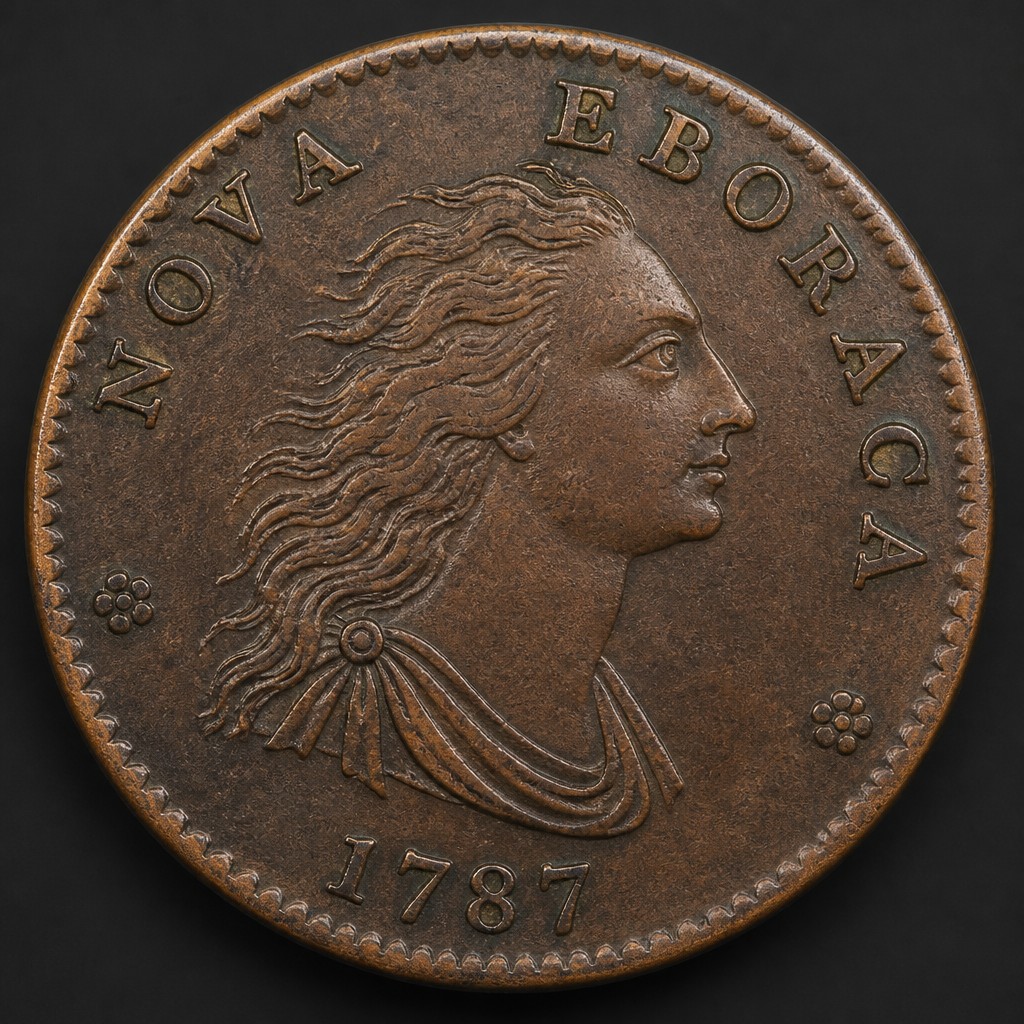
Nova Eborac Copper
1787
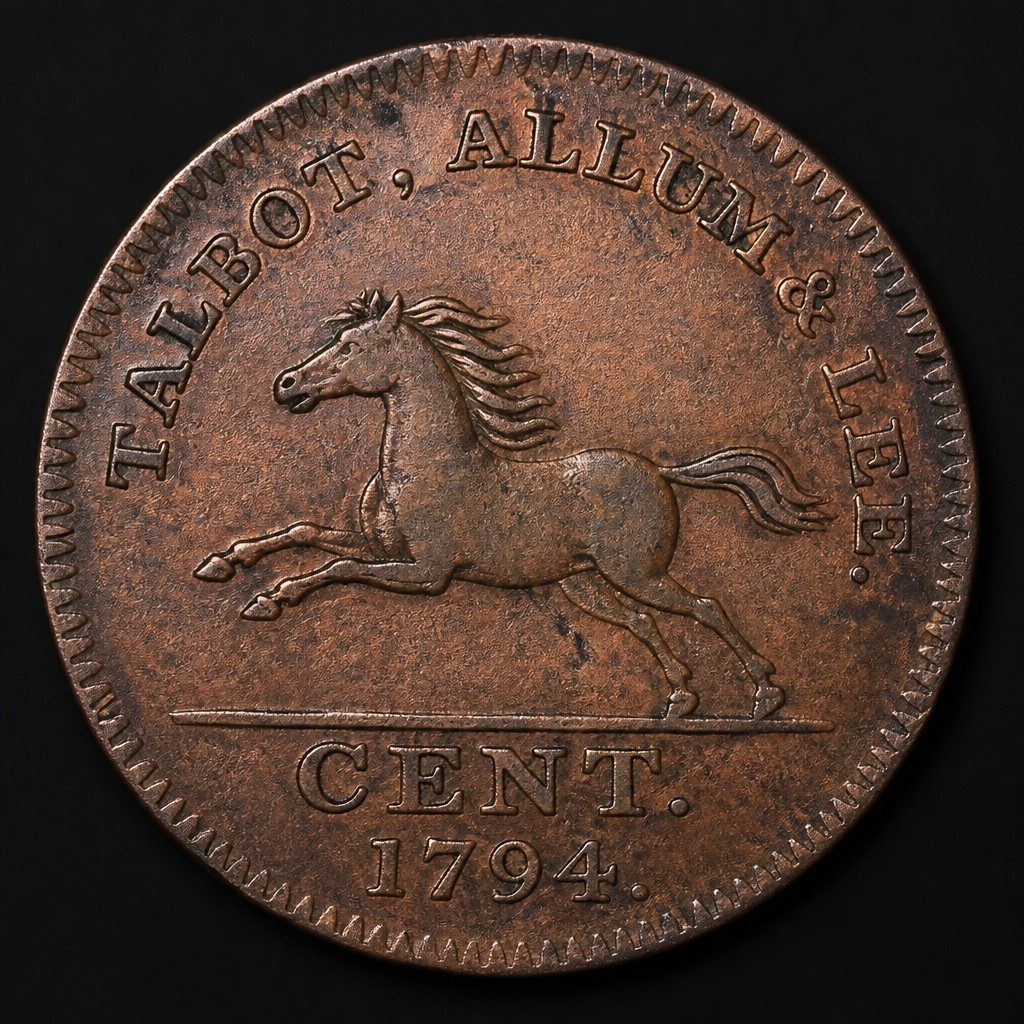
Talbot, Allum & Lee Cent
1794–1795
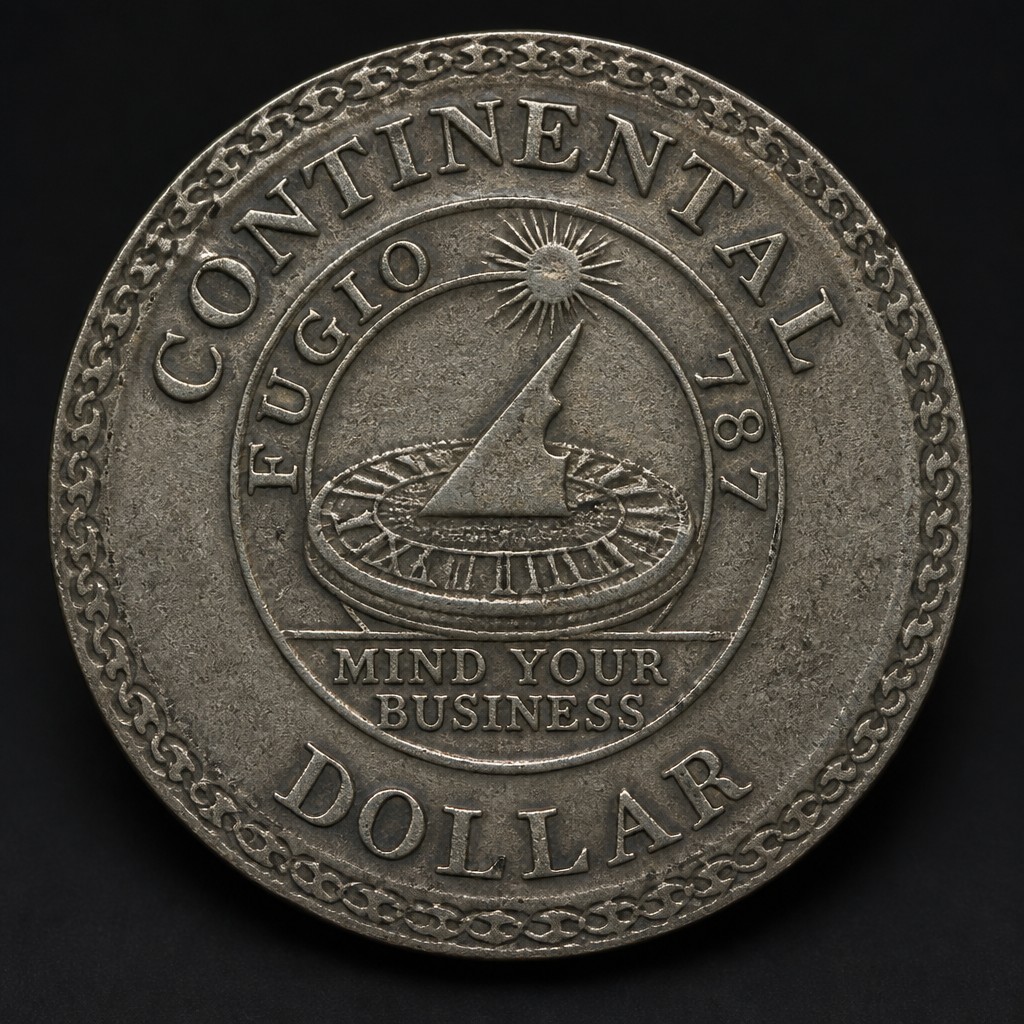
Continental Dollar
1776
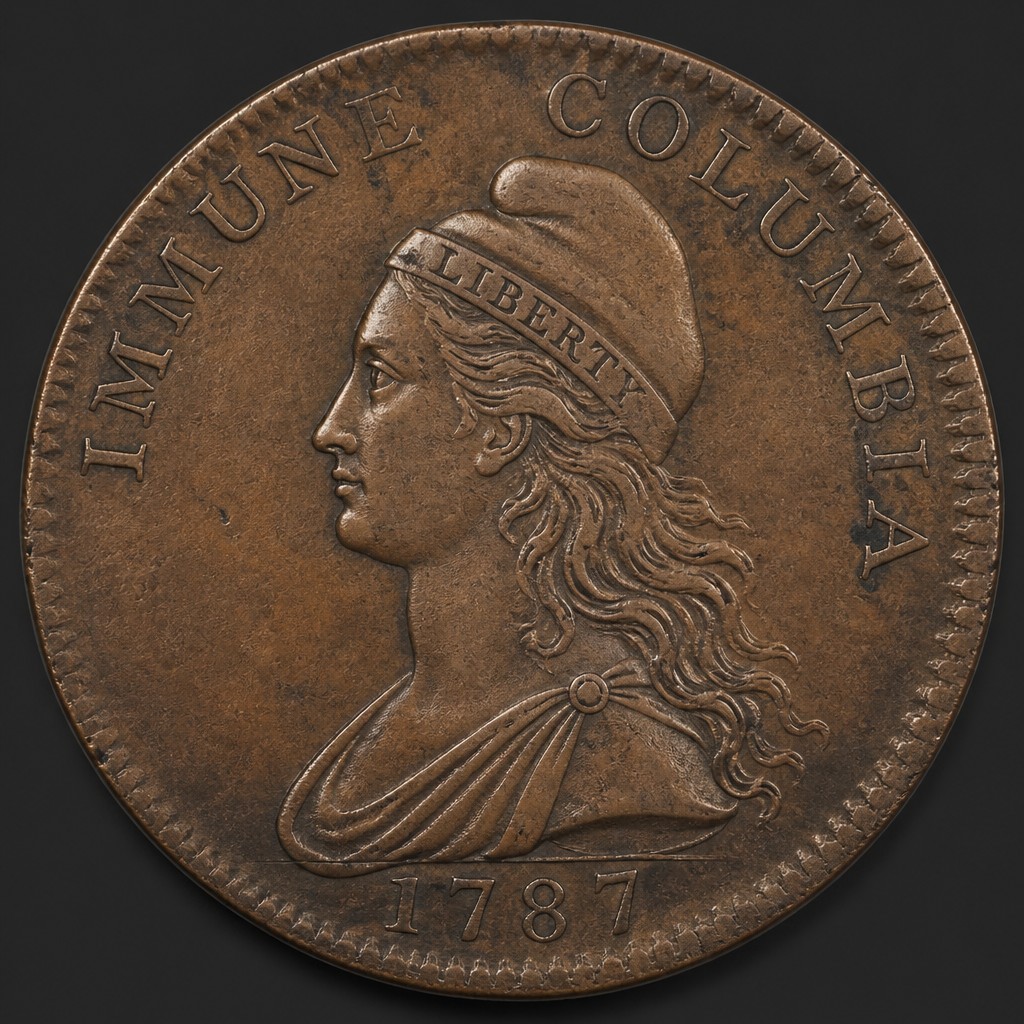
Immune Columbia Copper
circa 1785–1787
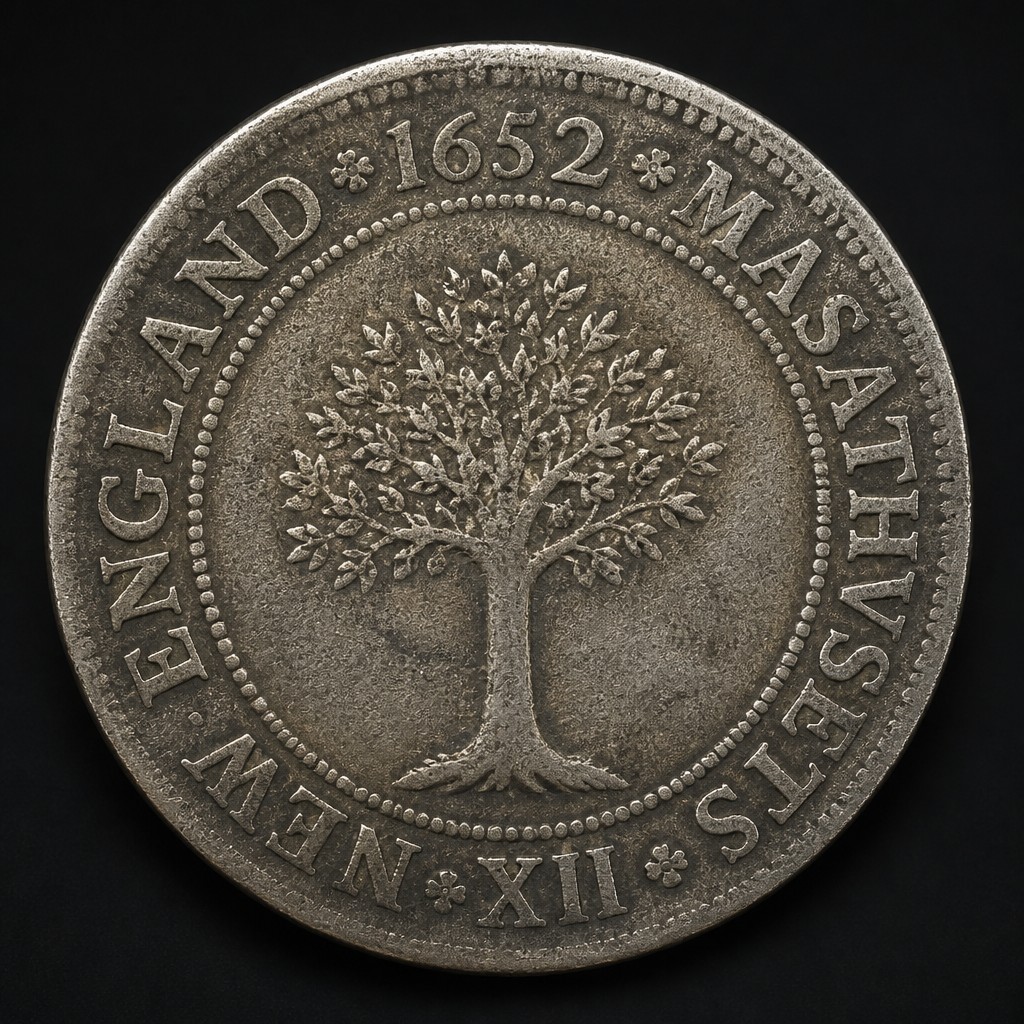
Massachusetts Oak Tree Shilling
Dated 1652, struck circa 1660–1667
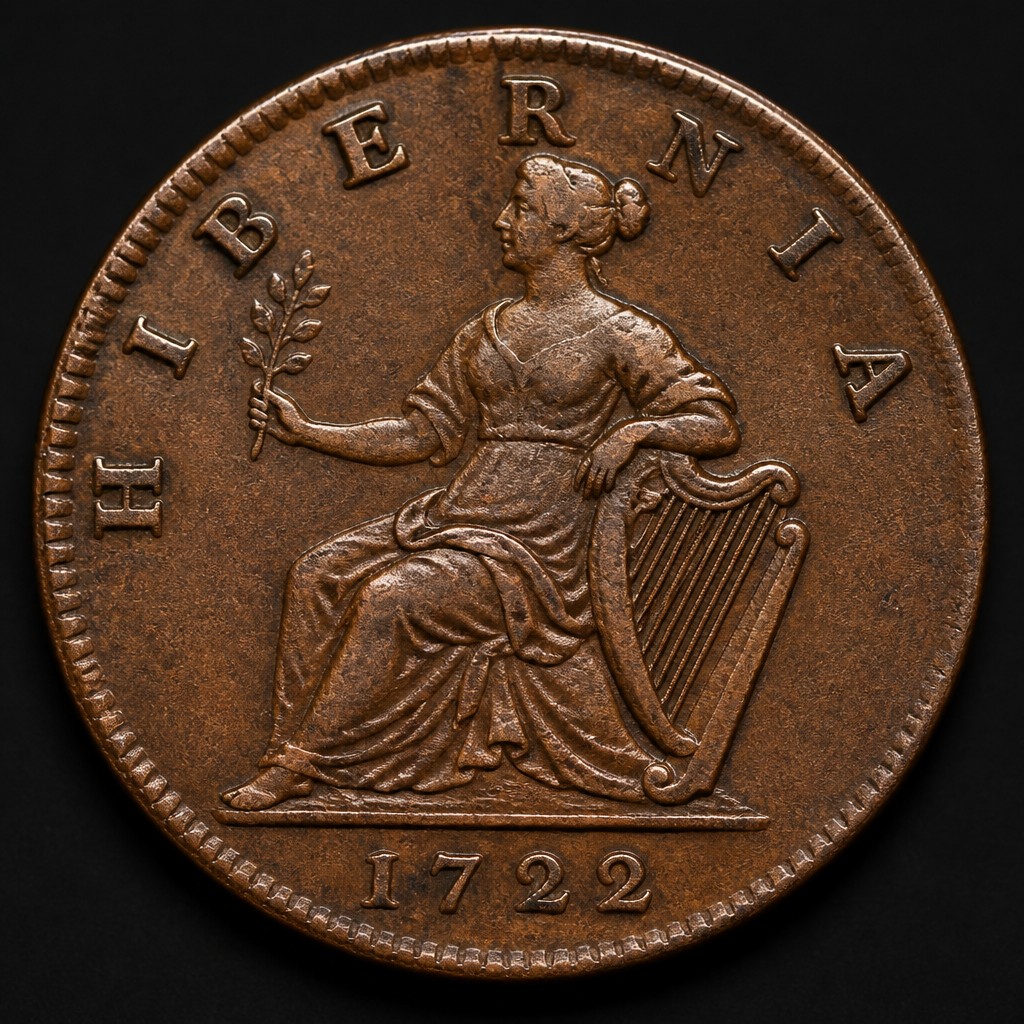
Wood's Hibernia Halfpenny
1722–1724
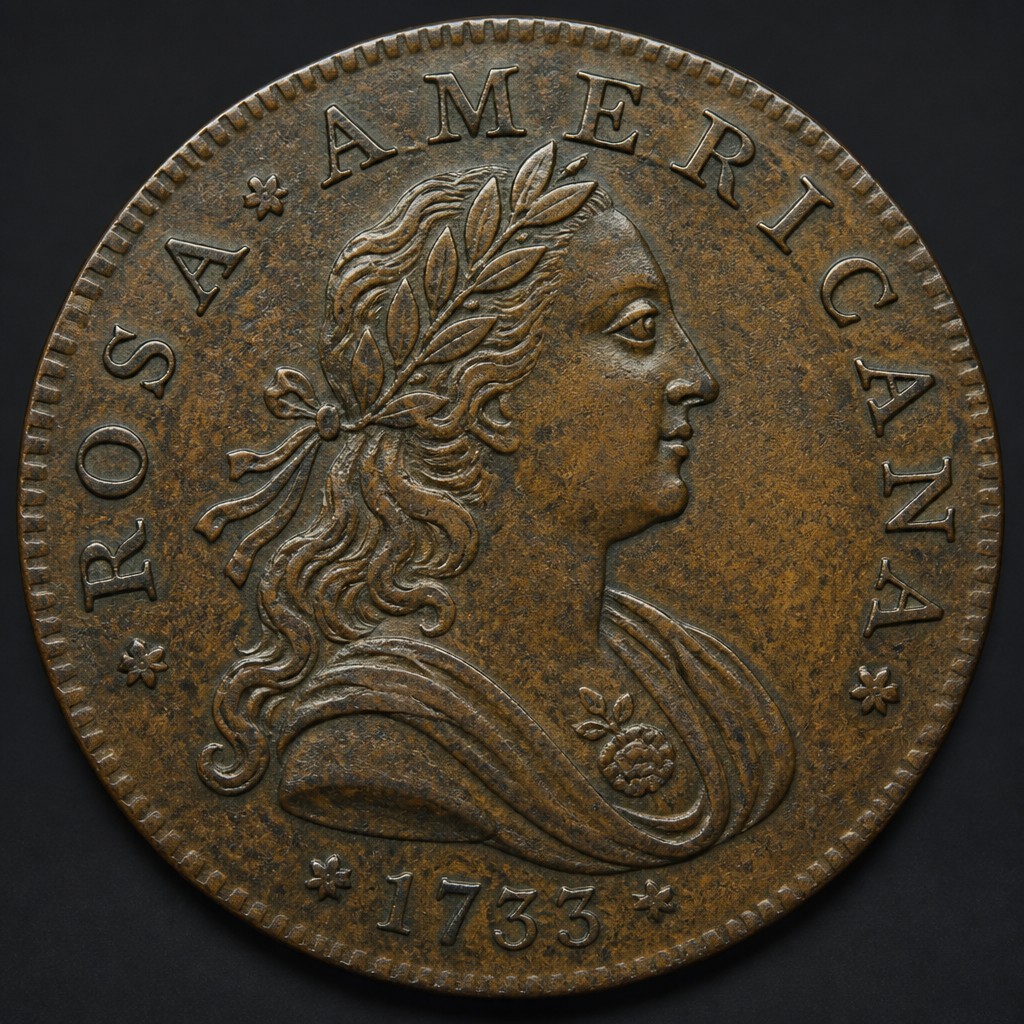
Rosa Americana Coinage
1722–1724 (with pattern issues dated 1733)
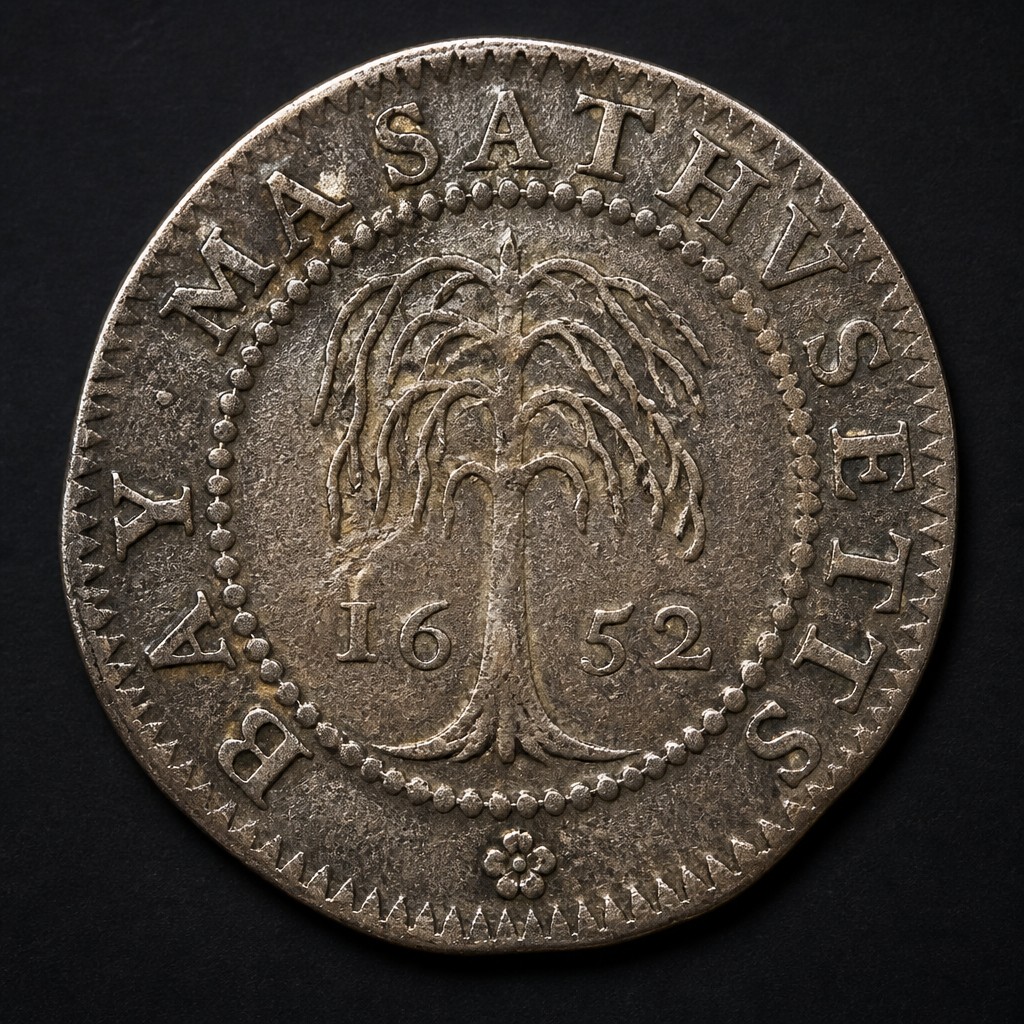
Massachusetts Willow Tree Shilling
Dated 1652, struck circa 1653–1660