
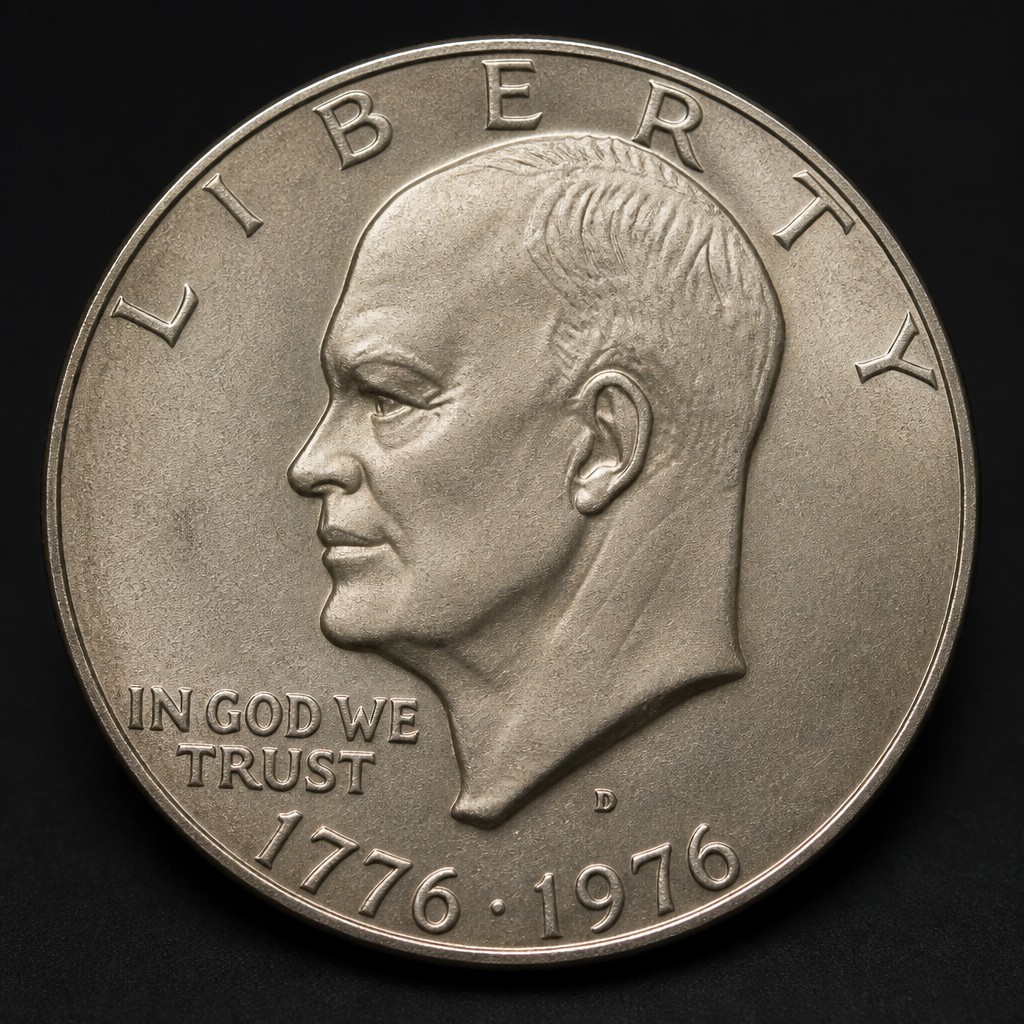
1976 Bicentennial Eisenhower Dollar
A dual-dated 1776-1976 Eisenhower dollar with a special reverse showing the Liberty Bell superimposed on the moon, issued for the U.S. Bicentennial.
- Country
- United States
- Denomination
- One Dollar
- Metal
- Copper-Nickel Clad (circulation), 40% Silver (special collector sets)
Got a coin like this?
Identify any coin from a photo, free.
Overview
The Bicentennial Eisenhower dollar replaced the standard Apollo 11 moon-landing eagle reverse of the Eisenhower dollar for coins struck in 1975 and 1976, using instead a design that pairs the Liberty Bell with the moon to link America's revolutionary heritage with its space-age achievements. Like its half dollar counterpart, it carries the dual date 1776-1976 rather than a single year.
The large, heavy Eisenhower dollar was already a distinctive coin among circulating U.S. currency, and the Bicentennial version adds historical significance as part of the broader three-coin Bicentennial redesign program covering the quarter, half dollar, and dollar.
History & Background
The Eisenhower dollar was first introduced in 1971 to honor former President and General Dwight D. Eisenhower, and its reverse originally depicted an eagle landing on the moon in reference to the Apollo 11 mission, reflecting Eisenhower's role in expanding the early space program. For the nation's Bicentennial, the Mint held a design competition and selected a new reverse by Dennis R. Williams, a Virginia Commonwealth University art student, depicting the Liberty Bell with the moon visible behind it.
As with the quarter and half dollar, Bicentennial dollars were struck during both 1975 and 1976 but carry the shared dual date 1776-1976, and the Mint issued both standard copper-nickel clad coins for circulation and 40% silver versions sold directly to collectors in special sets. Public reception to the large dollar coin was mixed, as many Americans found it heavy and impractical compared to paper currency, which limited its everyday circulation.
After the Bicentennial run, the Eisenhower dollar's reverse returned to the original Apollo 11 eagle design for its final years of production through 1978.
How to Identify
The obverse shows a left-facing portrait of Dwight D. Eisenhower with LIBERTY above and IN GOD WE TRUST beside his portrait, along with the dual date 1776-1976. The reverse depicts the Liberty Bell prominently in the foreground with a stylized moon behind it, encircled by UNITED STATES OF AMERICA and E PLURIBUS UNUM, replacing the standard eagle-on-the-moon design used in other years.
The coin is large, 38.1mm in diameter, matching the size of the earlier Peace and Morgan silver dollars, though most Bicentennial dollars are copper-nickel clad rather than silver. Silver versions struck for collectors show a solid silver-toned edge rather than the visible copper stripe of clad coins, and typically came sold in brown or blue Mint packaging as proof or uncirculated sets.
Mintmarks appear on the obverse above Eisenhower's shoulder: no mark for Philadelphia, "D" for Denver, and "S" for San Francisco, the latter used for proof and silver issues rather than general circulation.
Value & Collectibility
Standard copper-nickel clad Bicentennial dollars were minted in large numbers and are common in circulated and uncirculated condition, typically valued modestly above face value unless in exceptional condition. The 40% silver versions carry higher value tied to their silver content and numismatic demand, especially in gem uncirculated or proof condition with original government packaging intact.
Certain die varieties, such as differences in the lettering style on the reverse (referred to by collectors as Type 1 and Type 2 varieties), can affect desirability and price among specialists. As with other large dollar coins from this era, most common examples remain affordable and accessible for beginning collectors.
Frequently asked questions
What does the reverse of the Bicentennial dollar show?
It shows the Liberty Bell superimposed against the moon, a design by Dennis R. Williams selected for the Bicentennial.
Is the Bicentennial Eisenhower dollar silver?
Most circulating pieces are copper-nickel clad, but the Mint also sold 40% silver proof and uncirculated versions to collectors.
What are the Type 1 and Type 2 varieties?
They refer to differences in the style and clarity of the reverse lettering, a distinction collectors use to further categorize Bicentennial dollars.
Why is the coin so large compared to modern dollar coins?
It follows the traditional large silver dollar size used since the 19th century, unlike the smaller Susan B. Anthony and Sacagawea dollars introduced later.
Other coins you may enjoy
Virginia Halfpenny
1773
Brasher Doubloon
1787
Higley Copper
1737–1739
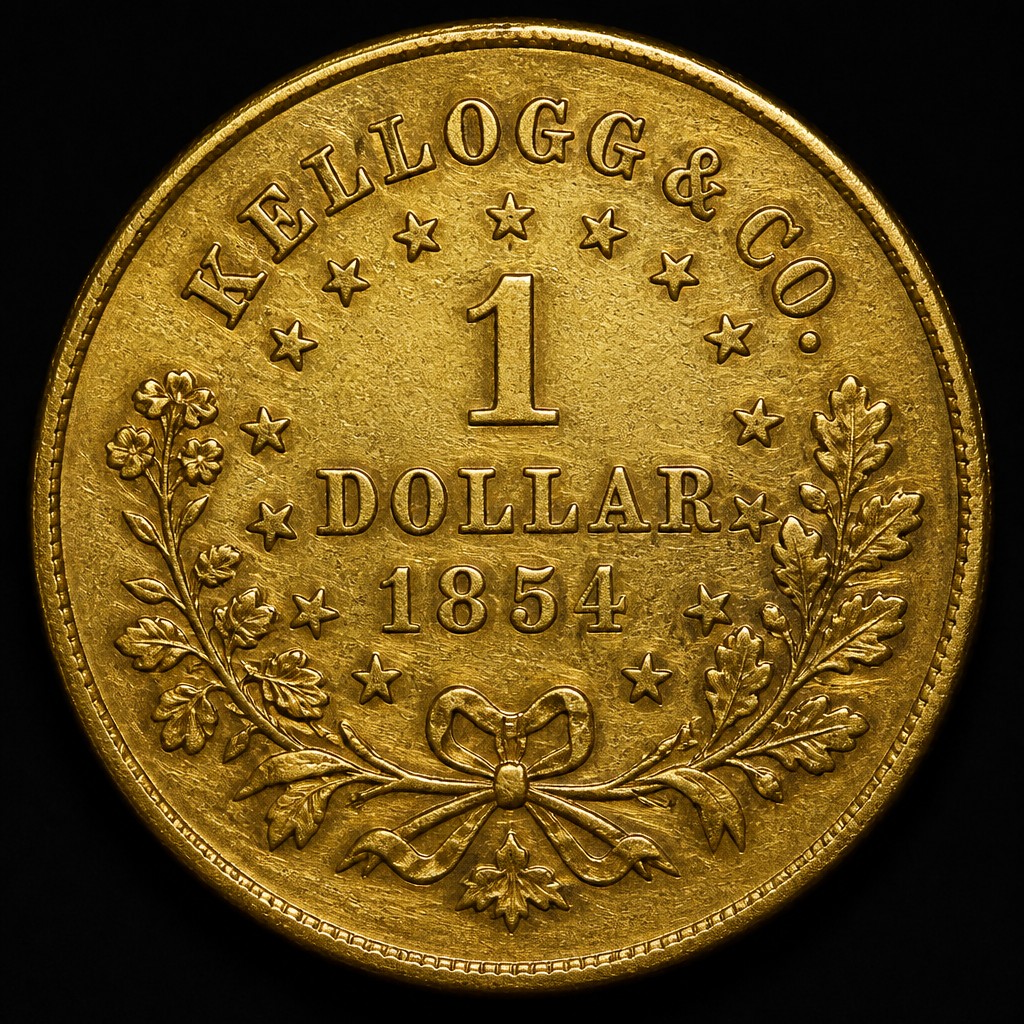
Kellogg & Co. Gold Piece
1854–1855
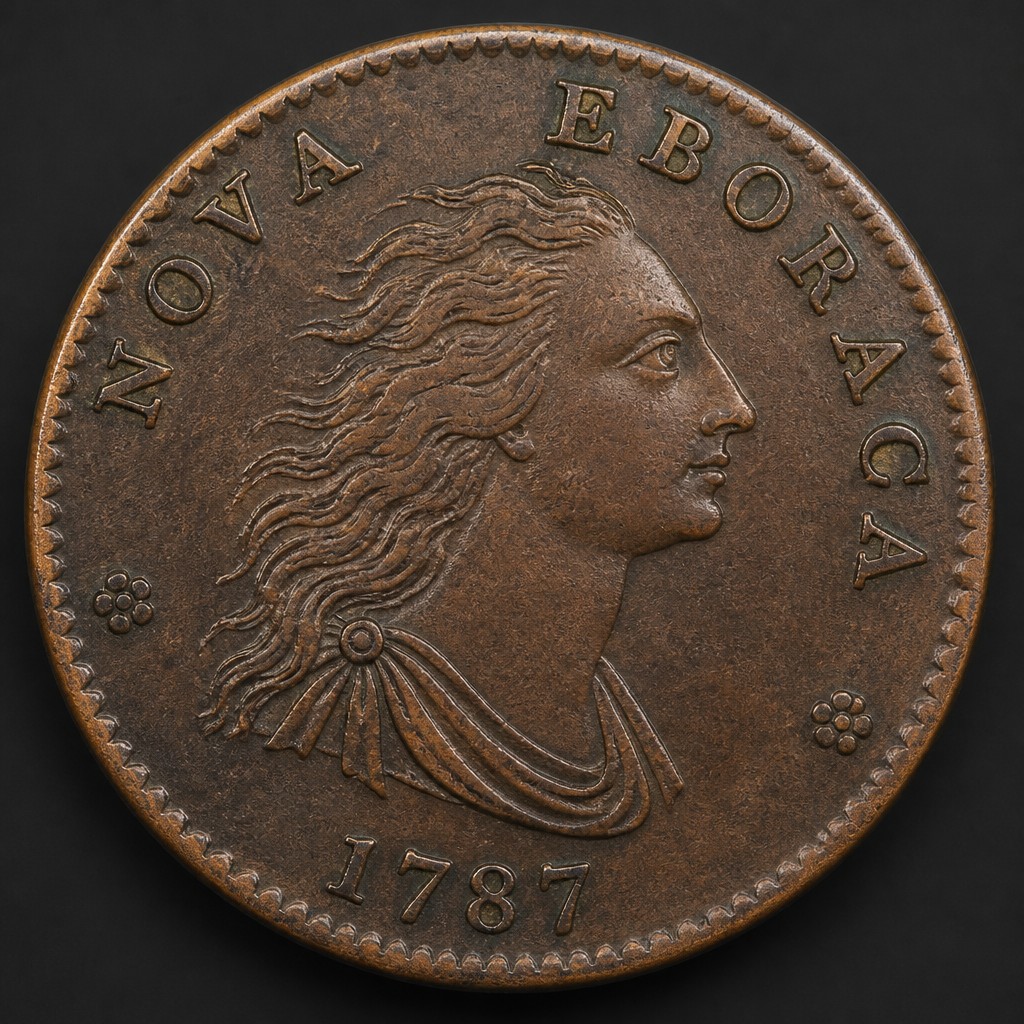
Nova Eborac Copper
1787
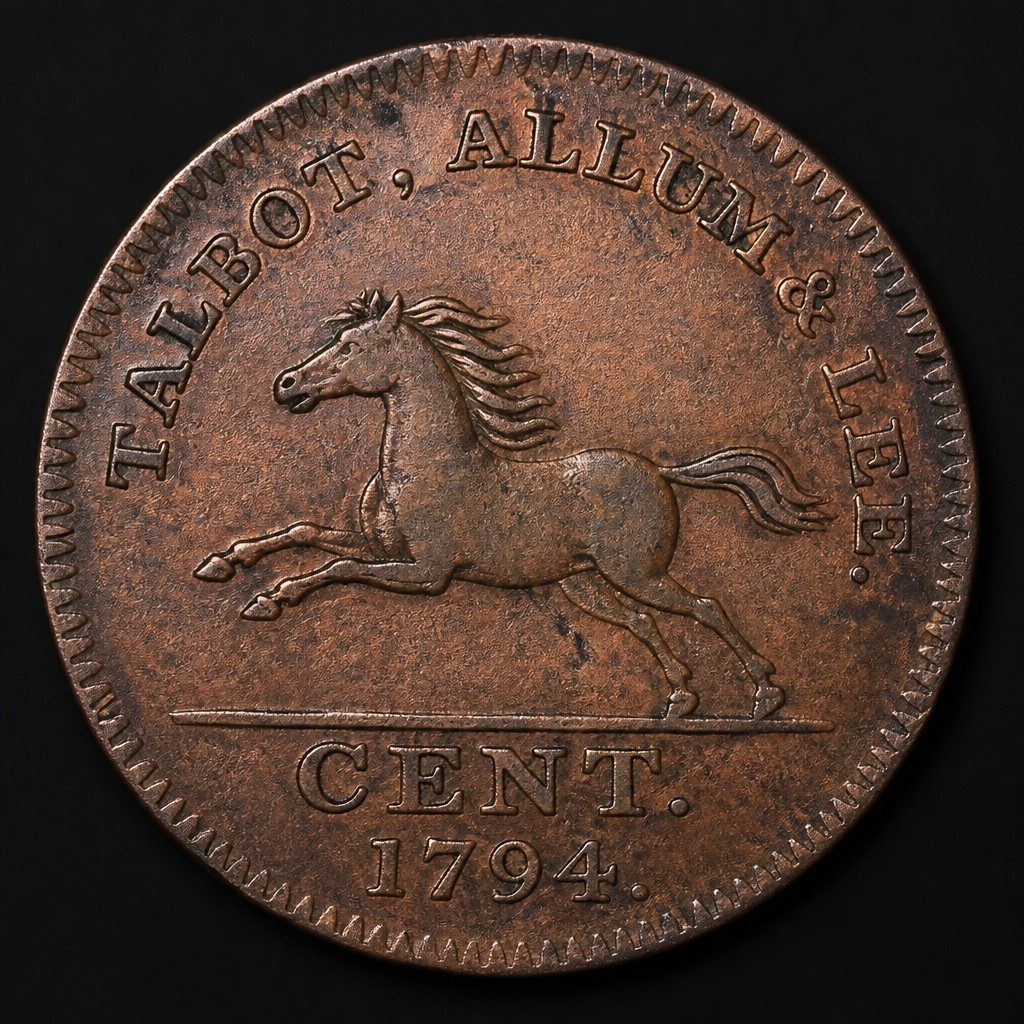
Talbot, Allum & Lee Cent
1794–1795
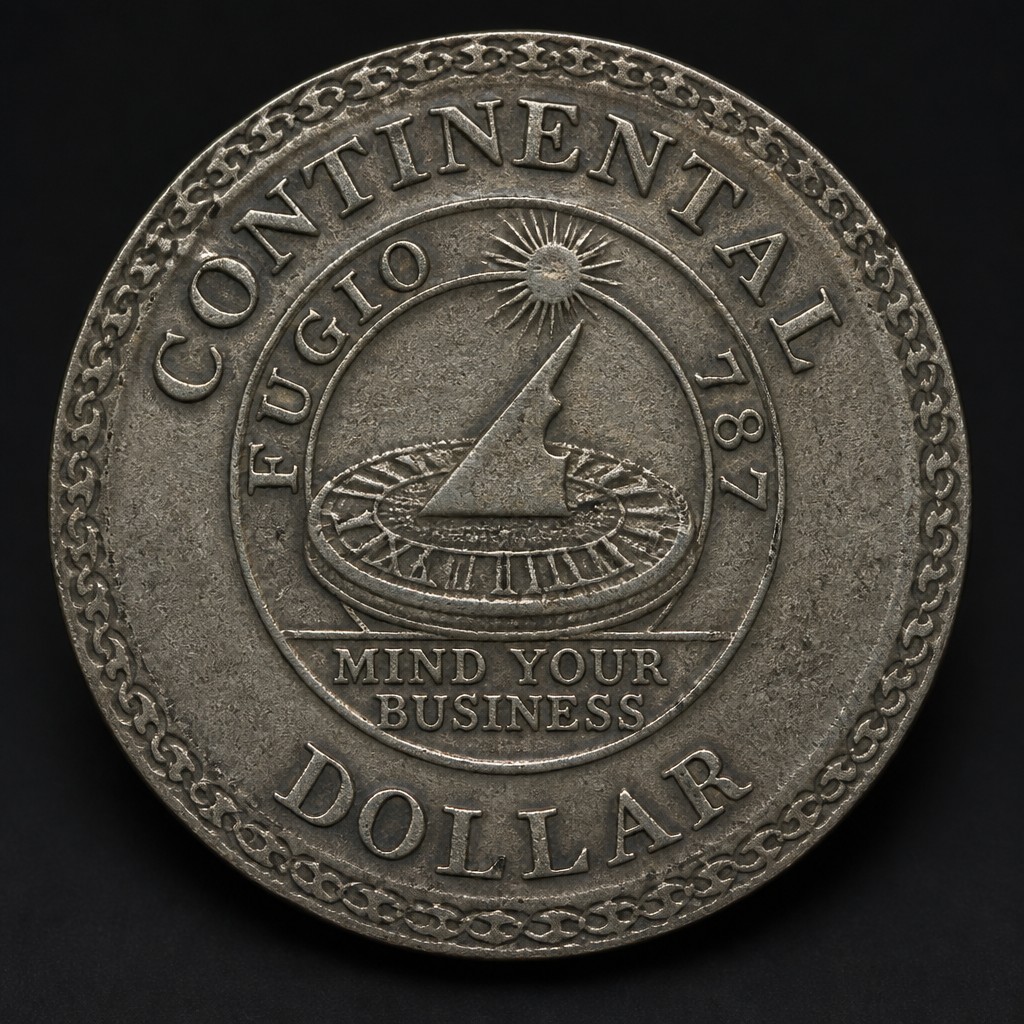
Continental Dollar
1776
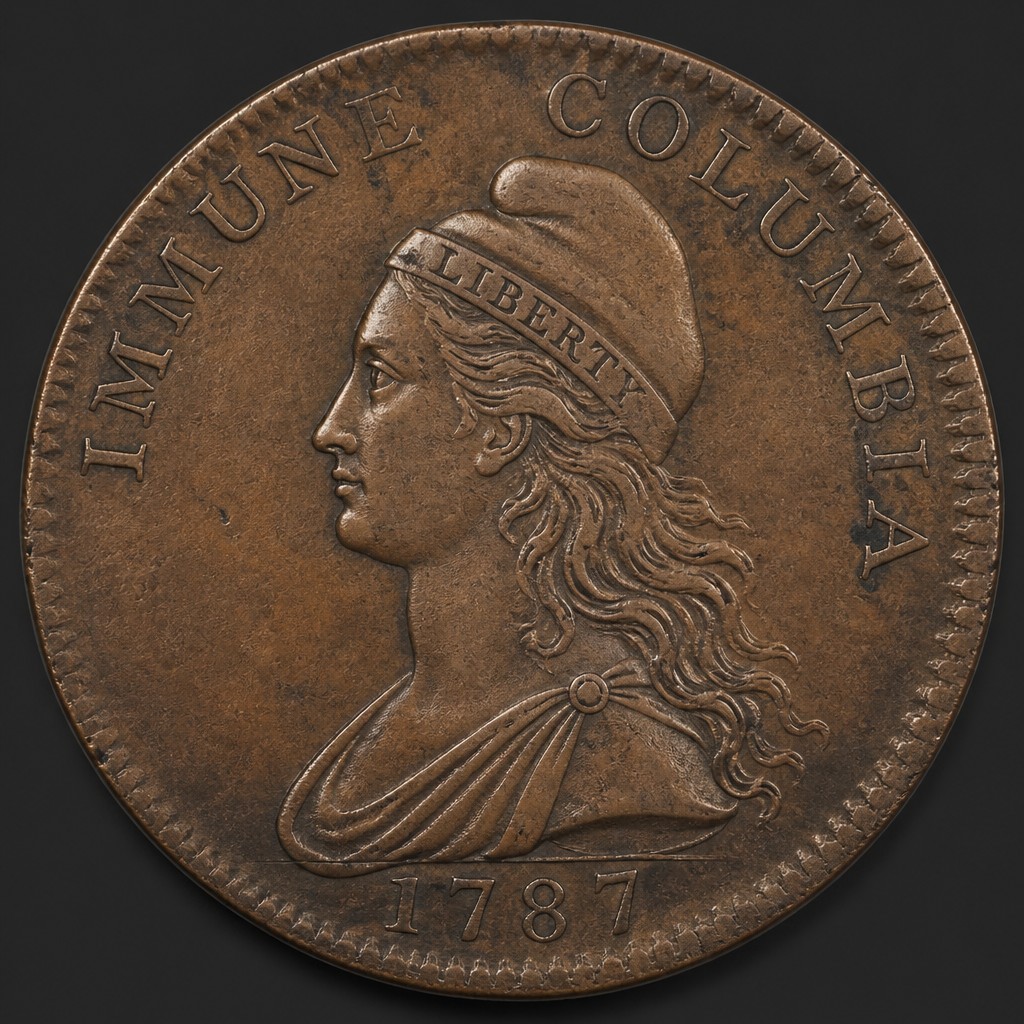
Immune Columbia Copper
circa 1785–1787
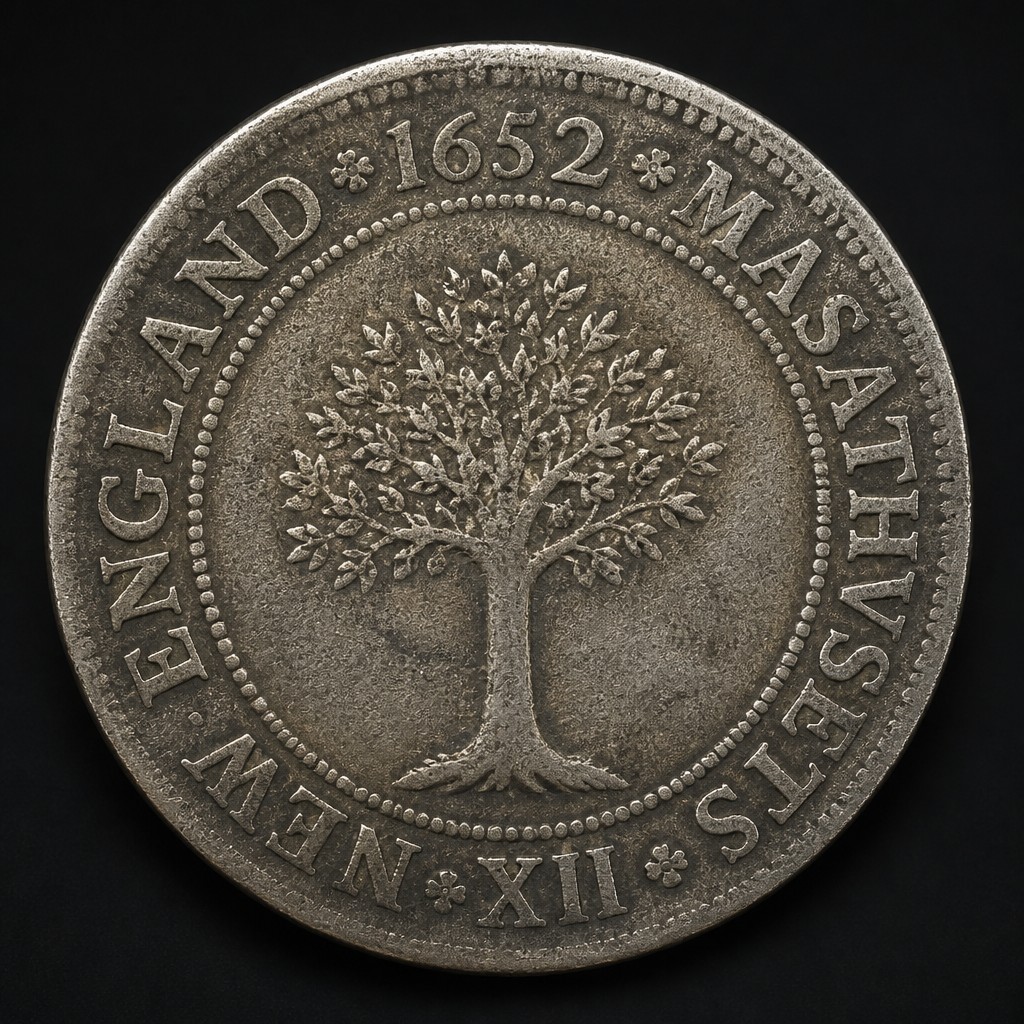
Massachusetts Oak Tree Shilling
Dated 1652, struck circa 1660–1667
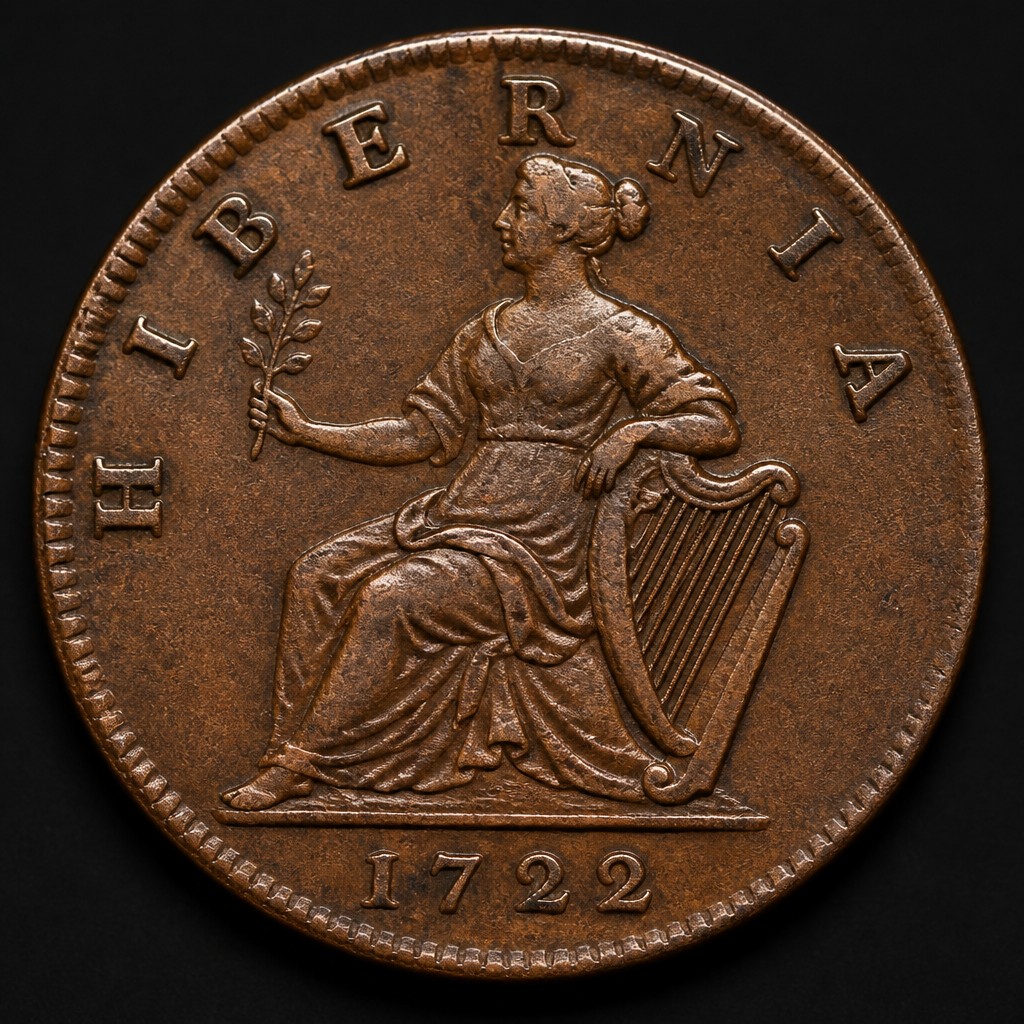
Wood's Hibernia Halfpenny
1722–1724
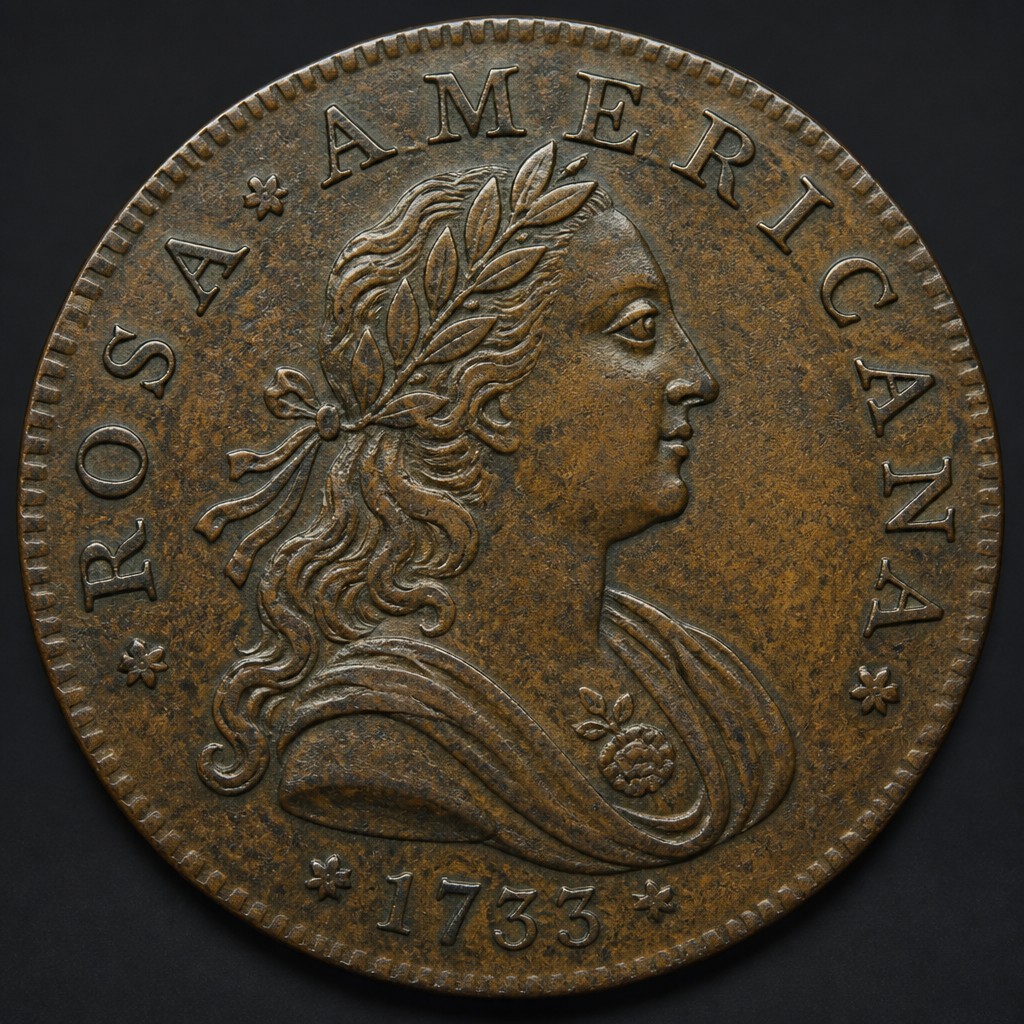
Rosa Americana Coinage
1722–1724 (with pattern issues dated 1733)
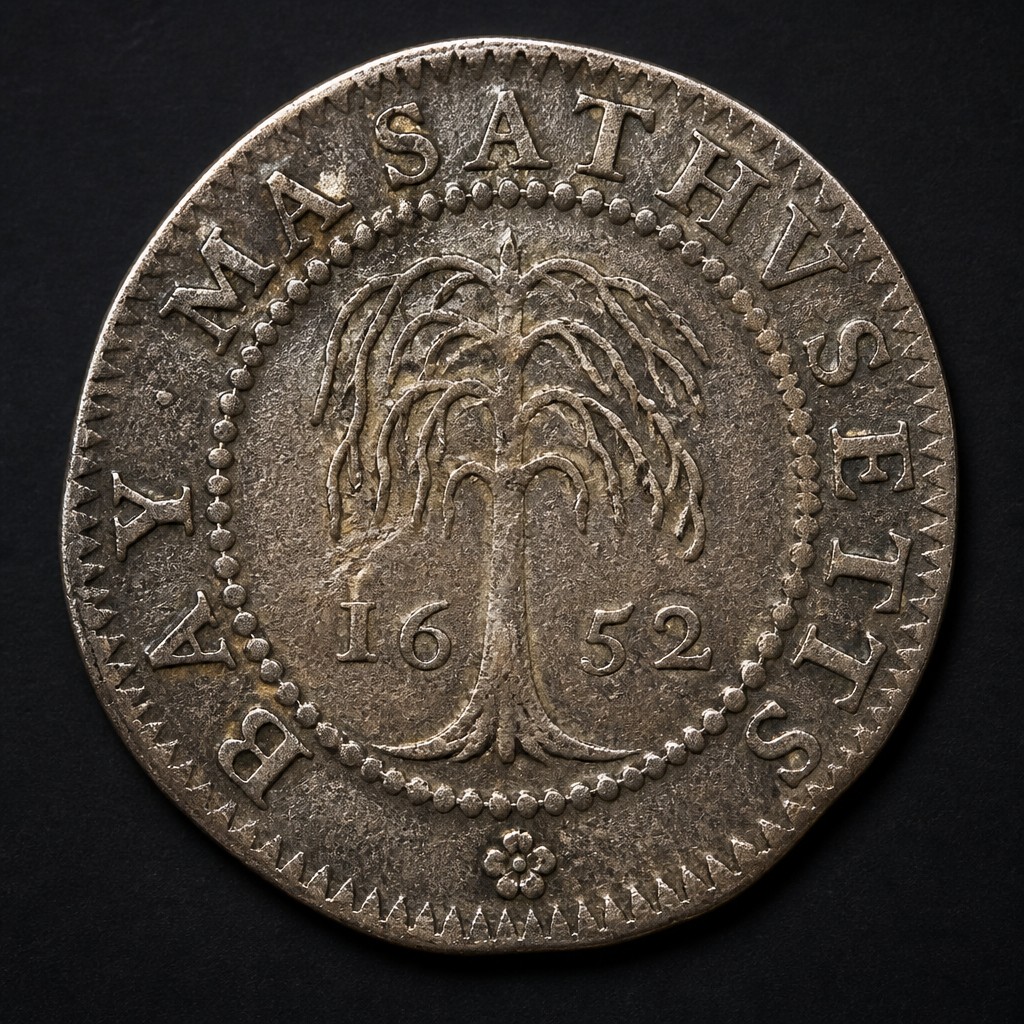
Massachusetts Willow Tree Shilling
Dated 1652, struck circa 1653–1660