
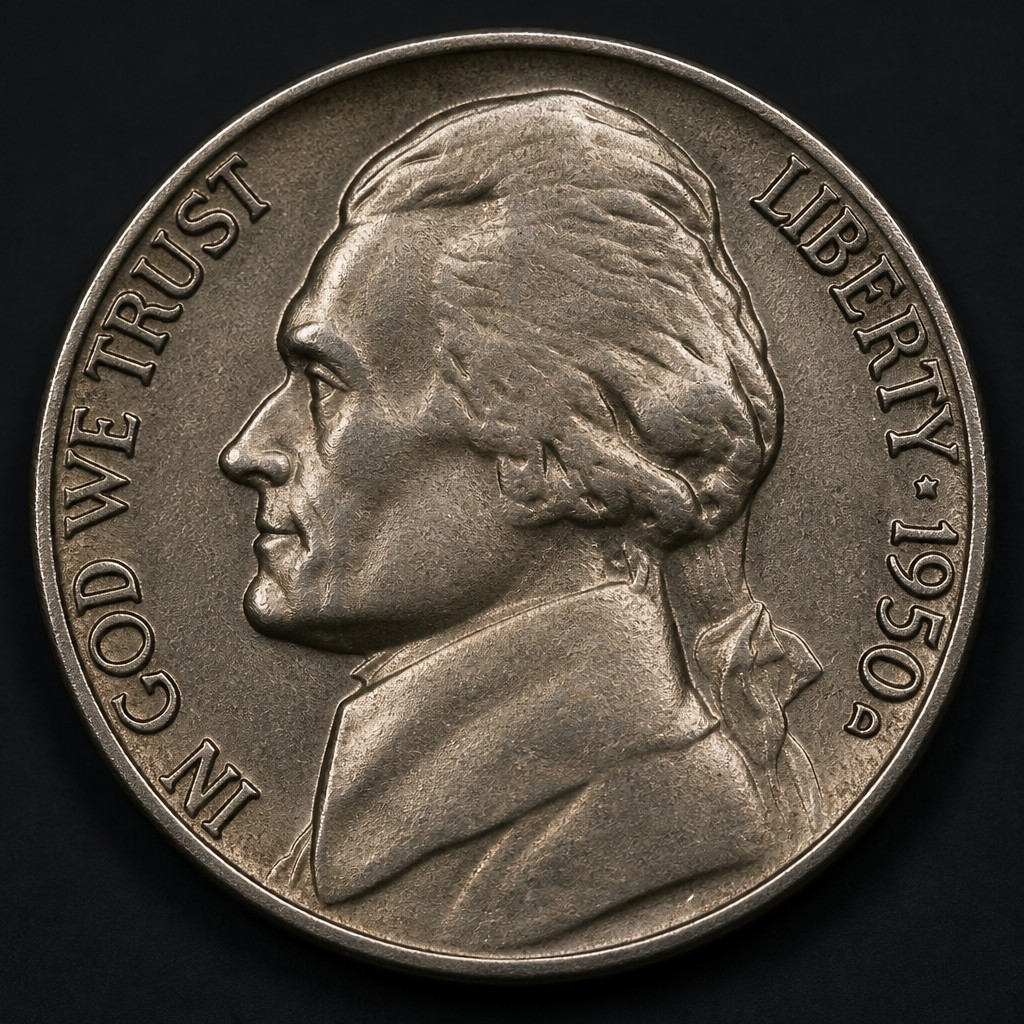
1950-D Jefferson Nickel
The lowest-mintage business-strike Jefferson Nickel of the entire series, widely hoarded in rolls even as it was released, earning it the nickname the 'King of Jefferson Nickels.'
- Country
- United States
- Denomination
- Five Cents
- Metal
- Copper-Nickel (75% Copper, 25% Nickel)
Got a coin like this?
Identify any coin from a photo, free.
Overview
The 1950-D Jefferson Nickel holds a unique place in modern American coinage as the key date of the regular-issue Jefferson Nickel series struck for circulation. Its mintage was so small compared to other dates that dealers and the public recognized its scarcity almost immediately and began saving rolls and bags in quantity.
Because so many examples were set aside soon after release, the 1950-D survives in comparatively high grades relative to its mintage, but demand from date-and-mintmark collectors has kept it consistently popular and priced above its actual rarity might otherwise suggest for a 20th-century coin.
It remains one of the most requested single coins for anyone completing a Jefferson Nickel folder or album, often the last and most expensive piece needed to fill a basic date set.
History & Background
The Jefferson Nickel was introduced in 1938, replacing the Buffalo Nickel, with a design by Felix Schlag showing Thomas Jefferson on the obverse and his home, Monticello, on the reverse. By 1950 the design had been in production for over a decade and was a familiar fixture of American pocket change.
The Denver Mint struck a comparatively small number of nickels dated 1950 because demand for new five-cent pieces that year was modest and existing coin stocks were considered sufficient. When collectors and dealers realized how low the mintage figure was, contemporary hoarding began almost immediately, with rolls and bags being set aside rather than spent.
This speculative hoarding in 1950 and the following years is part of why the coin, despite its true mintage being low by the standards of the series, is not considered a great rarity in absolute terms but remains the undisputed key date for the run of regular Jefferson Nickels.
How to Identify
The obverse features a left-facing portrait of Thomas Jefferson with LIBERTY and a small five-pointed star to the left, IN GOD WE TRUST above, and the date below. The reverse depicts Monticello, Jefferson's Virginia home, with MONTICELLO below the building, FIVE CENTS beneath that, and UNITED STATES OF AMERICA arched above; E PLURIBUS UNUM appears along the upper rim.
The Denver mintmark D is located to the right of Monticello on the reverse for coins struck in 1950; the absence of a mintmark indicates a Philadelphia strike, and an S would indicate San Francisco, though no 1950-S nickels for circulation exist. Well-struck examples show sharp steps on the base of Monticello, a factor that collectors of "Full Steps" specimens pay close attention to.
Condition should be judged by the wear on Jefferson's cheek and hair and on the pillars and steps of Monticello; because so many 1950-D nickels were saved uncirculated, worn examples are actually less common in the collector market than lightly circulated to mint-state pieces.
Value & Collectibility
Even in worn, circulated grades the 1950-D commands a noticeable premium over face value because of its recognized key-date status, and uncirculated examples are widely available due to heavy contemporary hoarding, keeping mint-state prices comparatively moderate for a key date. Coins with sharply struck "Full Steps" on Monticello bring meaningfully more than typical mint-state examples with weaker strikes.
Because so many rolls were saved at the time of issue, the 1950-D is not scarce in absolute numbers, but it remains the single coin every Jefferson Nickel date-set collector must acquire, keeping demand and prices stable over time. Overall value stays broadly modest compared to true 19th-century key dates, generally in the range of several dollars in worn grades up to somewhat higher figures for choice, well-struck uncirculated pieces.
Frequently asked questions
Why is the 1950-D nickel called the 'King of Jefferson Nickels'?
It has the lowest mintage of any regular-issue business-strike Jefferson Nickel, making it the key date every set collector needs.
Is the 1950-D nickel actually rare?
It is scarce relative to other Jefferson Nickel dates, but because it was heavily hoarded in rolls when new, uncirculated examples remain fairly obtainable.
What is a 'Full Steps' 1950-D nickel?
It refers to an example with the steps at the base of Monticello fully struck up and separated, a feature that adds a premium for specialists.
Where is the mintmark on a 1950-D nickel?
The D mintmark appears on the reverse to the right of the Monticello building.
Other coins you may enjoy
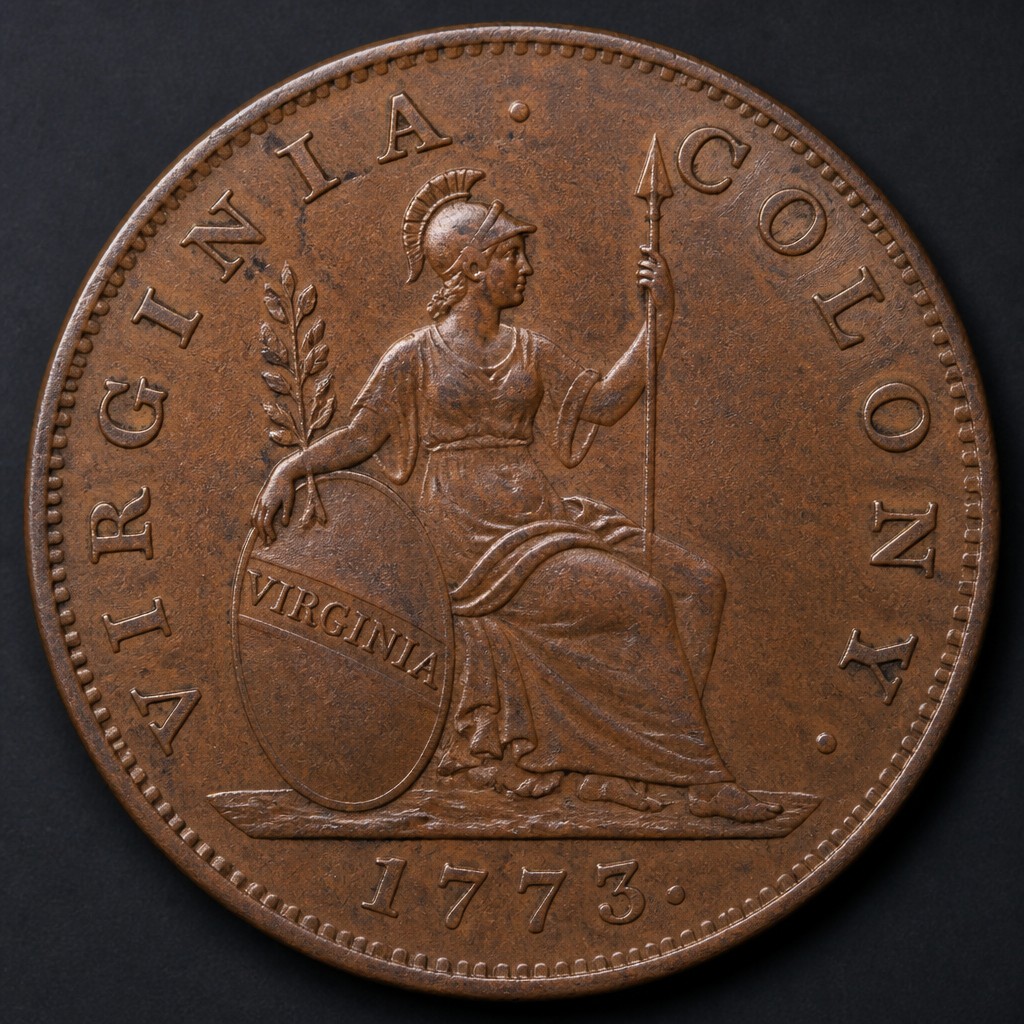
Virginia Halfpenny
1773
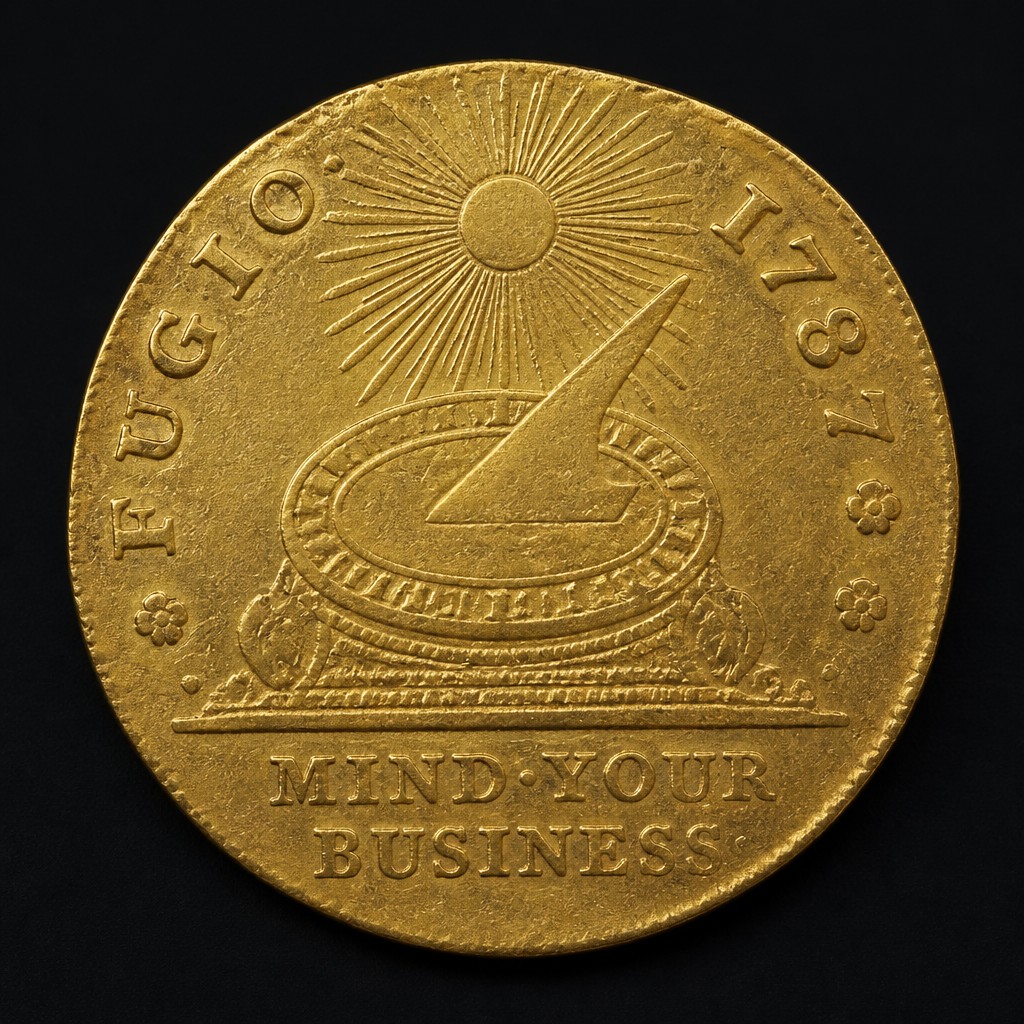
Brasher Doubloon
1787
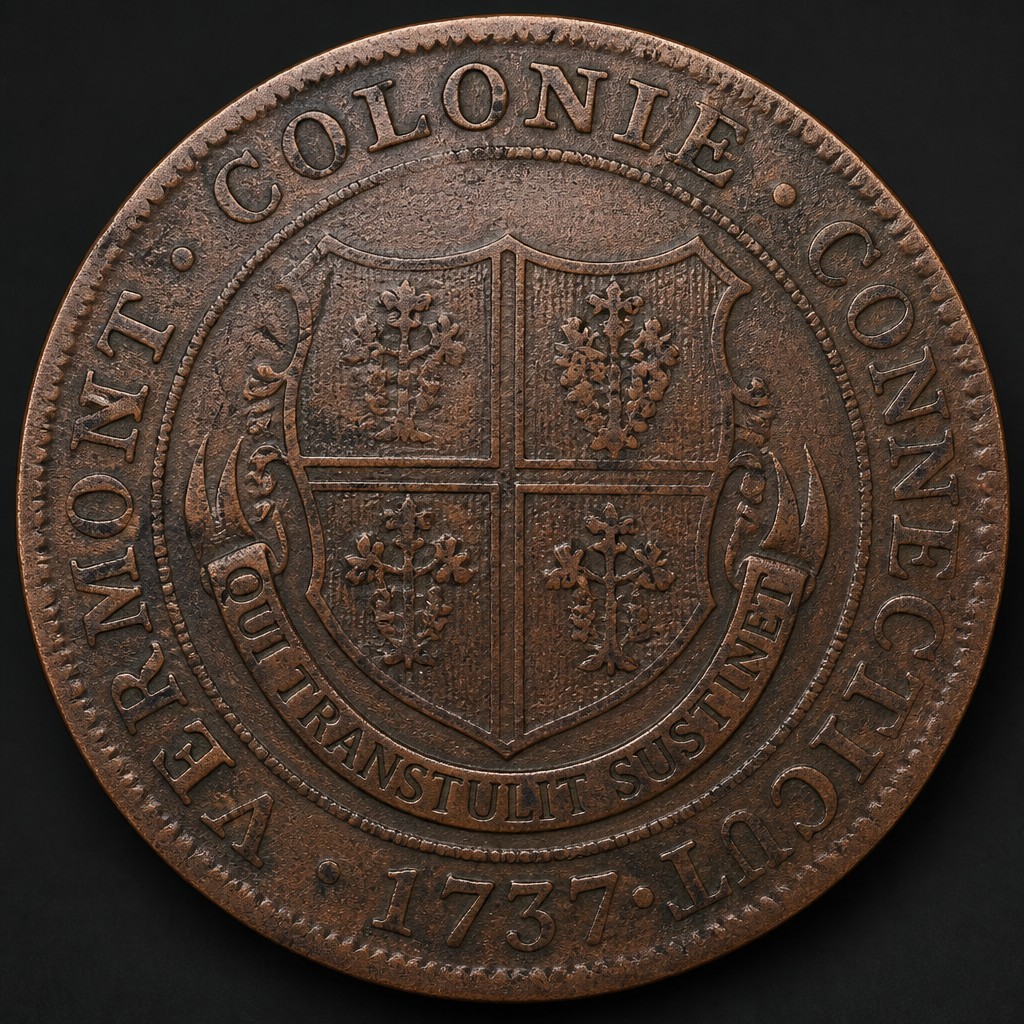
Higley Copper
1737–1739
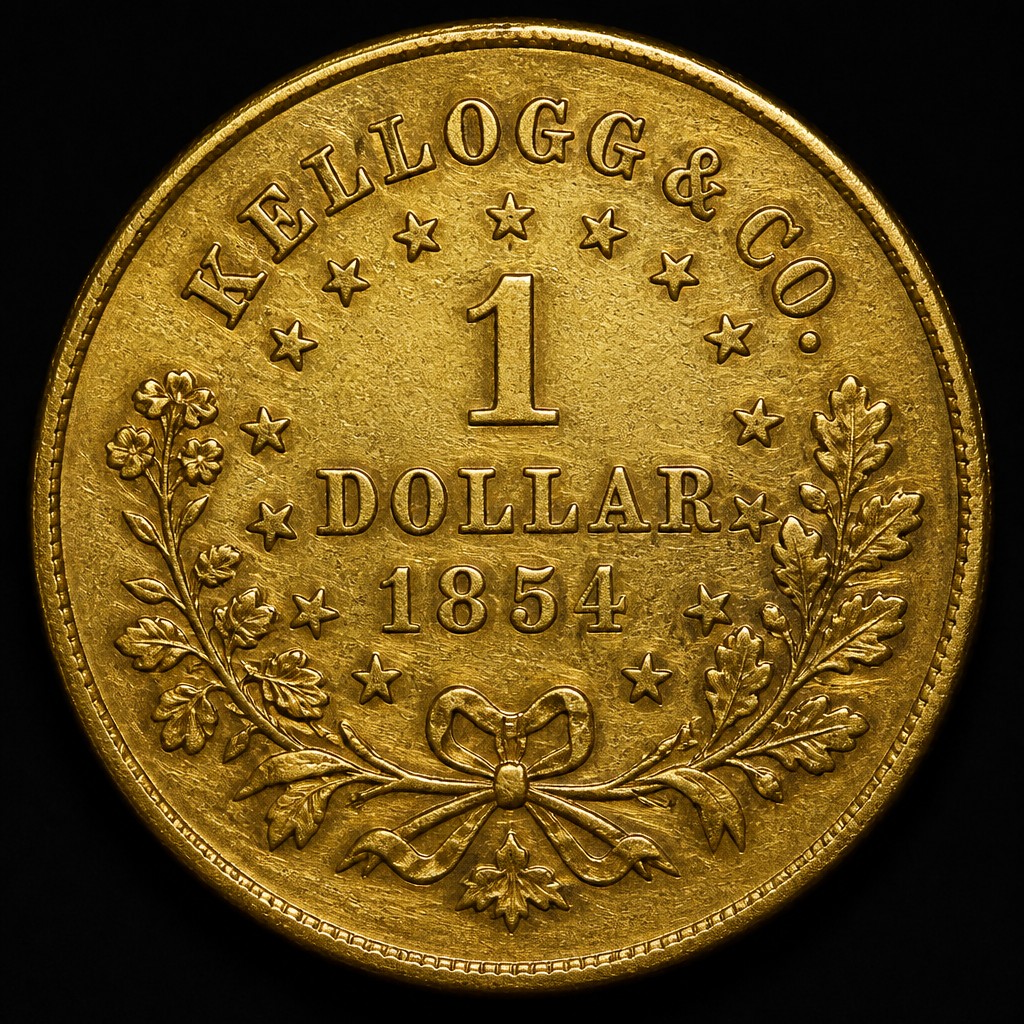
Kellogg & Co. Gold Piece
1854–1855
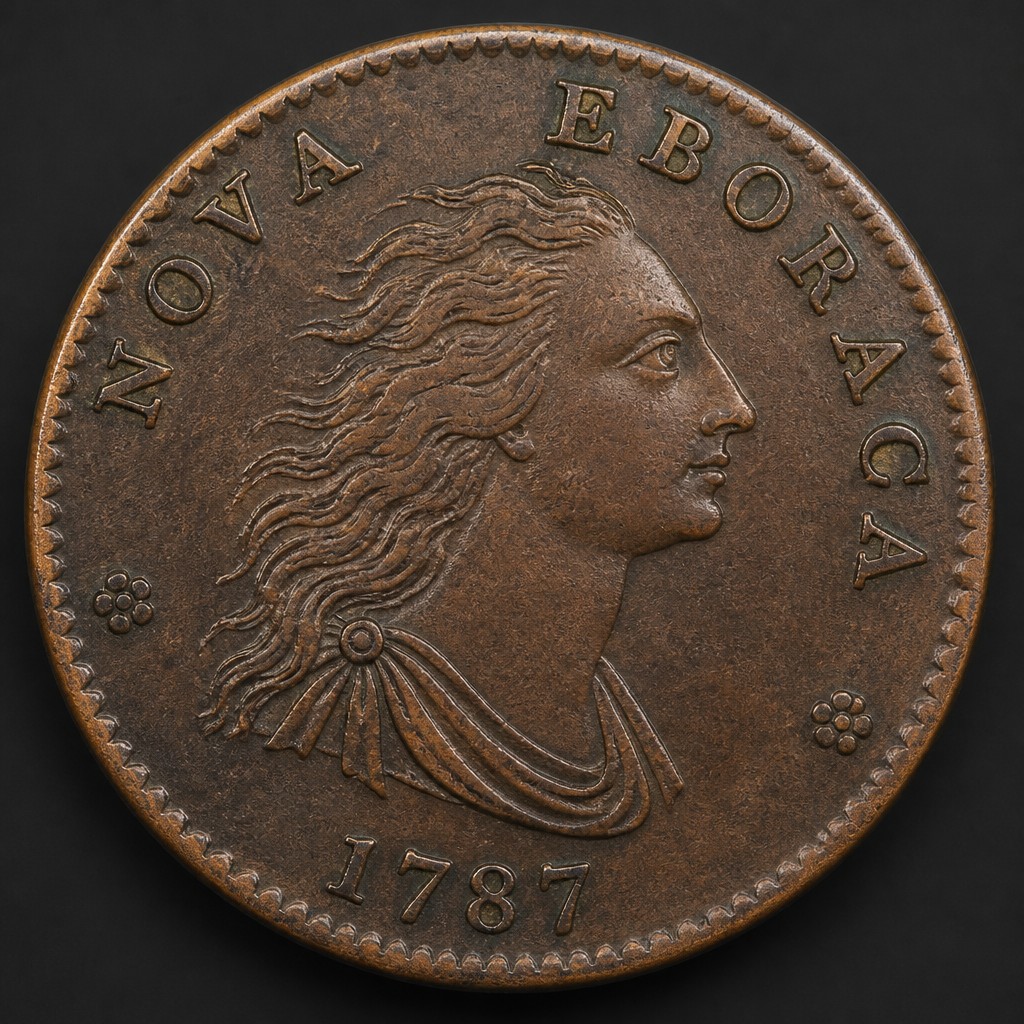
Nova Eborac Copper
1787
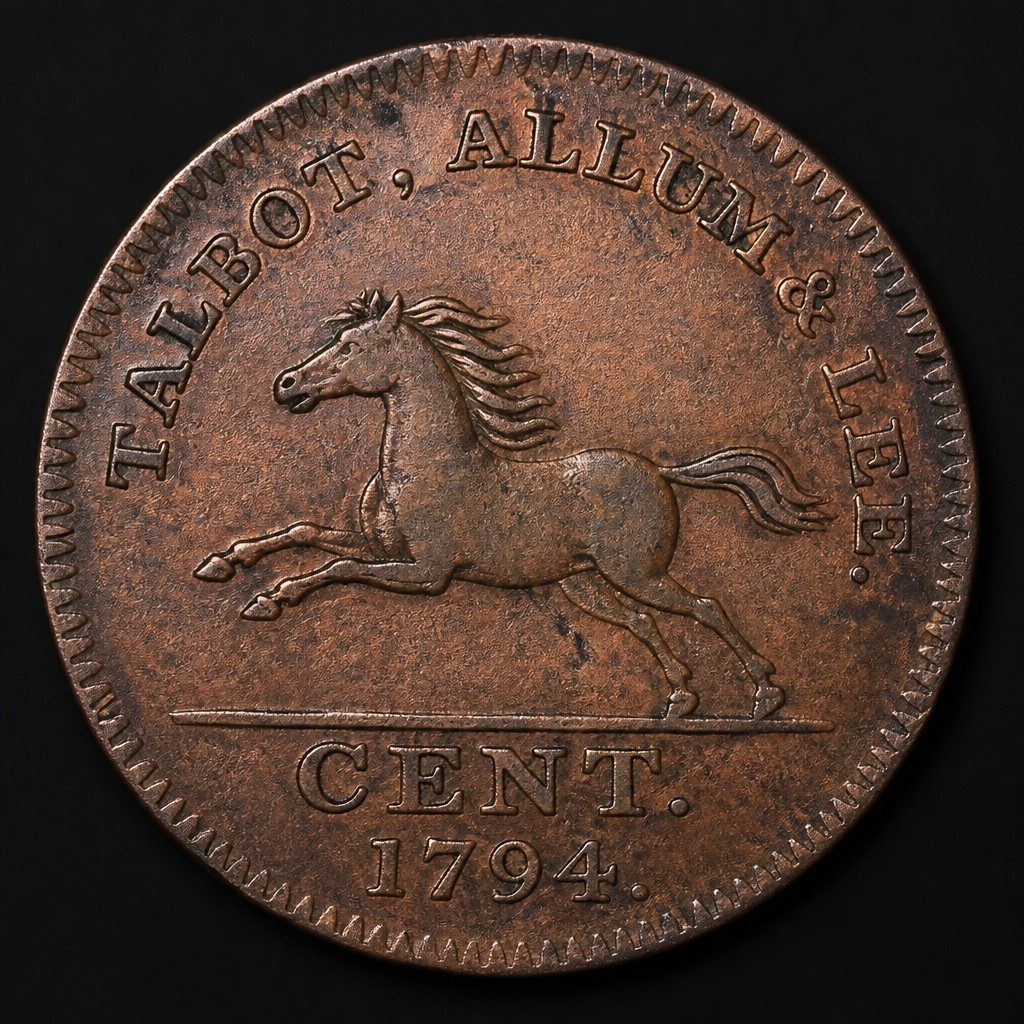
Talbot, Allum & Lee Cent
1794–1795
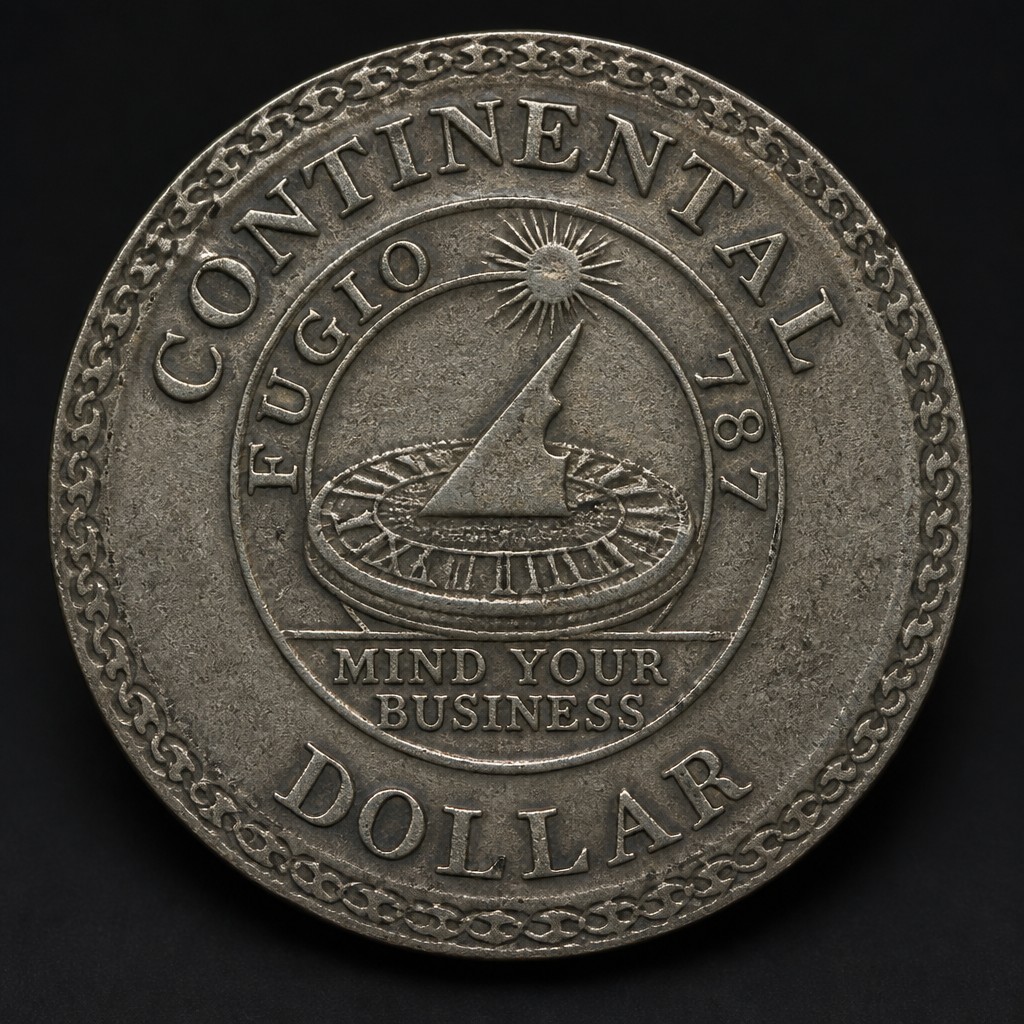
Continental Dollar
1776
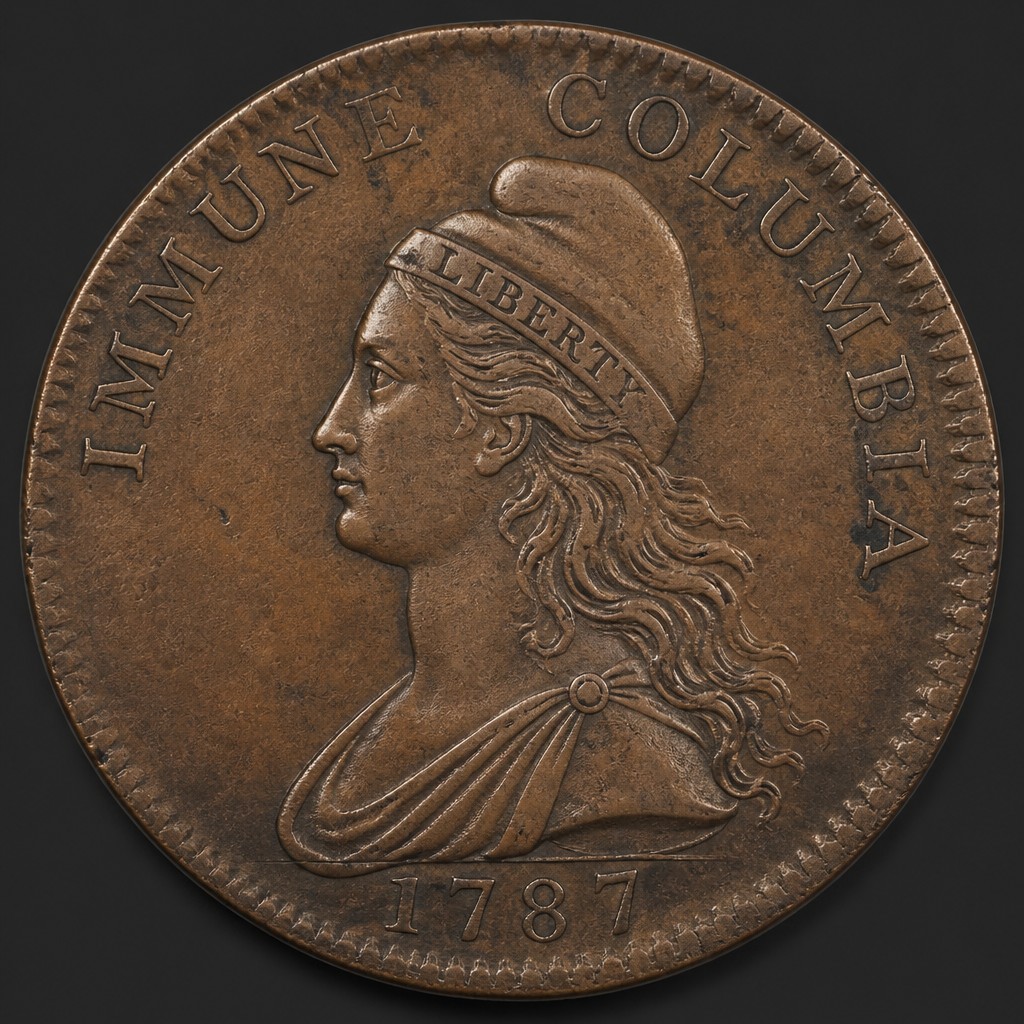
Immune Columbia Copper
circa 1785–1787
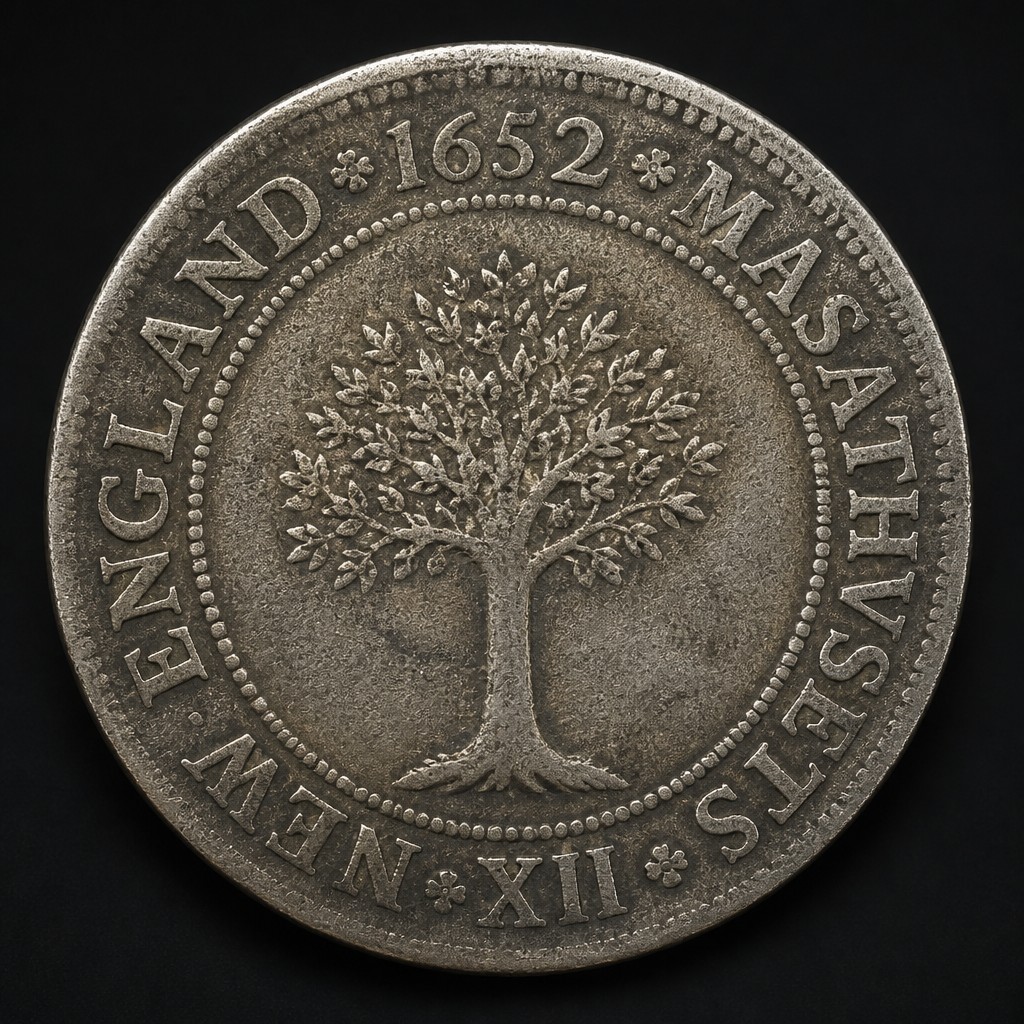
Massachusetts Oak Tree Shilling
Dated 1652, struck circa 1660–1667
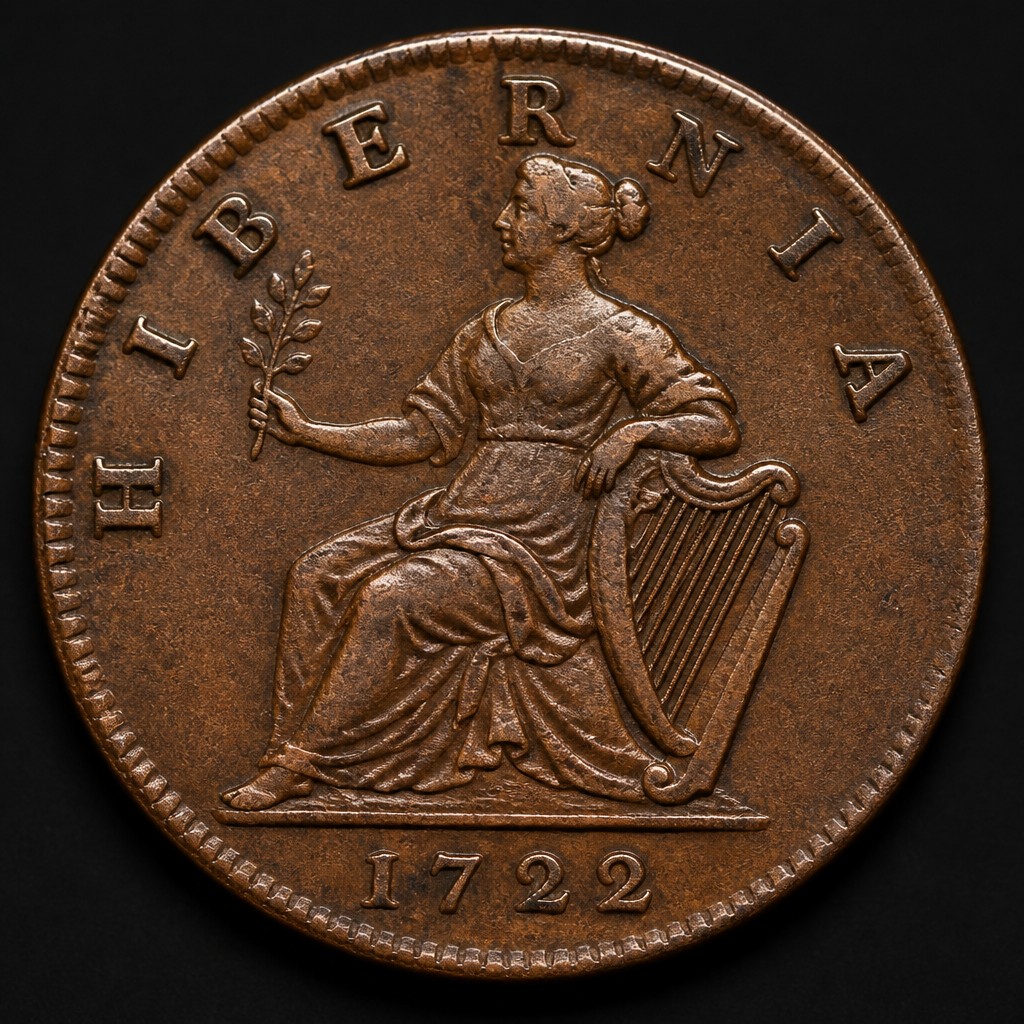
Wood's Hibernia Halfpenny
1722–1724
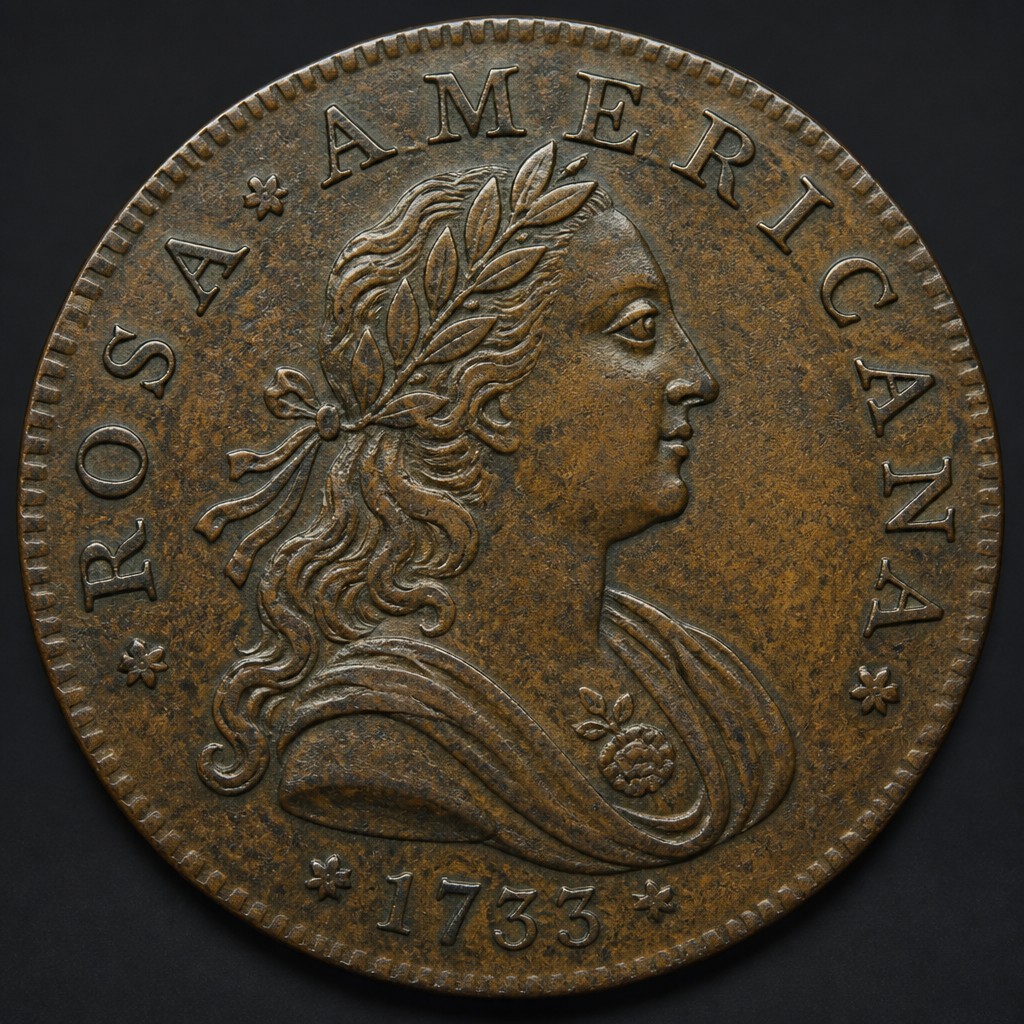
Rosa Americana Coinage
1722–1724 (with pattern issues dated 1733)
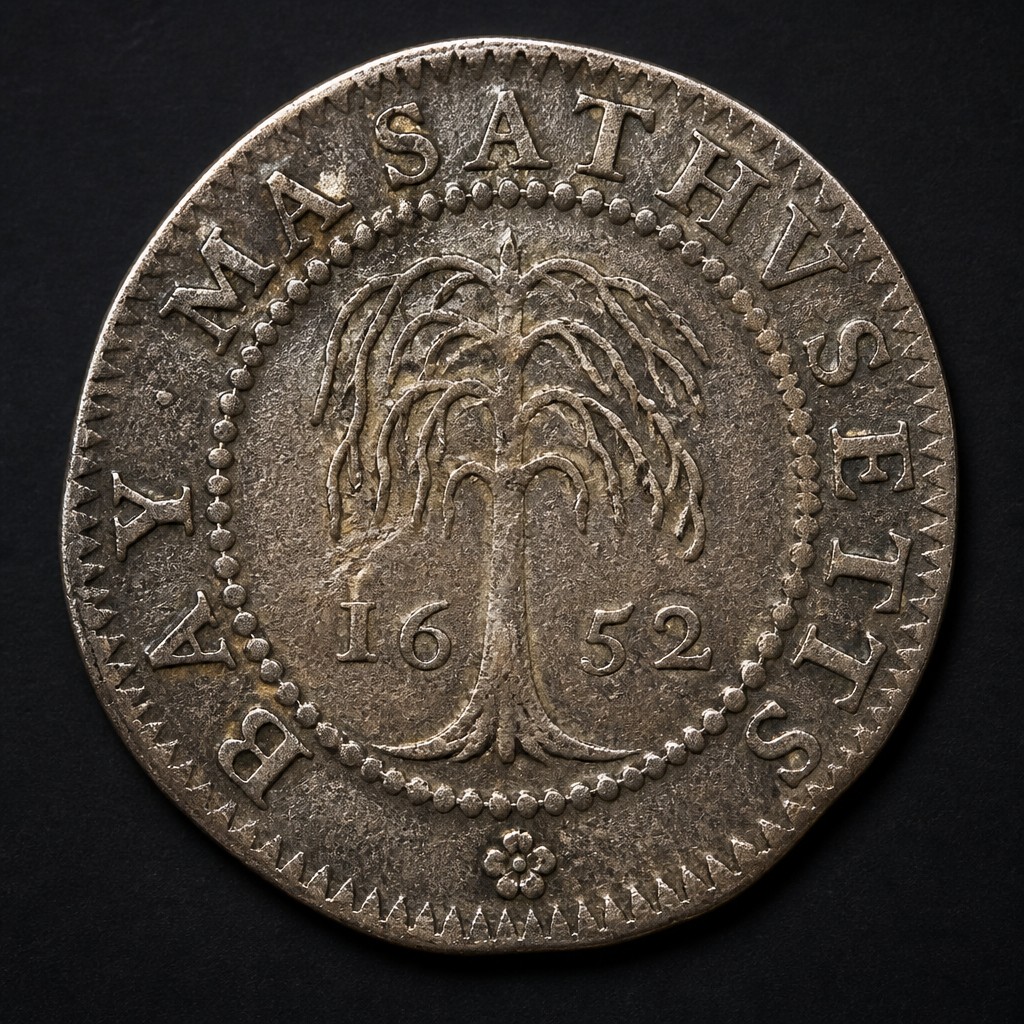
Massachusetts Willow Tree Shilling
Dated 1652, struck circa 1653–1660