
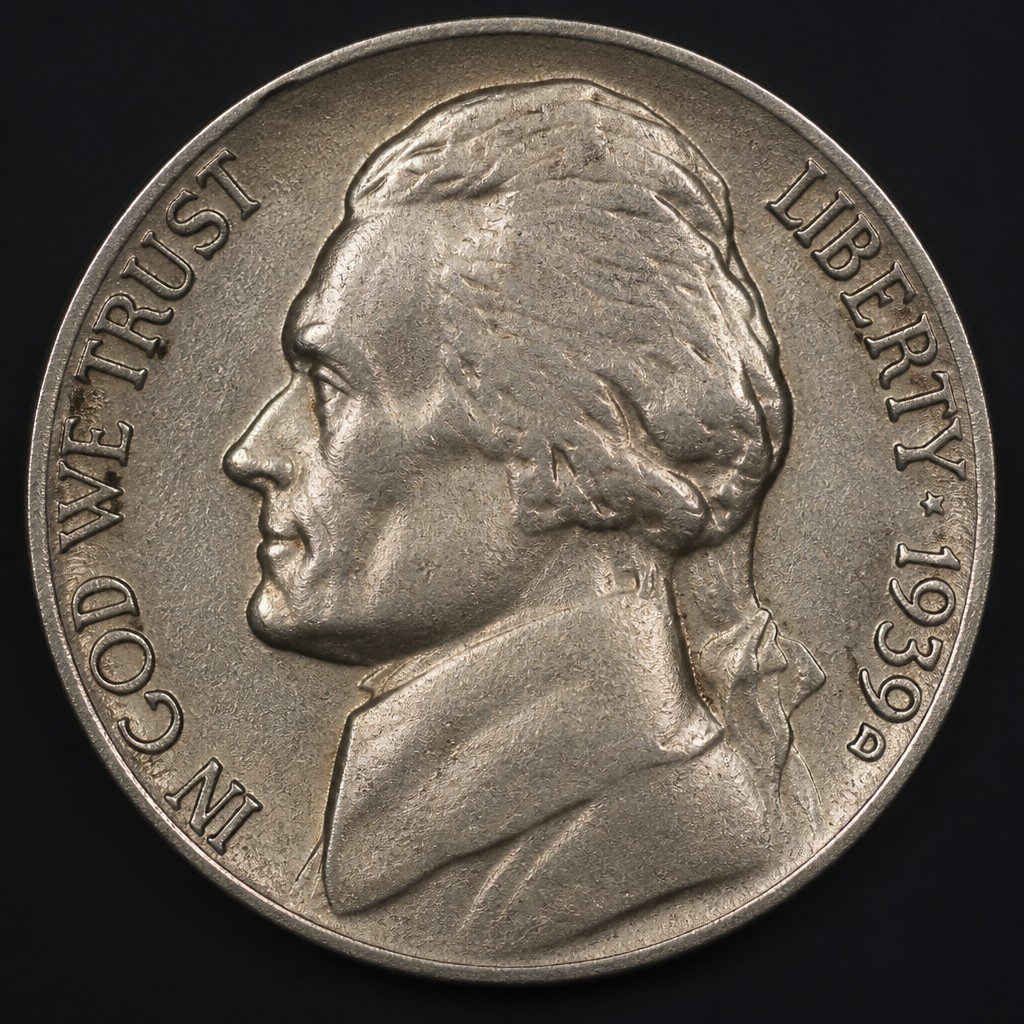
1939-D Jefferson Nickel
A scarce early Denver-mint Jefferson Nickel with one of the lowest mintages of the pre-war series, considered a semi-key date for collectors building a complete set.
- Country
- United States
- Denomination
- Five Cents
- Metal
- Copper-Nickel (75% Copper, 25% Nickel)
Got a coin like this?
Identify any coin from a photo, free.
Overview
The 1939-D Jefferson Nickel is recognized as one of the tougher dates from the early years of the series, produced in far smaller numbers than its Philadelphia counterpart from the same year. It sits alongside the 1939-S as one of the two scarcer 1939 issues that collectors must budget for when assembling a complete date-and-mint set.
Because it comes from the second year of the Jefferson design, the 1939-D is popular with type and date collectors alike, and well-struck examples with full architectural detail on Monticello are especially sought after.
Its relative scarcity compared to other Depression-era nickels makes it a recognizable stepping-stone coin for newer collectors learning about key and semi-key dates in 20th-century U.S. coinage.
History & Background
The Jefferson Nickel design, created by Felix Schlag after a public design competition, debuted in 1938. By 1939 the Denver Mint was still producing comparatively modest quantities of coinage as the country continued to emerge from the Great Depression, resulting in a lower mintage for the 1939-D nickel relative to Philadelphia's output that year.
The reduced Denver mintage was not driven by any deliberate rarity but simply reflected regional demand for circulating coinage at the time. As collecting by date and mintmark grew in popularity through the mid-20th century, the comparatively low surviving population of 1939-D nickels became more widely recognized and appreciated.
Today the coin is studied both for its scarcity and for variations in strike quality, since Denver-minted nickels of this era are sometimes found with weaker details on Monticello's steps compared to Philadelphia strikes.
How to Identify
The obverse shows Thomas Jefferson in profile facing left, with LIBERTY and a star to the left of his portrait, IN GOD WE TRUST above, and the 1939 date below. The reverse depicts Monticello with the legend MONTICELLO beneath the building, FIVE CENTS below that, UNITED STATES OF AMERICA around the top, and E PLURIBUS UNUM along the upper edge.
The D mintmark appears on the reverse to the right of the Monticello building, distinguishing it from the Philadelphia coin, which carries no mintmark, and the San Francisco issue, which carries an S in the same location. Collectors pay particular attention to the steps at the base of Monticello, since a fully struck set of six steps (Full Steps) is harder to find on 1939-D coins than on some other dates.
Wear is best judged on Jefferson's cheekbone and hairline and on the pillars and roofline of Monticello, which flatten first with circulation.
Value & Collectibility
The 1939-D nickel trades at a clear premium over common-date Jefferson Nickels in every grade, reflecting its status as a legitimate semi-key issue, with the premium growing substantially for coins with sharp, Full Steps strikes. Circulated examples are modestly priced, while choice uncirculated and Full Steps examples can bring considerably more.
As with most series key and semi-key dates, well-preserved, problem-free surfaces and strong strike quality are the main value drivers, and collectors should expect prices to vary widely between an average-struck mint-state coin and an exceptional Full Steps example of the same date.
Frequently asked questions
Is the 1939-D nickel considered a key date?
It is generally regarded as a semi-key date, scarcer than most 1930s Jefferson Nickels but not as rare as true series keys like the 1950-D.
How can I tell a 1939-D from a 1939 Philadelphia nickel?
Check the reverse to the right of Monticello: a D mintmark indicates Denver, while no mintmark indicates Philadelphia.
What is a Full Steps 1939-D nickel?
It is an example where all the steps at the base of Monticello are fully and clearly struck, a feature collectors pay extra for.
Why was the 1939-D mintage low?
Denver simply produced fewer coins that year based on regional demand for circulating nickels, not due to any special program.
Other coins you may enjoy
Virginia Halfpenny
1773
Brasher Doubloon
1787
Higley Copper
1737–1739
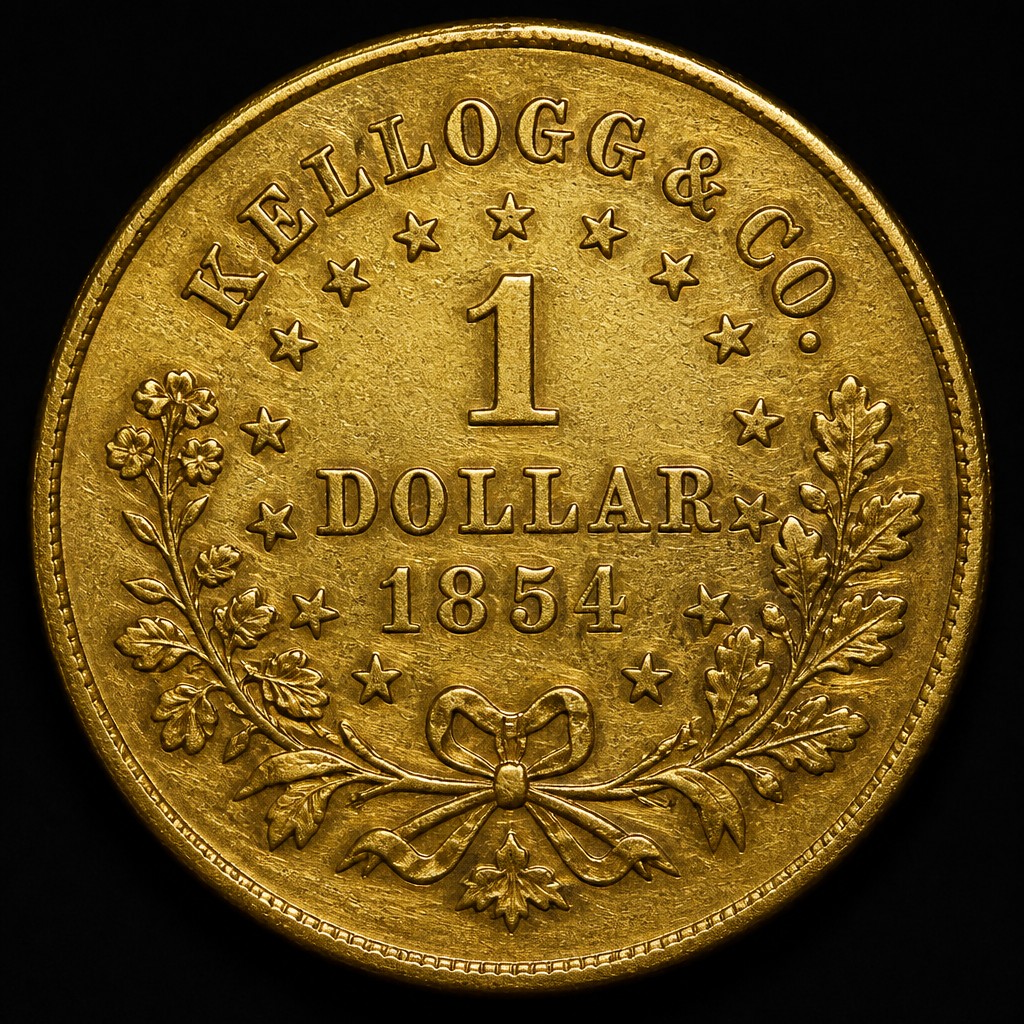
Kellogg & Co. Gold Piece
1854–1855
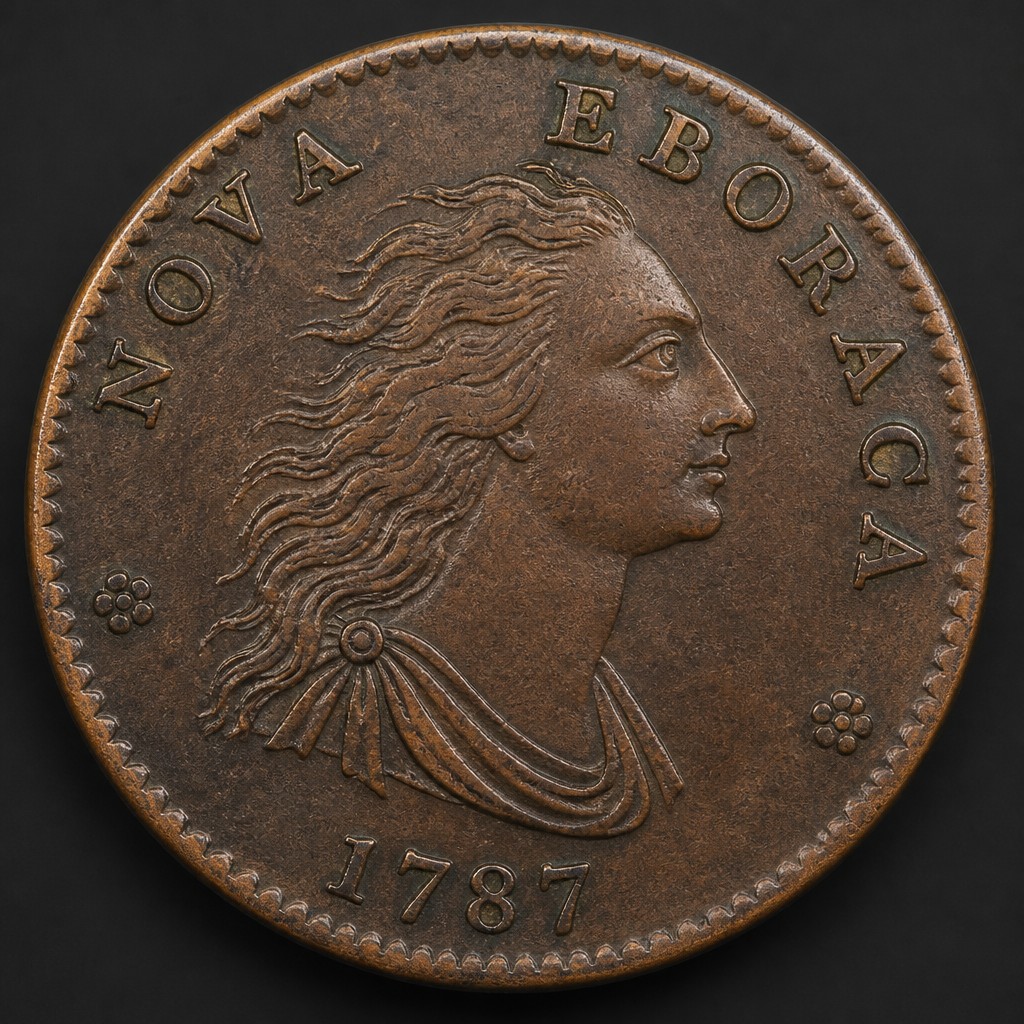
Nova Eborac Copper
1787
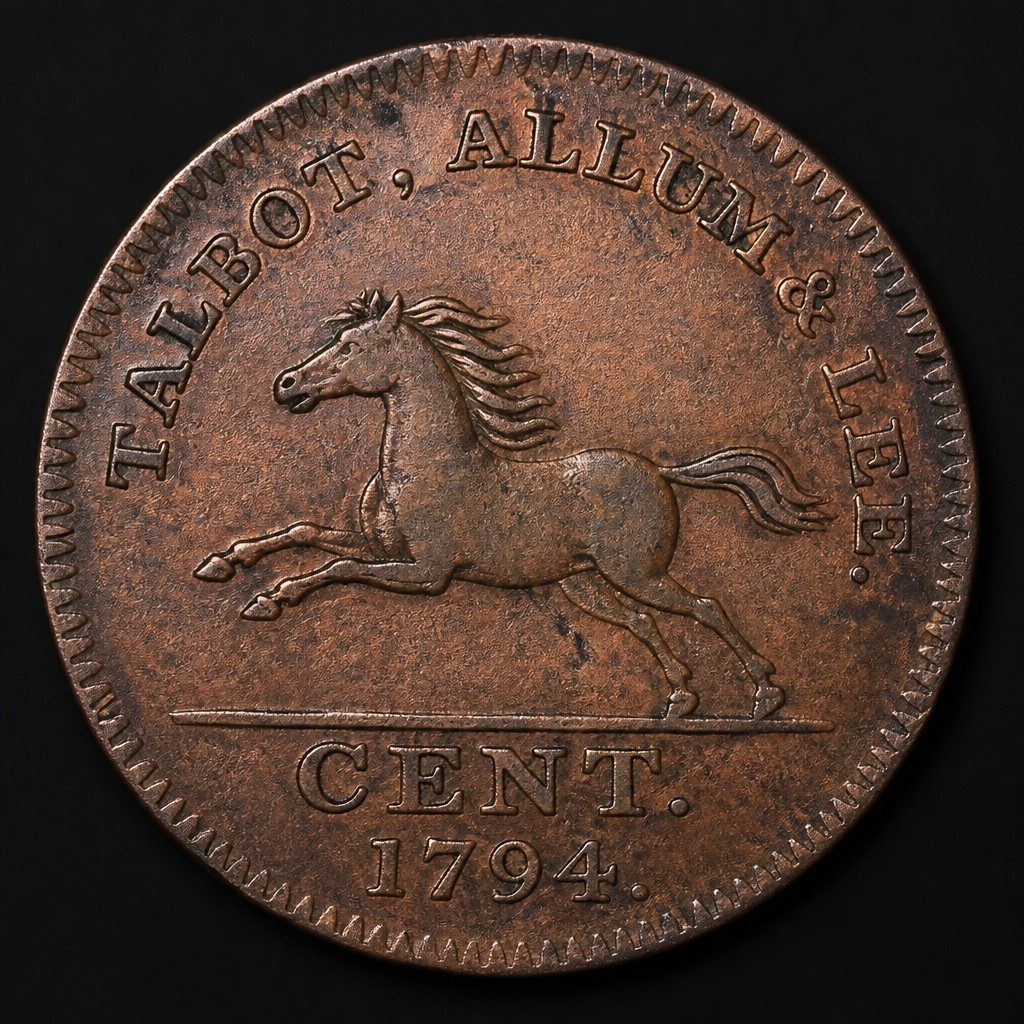
Talbot, Allum & Lee Cent
1794–1795
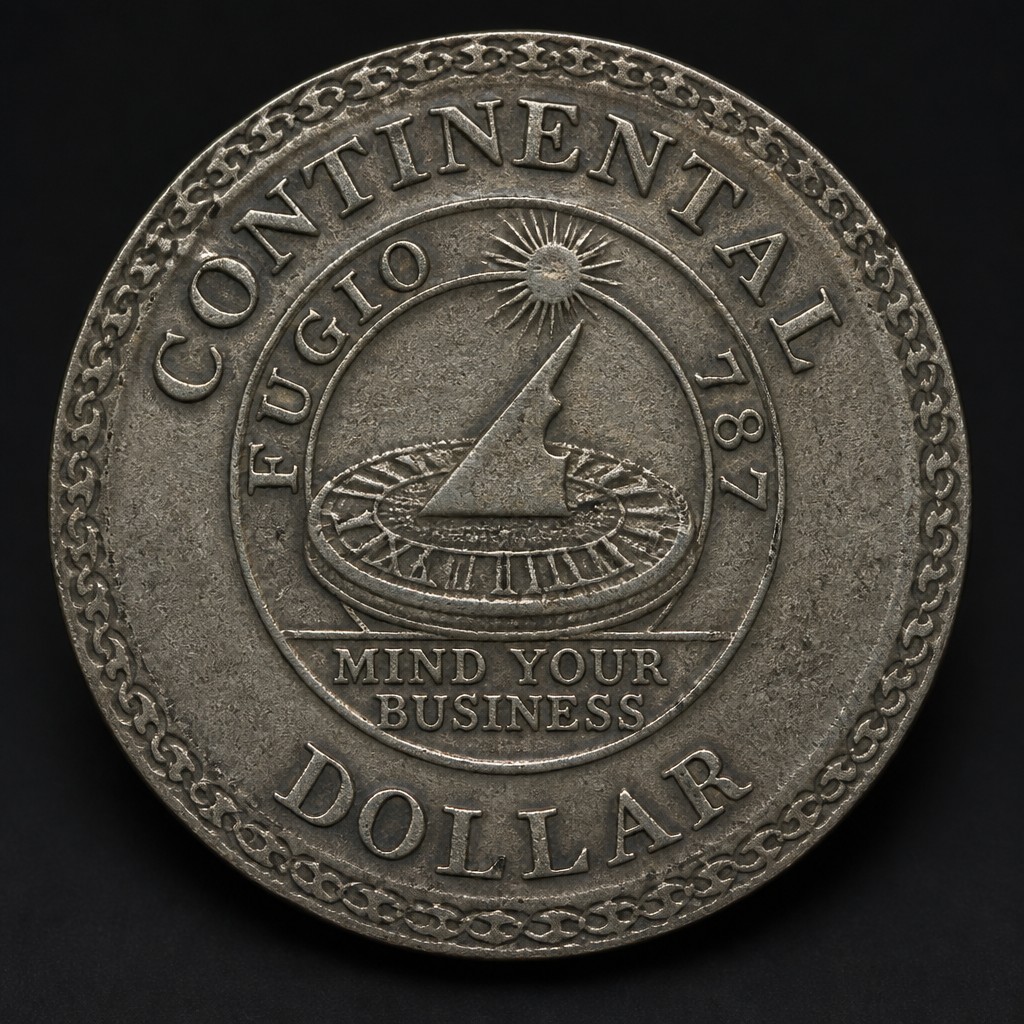
Continental Dollar
1776
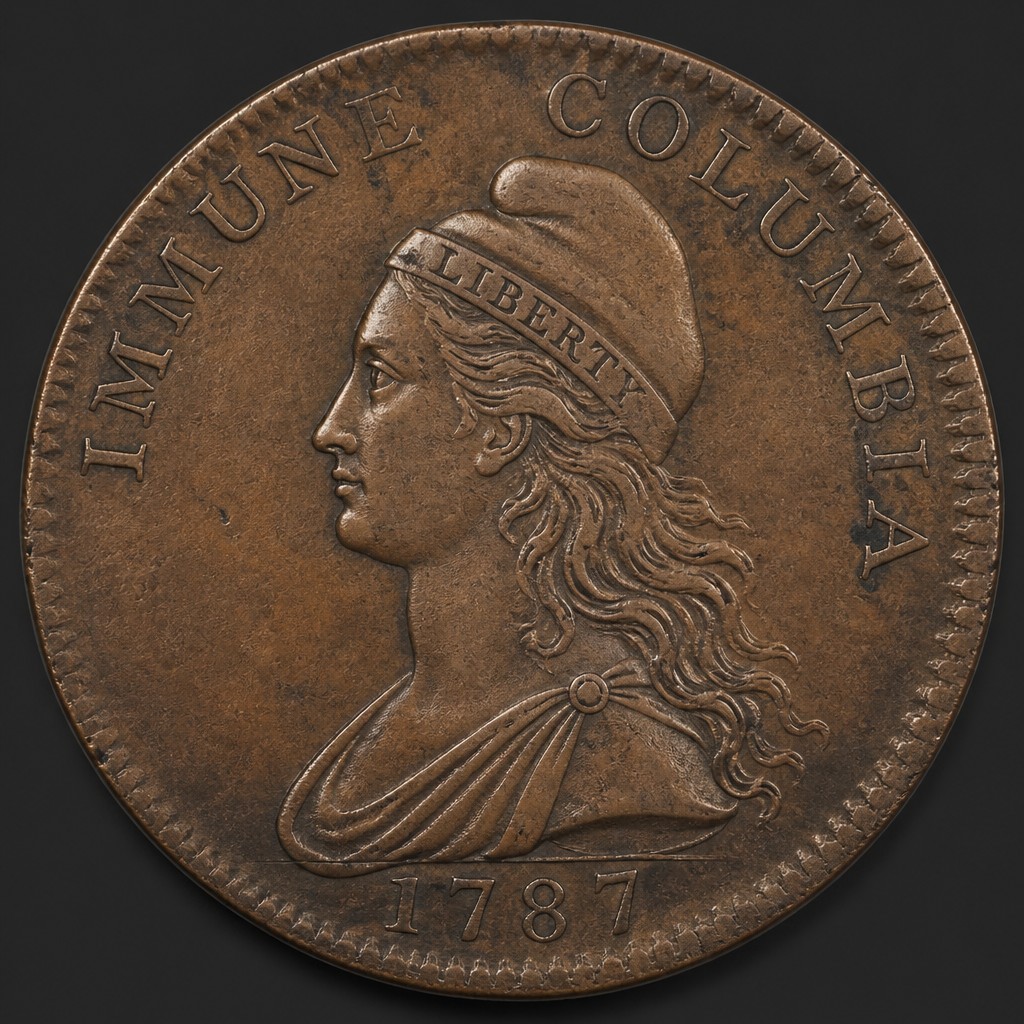
Immune Columbia Copper
circa 1785–1787
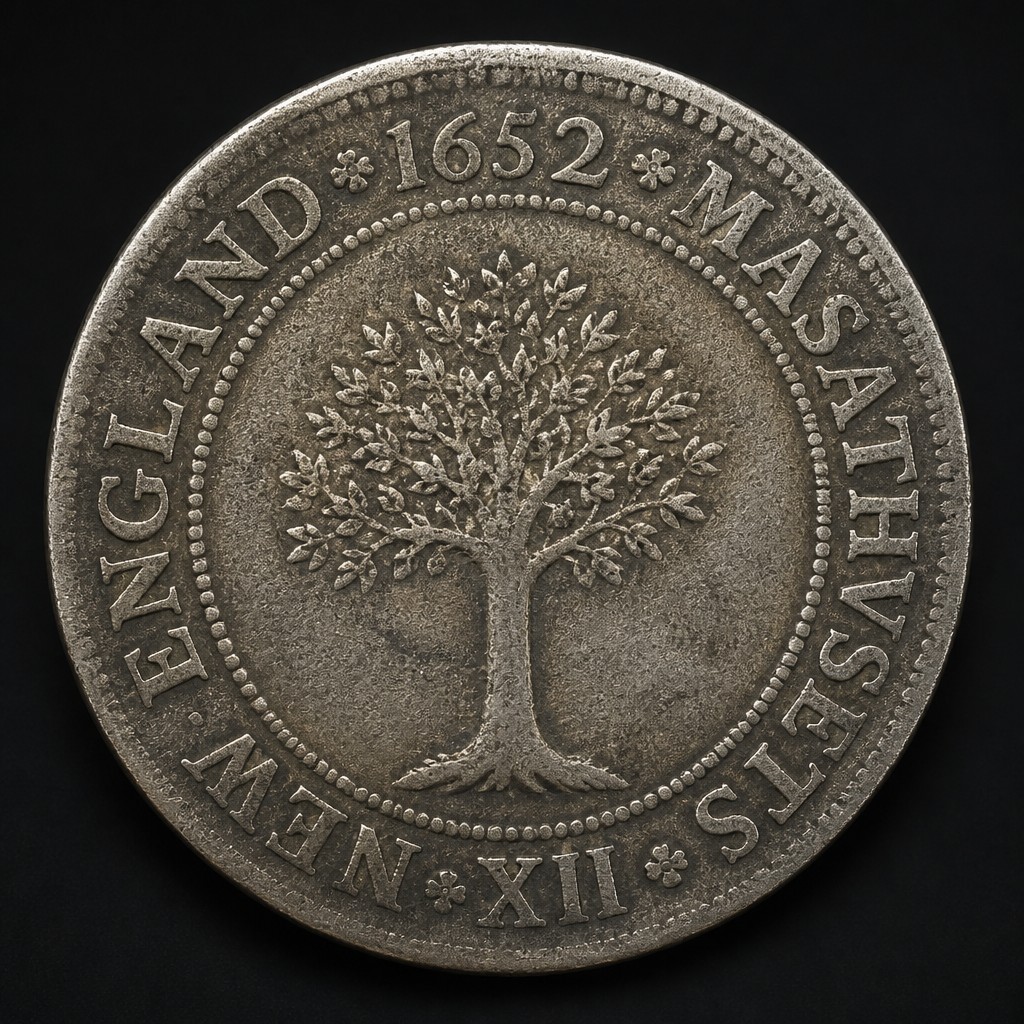
Massachusetts Oak Tree Shilling
Dated 1652, struck circa 1660–1667
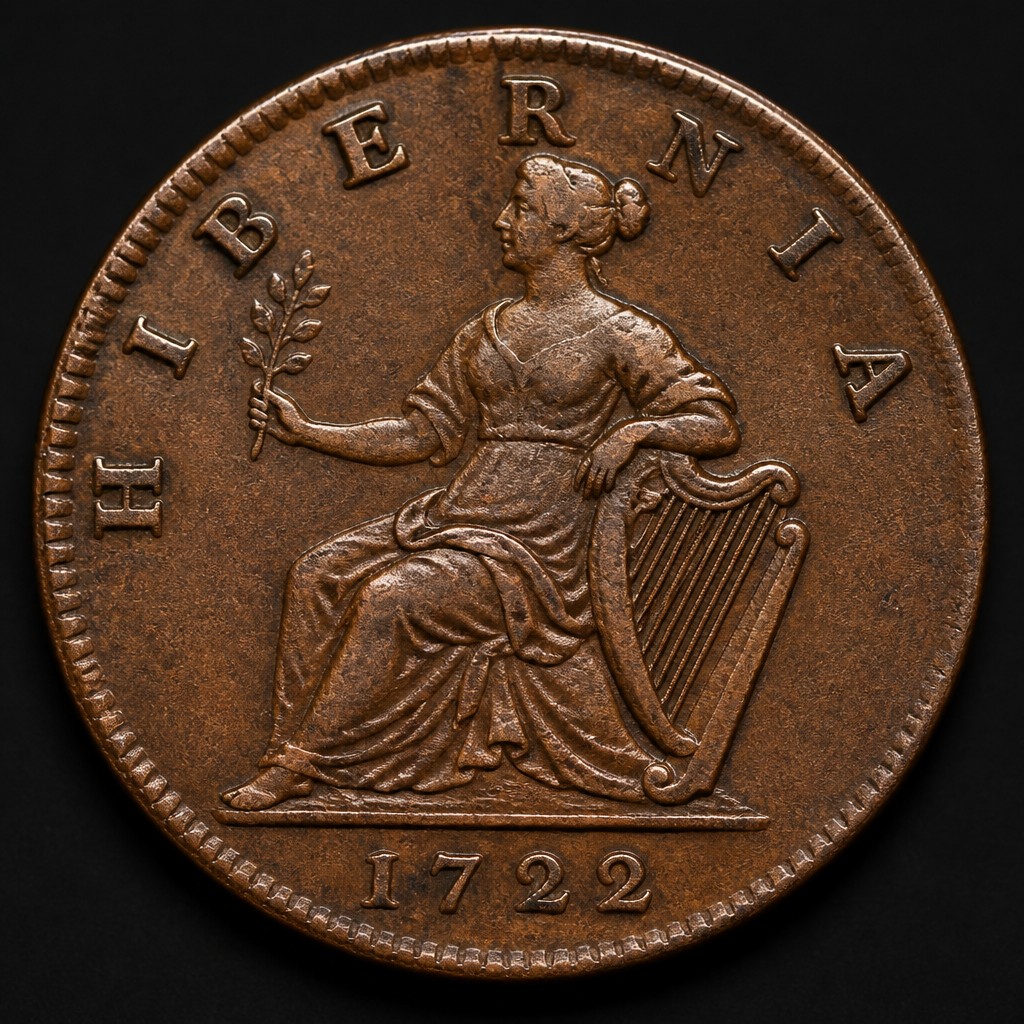
Wood's Hibernia Halfpenny
1722–1724
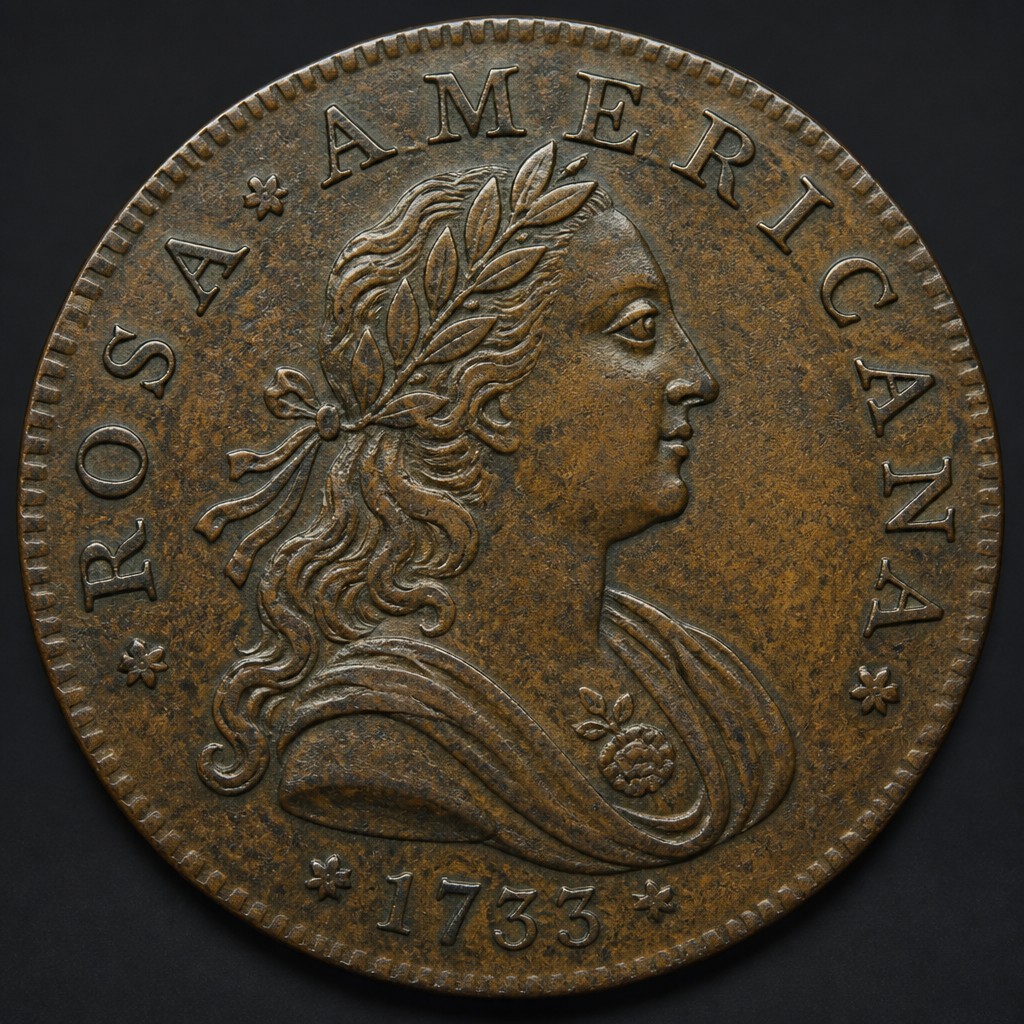
Rosa Americana Coinage
1722–1724 (with pattern issues dated 1733)
Massachusetts Willow Tree Shilling
Dated 1652, struck circa 1653–1660