
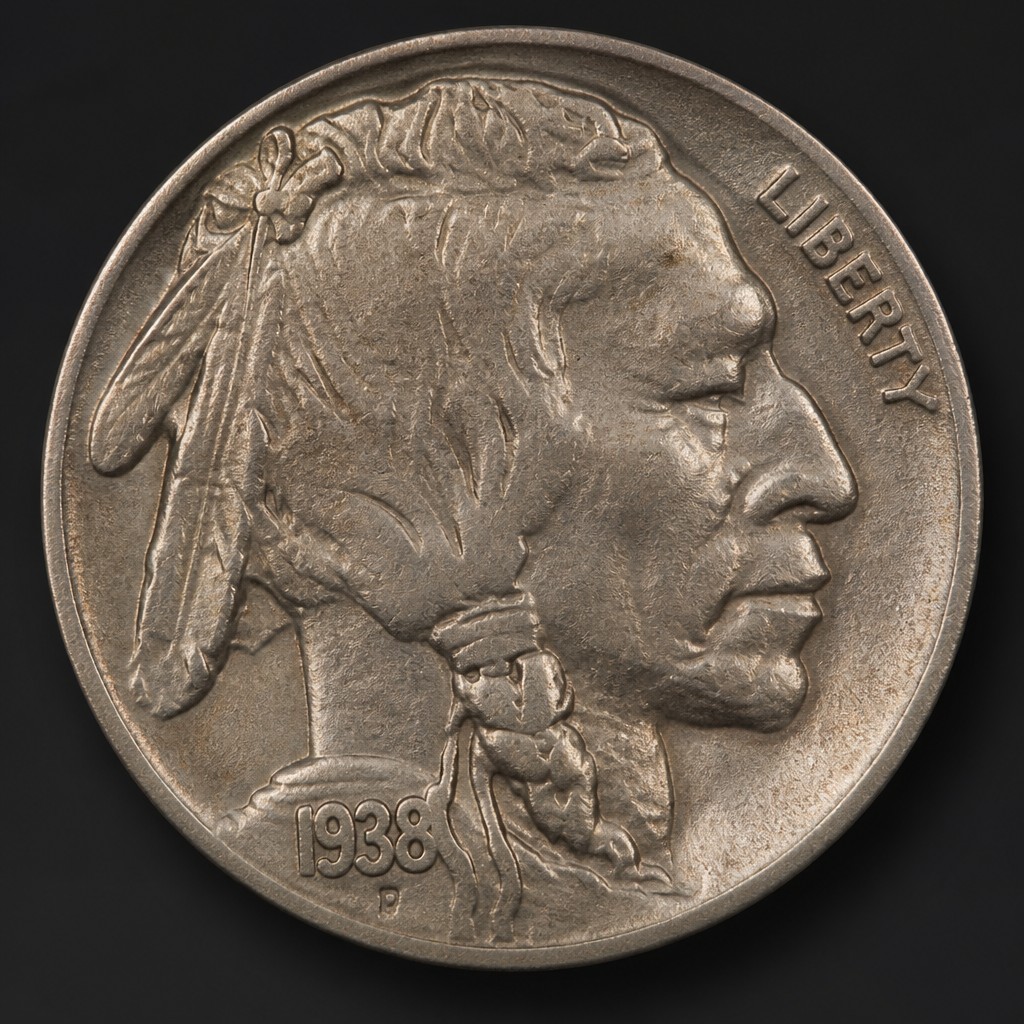
1938-D Buffalo Nickel
The final year of the Buffalo Nickel series, the 1938-D was widely saved by the public at the time and remains a popular, affordable last-year issue for collectors.
- Country
- United States
- Denomination
- Five Cents
- Metal
- Copper-Nickel
Got a coin like this?
Identify any coin from a photo, free.
Overview
The 1938-D Buffalo Nickel marks the closing chapter of James Earle Fraser's iconic Buffalo (Indian Head) Nickel design, struck in its final year before the Jefferson Nickel took over later that same year. Its status as a "last year of issue" coin has long made it a favorite for collectors wanting a well-preserved example of the design.
Because the public was aware the series was ending, more people set aside 1938-D nickels at the time than they had for many earlier dates, resulting in a comparatively strong supply of nice uncirculated examples relative to older Buffalo Nickel dates. This makes the coin an approachable way to own a high-grade example of the design.
The Denver Mint's 1938-D issue is also associated with a well-known overmintmark variety, adding a layer of interest for collectors beyond the basic date-and-mint listing.
History & Background
The Buffalo Nickel, designed by sculptor James Earle Fraser, was introduced in 1913 and depicted a composite portrait of a Native American man on the obverse and an American bison on the reverse. By 1938, the design's 25-year production run was coming to an end, as Congress and the Mint moved to replace it with a newly selected Jefferson Nickel design later that year.
The Denver Mint struck 1938-D Buffalo Nickels early in the year before production shifted to the new Jefferson design in the fall. Aware that the series was concluding, more collectors and members of the public than usual set coins aside at the time, contributing to a healthier surviving supply of well-preserved examples compared to many earlier Buffalo Nickel dates.
Among 1938-D varieties, a well-documented overmintmark exists where a Denver "D" was punched over a partially visible San Francisco "S," known as the 1938-D/S variety, created when leftover 1938-S dies were repurposed at the Denver Mint.
How to Identify
The obverse shows a right-facing Native American portrait with "LIBERTY" and the date, while the reverse depicts an American bison standing on a mound, with "UNITED STATES OF AMERICA," "E PLURIBUS UNUM," and "FIVE CENTS" around it. The 1938-D carries a small "D" mint mark below "FIVE CENTS" on the reverse.
The coin is struck in copper-nickel with a plain edge and standard nickel diameter. Buffalo Nickels are prone to weak strikes, especially on the horn and the date, so well-struck, fully detailed examples are more desirable and less common than softly struck ones.
Collectors seeking the 1938-D/S overmintmark variety should examine the mint mark closely under magnification for traces of an underlying "S" beneath the primary "D," a subtle die variety that requires careful comparison to verified references to confirm.
Value & Collectibility
As a widely saved last-year issue, the 1938-D Buffalo Nickel is among the more affordable and available dates in the series in uncirculated condition, making it a popular choice for collectors wanting a nice example of the design without pursuing scarcer earlier dates. Circulated examples are generally inexpensive and easy to find.
The 1938-D/S overmintmark variety commands a meaningful premium over the standard 1938-D due to its added rarity and specialist appeal, though it remains more accessible than many classic Buffalo Nickel key dates like the 1913-S Type 2 or 1926-S.
Overall, the 1938-D serves as a value-friendly way to complete a Buffalo Nickel type or date set, with premiums driven mainly by strike quality, overall eye appeal, and, for specialists, the presence of the overmintmark variety.
Frequently asked questions
Why was the 1938-D Buffalo Nickel widely saved?
The public knew the Buffalo Nickel series was ending that year, so more people set aside 1938-D coins than they typically did for earlier dates.
What is the 1938-D/S variety?
It is an overmintmark variety where a Denver 'D' was punched over a partially visible San Francisco 'S,' created from reused 1938-S dies at the Denver Mint.
Is the 1938-D Buffalo Nickel rare?
No, it is one of the more common and affordable Buffalo Nickel dates, especially in uncirculated condition, due to the coin being widely saved at the time.
What ended the Buffalo Nickel series?
The Mint replaced the Buffalo Nickel with the newly designed Jefferson Nickel later in 1938, ending the 25-year Buffalo Nickel run.
Other coins you may enjoy
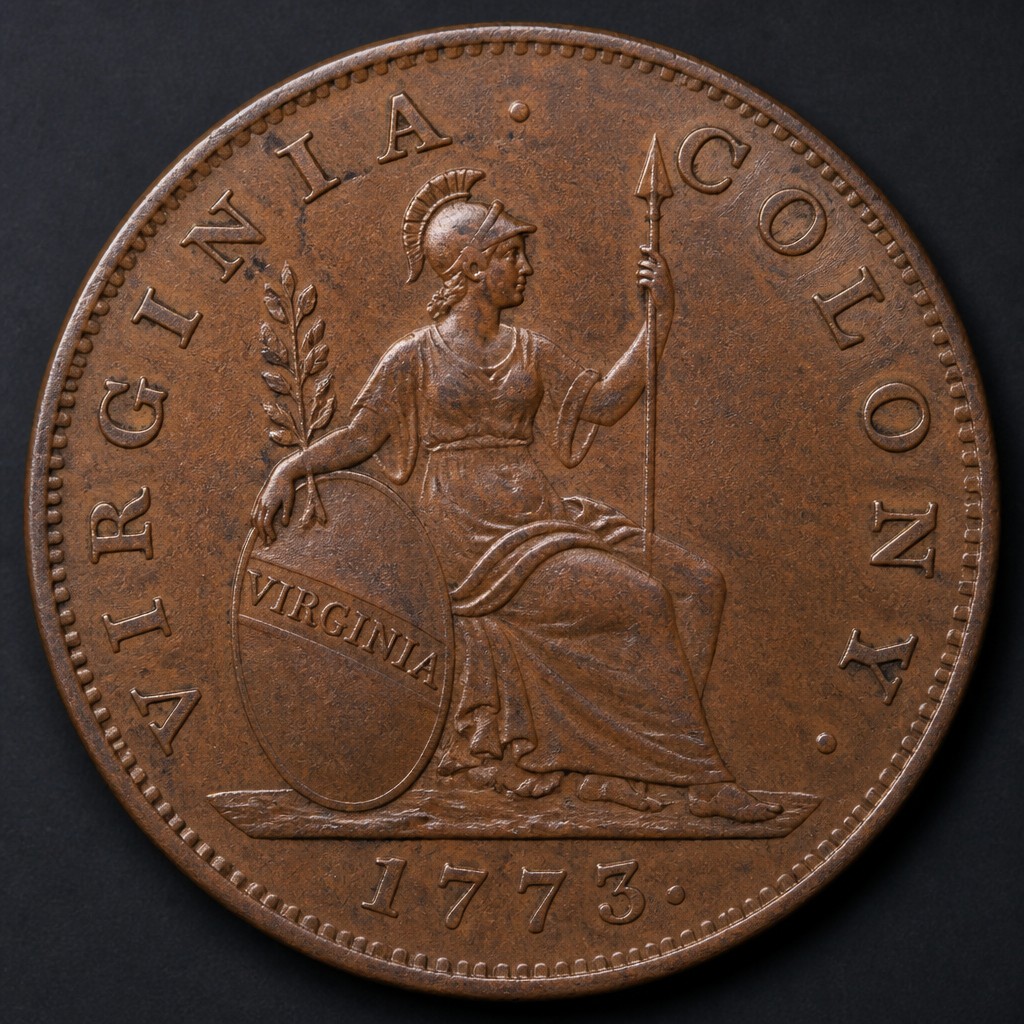
Virginia Halfpenny
1773
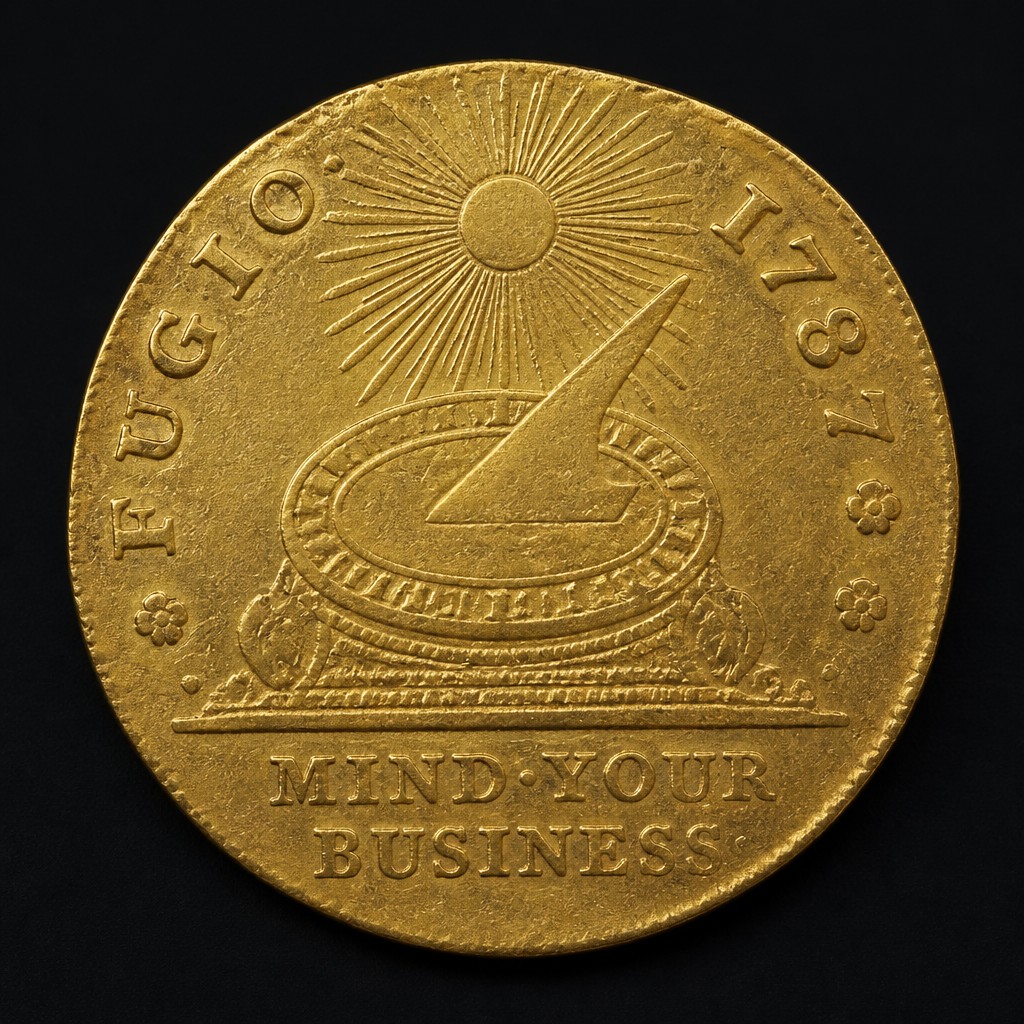
Brasher Doubloon
1787
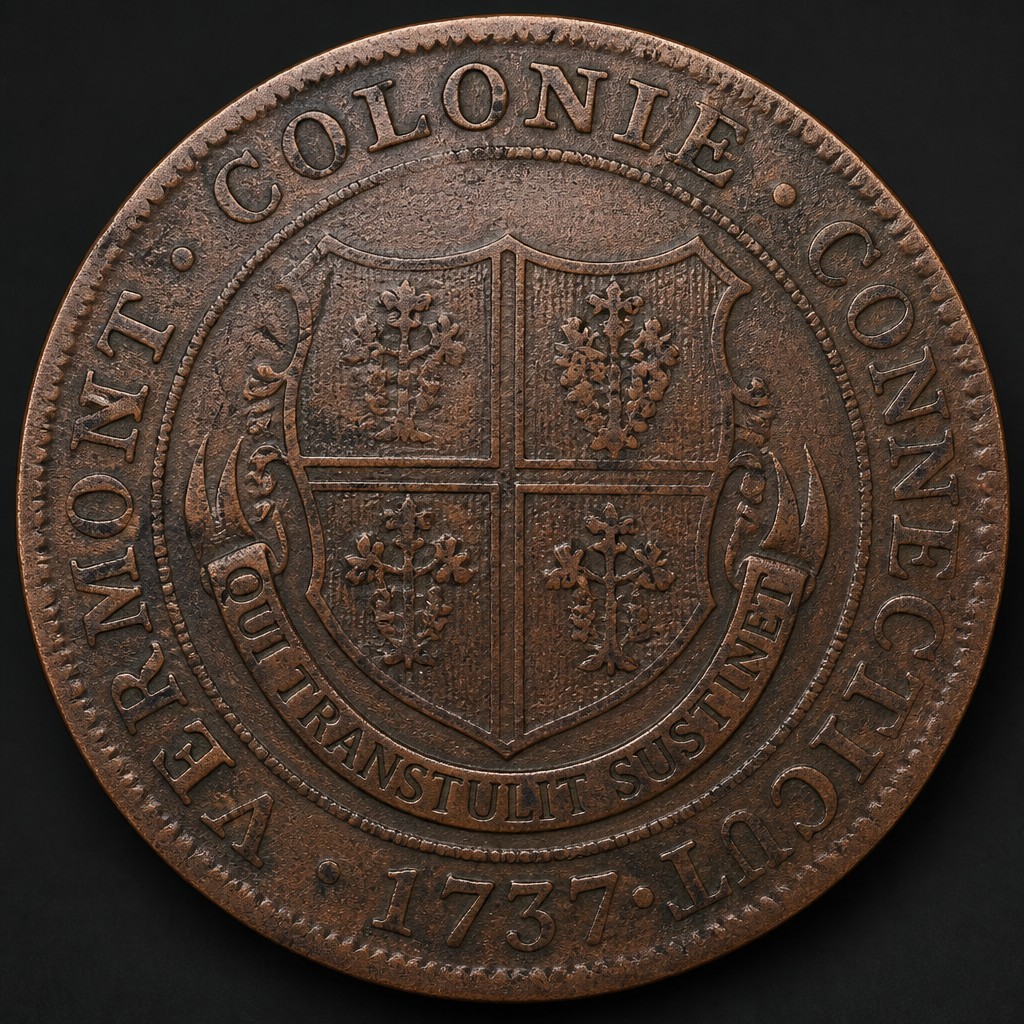
Higley Copper
1737–1739
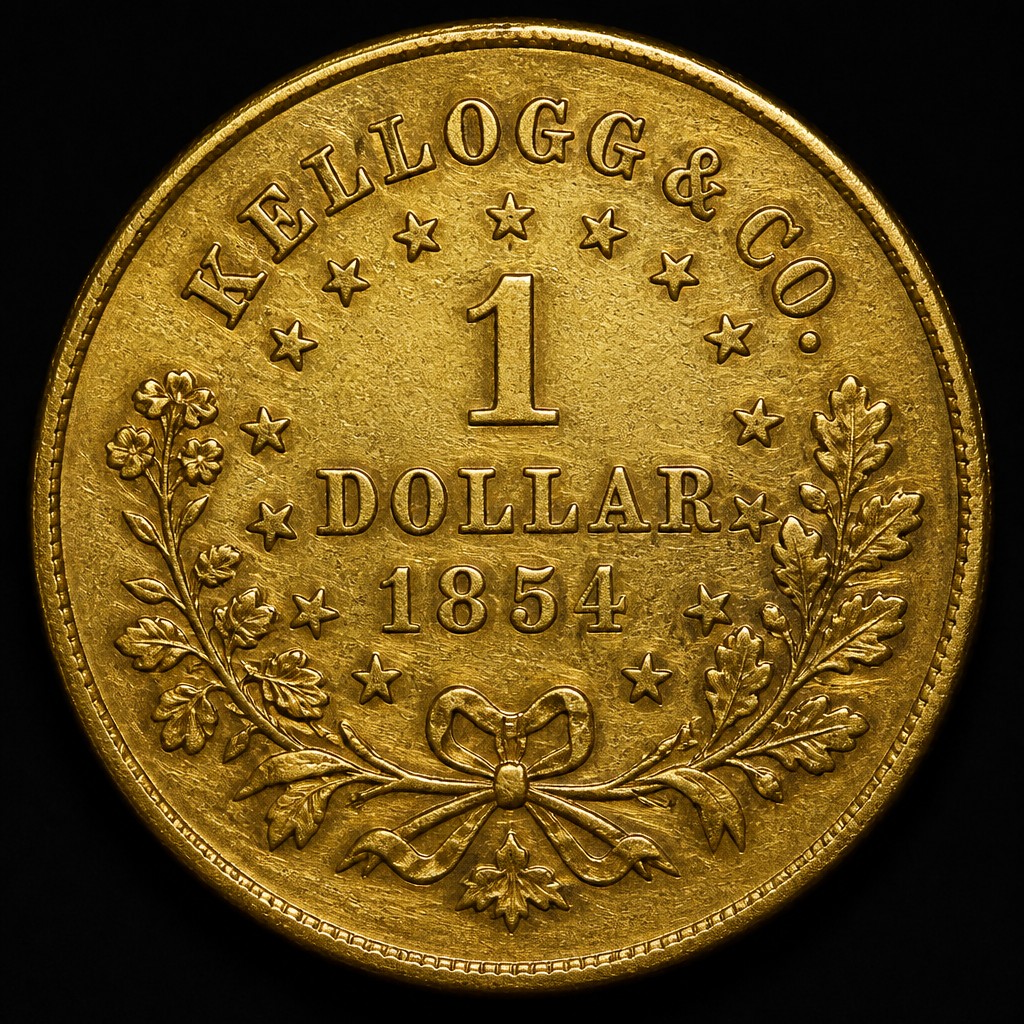
Kellogg & Co. Gold Piece
1854–1855
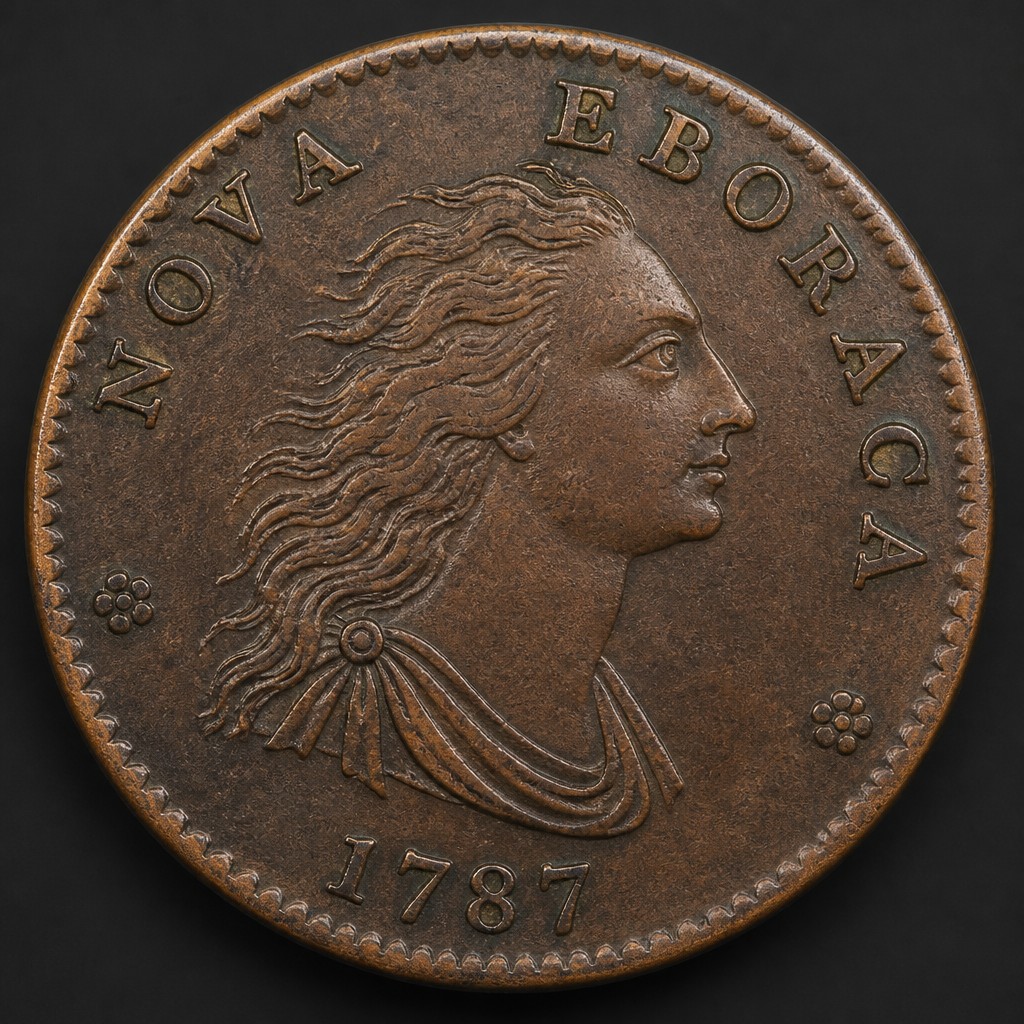
Nova Eborac Copper
1787
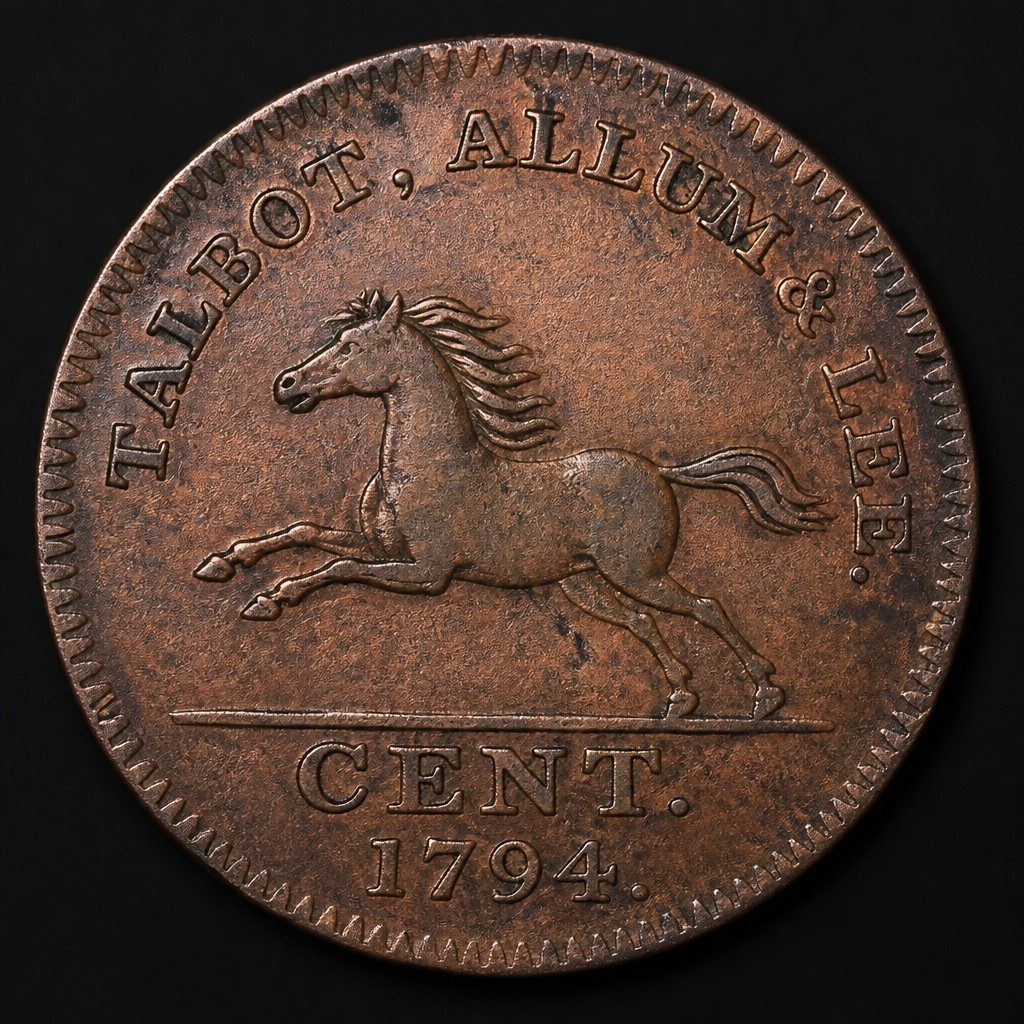
Talbot, Allum & Lee Cent
1794–1795
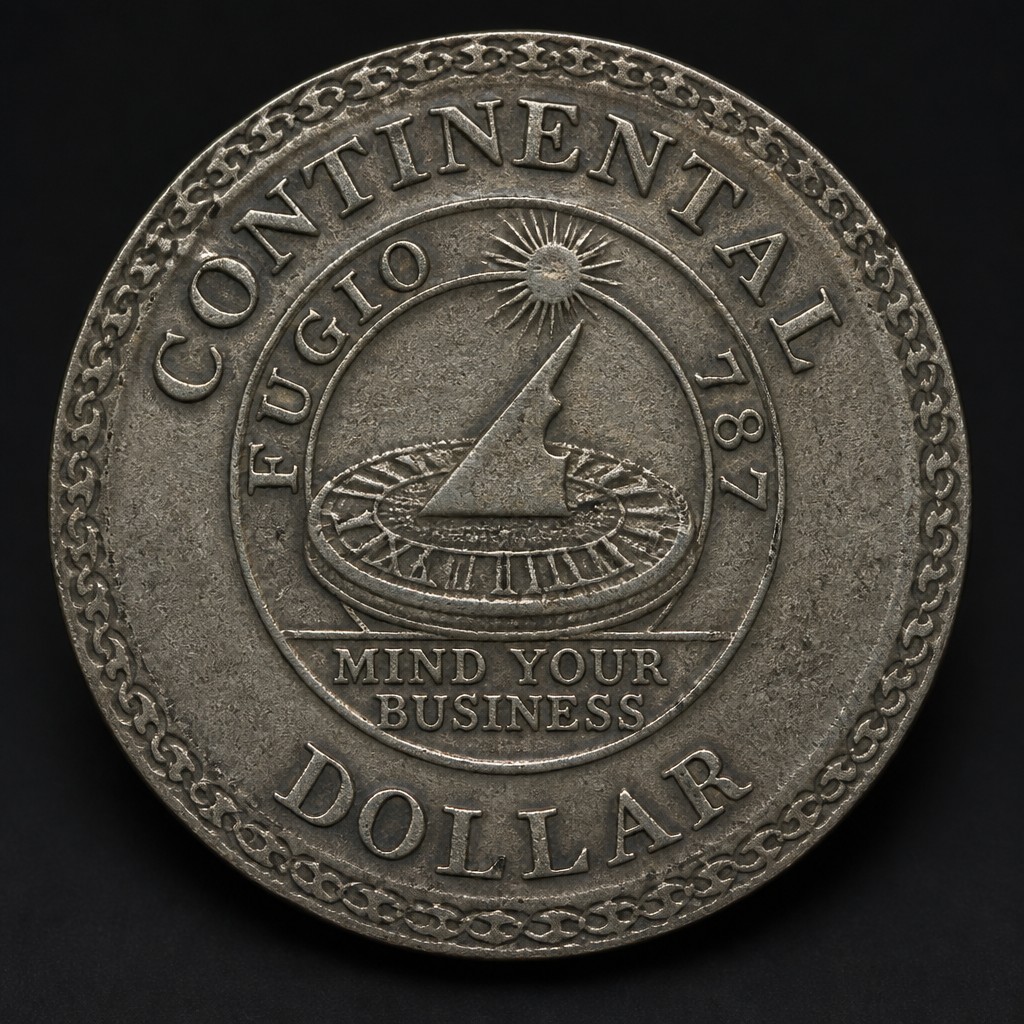
Continental Dollar
1776
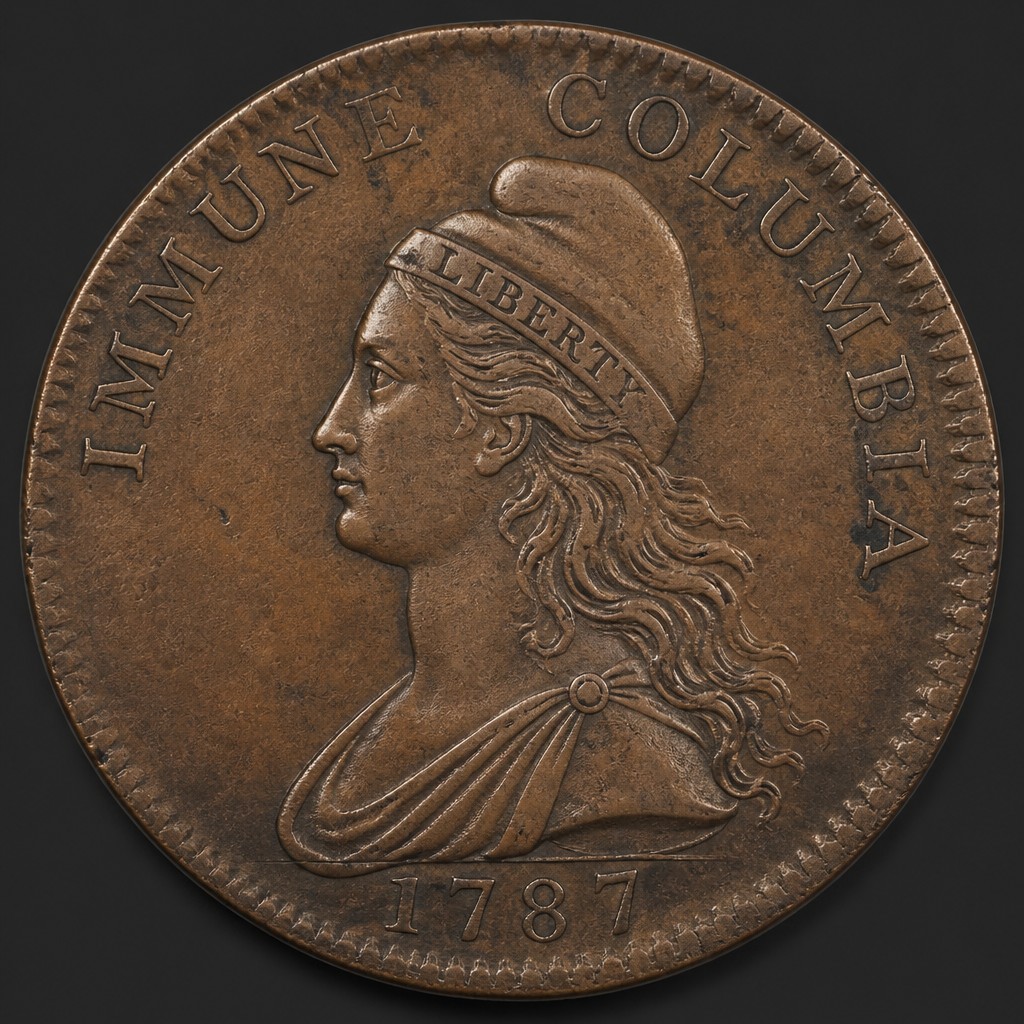
Immune Columbia Copper
circa 1785–1787
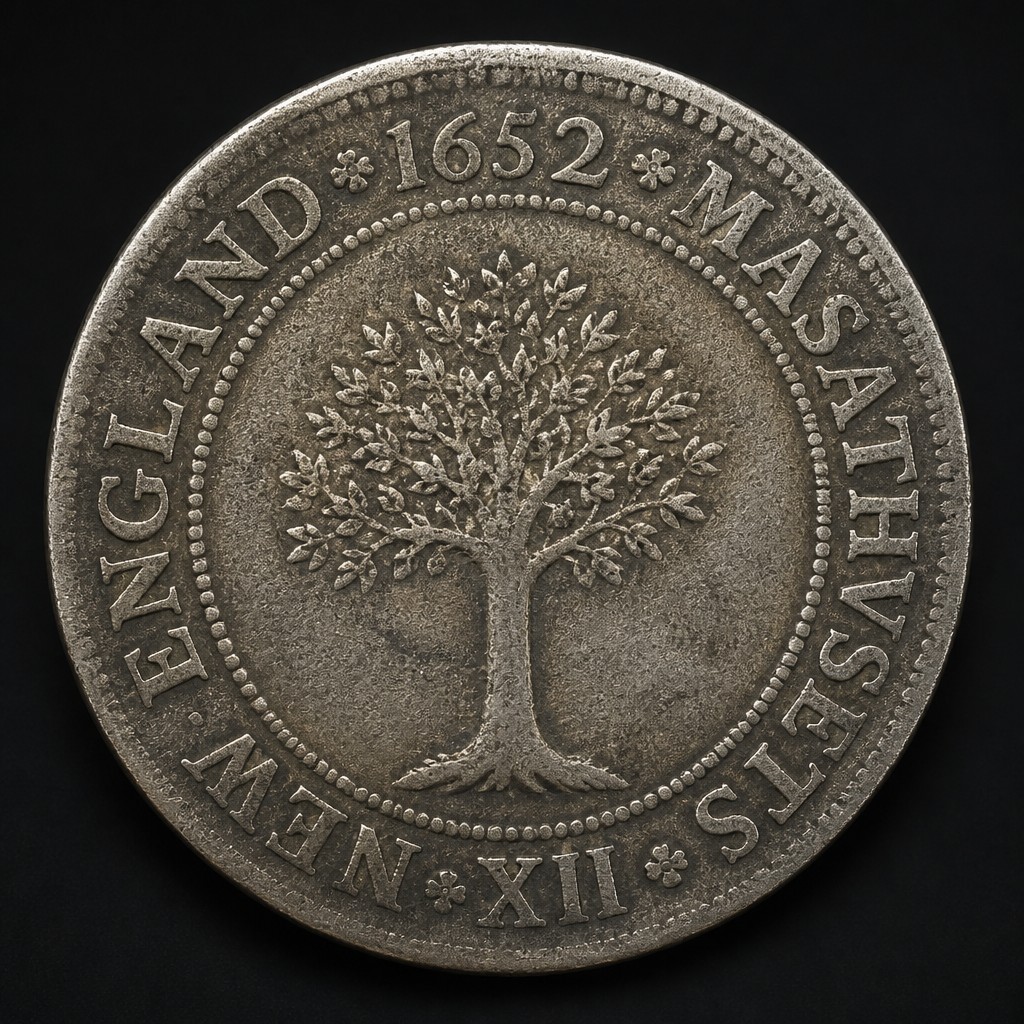
Massachusetts Oak Tree Shilling
Dated 1652, struck circa 1660–1667
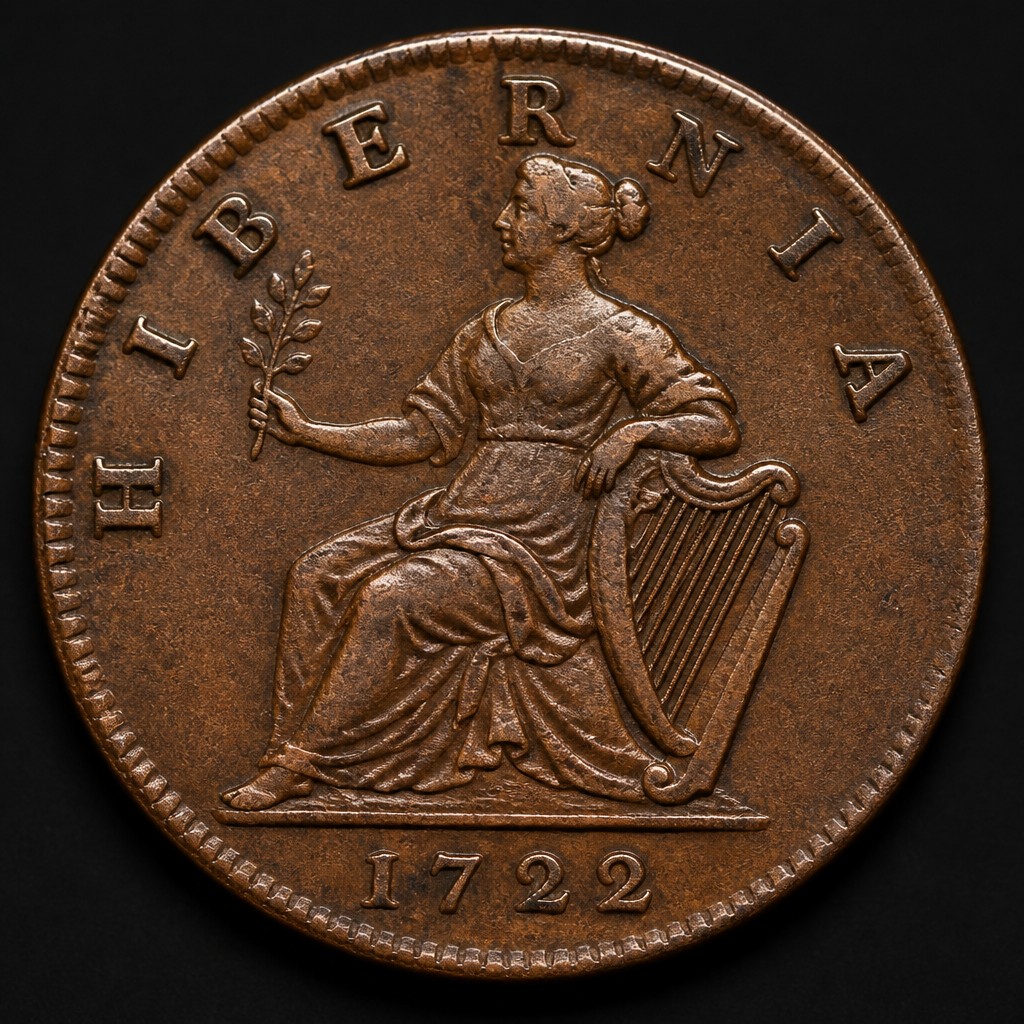
Wood's Hibernia Halfpenny
1722–1724
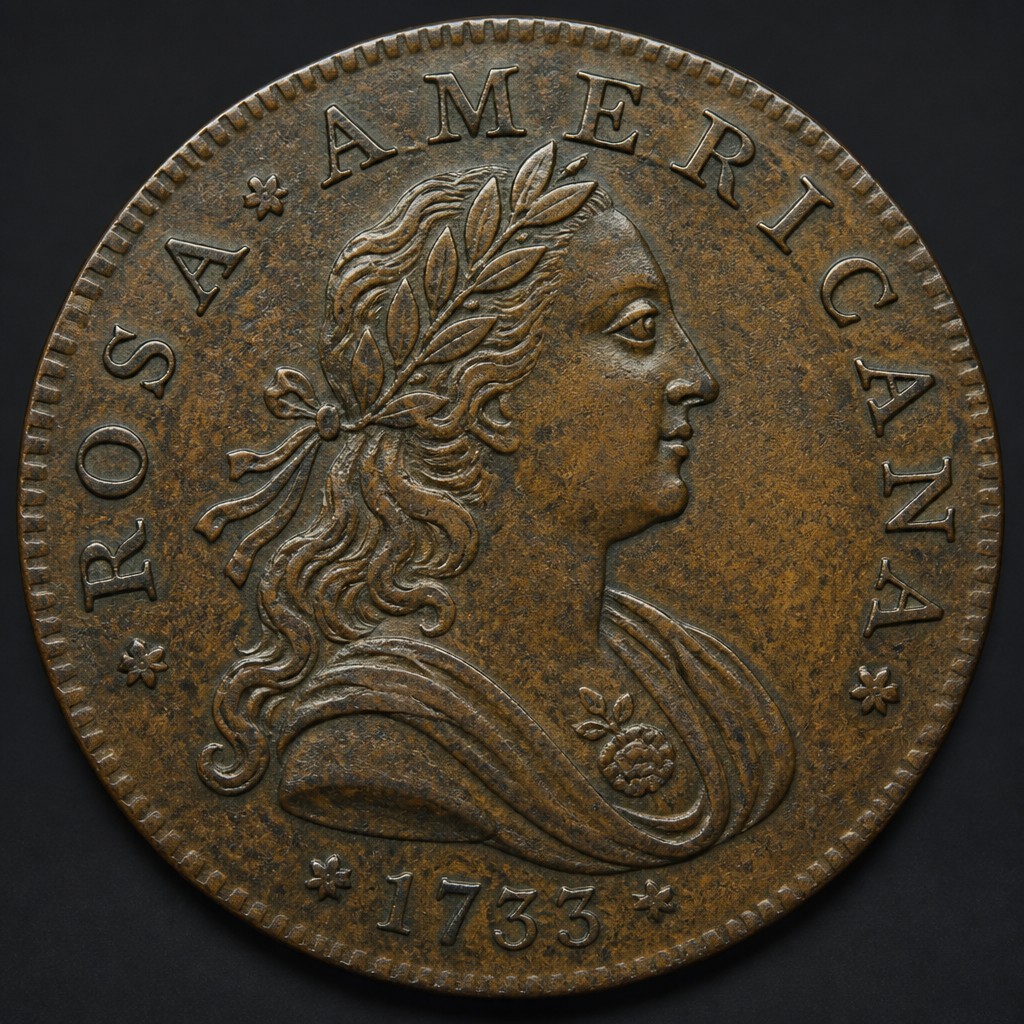
Rosa Americana Coinage
1722–1724 (with pattern issues dated 1733)
Massachusetts Willow Tree Shilling
Dated 1652, struck circa 1653–1660