
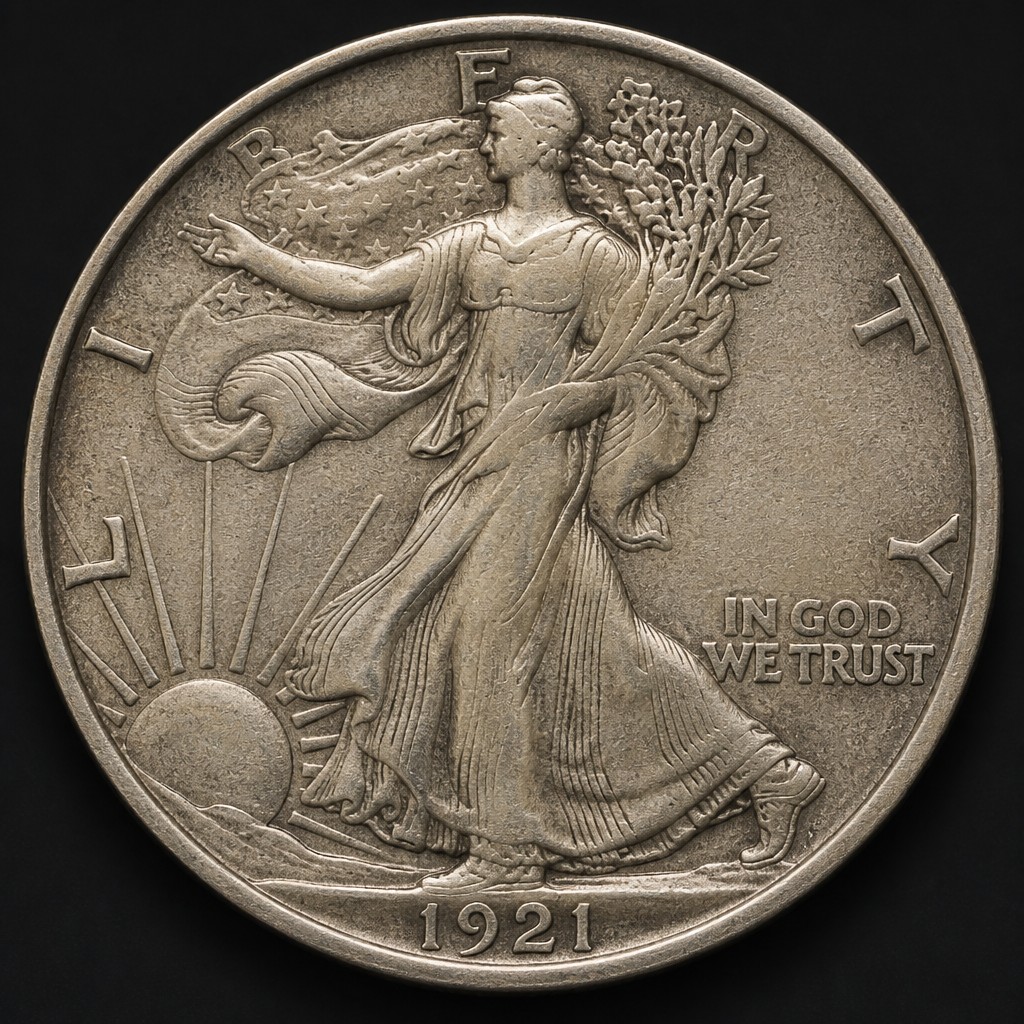
1921 Walking Liberty Half Dollar
The three 1921 mintmark varieties are the acknowledged key dates of the Walking Liberty half dollar series, each struck in unusually small numbers.
- Country
- United States
- Denomination
- Half Dollar
- Metal
- 90% Silver, 10% Copper
Got a coin like this?
Identify any coin from a photo, free.
Overview
Within the long-running Walking Liberty half dollar series (1916–1947), the 1921 issues from all three mints stand out as the coins every date-collector needs to complete a set. Low mintages at Philadelphia, Denver, and San Francisco that year make 1921 halves disproportionately harder to find than coins from almost any other year in the series.
The design itself is unchanged from other Walking Liberty halves, but the combination of low original mintage and heavy circulation wear during the 1920s and Depression era means few 1921 halves survive today in appealing condition.
History & Background
Silver half dollar demand slackened in the early 1920s, and the Mint responded by striking far fewer half dollars in 1921 than in surrounding years across all three of its operating mints. This production dip, rather than any design change, is what gives the date its lasting importance to collectors.
How to Identify
Obverse: Liberty walks toward a rising sun, draped in the flag, carrying laurel and oak branches, with "LIBERTY" above and "IN GOD WE TRUST" to the lower right.
Reverse: An eagle perched on a rock beside a pine sprig, with "UNITED STATES OF AMERICA," "HALF DOLLAR," and "E PLURIBUS UNUM" as on other dates of the series.
By 1921 the mintmark had moved to the reverse, appearing near the lower left, below the "HALF DOLLAR" inscription. Because genuine low-mintage dates attract counterfeiters and altered coins, mintmark authenticity and overall coin weight are worth close attention on any offered 1921 half.
Value & Collectibility
The 1921 Philadelphia, Denver, and San Francisco halves are widely recognized as the three key dates of the series. Even heavily worn examples can bring several hundred dollars, and prices rise quickly through the higher circulated and mint state grades, with well-preserved coins reaching well into the thousands of dollars.
Frequently asked questions
Why is 1921 considered a key date?
All three mints struck unusually low numbers of half dollars in 1921 compared to other years in the Walking Liberty series.
Which 1921 half dollar is rarest?
Mintages were all comparatively small, and each mint's coin (Philadelphia, Denver, and San Francisco) is considered a key date in its own right.
Are 1921 halves commonly counterfeited?
Because of their value, altered or counterfeit mintmarks are a known concern, so careful examination or professional certification is advisable.
What condition do most surviving 1921 halves grade?
Most survivors are heavily circulated, since the coins saw active use through the Depression era; well-preserved examples are relatively scarce.
Other coins you may enjoy
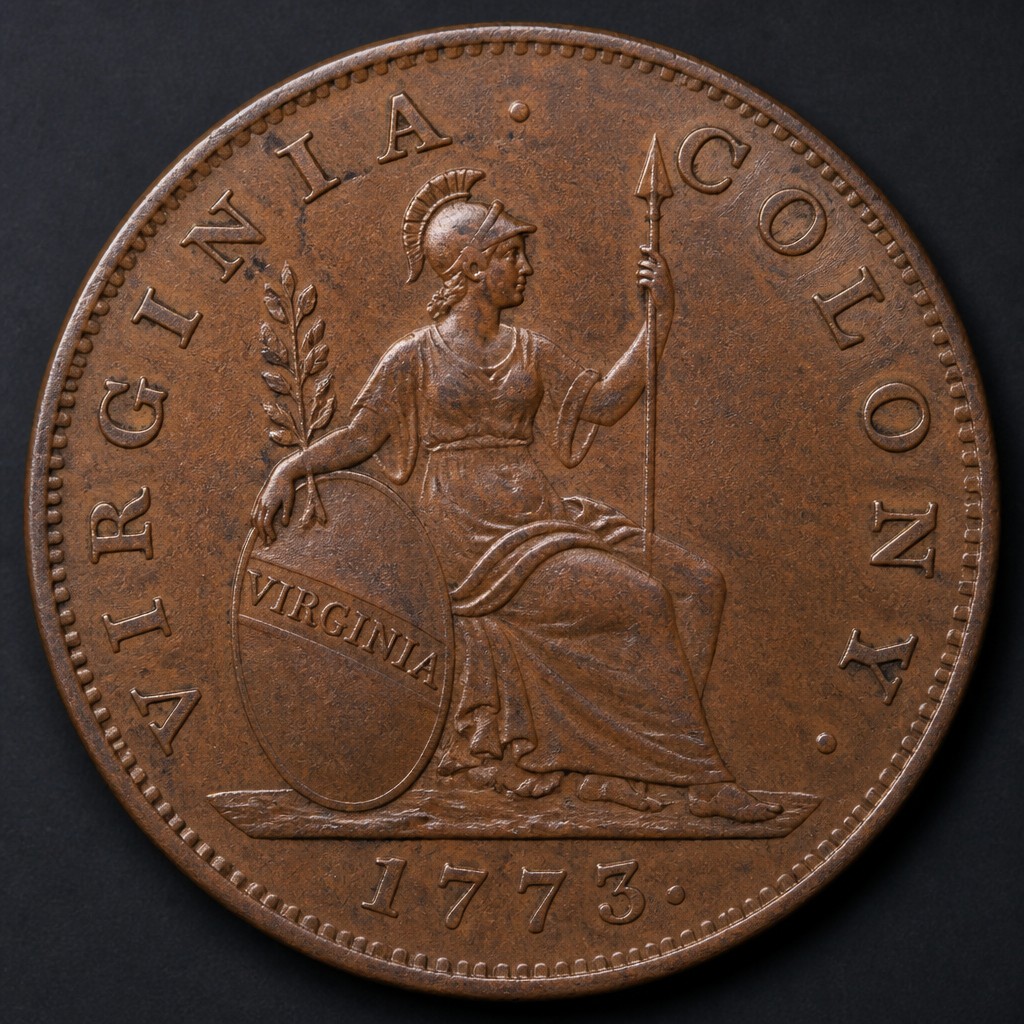
Virginia Halfpenny
1773
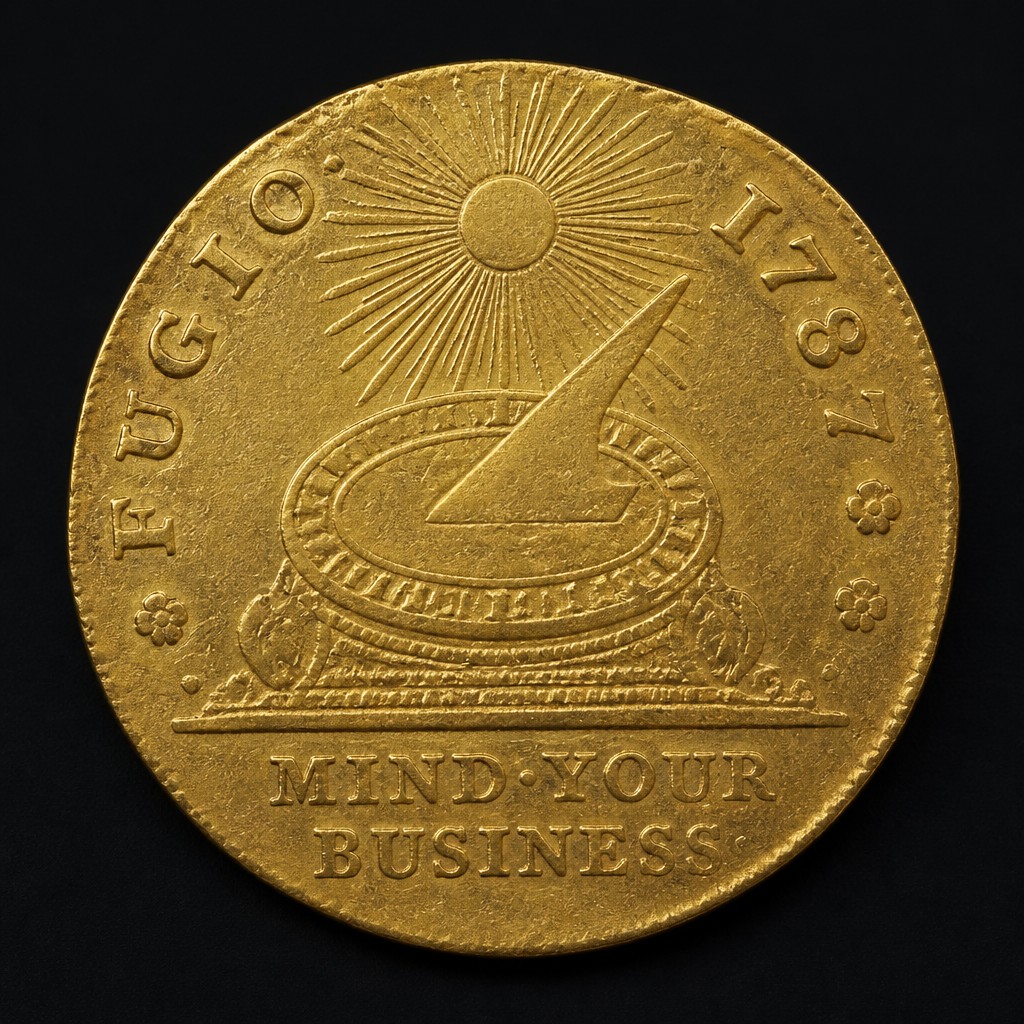
Brasher Doubloon
1787
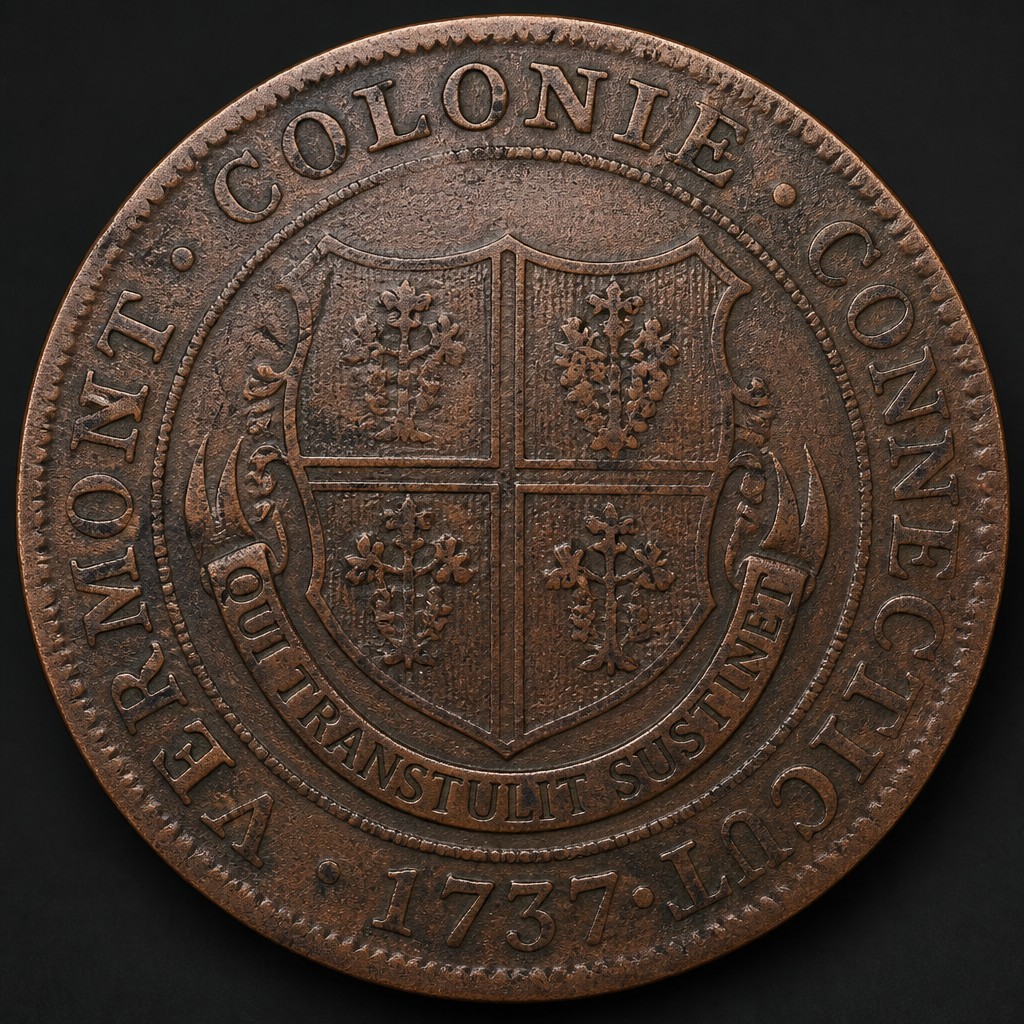
Higley Copper
1737–1739
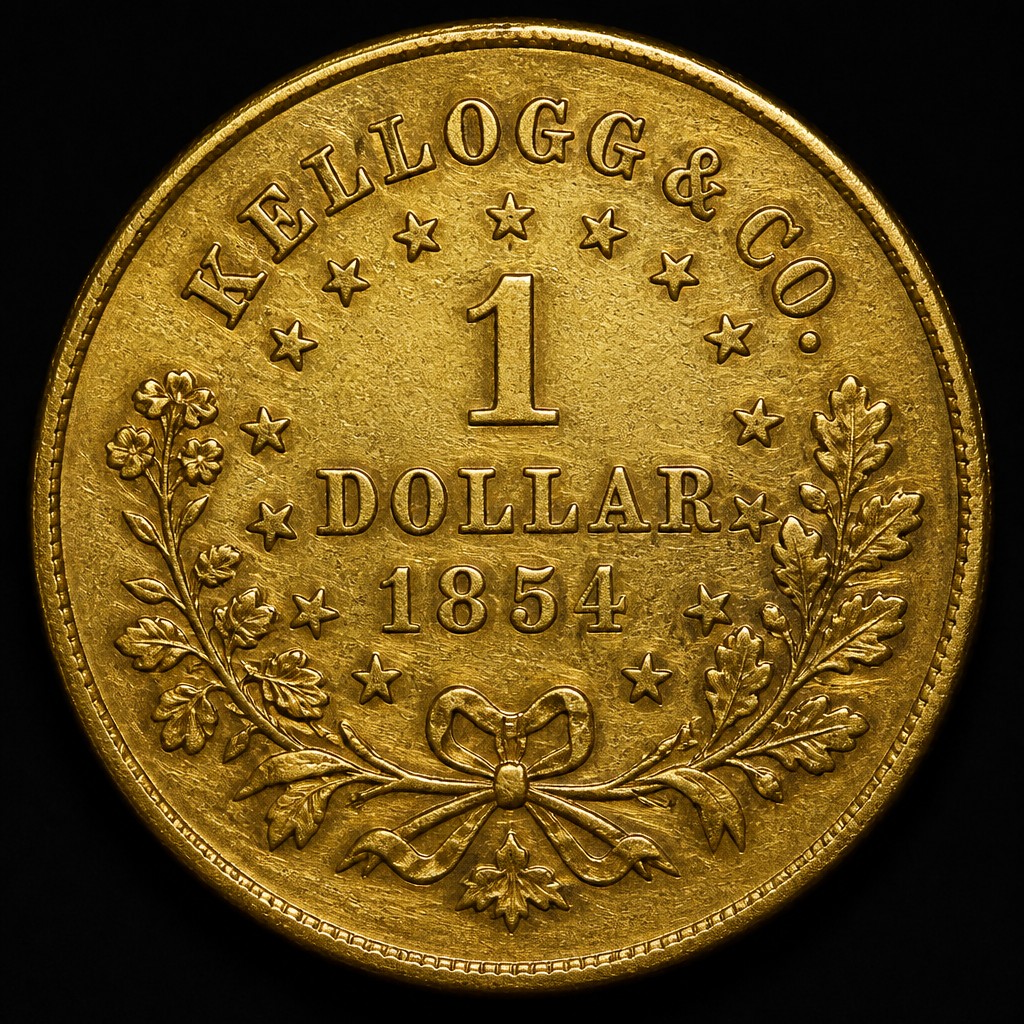
Kellogg & Co. Gold Piece
1854–1855
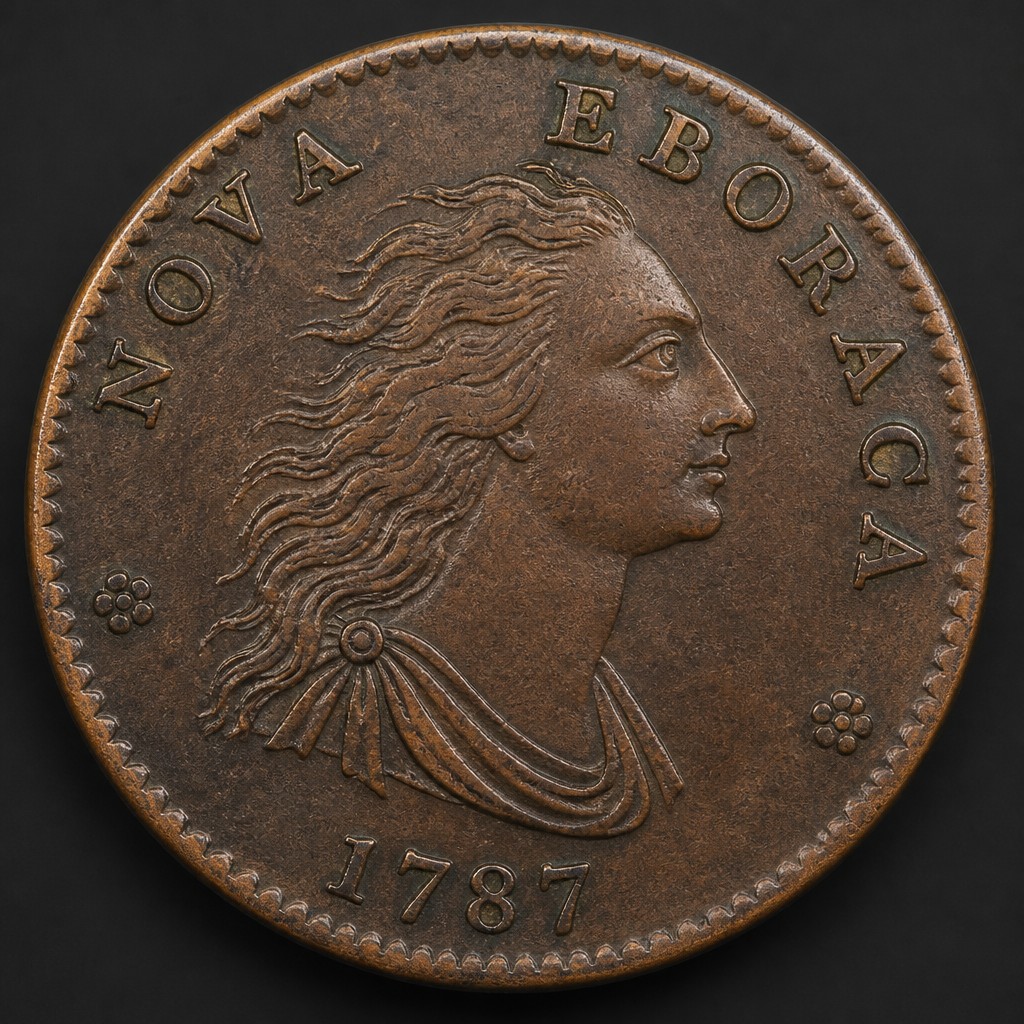
Nova Eborac Copper
1787
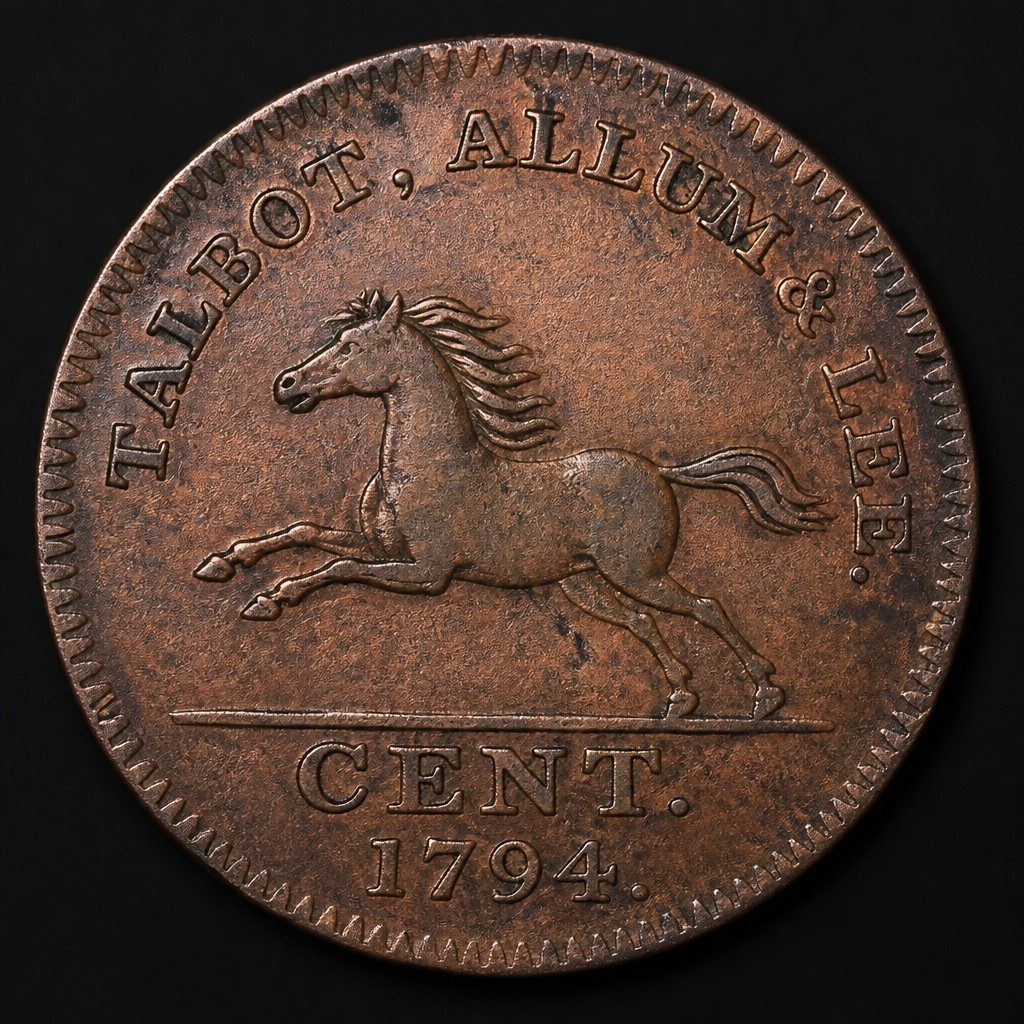
Talbot, Allum & Lee Cent
1794–1795
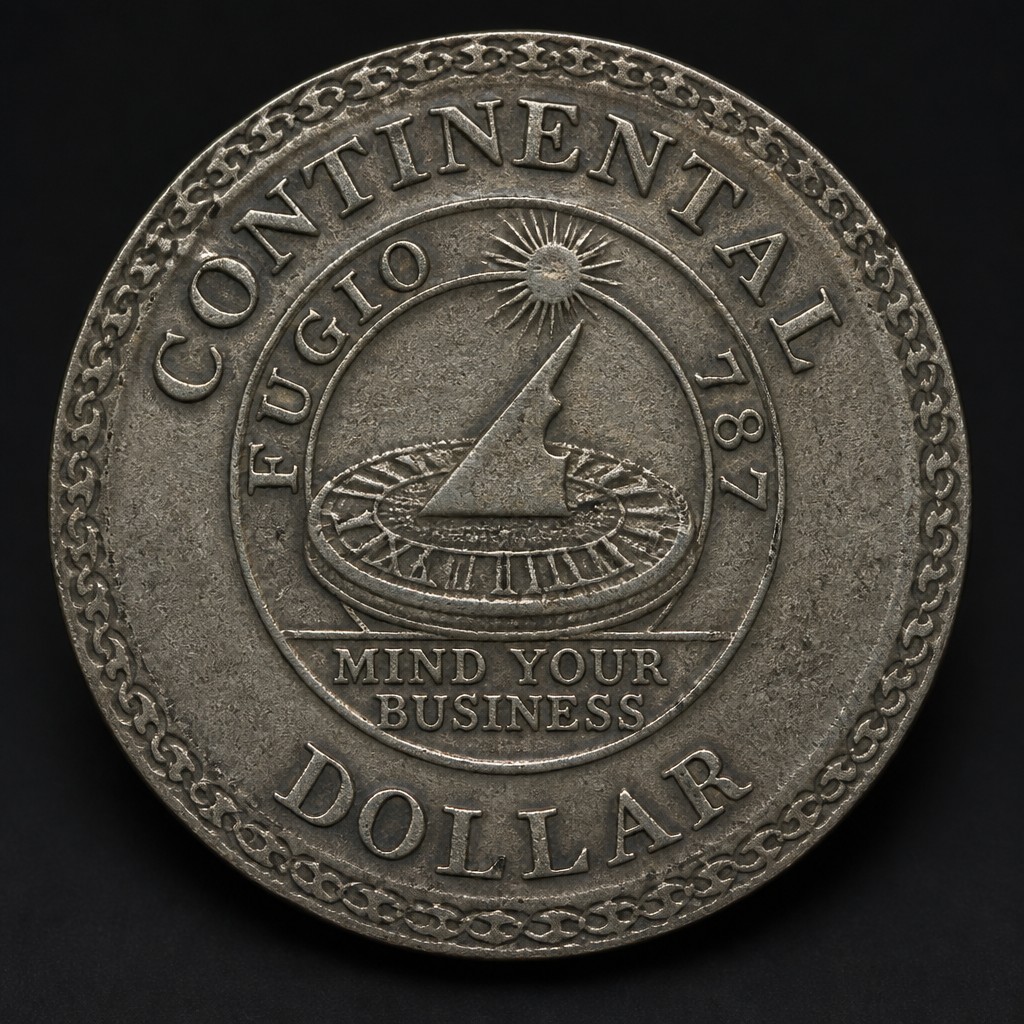
Continental Dollar
1776
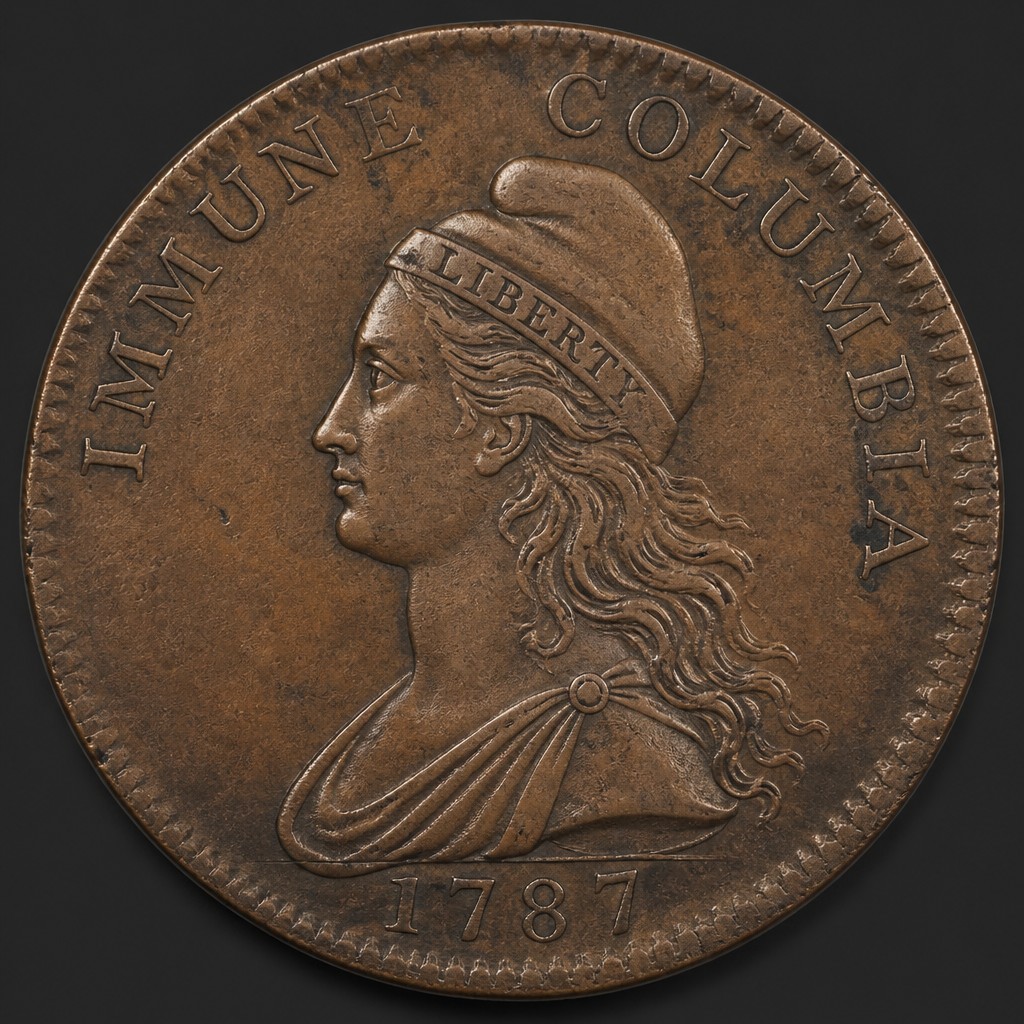
Immune Columbia Copper
circa 1785–1787
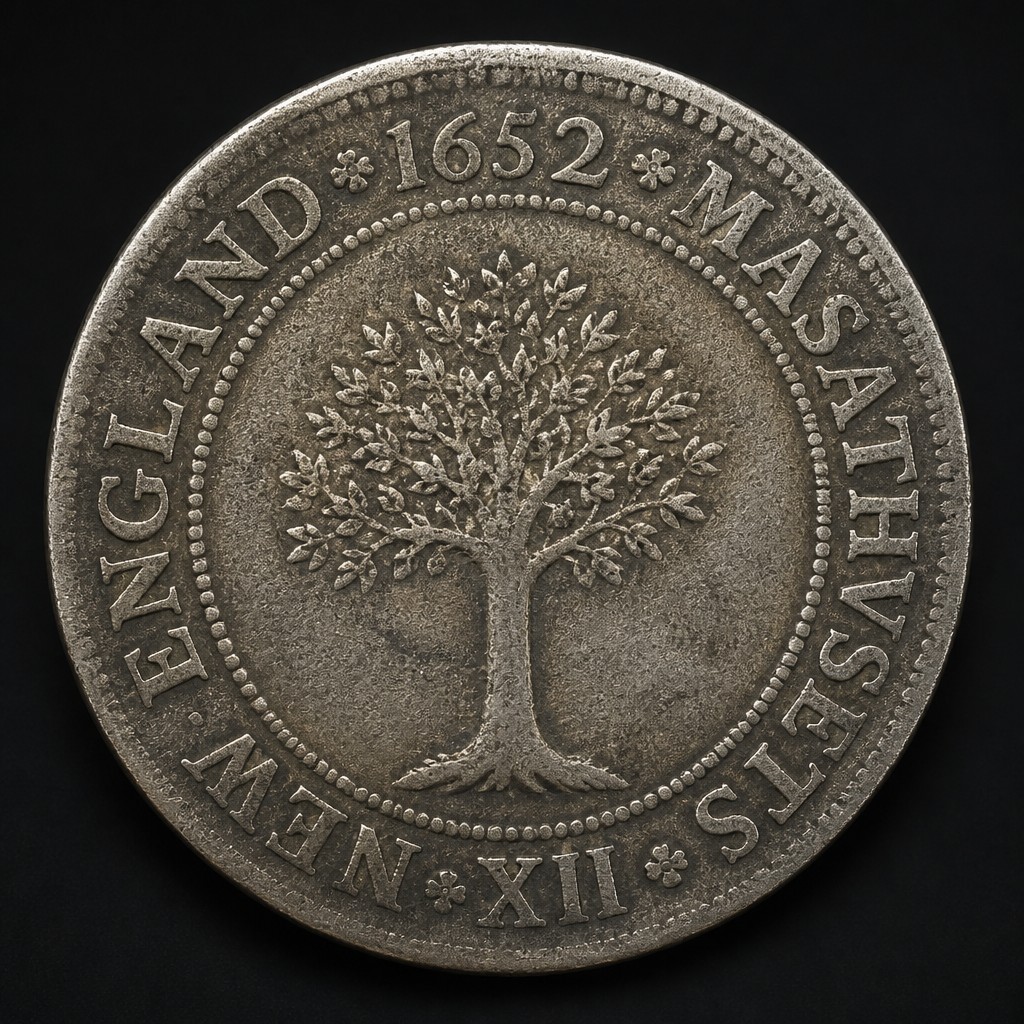
Massachusetts Oak Tree Shilling
Dated 1652, struck circa 1660–1667
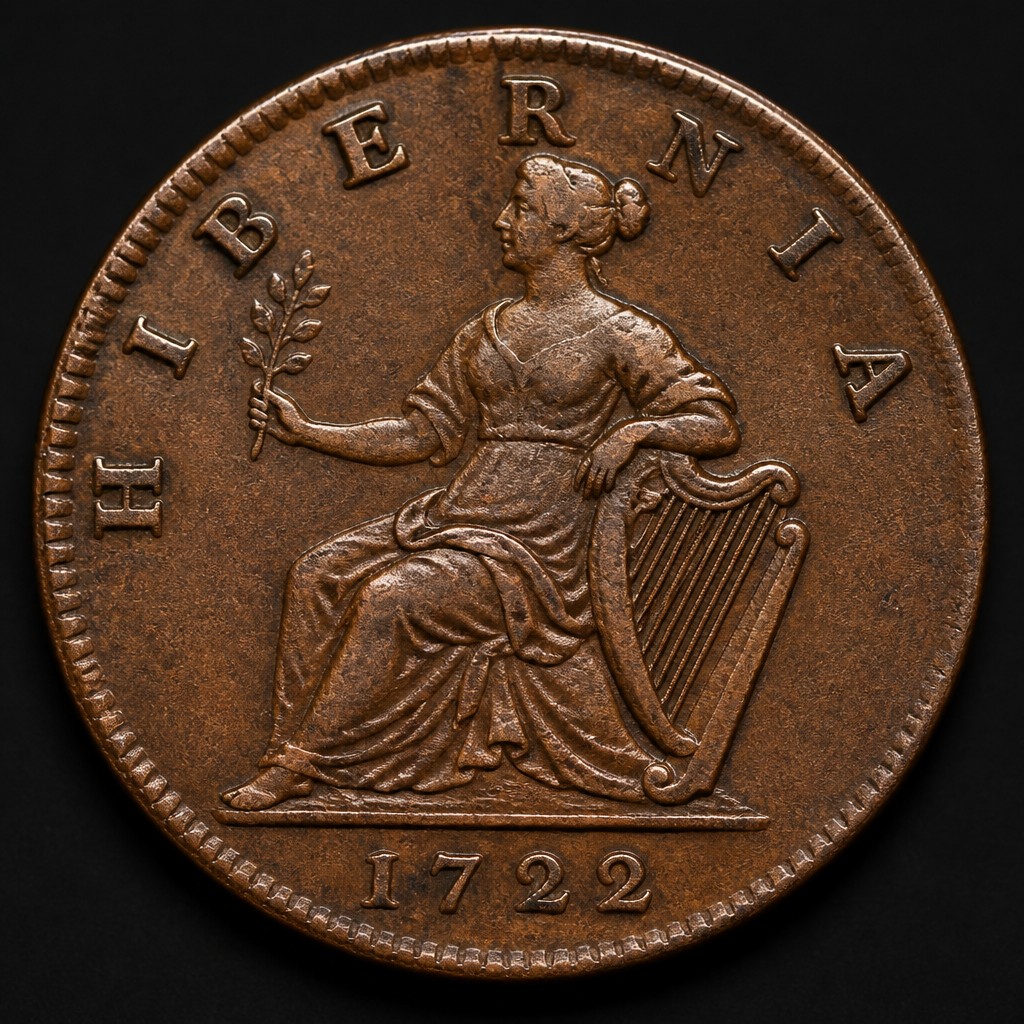
Wood's Hibernia Halfpenny
1722–1724
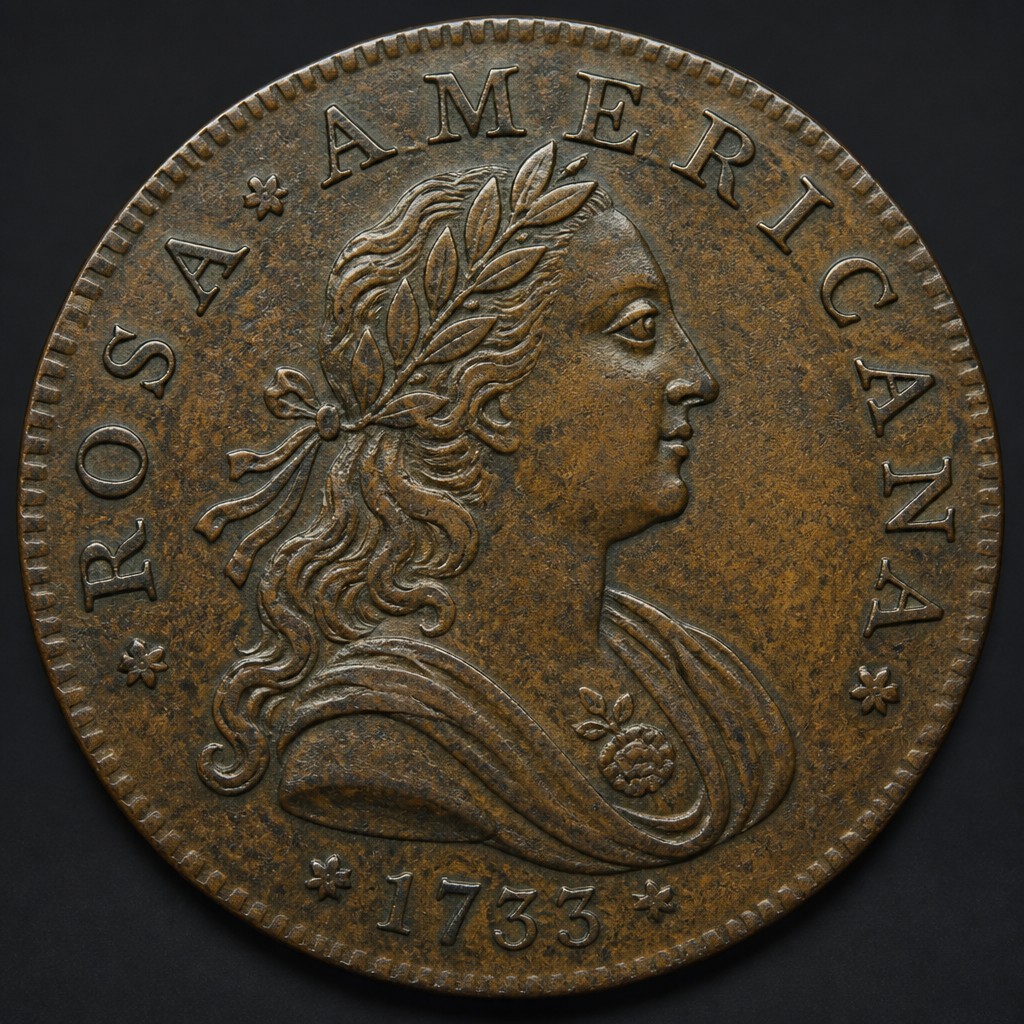
Rosa Americana Coinage
1722–1724 (with pattern issues dated 1733)
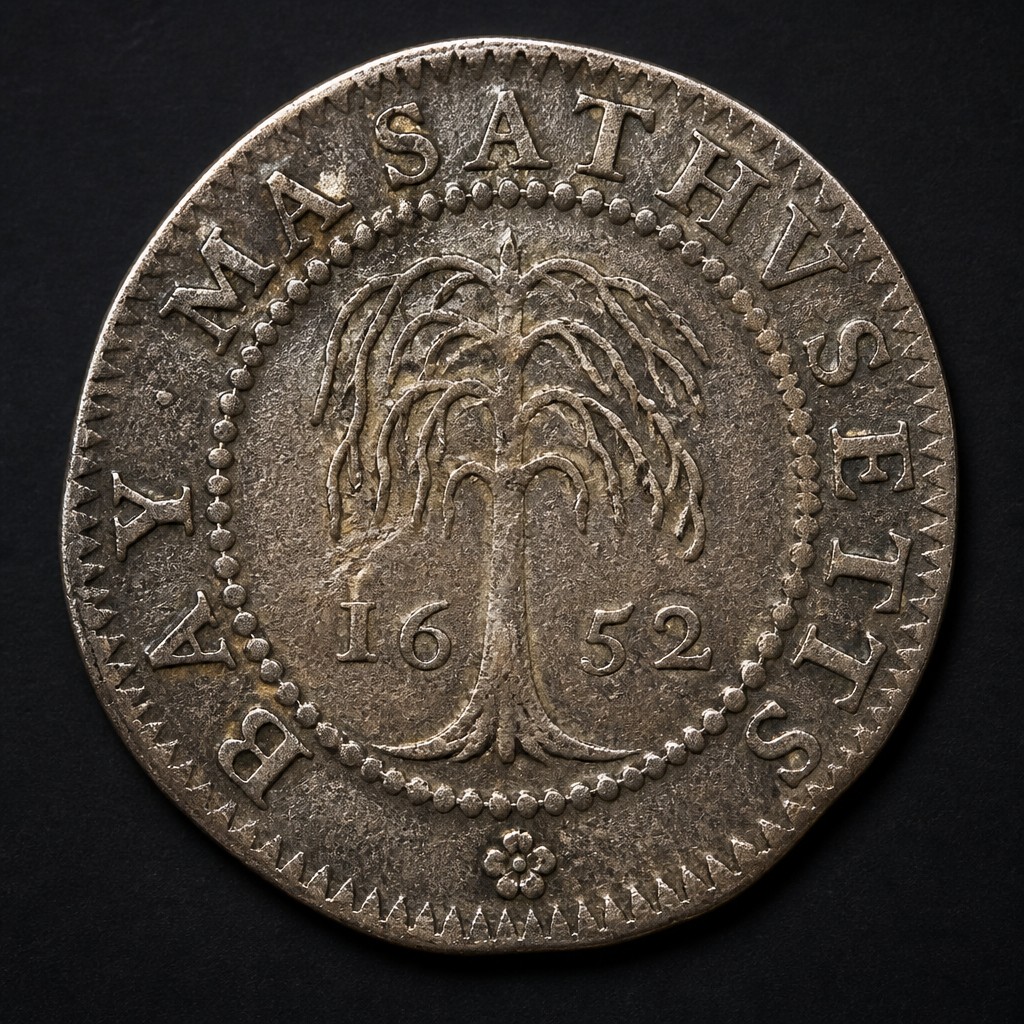
Massachusetts Willow Tree Shilling
Dated 1652, struck circa 1653–1660