
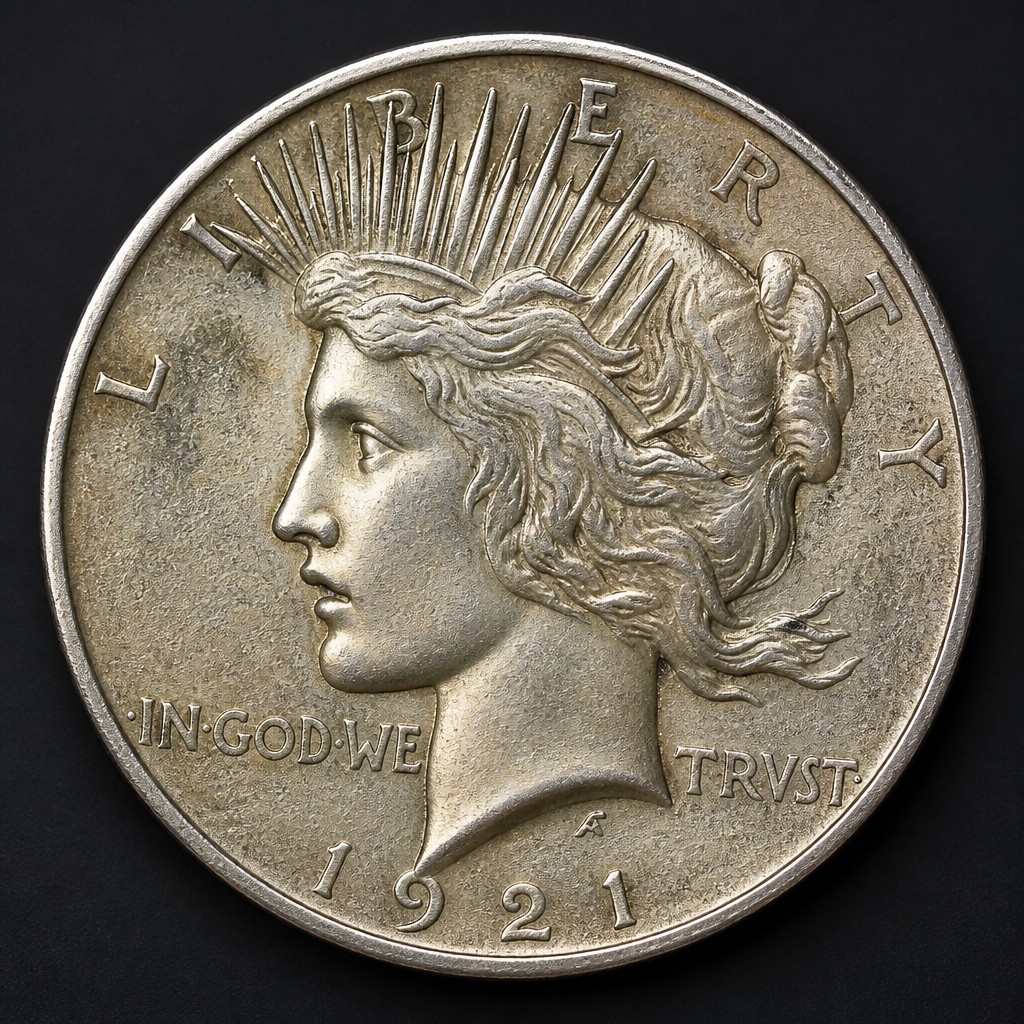
1921 Peace Dollar (High Relief)
The debut issue of the Peace dollar, struck in dramatic high relief that proved difficult to mint, commemorating peace after World War I.
- Country
- United States
- Denomination
- One Dollar
- Metal
- 90% Silver
Got a coin like this?
Identify any coin from a photo, free.
Overview
The 1921 Peace dollar was the first year of the Peace dollar series, introduced to commemorate the peace following World War I and to replace the retired Morgan dollar design. Struck only at the Philadelphia Mint in a relatively small quantity compared to later Peace dollar years, the 1921 issue is notable for its unusually high, sculptural relief, which was reduced in subsequent years due to production difficulties.
Its combination of dramatic artistic design, historical significance as a peace commemorative, and status as a one-year high-relief type make it a favorite among collectors of 20th-century U.S. silver dollars.
History & Background
Sculptor Anthony de Francisci won a competition to design a coin symbolizing peace, using his wife Teresa as the model for Liberty's profile. The Mint rushed the design into production in very high relief in late December 1921, striking a relatively limited number before the year's end.
The high relief caused significant production problems, including excessive die wear and difficulty achieving full strikes, so from 1922 onward the relief was substantially lowered to a "normal relief" for practical mass production, making 1921 the only high-relief year of the entire series.
How to Identify
The obverse shows Liberty's head in profile wearing a radiant crown (echoing the Statue of Liberty), with "LIBERTY" above and the date below, and "IN GOD WE TRUST" to the left. The reverse depicts a bald eagle at rest on a mountain crag, clutching an olive branch, facing the rising sun, with "UNITED STATES OF AMERICA," "E PLURIBUS UNUM," "ONE DOLLAR," and, distinctively, the word "PEACE" below the eagle.
The coin is struck in 90% silver, measures 38.1 mm, and has a reeded edge, with no mint mark since only Philadelphia struck the 1921 issue. The defining identification feature of the 1921 date is its noticeably higher, more three-dimensional relief compared to 1922 and later Peace dollars, especially visible in the depth of Liberty's face and the eagle's feathers.
Because the high relief caused striking weakness, well-struck 1921 Peace dollars with sharp details are less common than the date's total mintage might suggest, making strike quality an important factor separate from wear-based grading.
Value & Collectibility
As a one-year high-relief type with a comparatively limited mintage, the 1921 Peace dollar is more valuable than most later-date Peace dollars even in circulated grades, and demand is strong from both type collectors and Peace dollar date-set collectors. Prices rise significantly for well-struck, high-grade examples given the added difficulty of finding sharp strikes in this relief.
Because it is both a first-year and only-year high-relief issue, the 1921 Peace dollar carries a premium over common Peace dollar dates across virtually all grades, with exceptional gem examples reaching well into the thousands of dollars.
Frequently asked questions
What makes the 1921 Peace dollar different from later Peace dollars?
It was struck in unusually high relief, giving the design more dramatic depth, before the Mint lowered the relief starting in 1922 for easier production.
Who designed the Peace dollar?
Sculptor Anthony de Francisci, using his wife Teresa as the model for Liberty.
Why was the Peace dollar created?
To commemorate the peace following World War I and replace the retired Morgan dollar design.
Which mint struck the 1921 Peace dollar?
Only the Philadelphia Mint struck the 1921 high-relief issue.
Is the 1921 Peace dollar rare?
It is scarcer and generally more valuable than most later Peace dollar dates, especially in well-struck, high-grade condition.
Other coins you may enjoy
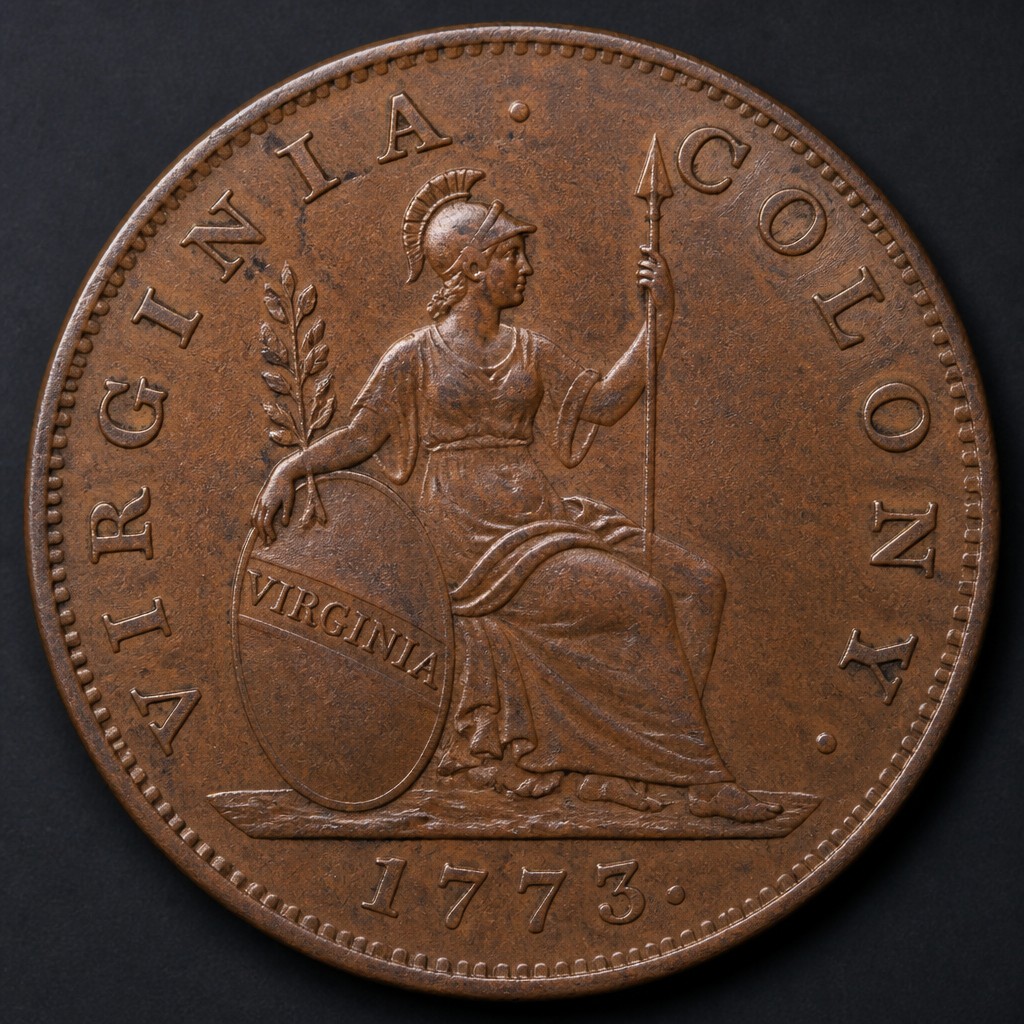
Virginia Halfpenny
1773
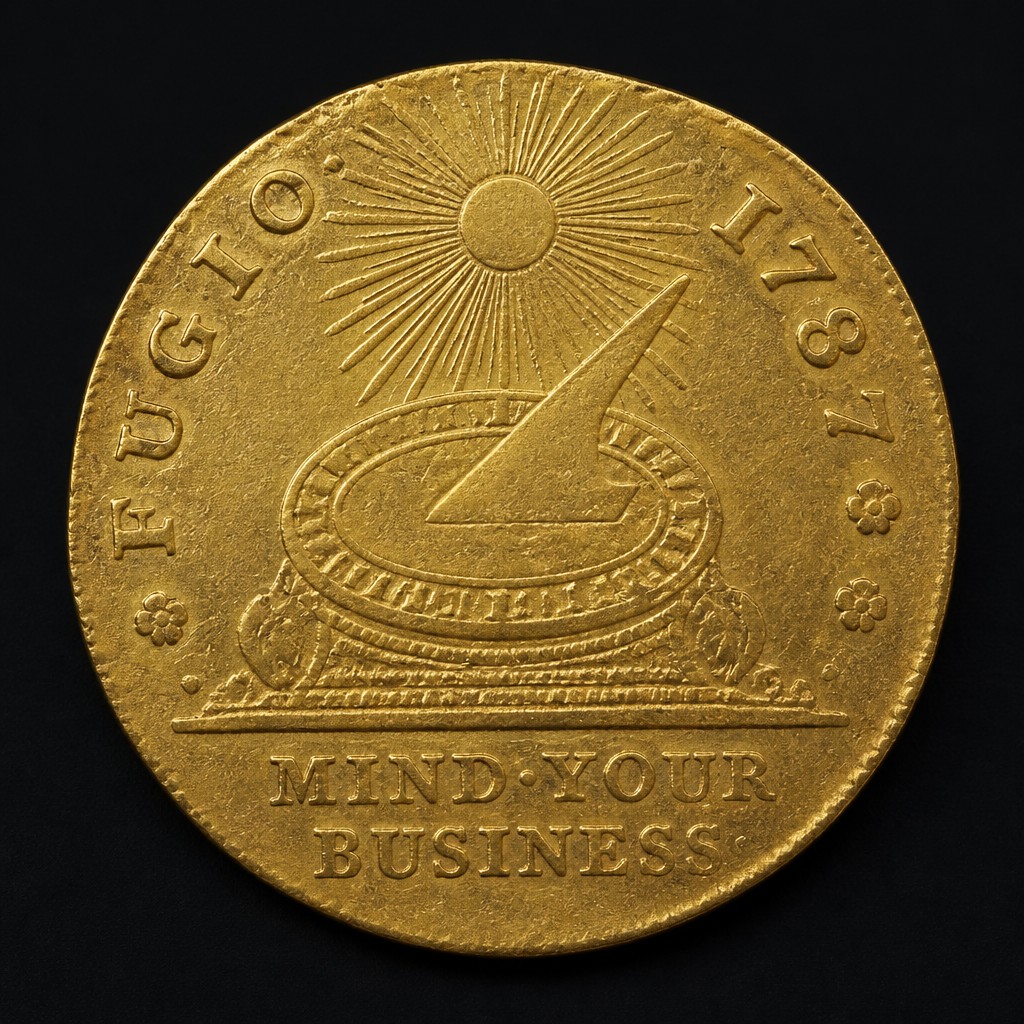
Brasher Doubloon
1787
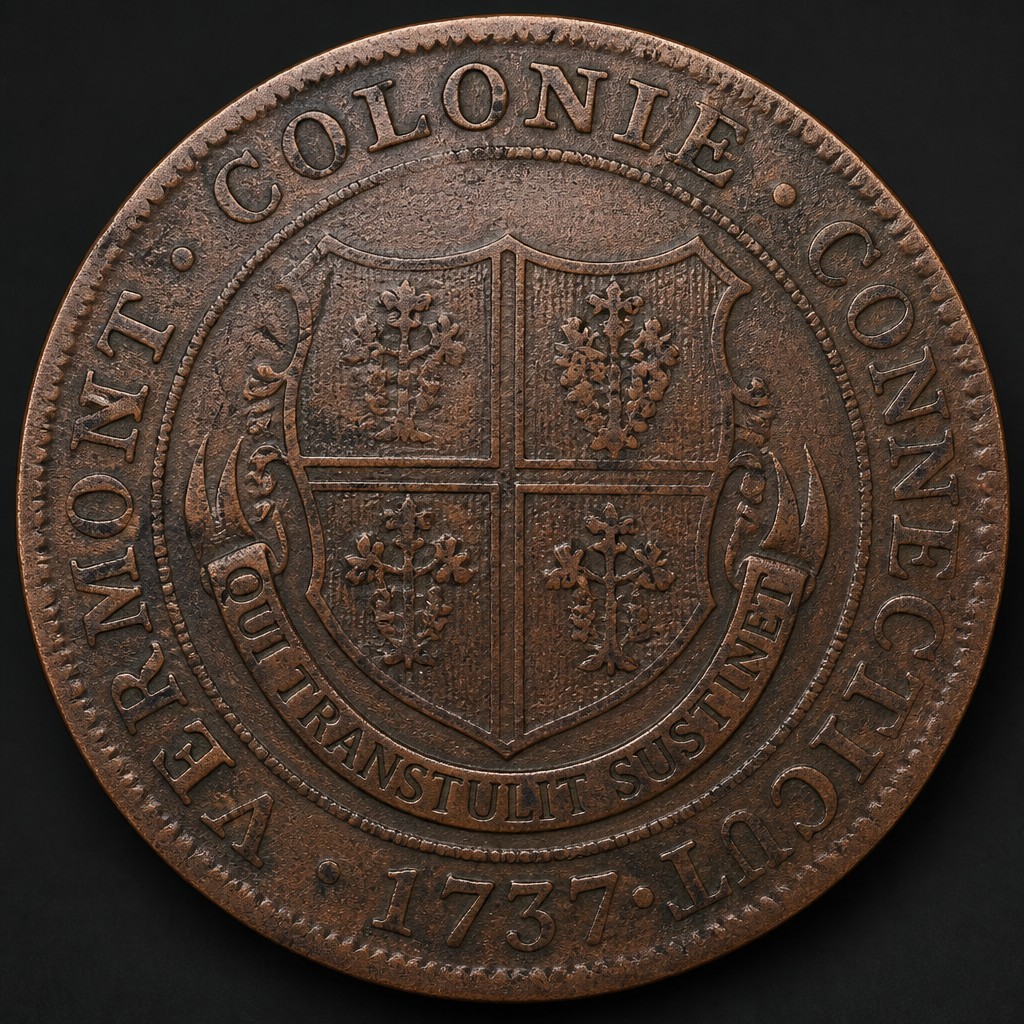
Higley Copper
1737–1739
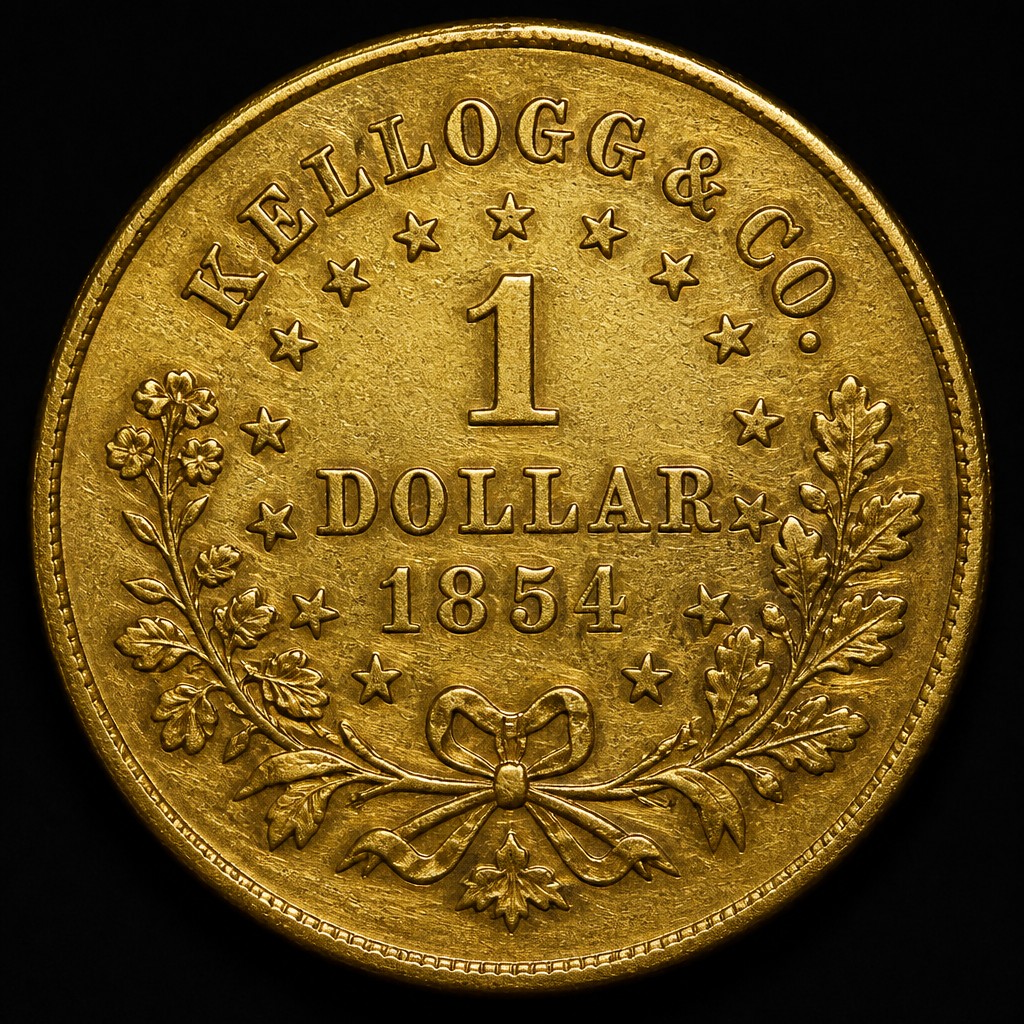
Kellogg & Co. Gold Piece
1854–1855
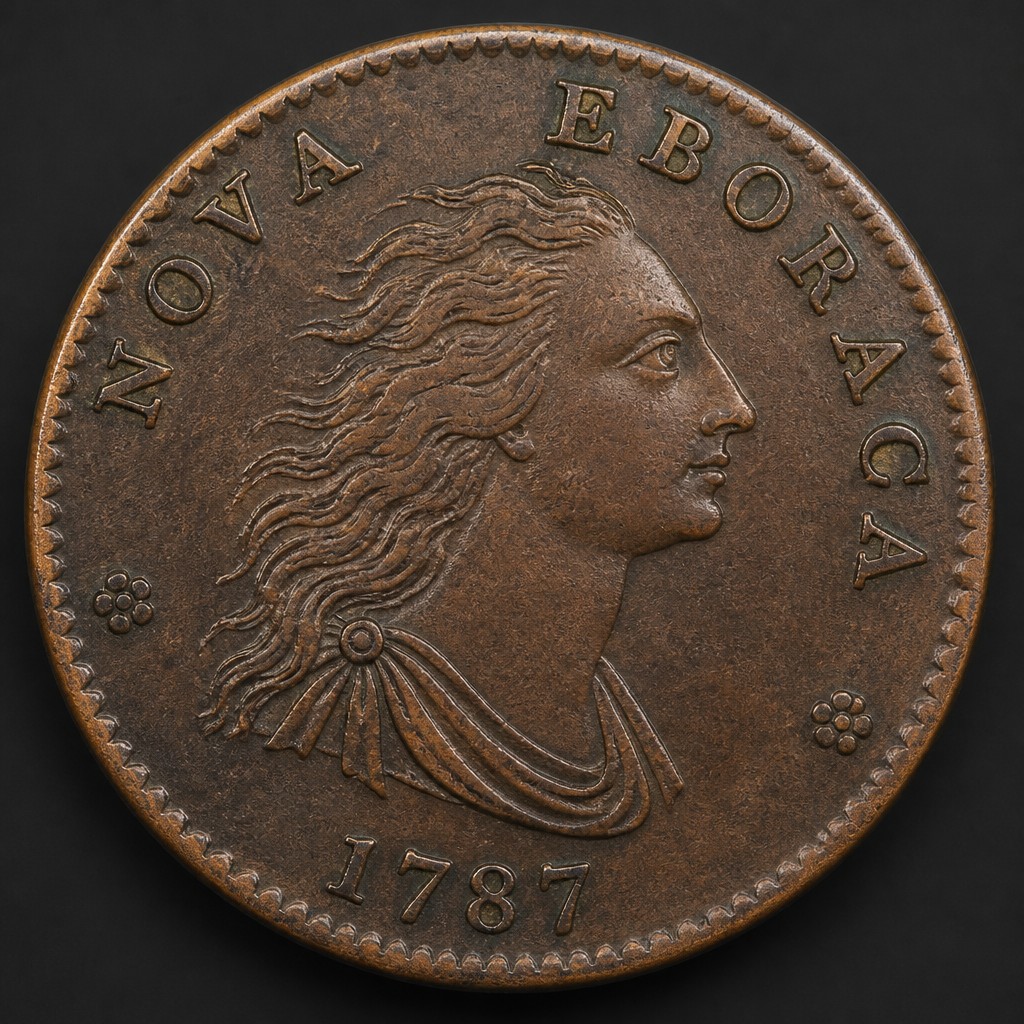
Nova Eborac Copper
1787
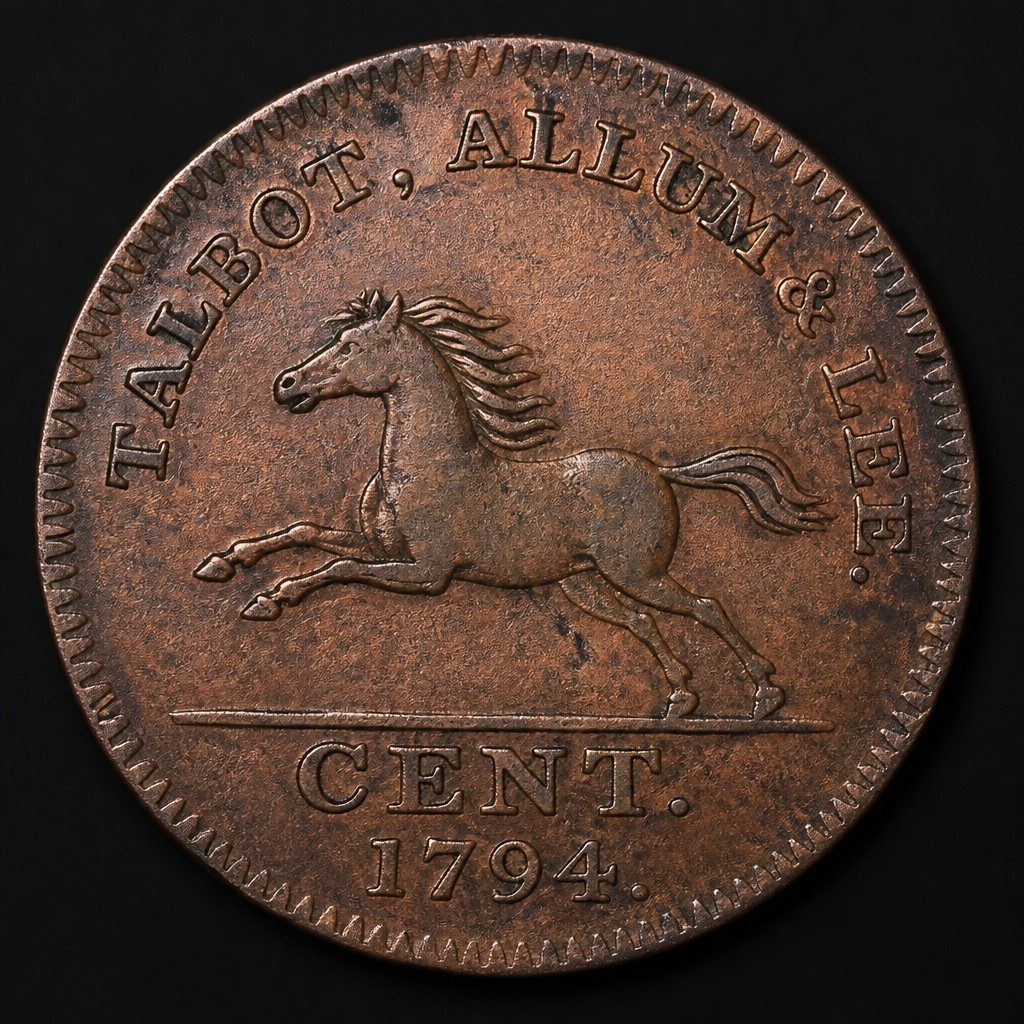
Talbot, Allum & Lee Cent
1794–1795
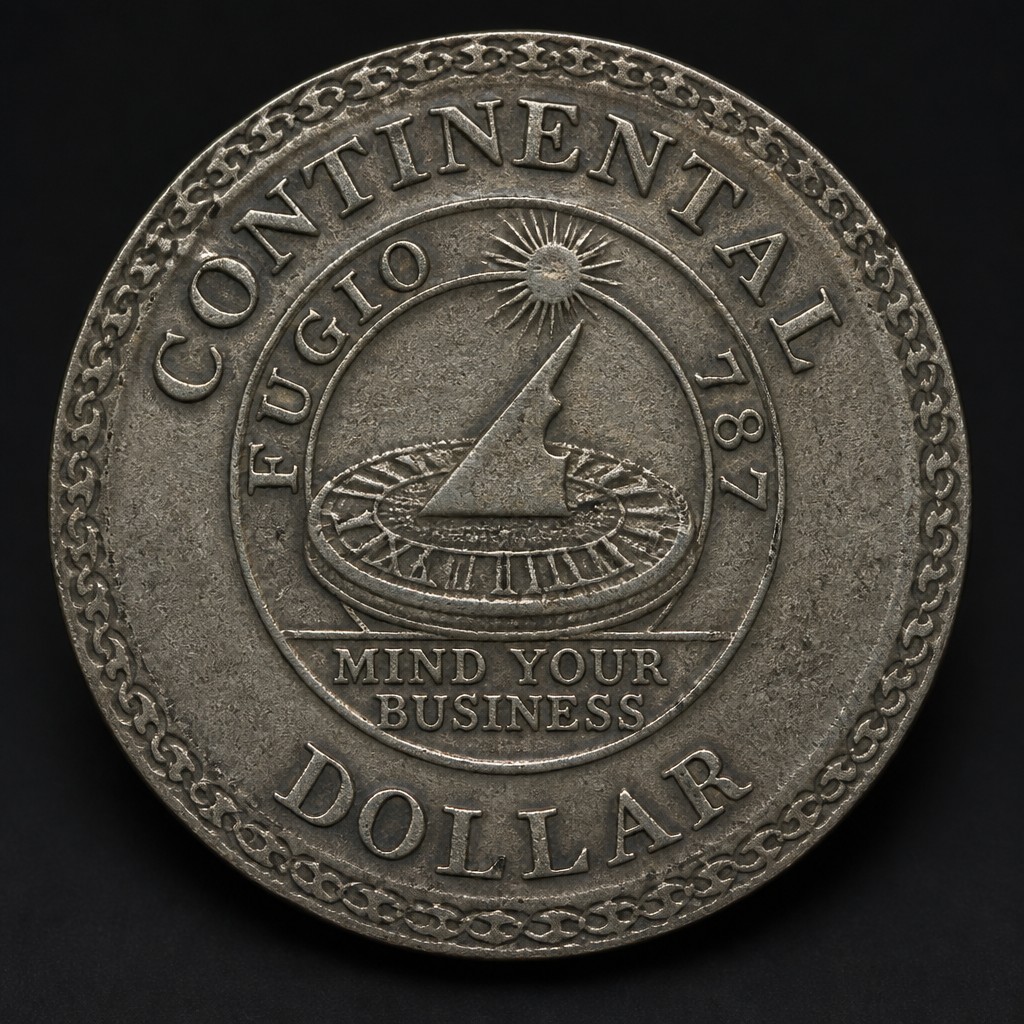
Continental Dollar
1776
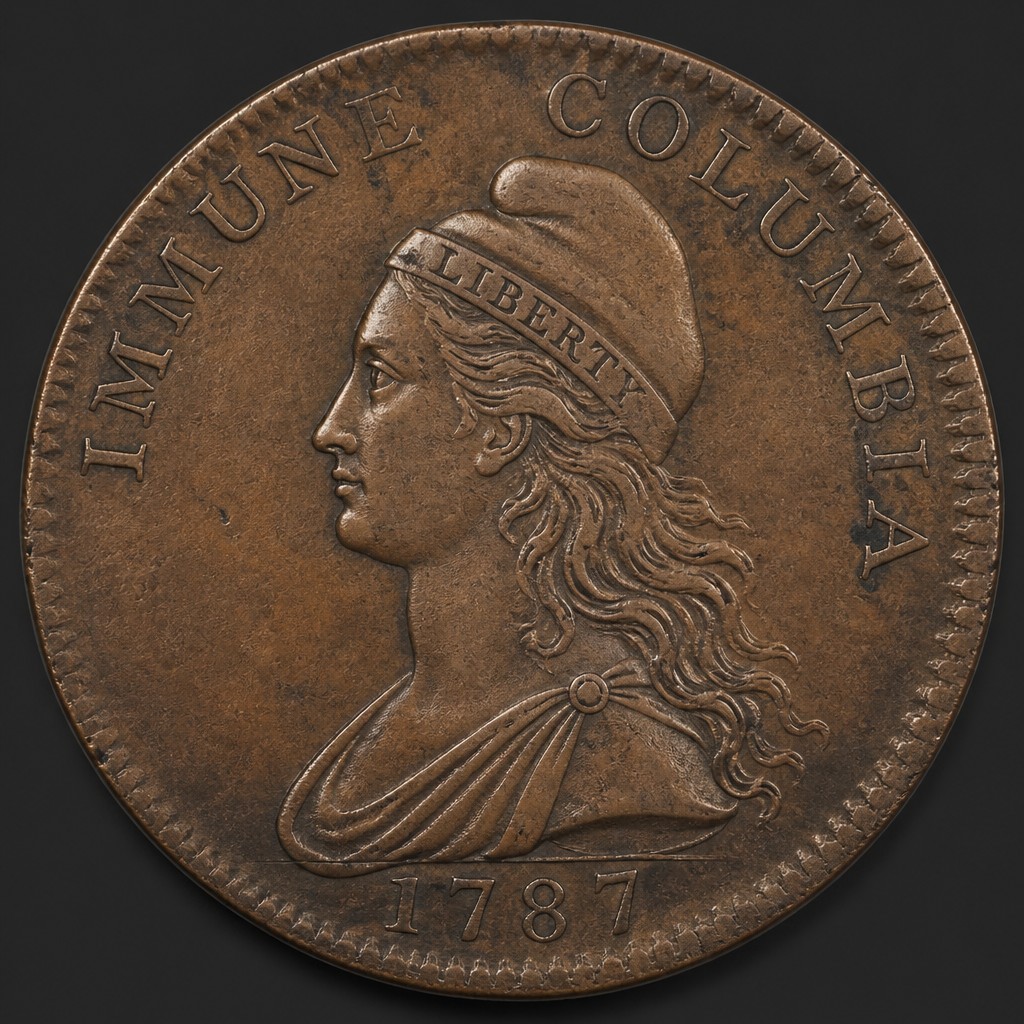
Immune Columbia Copper
circa 1785–1787
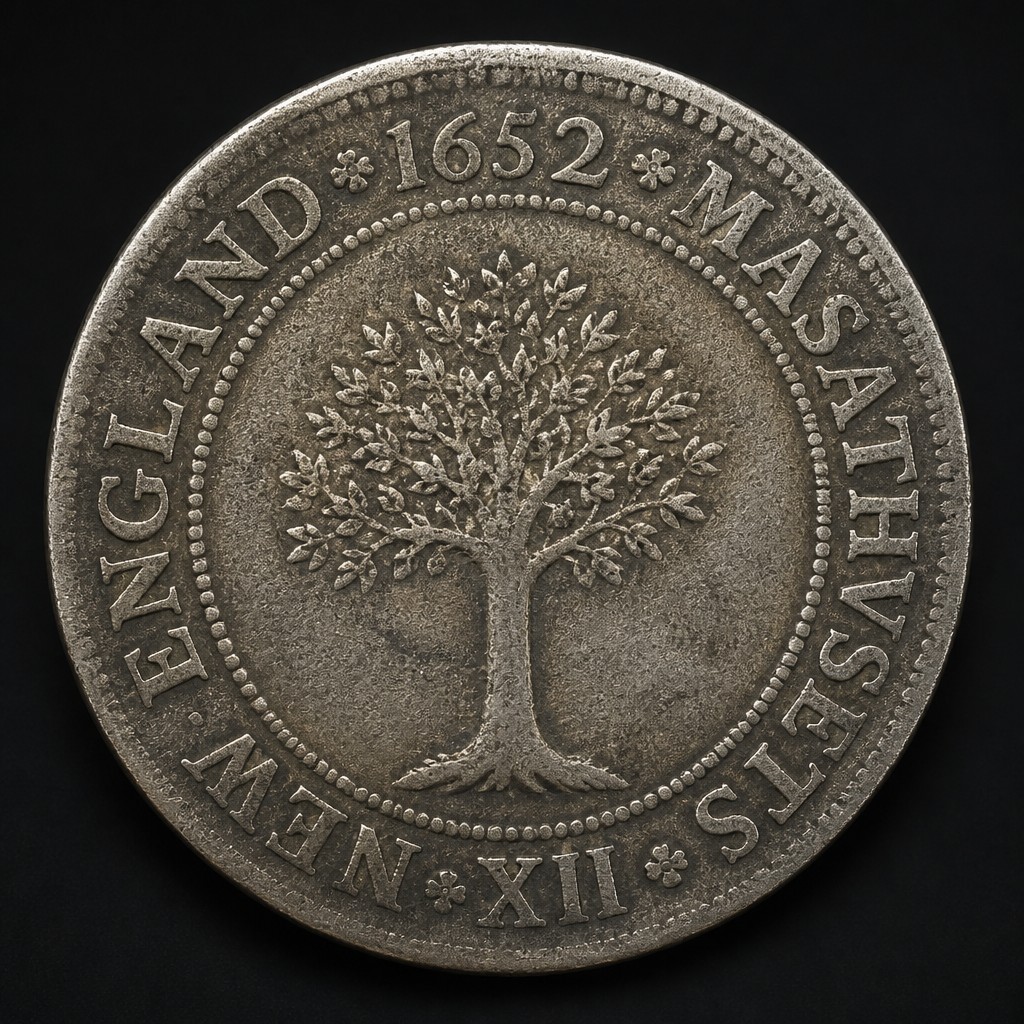
Massachusetts Oak Tree Shilling
Dated 1652, struck circa 1660–1667
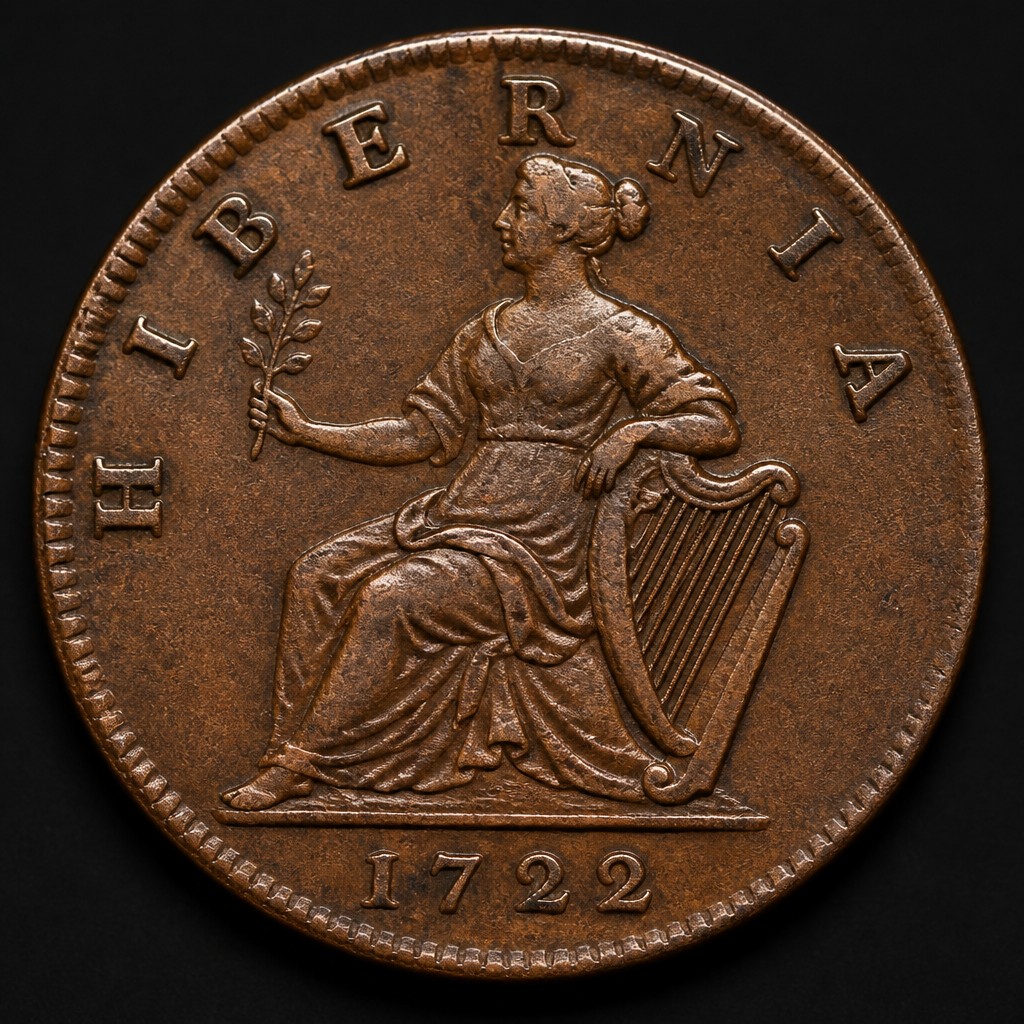
Wood's Hibernia Halfpenny
1722–1724
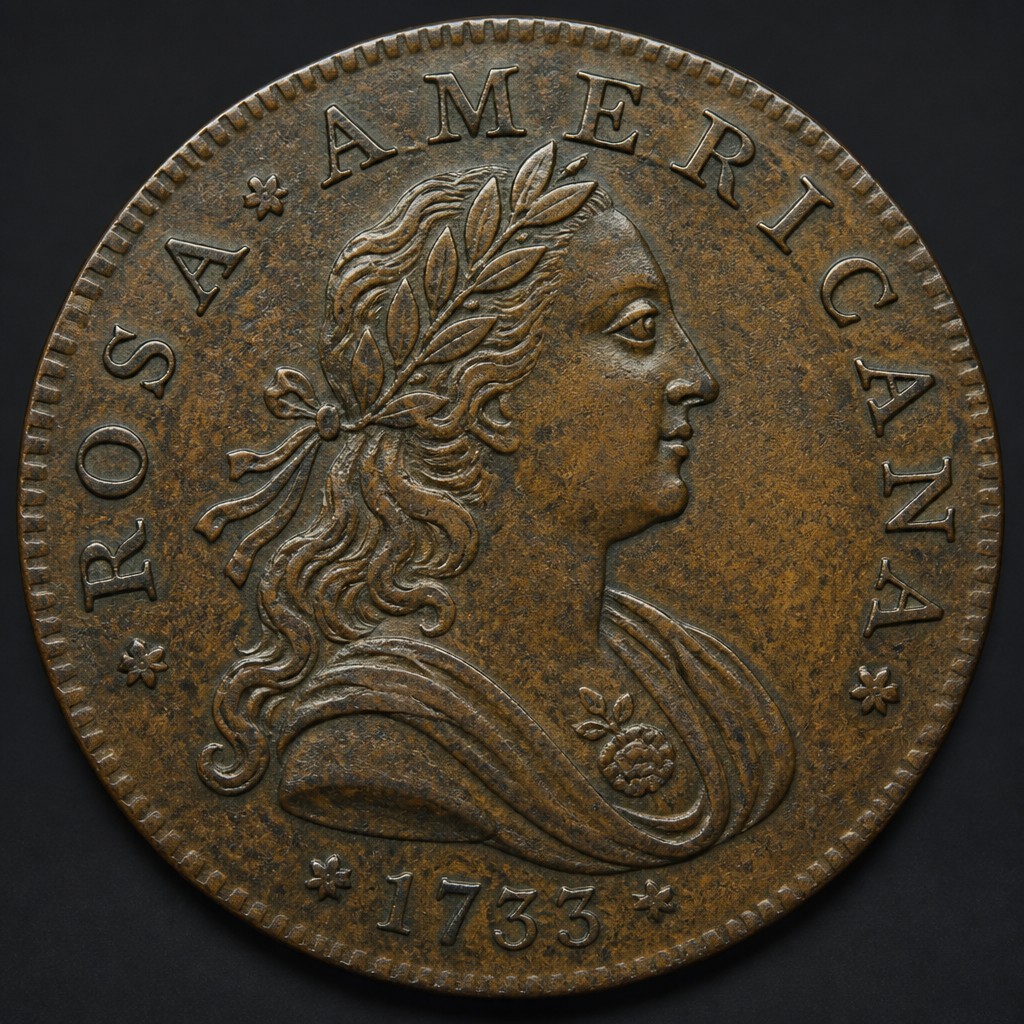
Rosa Americana Coinage
1722–1724 (with pattern issues dated 1733)
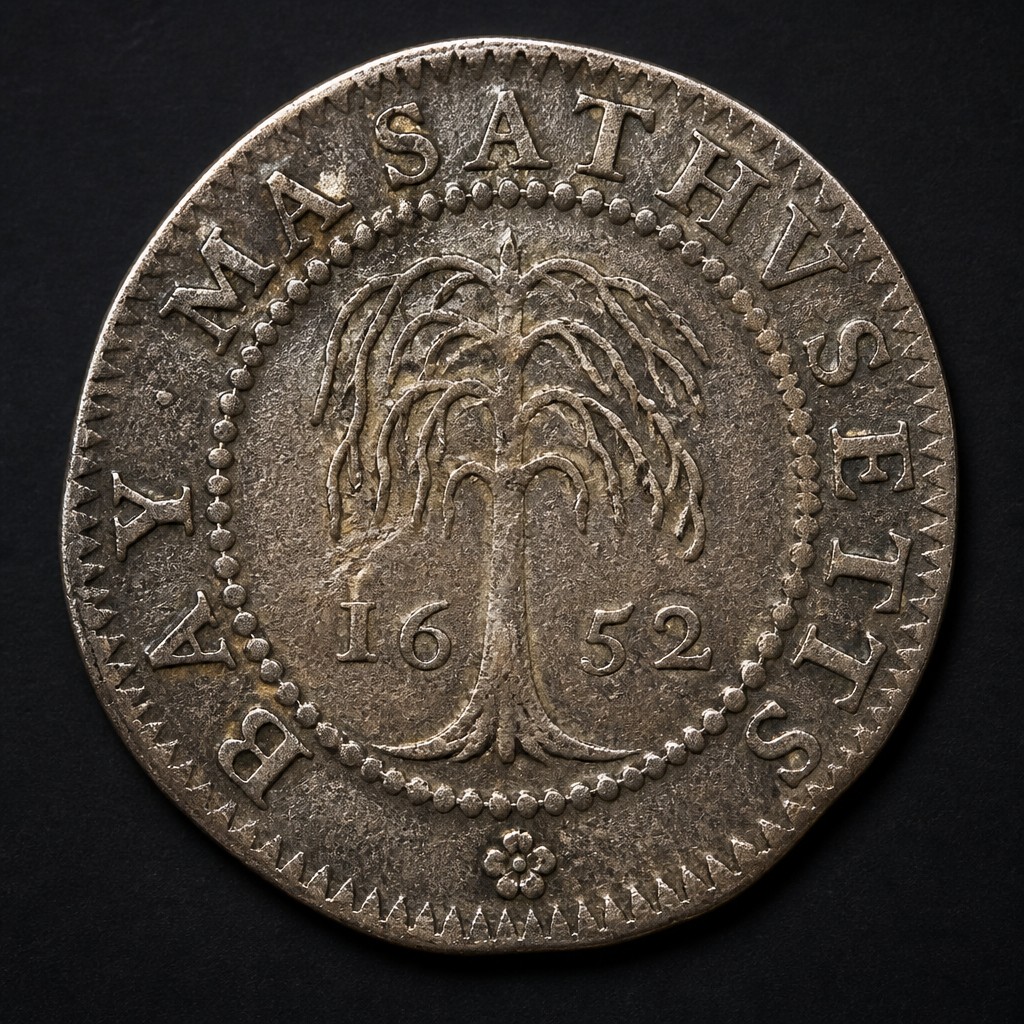
Massachusetts Willow Tree Shilling
Dated 1652, struck circa 1653–1660