
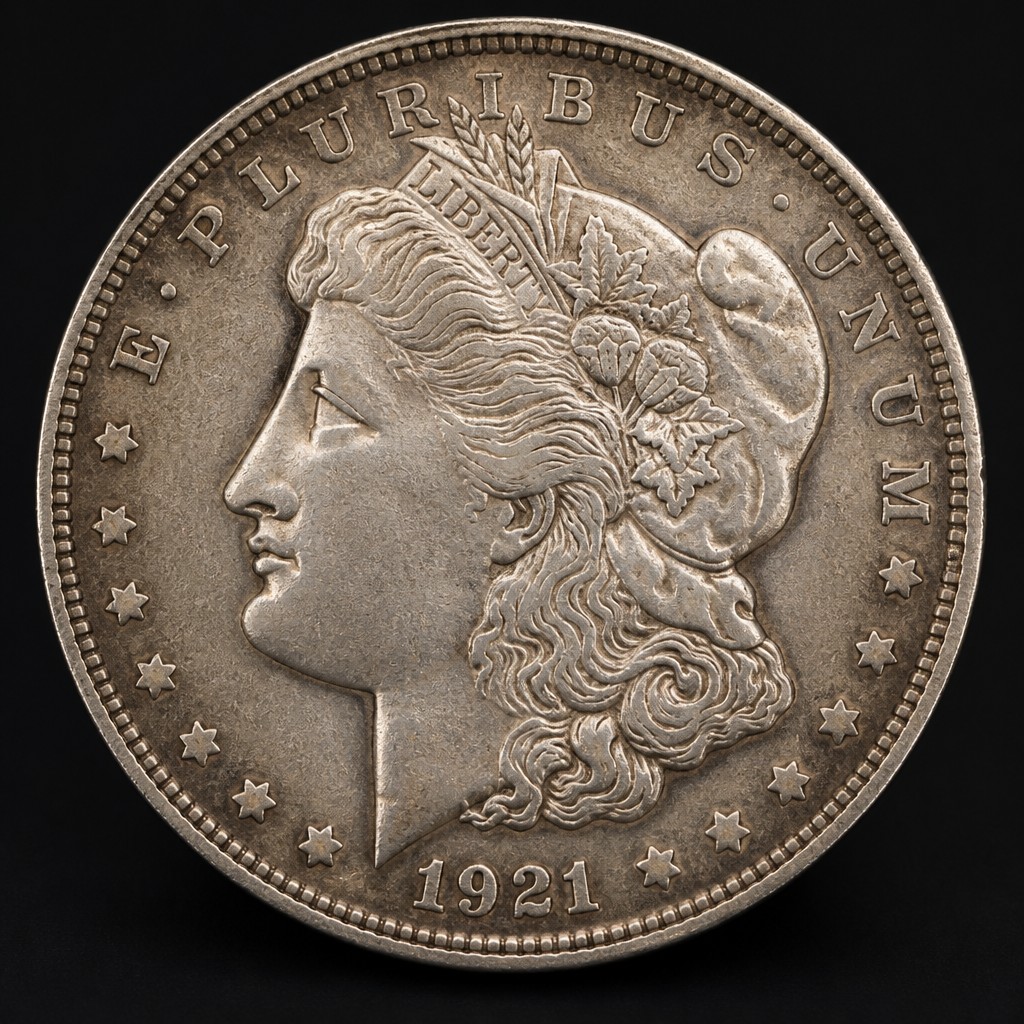
1921 Morgan Dollar
The final year of Morgan dollar production, struck in massive numbers at all three mints after the Pittman Act required replacement of melted silver dollars.
- Country
- United States
- Denomination
- One Dollar
- Metal
- 90% Silver
Got a coin like this?
Identify any coin from a photo, free.
Overview
The 1921 Morgan dollar marks the last year of the Morgan dollar design before it was replaced later that same year by the new Peace dollar. After a 16-year hiatus in dollar coinage (1904-1920), 1921 saw an enormous one-year revival of Morgan dollar production to meet obligations created by the Pittman Act of 1918.
Because of the huge quantities struck in 1921 at Philadelphia, Denver, and San Francisco, this date is generally common and affordable, making it a popular choice for collectors wanting an original Morgan dollar without pursuing scarcer dates.
History & Background
The Pittman Act of 1918 authorized the melting of a large quantity of silver dollars, mostly Morgan dollars, to support wartime silver needs and be recoined later using newly purchased silver. That recoinage obligation led the Mint to resume dollar production in 1921, using the existing Morgan design one final time before George T. Morgan's design was retired in favor of Anthony de Francisci's new Peace dollar later in the year.
1921 Morgan dollars were struck at Philadelphia (no mint mark), Denver (D), and San Francisco (S), each in very large quantities, reflecting the scale of the recoinage effort. Design quality in 1921 is often considered slightly inferior to earlier Morgan dollars due to reworked, shallower dies used to speed up production.
How to Identify
The obverse shows Liberty's head facing left, wearing a cap and wreath of wheat and cotton, with "LIBERTY" above and stars and the date around. The reverse depicts an eagle with wings outstretched, holding arrows and an olive branch, encircled by "UNITED STATES OF AMERICA" and "ONE DOLLAR," with "E PLURIBUS UNUM" above the eagle.
The coin is struck in 90% silver, 10% copper, measures 38.1 mm, and has a reeded edge. Mint marks (D for Denver, S for San Francisco; none for Philadelphia) appear on the reverse below the wreath, above "ONE DOLLAR."
1921 Morgan dollars are distinguished from other Morgan dates mainly by their characteristically weaker, flatter strikes on Liberty's hair and the eagle's breast, a byproduct of the reworked dies used that year; they are also the final Morgan dollar year, easily set apart from the new Peace dollar design introduced later in 1921.
Value & Collectibility
1921 Morgan dollars are among the most common and affordable dates in the entire series due to their enormous mintages, typically trading close to silver melt value in circulated grades. Even choice uncirculated examples of this date are widely available and inexpensive relative to earlier, scarcer Morgan dollar dates.
The main exceptions are certain exceptional gem-quality examples, which can bring modest premiums, but overall this date is prized more for accessibility and history (as the final Morgan dollar year) than for rarity.
Frequently asked questions
Why was 1921 the last year for Morgan dollars?
The Mint switched to the new Peace dollar design later in 1921 to commemorate peace following World War I.
Why were so many Morgan dollars struck in 1921?
The Pittman Act of 1918 had authorized melting millions of silver dollars, and the Mint was obligated to recoin an equivalent amount using newly purchased silver.
Are 1921 Morgan dollars rare?
No, they are among the most common Morgan dollar dates due to very large mintages at all three mints.
How can I tell a 1921 Morgan dollar apart from other dates?
Look at the date on the obverse; 1921 Morgans also tend to show a somewhat weaker strike than earlier-date Morgans.
What mints struck the 1921 Morgan dollar?
Philadelphia, Denver (D), and San Francisco (S).
Other coins you may enjoy
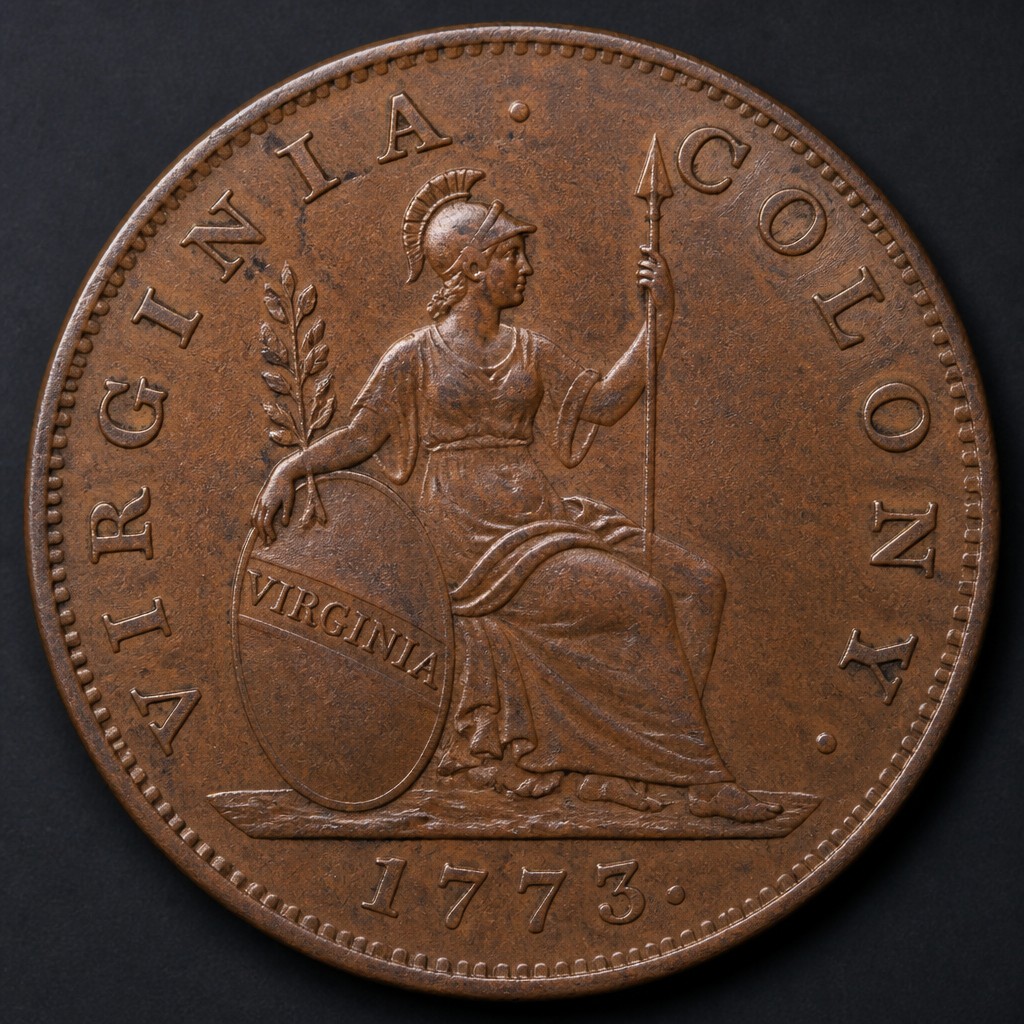
Virginia Halfpenny
1773
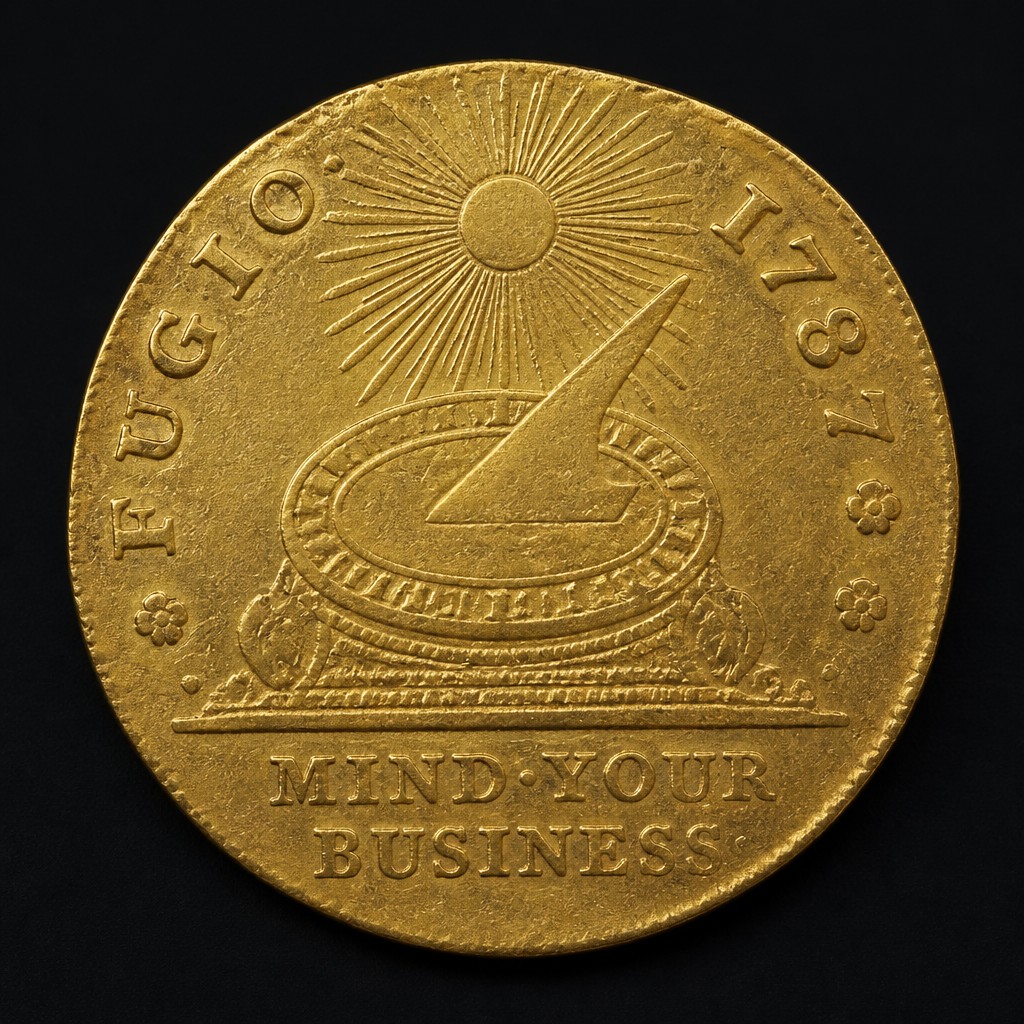
Brasher Doubloon
1787
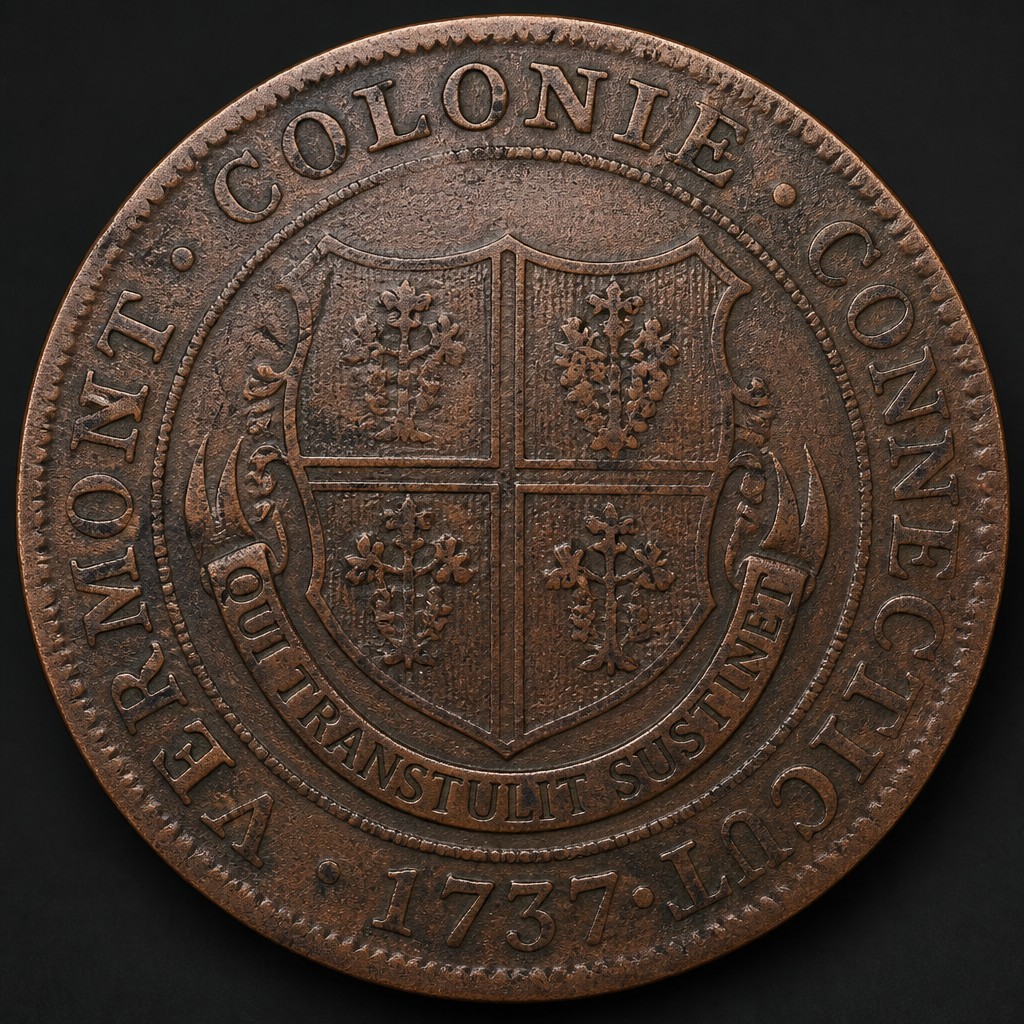
Higley Copper
1737–1739
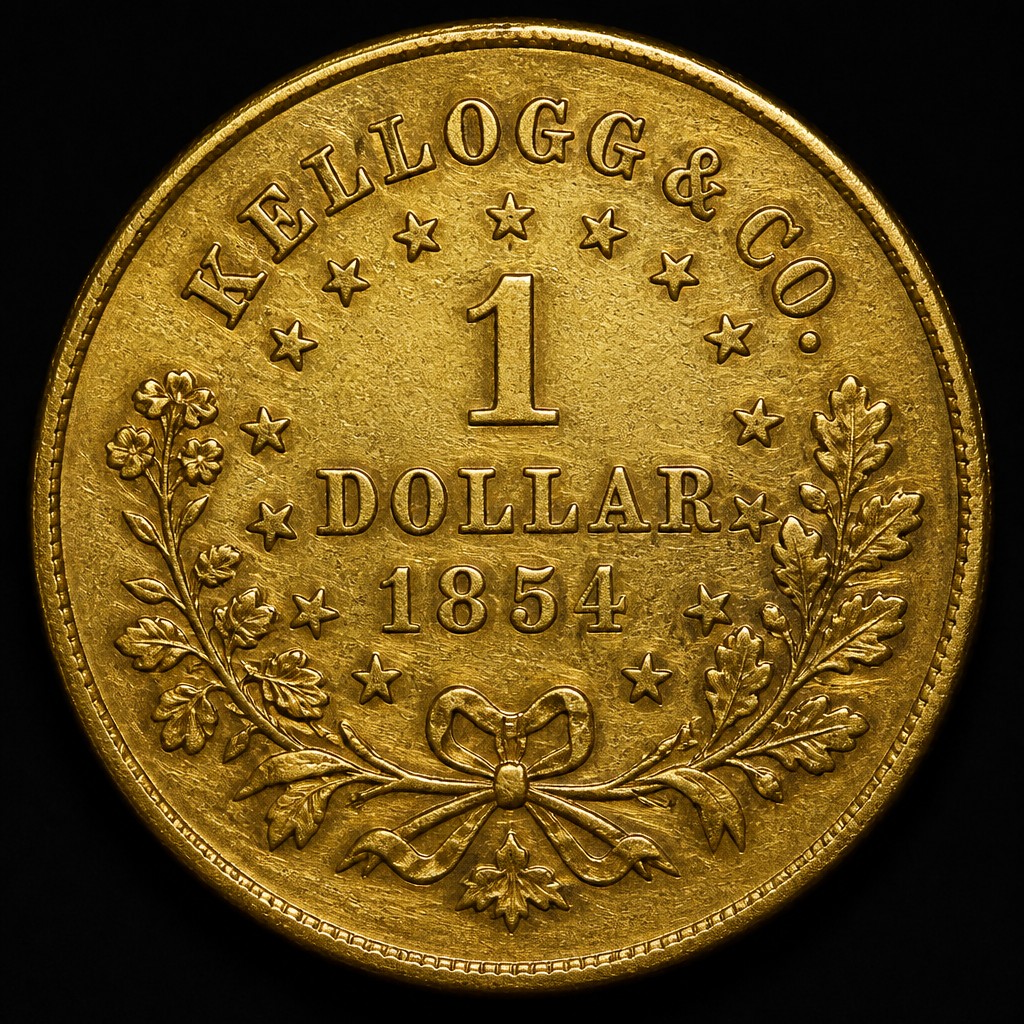
Kellogg & Co. Gold Piece
1854–1855
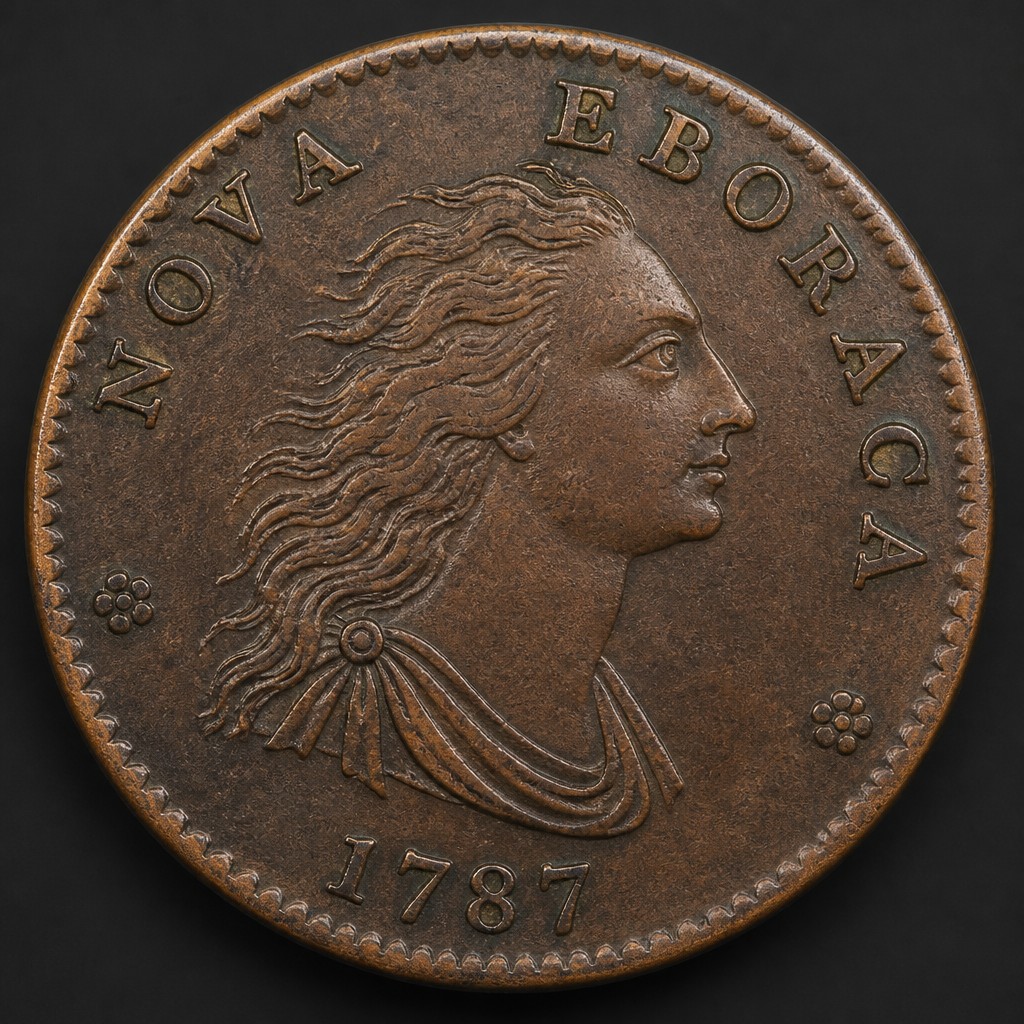
Nova Eborac Copper
1787
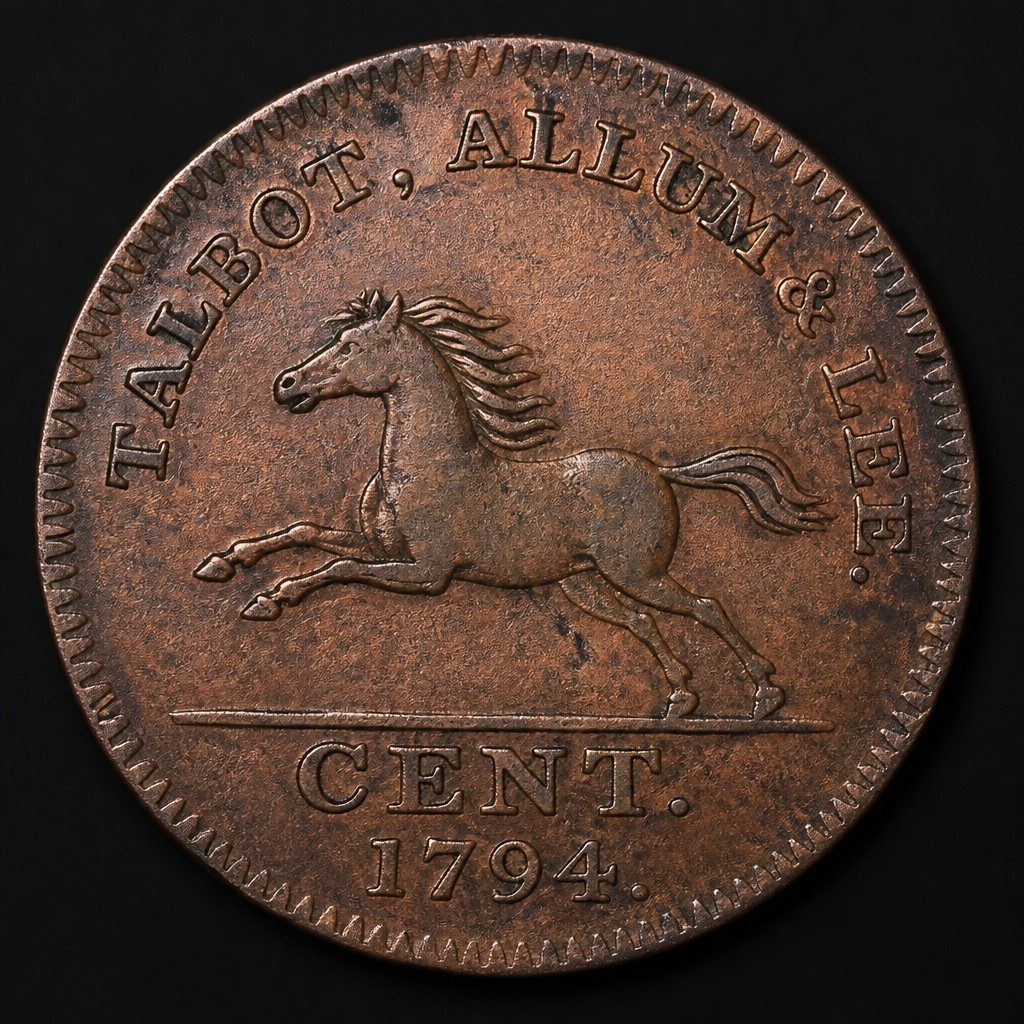
Talbot, Allum & Lee Cent
1794–1795
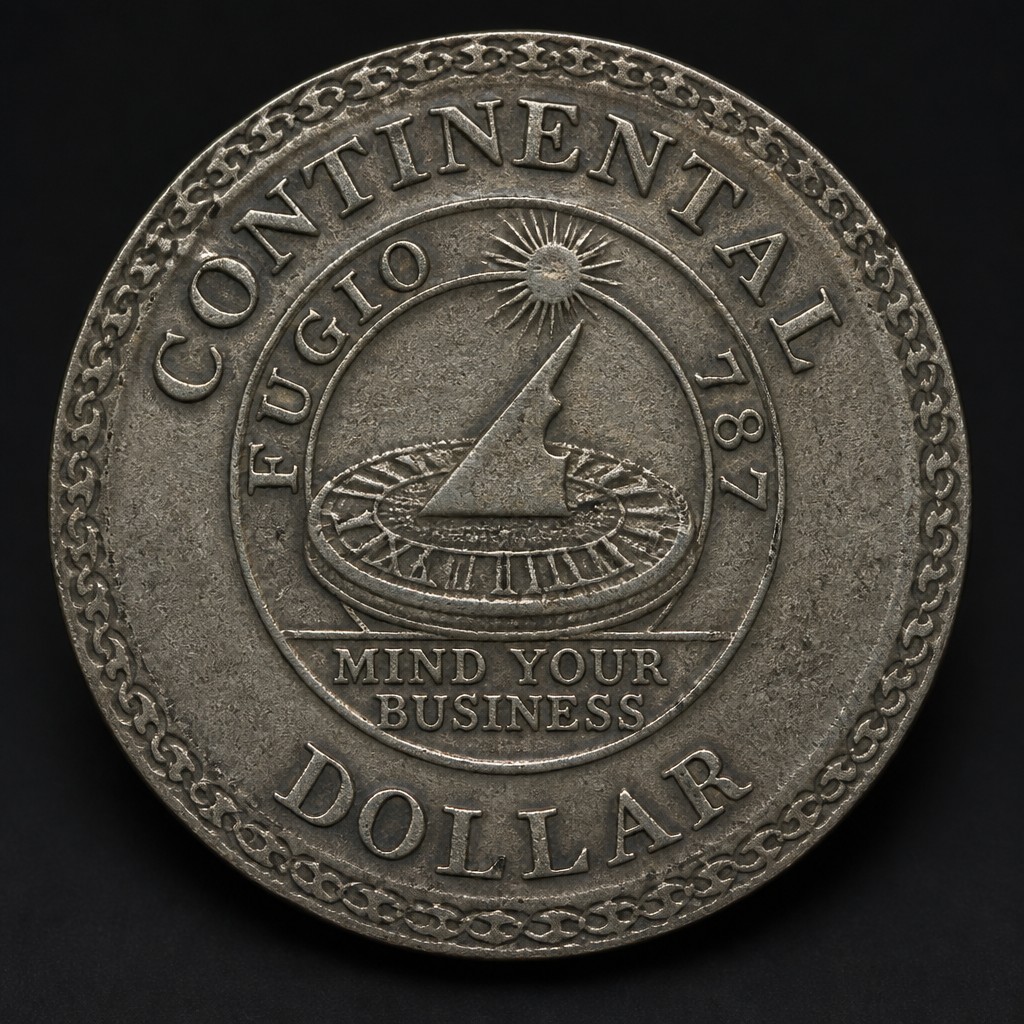
Continental Dollar
1776
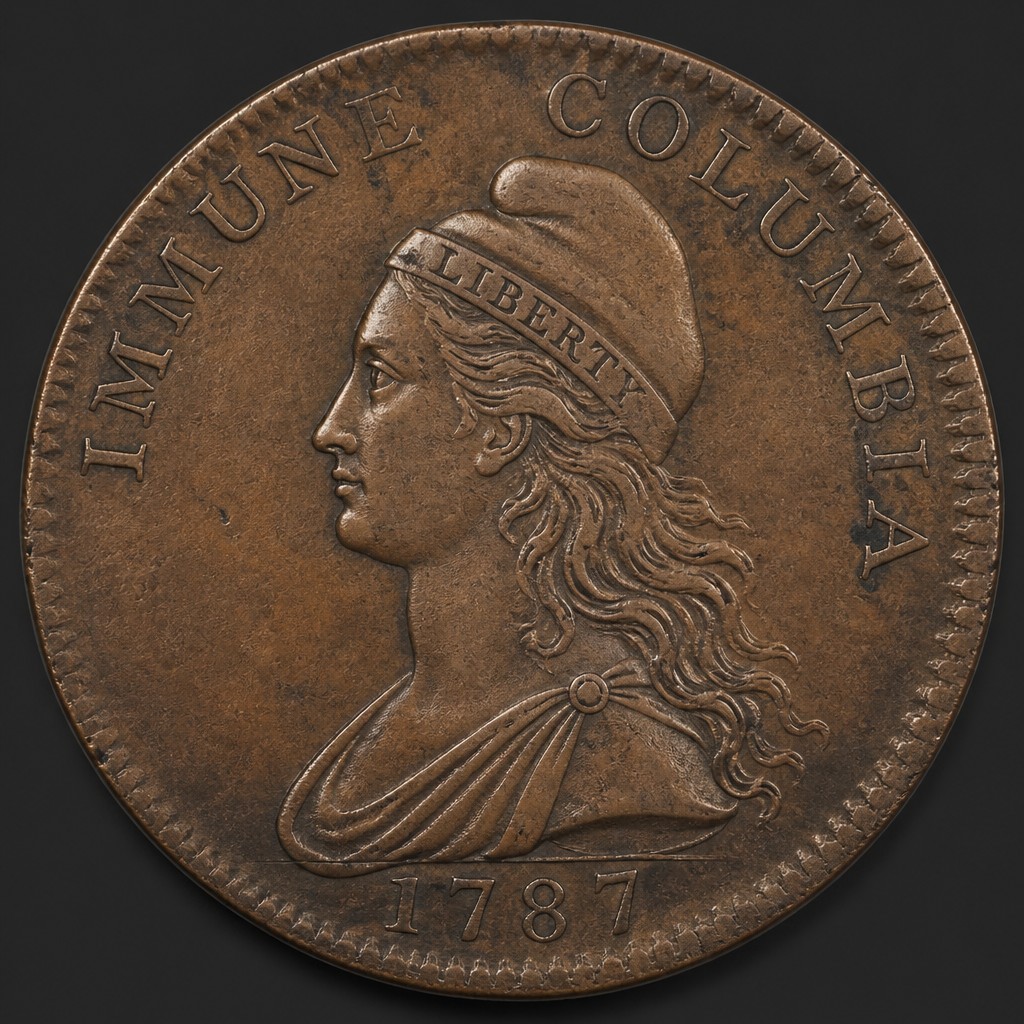
Immune Columbia Copper
circa 1785–1787
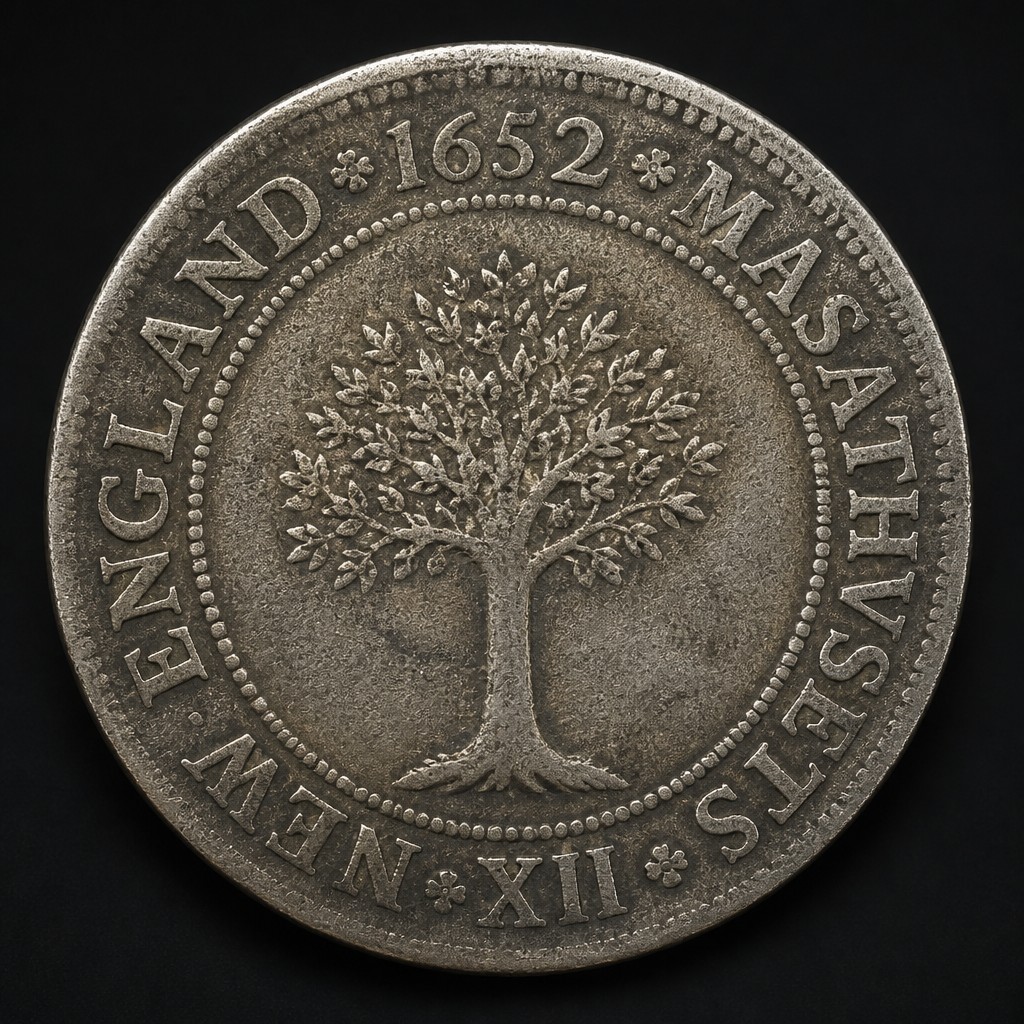
Massachusetts Oak Tree Shilling
Dated 1652, struck circa 1660–1667
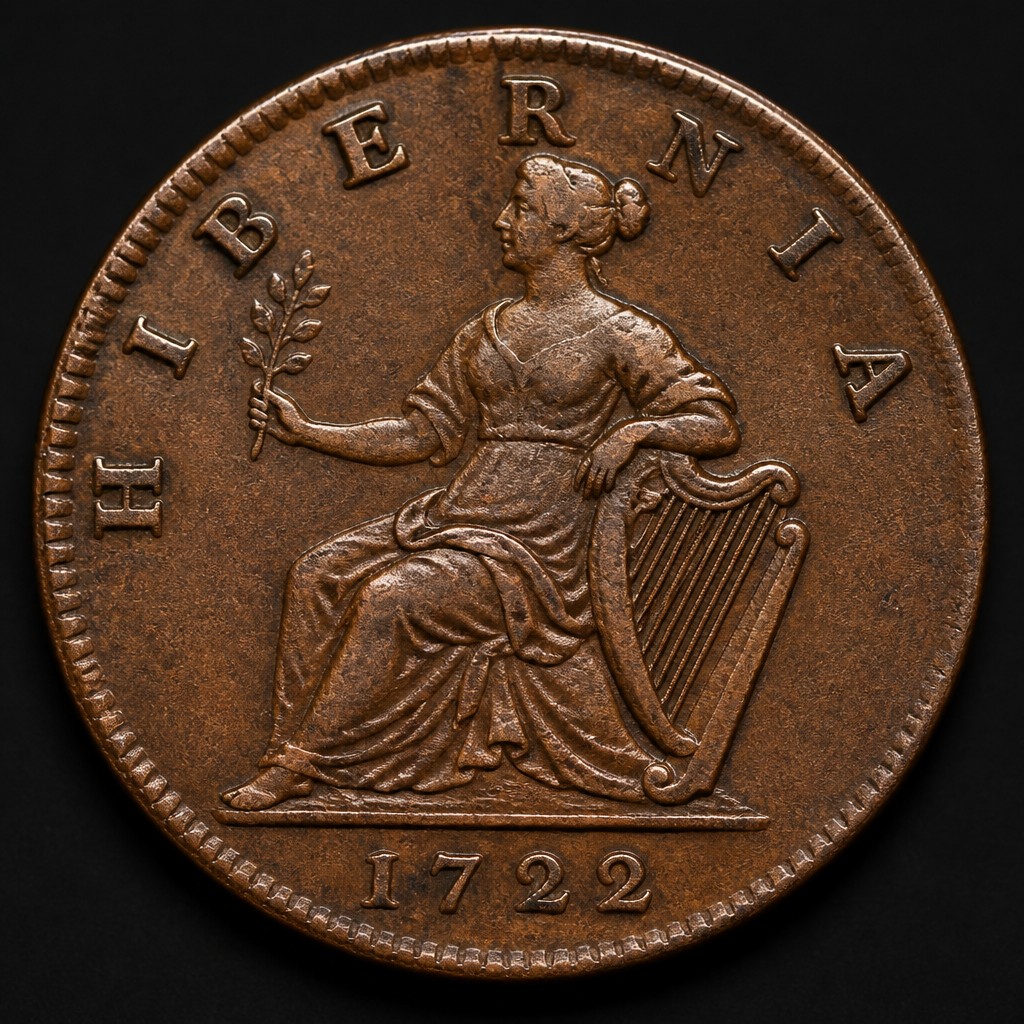
Wood's Hibernia Halfpenny
1722–1724
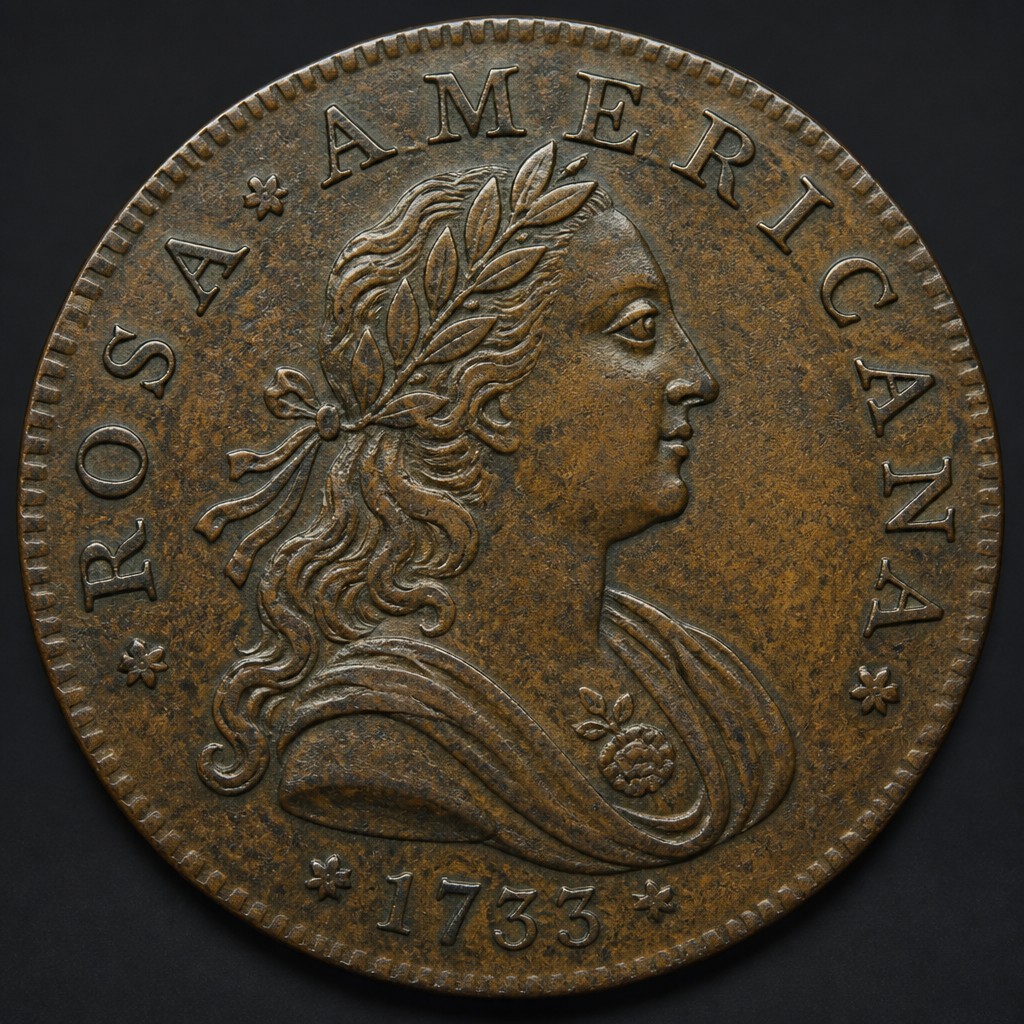
Rosa Americana Coinage
1722–1724 (with pattern issues dated 1733)
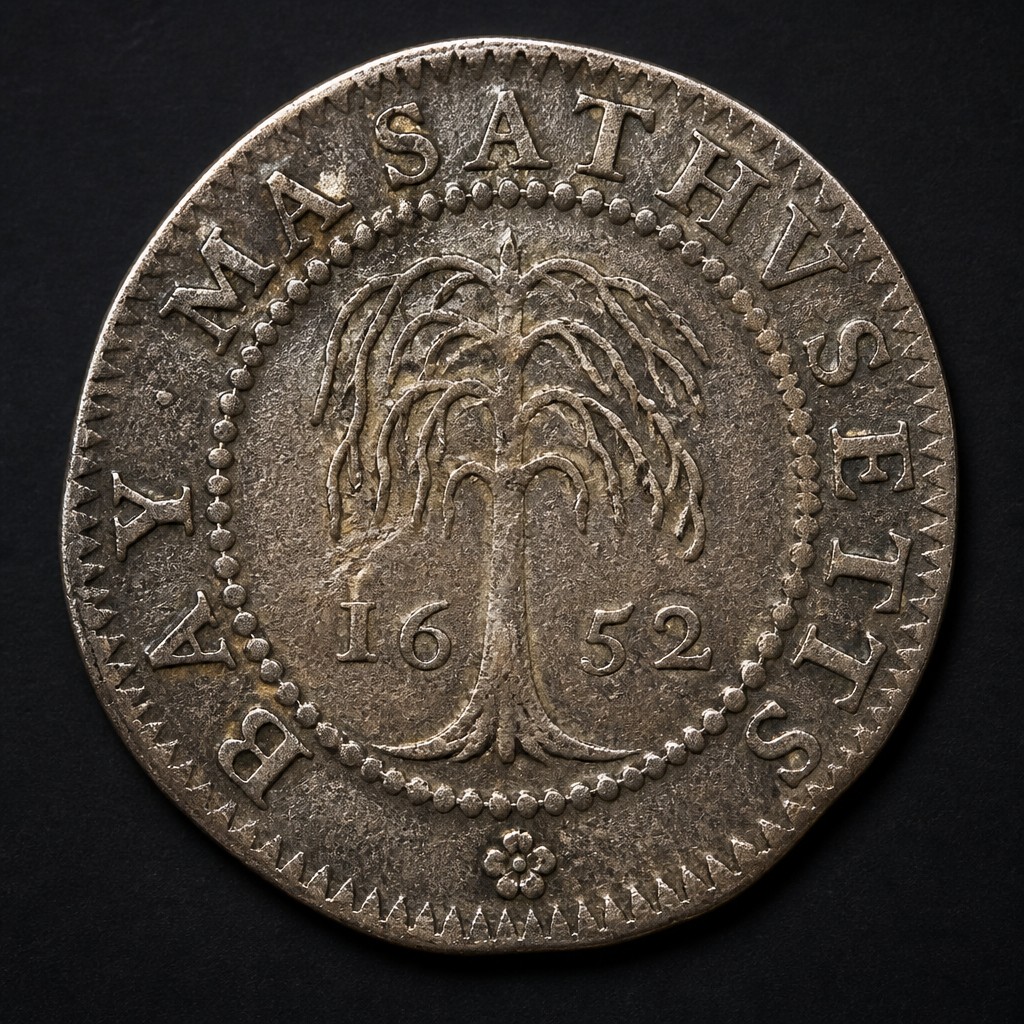
Massachusetts Willow Tree Shilling
Dated 1652, struck circa 1653–1660