
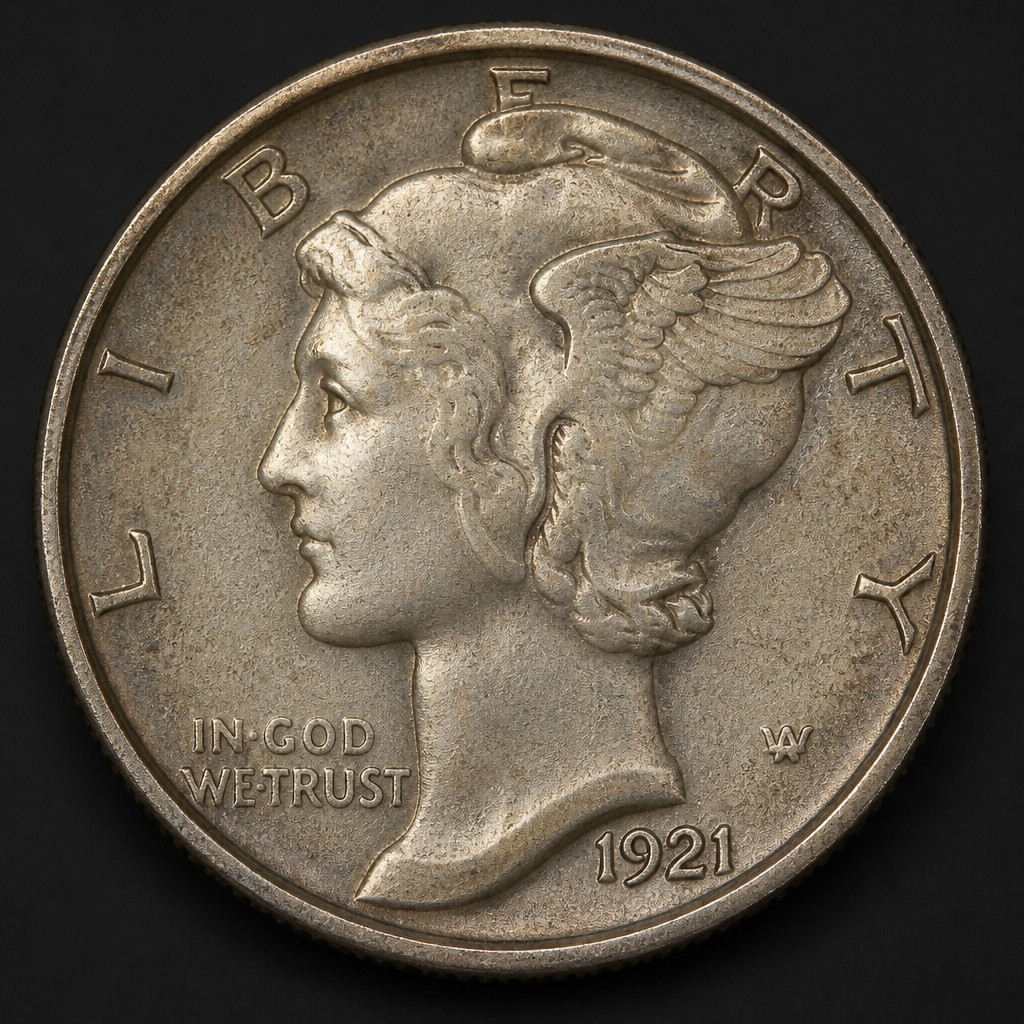
1921-D Mercury Dime
A key-date silver dime from a post-WWI recession year when Denver struck only a small number of Mercury dimes, making it a cornerstone of the series.
- Country
- United States
- Denomination
- Ten Cents (Dime)
- Metal
- 90% Silver, 10% Copper
Got a coin like this?
Identify any coin from a photo, free.
Overview
The 1921-D is one of the two great key dates (along with 1921-P) in the Mercury, or Winged Liberty Head, dime series struck from 1916 to 1945. Low demand for new coinage during a national economic slump kept mintages tiny that year, so the 1921-D is scarce in every grade and especially difficult to find with full detail.
Because the entire Mercury dime run is popular with collectors building date-and-mintmark sets, the 1921-D anchors many advanced collections and is often the last coin acquired to complete a set.
History & Background
The Mercury dime was designed by sculptor Adolph A. Weinman and introduced in 1916 as part of a broader redesign of US silver coinage. By 1921 the country was in a sharp postwar economic downturn, and commerce needed far less new coinage than in prior years, so both the Philadelphia and Denver mints produced only limited quantities of dimes.
Denver's 1921 output was especially small compared to other years in the series, and much of it saw heavy circulation in the following decades, leaving relatively few well-preserved survivors. Collectors did not widely recognize the coin's rarity until years later, so many pieces were spent or worn down before being set aside.
How to Identify
The obverse shows Liberty wearing a winged cap, a design often mistaken for the Roman god Mercury (hence the nickname), with the word LIBERTY around the rim and the motto IN GOD WE TRUST beside the portrait. The reverse depicts a fasces (a bundle of rods with an axe, symbolizing strength through unity) with an olive branch, flanked by UNITED STATES OF AMERICA and ONE DIME, with E PLURIBUS UNUM in small letters.
The mintmark 'D' appears on the reverse to the left of the fasces, near the base. The coin is struck in 90% silver, measures about 17.9mm in diameter, and has a reeded edge. Because circulated 1921-D dimes are common enough to encounter but well-struck, high-grade examples are rare, collectors pay close attention to the split in the central bands of the fasces (Full Bands) as a mark of superior strike quality.
Value & Collectibility
Even in heavily worn condition the 1921-D commands a solid premium over common-date Mercury dimes because of its low mintage, with worn examples typically bringing several hundred dollars. Mid and higher circulated grades climb steeply, and choice uncirculated pieces, particularly those with Full Bands, are true condition rarities that can reach into the thousands of dollars or more.
Authentication matters here because the coin's value makes it a target for added or altered mintmarks, so buyers are encouraged to seek pieces graded by a reputable third-party service for anything beyond modest circulated grades.
Frequently asked questions
Why is the 1921-D Mercury dime so valuable?
Denver struck a very small number of dimes in 1921 due to a national economic recession, so far fewer survive compared to most other dates in the series.
What does 'Full Bands' mean on this coin?
It refers to a fully struck, clearly separated horizontal band on the fasces on the reverse, a mark of an especially sharp strike that commands a premium.
Where is the mintmark located?
The 'D' mintmark is on the reverse, to the left of the fasces near the bottom edge.
Is the 1921-D rarer than the 1921 Philadelphia dime?
Both are considered key dates with comparably low mintages; collectors generally treat them as roughly equal in rarity and value.
Other coins you may enjoy
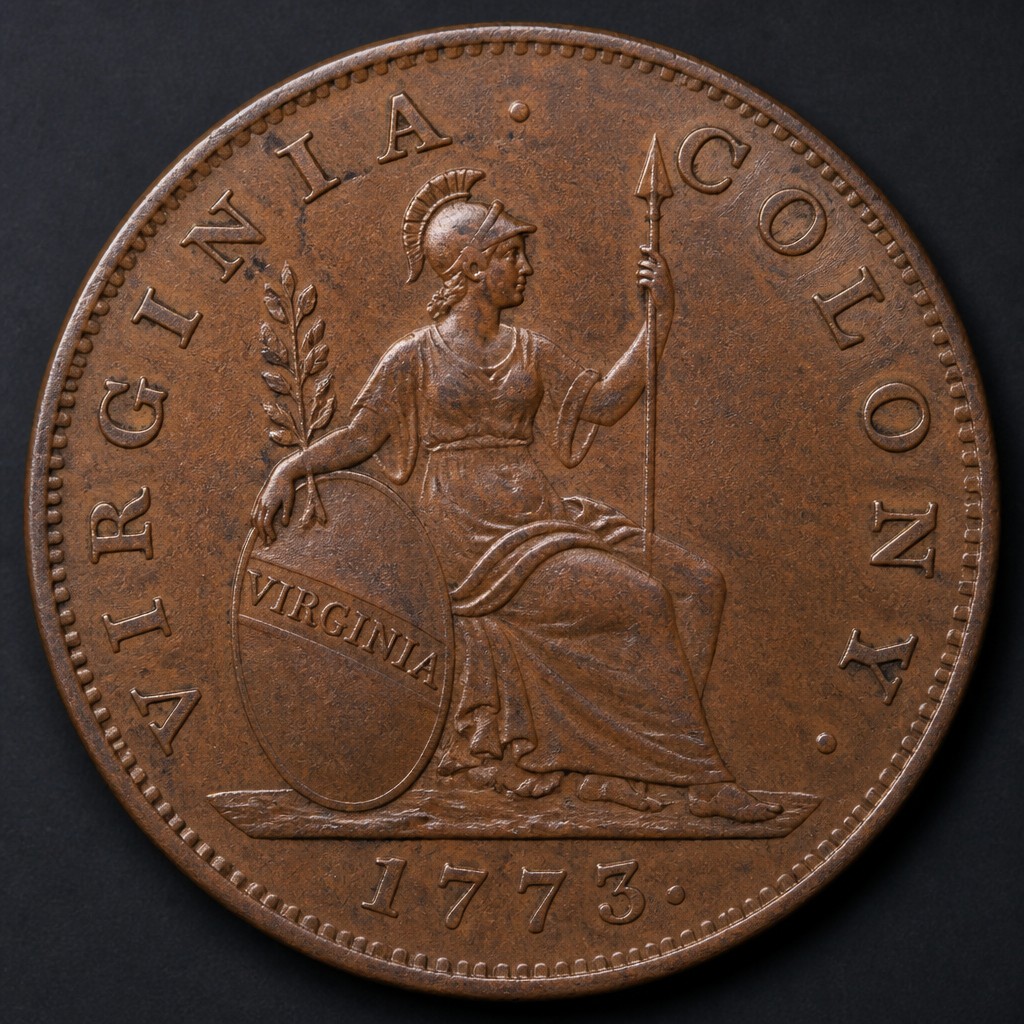
Virginia Halfpenny
1773
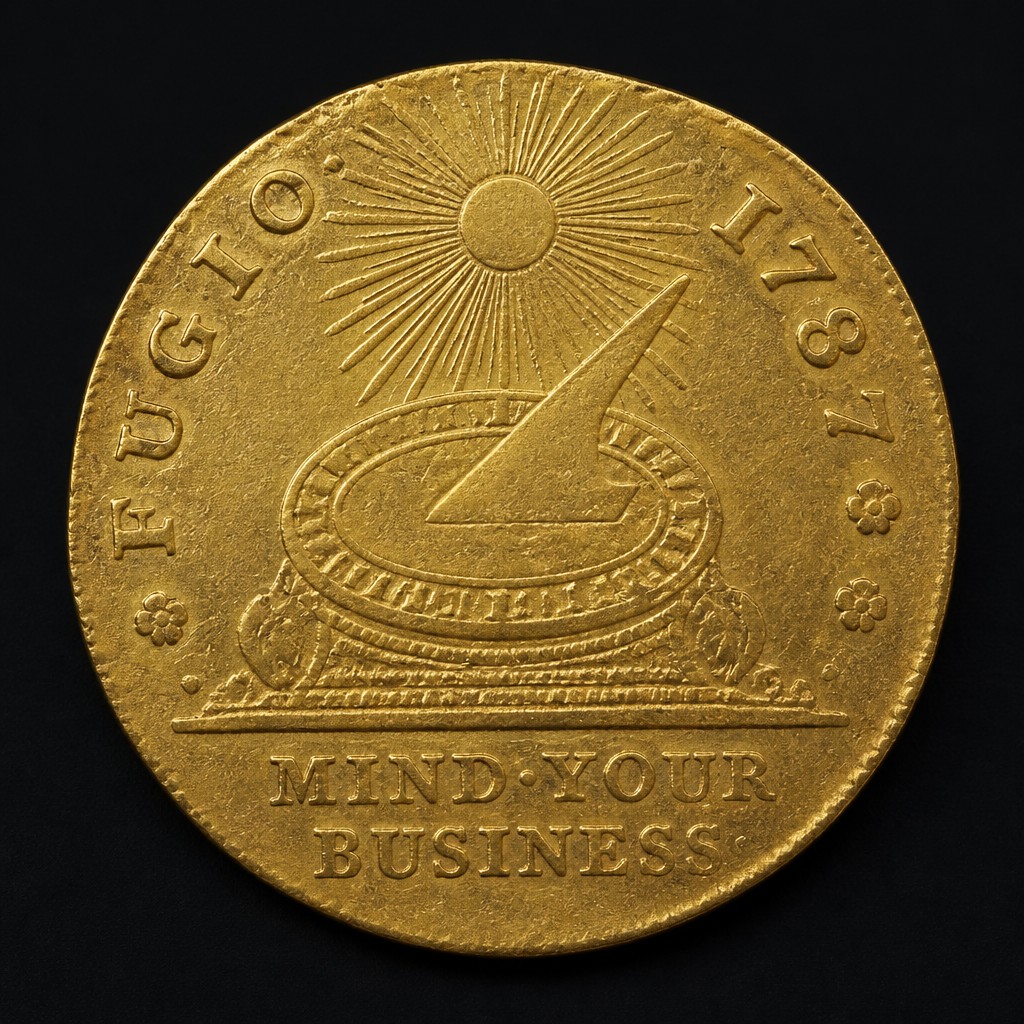
Brasher Doubloon
1787
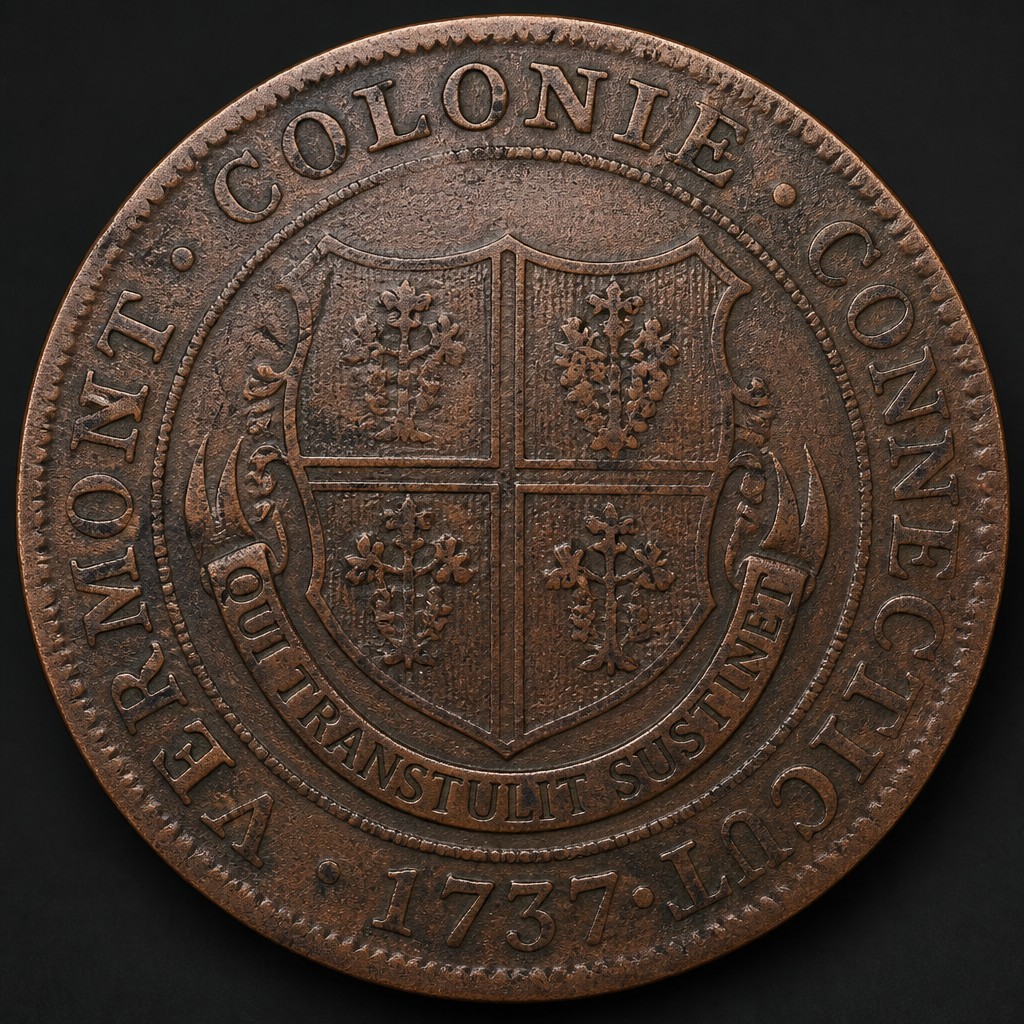
Higley Copper
1737–1739
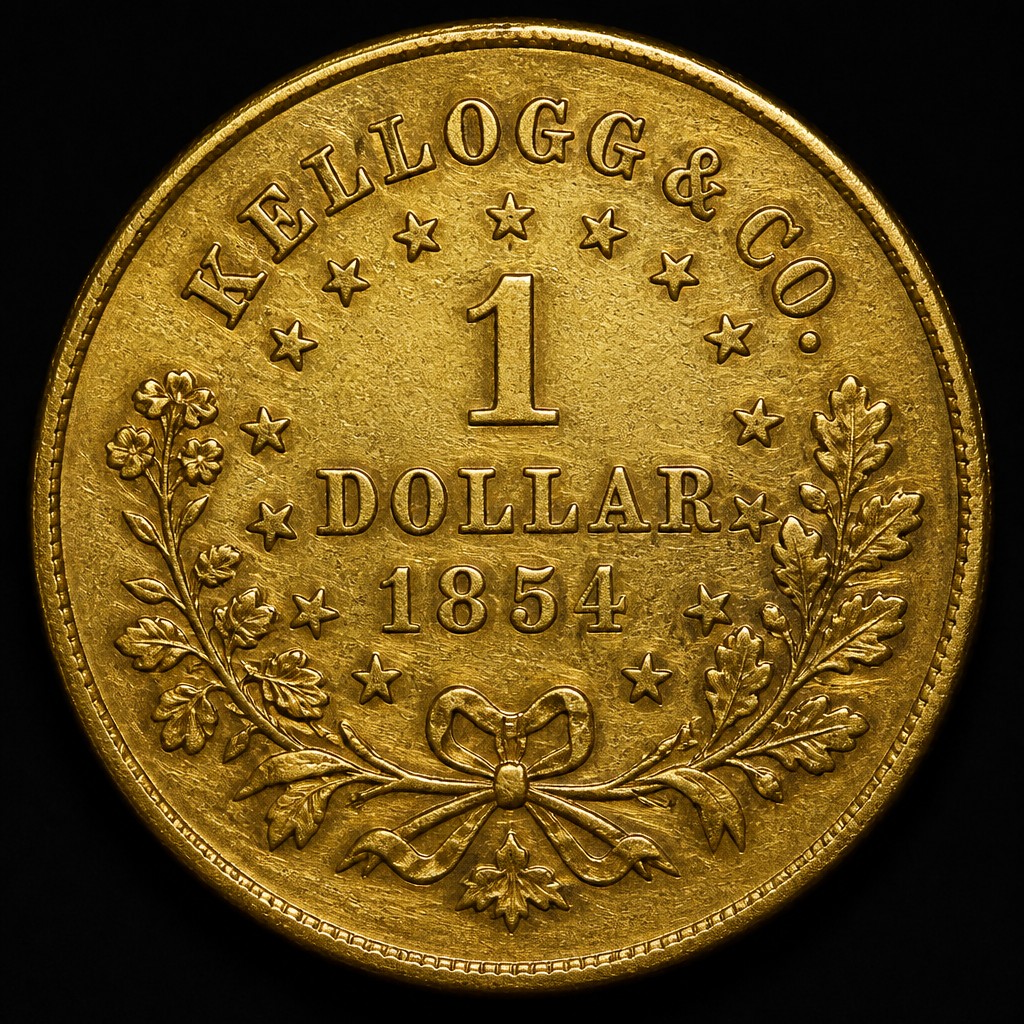
Kellogg & Co. Gold Piece
1854–1855
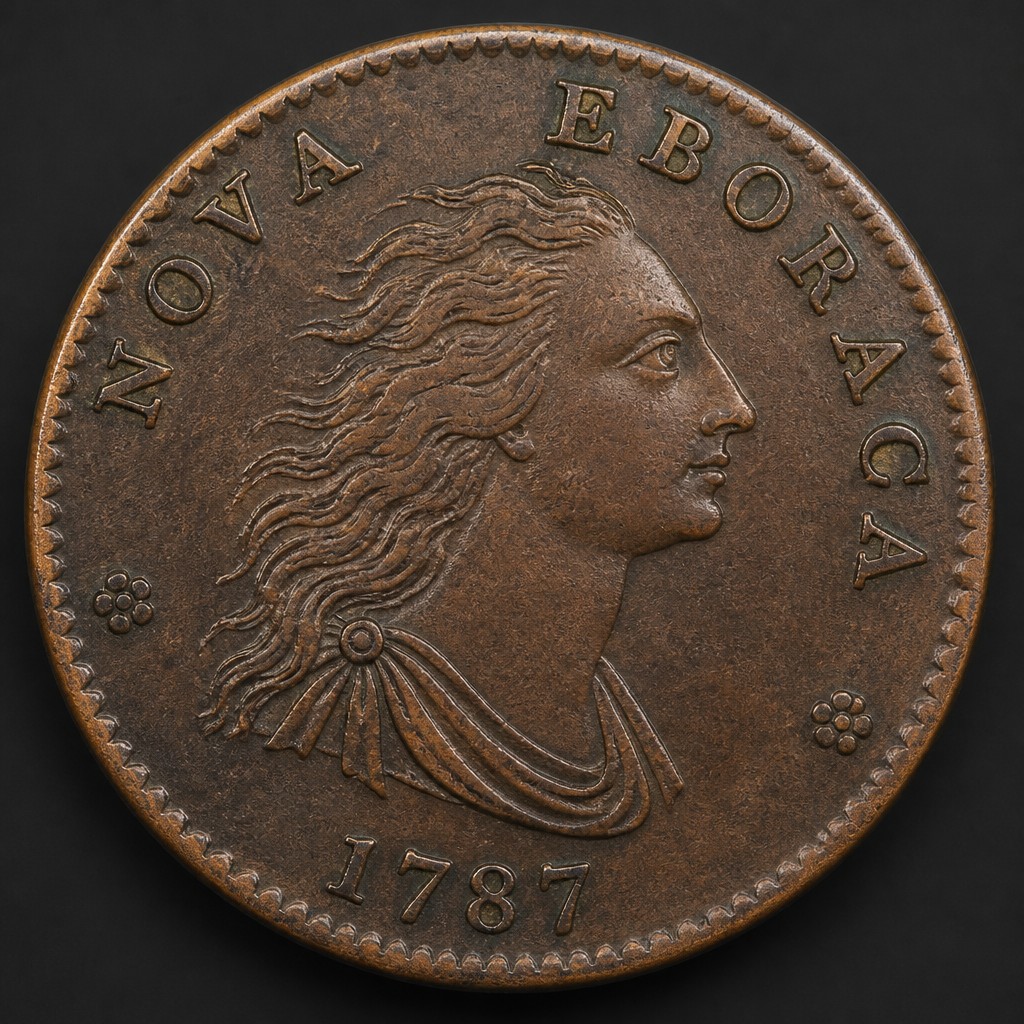
Nova Eborac Copper
1787
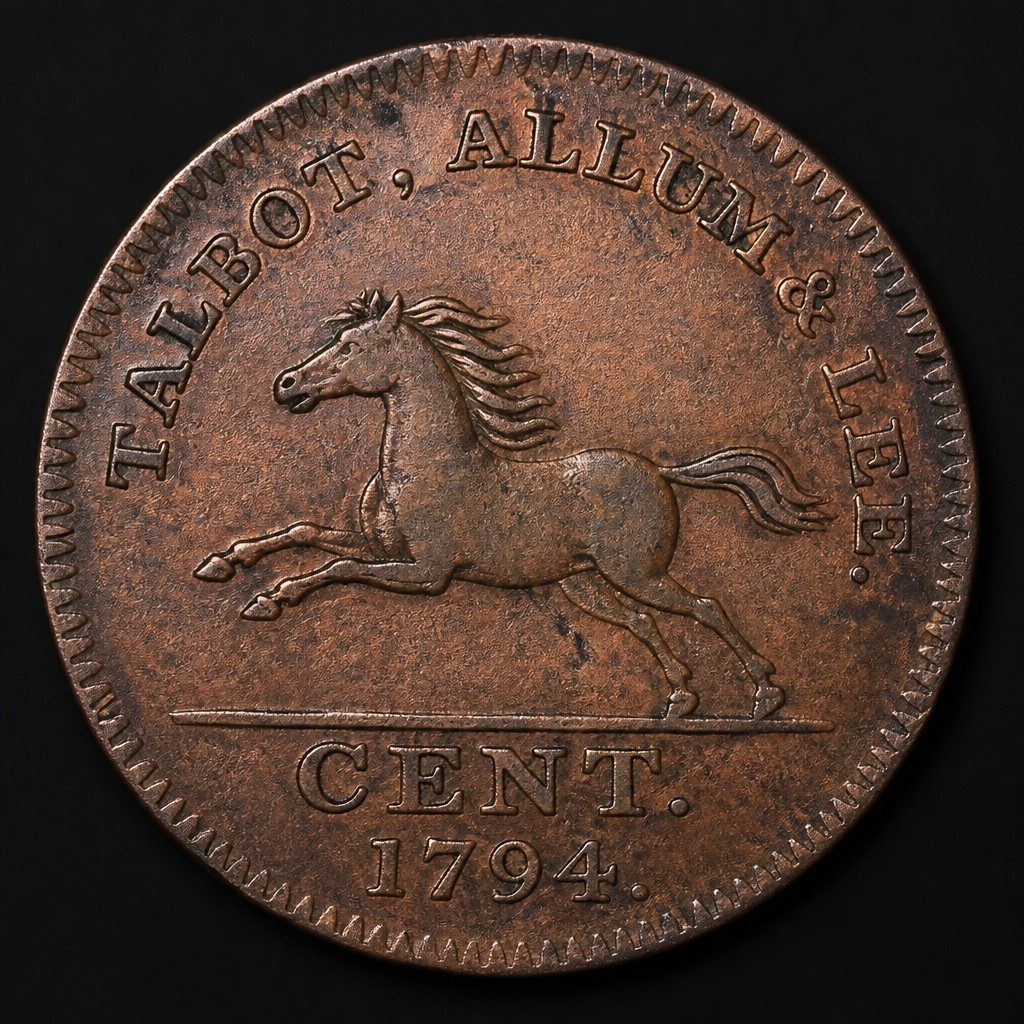
Talbot, Allum & Lee Cent
1794–1795
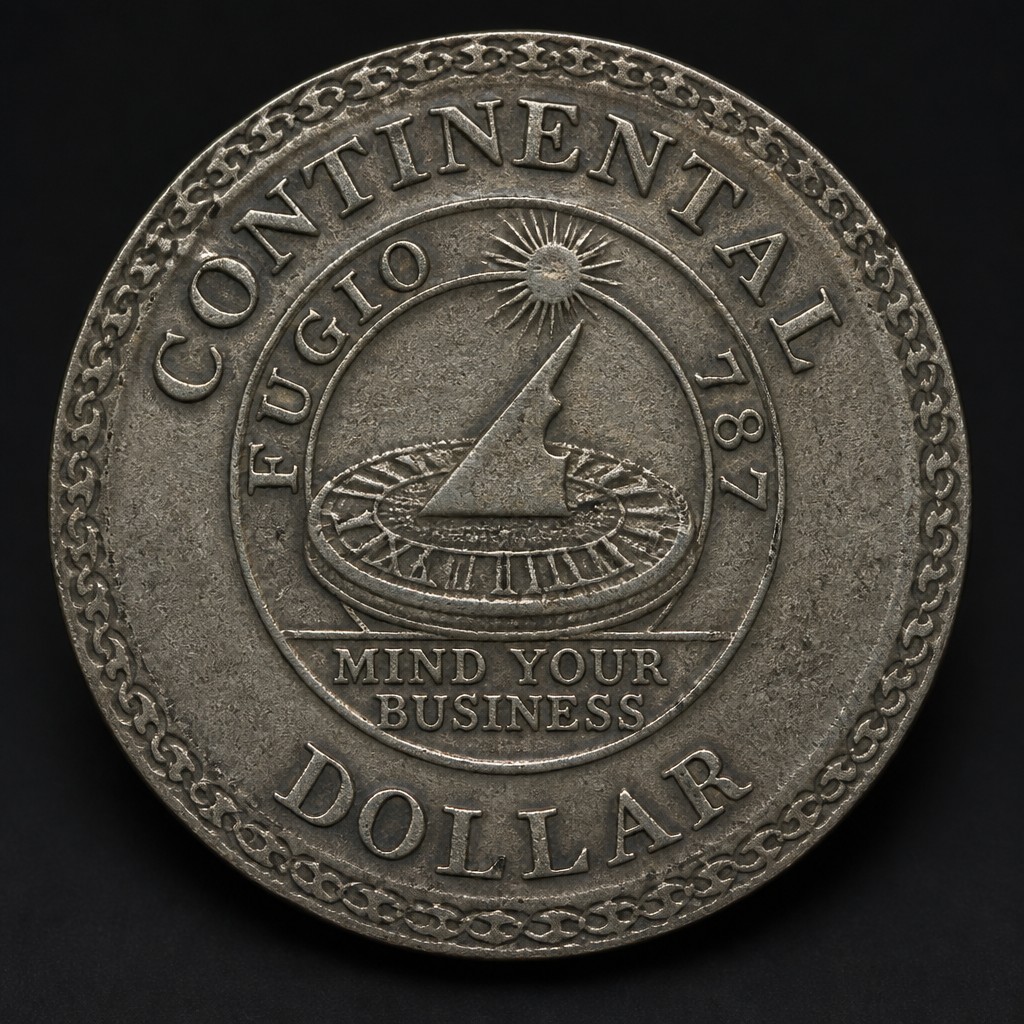
Continental Dollar
1776
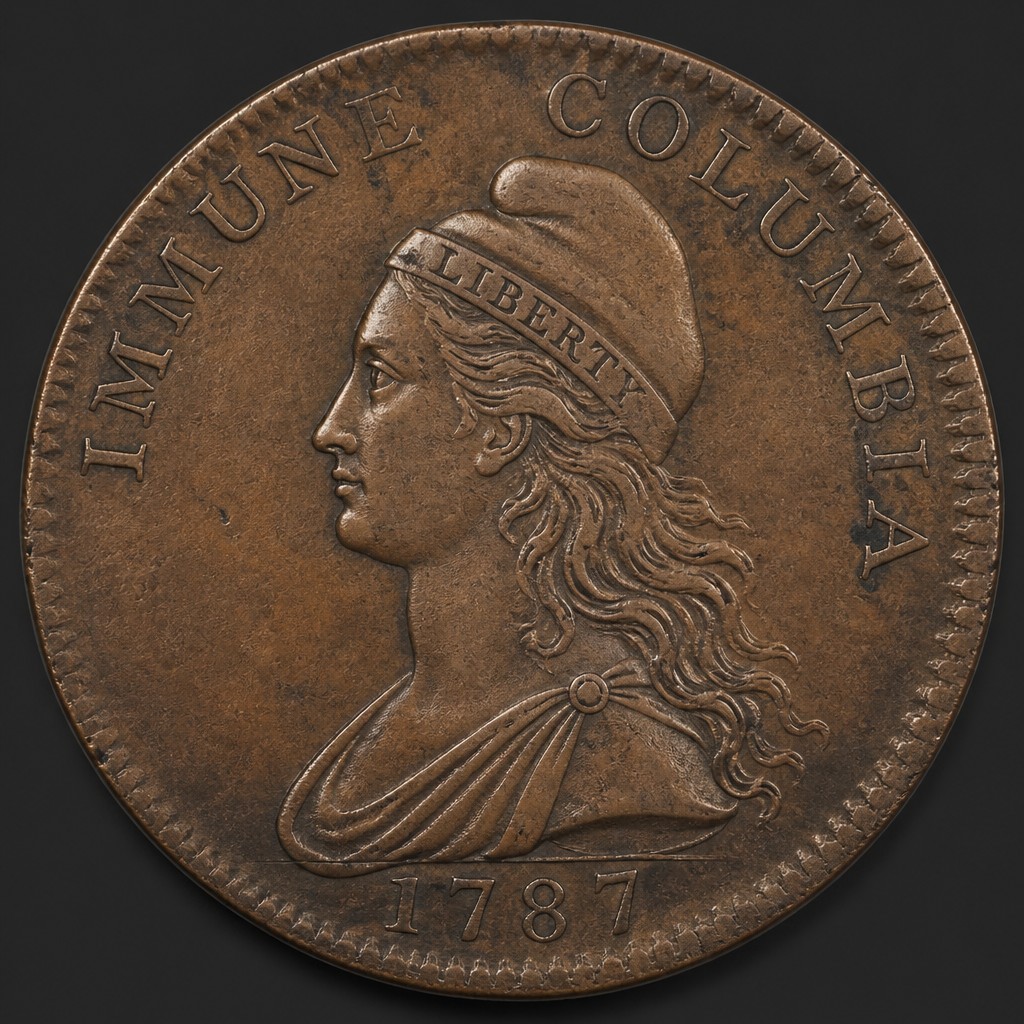
Immune Columbia Copper
circa 1785–1787
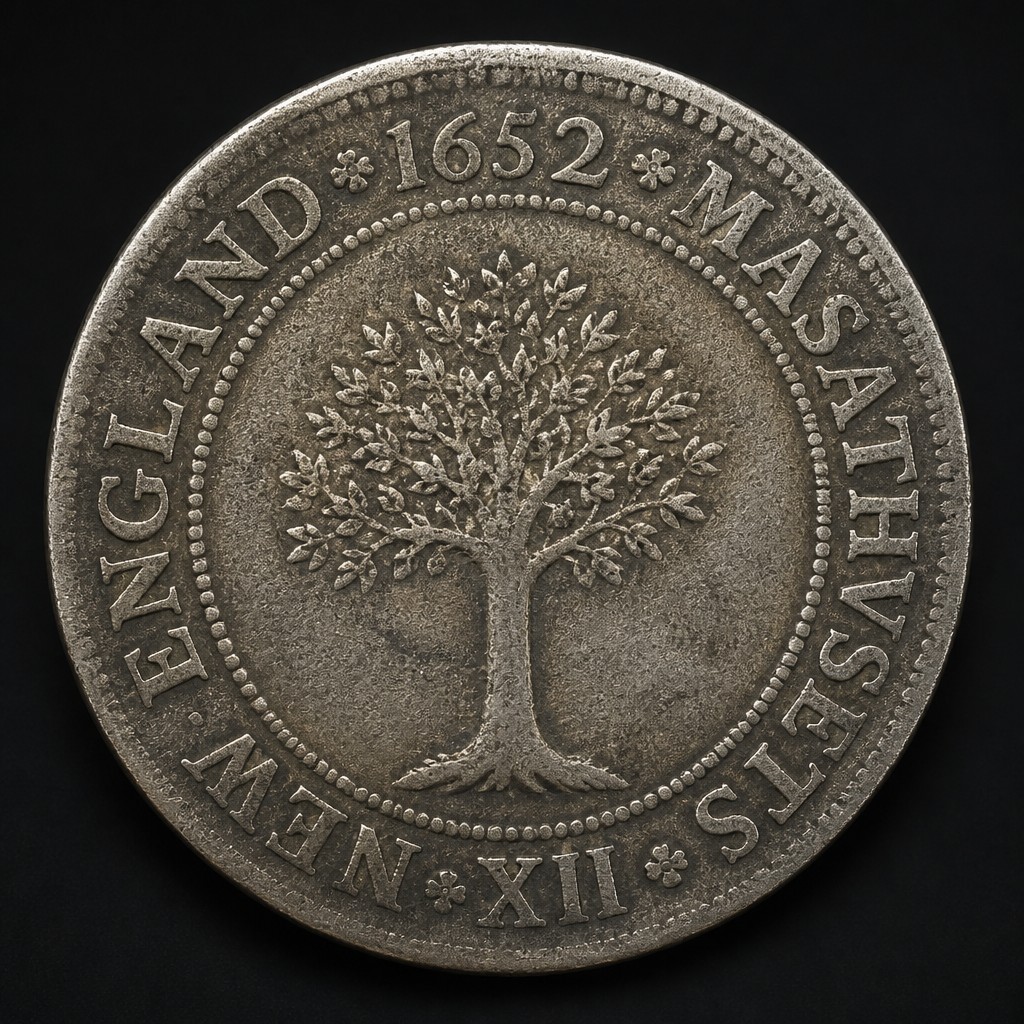
Massachusetts Oak Tree Shilling
Dated 1652, struck circa 1660–1667
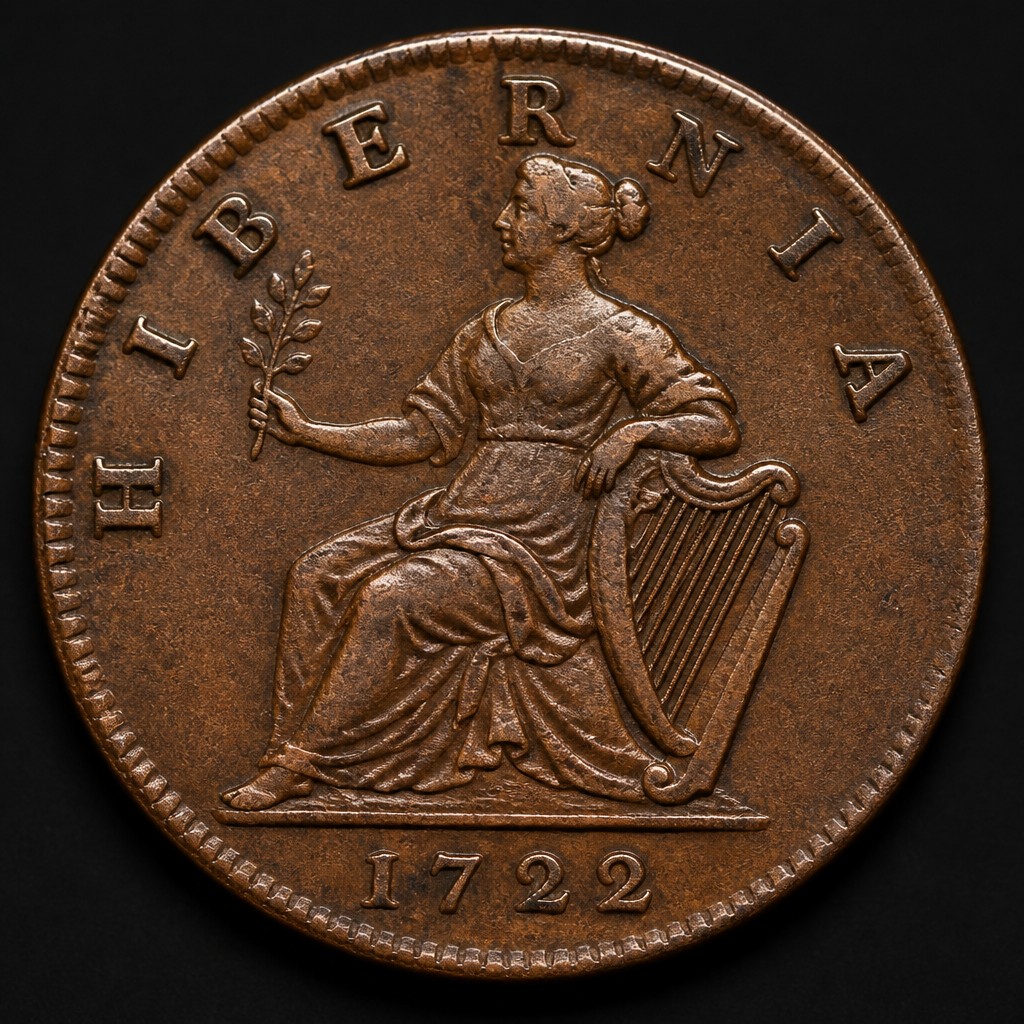
Wood's Hibernia Halfpenny
1722–1724
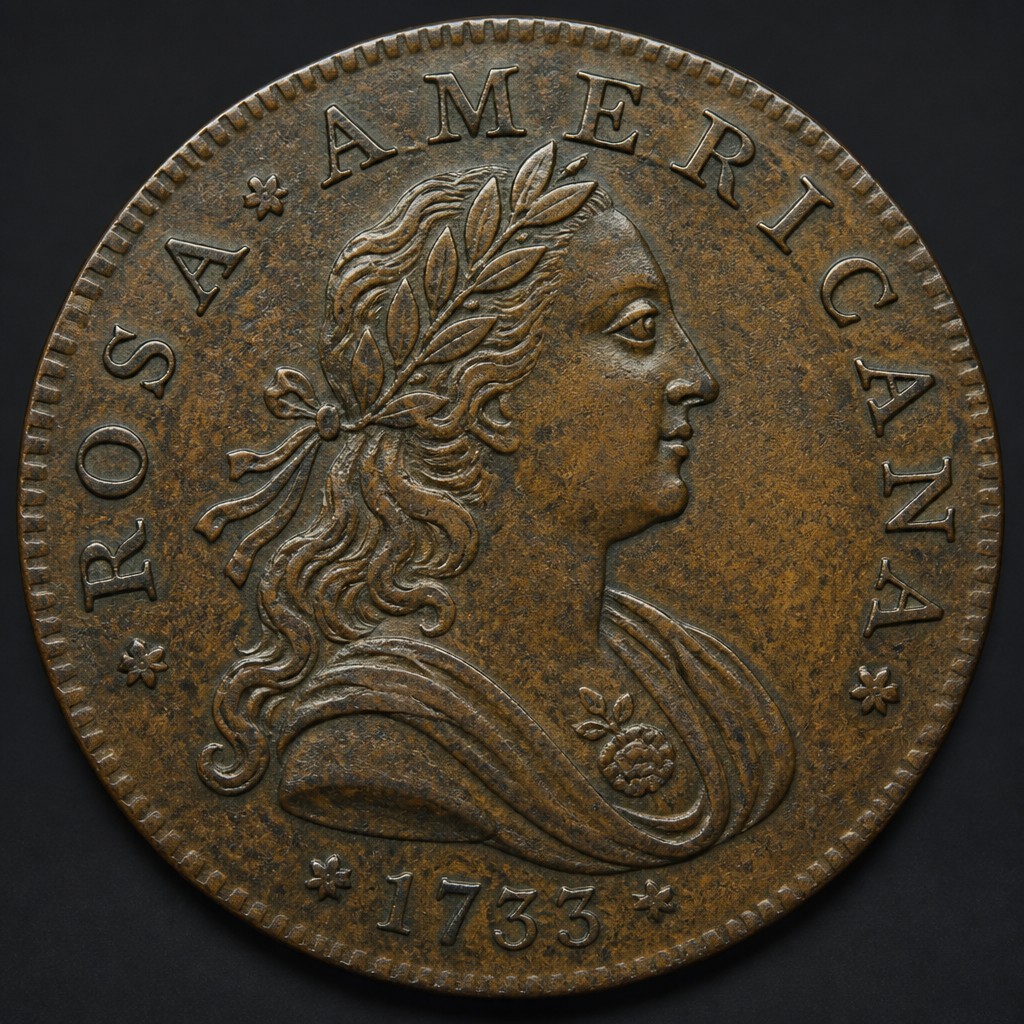
Rosa Americana Coinage
1722–1724 (with pattern issues dated 1733)
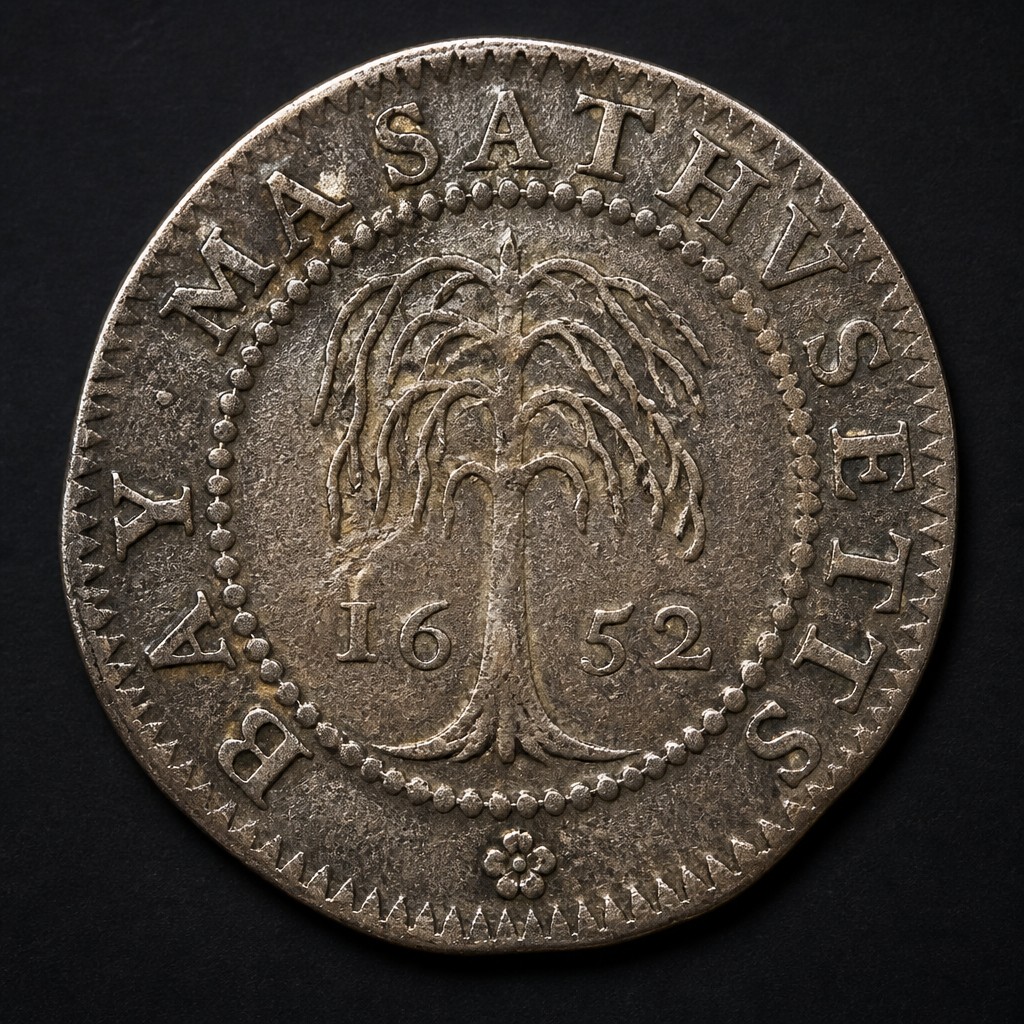
Massachusetts Willow Tree Shilling
Dated 1652, struck circa 1653–1660