
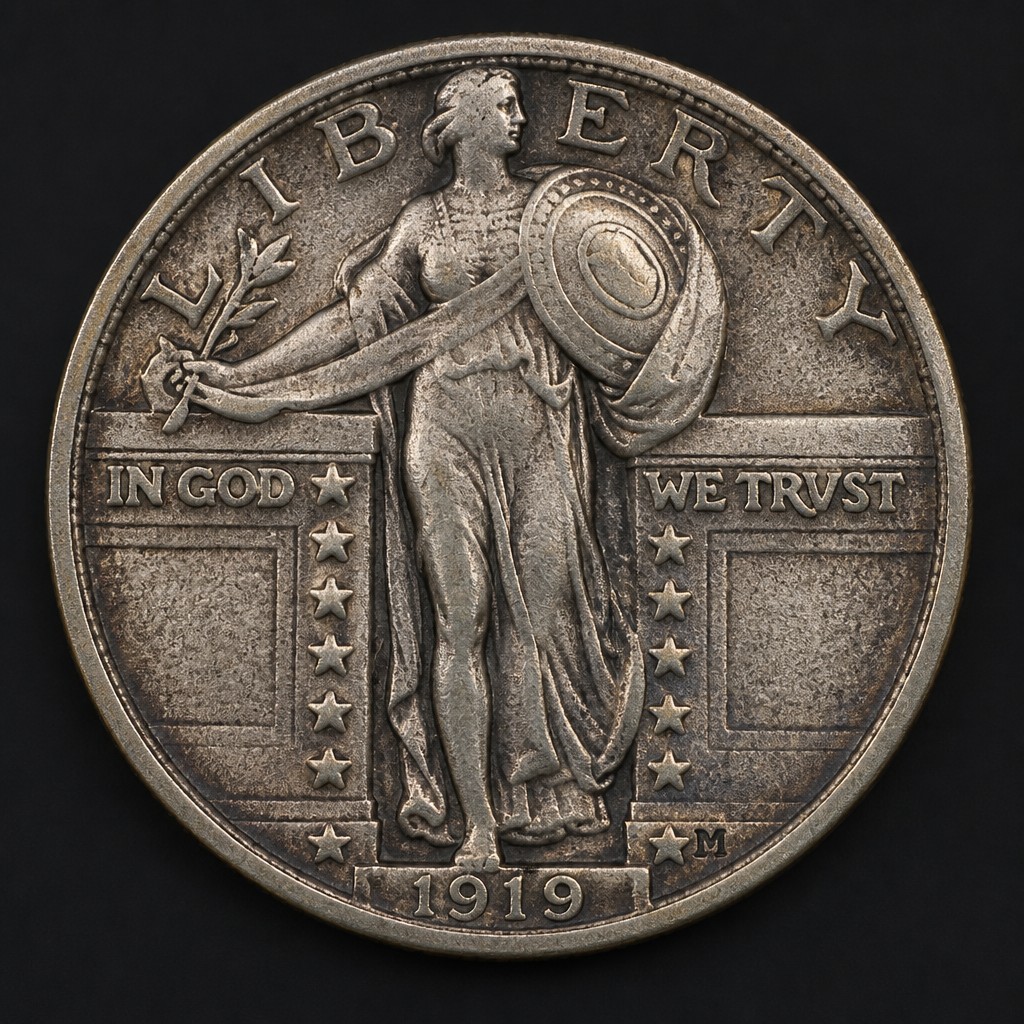
1919-D Standing Liberty Quarter
A semi-key Denver-minted Standing Liberty quarter, scarcer than common dates of the series and notably difficult to find with a fully struck head.
- Country
- United States
- Denomination
- Quarter Dollar
- Metal
- 90% Silver, 10% Copper
Got a coin like this?
Identify any coin from a photo, free.
Overview
The 1919-D is regarded as a semi-key date within the Standing Liberty quarter series, more available than the great keys like 1916 or 1923-S but still considerably scarcer than typical dates, particularly in higher grades. It is a popular target for collectors filling out a Denver-mint subset or a full date collection.
The coin is especially notable for being difficult to find with a fully struck Full Head, a condition rarity that adds significantly to its desirability among specialists.
History & Background
The Standing Liberty quarter series, designed by Hermon MacNeil and struck in its modified Type 2 form from mid-1917 onward, saw the Denver Mint produce a moderate but comparatively limited number of quarters in 1919. Striking quality at Denver during this period was often inconsistent, contributing to the relative rarity of sharply detailed examples.
Over the following decades, as circulation wore down most surviving specimens, the 1919-D came to be recognized by collectors as harder to find in choice condition than its mintage figures alone might suggest.
How to Identify
The 1919-D displays the standard Type 2 design: Liberty standing in a gateway with chain mail across her chest, a shield in one arm and an olive branch in the other, and an eagle in flight with three stars beneath it on the reverse. The D mintmark is found on the obverse to the left of the date.
Because the recessed date pedestal was not yet in use, the raised date on 1919-D coins can wear down on older circulated pieces, and collectors should examine the date and mintmark area carefully for legibility. Full Head examples show crisp, complete detail in Liberty's hair and helmet, a feature notably scarce for this date.
Value & Collectibility
The 1919-D trades at a premium over common dates in the series across most grades, with the gap widening considerably in mint state and especially for Full Head examples, which are quite rare for this issue. It is frequently cited in price guides as one of the more challenging semi-key dates to locate in top condition.
As with the series broadly, strike quality has an outsized effect on value, so buyers often pay significantly more for a well-struck example than for an average-strike coin of identical numerical grade.
Frequently asked questions
Is the 1919-D a key date?
It is generally classified as a semi-key date, scarcer than common dates but not as rare as the series' top keys.
Why is a Full Head 1919-D hard to find?
Striking at the Denver Mint during this period was often inconsistent, leaving many examples with incomplete head detail.
Where is the mintmark located?
On the obverse, to the left of the date, a small D indicates the Denver Mint.
Does strike quality affect price significantly?
Yes, well-struck Full Head examples bring notably higher prices than average-strike coins of the same grade.
Other coins you may enjoy
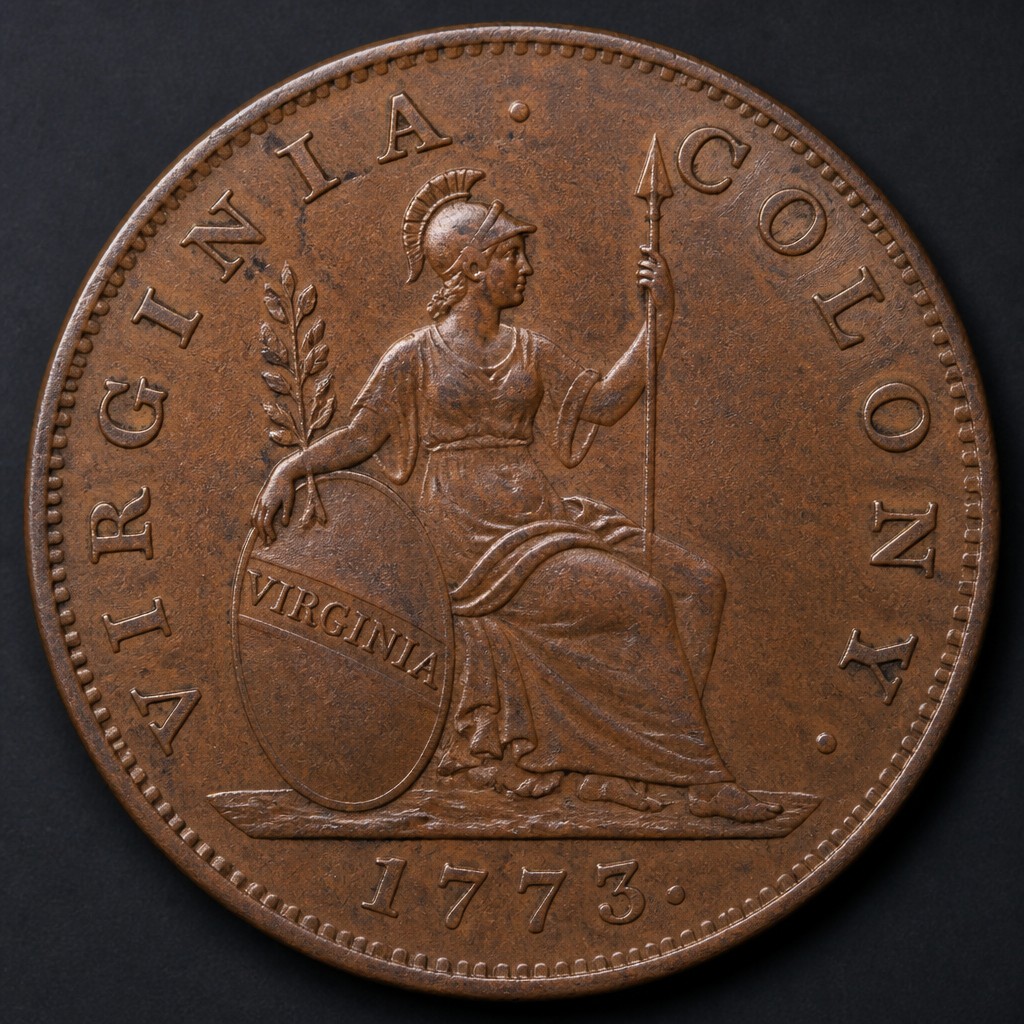
Virginia Halfpenny
1773
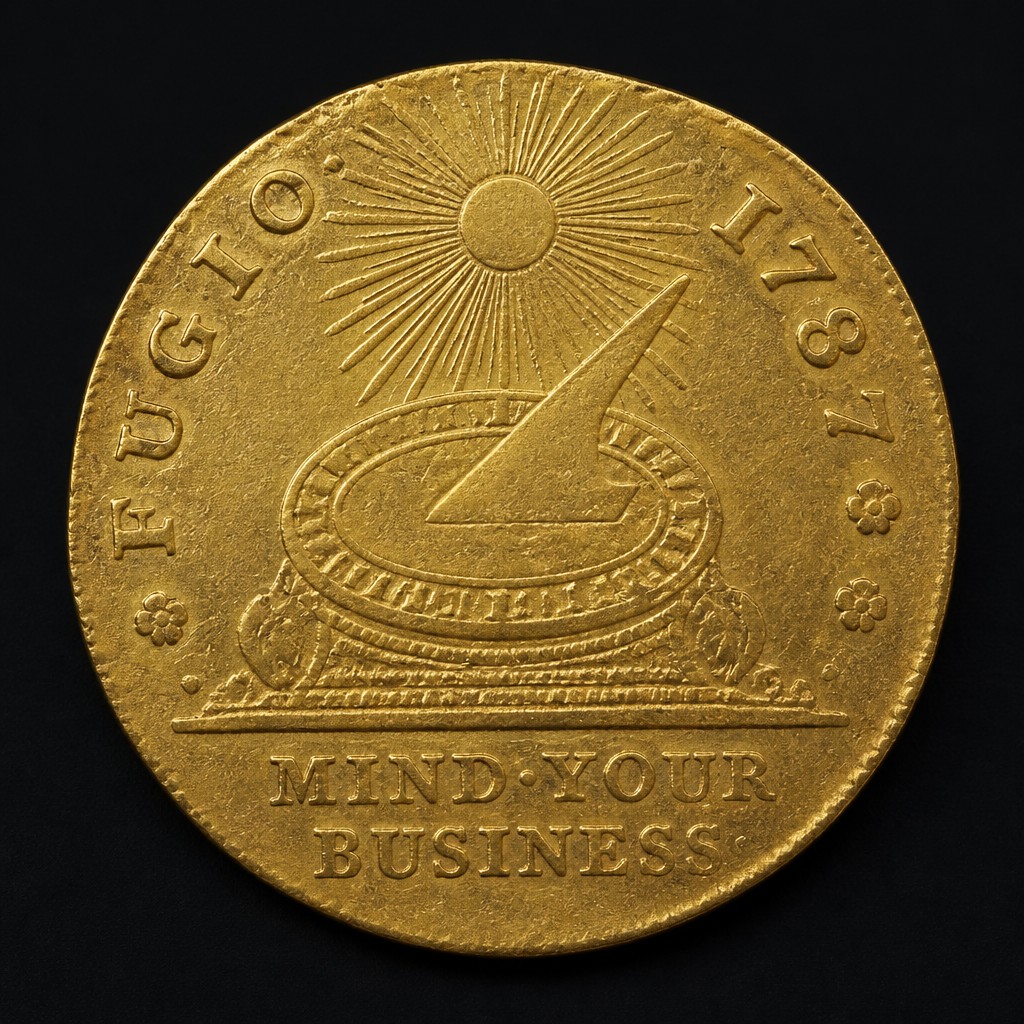
Brasher Doubloon
1787
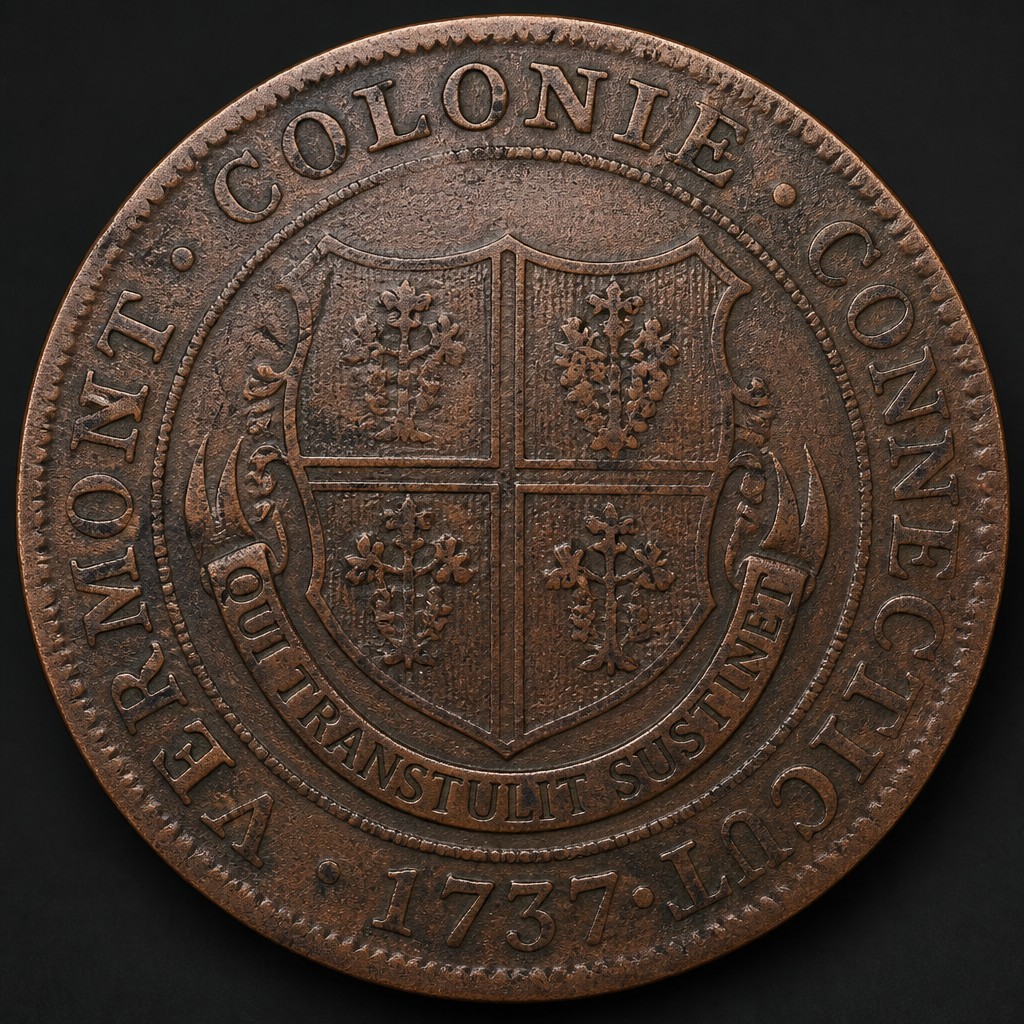
Higley Copper
1737–1739
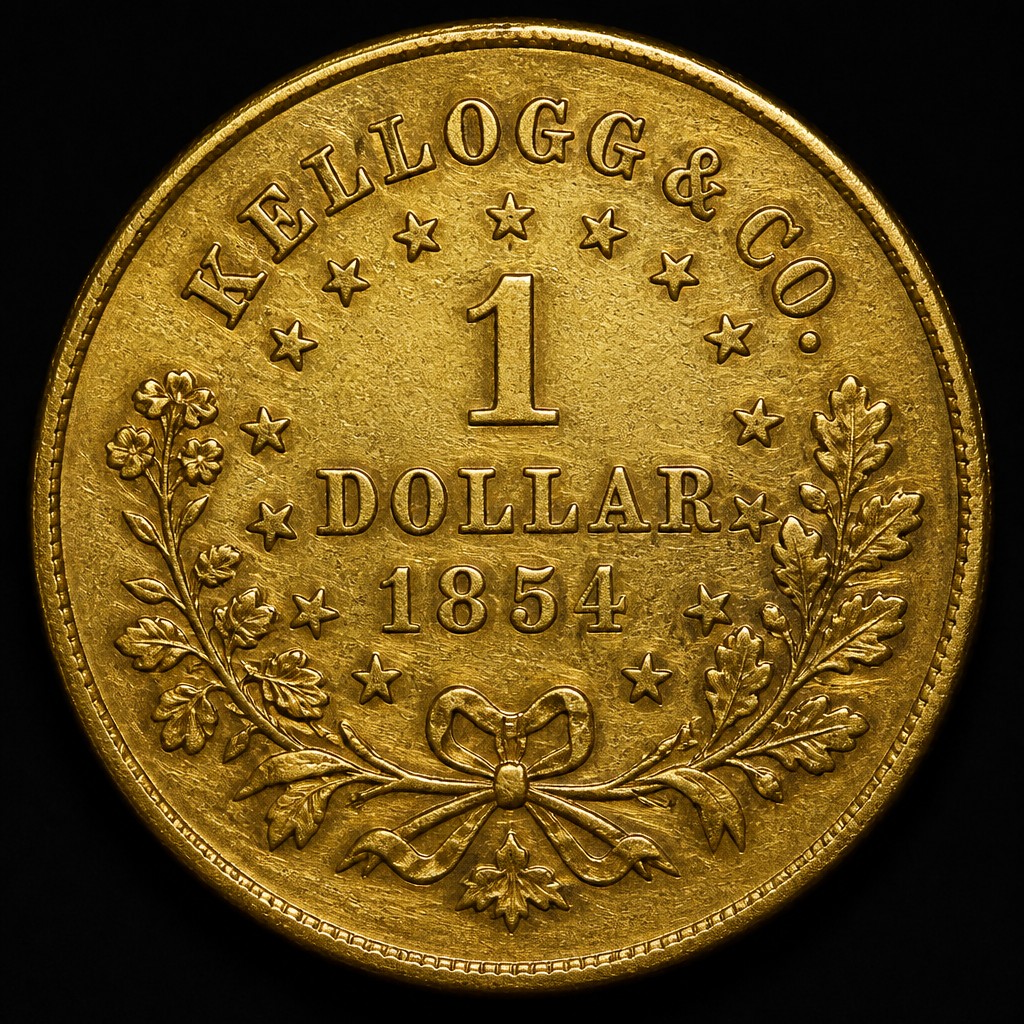
Kellogg & Co. Gold Piece
1854–1855
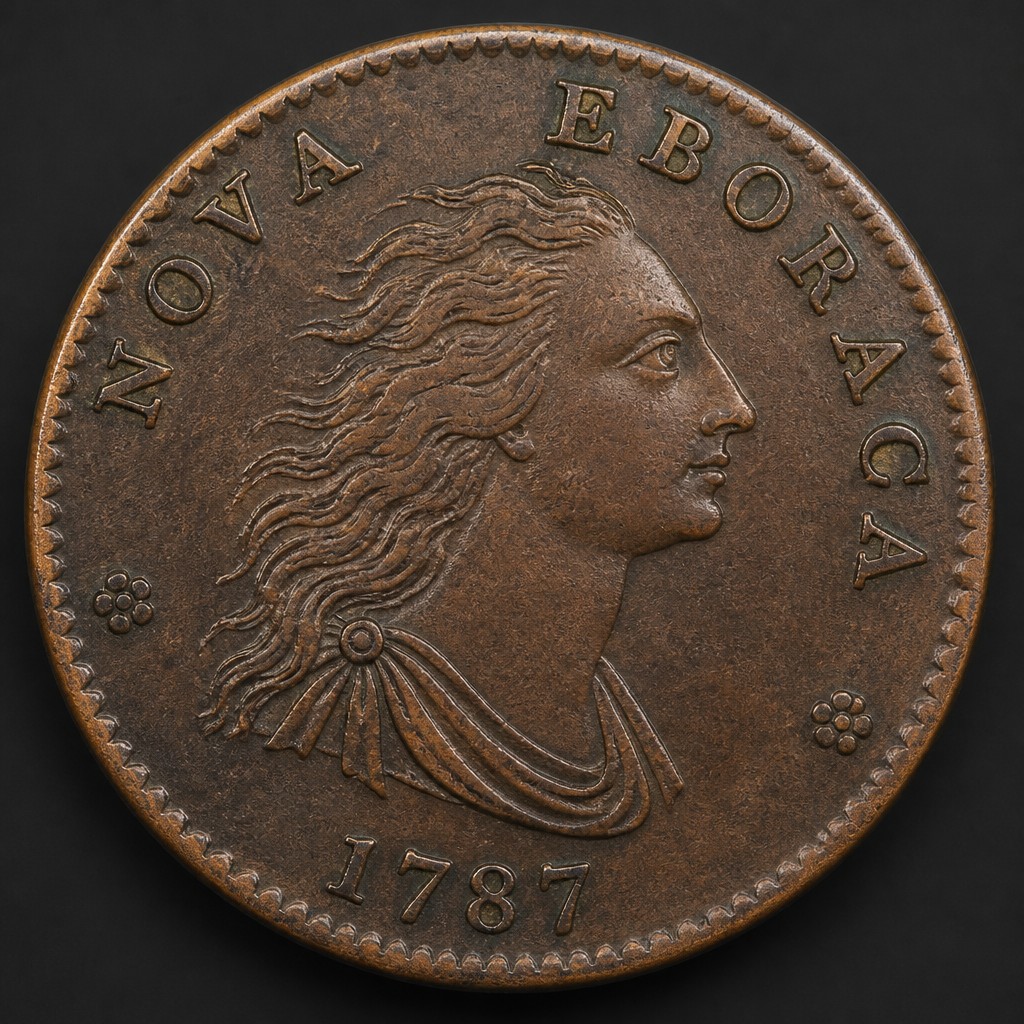
Nova Eborac Copper
1787
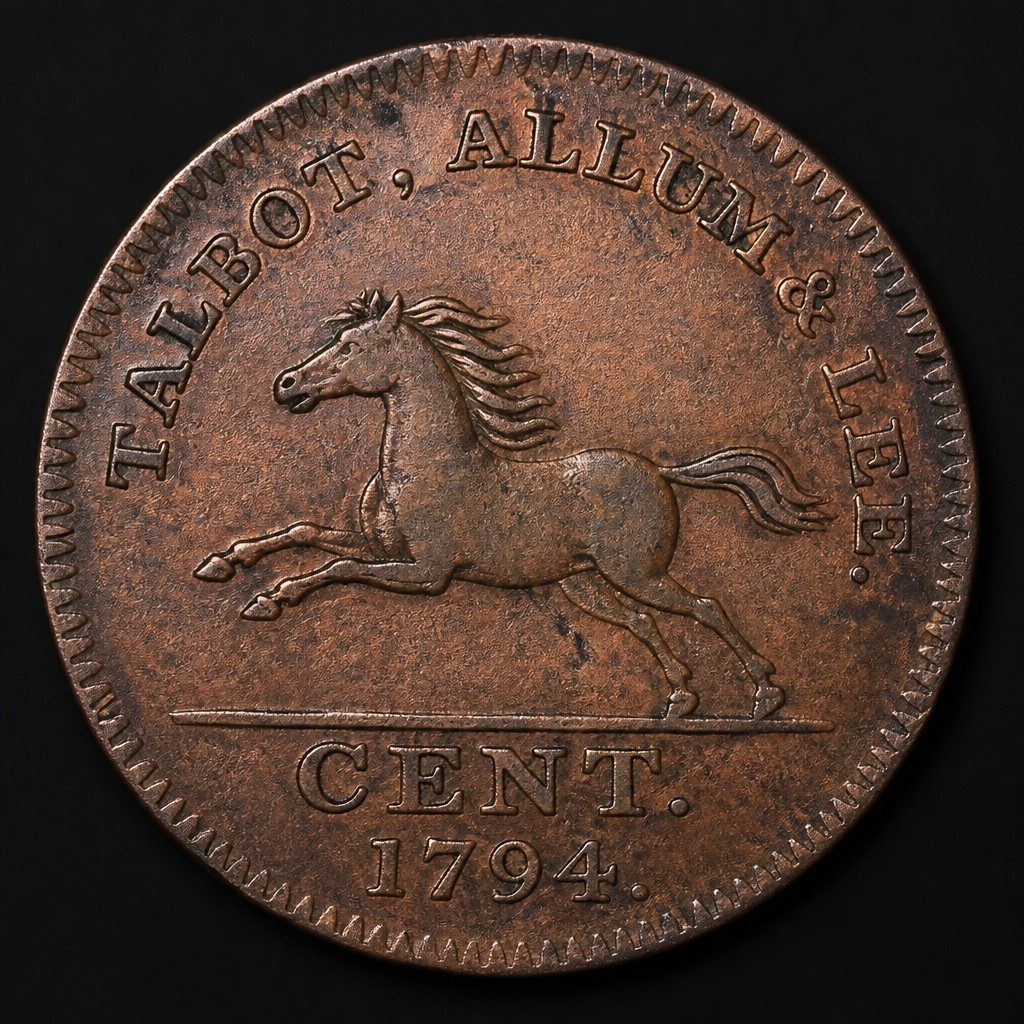
Talbot, Allum & Lee Cent
1794–1795
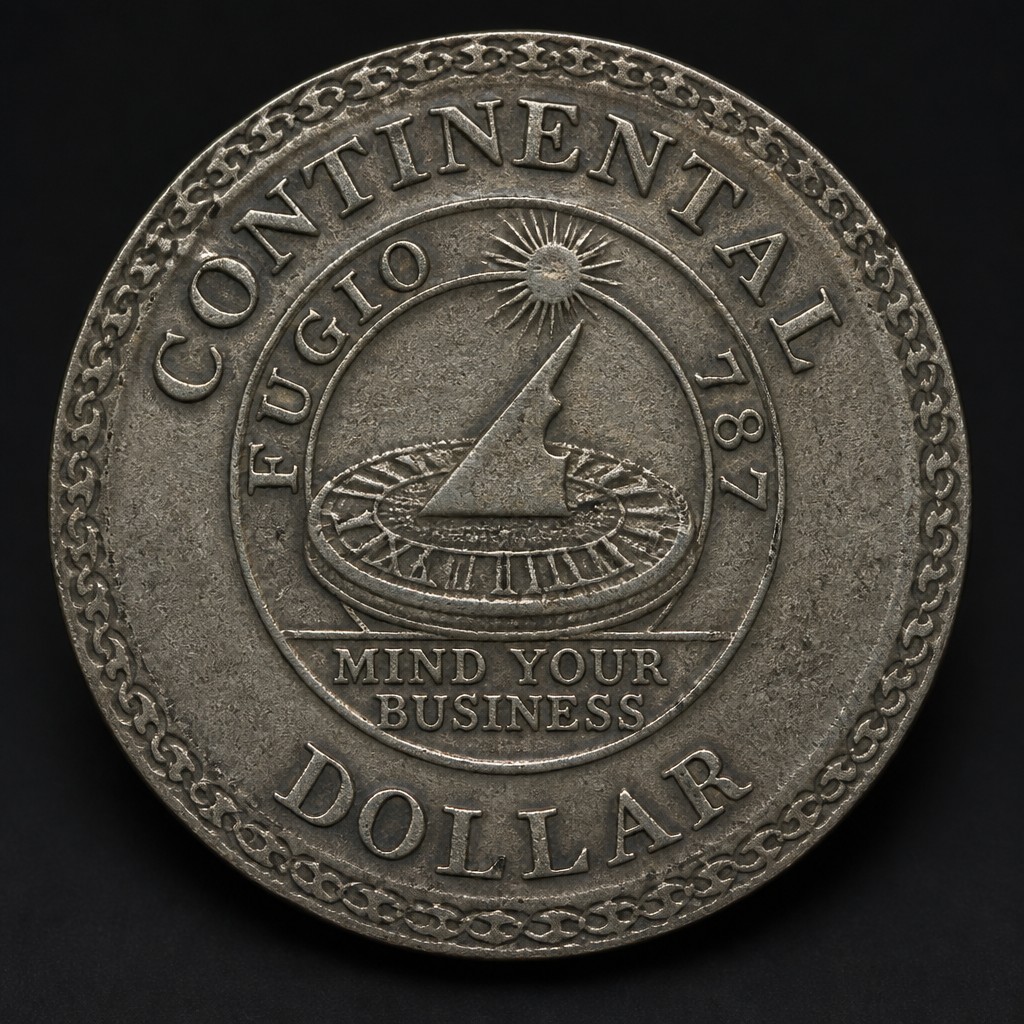
Continental Dollar
1776
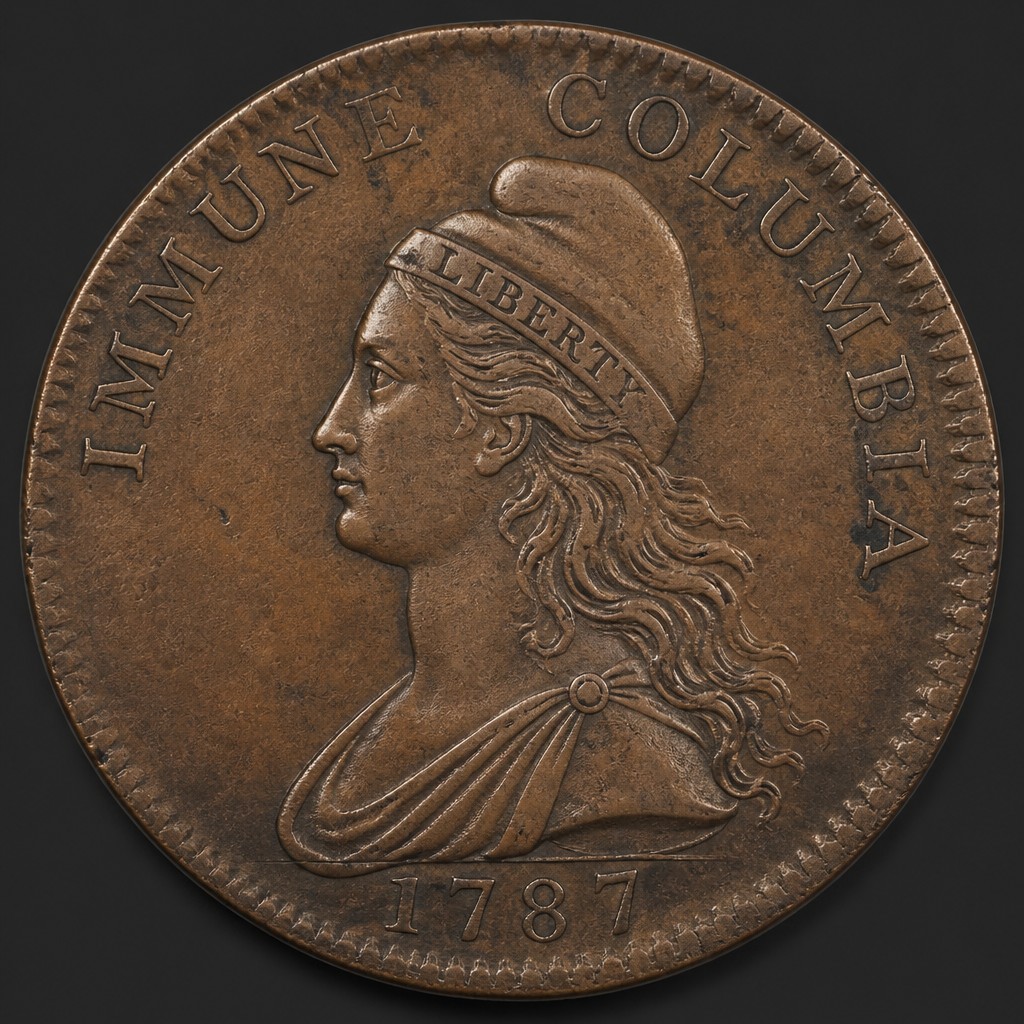
Immune Columbia Copper
circa 1785–1787
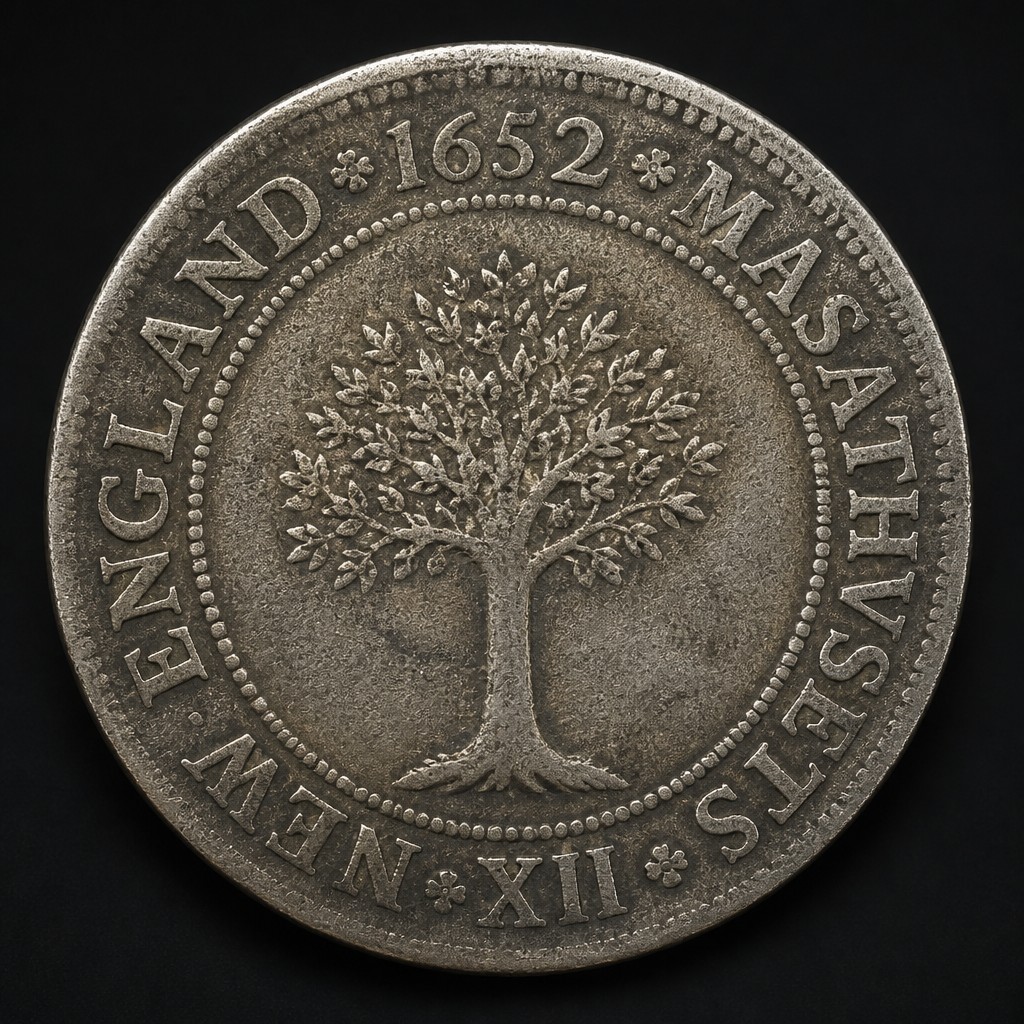
Massachusetts Oak Tree Shilling
Dated 1652, struck circa 1660–1667
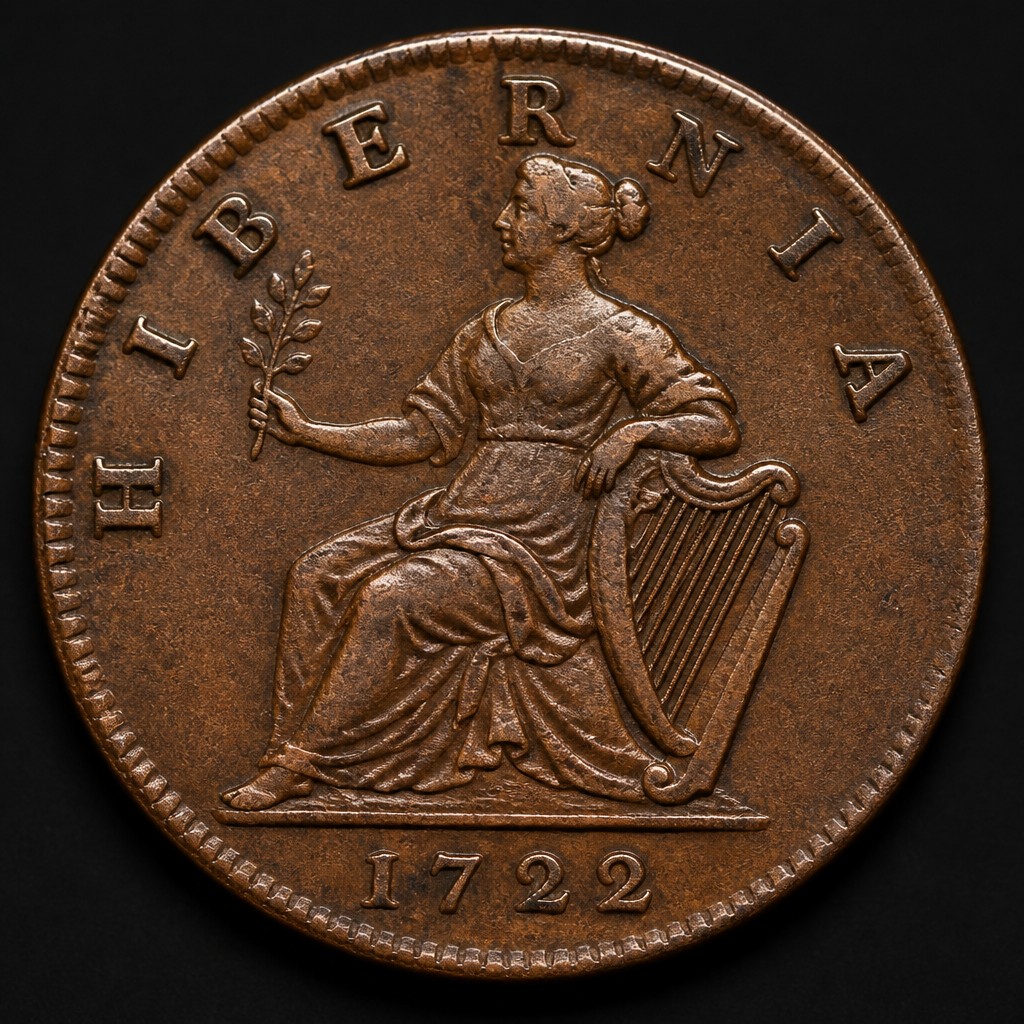
Wood's Hibernia Halfpenny
1722–1724
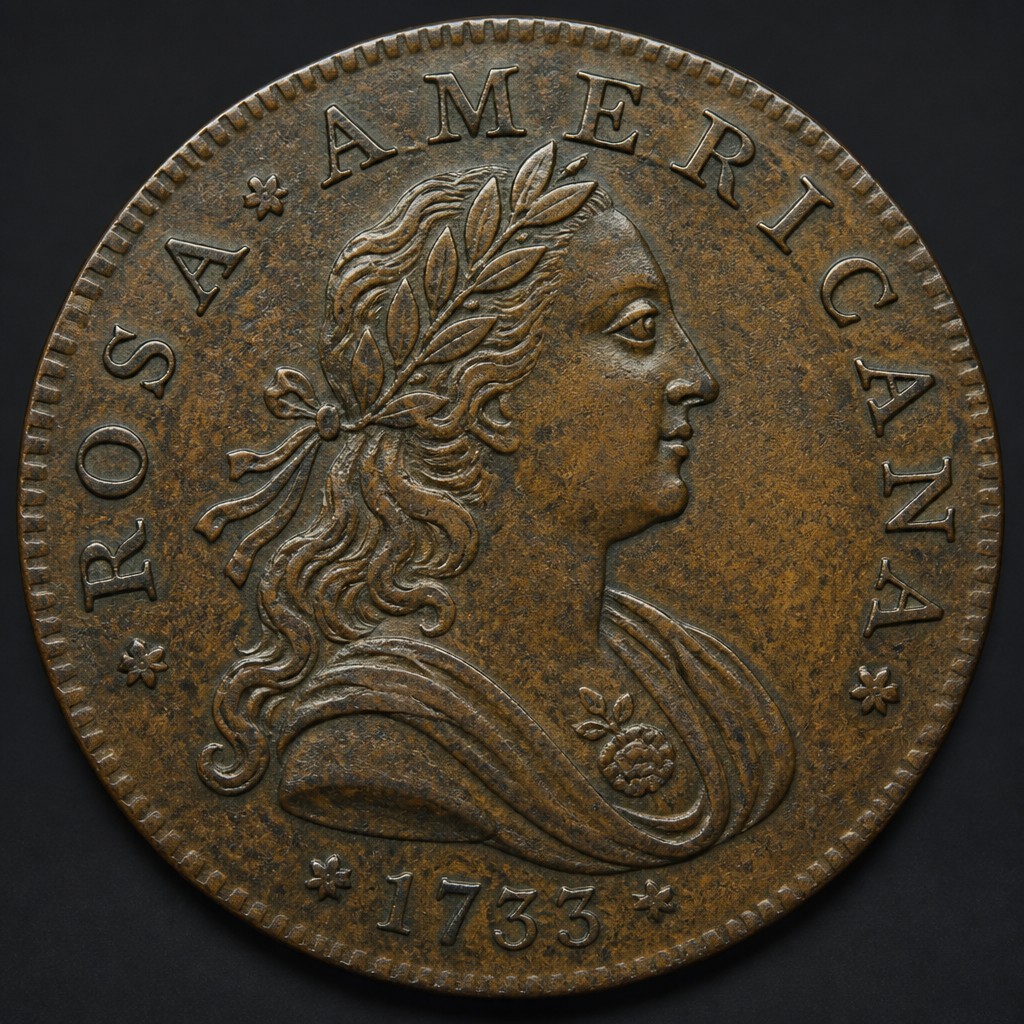
Rosa Americana Coinage
1722–1724 (with pattern issues dated 1733)
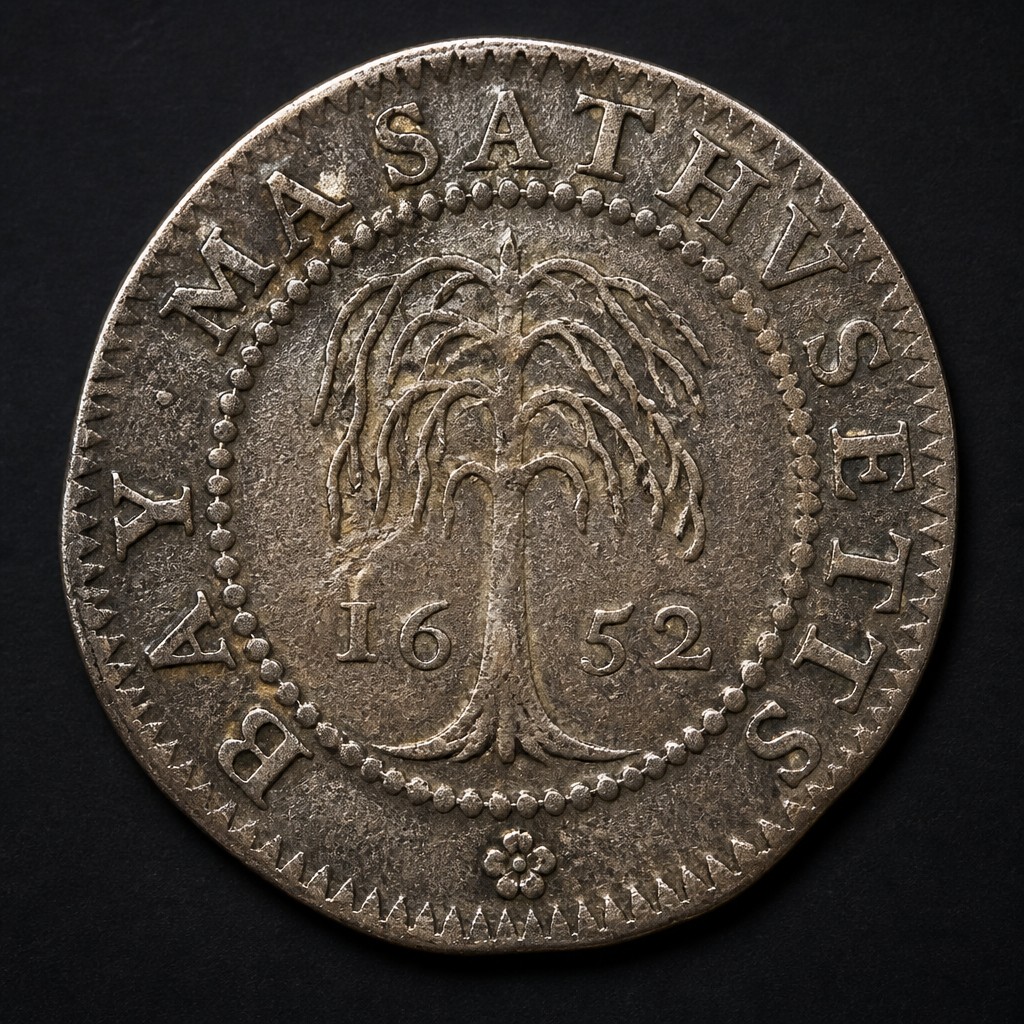
Massachusetts Willow Tree Shilling
Dated 1652, struck circa 1653–1660