
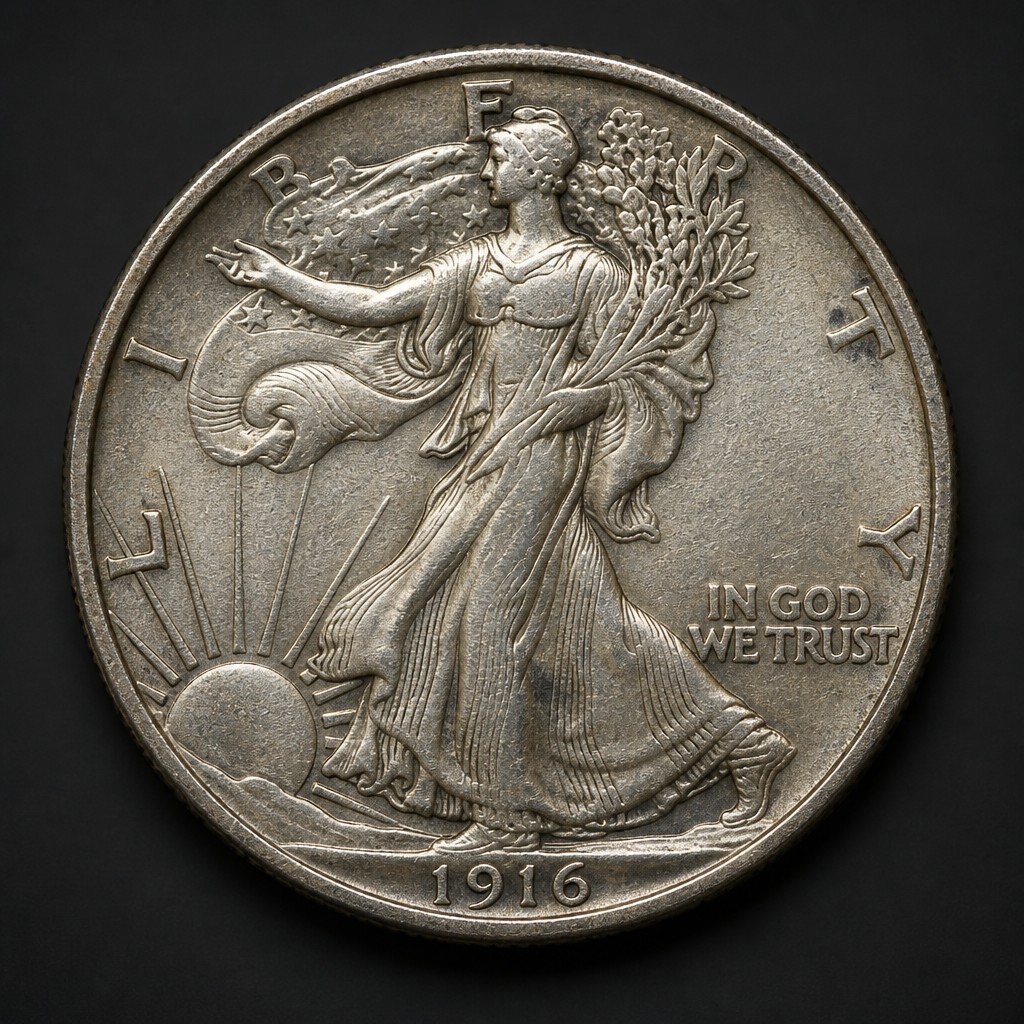
1916 Walking Liberty Half Dollar
First-year strike of Adolph Weinman's celebrated Walking Liberty design, prized by collectors for its beauty and for the obverse mintmark unique to 1916 and early 1917.
- Country
- United States
- Denomination
- Half Dollar
- Metal
- 90% Silver, 10% Copper
Got a coin like this?
Identify any coin from a photo, free.
Overview
The 1916 Walking Liberty half dollar launched one of the most admired coin designs in American history. Sculptor Adolph A. Weinman's flowing image of Liberty striding toward a rising sun, wrapped in the American flag, is widely regarded as a high point of early 20th-century US coinage art.
As the debut issue of a design that would run through 1947 (and later inspire the modern American Silver Eagle), 1916 pieces hold special appeal for type collectors and date-set builders alike. Because the total mintage across all three mints was comparatively small, worthwhile examples are noticeably tougher to locate than half dollars from the following decade.
History & Background
In 1915, the US Mint sought fresh designs for the dime, quarter, and half dollar as the minimum 25-year period required by law before a design could be changed had elapsed for the Barber coinage. Weinman, a student of Augustus Saint-Gaudens, won the commission for both the dime (Mercury dime) and the half dollar.
The half dollar entered production in the final months of 1916, giving the year a shorter production run and comparatively low mintages at all three mints. Weinman's reverse, an eagle perched on a rocky outcrop with a mountain pine sprig, complemented the obverse's patriotic imagery drawn from the buildup to America's entry into World War I.
How to Identify
Obverse: A full-length figure of Liberty strides toward the dawn, draped in the American flag and cradling laurel and oak branches in her left arm, with the sun's rays rising behind her. "LIBERTY" arcs across the top and "IN GOD WE TRUST" appears to the lower right.
Reverse: An eagle stands on a rocky perch with wings partly raised, a sprig of mountain pine beside it. "UNITED STATES OF AMERICA" arcs above, "HALF DOLLAR" below, and "E PLURIBUS UNUM" runs diagonally to the left.
The defining identification point for 1916 (and some early 1917 pieces) is mintmark placement: the D or S mintmark sits on the obverse, near the lower left rim below the motto, rather than on the reverse where it appears on later dates of the series.
Value & Collectibility
All 1916 mintmark varieties are scarcer than typical dates from the 1940s, and the Denver and San Francisco issues are especially sought after in higher grades. Well-worn circulated examples can run from roughly a hundred dollars into the low hundreds, while problem-free coins in About Uncirculated or Mint State condition climb substantially higher, with gem-quality pieces reaching into the thousands or more.
As with most classic silver coinage, originality of surfaces, strike quality, and eye appeal matter as much as the assigned grade when it comes to price.
Frequently asked questions
Why does the 1916 half dollar have the mintmark on the front?
The US Mint placed the D or S mintmark on the obverse only for 1916 and part of 1917 before moving it to the reverse for the remainder of the series.
Is the 1916 Walking Liberty half dollar rare?
It is not the rarest date of the series, but its low first-year mintage makes it scarcer and more valuable than most dates from the 1940s.
What metal is it made of?
It is struck in 90% silver and 10% copper, the standard US silver coin alloy of the era.
How can I tell a 1916 from a later Walking Liberty half?
Check the obverse near the rim below the motto for a D or S mintmark, a feature unique to 1916 and early 1917 coins.
Other coins you may enjoy
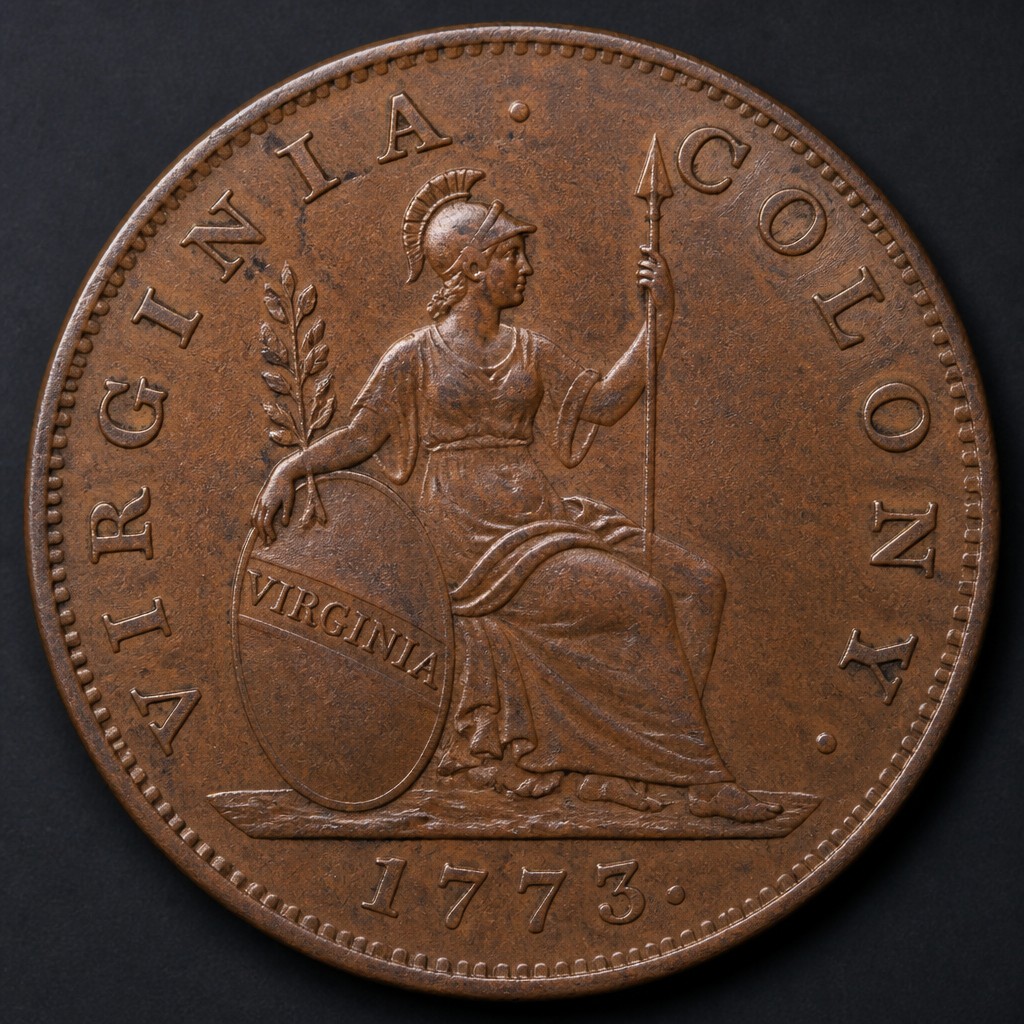
Virginia Halfpenny
1773
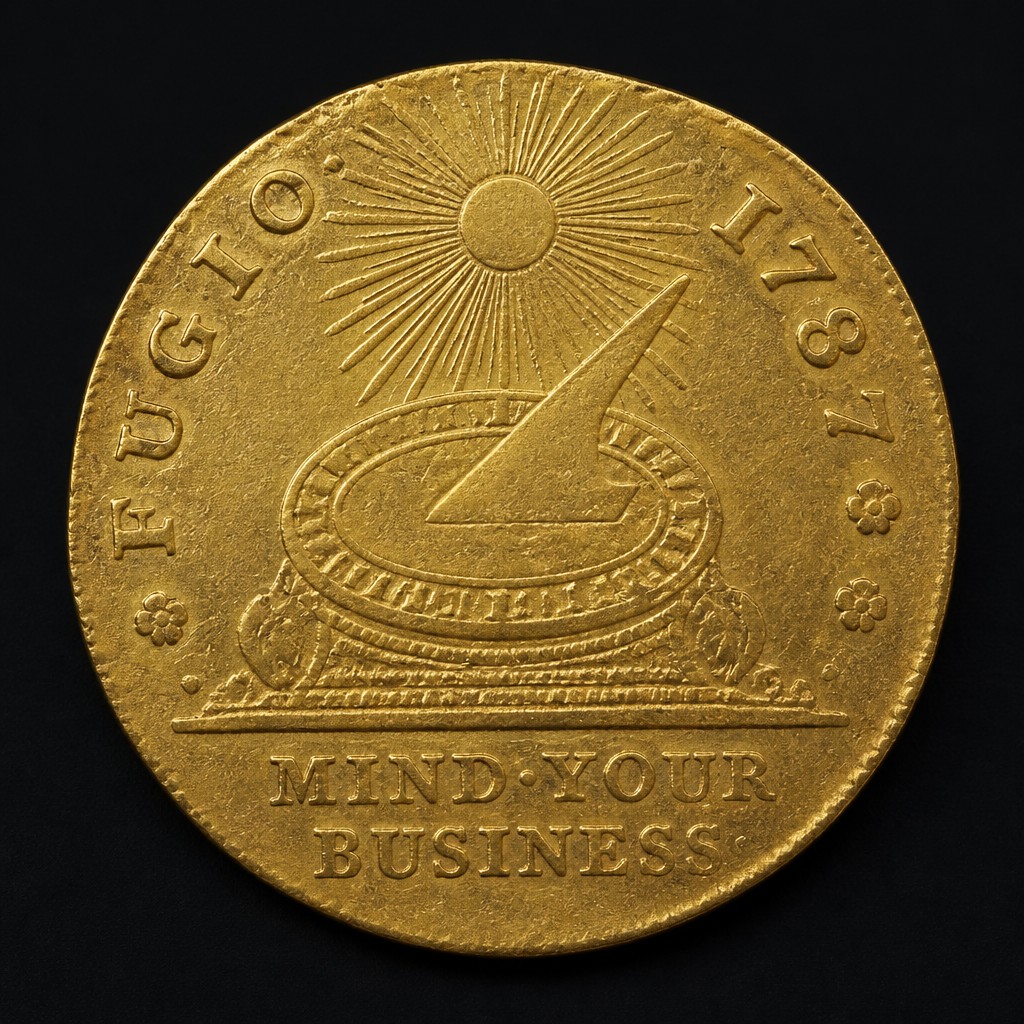
Brasher Doubloon
1787
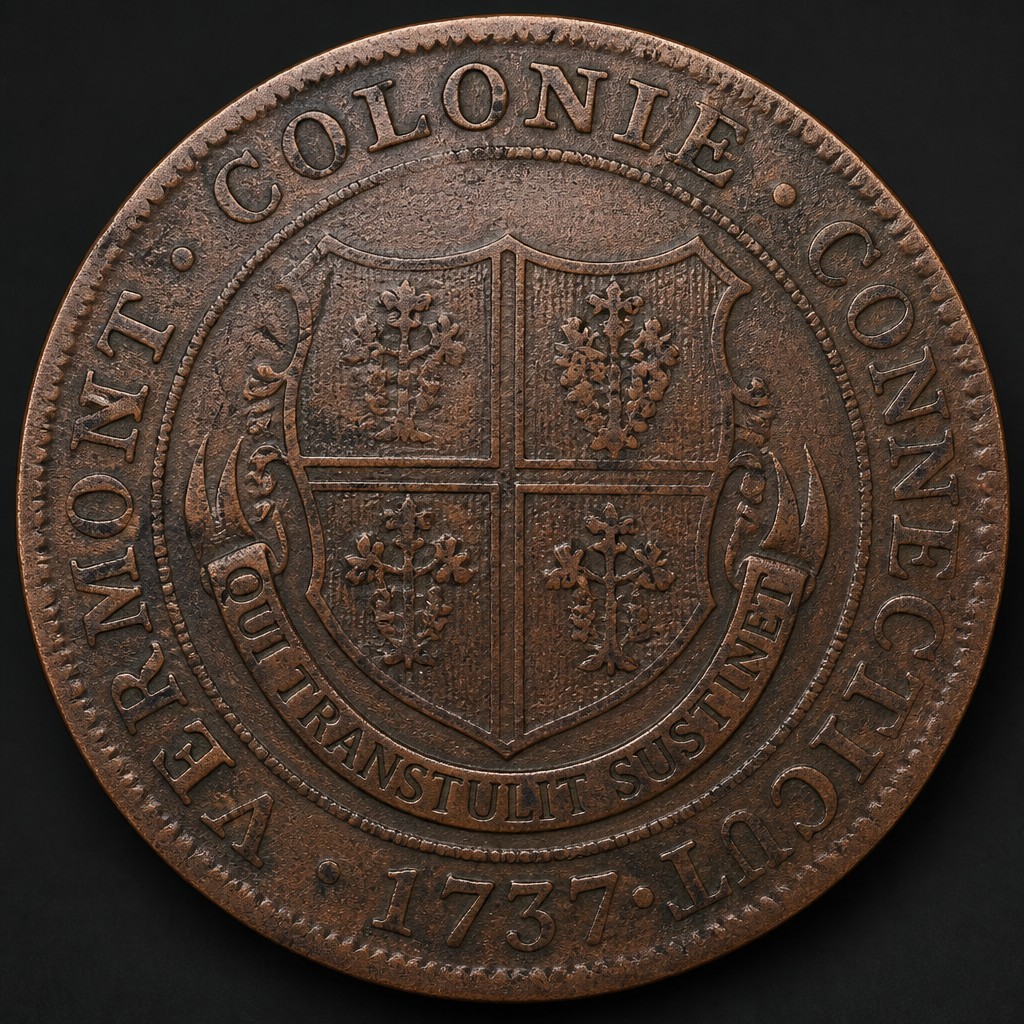
Higley Copper
1737–1739
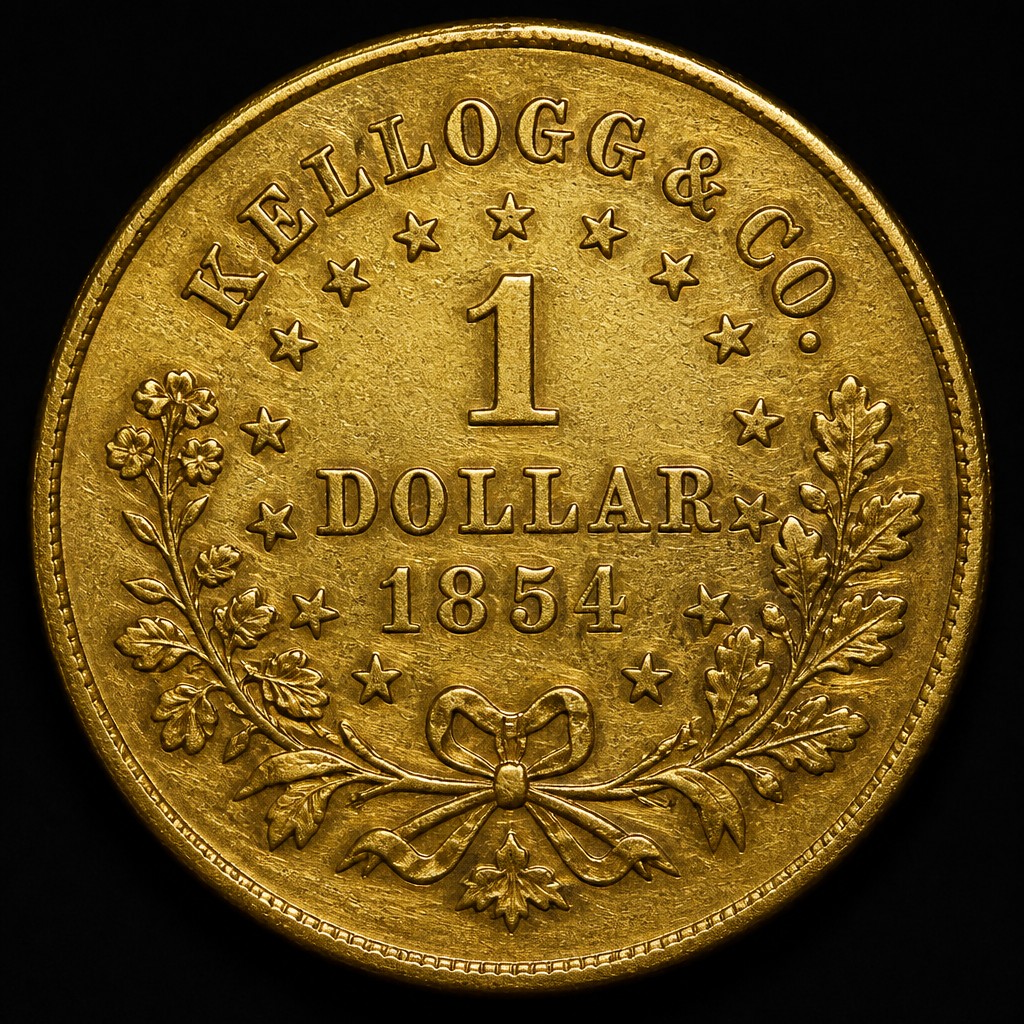
Kellogg & Co. Gold Piece
1854–1855
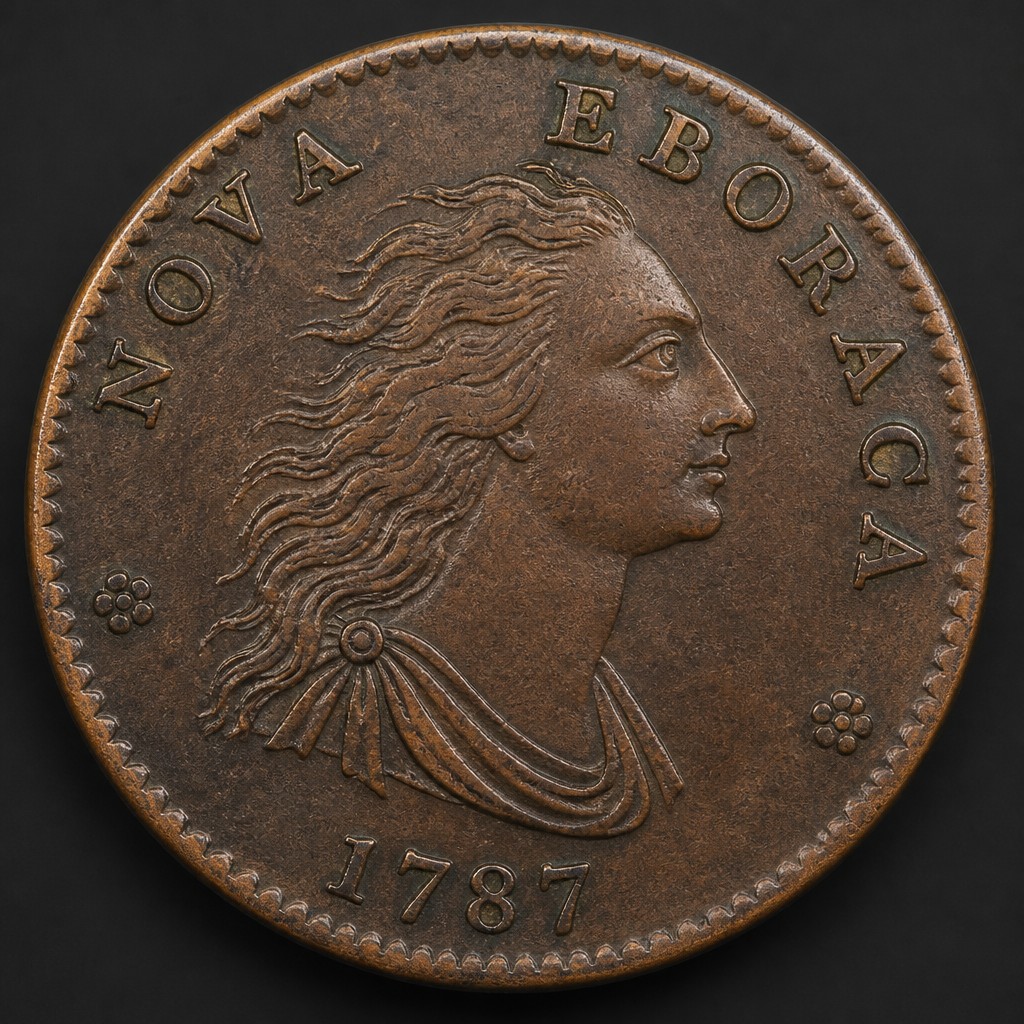
Nova Eborac Copper
1787
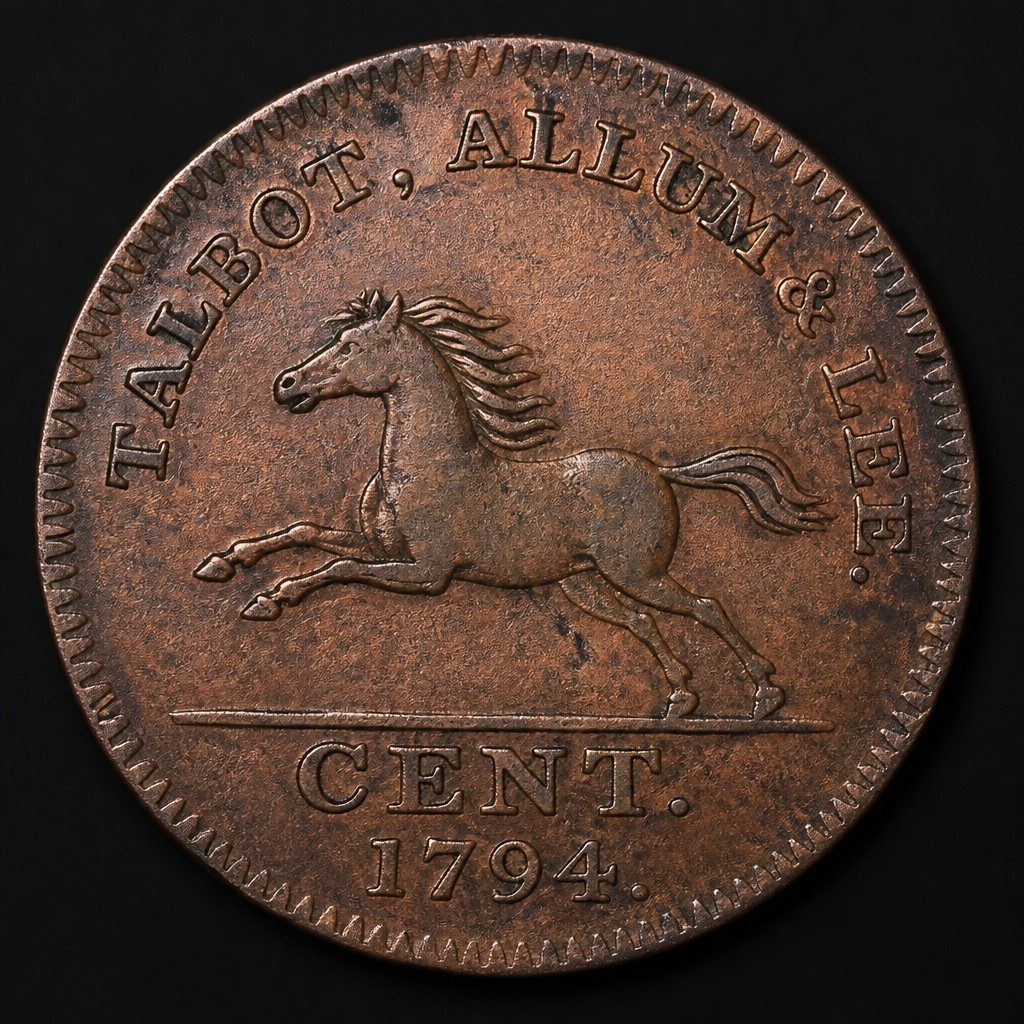
Talbot, Allum & Lee Cent
1794–1795
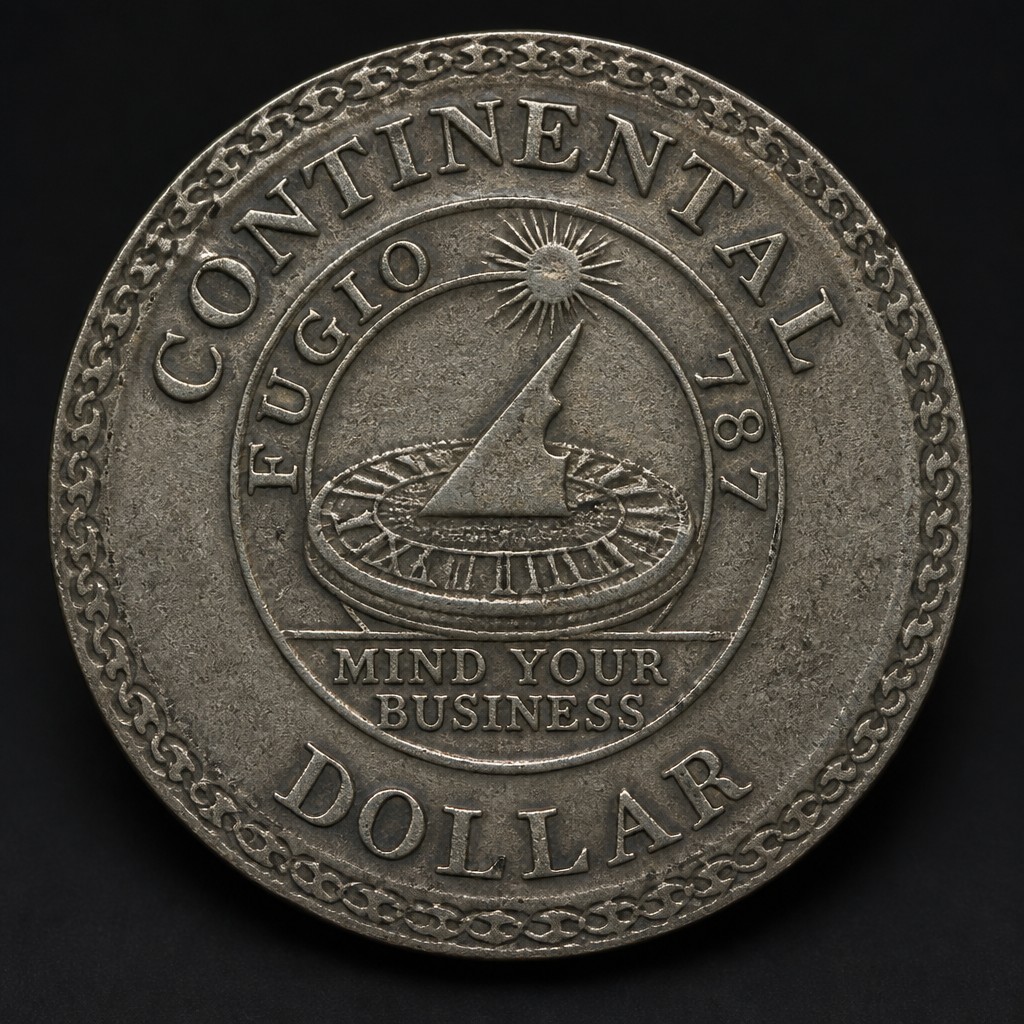
Continental Dollar
1776
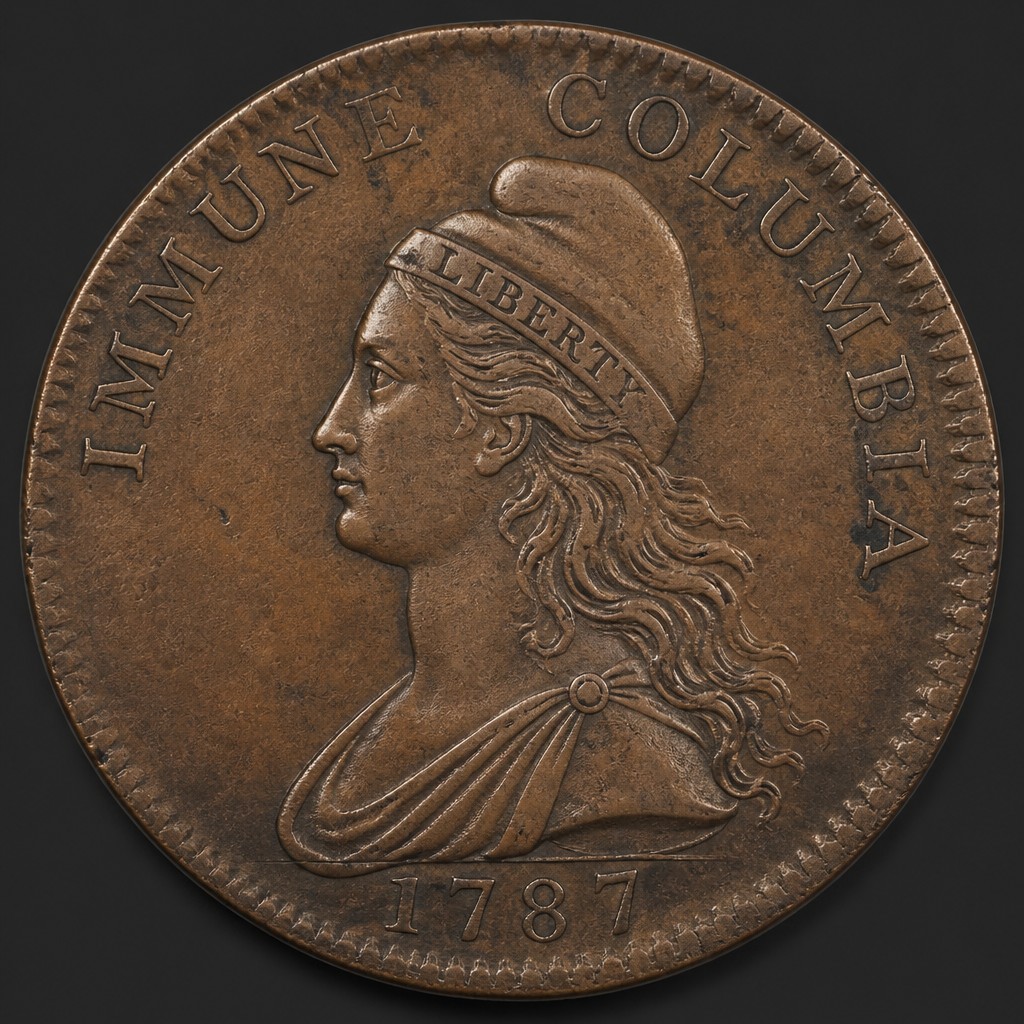
Immune Columbia Copper
circa 1785–1787
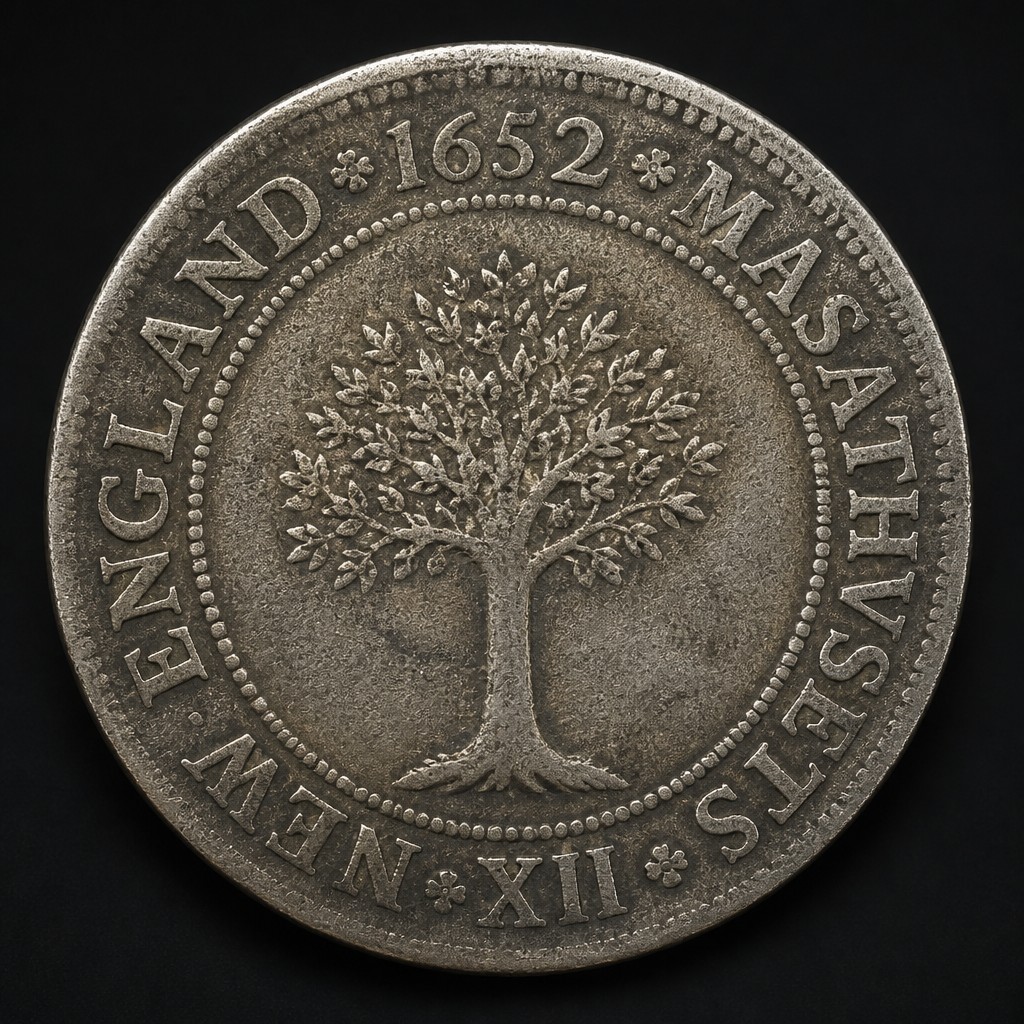
Massachusetts Oak Tree Shilling
Dated 1652, struck circa 1660–1667
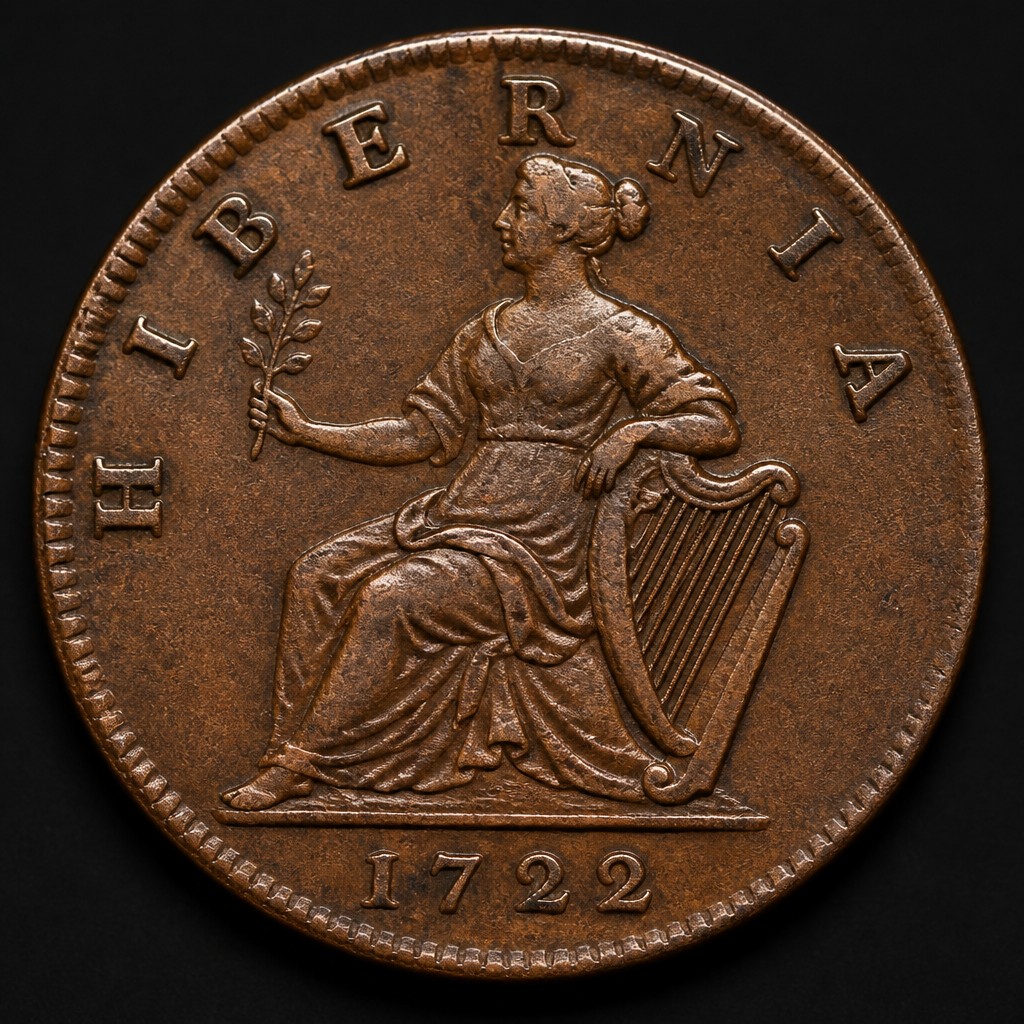
Wood's Hibernia Halfpenny
1722–1724
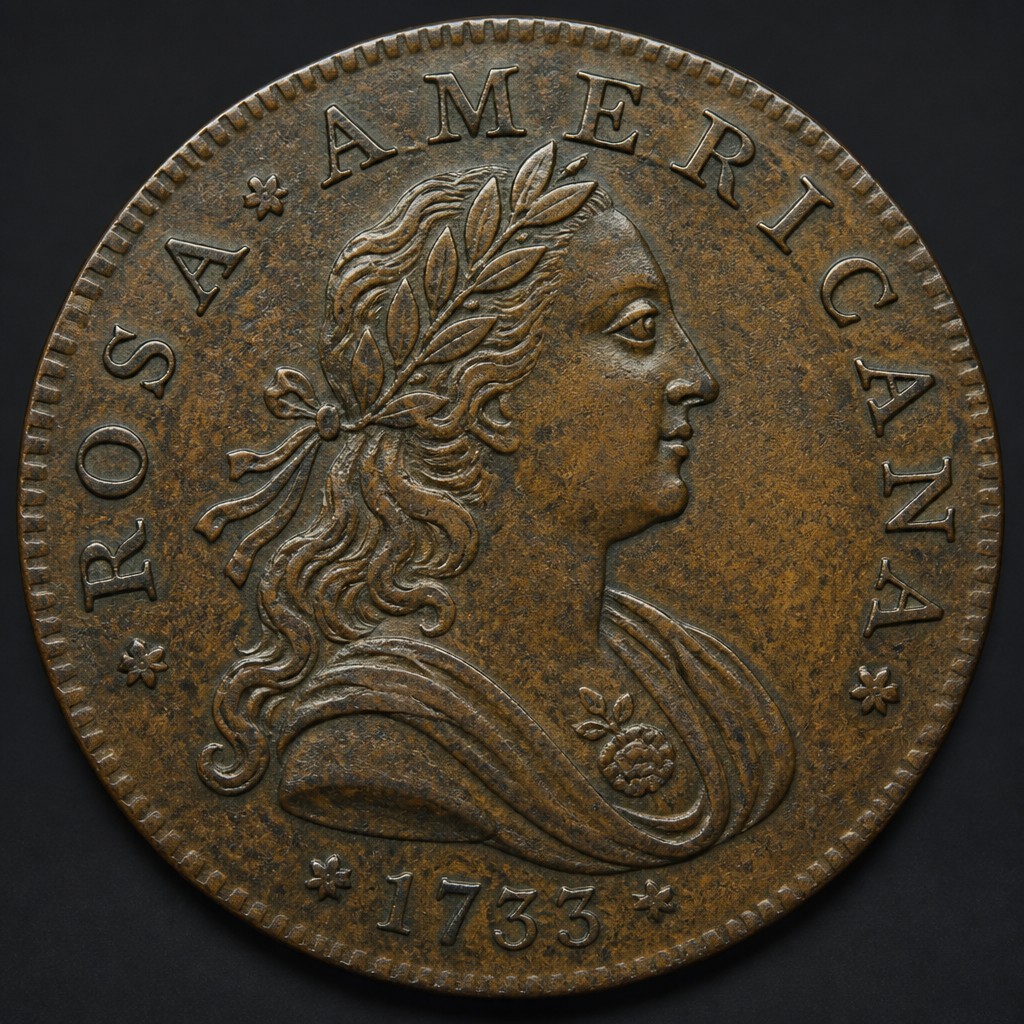
Rosa Americana Coinage
1722–1724 (with pattern issues dated 1733)
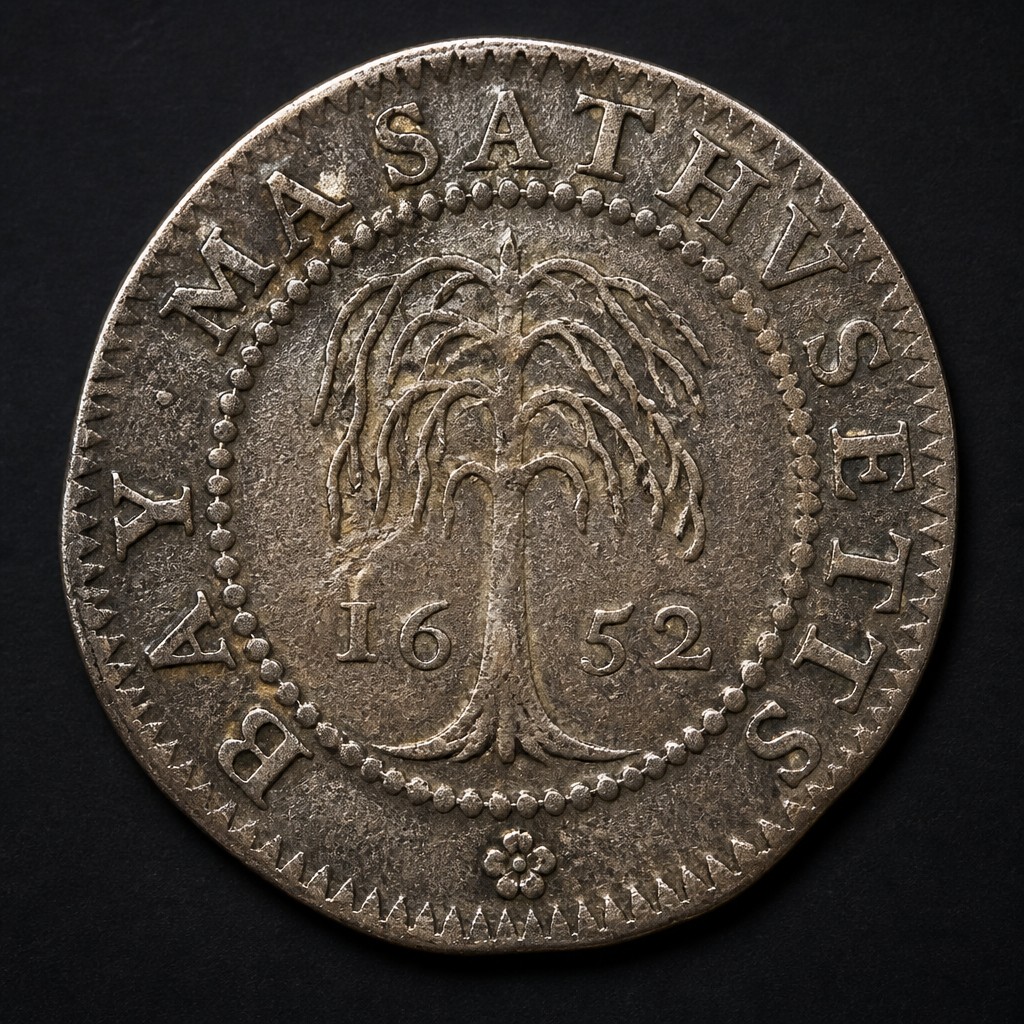
Massachusetts Willow Tree Shilling
Dated 1652, struck circa 1653–1660