
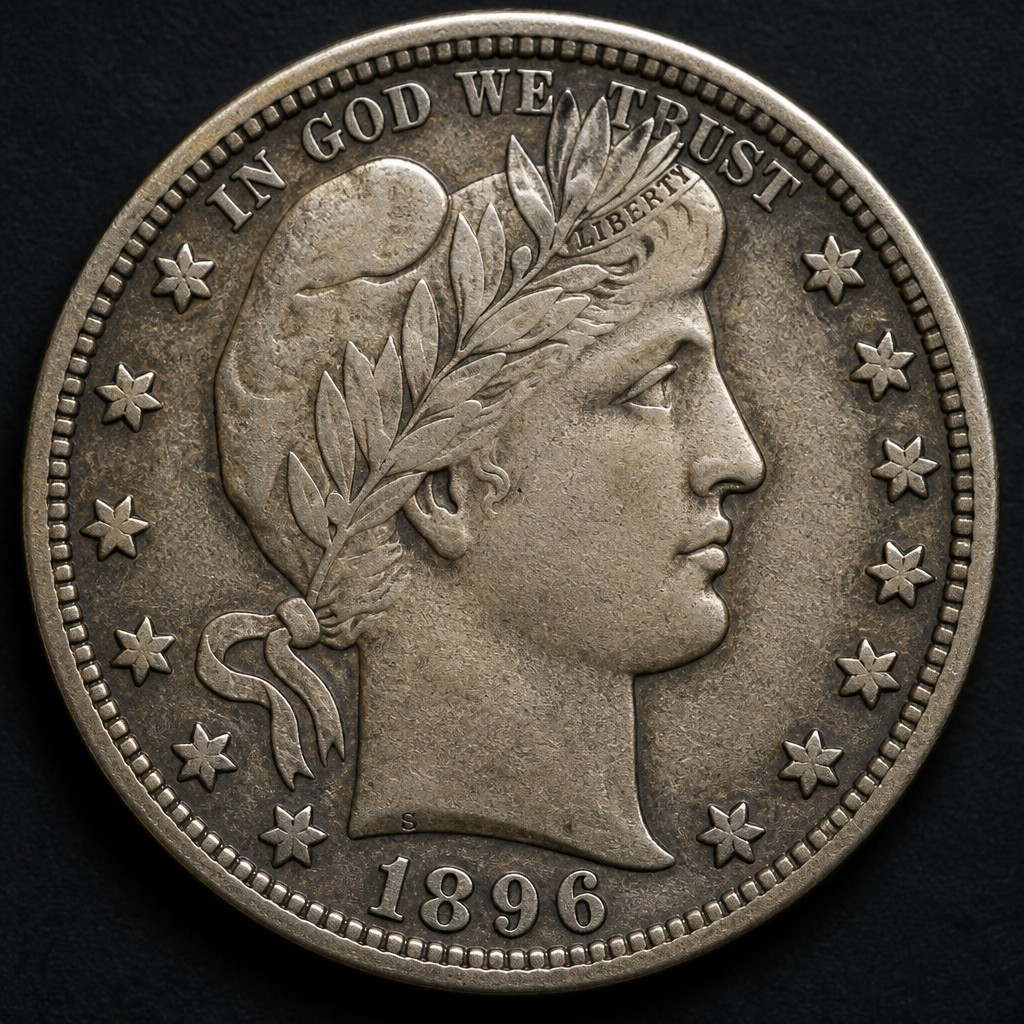
1896-S Barber Quarter
One of the three classic key dates of the Barber quarter series, valued for its low original mintage and the difficulty of finding problem-free survivors.
- Country
- United States
- Denomination
- Quarter Dollar
- Metal
- 90% Silver, 10% Copper
Got a coin like this?
Identify any coin from a photo, free.
Overview
The 1896-S is one of the most celebrated key dates in the Barber quarter series, standing alongside the 1901-S and 1913-S as coins that every advanced collector of the series seeks. Its combination of low mintage and heavy attrition through circulation has made it consistently scarce.
Because the date is well known to collectors, genuine examples are actively sought, and the coin serves as a benchmark of series difficulty for those assembling a complete Barber quarter date set.
History & Background
The Barber quarter, designed by Charles E. Barber, began production in 1892 as part of a redesign of the nation's silver coinage. In 1896 the San Francisco Mint struck a comparatively small number of quarters, a shortfall that was not widely appreciated by the public or collectors until decades later.
Most 1896-S quarters entered general circulation and were used heavily, so a large share of the coins that survive today show significant wear. Sharp, well-preserved examples are considerably rarer than the total surviving population might suggest.
How to Identify
The obverse presents Liberty's head facing right, wearing a laurel-wreathed Phrygian cap lettered LIBERTY, ringed by thirteen stars with the date beneath. The reverse shows a heraldic eagle grasping arrows and an olive branch with a shield on its chest, bordered by UNITED STATES OF AMERICA and QUARTER DOLLAR.
The S mintmark sits on the reverse just below the eagle. As with other scarce Barber quarters, buyers should compare the mintmark closely to authenticated examples, since high-value dates in this series have occasionally attracted counterfeit or altered mintmarks.
Value & Collectibility
The 1896-S commands strong prices even in heavily circulated grades because of its recognized scarcity, with values increasing markedly as grade improves. Mint state examples are quite rare and bring significant premiums.
As a widely recognized key date, its value is well documented in price guides, though actual sale prices vary with eye appeal, originality, and whether the coin has been cleaned or otherwise impaired.
Frequently asked questions
Why is the 1896-S considered a key date?
It had a low original mintage and heavy circulation losses, leaving relatively few surviving examples in any grade.
How do I identify the mintmark on a Barber quarter?
Look on the reverse just below the eagle for a small letter; an S denotes the San Francisco Mint.
Are there other key dates in the Barber quarter series?
Yes, the 1901-S and 1913-S are also widely recognized as major key dates.
Does cleaning affect the value of an 1896-S?
Yes, cleaning or other surface impairment typically reduces value compared to an original, problem-free coin of similar wear.
Other coins you may enjoy
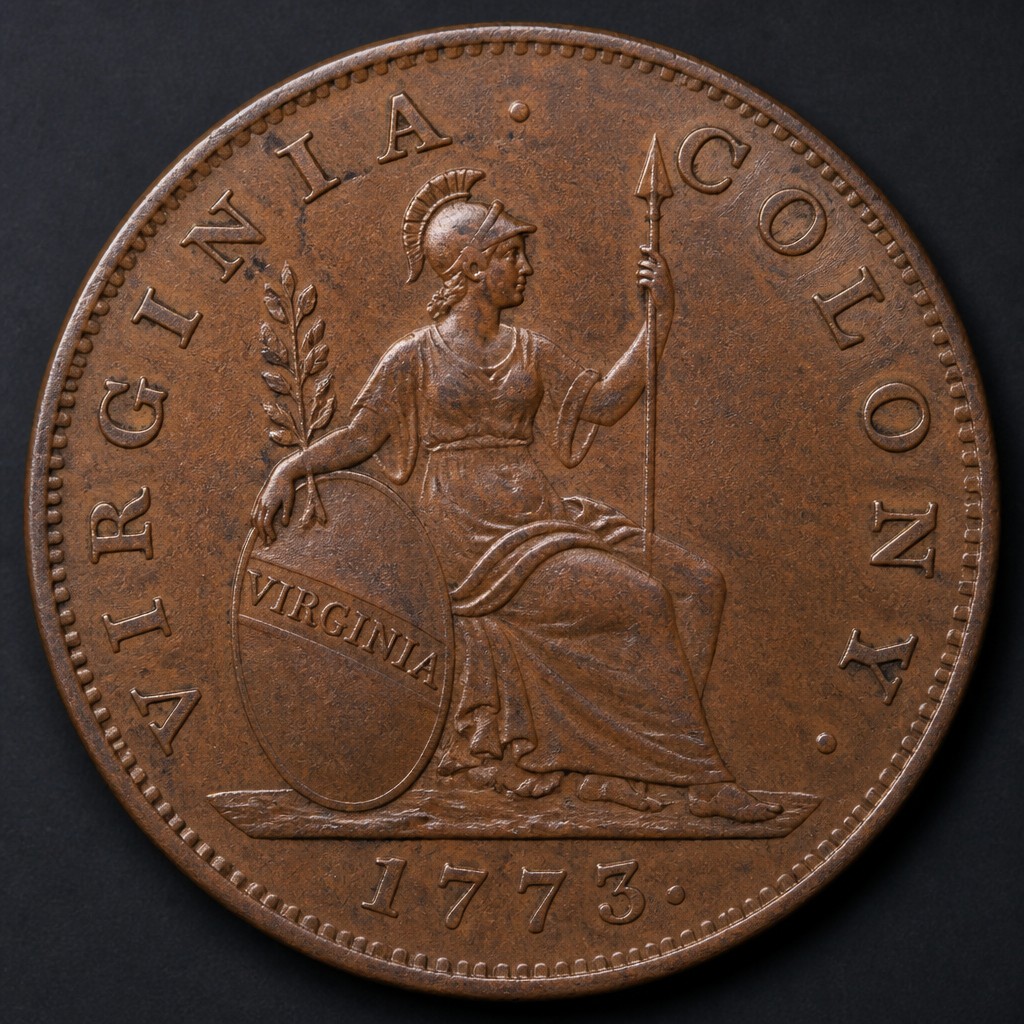
Virginia Halfpenny
1773
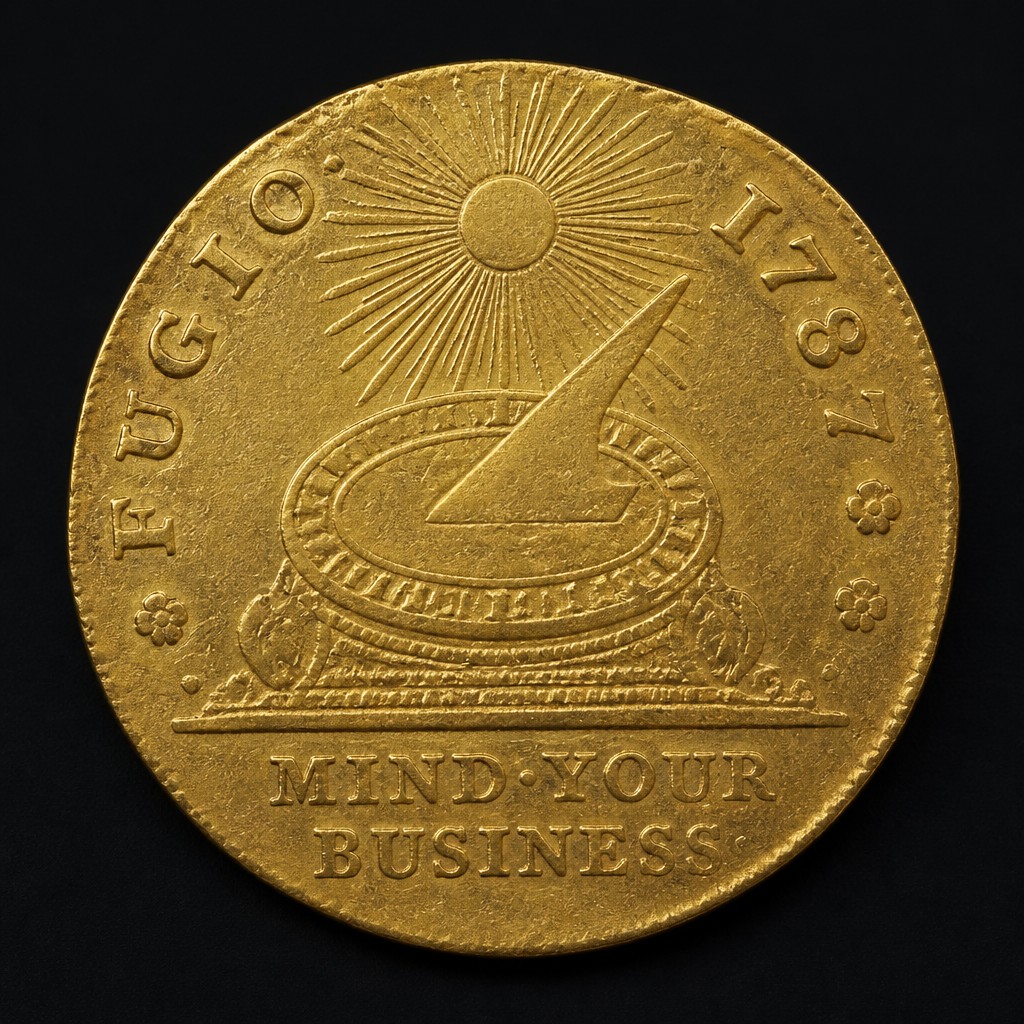
Brasher Doubloon
1787
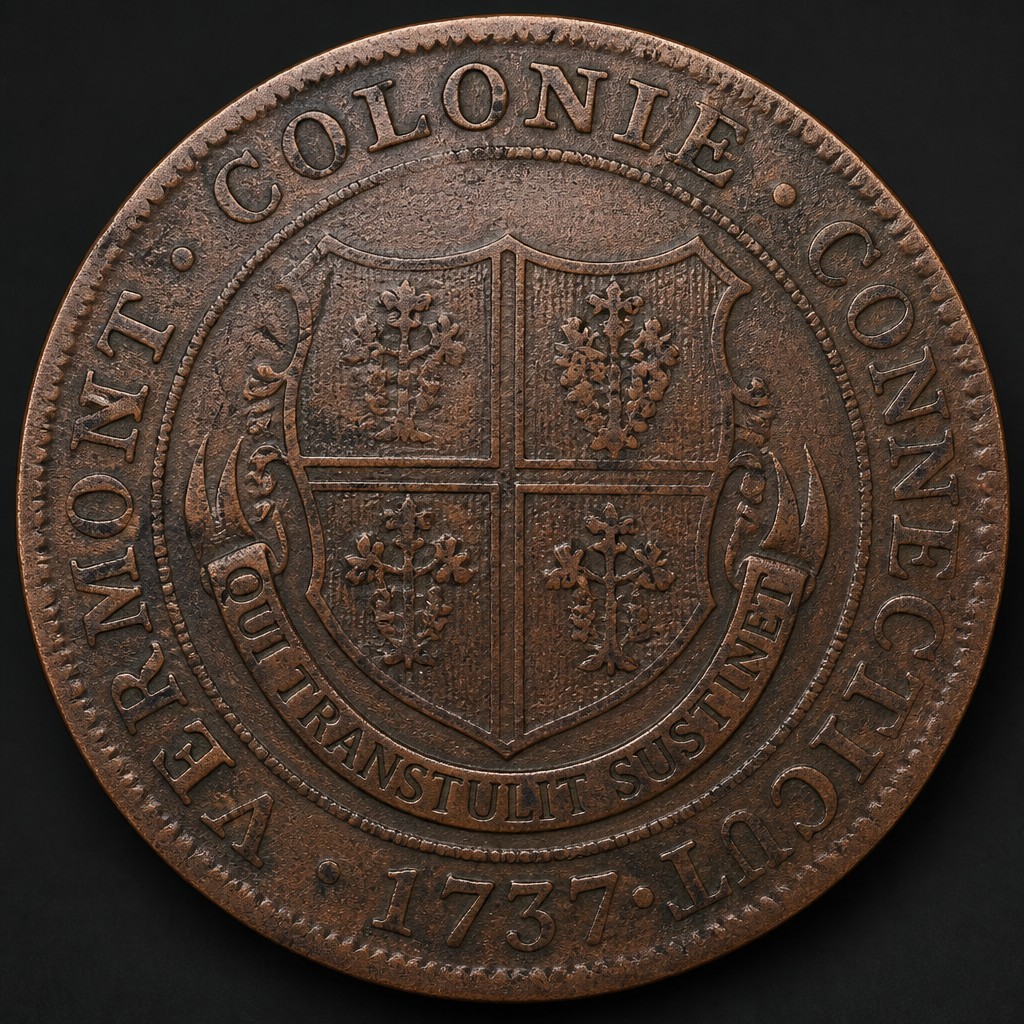
Higley Copper
1737–1739
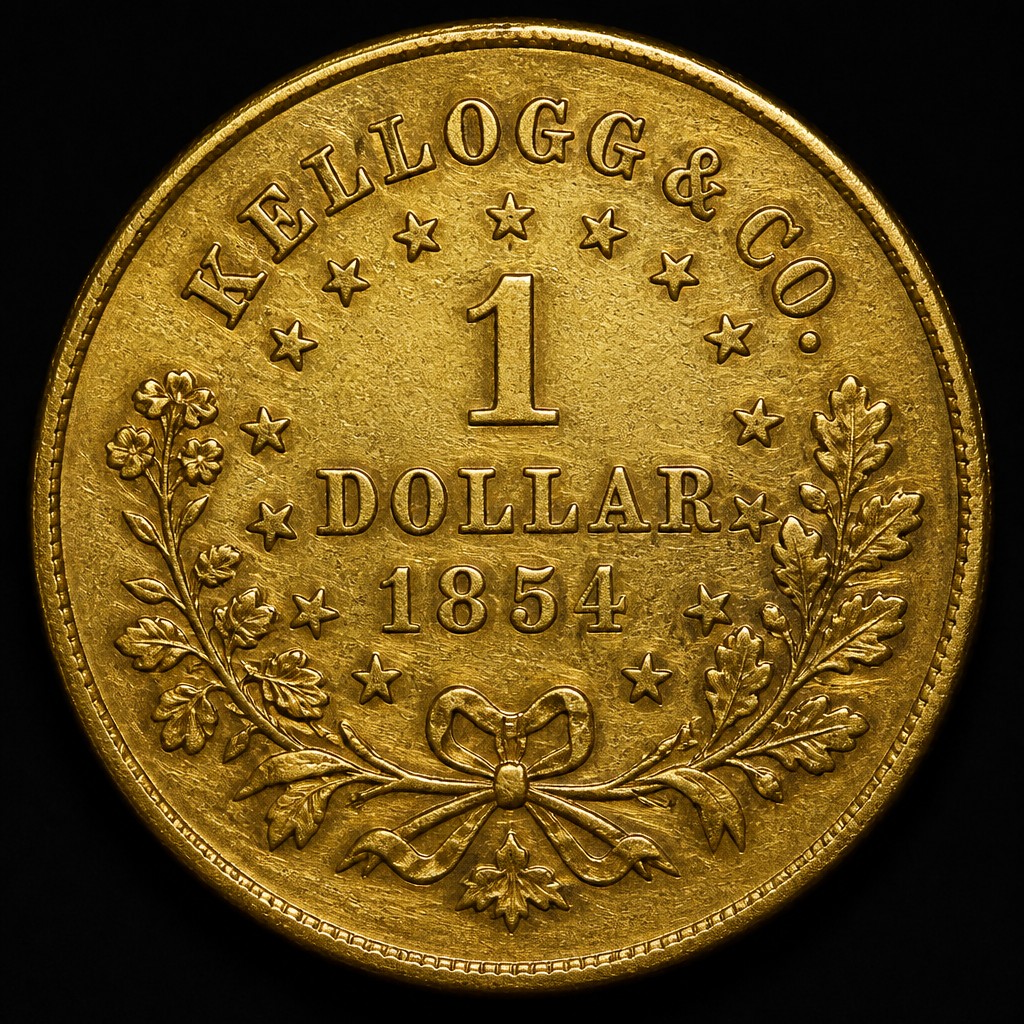
Kellogg & Co. Gold Piece
1854–1855
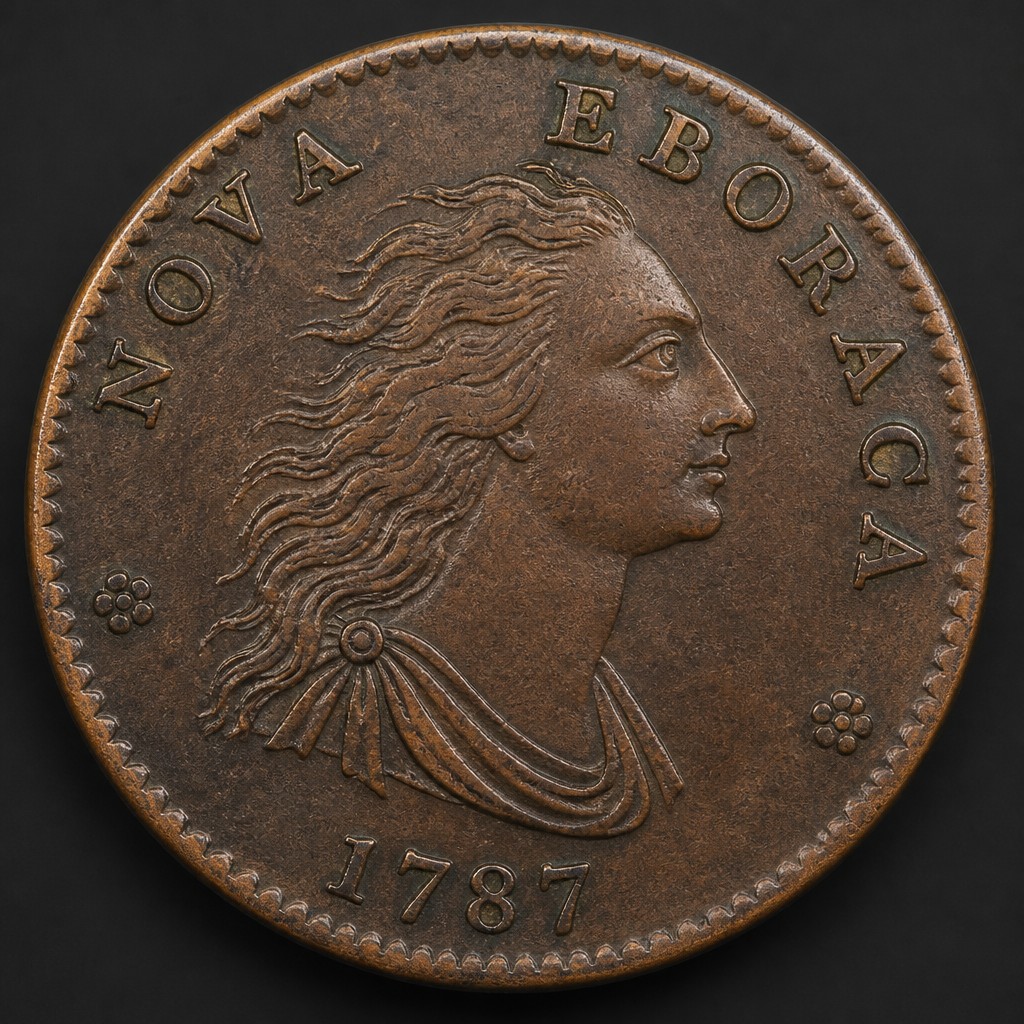
Nova Eborac Copper
1787
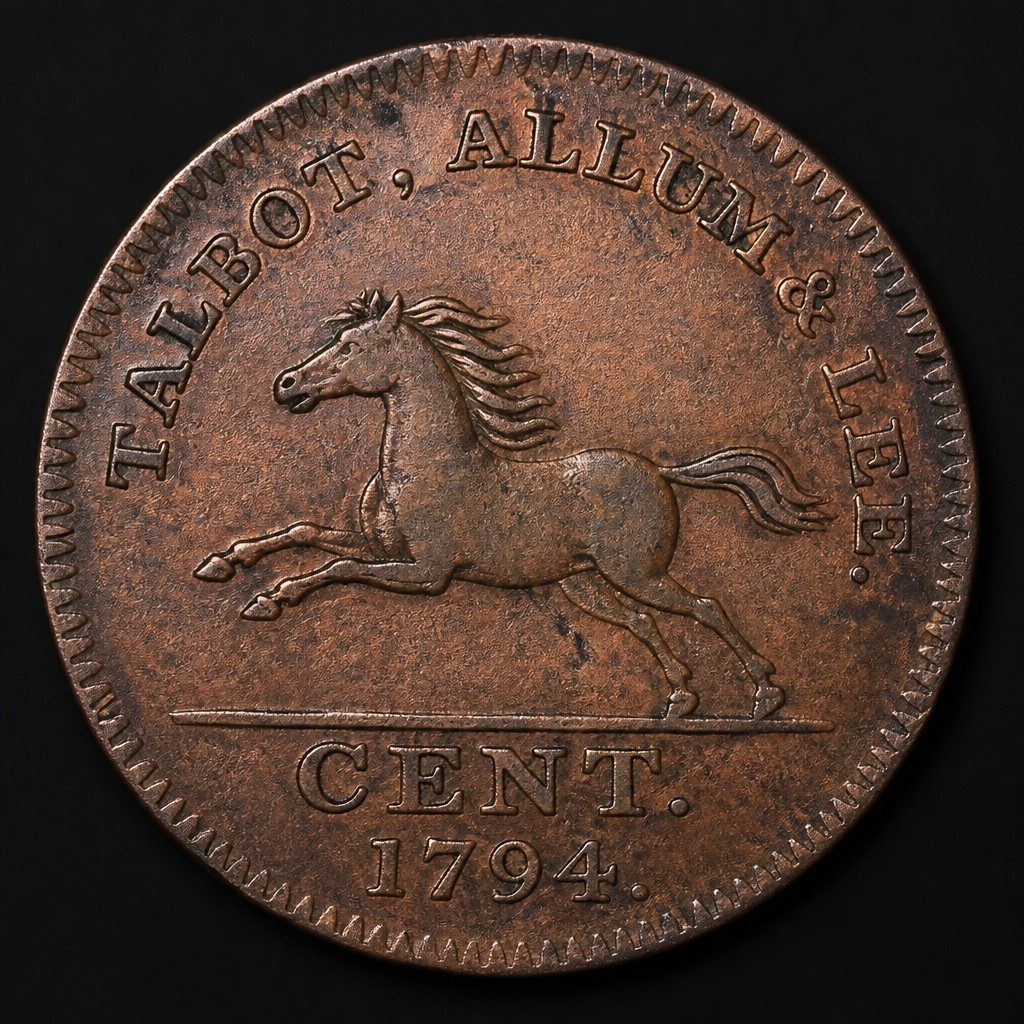
Talbot, Allum & Lee Cent
1794–1795
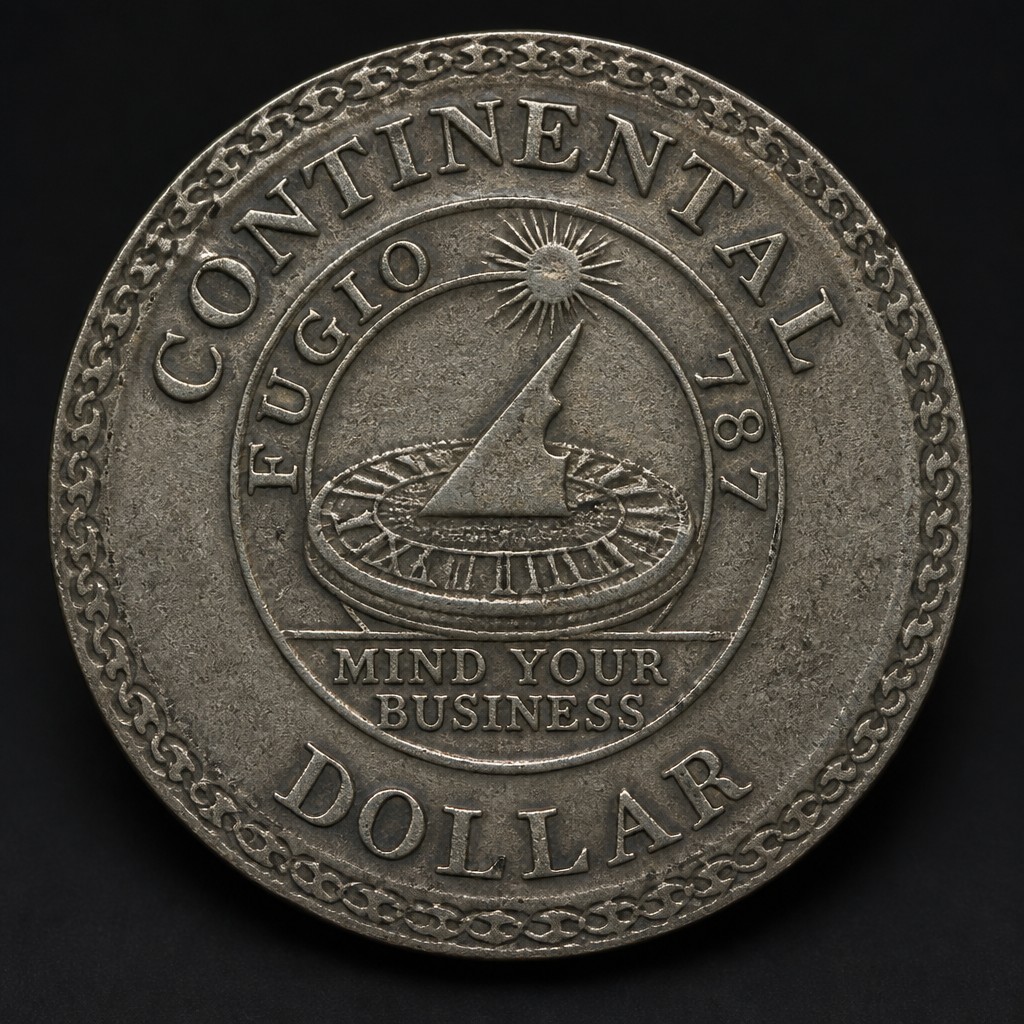
Continental Dollar
1776
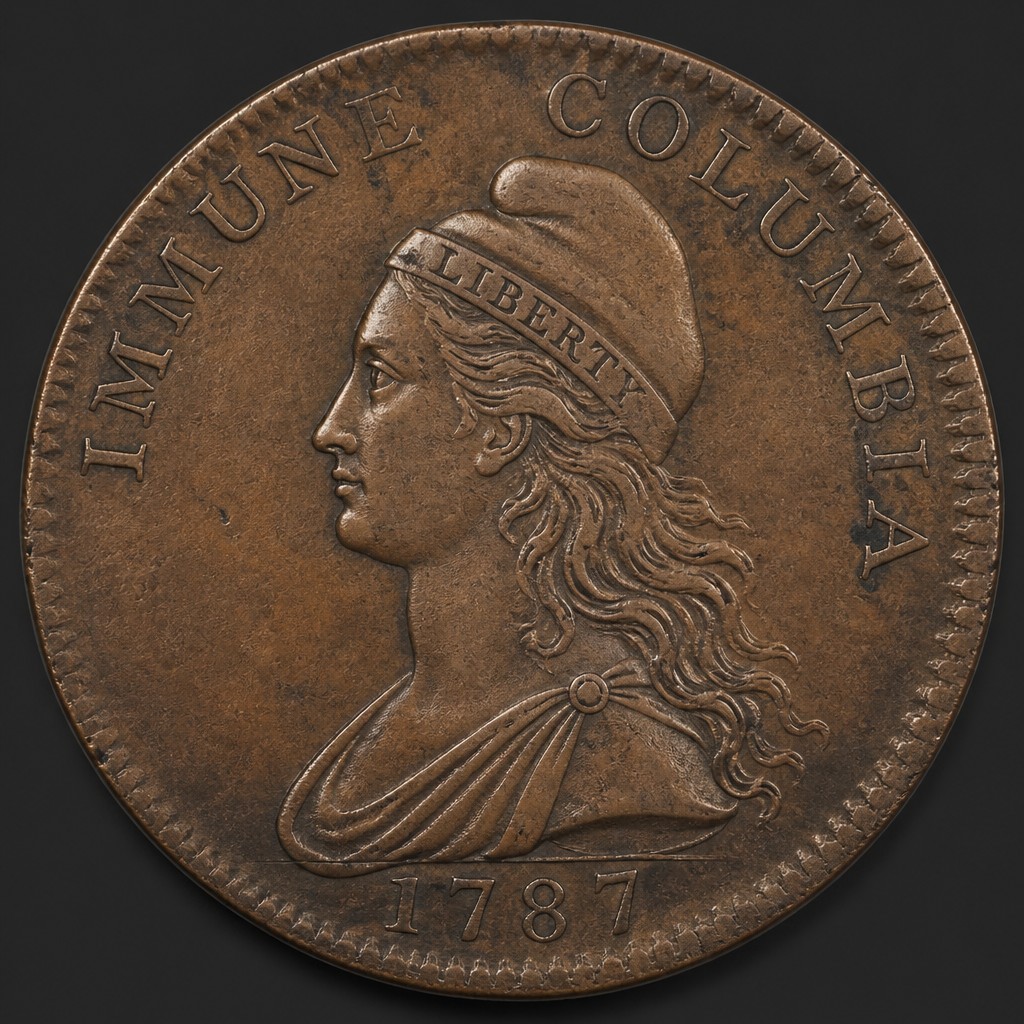
Immune Columbia Copper
circa 1785–1787
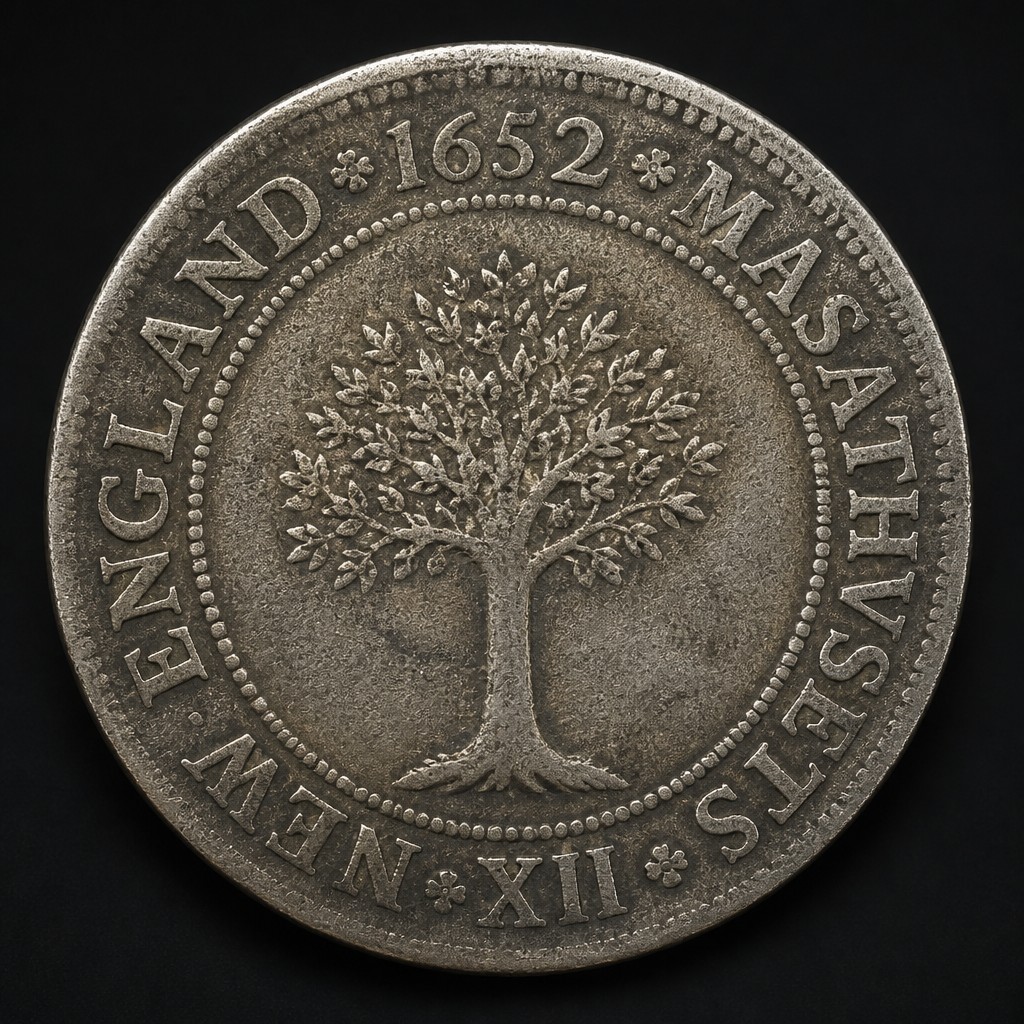
Massachusetts Oak Tree Shilling
Dated 1652, struck circa 1660–1667
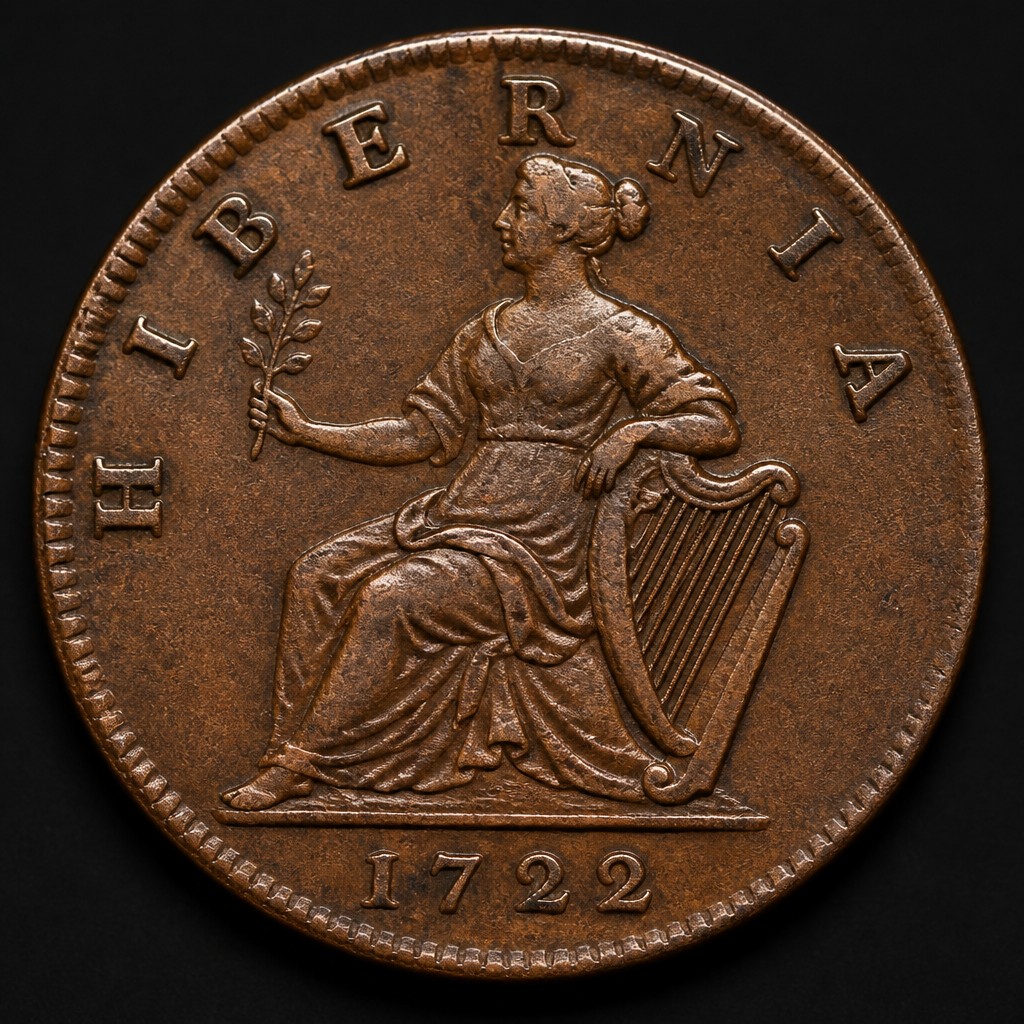
Wood's Hibernia Halfpenny
1722–1724
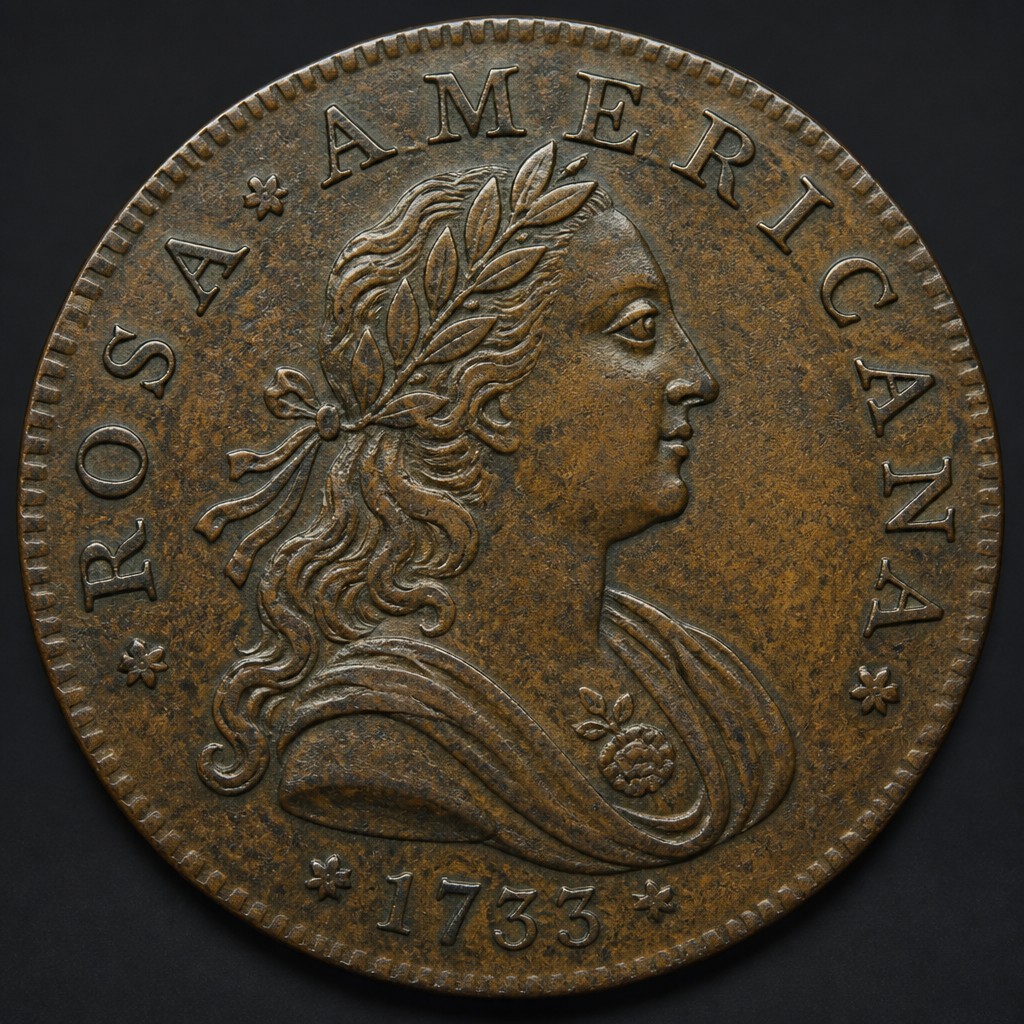
Rosa Americana Coinage
1722–1724 (with pattern issues dated 1733)
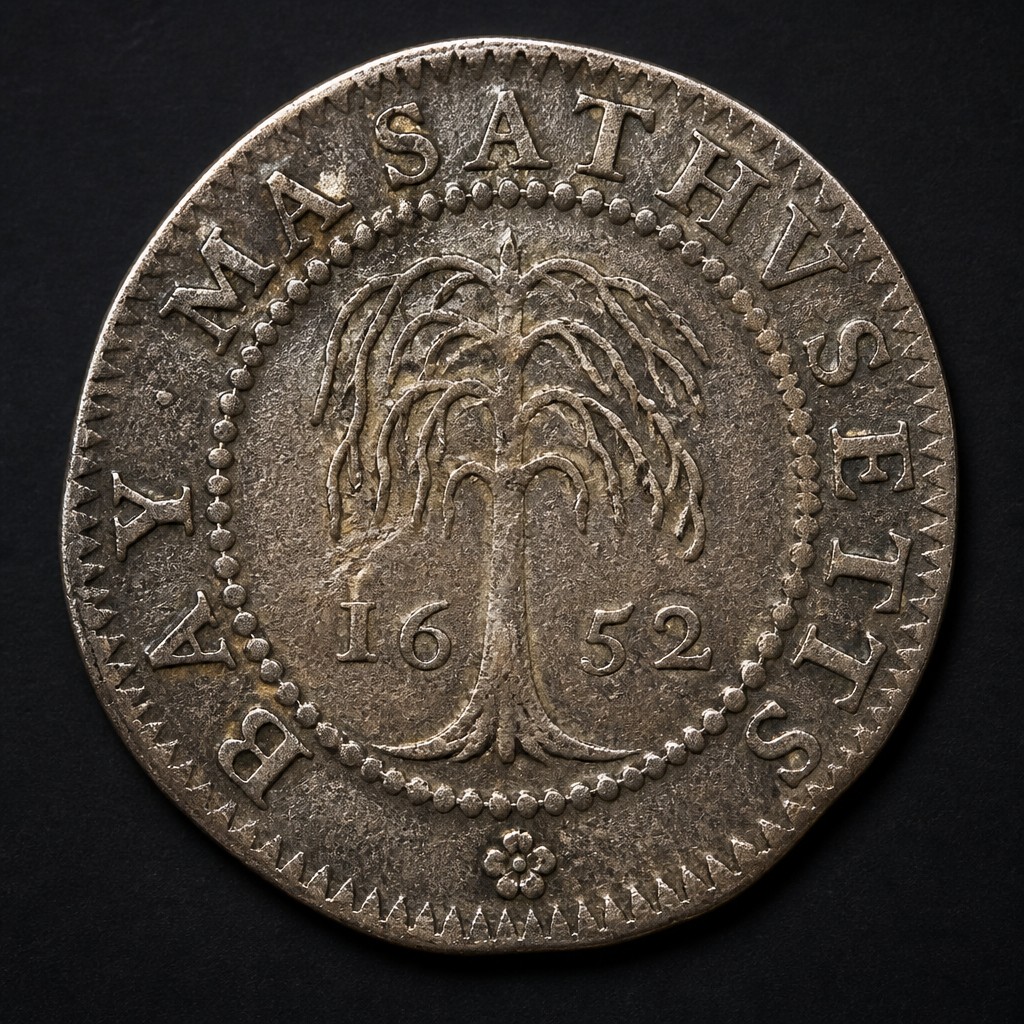
Massachusetts Willow Tree Shilling
Dated 1652, struck circa 1653–1660