
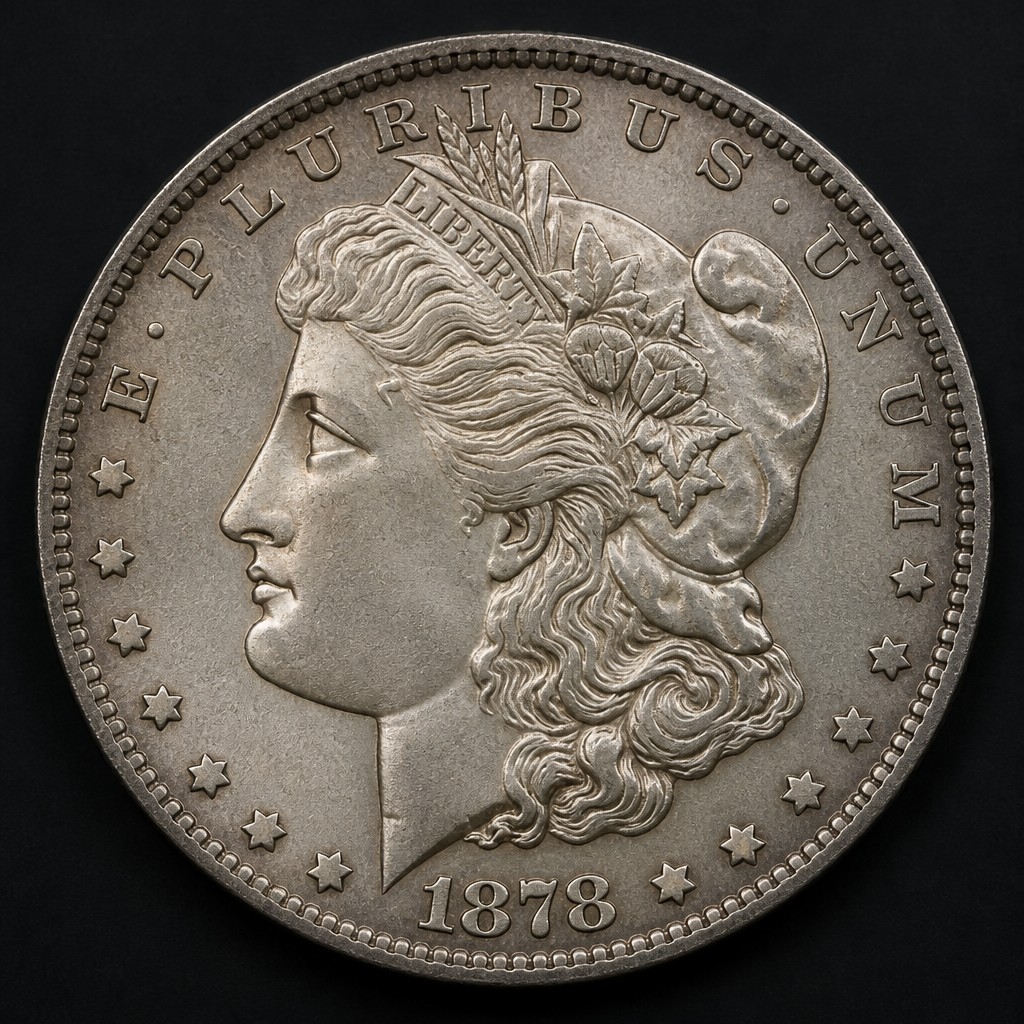
1878 Morgan Dollar (8 Tail Feathers)
The first-year Morgan dollar variety showing the eagle with eight tail feathers, quickly replaced mid-year by the standard seven-feather design.
- Country
- United States
- Denomination
- One Dollar
- Metal
- 90% Silver
Got a coin like this?
Identify any coin from a photo, free.
Overview
The 1878 8 Tail Feathers (8TF) Morgan dollar is the original reverse design used at the very start of Morgan dollar production, before the Mint revised the eagle's tail to seven feathers later in 1878. As a first-year variety, it holds special appeal for collectors building a Morgan dollar type or variety set.
Though not a great rarity given its healthy original mintage, the 8TF variety is a must-have "first strike" design for Morgan dollar specialists and a popular representative of the series' debut.
History & Background
The Morgan dollar, designed by George T. Morgan, launched in 1878 following the Bland-Allison Act's mandate that the Treasury purchase and coin large quantities of silver into dollars. Morgan's original reverse depicted an eagle with eight tail feathers, but Mint officials revised it to seven feathers within the same year, reportedly to correct what some considered an artistically or heraldically incorrect feather count.
Both the 8TF and 7TF varieties were struck in 1878 at Philadelphia, alongside a "7-over-8 tail feathers" transitional variety showing traces of the original 8-feather design under a re-engraved 7-feather die, illustrating the mid-year design change.
How to Identify
The obverse shows Liberty's head facing left in a cap adorned with wheat, cotton, and stars, with "LIBERTY" on the headband and the date below. On the 8TF reverse variety specifically, the eagle's tail displays eight visible feathers, which can be counted directly on the coin, distinguishing it from the later 7-feather reverse used for the remainder of Morgan dollar production.
The coin is struck in 90% silver, measures 38.1 mm, with a reeded edge; the 1878 8TF variety was struck only at Philadelphia and bears no mint mark. Careful examination of the eagle's tail under magnification is the standard way to confirm the 8TF variety versus the more common 7TF or the transitional 7/8TF variety.
Value & Collectibility
The 1878 8TF Morgan dollar is common enough in circulated and even uncirculated grades to be an affordable first-year type coin, though it commands a premium over generic common-date Morgans due to collector demand for the variety. The rarer 7-over-8 transitional variety is more elusive and valuable than the standard 8TF.
Prices for typical circulated 8TF examples range from modest premiums over silver melt to somewhat higher amounts in choice uncirculated grades, with well-struck gem examples bringing considerably more.
Frequently asked questions
What does "8 Tail Feathers" mean on a Morgan dollar?
It refers to the number of tail feathers on the reverse eagle in the original 1878 design, later changed to seven feathers.
Why did the Mint change from eight to seven tail feathers?
Officials revised the design mid-year in 1878, reportedly to correct the feather count to a more conventional odd number.
Is the 1878 8TF Morgan dollar rare?
It is not extremely rare but is a popular, moderately scarce first-year variety commanding a premium over common Morgan dollars.
What is a "7 over 8" tail feathers Morgan dollar?
A transitional variety showing remnants of the original eight-feather design beneath the re-engraved seven-feather die.
Who designed the Morgan dollar?
George T. Morgan, an English-born engraver at the U.S. Mint.
Other coins you may enjoy
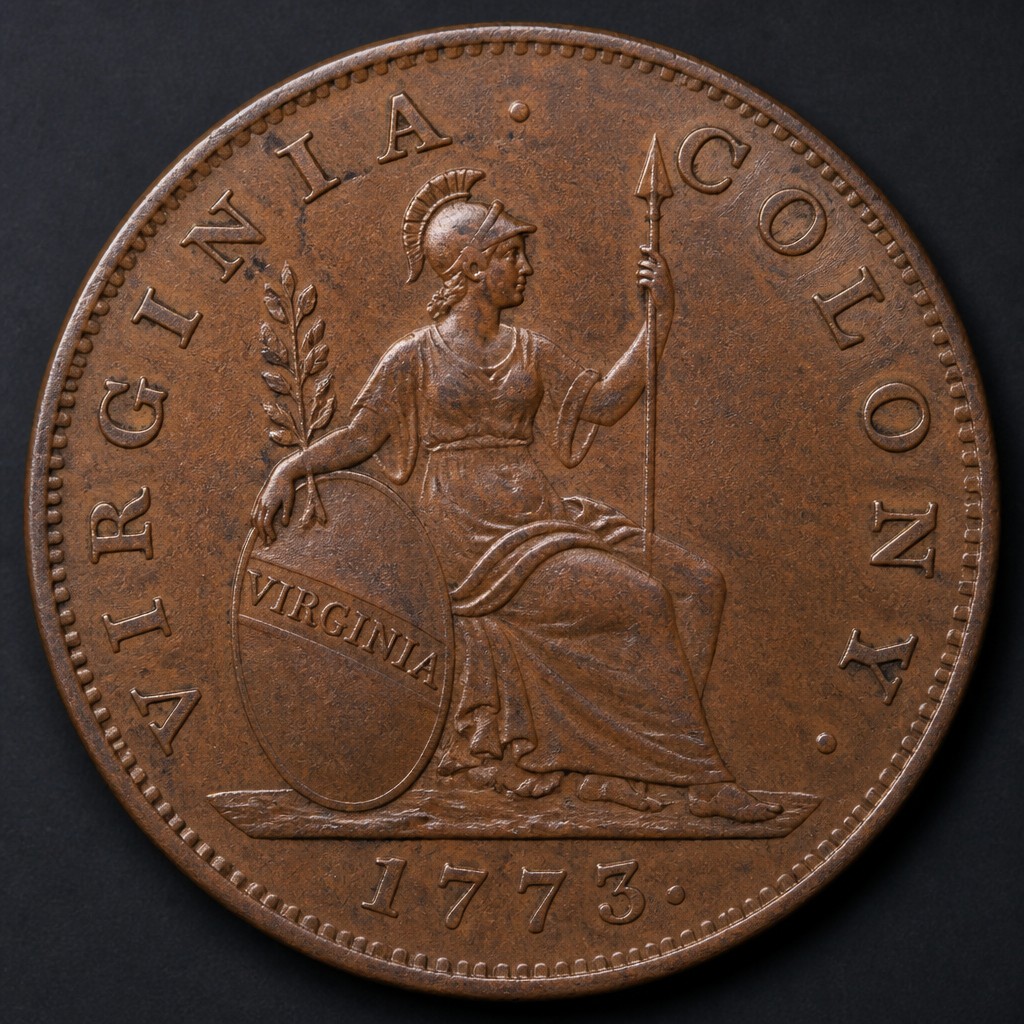
Virginia Halfpenny
1773
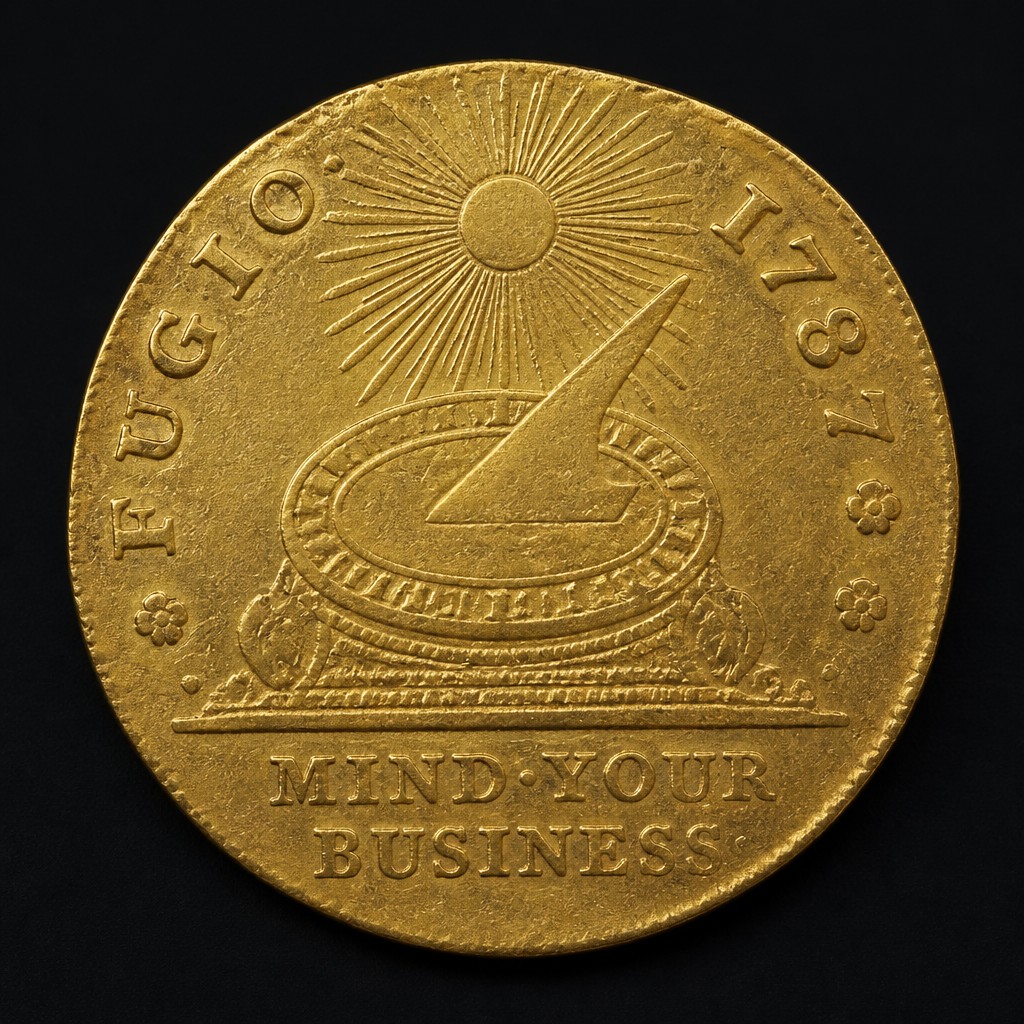
Brasher Doubloon
1787
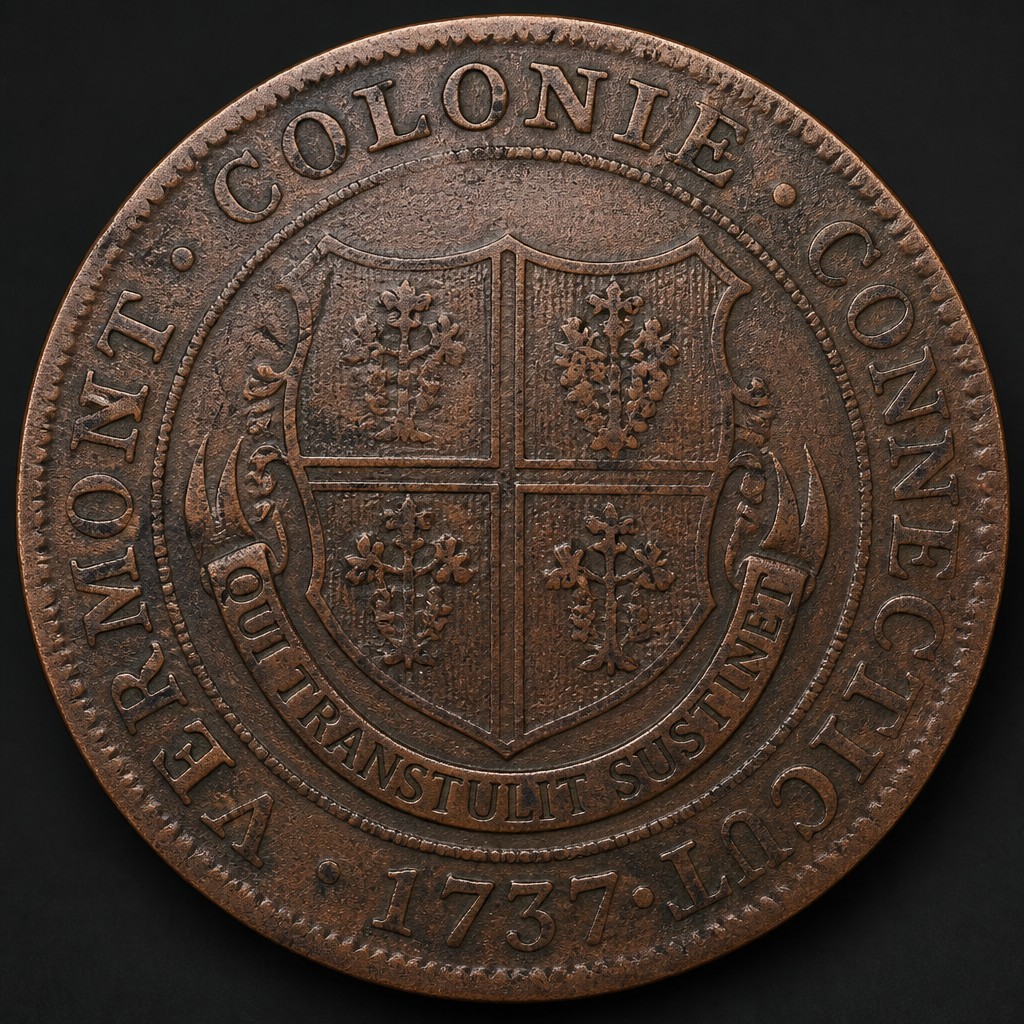
Higley Copper
1737–1739
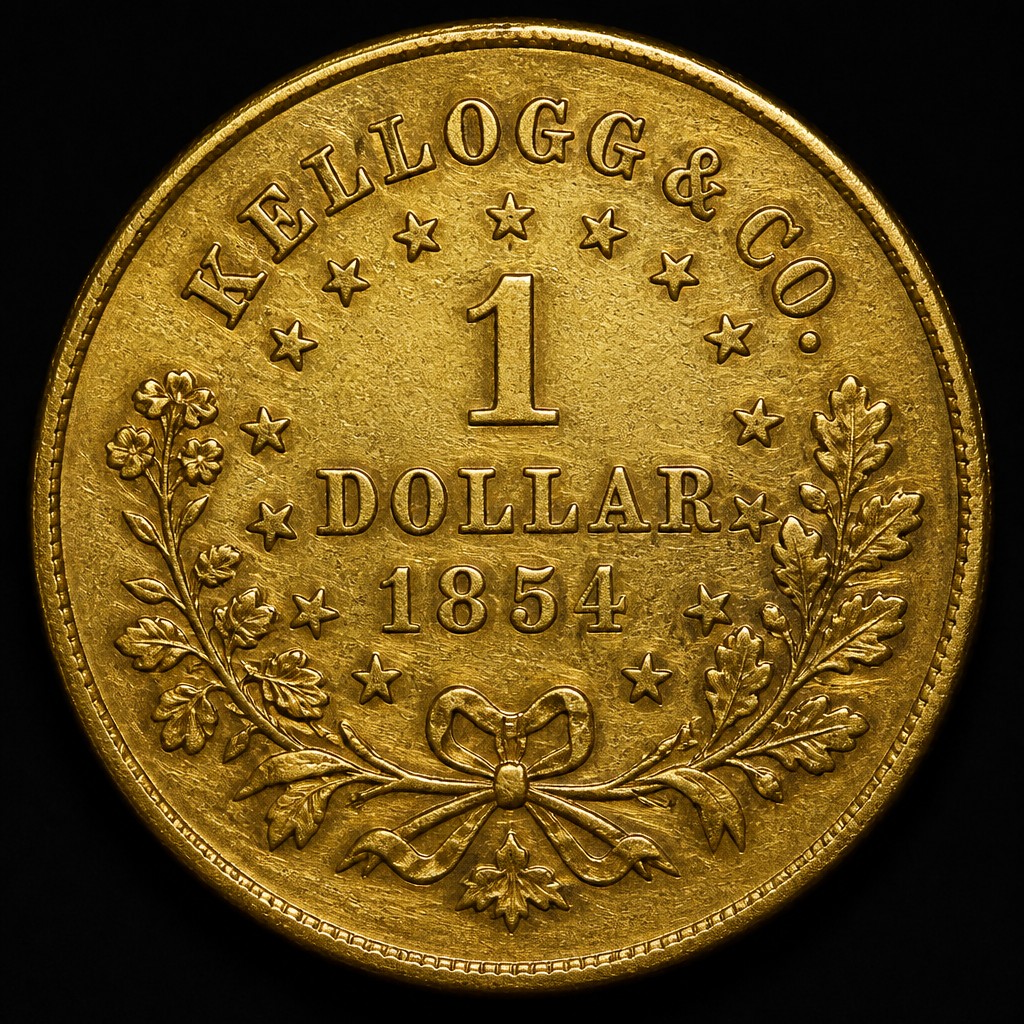
Kellogg & Co. Gold Piece
1854–1855
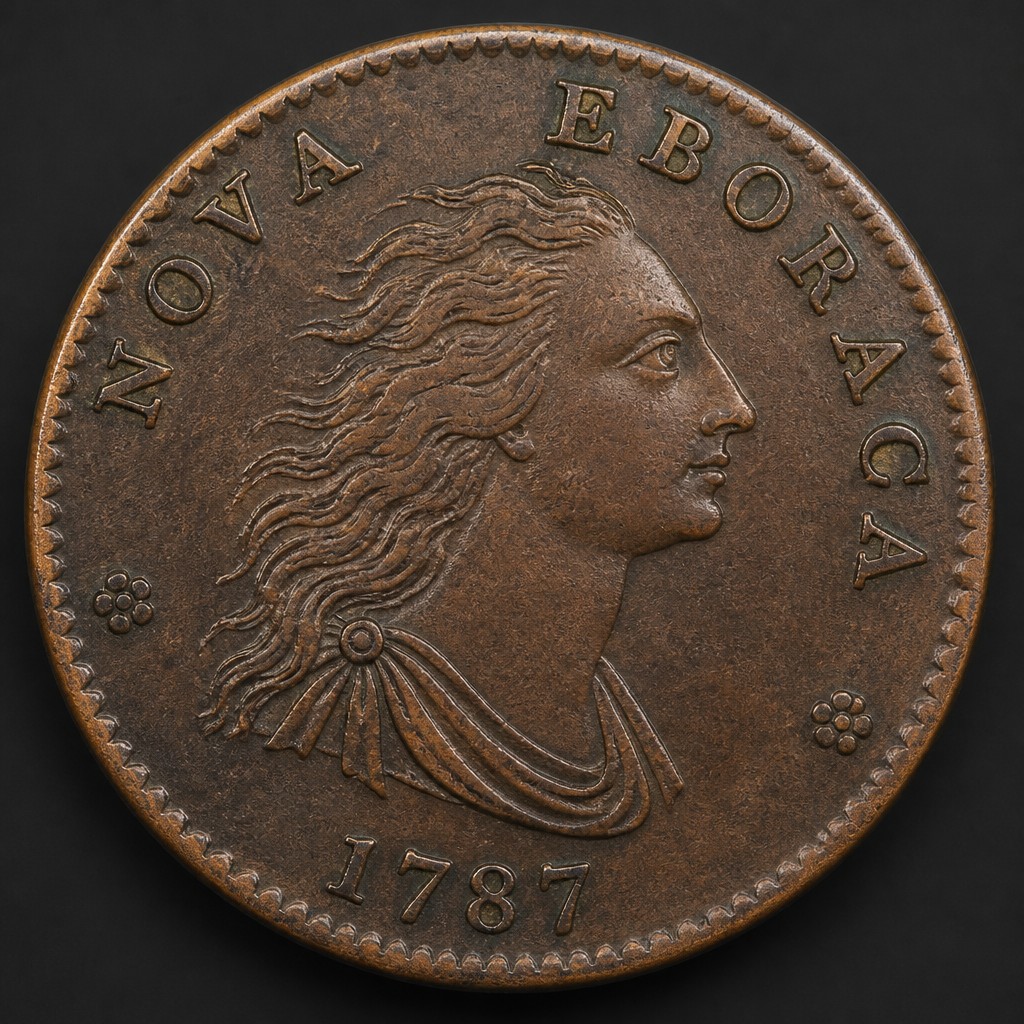
Nova Eborac Copper
1787
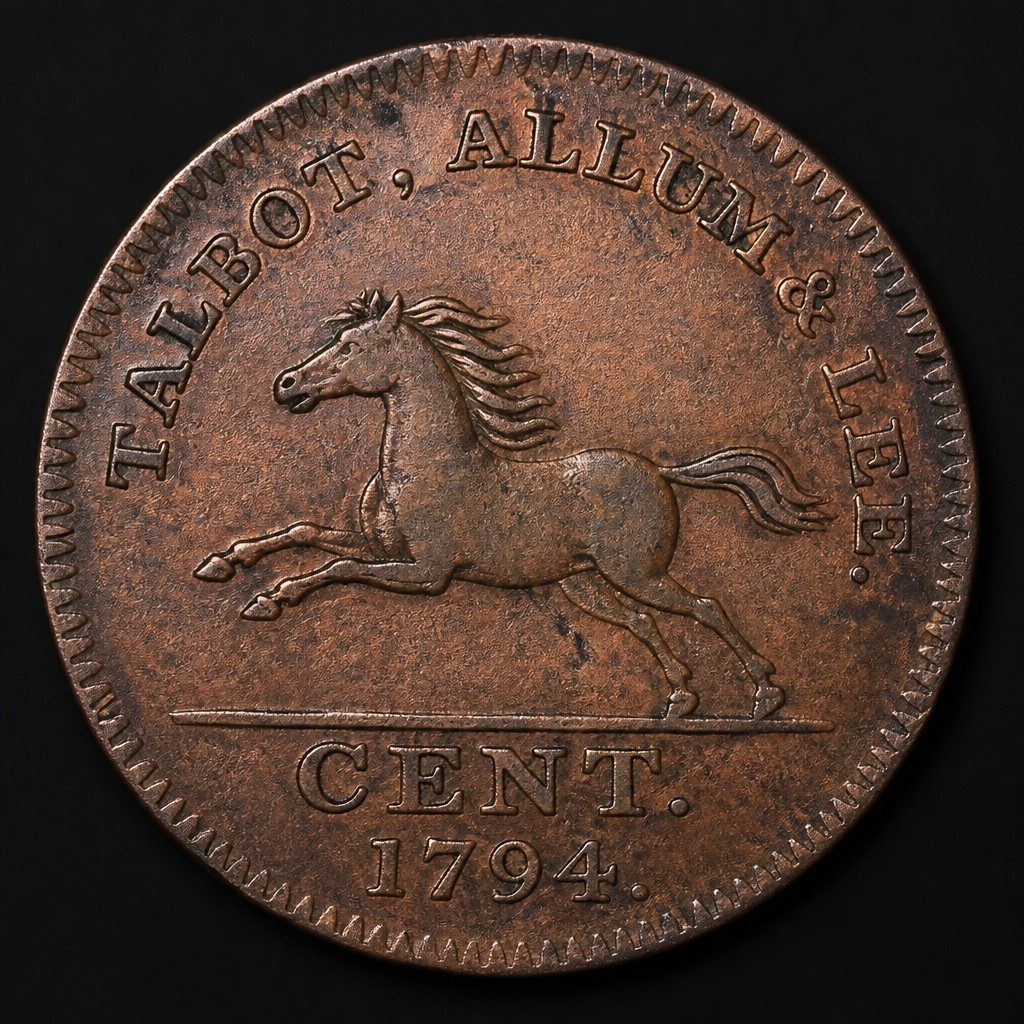
Talbot, Allum & Lee Cent
1794–1795
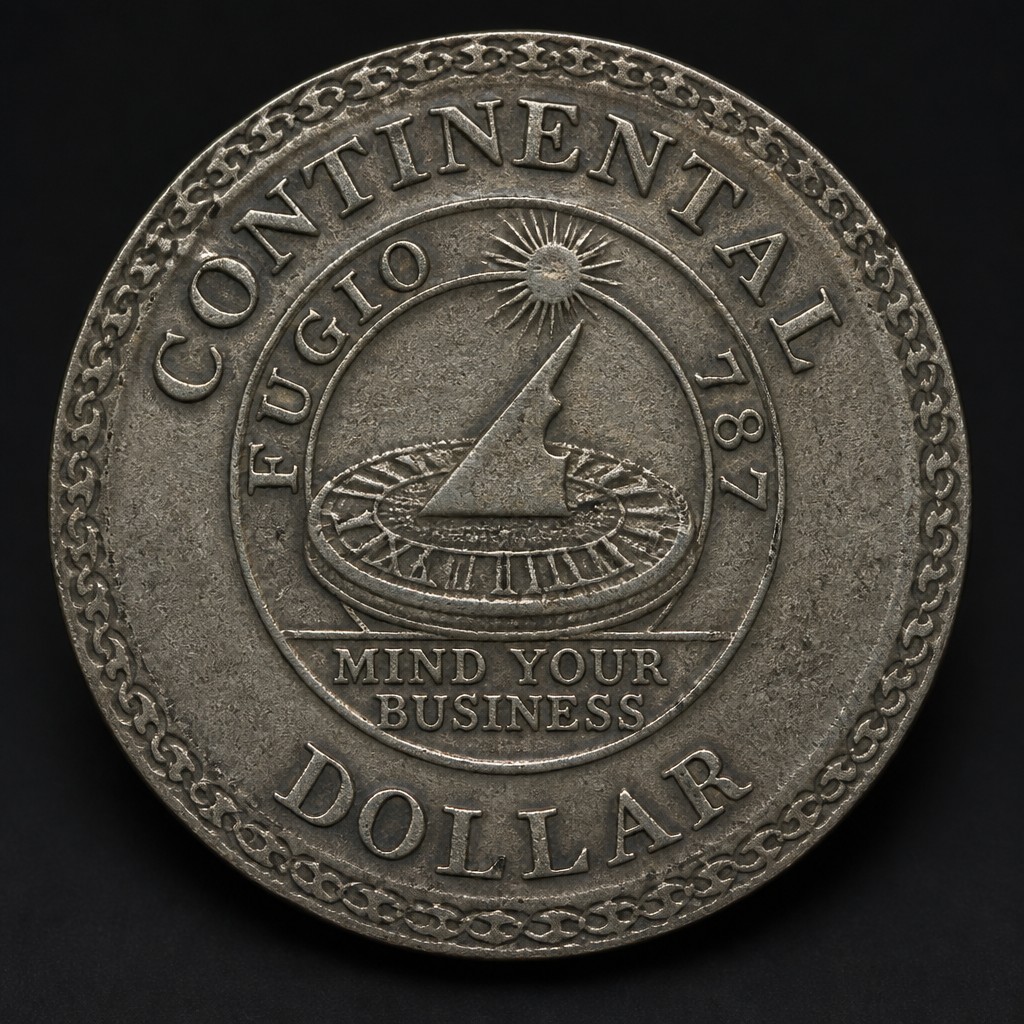
Continental Dollar
1776
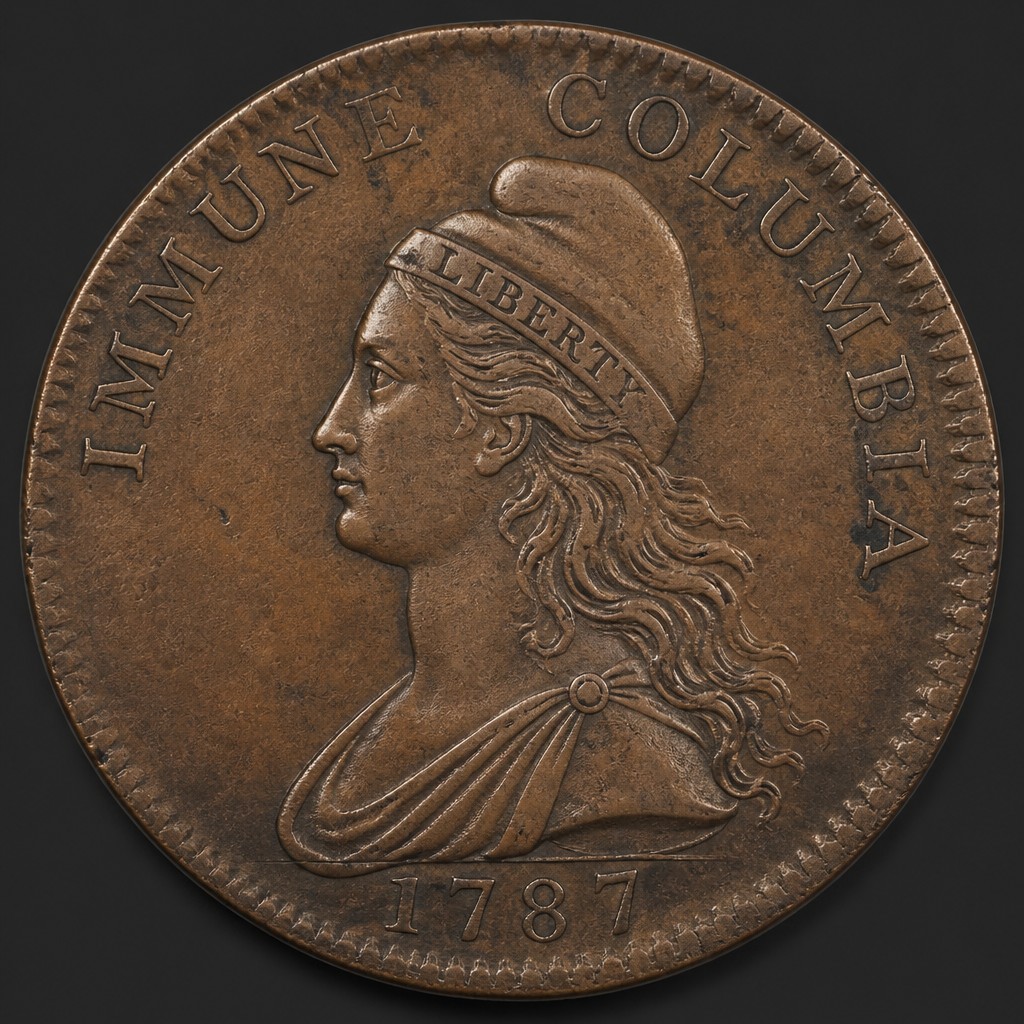
Immune Columbia Copper
circa 1785–1787
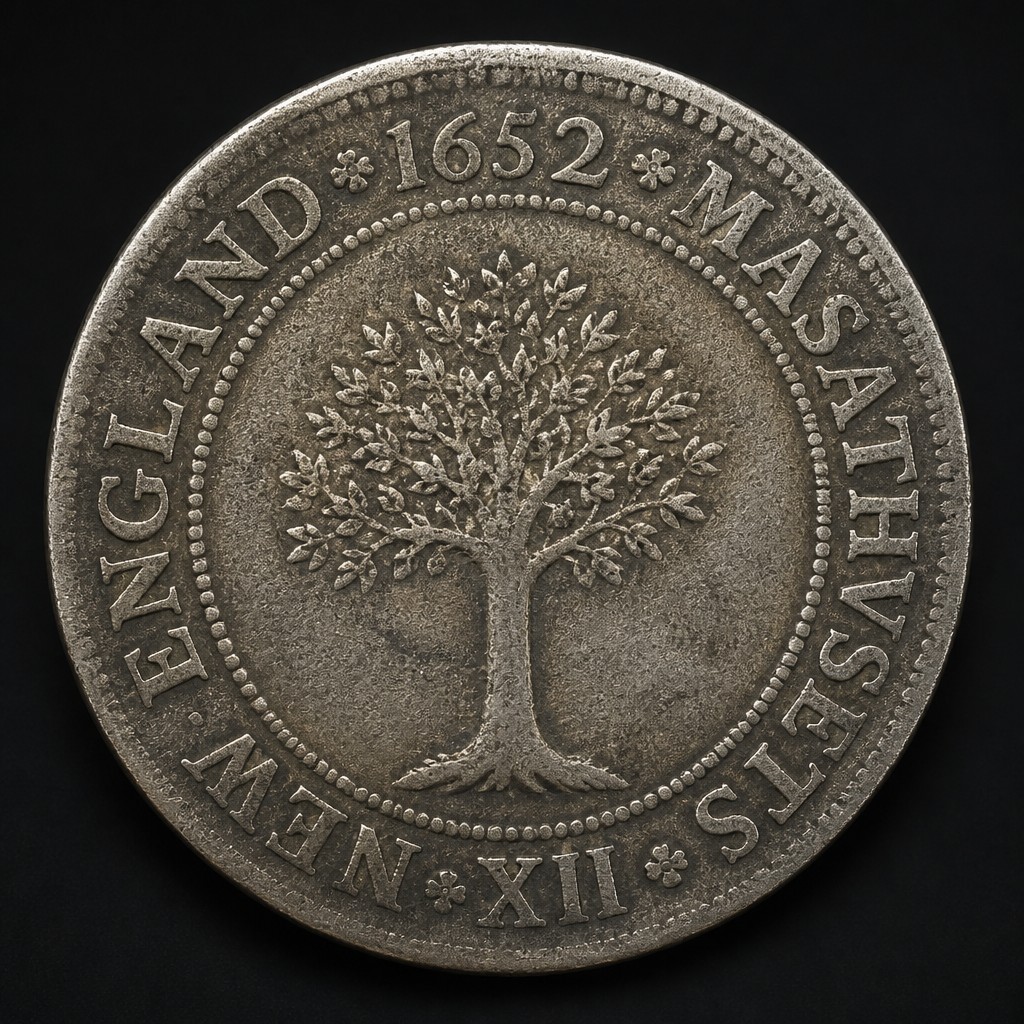
Massachusetts Oak Tree Shilling
Dated 1652, struck circa 1660–1667
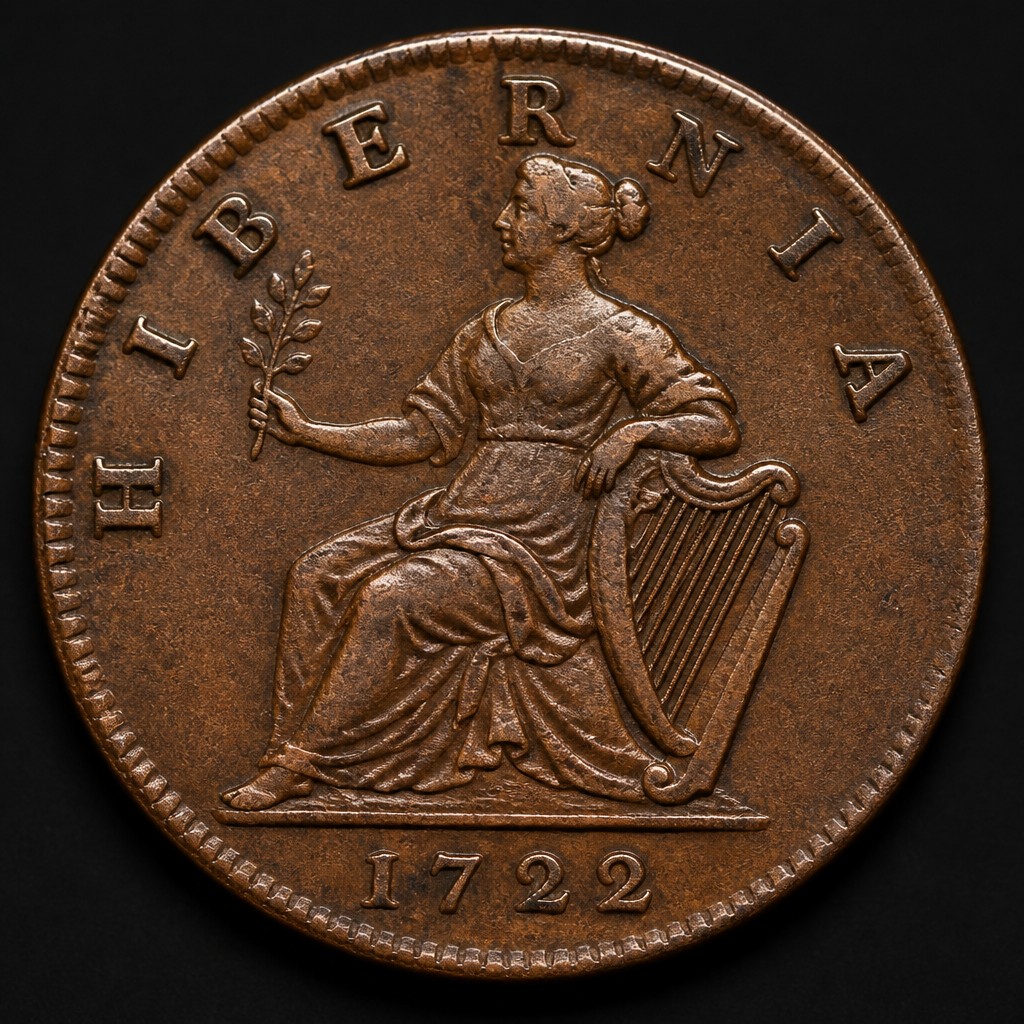
Wood's Hibernia Halfpenny
1722–1724
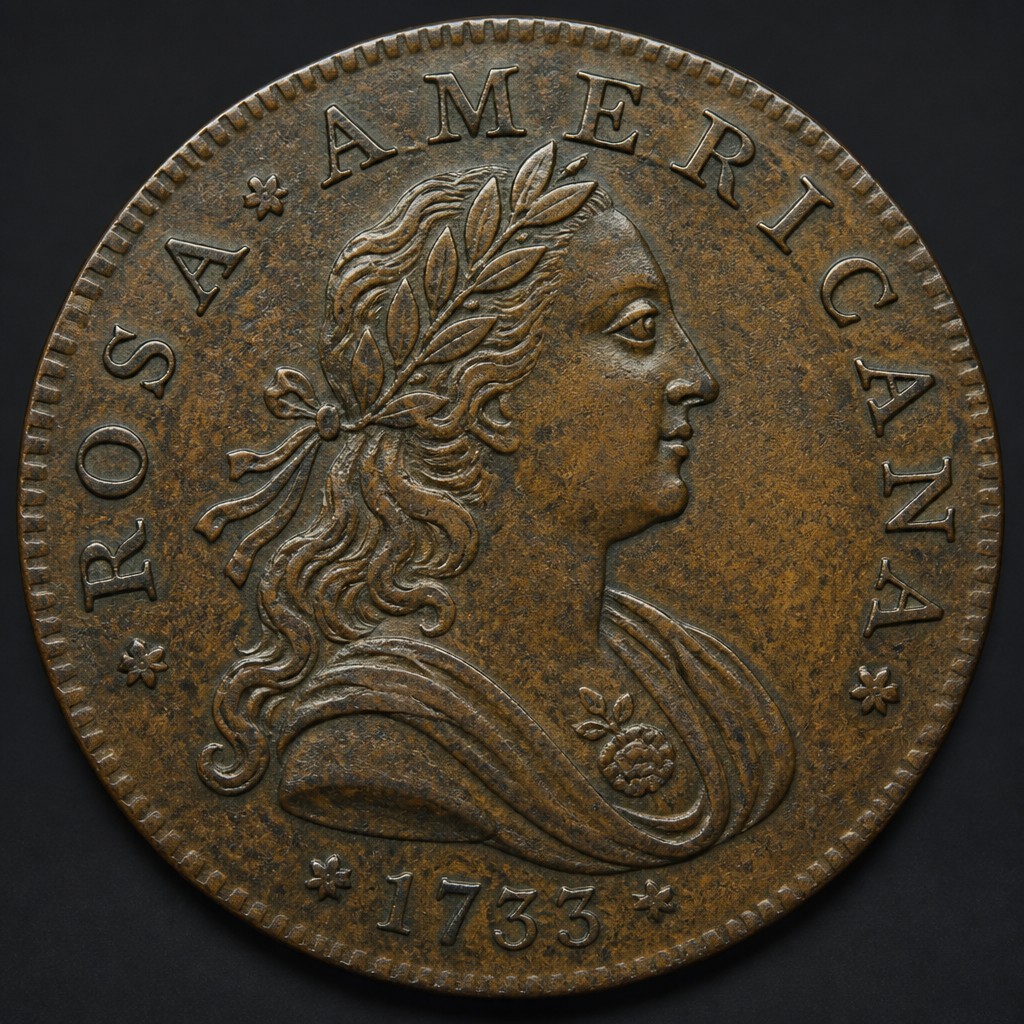
Rosa Americana Coinage
1722–1724 (with pattern issues dated 1733)
Massachusetts Willow Tree Shilling
Dated 1652, struck circa 1653–1660