
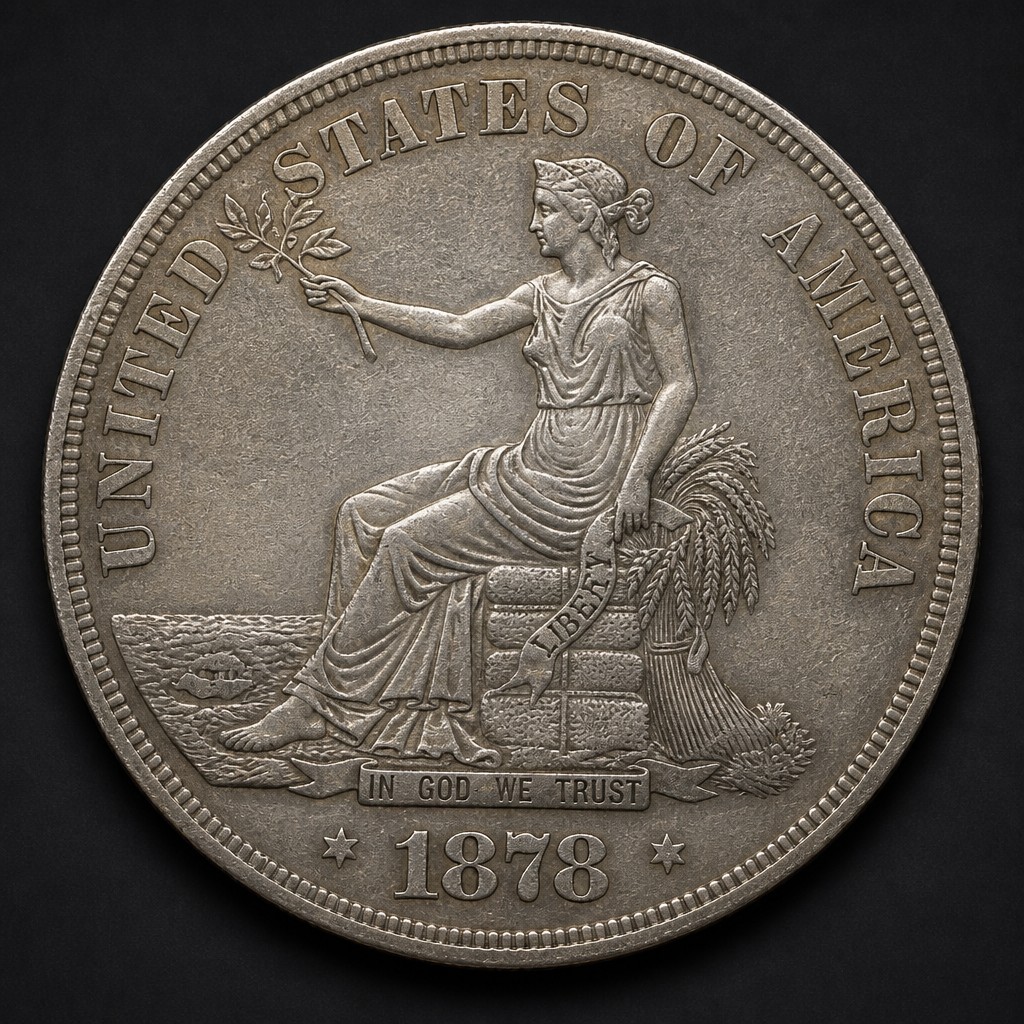
1878-CC Trade Dollar
A scarce Carson City-struck Trade Dollar from the series made for Asian commerce, prized for its low surviving population and famous CC mintmark.
- Country
- United States
- Denomination
- Trade Dollar (One Dollar)
- Metal
- 90% Silver
Got a coin like this?
Identify any coin from a photo, free.
Overview
The 1878-CC Trade Dollar is one of the most sought-after issues in the short-lived Trade Dollar series, struck for a single year at the Carson City Mint. Trade Dollars were never meant for everyday American commerce; they were produced heavier and finer than the standard dollar specifically to compete with the Mexican and Spanish silver coins that dominated trade with China and the Far East.
Because so many Trade Dollars were exported, chop-marked by Chinese merchants, or later melted under the Pittman Act, the 1878-CC survives in relatively small numbers compared to its already modest original mintage. Collectors value it both as a key date within the series and as a classic example of Carson City's frontier minting history.
History & Background
Trade Dollars were authorized by the Coinage Act of 1873 to give American silver a competitive foothold in Pacific trade, where merchants preferred the familiar weight and fineness of Mexican silver pesos. The design was created by U.S. Mint Chief Engraver William Barber and struck from 1873 through 1885, with business strikes ending in 1878 and only proofs made afterward.
The Carson City Mint, established to process silver from the Comstock Lode, struck Trade Dollars only sporadically, and the 1878-CC issue is remembered as the final circulating-strike Trade Dollar from that mint. A significant portion of the original mintage is believed to have been melted or shipped overseas, contributing to its scarcity today relative to Philadelphia and San Francisco issues of other years.
By the early 1880s, Trade Dollars had been demonetized domestically, and many pieces trickled back into the United States decades later, often bearing Chinese chop marks from their commercial use abroad.
How to Identify
The obverse shows a seated figure of Liberty facing left on a bale of merchandise, holding an olive branch and a scroll reading LIBERTY, with the motto IN GOD WE TRUST above and the date below, surrounded by thirteen stars. The reverse depicts a bald eagle grasping an olive branch and arrows, encircled by UNITED STATES OF AMERICA and E PLURIBUS UNUM, with TRADE DOLLAR and the weight/fineness statement 420 GRAINS, 900 FINE below.
The CC mintmark appears on the reverse below the eagle, between the tail feathers and the wreath. The coin is noticeably larger and heavier than a standard Morgan or Seated Liberty dollar due to its trade-commerce weight standard. Look for chop marks—small punched Chinese merchant symbols—which are common on this issue and affect but do not eliminate collector value.
Value & Collectibility
The 1878-CC is considered a key date in the Trade Dollar series, commanding strong premiums even in worn, low grades, with values escalating sharply in About Uncirculated and Mint State condition. Coins with heavy chop marks typically sell for less than problem-free examples, though heavily chopped pieces still attract specialist collectors.
Depending on grade, examples can range from several hundred dollars for a well-worn, chop-marked piece to many thousands of dollars for choice, problem-free Mint State specimens. As with all classic gold and silver coinage, professional grading and authentication significantly affect realized prices.
Frequently asked questions
Why was the Trade Dollar heavier than a regular silver dollar?
It was deliberately made heavier and finer to match the weight of Mexican silver pesos so American merchants could compete in Asian trade.
What are chop marks on a Trade Dollar?
Small punched symbols added by Chinese merchants and bankers to verify silver content and authenticity during commercial use overseas.
Is the 1878-CC Trade Dollar rare?
Yes, it is regarded as a key date in the series due to a relatively low original mintage and heavy melting or exportation over time.
How can I identify the mint mark?
The CC mintmark is located on the reverse, just below the eagle's tail feathers, above the wreath.
Other coins you may enjoy
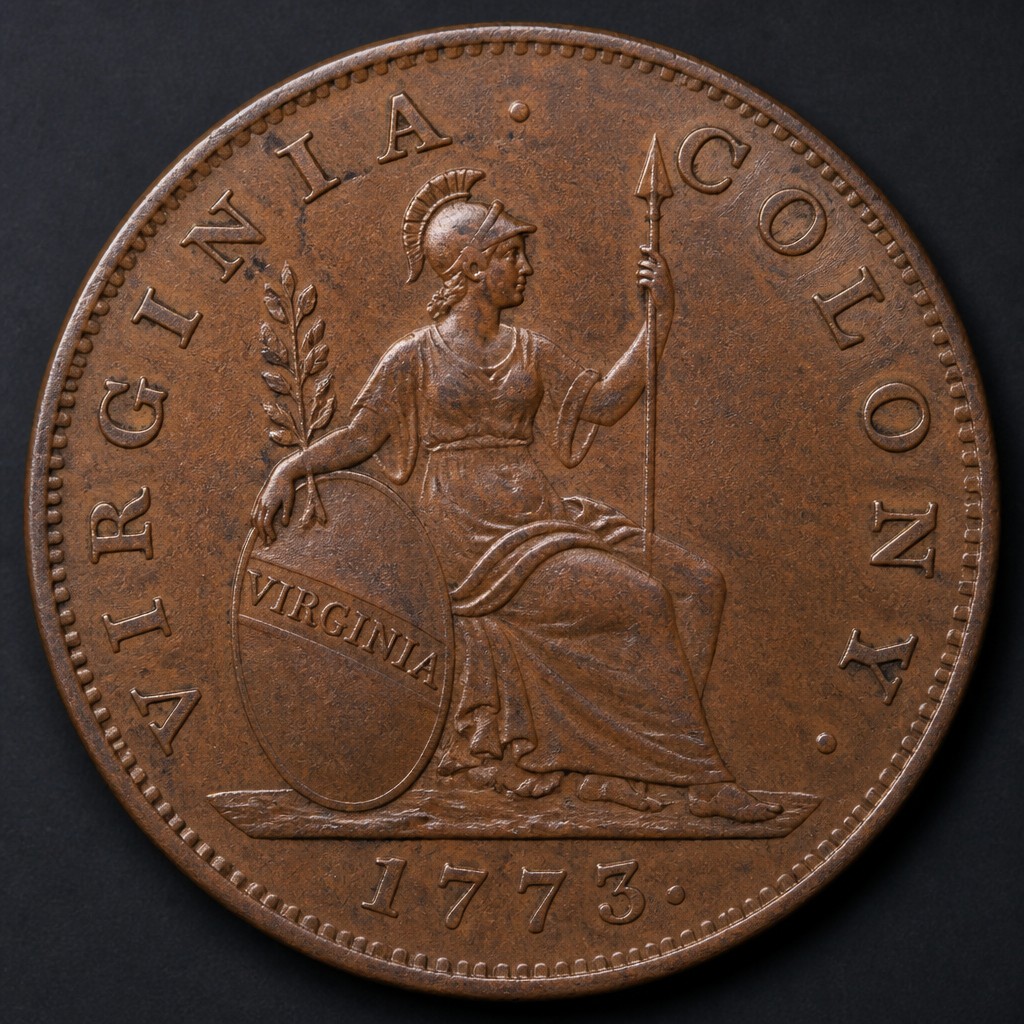
Virginia Halfpenny
1773
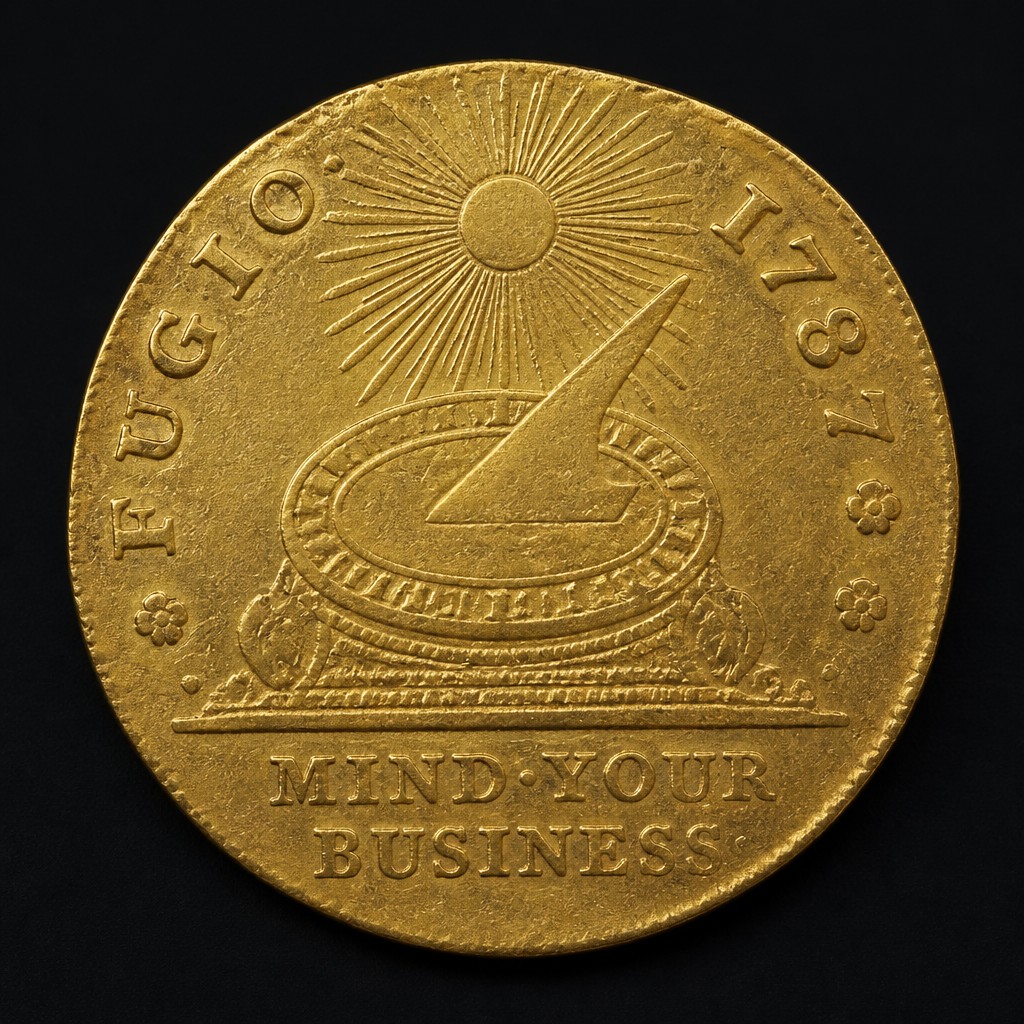
Brasher Doubloon
1787
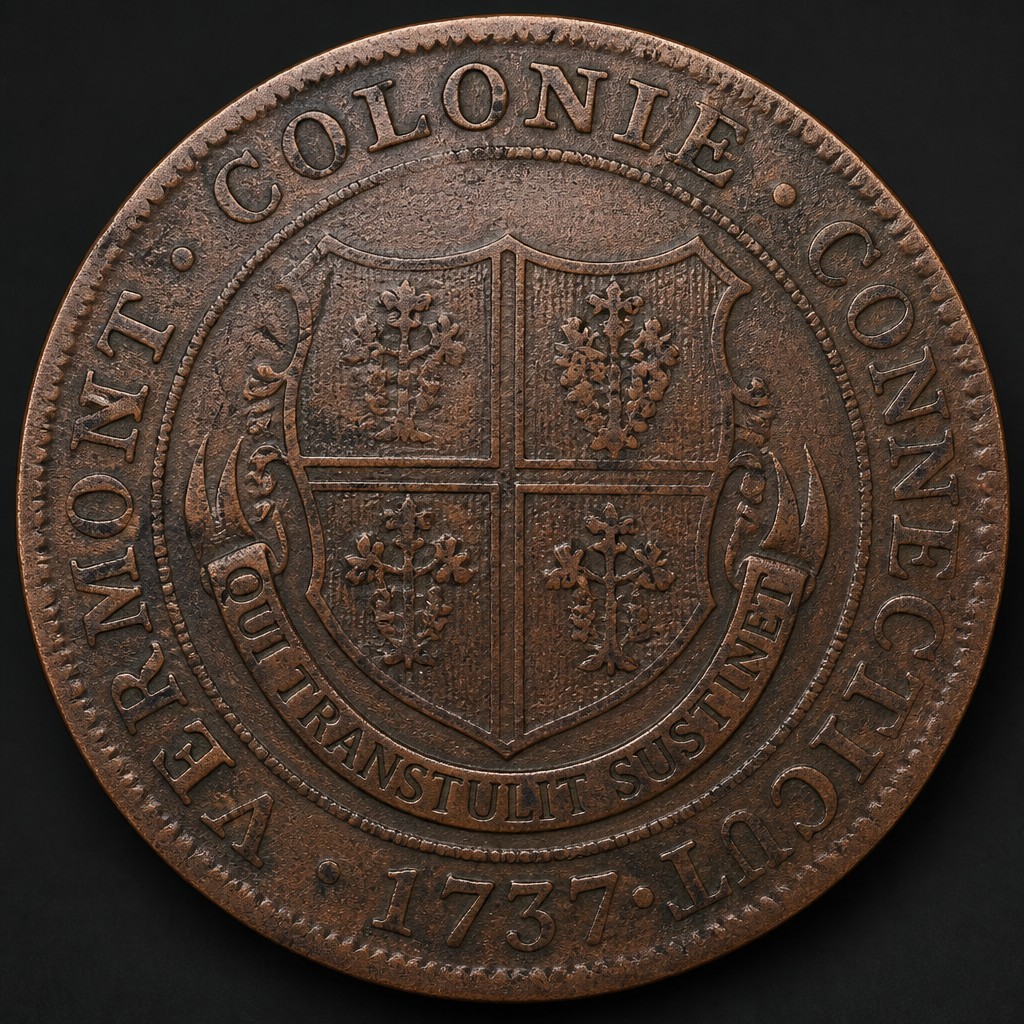
Higley Copper
1737–1739
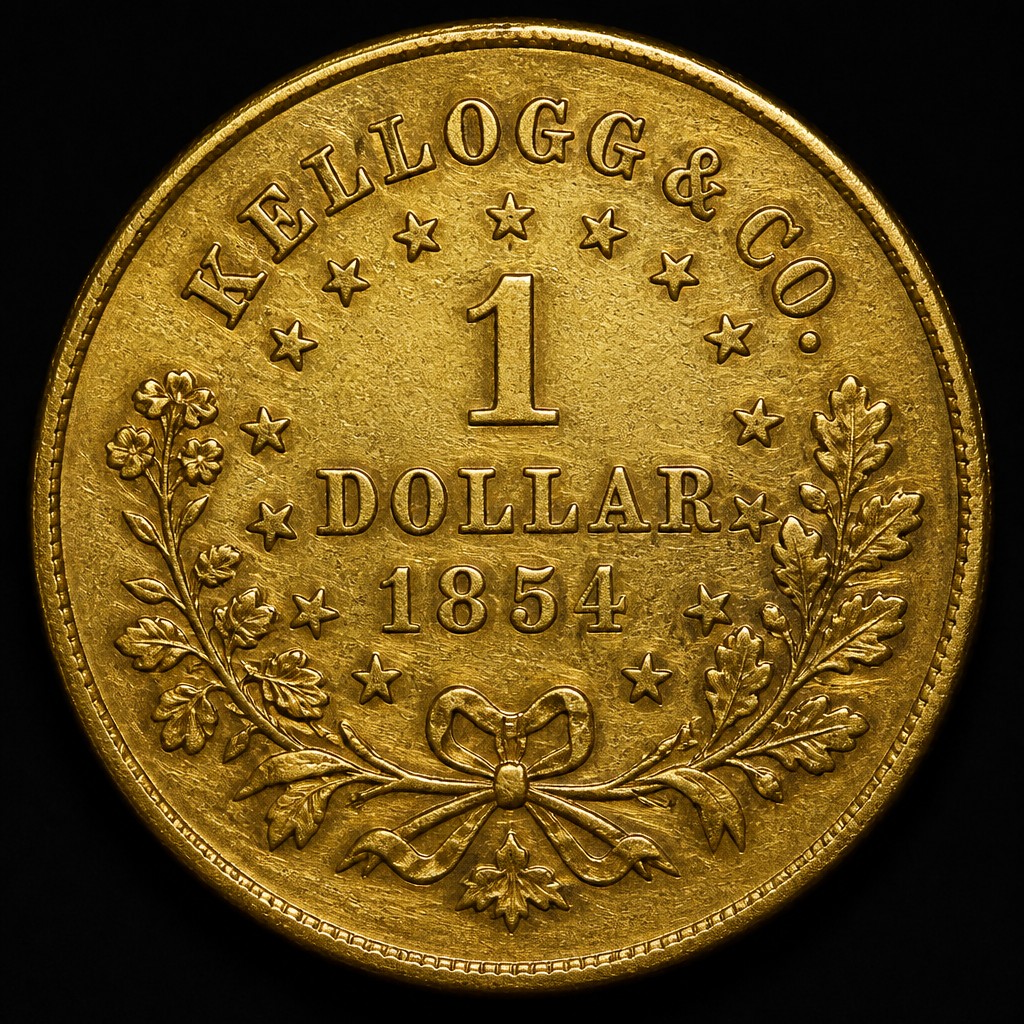
Kellogg & Co. Gold Piece
1854–1855
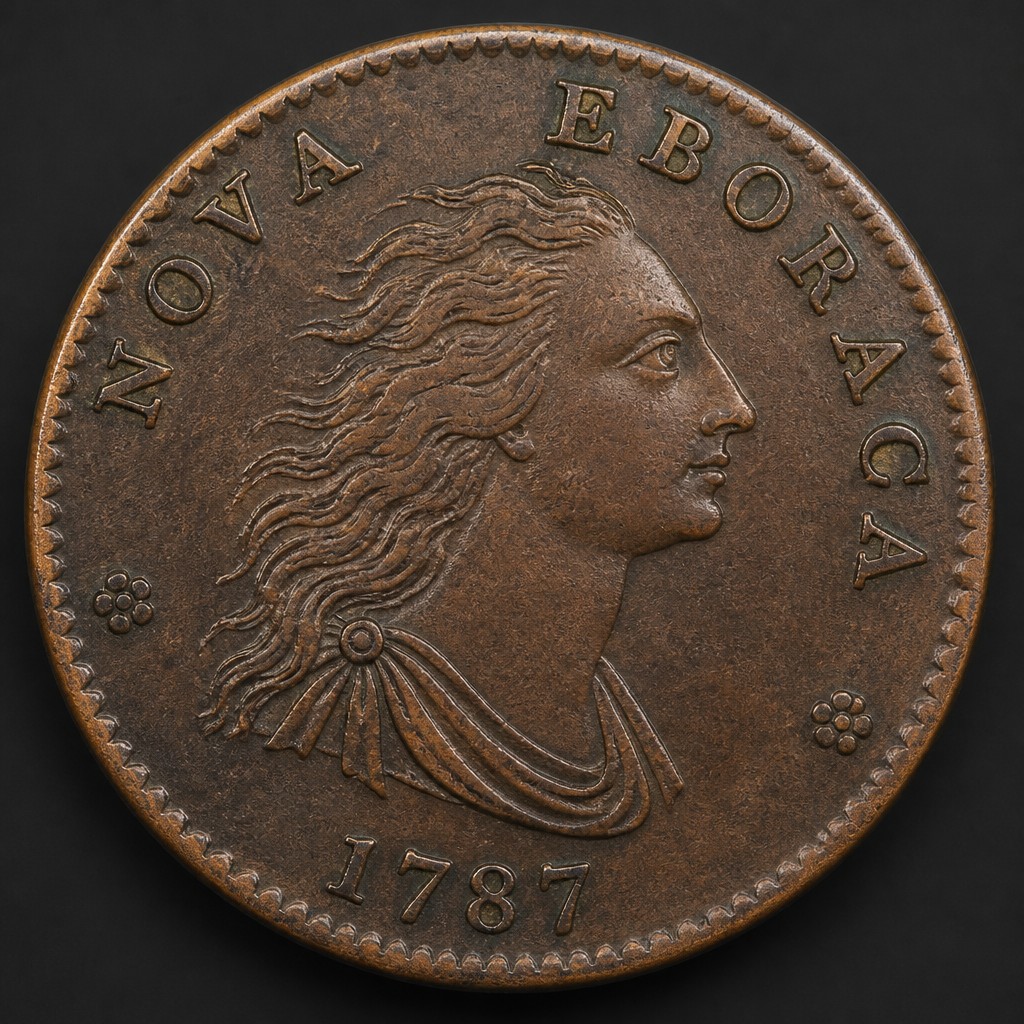
Nova Eborac Copper
1787
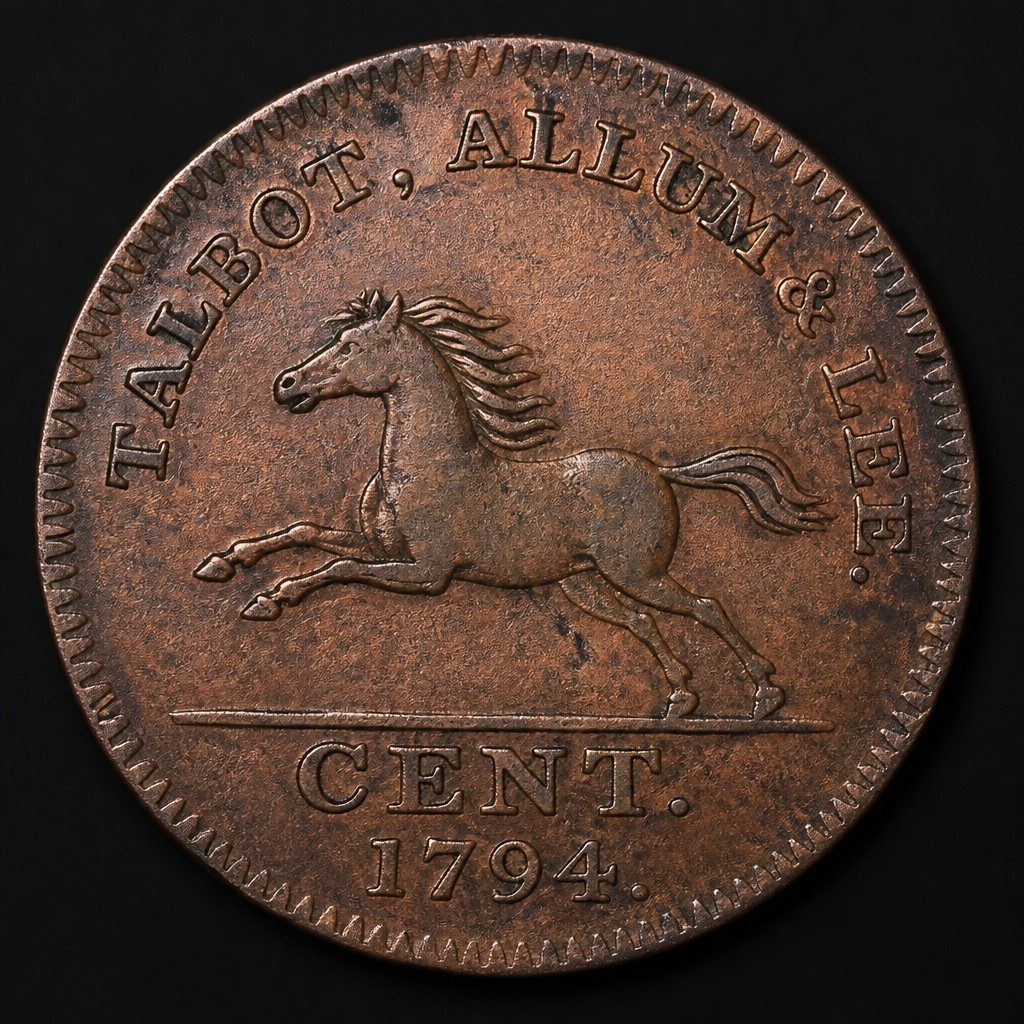
Talbot, Allum & Lee Cent
1794–1795
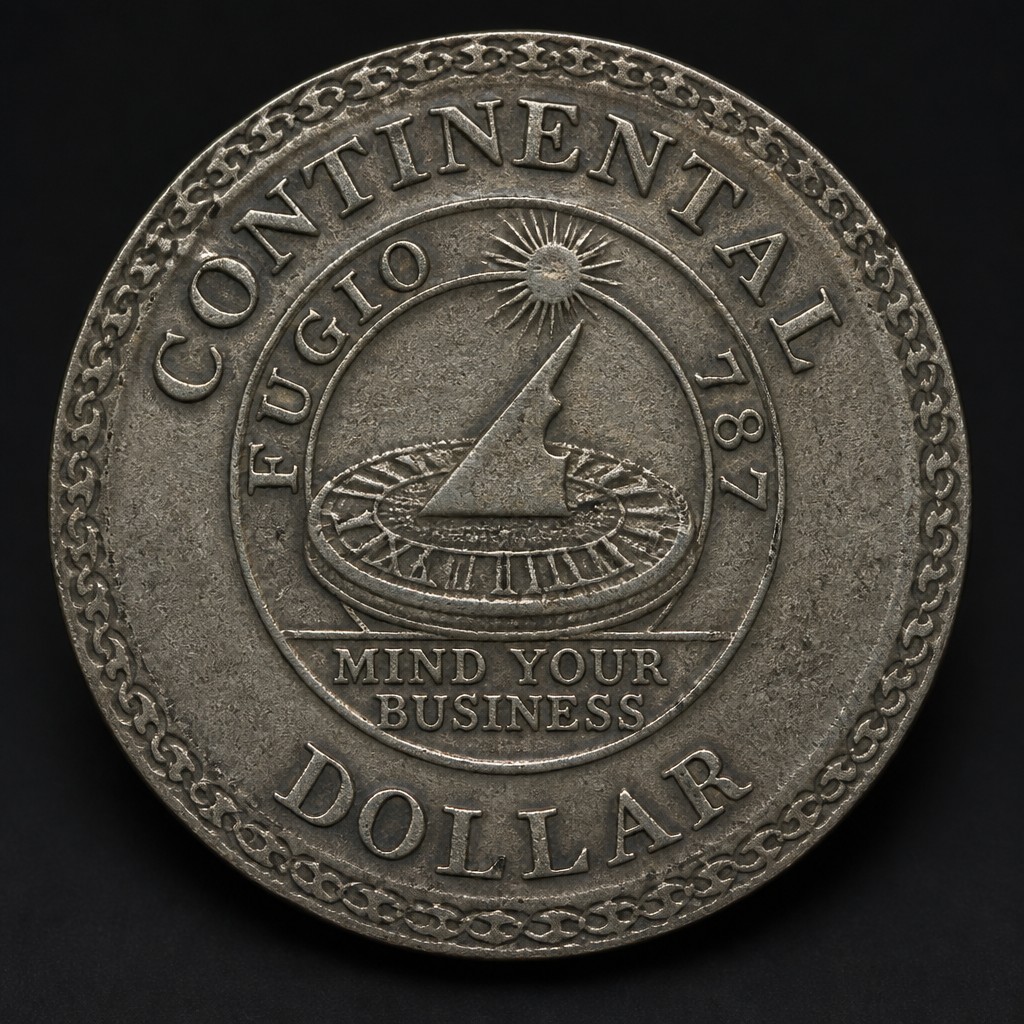
Continental Dollar
1776
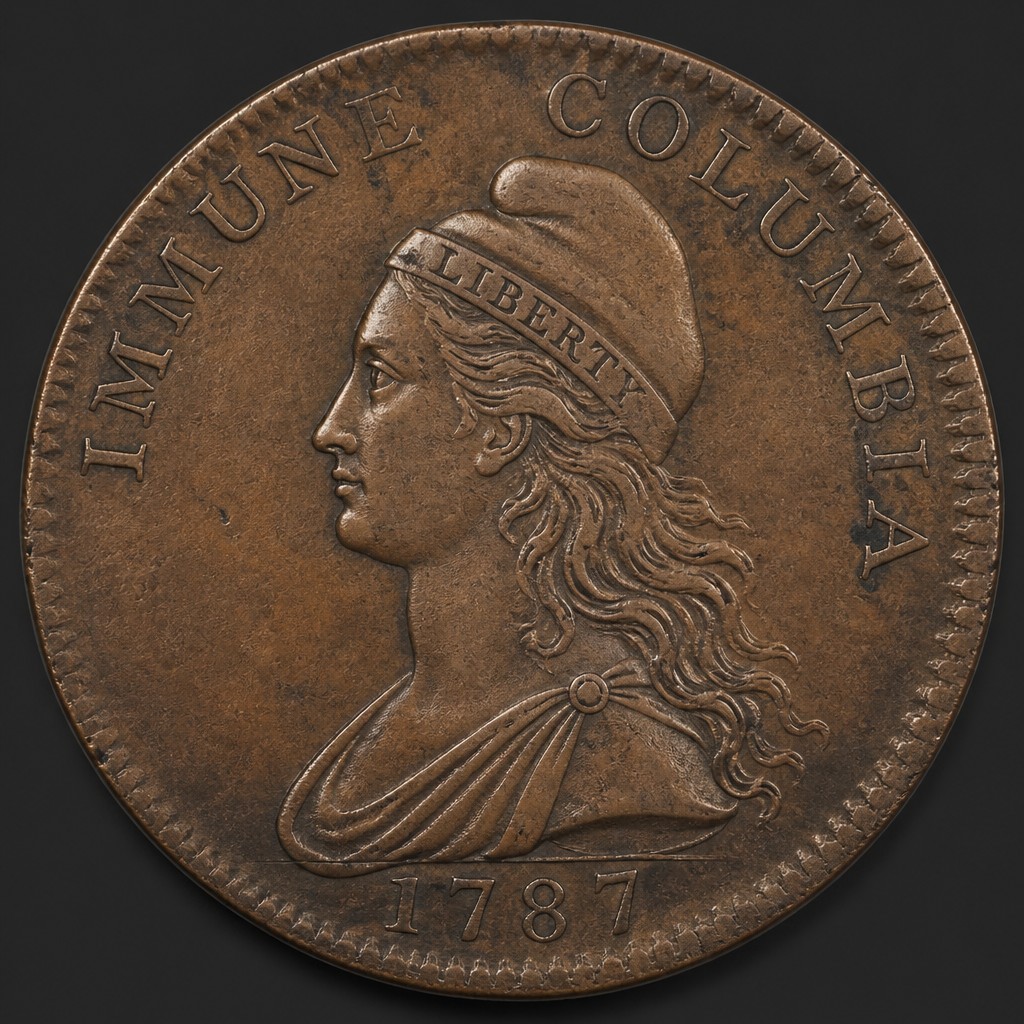
Immune Columbia Copper
circa 1785–1787
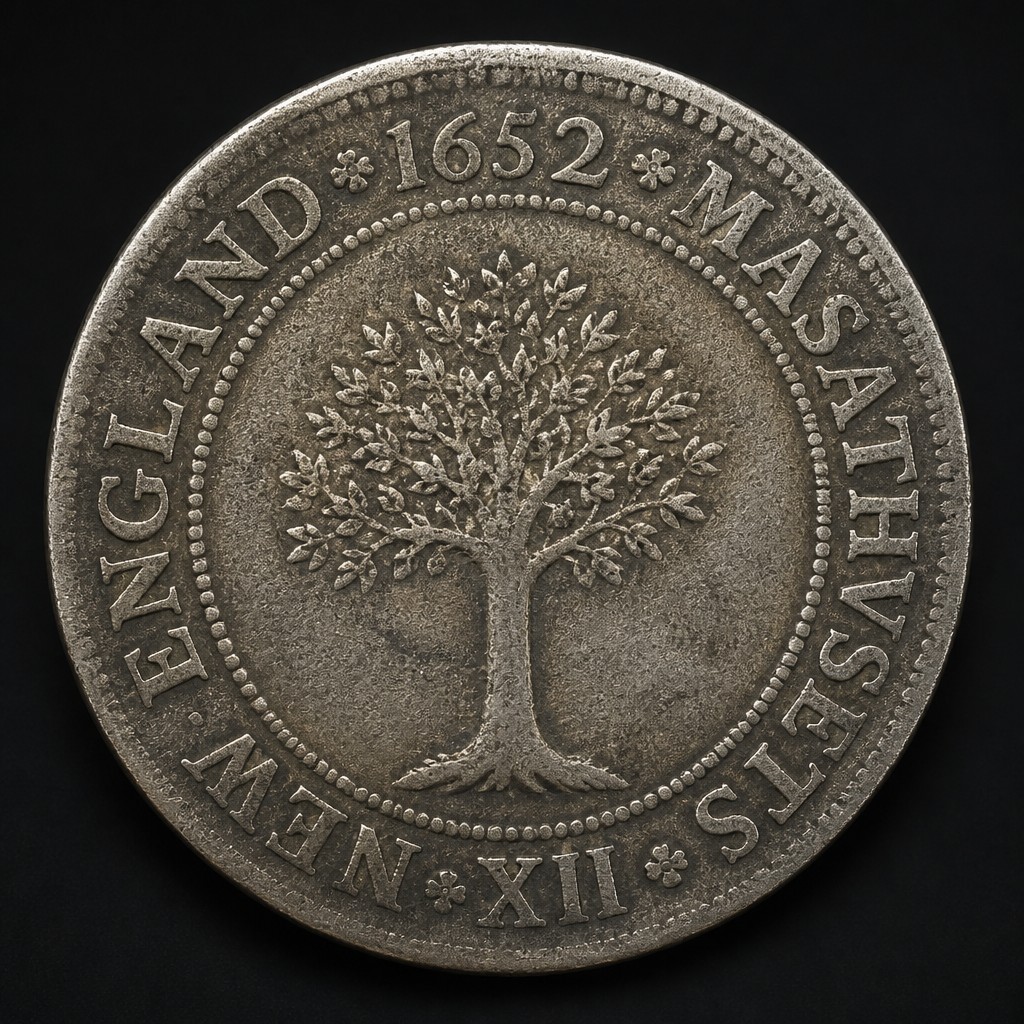
Massachusetts Oak Tree Shilling
Dated 1652, struck circa 1660–1667
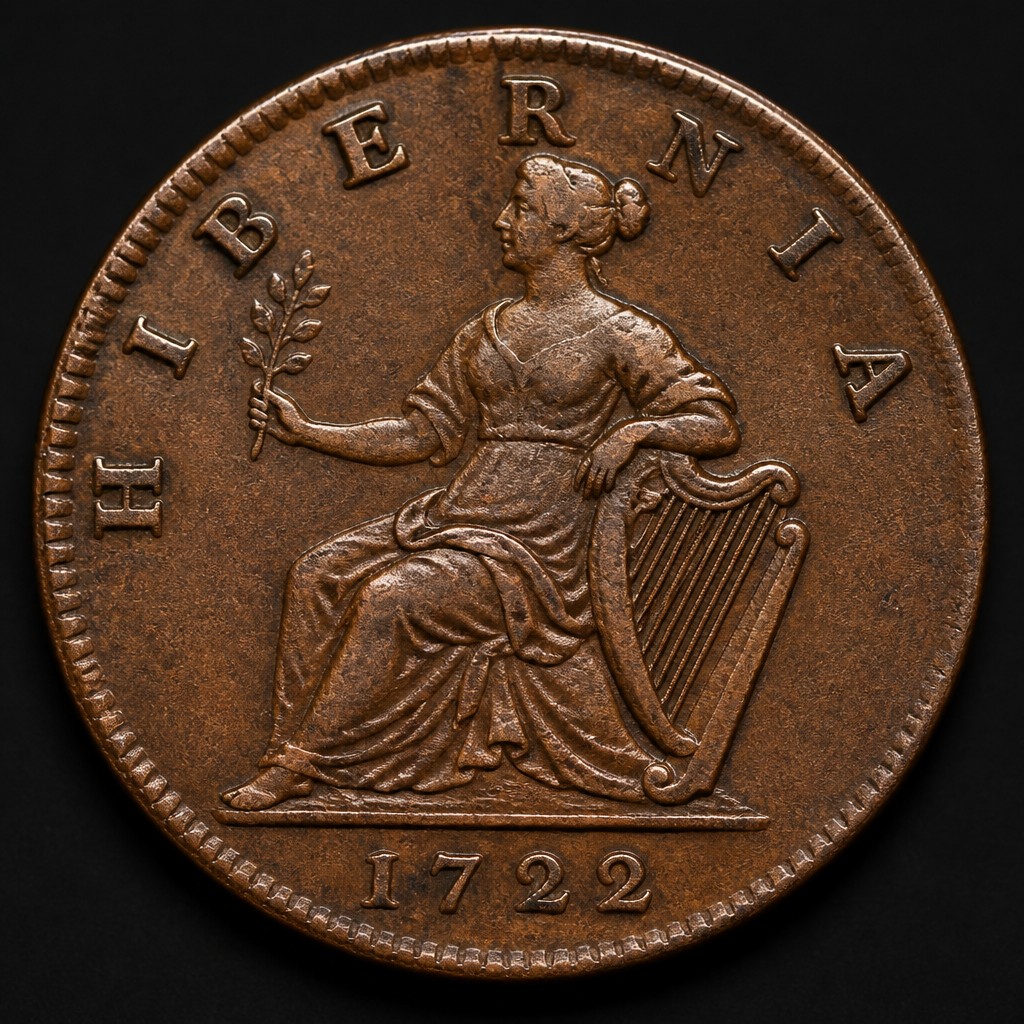
Wood's Hibernia Halfpenny
1722–1724
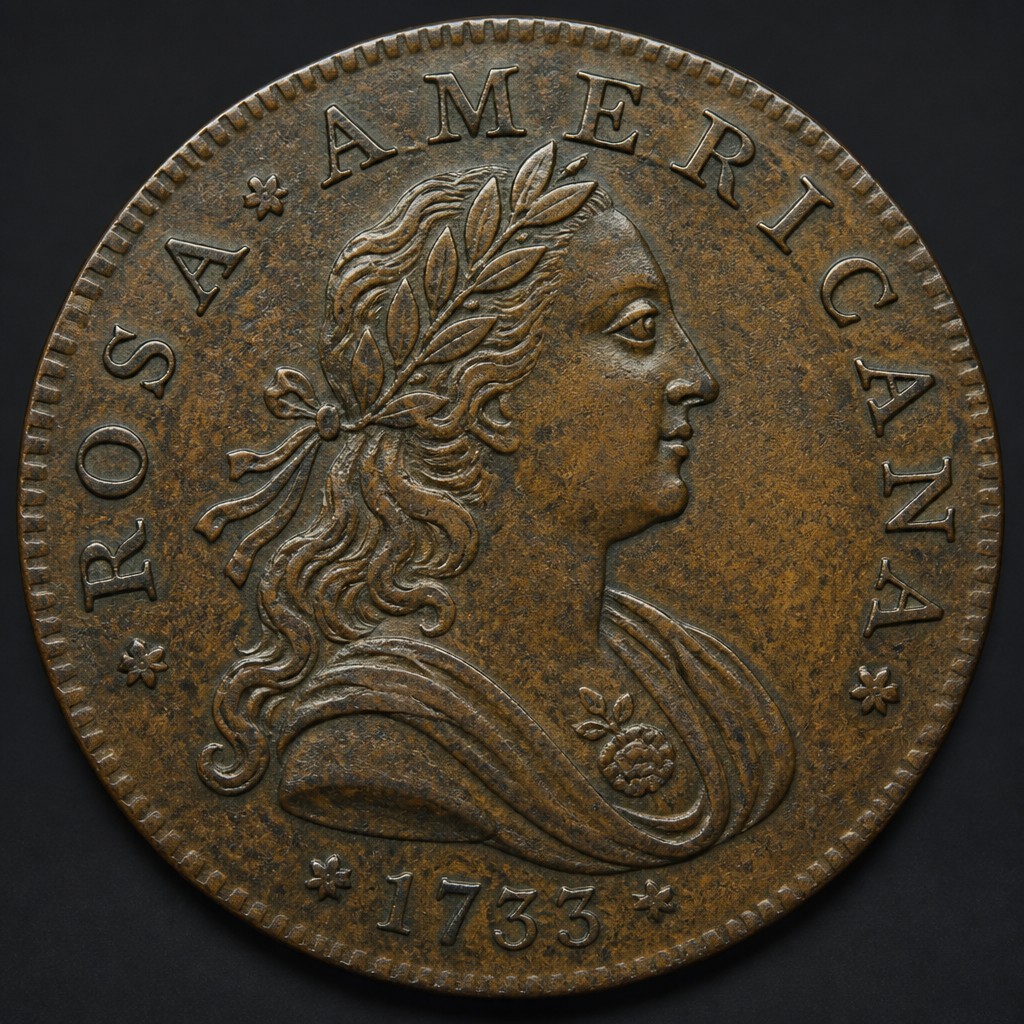
Rosa Americana Coinage
1722–1724 (with pattern issues dated 1733)
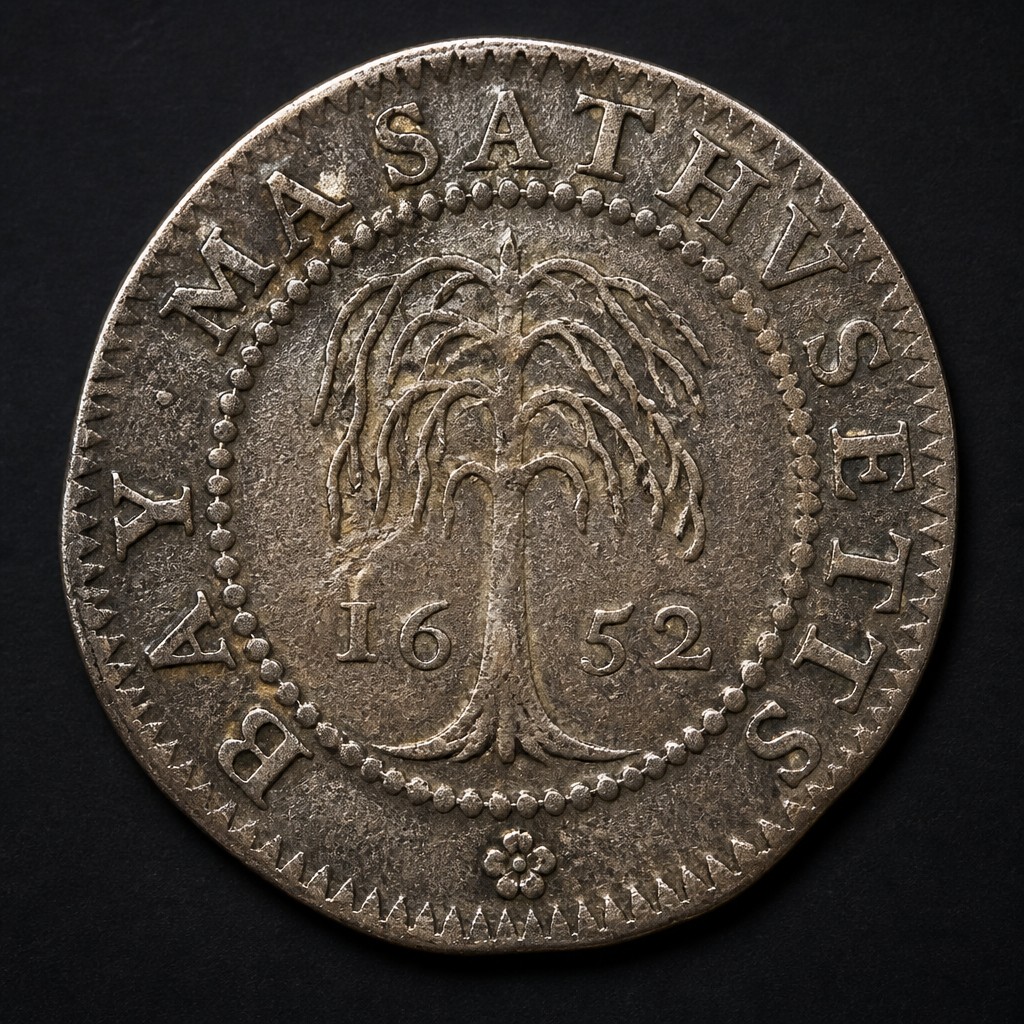
Massachusetts Willow Tree Shilling
Dated 1652, struck circa 1653–1660