
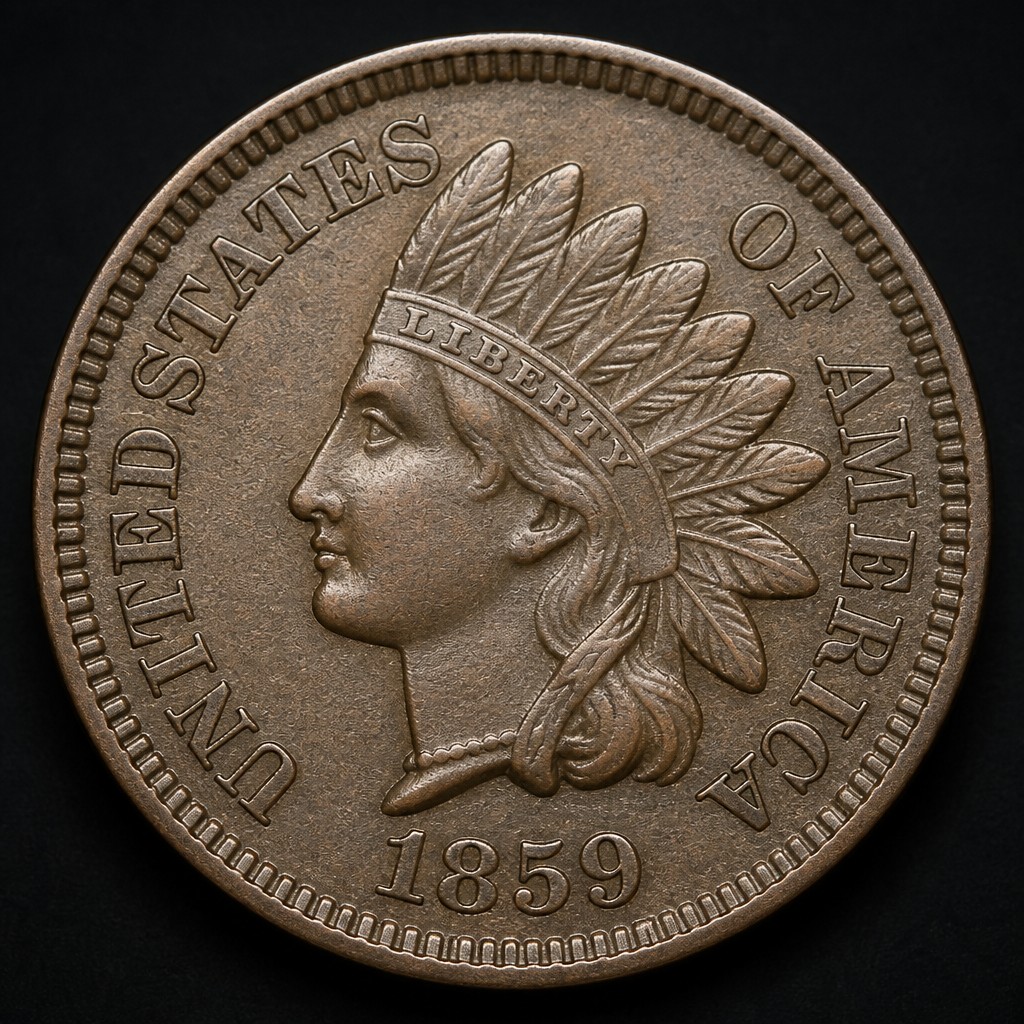
1859 Indian Head Cent (Laurel Wreath)
The first-year Indian Head cent, struck only in 1859 with a distinctive laurel wreath reverse that was replaced by an oak wreath and shield the following year.
- Country
- United States
- Denomination
- One Cent
- Metal
- Copper-Nickel (88% Copper, 12% Nickel)
Got a coin like this?
Identify any coin from a photo, free.
Overview
The 1859 Indian Head Cent introduced James B. Longacre's new design featuring a Native American-style headdress on Liberty, replacing the short-lived Flying Eagle design after just two years of production. It is notable for using a laurel wreath reverse found on no other date in the entire 50-year Indian Head series.
Because the laurel wreath reverse was used for only this single year before being replaced, the 1859 issue functions almost as a one-year subtype within the broader Indian Head series, giving it added appeal for type collectors beyond its simple first-year status.
History & Background
After striking issues plagued the Flying Eagle cent's design, the Mint commissioned Chief Engraver James B. Longacre to create a new small cent design for 1859. Longacre adapted a Liberty head wearing a Native American feathered headdress, a design element supposedly inspired by an actual headdress in his studio, paired with a simple laurel wreath on the reverse.
The 1859 cent retained the same copper-nickel alloy used for Flying Eagle cents, giving it the same pale color and weight as its predecessor. After just one year, the Mint modified the reverse to add a shield above a heavier oak wreath starting in 1860, a change generally attributed to a desire for a more substantial-looking design, leaving the 1859 laurel wreath reverse unique to that single year.
How to Identify
The obverse shows Liberty in a feathered headdress with 'LIBERTY' on the headband and the date below, a design that would continue with only minor changes through 1909. The reverse is the key identifying feature for this date: a laurel wreath encircling 'ONE CENT' with no shield above it, distinct from every other year in the series.
The coin's copper-nickel composition gives it a pale, yellowish-gray color rather than the warmer copper tone of post-1864 issues, and it has the same thickness and weight as the Flying Eagle cent it replaced. All 1859 Indian Head cents were struck at the Philadelphia mint with no mintmark.
Because the laurel wreath reverse appears on no other date, correctly identifying this feature instantly confirms a coin as an 1859 issue, useful for collectors sorting through mixed lots of early Indian Head cents.
Value & Collectibility
As a one-year design and the first Indian Head cent, 1859 carries strong type-collector demand and is priced above typical common dates in the copper-nickel Indian Head run, though it remains obtainable in circulated grades for most collectors. High-grade, well-struck examples with strong luster are considerably scarcer and command a significant premium.
Because the alloy can tone unevenly or show spotting over time, well-preserved coins with original, attractive surfaces are especially prized by specialists assembling a complete date-and-type set of early Indian Head cents.
Frequently asked questions
What makes the 1859 cent's reverse unique?
It uses a laurel wreath with no shield above it, a design found on no other year in the Indian Head cent series.
What metal is the 1859 Indian Head cent made of?
The same copper-nickel alloy used for the Flying Eagle cent, giving it a pale, yellowish-gray color.
Why did the reverse change after just one year?
The Mint added a shield above a heavier oak wreath starting in 1860, generally seen as a design refinement rather than a response to any specific problem.
Is the 1859 cent hard to find?
It is obtainable in circulated grades for most collectors, though sharply struck, high-grade examples are considerably scarcer.
Other coins you may enjoy
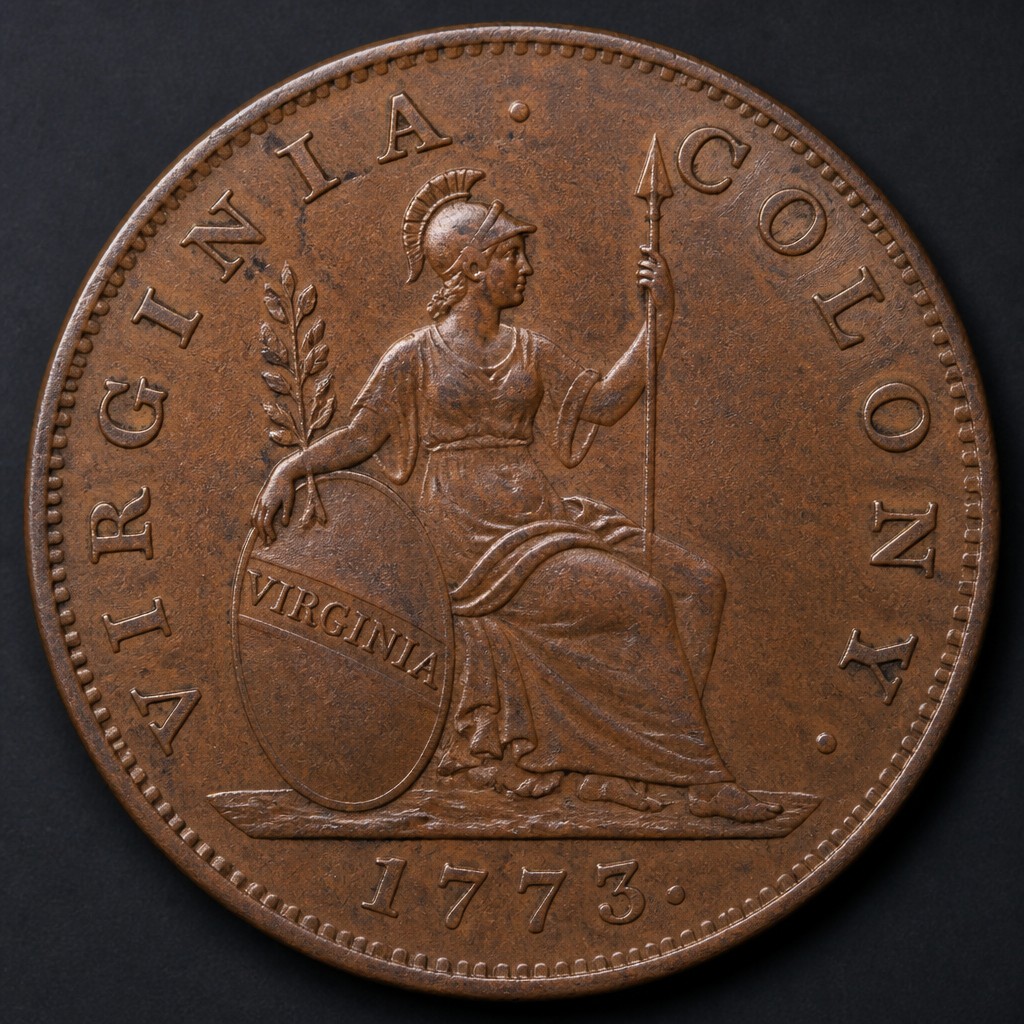
Virginia Halfpenny
1773
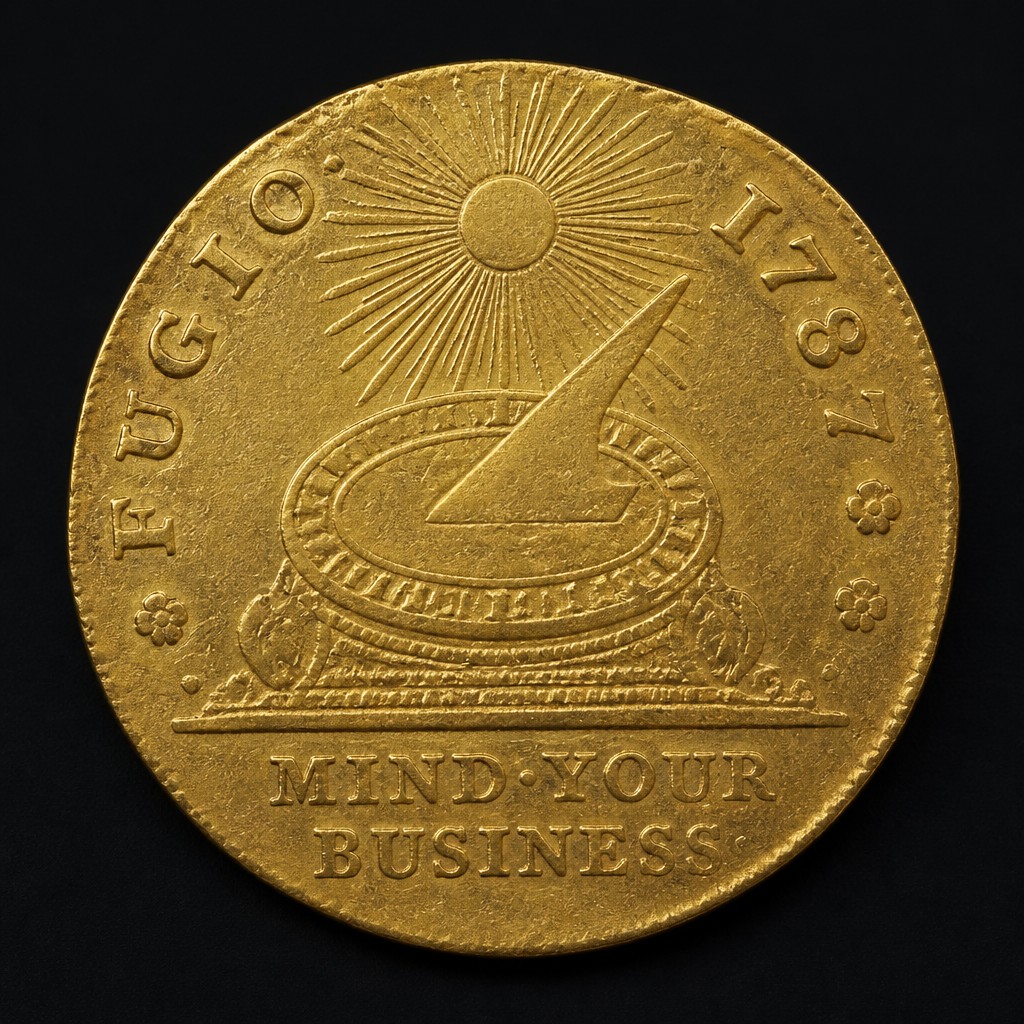
Brasher Doubloon
1787
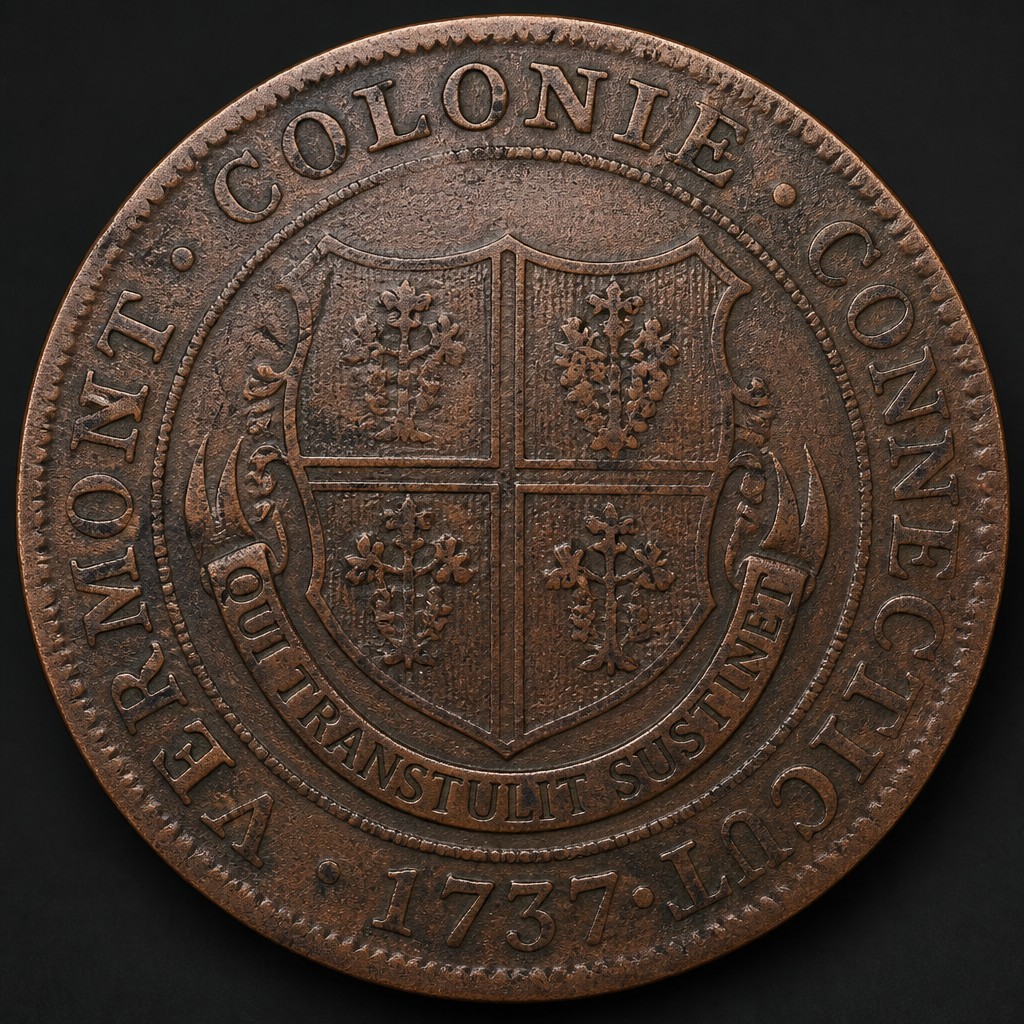
Higley Copper
1737–1739
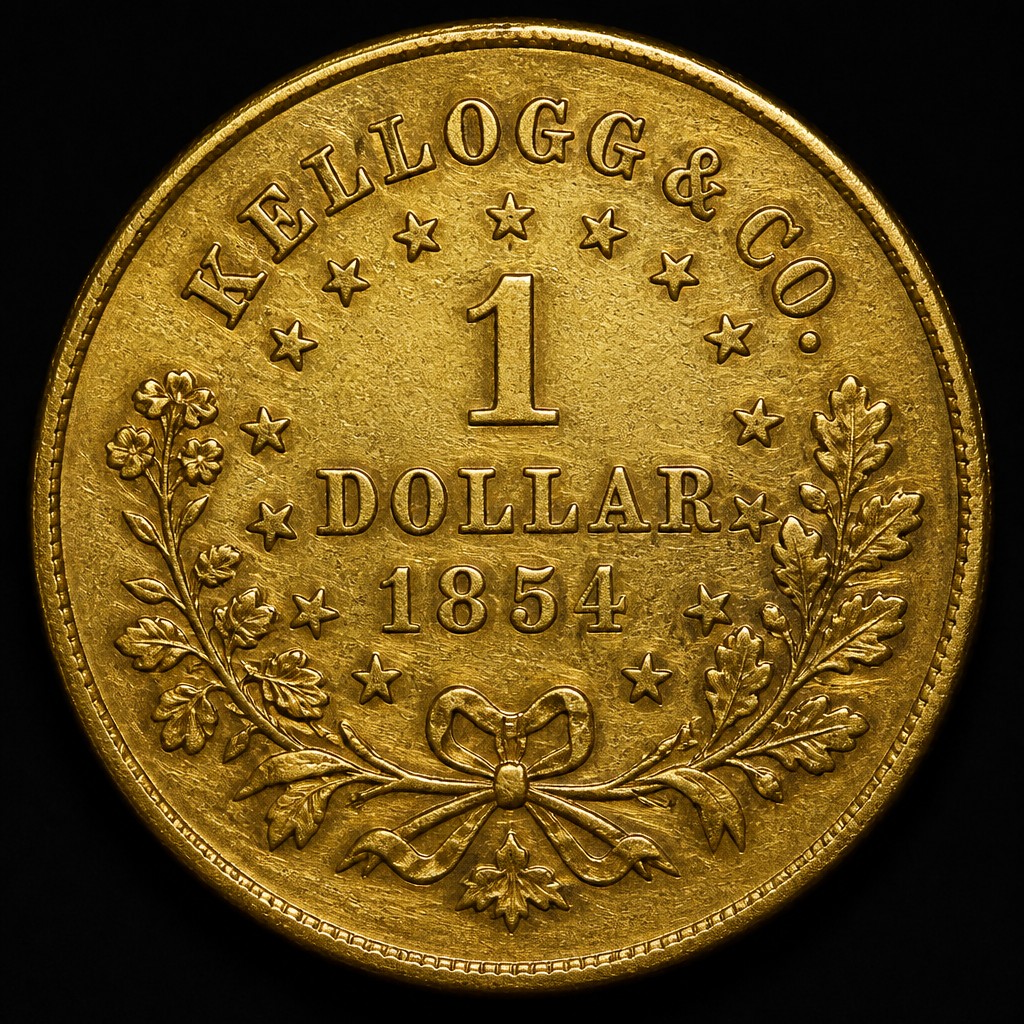
Kellogg & Co. Gold Piece
1854–1855
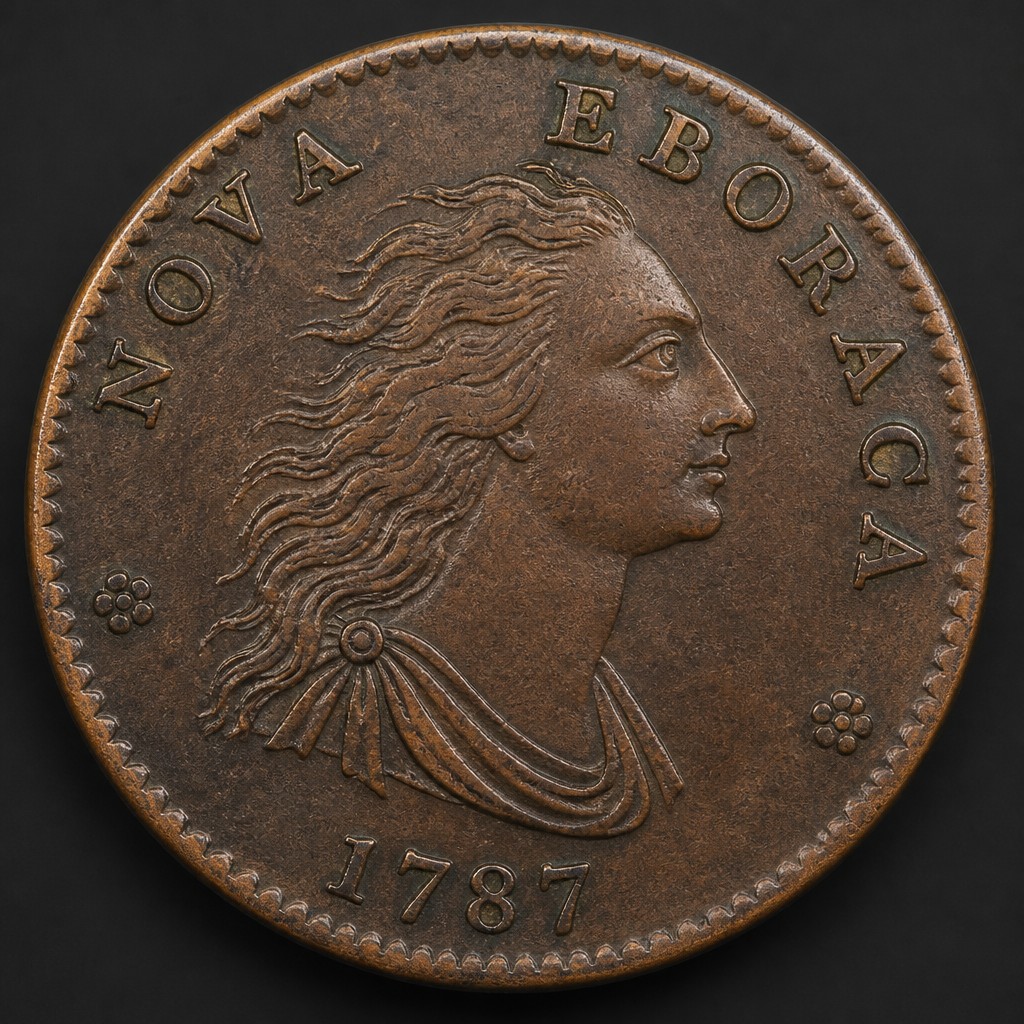
Nova Eborac Copper
1787
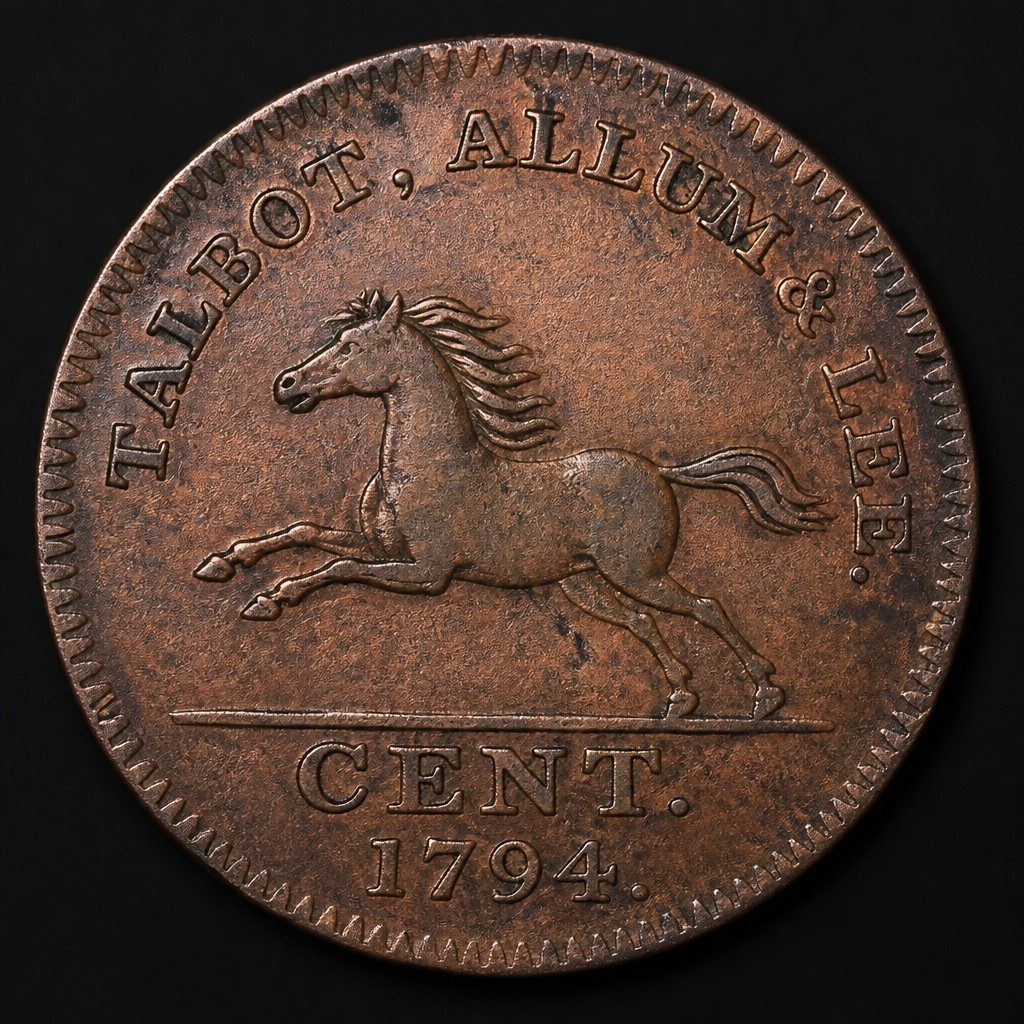
Talbot, Allum & Lee Cent
1794–1795
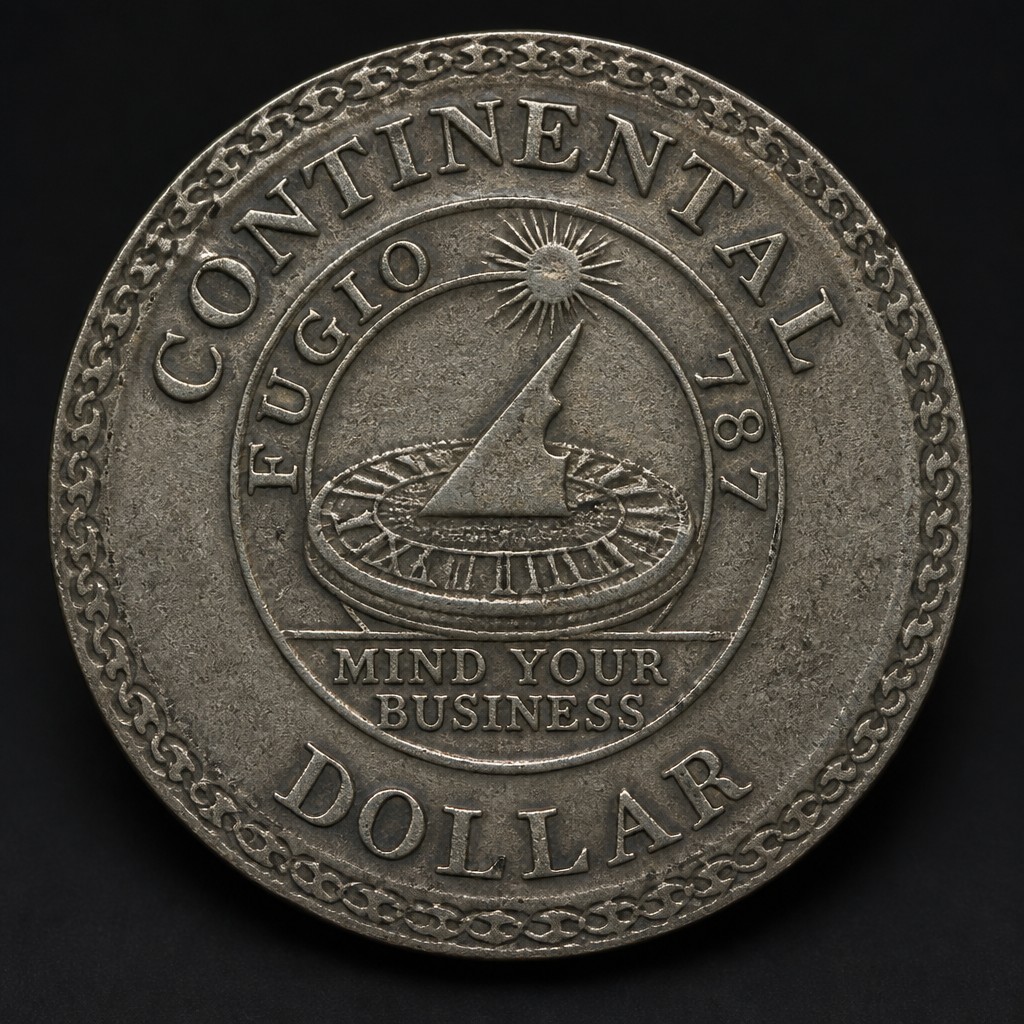
Continental Dollar
1776
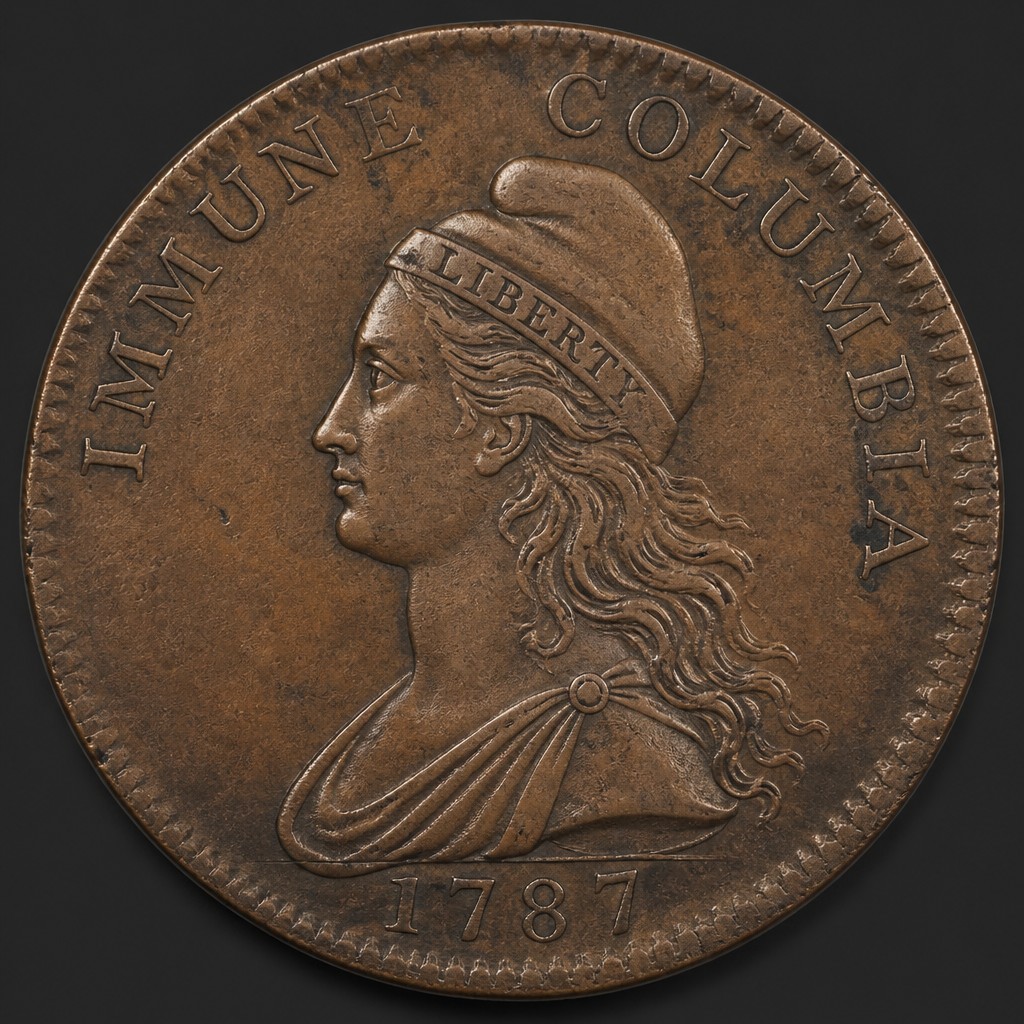
Immune Columbia Copper
circa 1785–1787
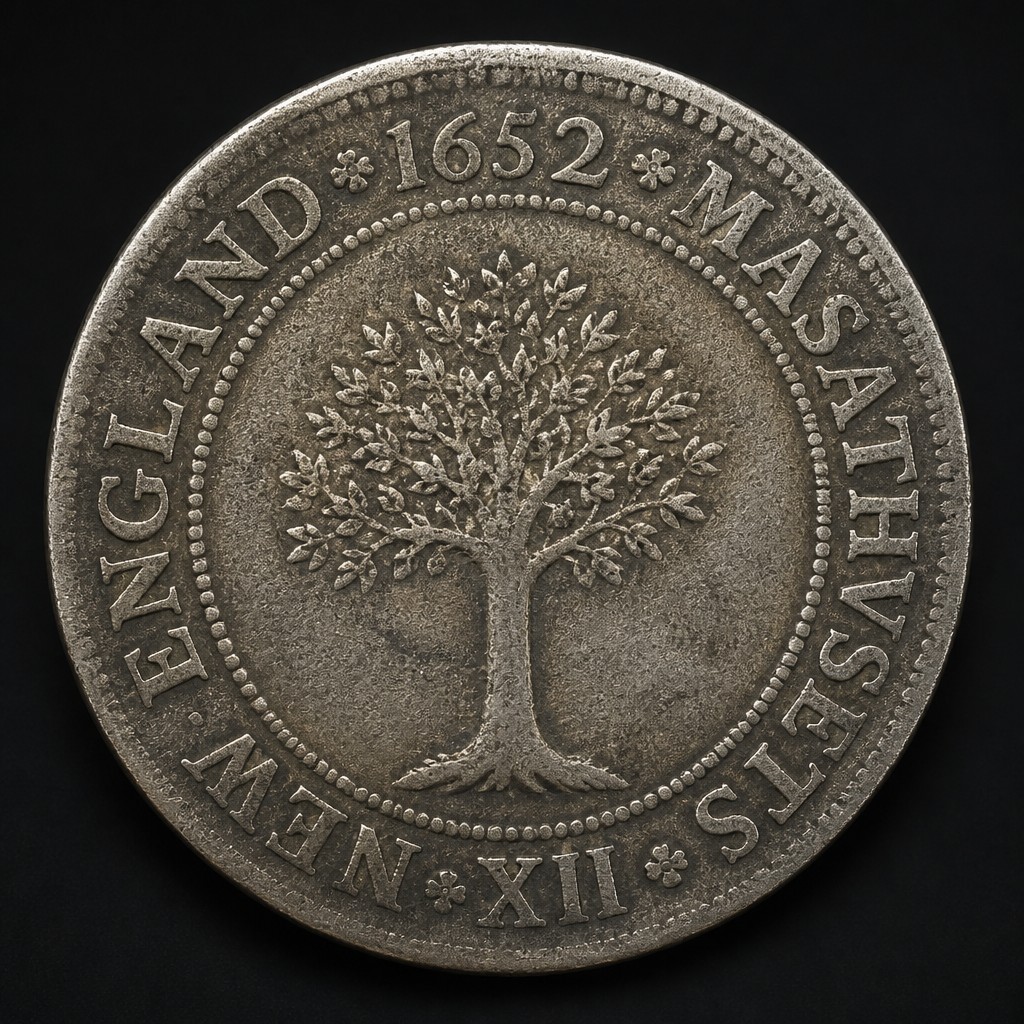
Massachusetts Oak Tree Shilling
Dated 1652, struck circa 1660–1667
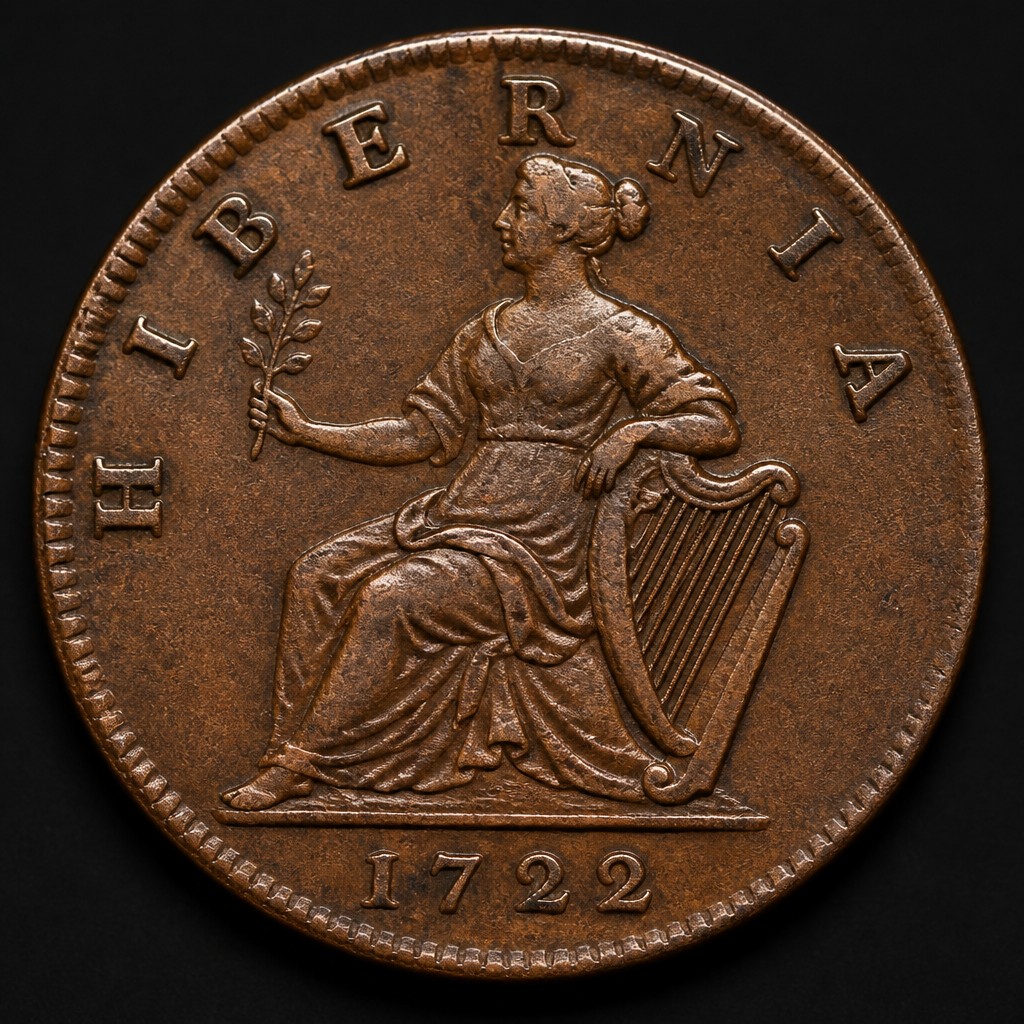
Wood's Hibernia Halfpenny
1722–1724
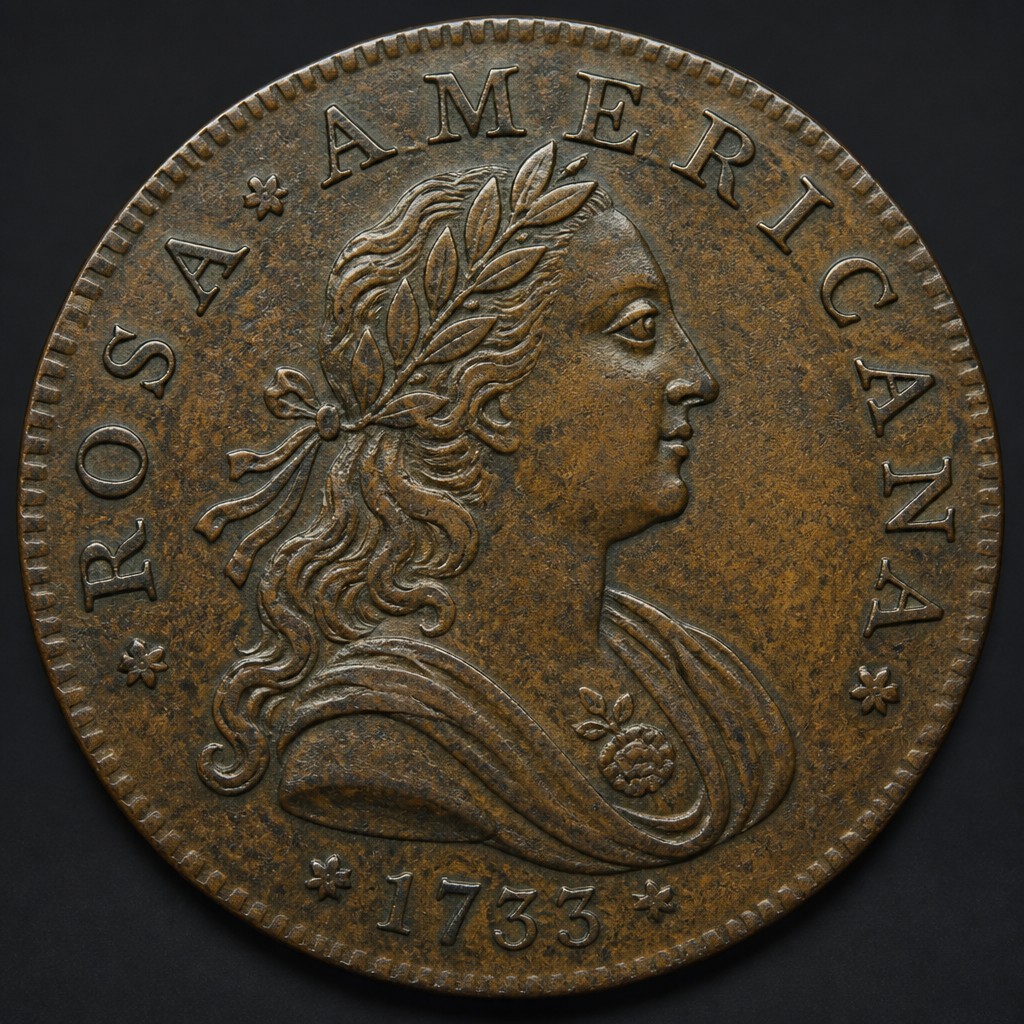
Rosa Americana Coinage
1722–1724 (with pattern issues dated 1733)
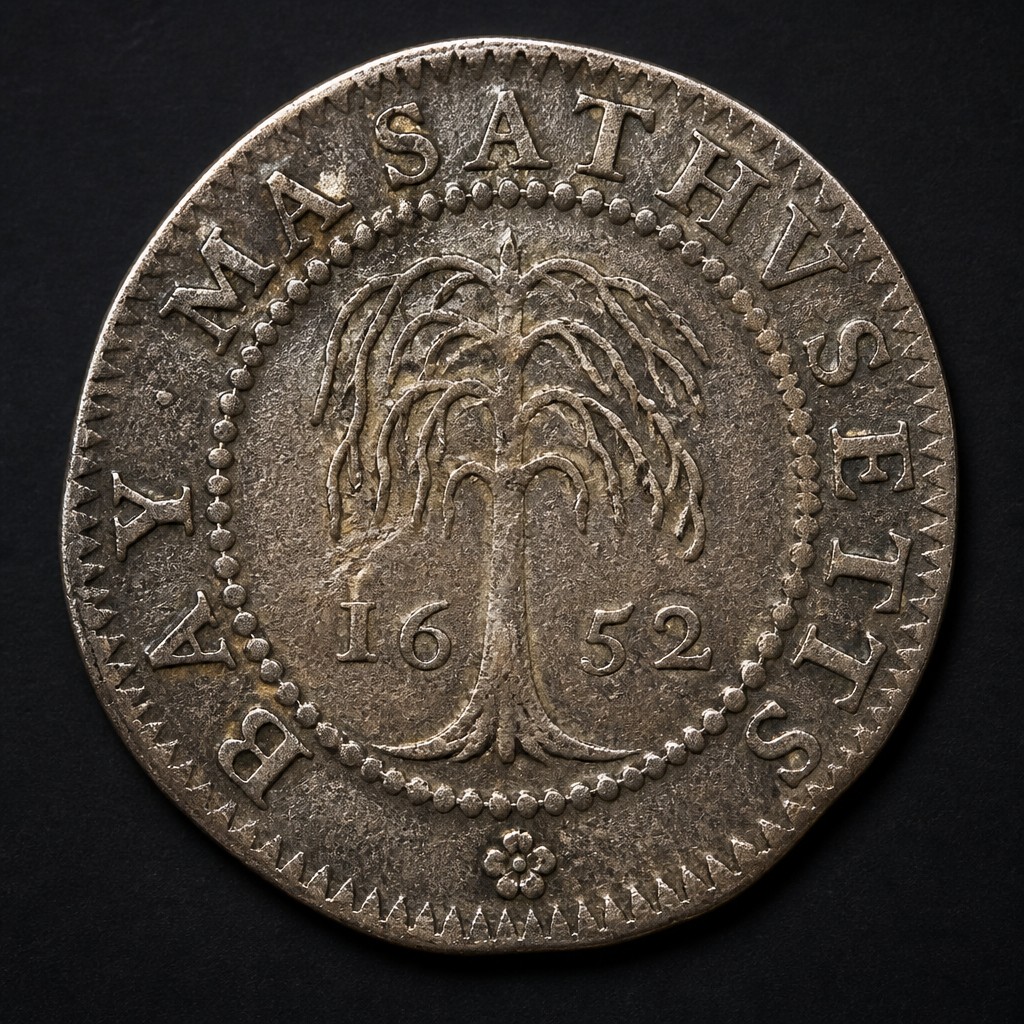
Massachusetts Willow Tree Shilling
Dated 1652, struck circa 1653–1660