
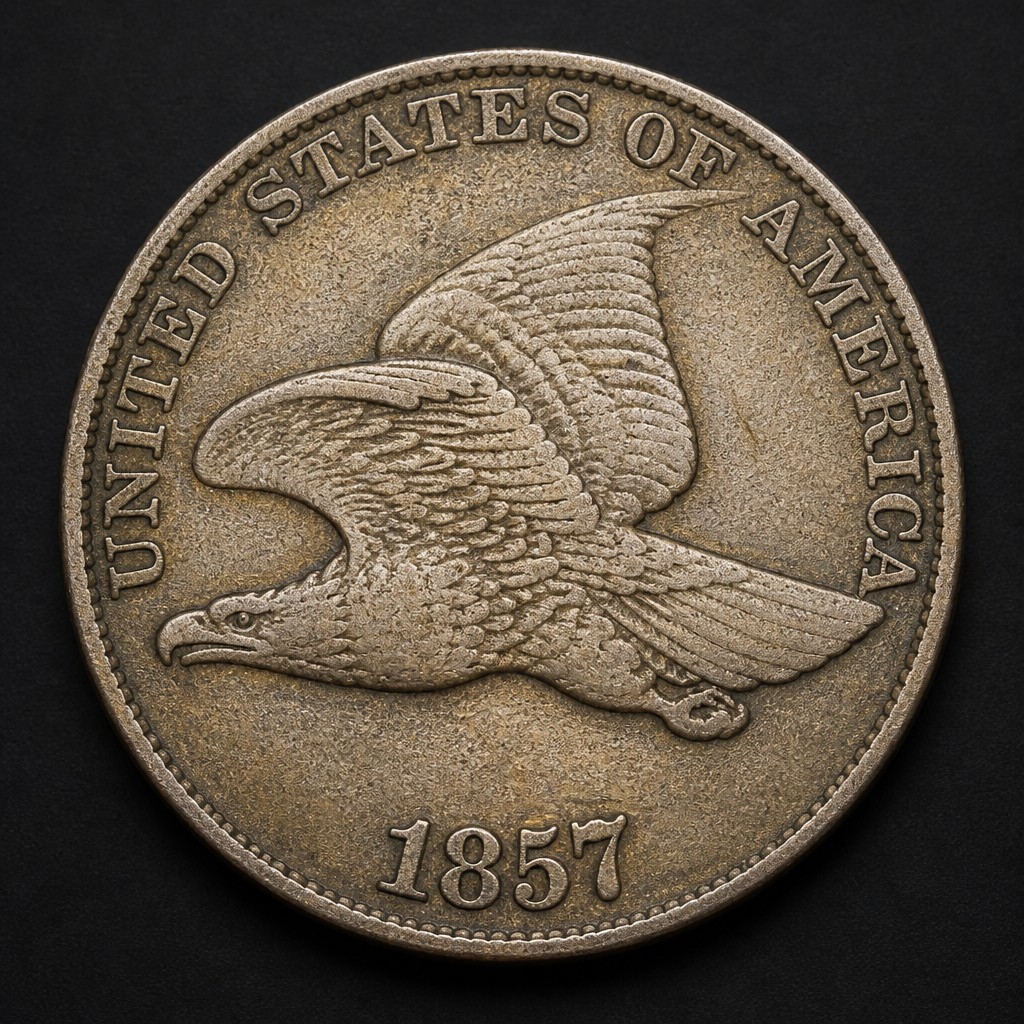
1857 Flying Eagle Cent
The first-year circulation issue of the Flying Eagle Cent, marking the debut of the small-format cent that replaced the old large copper cent.
- Country
- United States
- Denomination
- One Cent
- Metal
- Copper-Nickel (88% Copper, 12% Nickel)
Got a coin like this?
Identify any coin from a photo, free.
Overview
The 1857 Flying Eagle Cent marked a historic turning point in US coinage as the first small-format cent struck for general circulation, replacing the bulky, pure-copper large cent that had circulated since the 1790s. Its introduction reflected both rising copper costs and public demand for a more practical everyday coin.
For collectors, 1857 represents the true beginning of the modern small cent tradition that continues through today's Lincoln cent, making it a foundational date for anyone assembling a small cent type set or a complete Flying Eagle collection.
History & Background
By the mid-1850s, the price of copper had risen enough that the large cent, made of nearly pure copper and roughly the size of a modern half dollar, had become impractical and expensive to produce relative to its face value. Congress authorized a smaller cent made of a copper-nickel alloy in 1857, adopting a flying eagle design that Chief Engraver James B. Longacre adapted from Christian Gobrecht's earlier pattern work.
The public responded enthusiastically, exchanging large cents and worn Spanish colonial coinage for the new, more convenient small cents in huge numbers when they were released. The high demand led to a substantial first-year mintage, making 1857 a relatively common date within the short Flying Eagle series despite its historic importance.
How to Identify
The obverse features an eagle in flight above a shield device and the date, with 'UNITED STATES OF AMERICA' around the border. The reverse shows 'ONE CENT' encircled by an agricultural wreath of corn, wheat, cotton, and tobacco leaves, similar to the design later used on early Indian Head cents.
Unlike 1858, the 1857 issue does not have Large Letters and Small Letters varieties; the lettering style is consistent across the year's mintage. All 1857 cents were struck at the Philadelphia mint and carry no mintmark. As with other Flying Eagle cents, weak striking on the eagle's head and tail is common due to the opposing wreath design and should not automatically be read as heavy wear.
Value & Collectibility
As the more plentiful of the Flying Eagle series' two circulation-strike dates, the 1857 cent is a relatively attainable entry point for collectors, available in a range of circulated grades at accessible prices. Sharply struck, high-grade uncirculated examples are considerably scarcer and more valuable, given the design's known striking weaknesses.
Because it represents the first year of the small cent format, the 1857 issue holds strong type-set demand independent of its numerical mintage, and problem-free coins in original, unspotted condition are especially sought after.
Frequently asked questions
Why is 1857 an important date in US coinage?
It marks the first year the small-format cent replaced the older, larger copper cent, beginning the small cent tradition still used today.
Does the 1857 cent have Large and Small Letters varieties like 1858?
No, only 1858 has the two letter-size varieties; the 1857 lettering style is consistent throughout the year.
Why does the eagle's head sometimes look worn even on nice coins?
The reverse wreath sat directly opposite the eagle's head and tail, often causing a naturally weak strike there regardless of the coin's actual wear.
Is the 1857 Flying Eagle cent rare?
It is one of the more common dates in the short-lived Flying Eagle series, making it a popular and accessible type coin.
Other coins you may enjoy
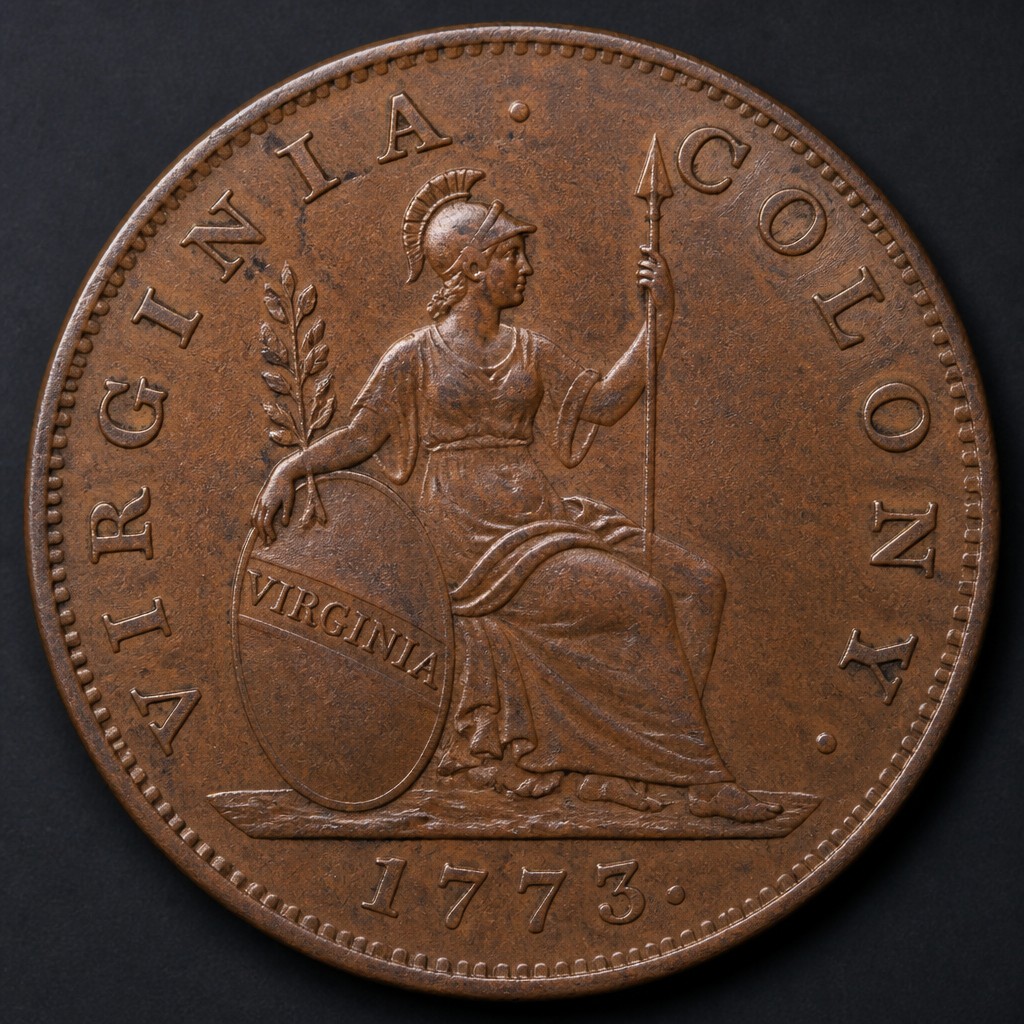
Virginia Halfpenny
1773
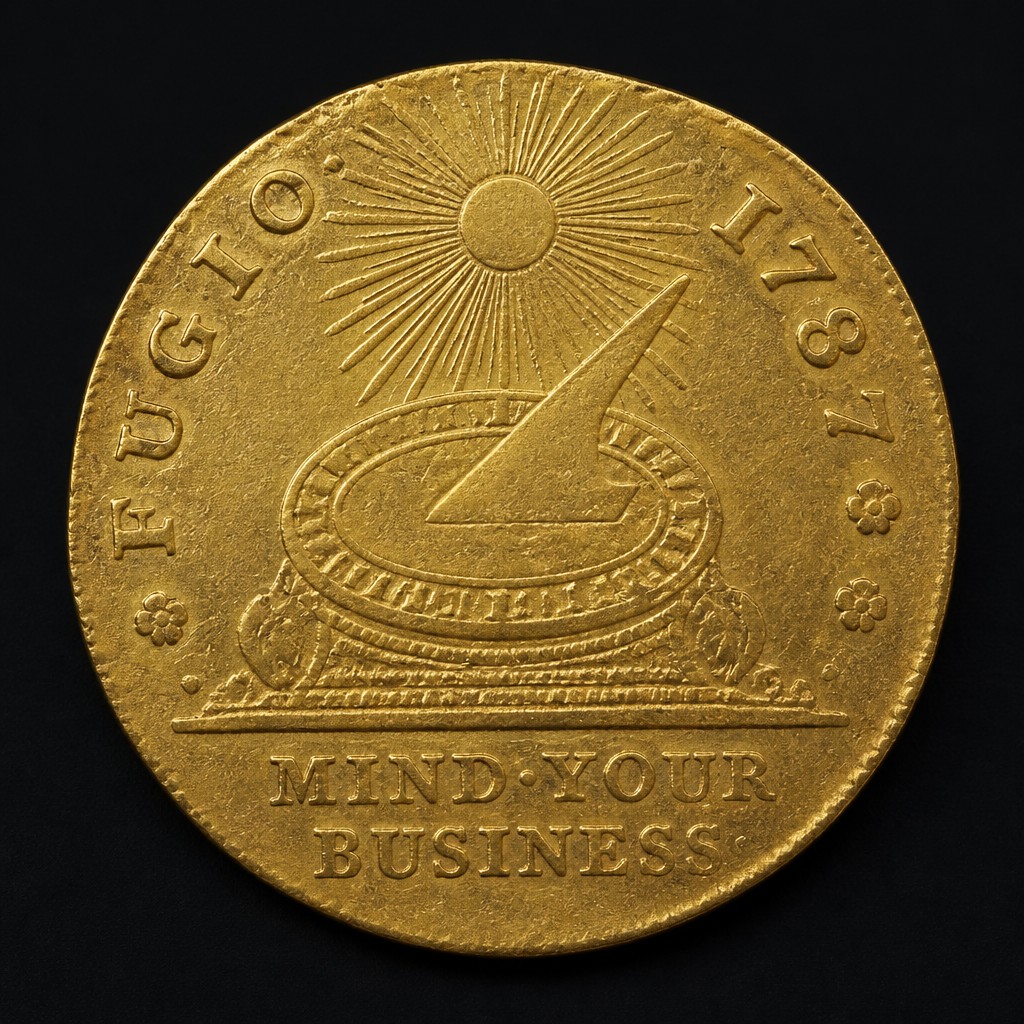
Brasher Doubloon
1787
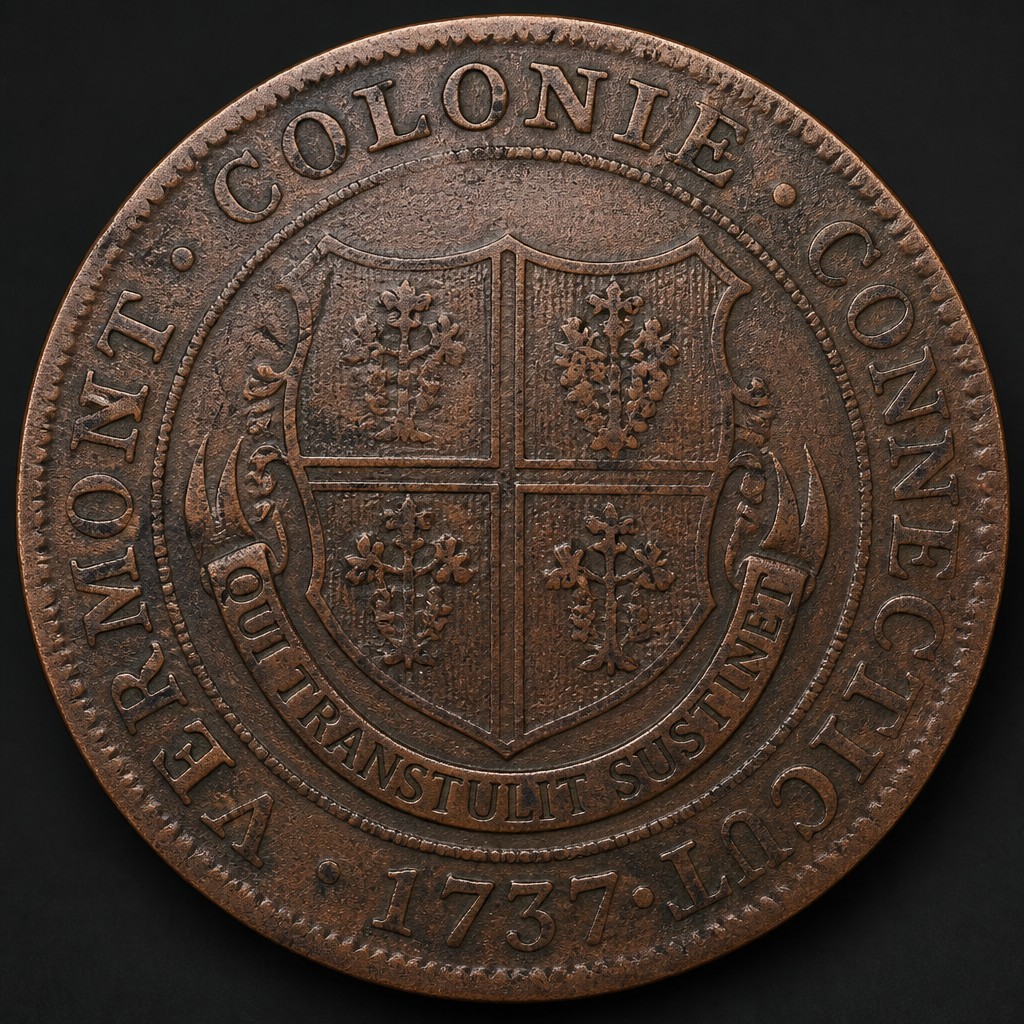
Higley Copper
1737–1739
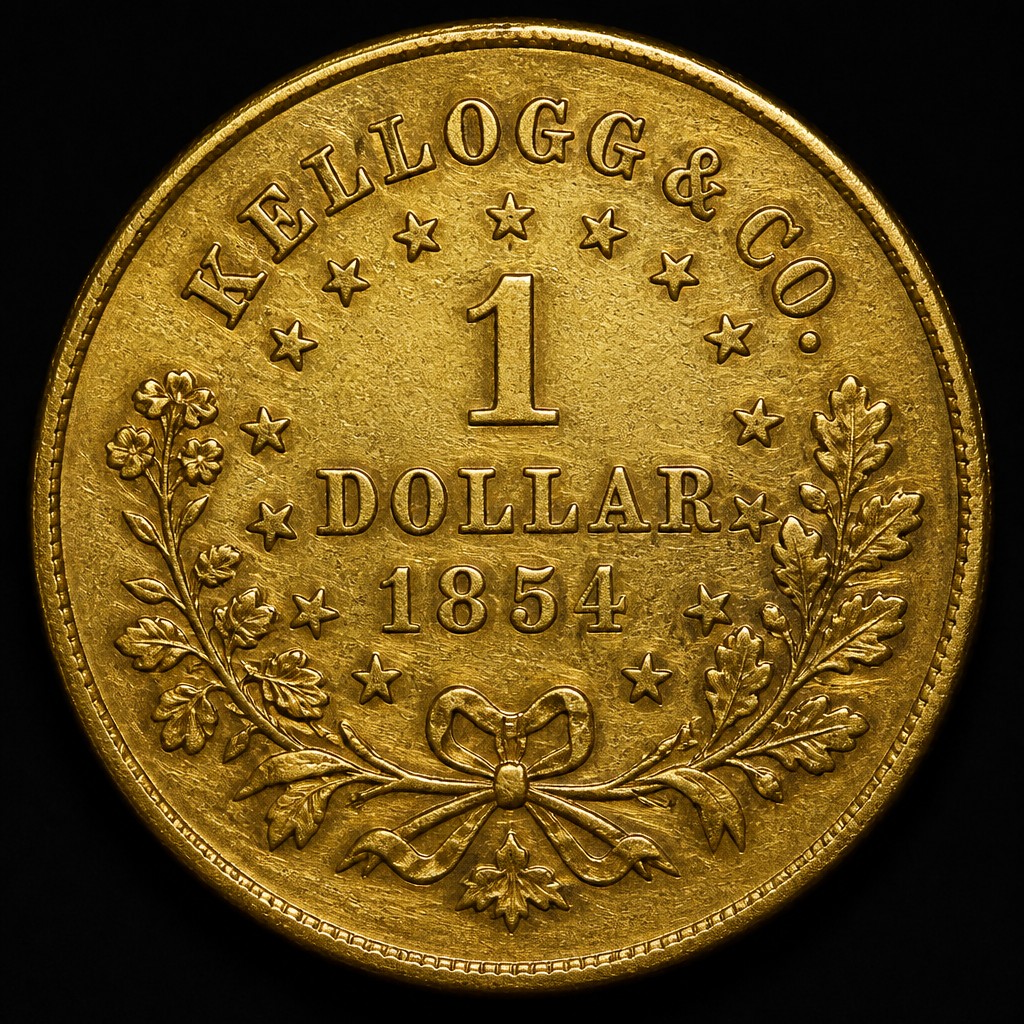
Kellogg & Co. Gold Piece
1854–1855
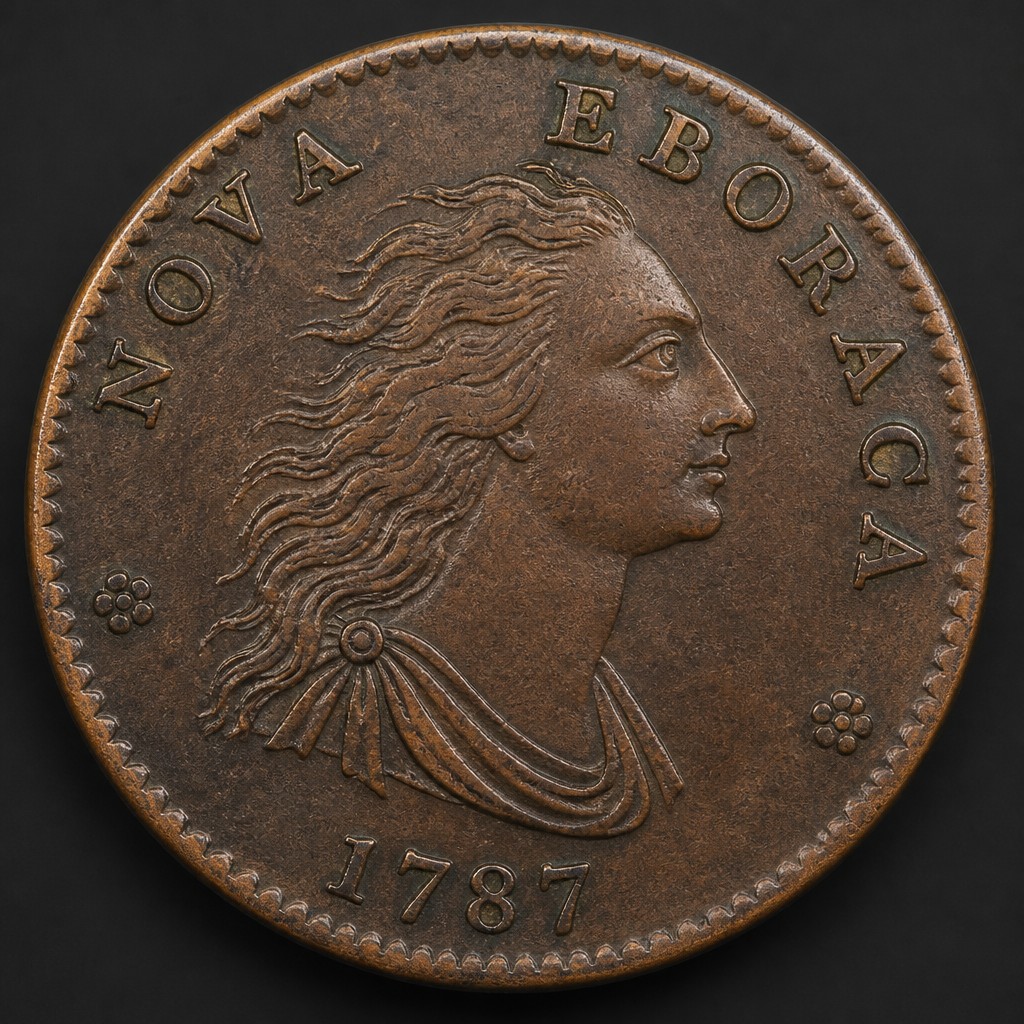
Nova Eborac Copper
1787
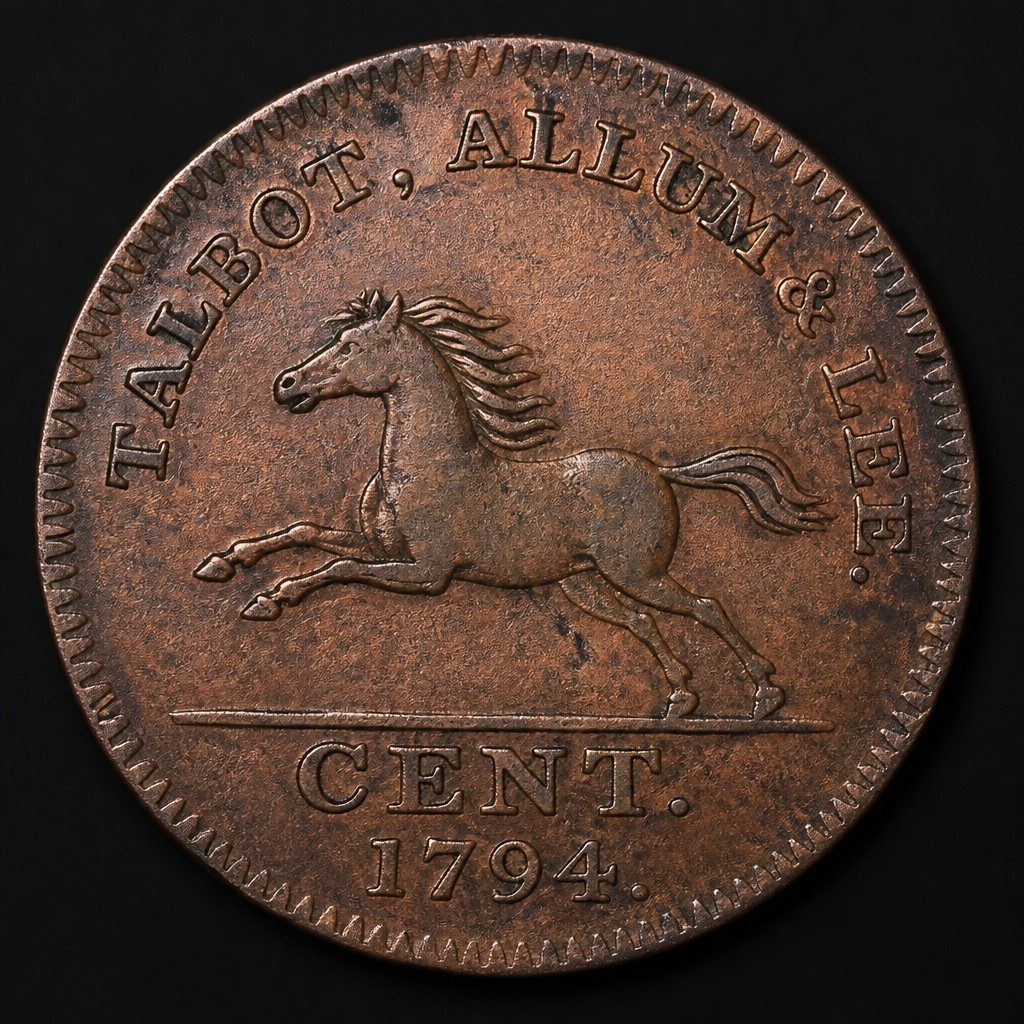
Talbot, Allum & Lee Cent
1794–1795
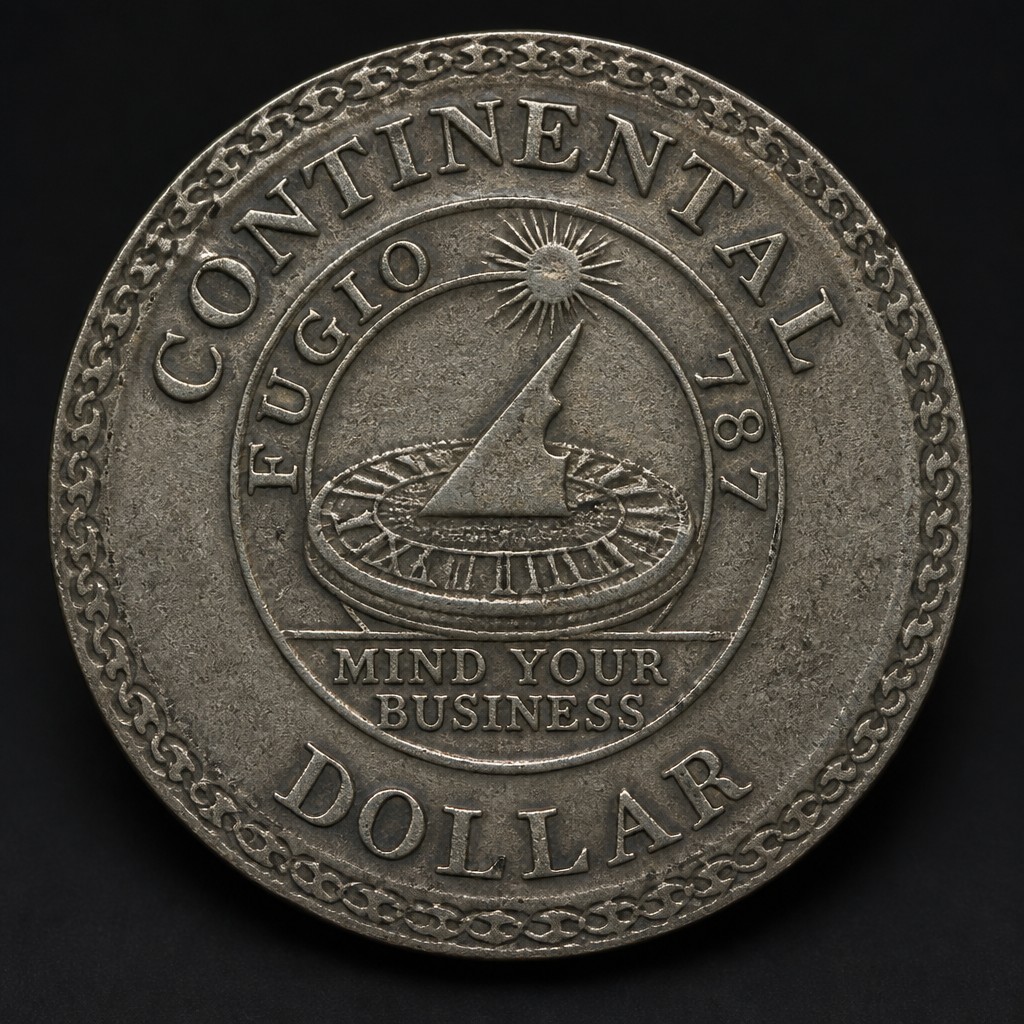
Continental Dollar
1776
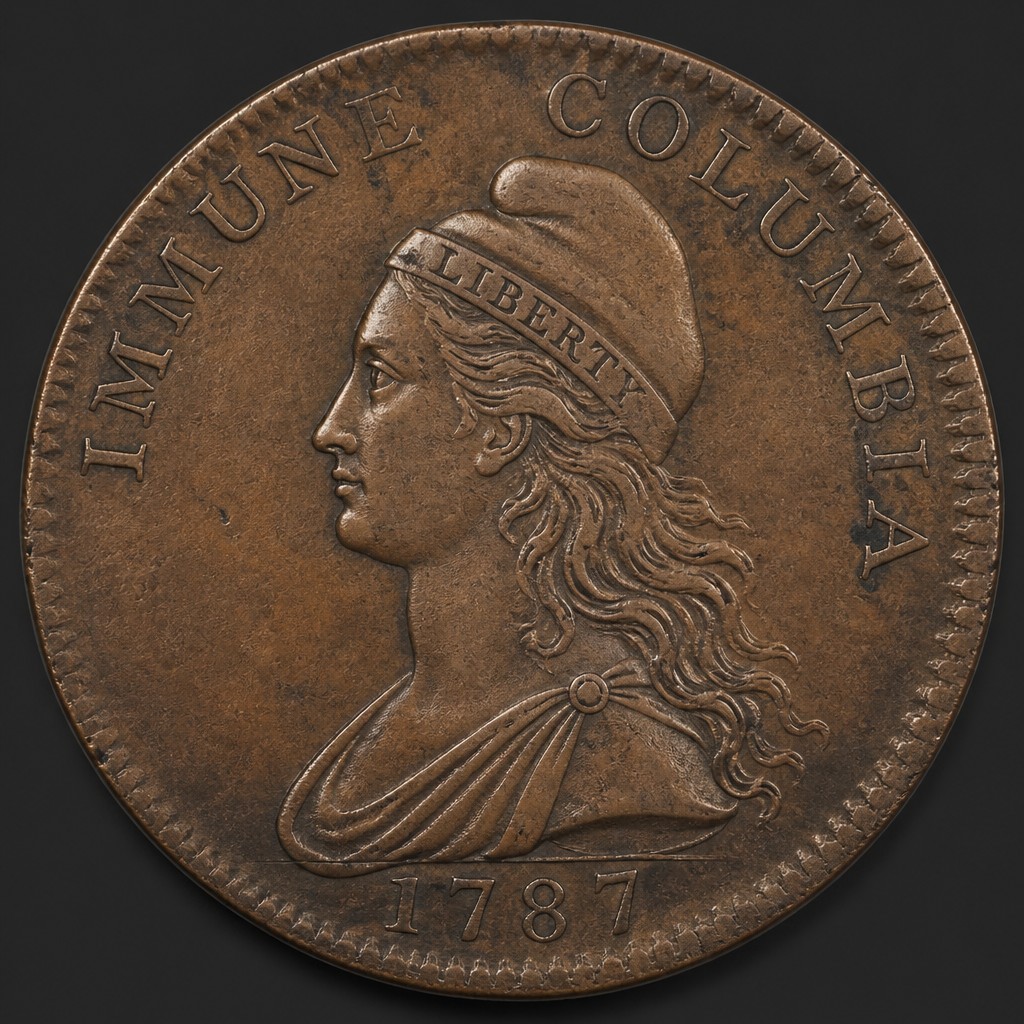
Immune Columbia Copper
circa 1785–1787
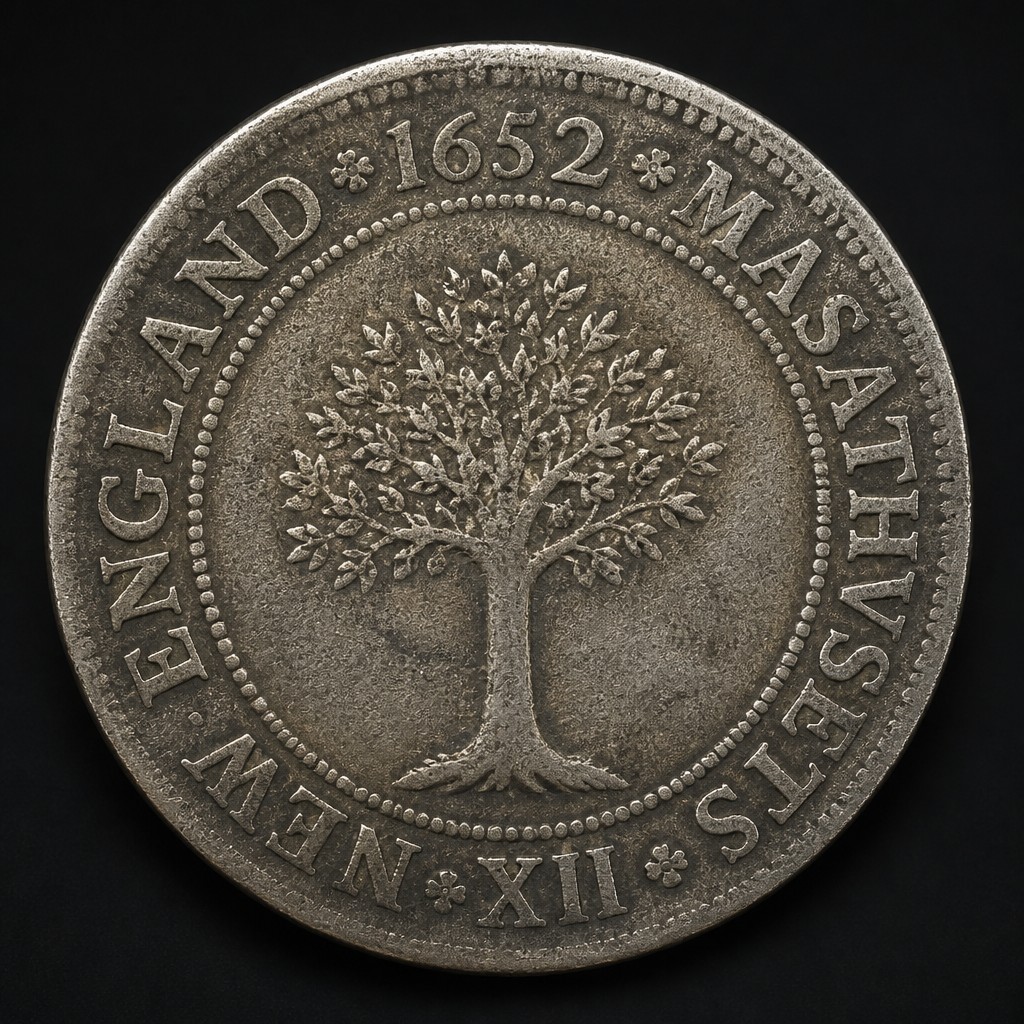
Massachusetts Oak Tree Shilling
Dated 1652, struck circa 1660–1667
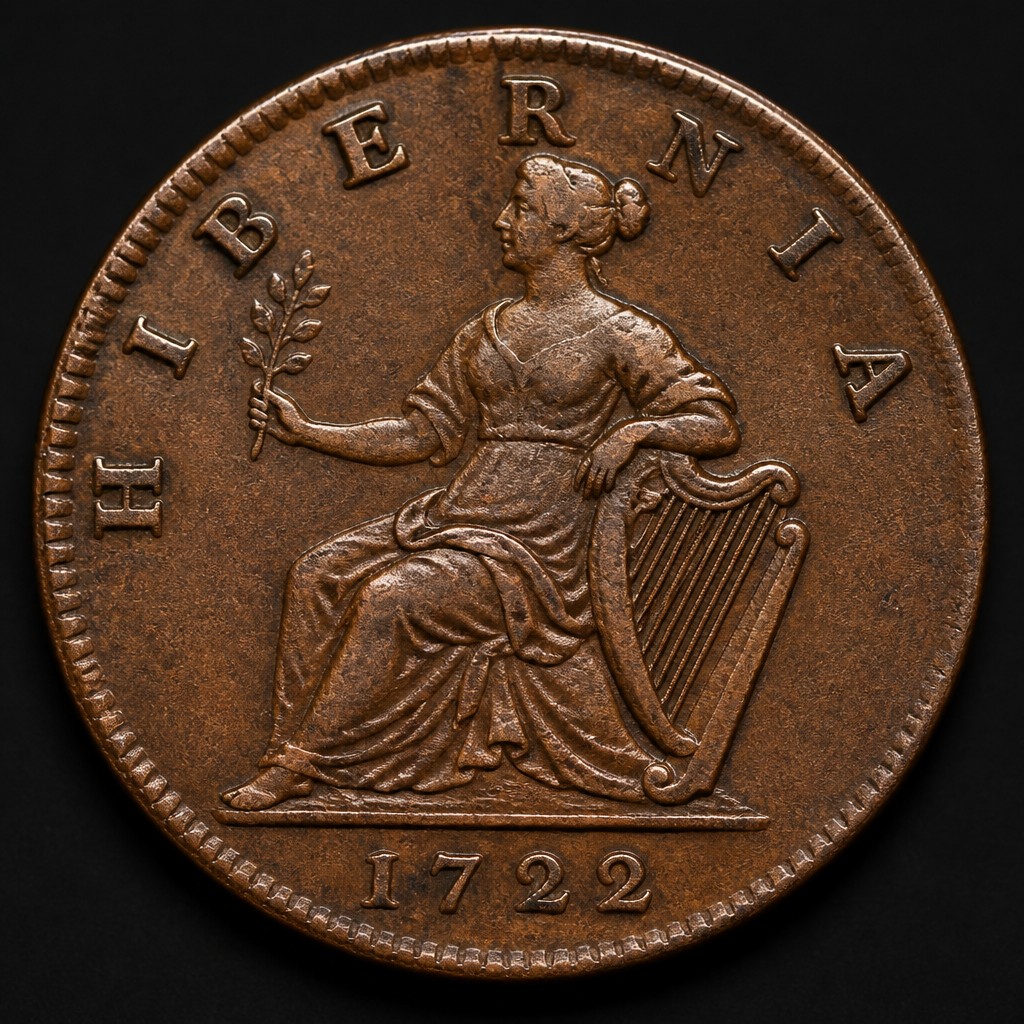
Wood's Hibernia Halfpenny
1722–1724
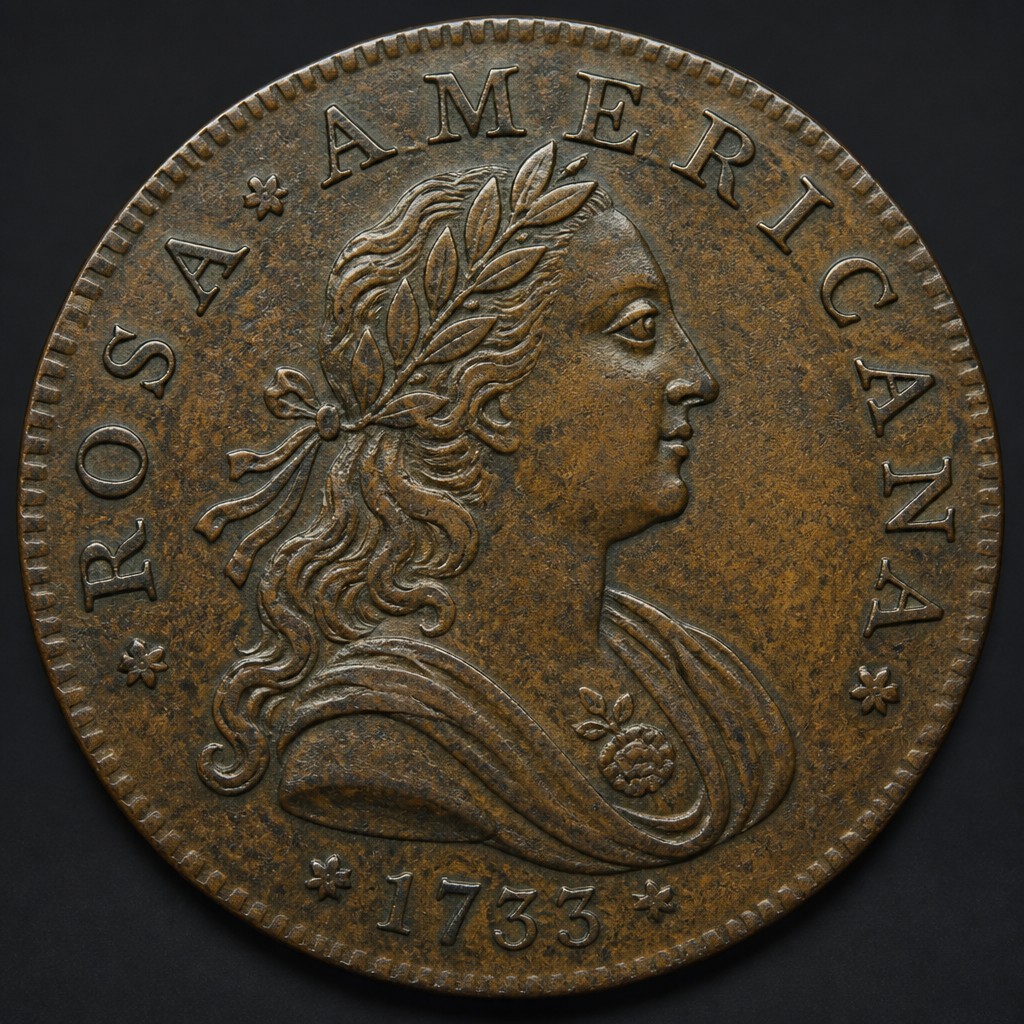
Rosa Americana Coinage
1722–1724 (with pattern issues dated 1733)
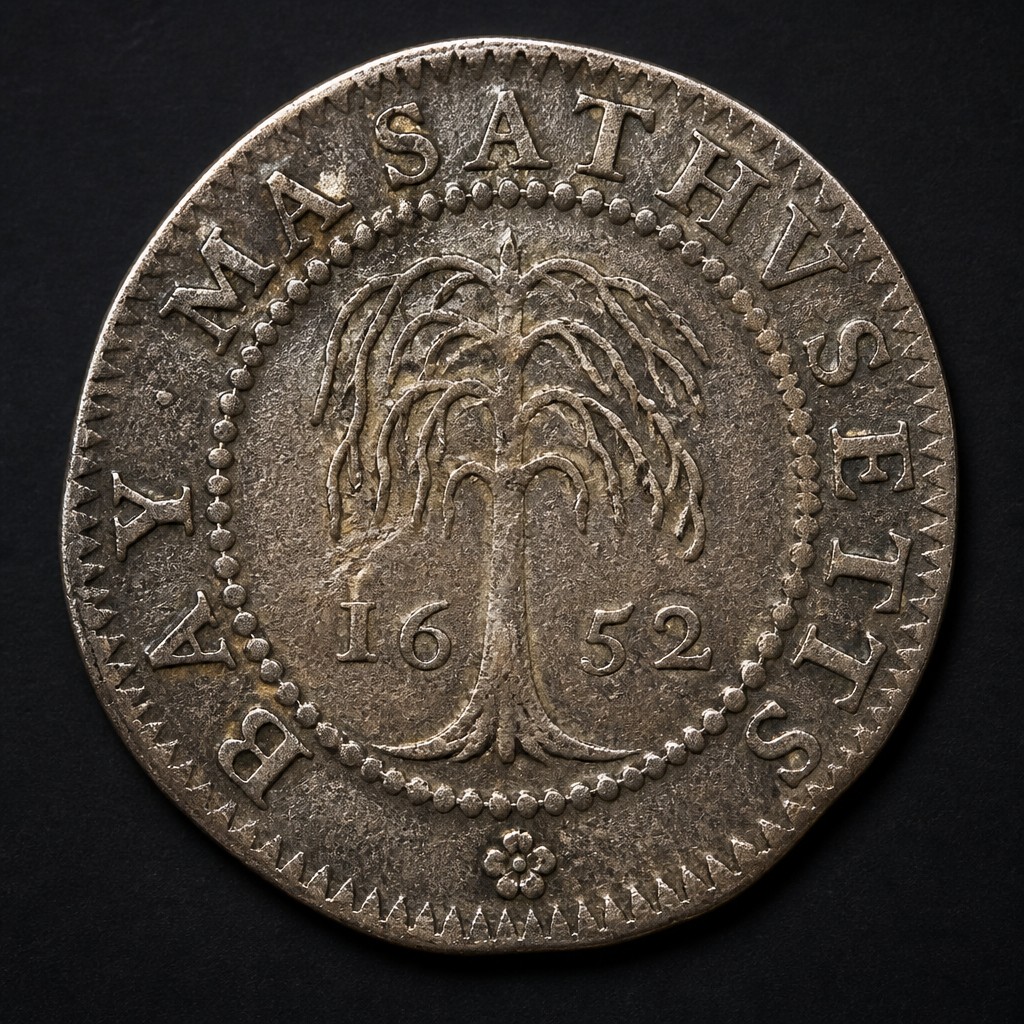
Massachusetts Willow Tree Shilling
Dated 1652, struck circa 1653–1660