
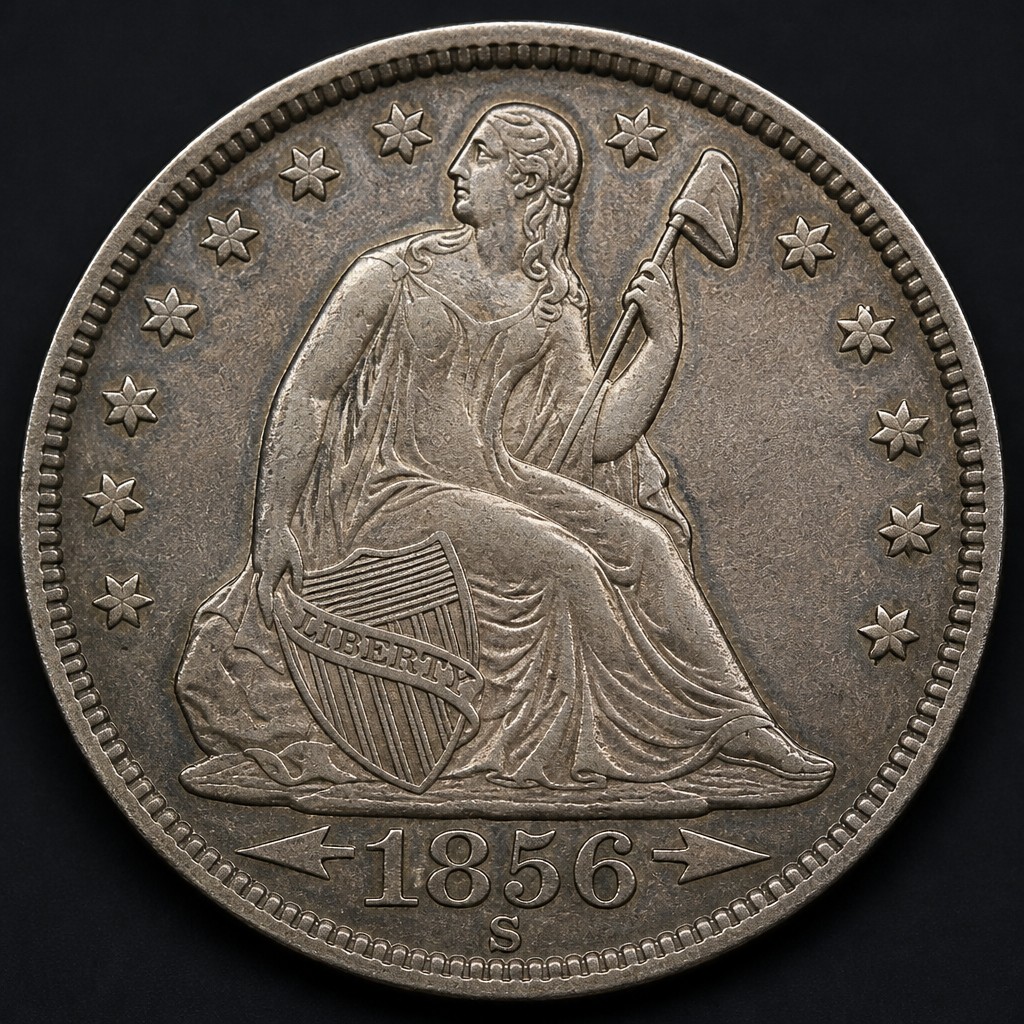
1856-S Seated Liberty Quarter
A scarcer San Francisco-minted date in the Seated Liberty quarter series, struck in the mint's early years and prized by collectors, especially in higher grades.
- Country
- United States
- Denomination
- Quarter Dollar (25 Cents)
- Metal
- 90% Silver, 10% Copper
Got a coin like this?
Identify any coin from a photo, free.
Overview
The 1856-S Seated Liberty Quarter comes from the early years of the San Francisco Mint, which began striking coinage in 1854 following the California Gold Rush. As one of the lower-mintage San Francisco issues of the 1850s Seated Liberty quarter series, it is considered a scarcer, though not impossibly rare, date that draws strong interest from series specialists and collectors of early San Francisco coinage.
Seated Liberty quarters as a whole were produced from 1838 to 1891, and the San Francisco branch mint issues from this early period are generally more difficult to locate in high grade than their Philadelphia counterparts, reflecting both lower mintages and the harder use silver coins saw in circulation on the West Coast.
History & Background
The Seated Liberty design, created by engraver Christian Gobrecht based on concepts from artist Thomas Sully and sculptor Titian Peale, was used across most US silver denominations for much of the mid-19th century, depicting Liberty seated on a rock, holding a shield and liberty pole. The San Francisco Mint opened in 1854 to help process the enormous quantities of gold flowing from California's gold fields and soon expanded into striking silver coinage as well.
Quarters from the San Francisco Mint in the 1850s, including the 1856-S, circulated heavily in the cash-based economy of the booming West Coast, where paper money was often distrusted and coinage saw hard, constant use, contributing to the scarcity of well-preserved survivors from this era.
How to Identify
The obverse shows Liberty seated on a rock, holding a shield inscribed LIBERTY in one hand and a liberty pole topped with a cap in the other, surrounded by thirteen stars and the date below. The reverse depicts a heraldic eagle with a shield on its breast, holding arrows and an olive branch, with UNITED STATES OF AMERICA around the border and, on quarters of this era, no stated denomination on the coin itself (identified by size and design convention).
The 1856-S carries a small S mint mark on the reverse, positioned below the eagle, distinguishing it from the more common Philadelphia-minted 1856 quarter, which lacks any mint mark. Collectors should examine the mint mark carefully, as its size and clarity can vary, and should also check for the coin's characteristic arrows-at-date variety status, since some years in the series carry arrows beside the date reflecting a weight change, though 1856 issues typically do not have arrows.
Value & Collectibility
The 1856-S Seated Liberty Quarter is considered scarcer than its Philadelphia counterpart, commanding solid premiums even in well-worn, heavily circulated grades, and its value rises substantially in higher circulated and especially in any surviving Mint State grades, which are quite rare for this issue. Values for problem-free, moderately circulated examples generally run from the low hundreds of dollars upward, with well-preserved or higher-grade pieces reaching well into four figures or more.
As with most 19th-century silver coinage, originality of surfaces, absence of cleaning or damage, and eye appeal significantly affect value, and buyers should be cautious of cleaned or artificially toned examples, which are common in this series due to its age.
Frequently asked questions
What makes the 1856-S quarter scarce?
It was struck at the early San Francisco Mint in relatively limited numbers and saw heavy circulation in the West Coast economy, leaving few well-preserved survivors.
How do I identify the mint mark?
Look for a small 'S' mint mark on the reverse below the eagle; the Philadelphia-struck 1856 quarter has no mint mark at all.
Is this coin valuable even in worn condition?
Yes, because of its relative scarcity, even well-circulated examples typically bring meaningful premiums over common-date Seated Liberty quarters.
What should I watch for when buying this coin?
Be cautious of cleaned, artificially toned, or otherwise altered surfaces, which are common issues in 19th-century silver coins and can significantly reduce value.
Other coins you may enjoy
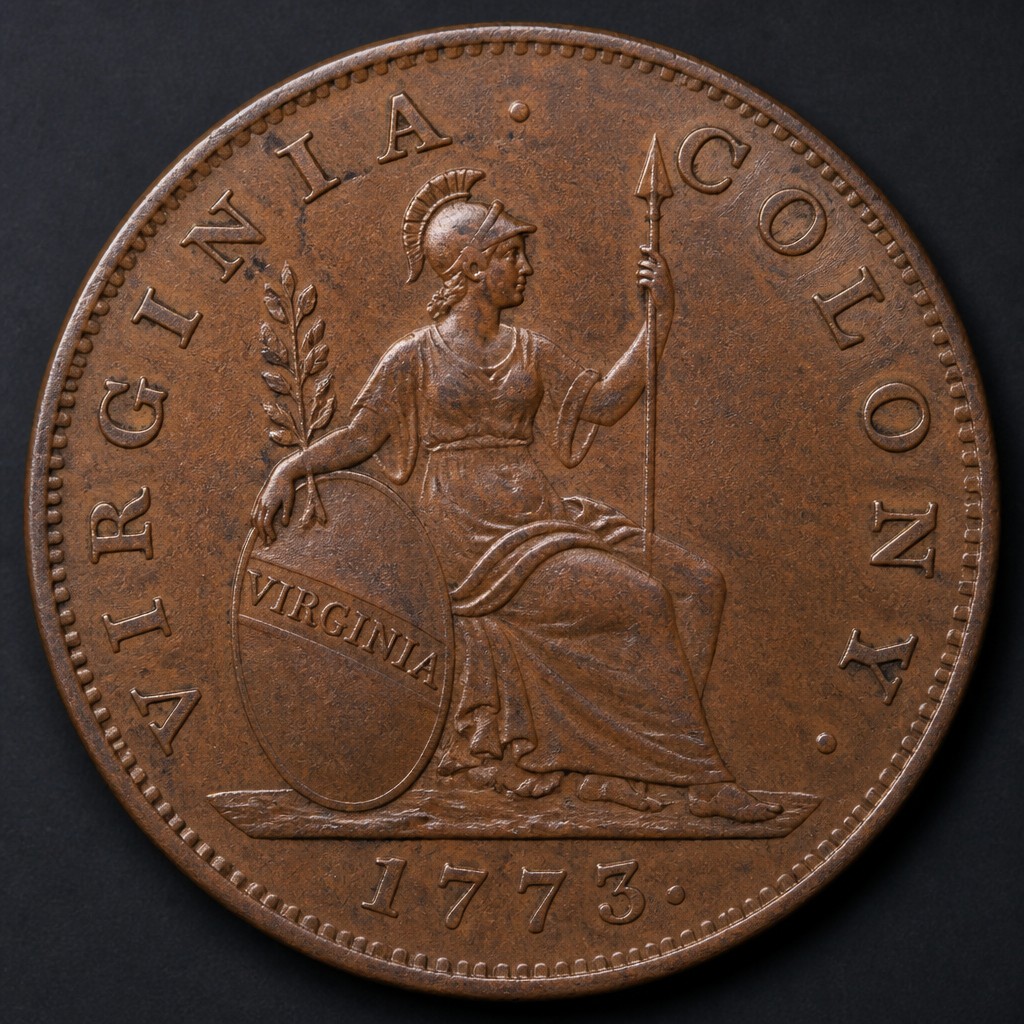
Virginia Halfpenny
1773
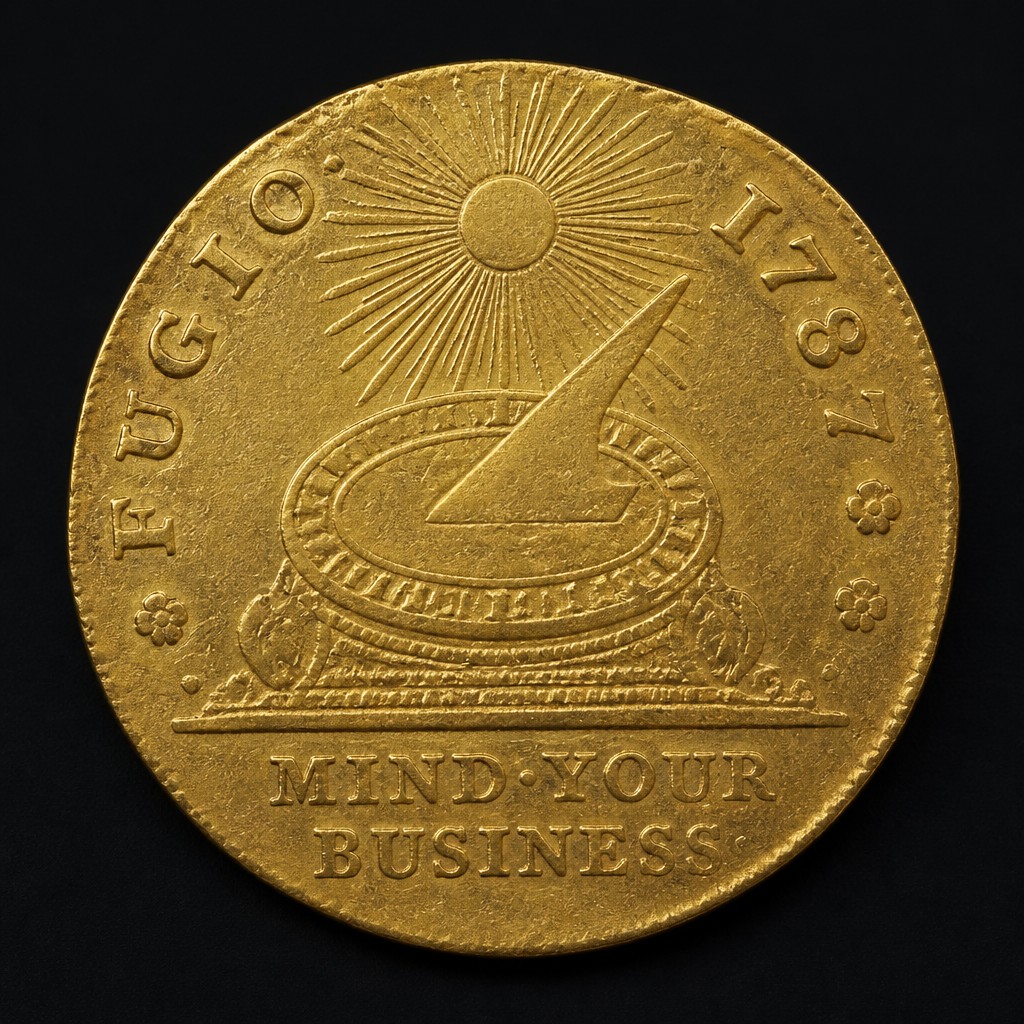
Brasher Doubloon
1787
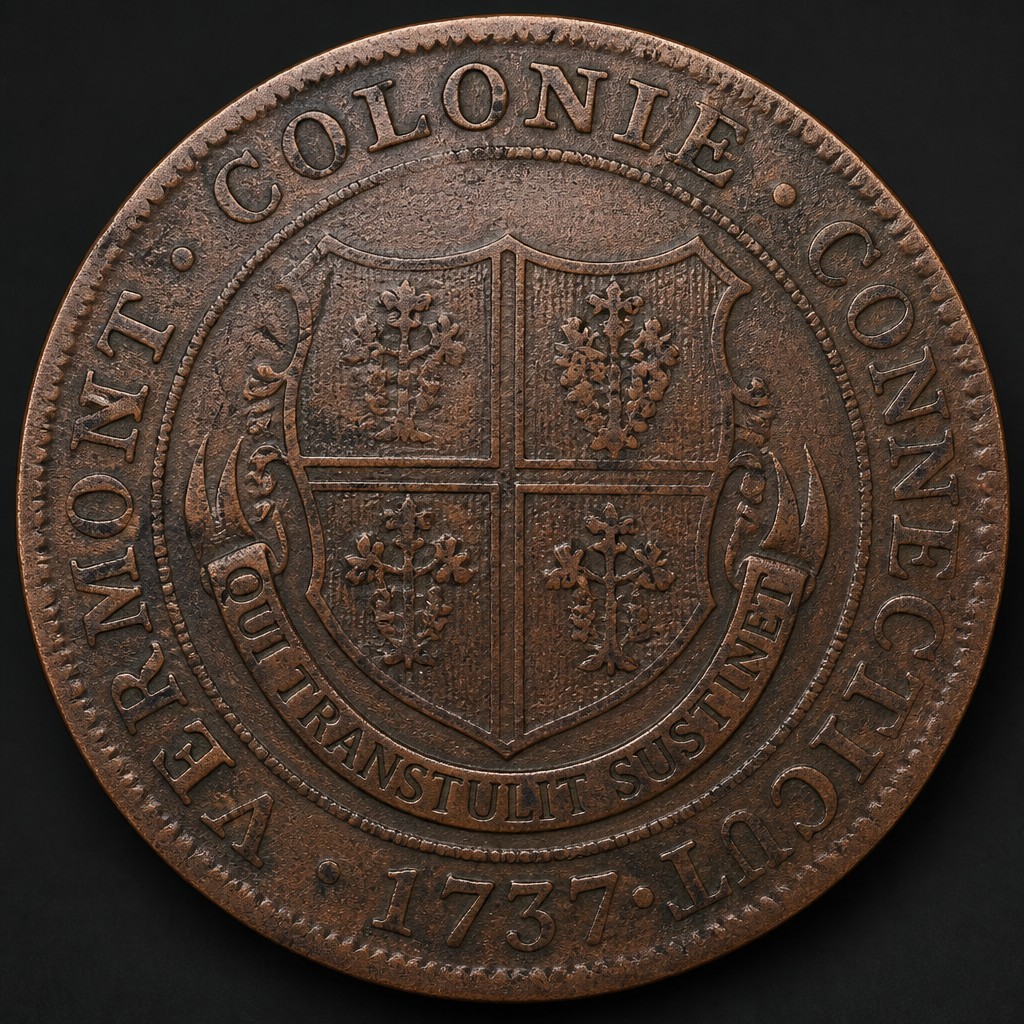
Higley Copper
1737–1739
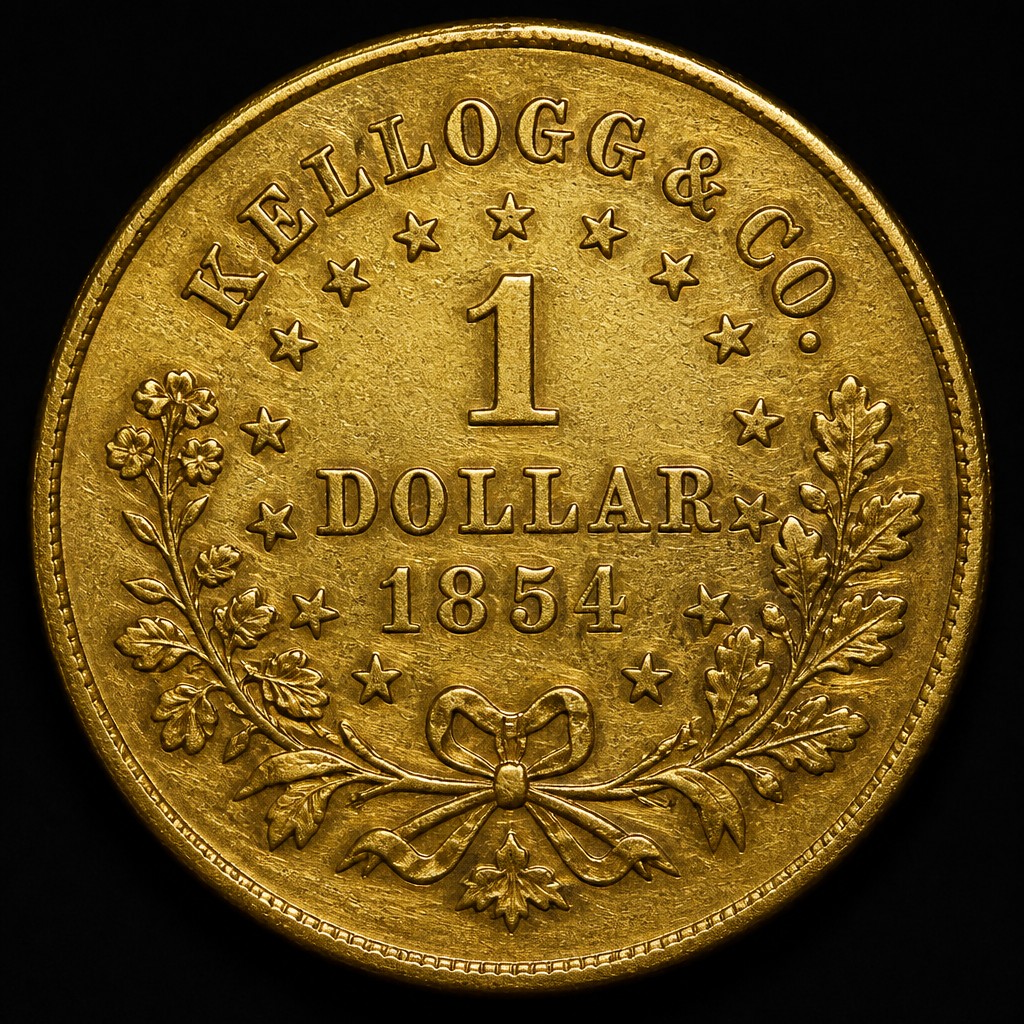
Kellogg & Co. Gold Piece
1854–1855
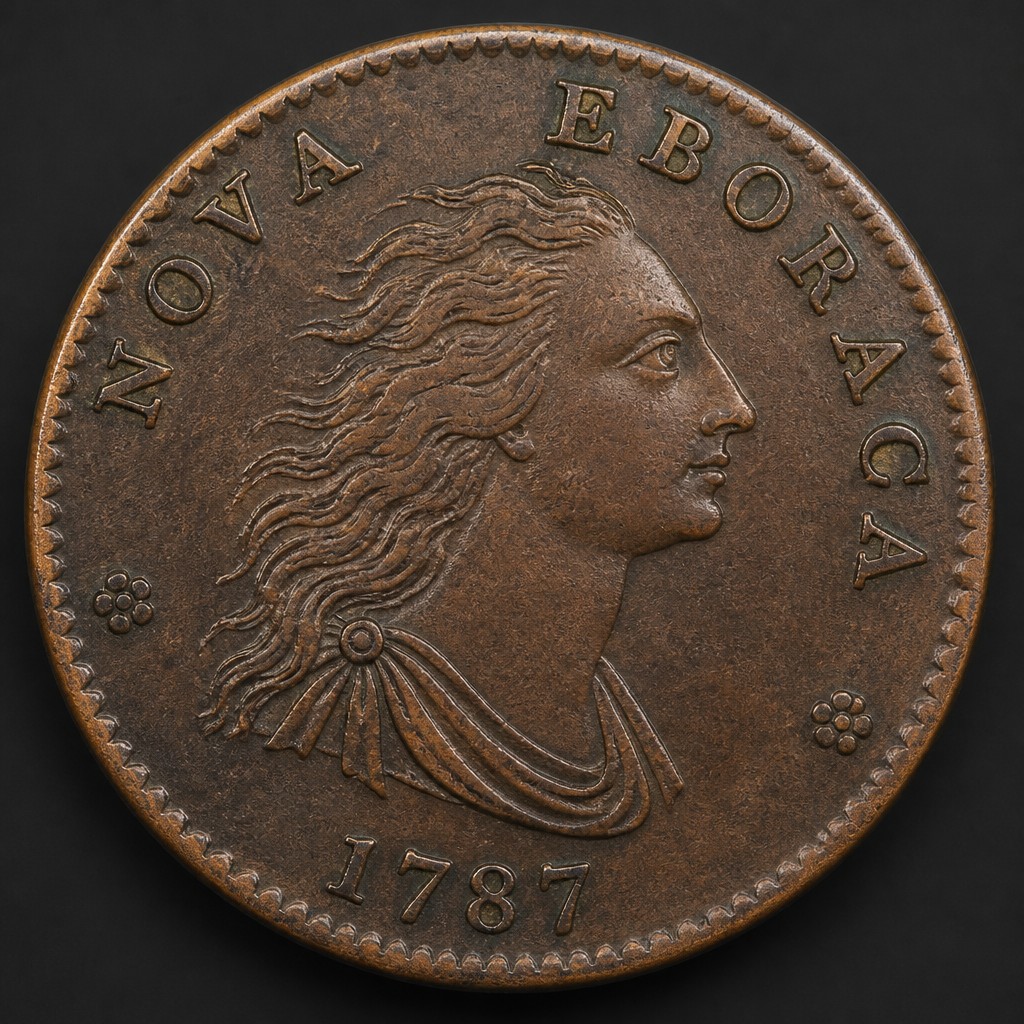
Nova Eborac Copper
1787
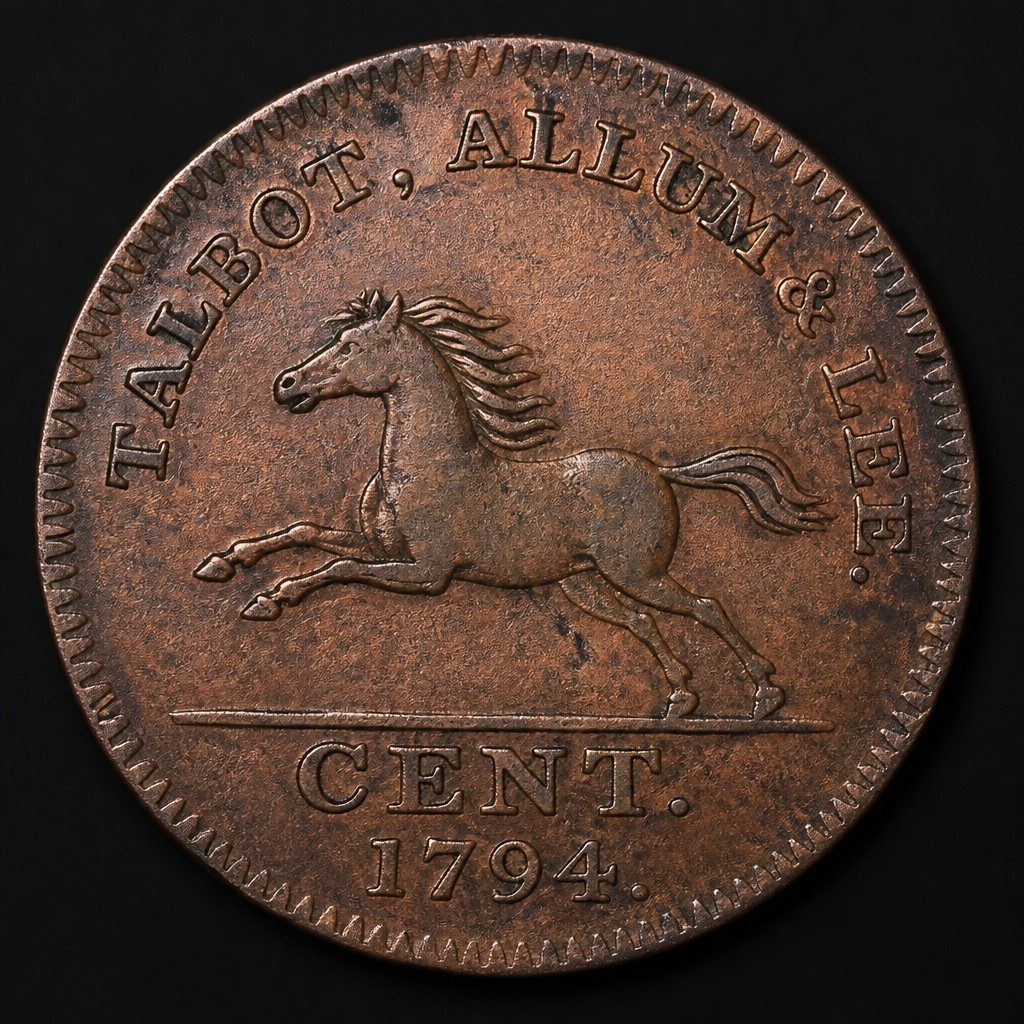
Talbot, Allum & Lee Cent
1794–1795
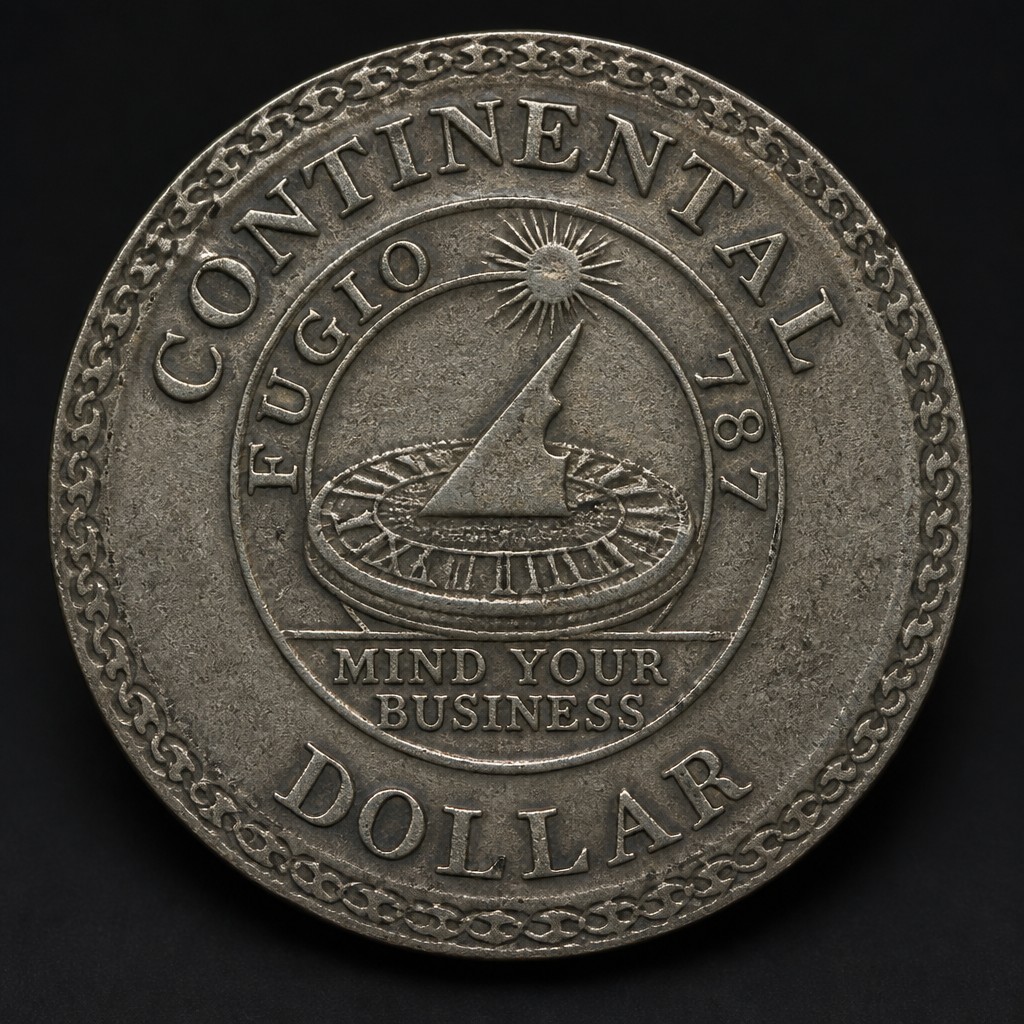
Continental Dollar
1776
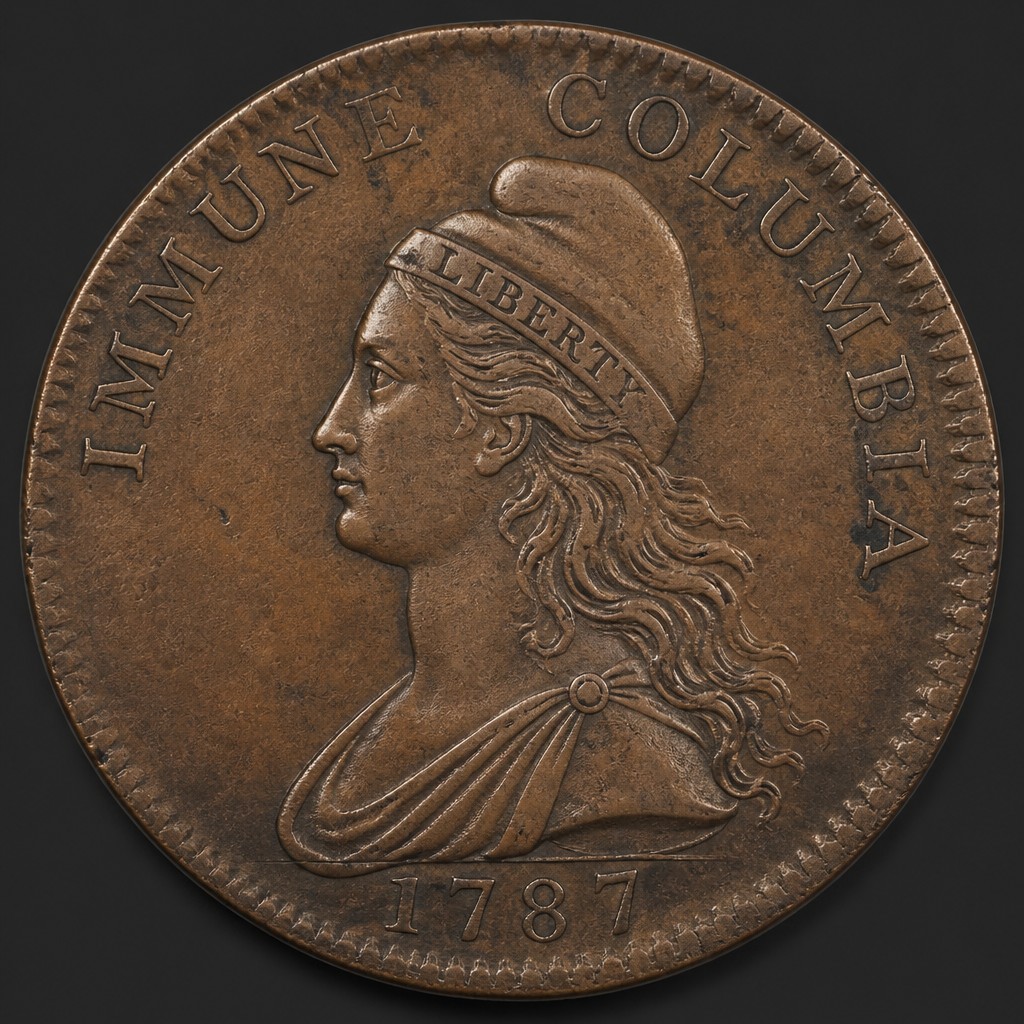
Immune Columbia Copper
circa 1785–1787
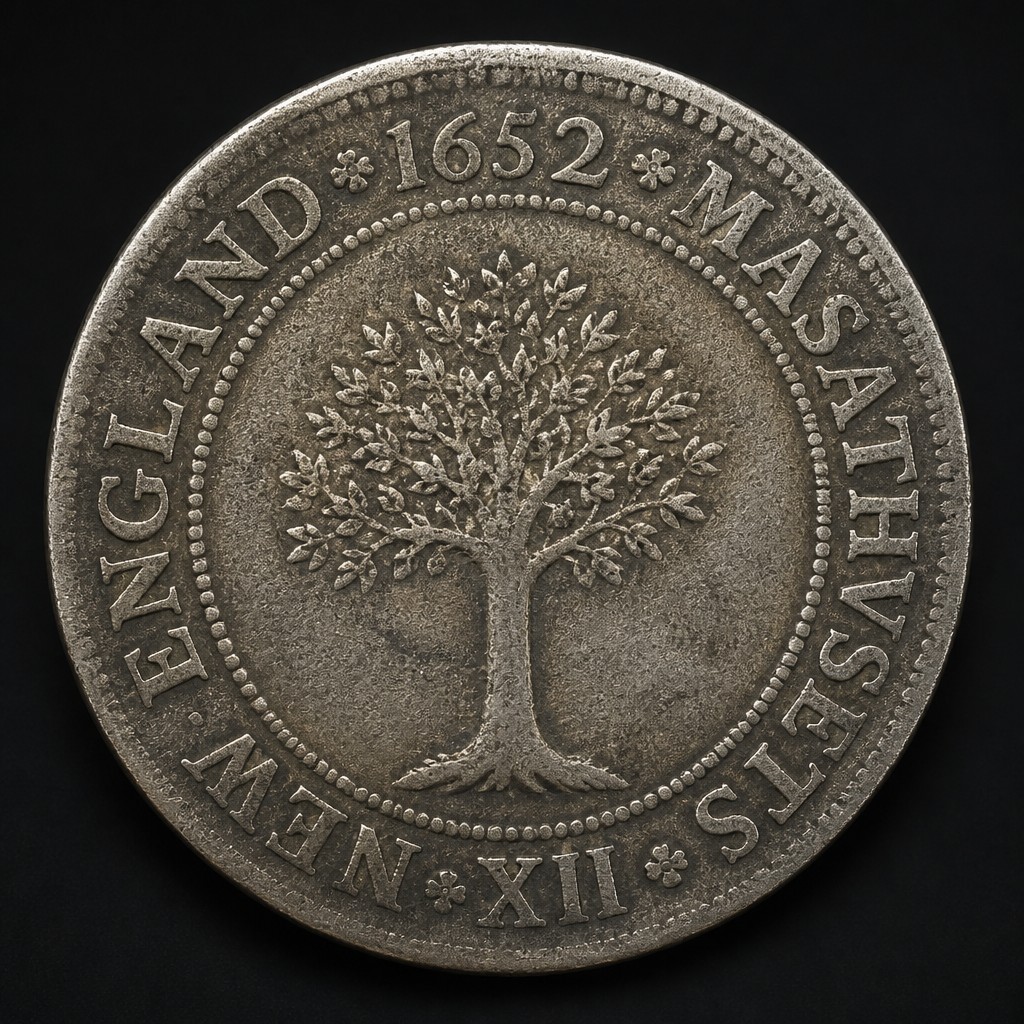
Massachusetts Oak Tree Shilling
Dated 1652, struck circa 1660–1667
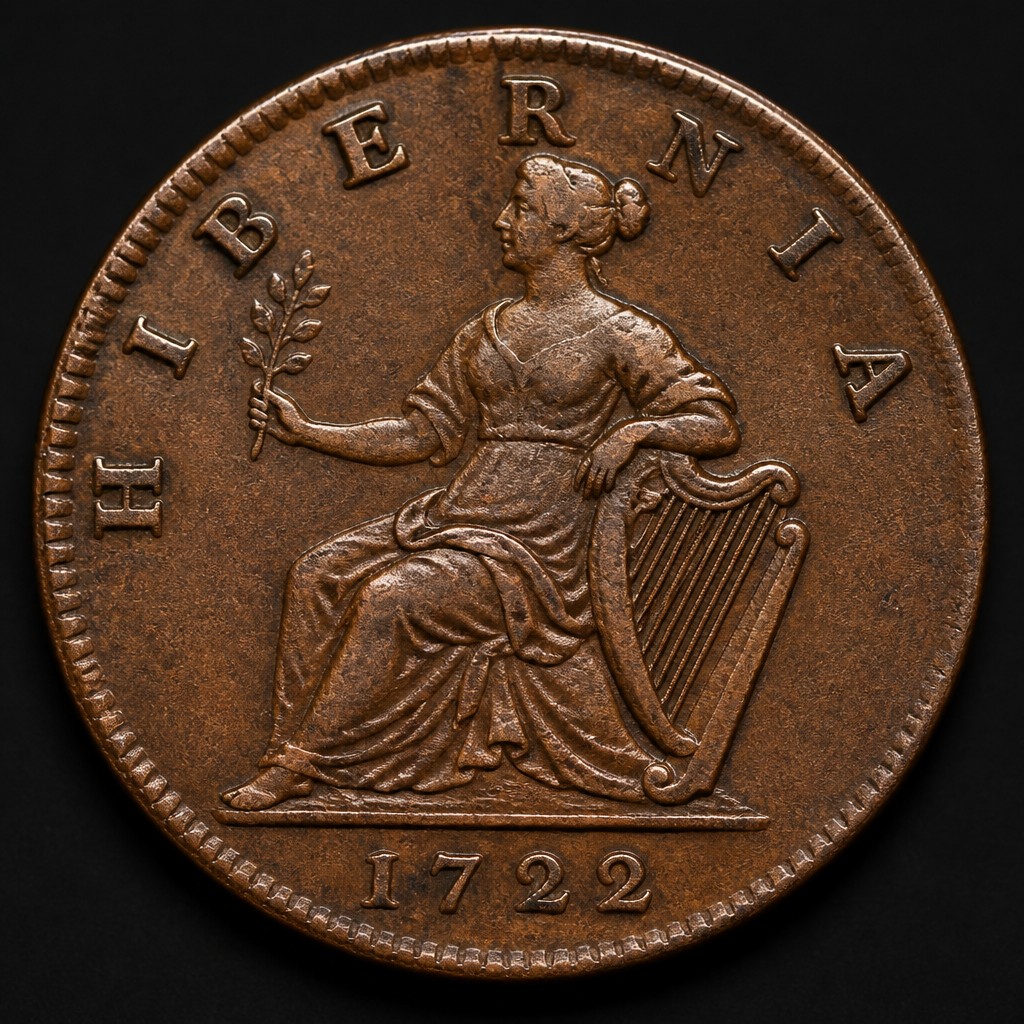
Wood's Hibernia Halfpenny
1722–1724
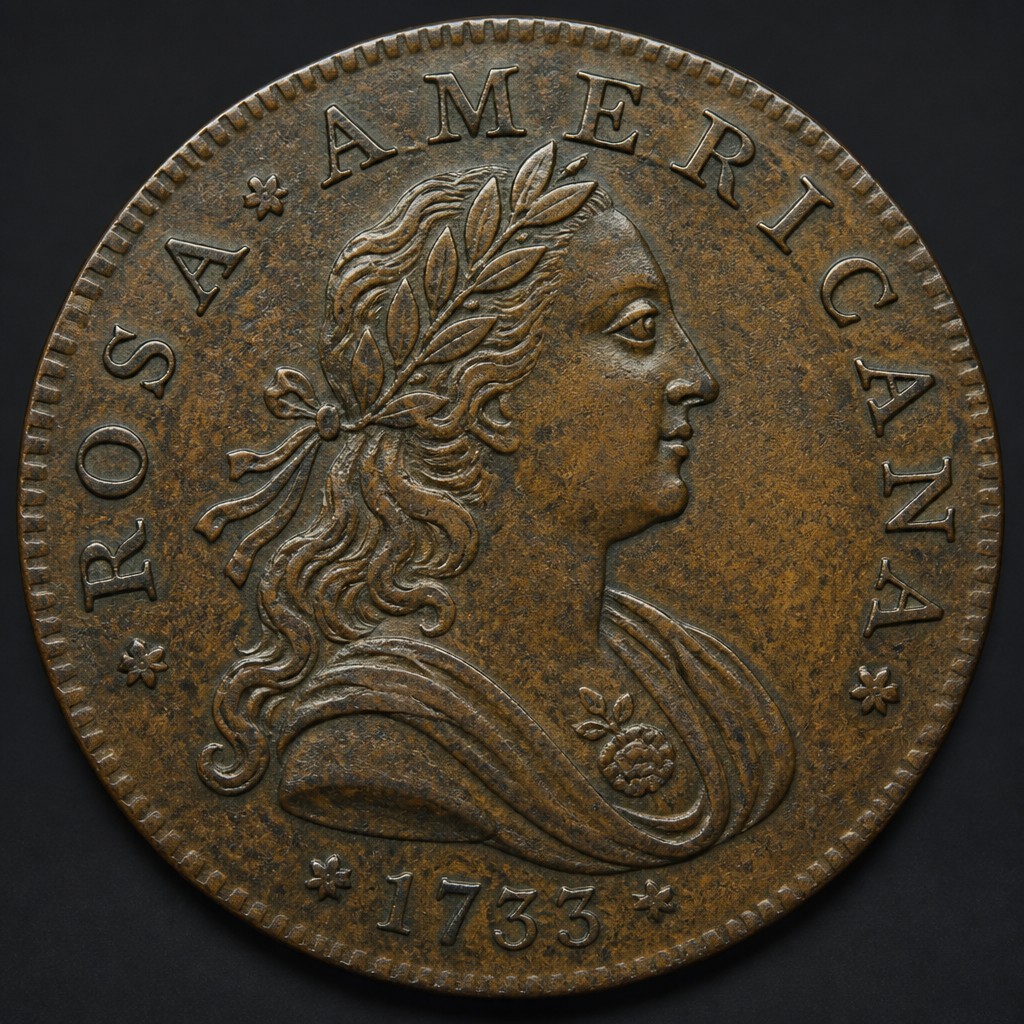
Rosa Americana Coinage
1722–1724 (with pattern issues dated 1733)
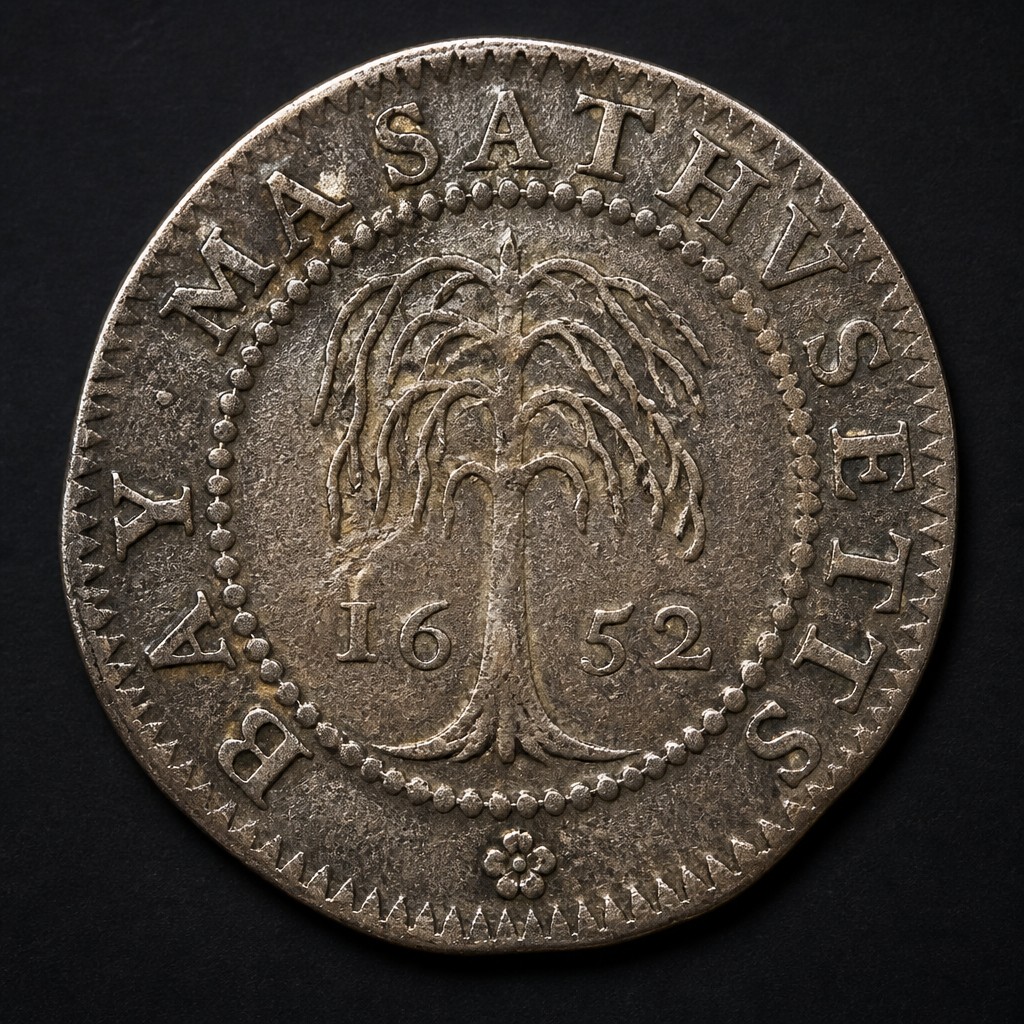
Massachusetts Willow Tree Shilling
Dated 1652, struck circa 1653–1660