
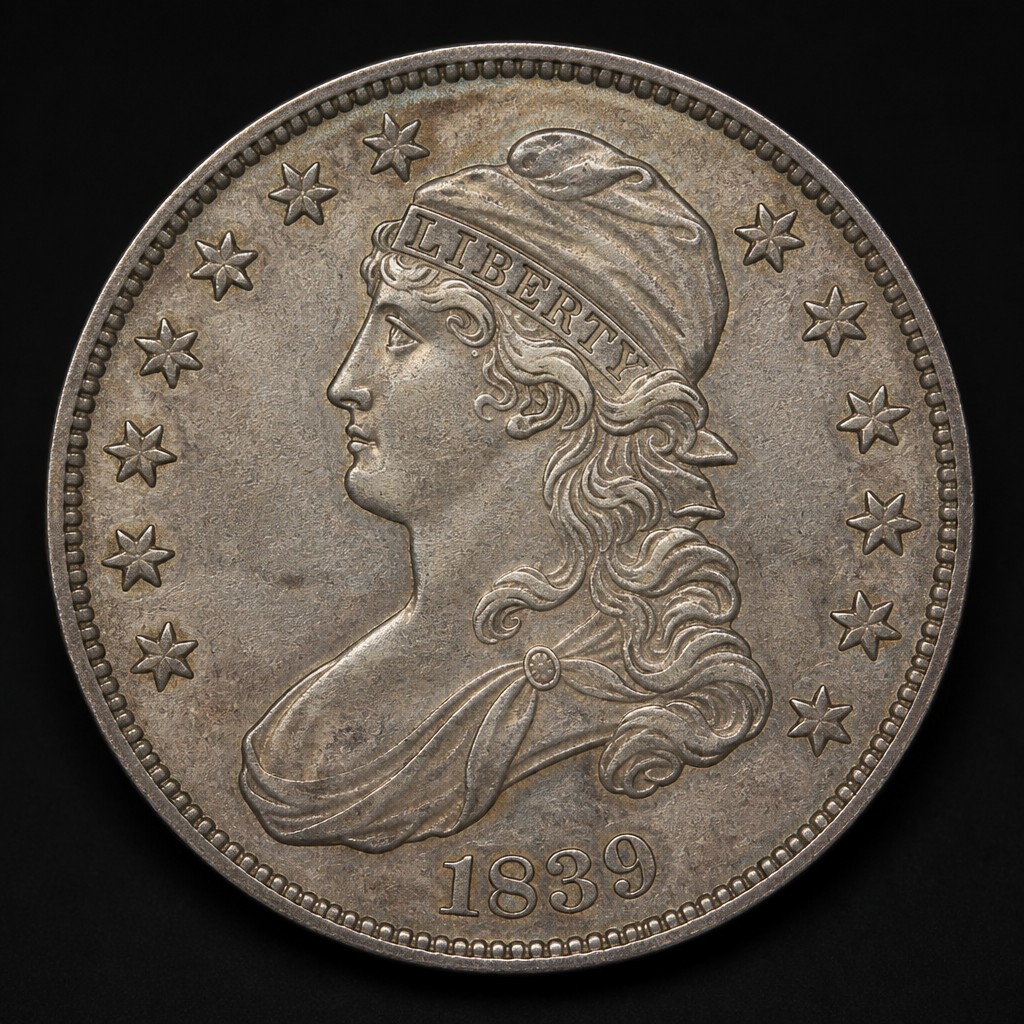
1839 Gobrecht Dollar
The final-year Gobrecht dollar, bridging the earlier pattern strikes of 1836-1838 and the full-scale Seated Liberty dollar series that followed in 1840.
- Country
- United States
- Denomination
- One Dollar
- Metal
- 90% Silver, 10% Copper
Got a coin like this?
Identify any coin from a photo, free.
Overview
The 1839 Gobrecht dollar closes out one of the more unusual chapters in US coinage: a design struck in very small numbers over several years before being succeeded by the regular Seated Liberty dollar. Designed by engraver Christian Gobrecht, it combines a serene seated Liberty obverse with a dramatic flying eagle reverse.
Because genuine 1839 originals were struck in only limited quantity for actual monetary use, they are treated by collectors as a distinct, important rarity within early American dollar coinage, separate from the design's earlier pattern-like issues.
History & Background
Christian Gobrecht created the seated Liberty and flying eagle motifs based on concept work by artist Thomas Sully and naturalist-painter Titian Peale. First struck in small numbers in 1836 largely as trial pieces, the design carried over with modifications through 1838 and 1839 before the Mint launched full production of the Seated Liberty dollar (without the flying eagle reverse) starting in 1840.
The 1839 issue is generally regarded as a genuine circulation strike rather than a pure pattern, marking the true conclusion of the Gobrecht dollar experiment.
How to Identify
Obverse: A seated figure of Liberty, draped and holding a liberty pole and shield, with "LIBERTY" inscribed on the shield and stars around the border by 1839, date below.
Reverse: An eagle in flight amid a field of stars, with "ONE DOLLAR" below; some varieties include the full "UNITED STATES OF AMERICA" legend.
Die alignment (whether the eagle flies level or angled upward) and the presence or absence of certain reverse legends are used by specialists to classify different original strikes versus later restrikes, which exist for this design and require careful attention to detail.
Value & Collectibility
Genuine 1839 Gobrecht dollars are rare and valuable, typically bringing tens of thousands of dollars or more depending on die variety, strike characteristics, and condition. Because both originals and later restrikes exist, professional certification is particularly important for coins of this type.
Frequently asked questions
Was the 1839 Gobrecht dollar a pattern or a regular coin?
It is generally treated as a true circulation strike, unlike some of the earlier Gobrecht dollar issues that are considered patterns.
What replaced the Gobrecht dollar?
The Seated Liberty dollar, without the flying eagle reverse, began regular production in 1840.
Are there restrikes of this coin?
Yes, later restrikes of Gobrecht dollars exist and are distinguished from originals by die alignment and other technical details.
Other coins you may enjoy
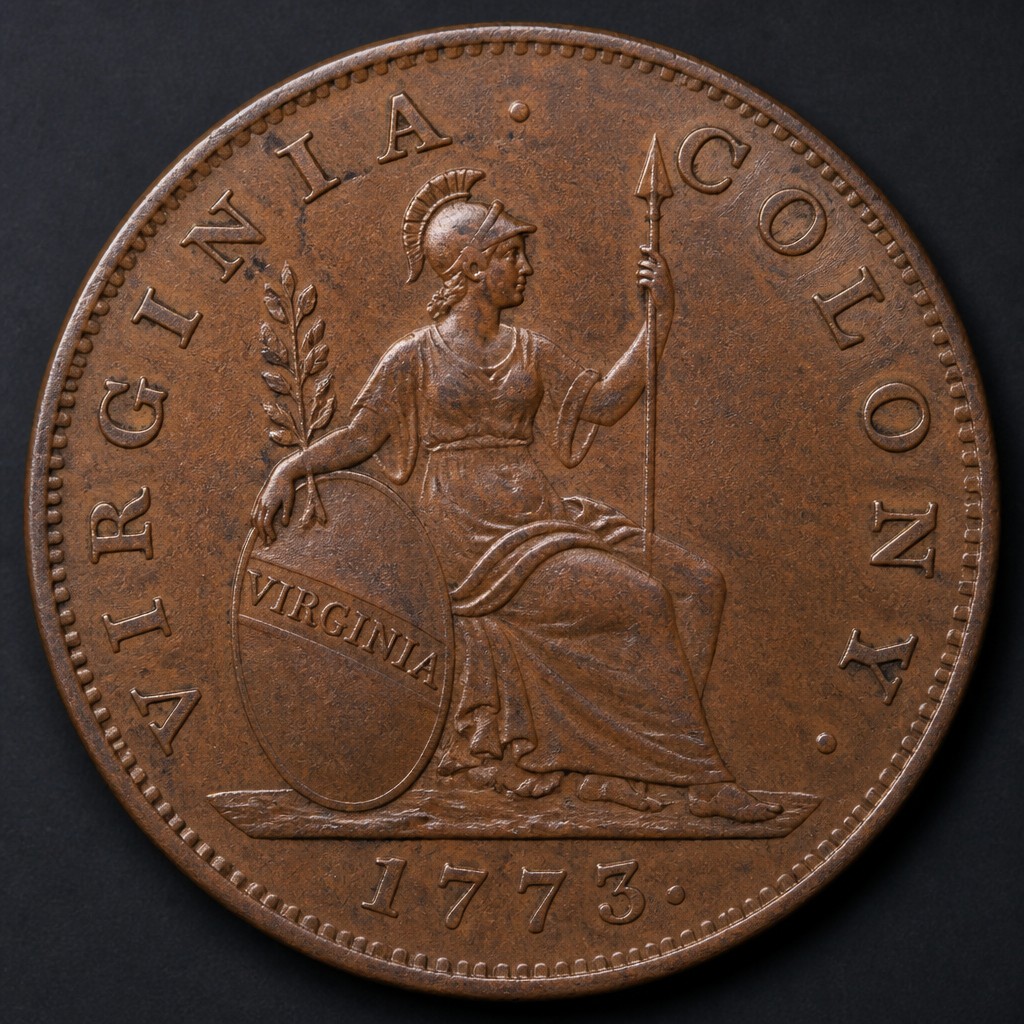
Virginia Halfpenny
1773
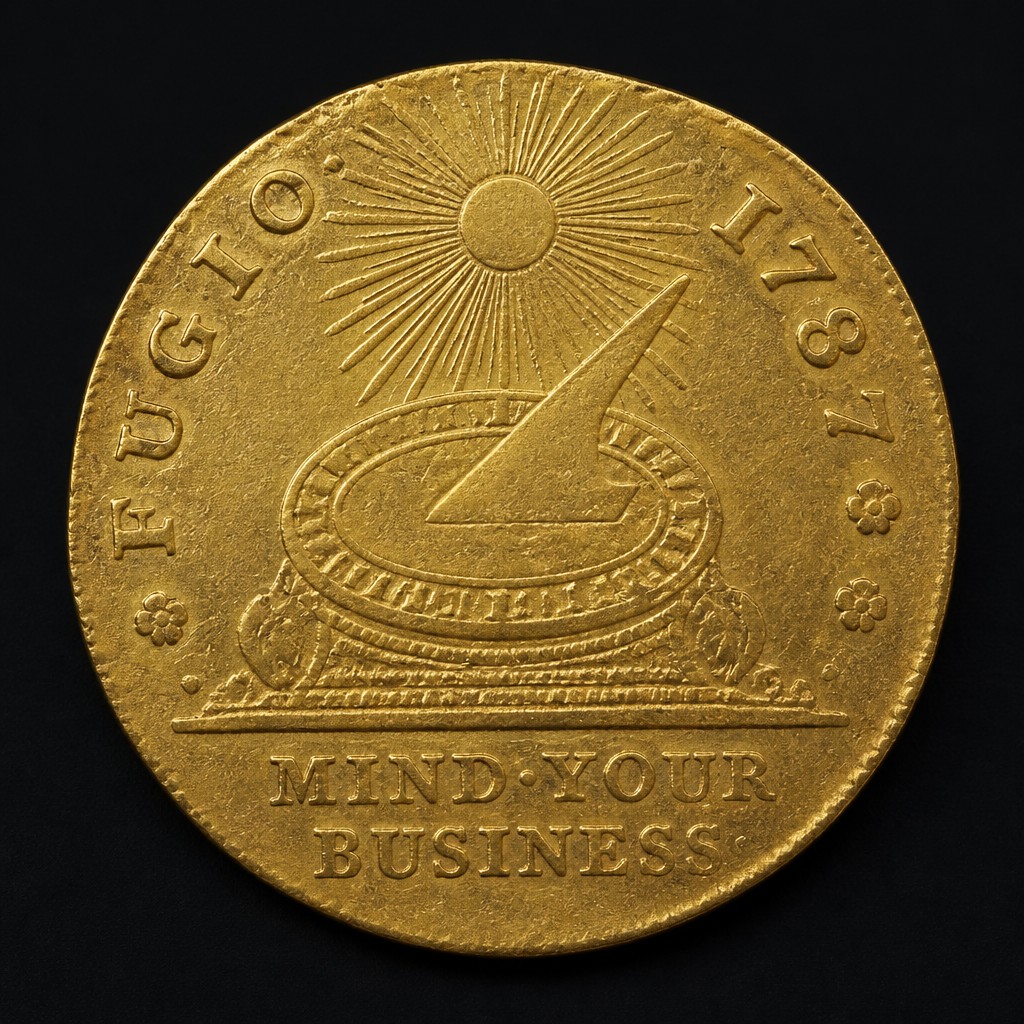
Brasher Doubloon
1787
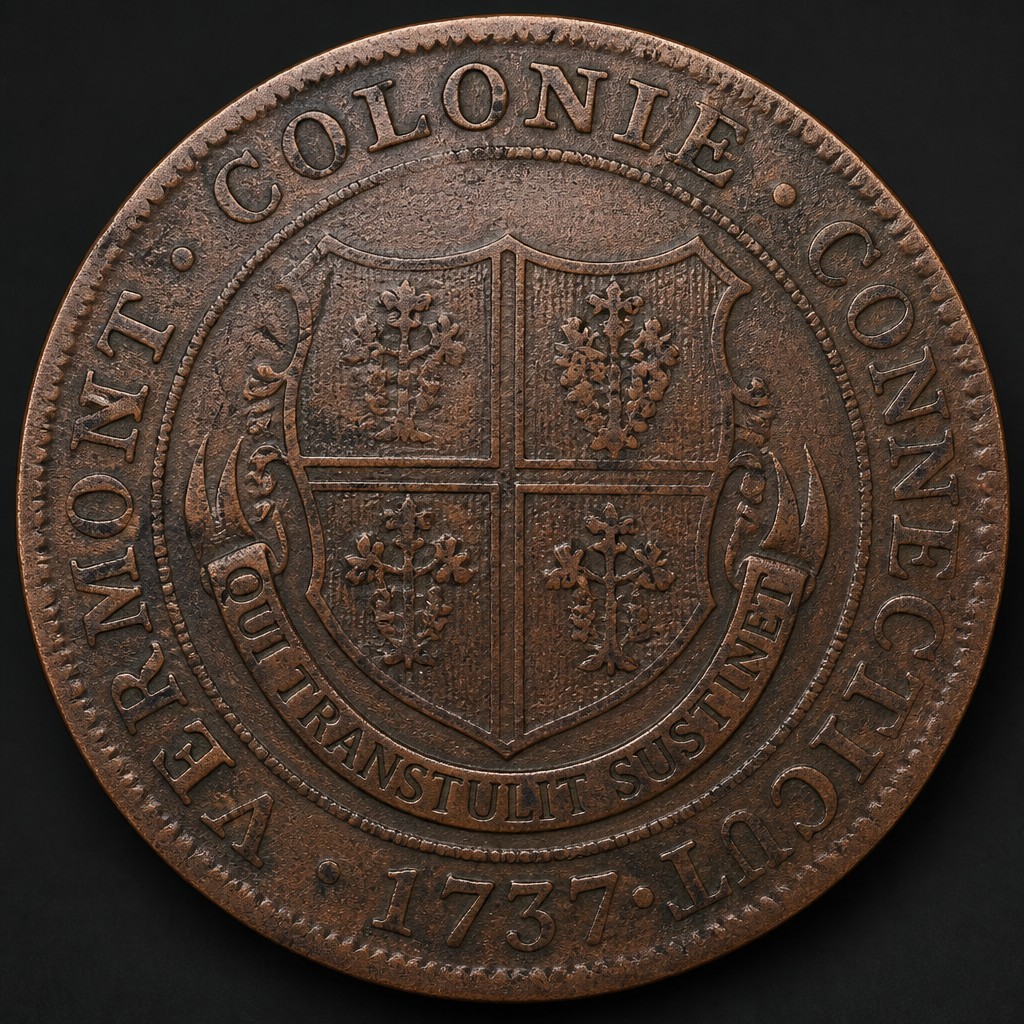
Higley Copper
1737–1739
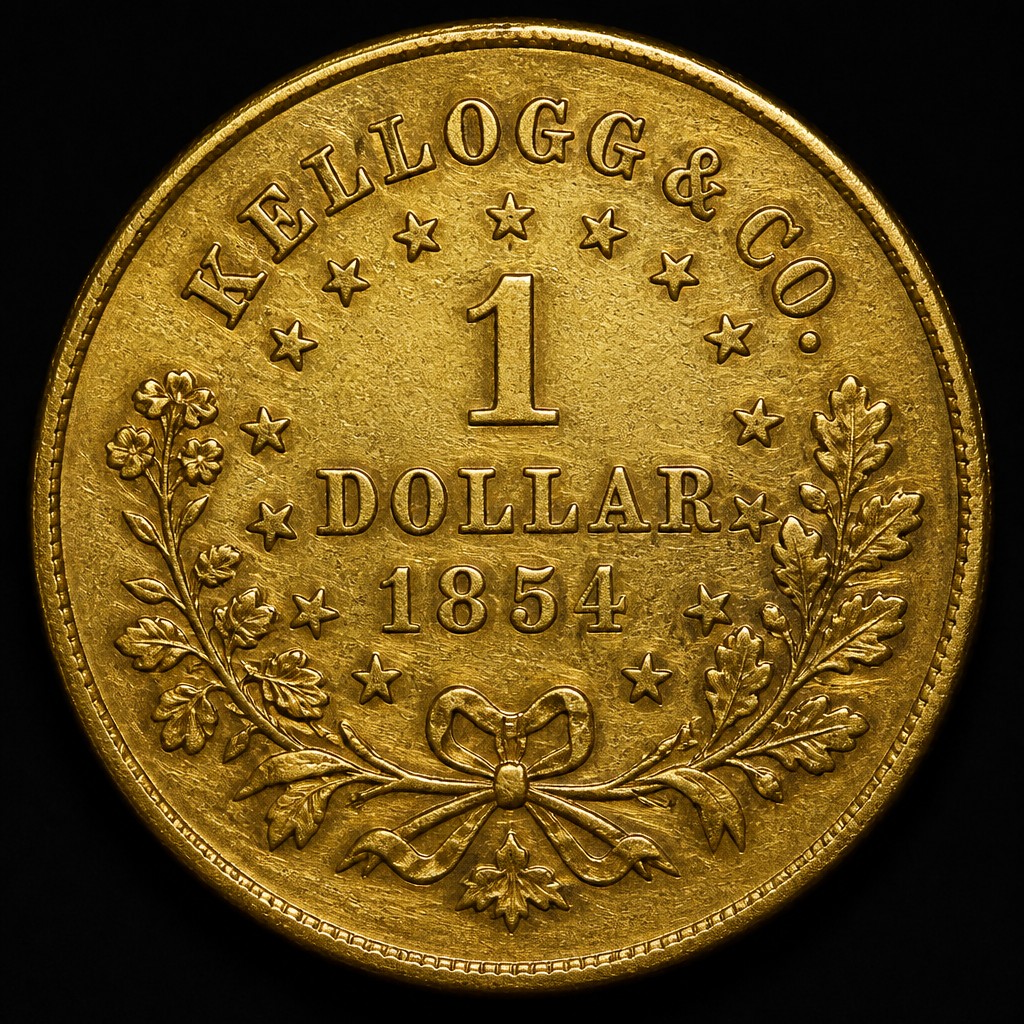
Kellogg & Co. Gold Piece
1854–1855
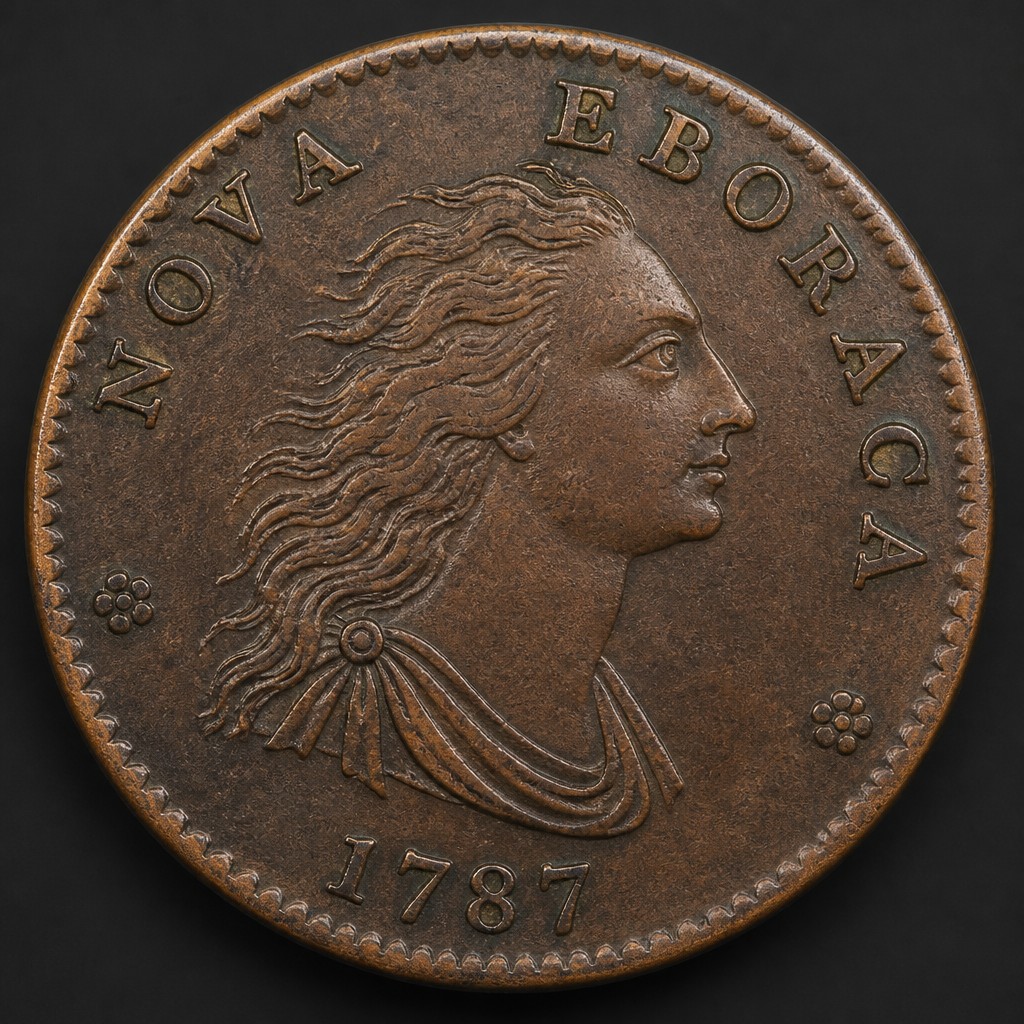
Nova Eborac Copper
1787
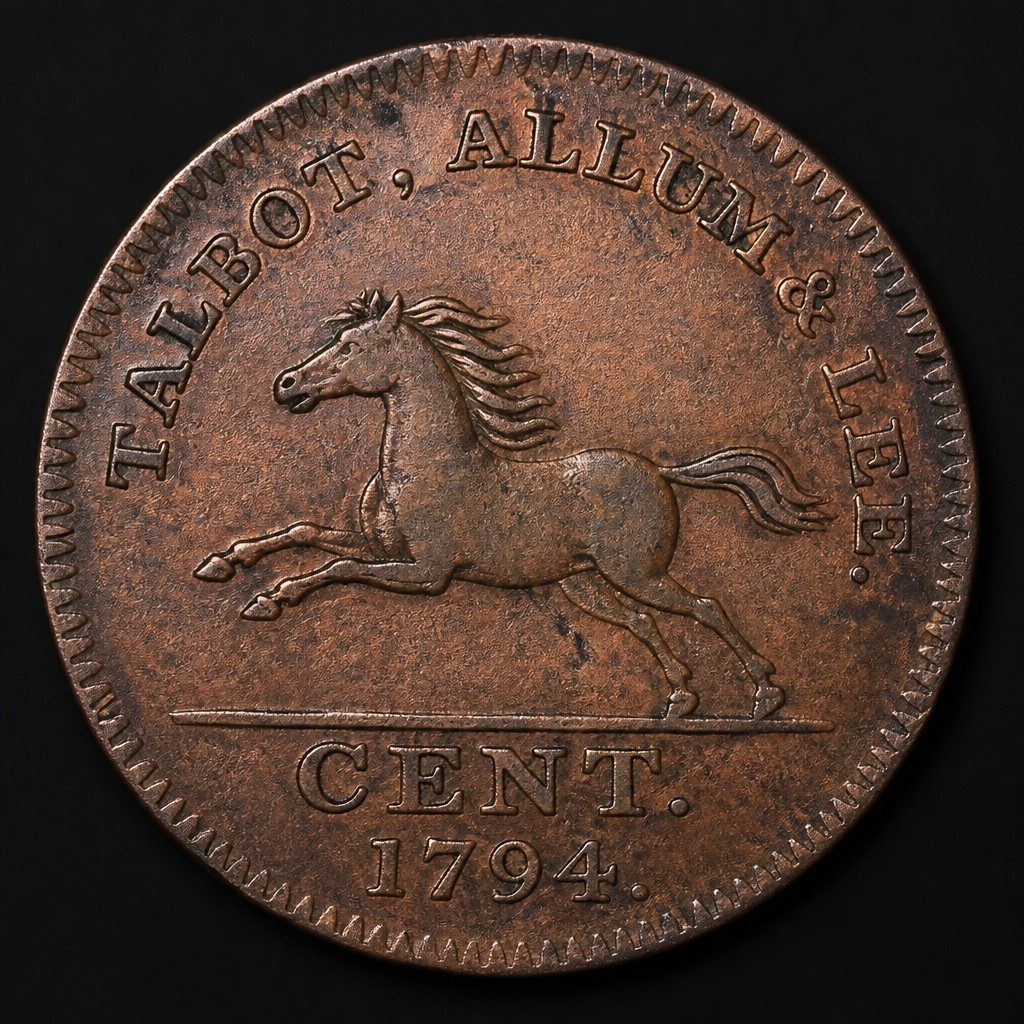
Talbot, Allum & Lee Cent
1794–1795
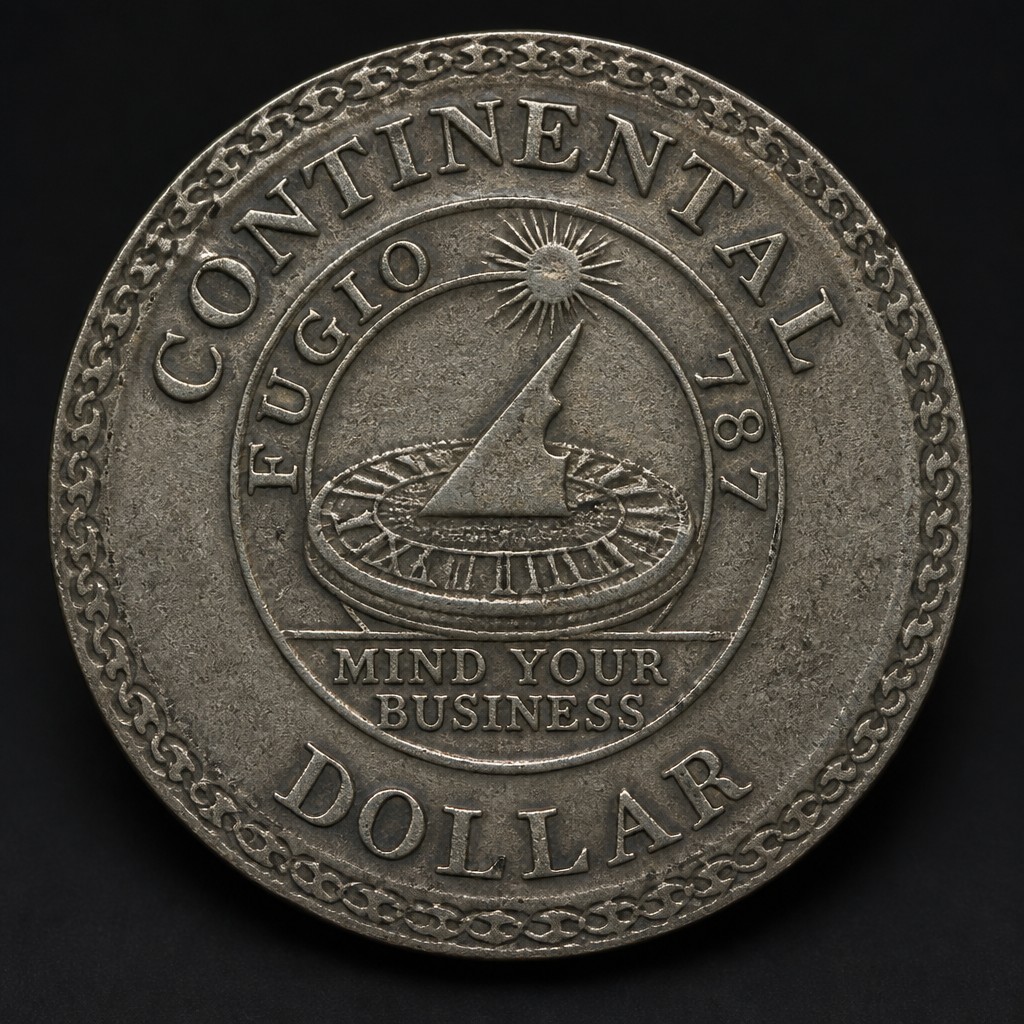
Continental Dollar
1776
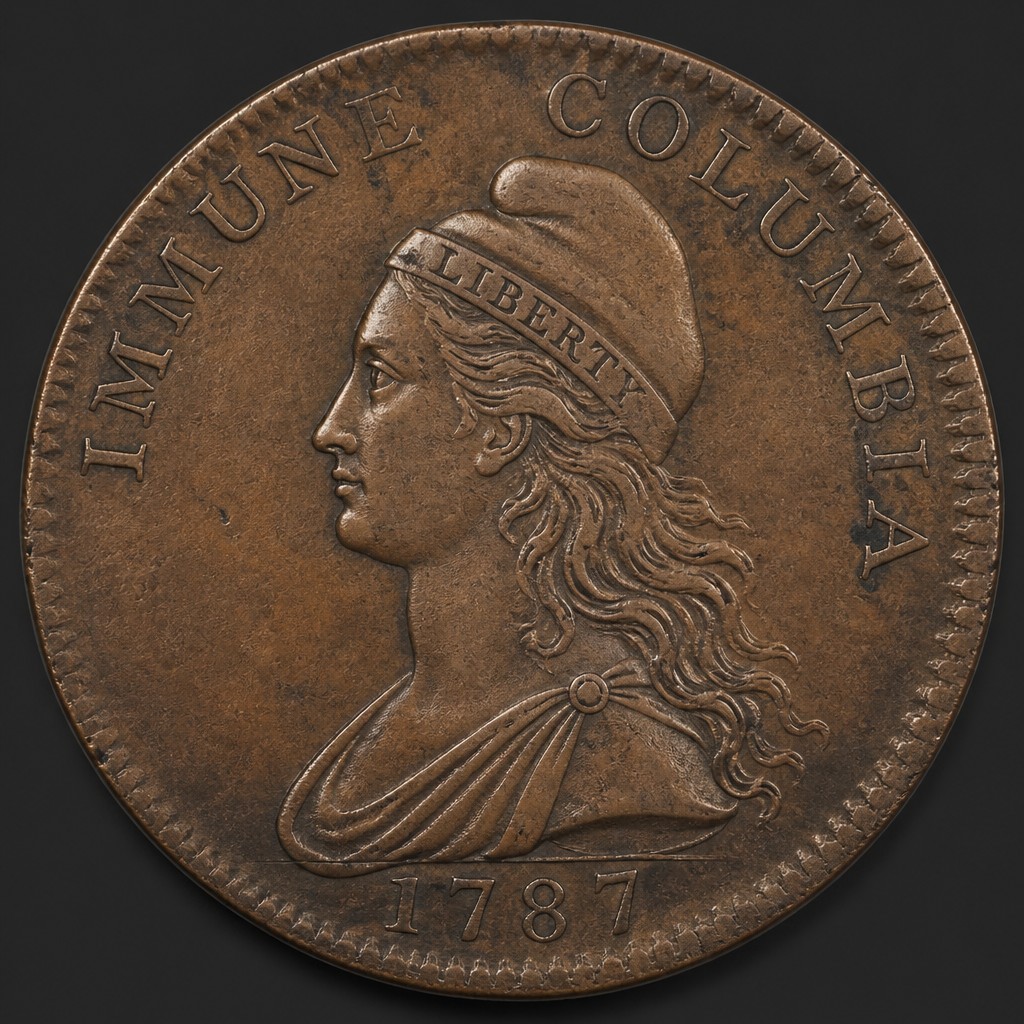
Immune Columbia Copper
circa 1785–1787
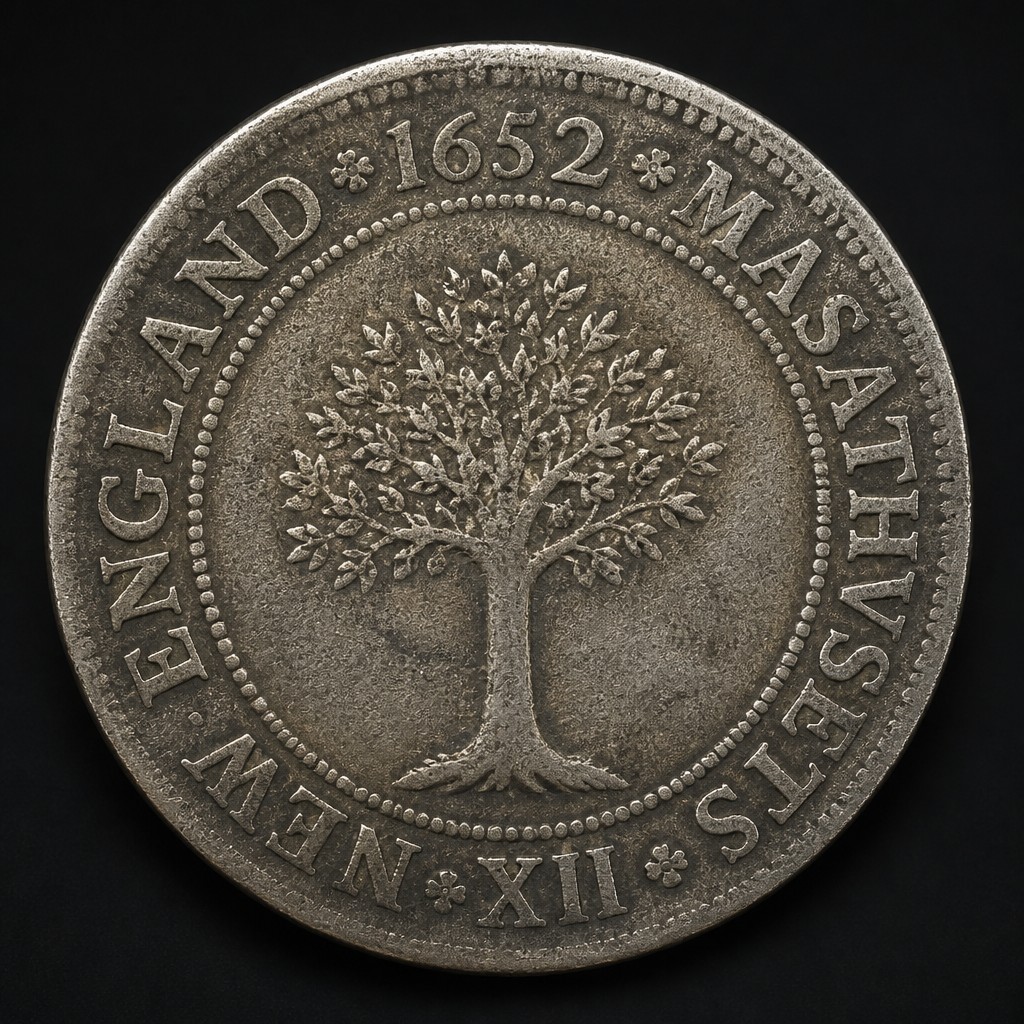
Massachusetts Oak Tree Shilling
Dated 1652, struck circa 1660–1667
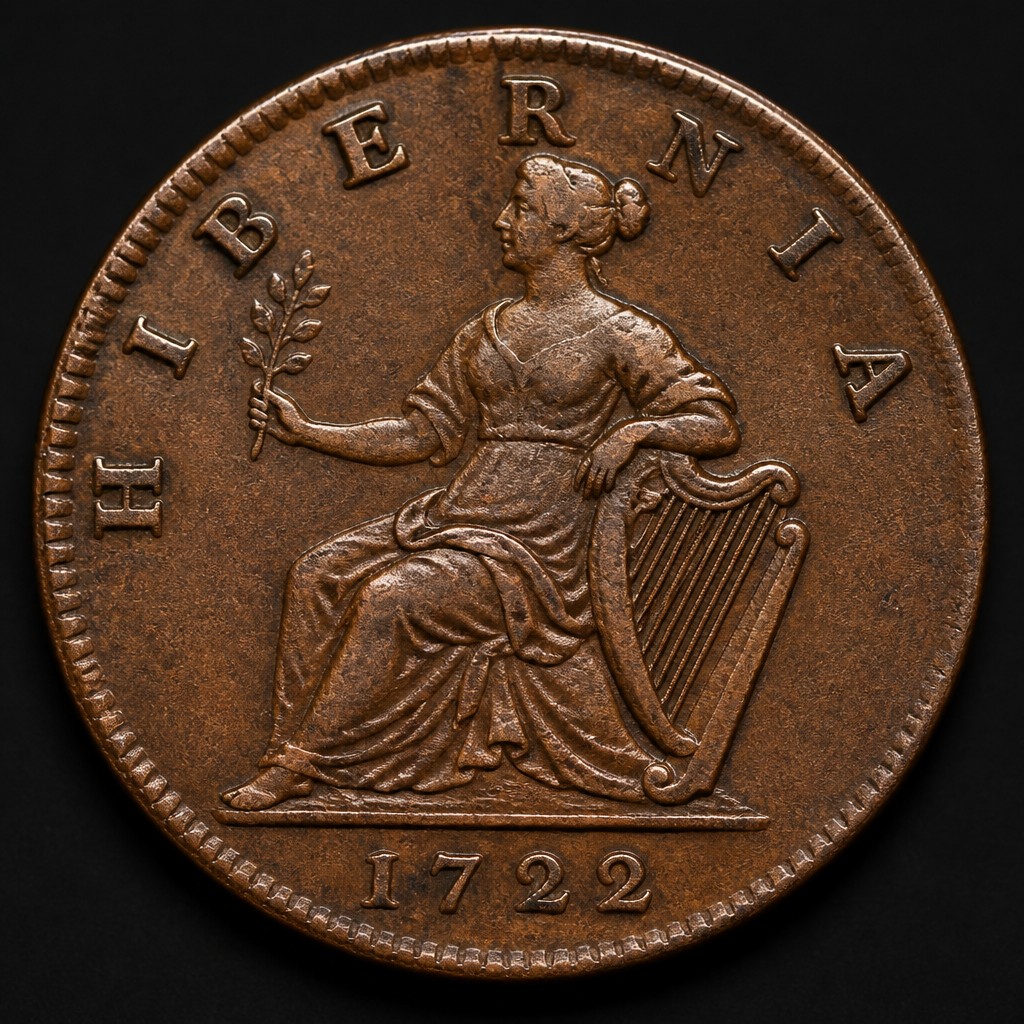
Wood's Hibernia Halfpenny
1722–1724
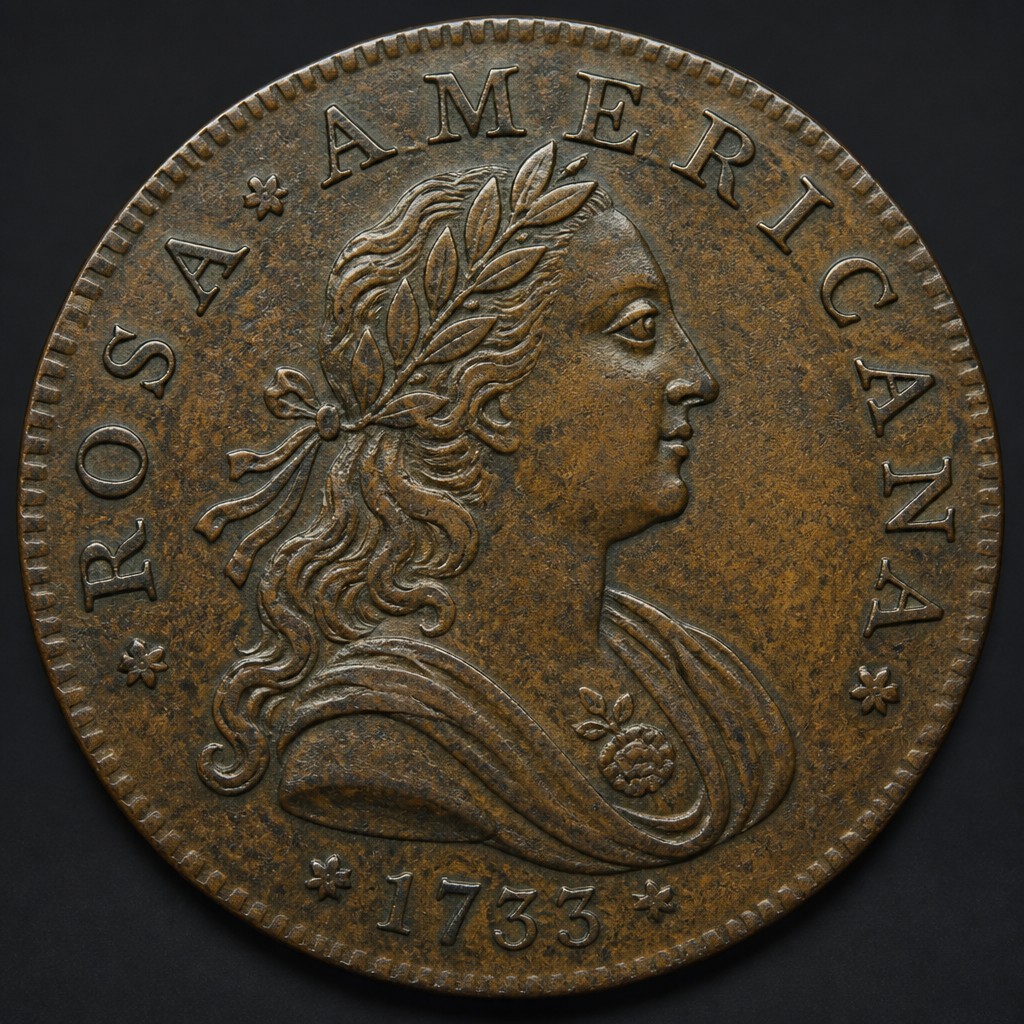
Rosa Americana Coinage
1722–1724 (with pattern issues dated 1733)
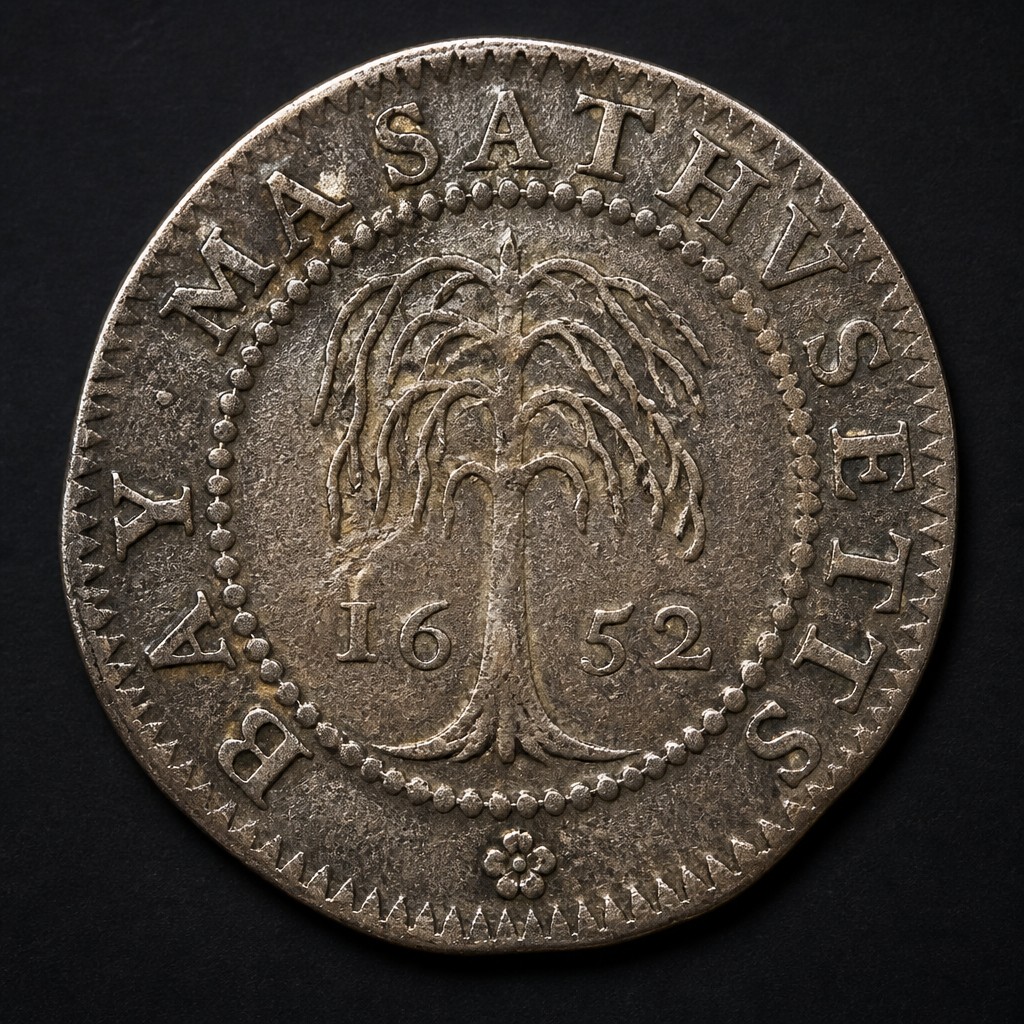
Massachusetts Willow Tree Shilling
Dated 1652, struck circa 1653–1660