
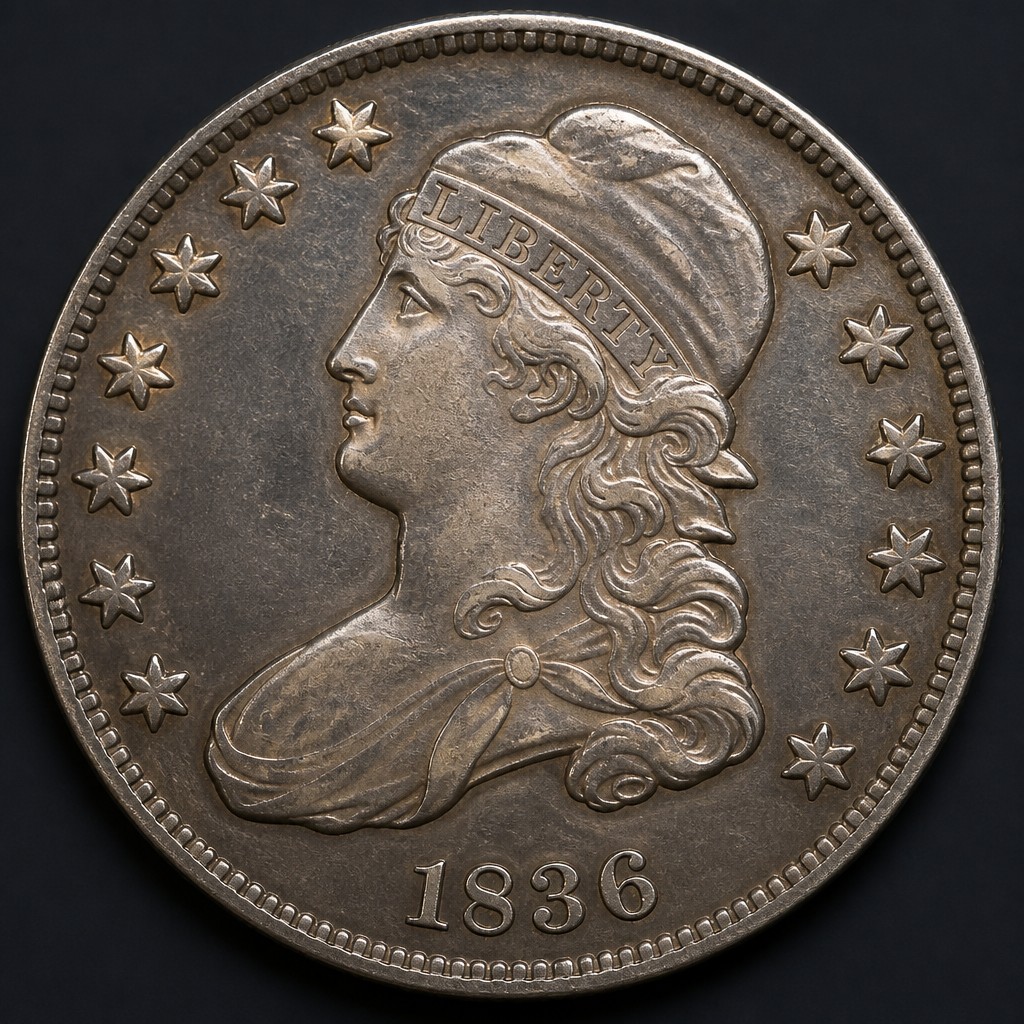
1836 Gobrecht Dollar
The first-year Gobrecht dollar, famous for its seated Liberty obverse and flying eagle reverse, and for briefly including engraver Christian Gobrecht's name on the design.
- Country
- United States
- Denomination
- One Dollar
- Metal
- 90% Silver, 10% Copper
Got a coin like this?
Identify any coin from a photo, free.
Overview
The 1836 Gobrecht dollar is the debut and most celebrated date of this transitional silver dollar design, prized both for its artistic merit and its unusual history. It introduced the seated Liberty motif that would go on to appear across US silver coinage for decades.
Its flying eagle reverse, showing the bird soaring amid a field of stars, is considered one of the more striking designs of the era and is fondly remembered by collectors of early American type coins.
History & Background
Christian Gobrecht, working from designs sketched by artist Thomas Sully and naturalist-artist Titian Peale, engraved the seated Liberty and flying eagle dies used for this coin. Early strikes controversially included Gobrecht's name, "C. GOBRECHT F.," prominently in the design on the base beneath Liberty; public criticism over an engraver signing a coin so visibly led the Mint to move or remove the signature on subsequent strikes.
Only a small number of 1836-dated dollars were struck for circulation, with additional restrikes produced later using the original dies, complicating the coin's history for collectors trying to distinguish originals from later strikes.
How to Identify
Obverse: Seated Liberty holding a liberty pole and shield, with stars around the border and the date below; look near the base for the remnants or absence of Gobrecht's name, depending on the die state.
Reverse: An eagle flying amid a ring of stars, a dramatic departure from the more static heraldic eagles of earlier dollar designs.
Distinguishing original 1836 strikes from later restrikes requires close attention to die alignment (the direction the eagle appears to fly relative to the obverse) and specific die characteristics best confirmed through expert examination.
Value & Collectibility
Original 1836 Gobrecht dollars are significant rarities that can bring many thousands to tens of thousands of dollars or more depending on die variety and condition, while restrikes, though still collectible and valuable in their own right, are generally valued somewhat differently from originals.
Frequently asked questions
Why was the engraver's name on the coin controversial?
The public felt it was inappropriate for an engraver to sign a national coin so prominently, prompting the Mint to alter its placement on later strikes.
What is unique about the reverse design?
It depicts an eagle in flight surrounded by stars, a departure from the more traditional perched or heraldic eagles used before and after.
How can I tell an original from a restrike?
Die alignment and specific die markers distinguish originals from later restrikes; expert or certified evaluation is recommended given the value involved.
Other coins you may enjoy
Virginia Halfpenny
1773
Brasher Doubloon
1787
Higley Copper
1737–1739
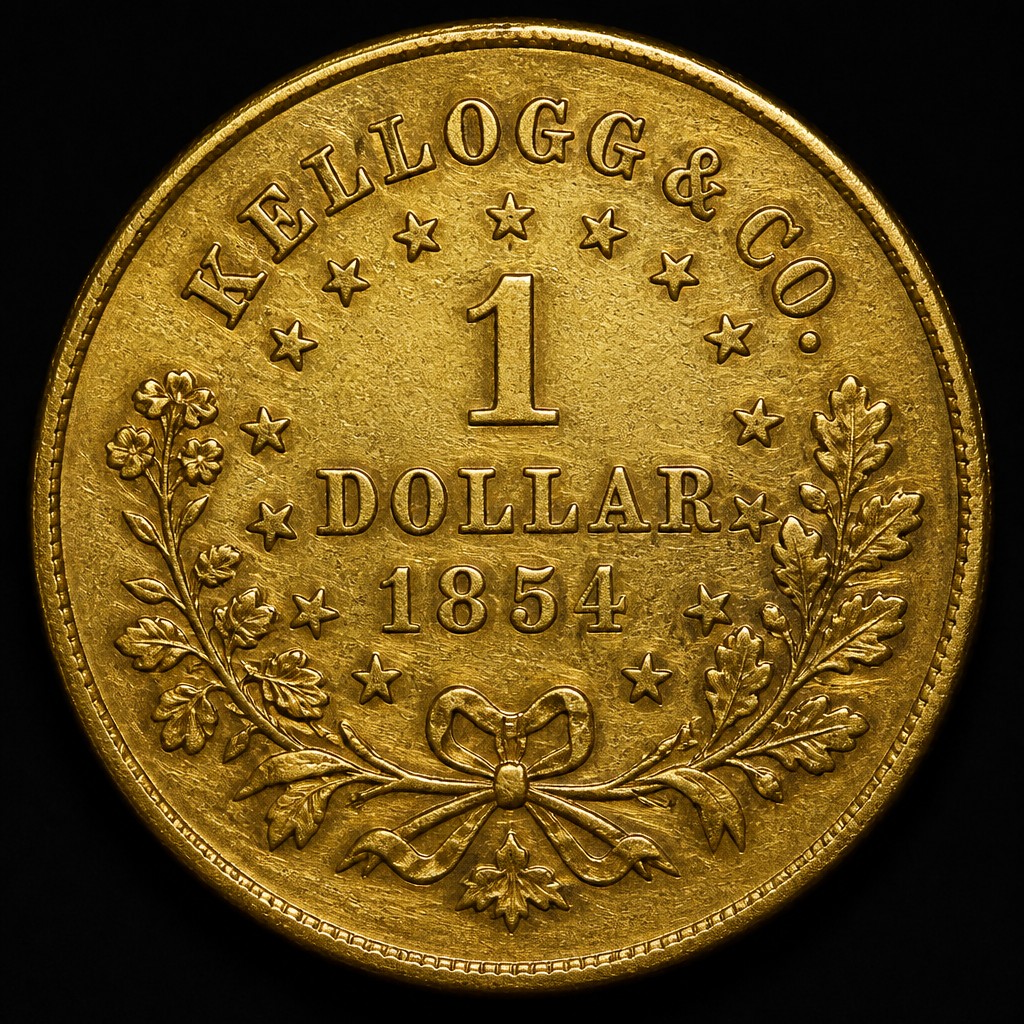
Kellogg & Co. Gold Piece
1854–1855
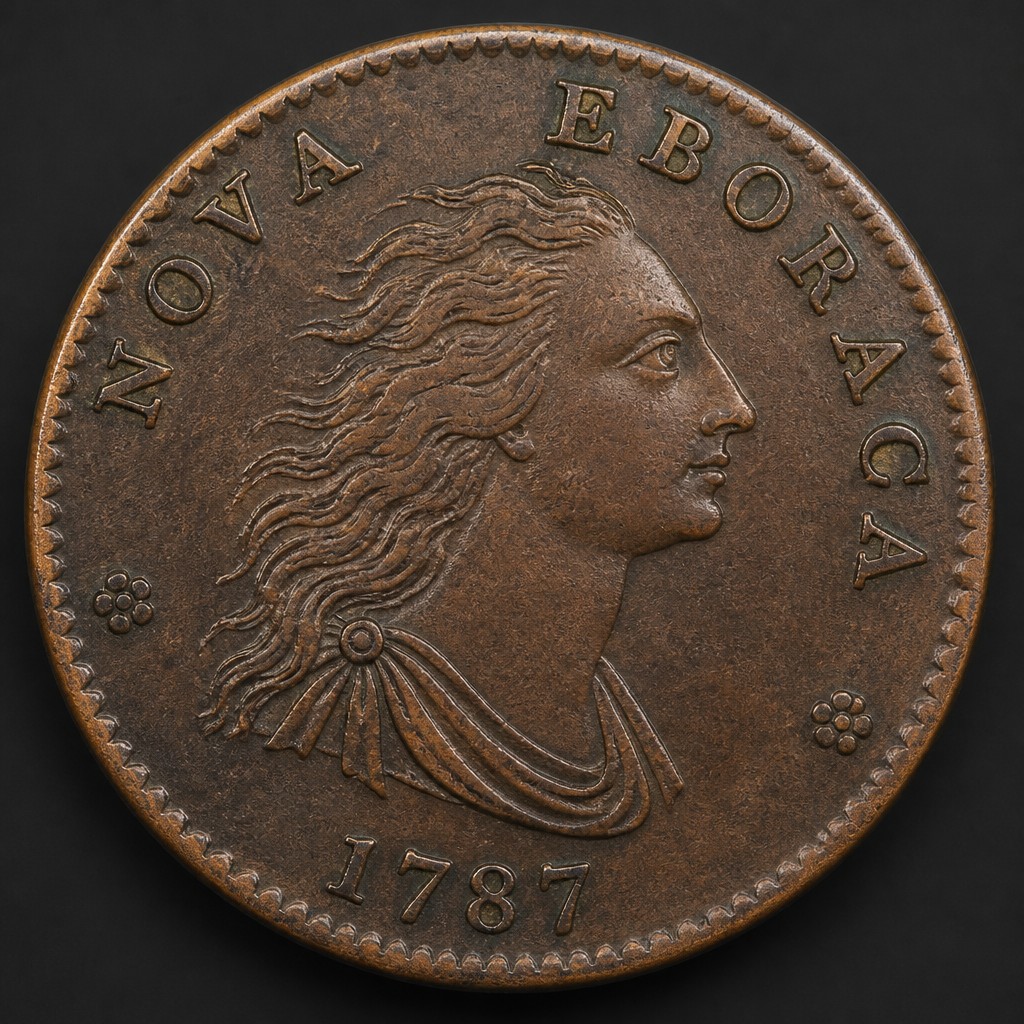
Nova Eborac Copper
1787
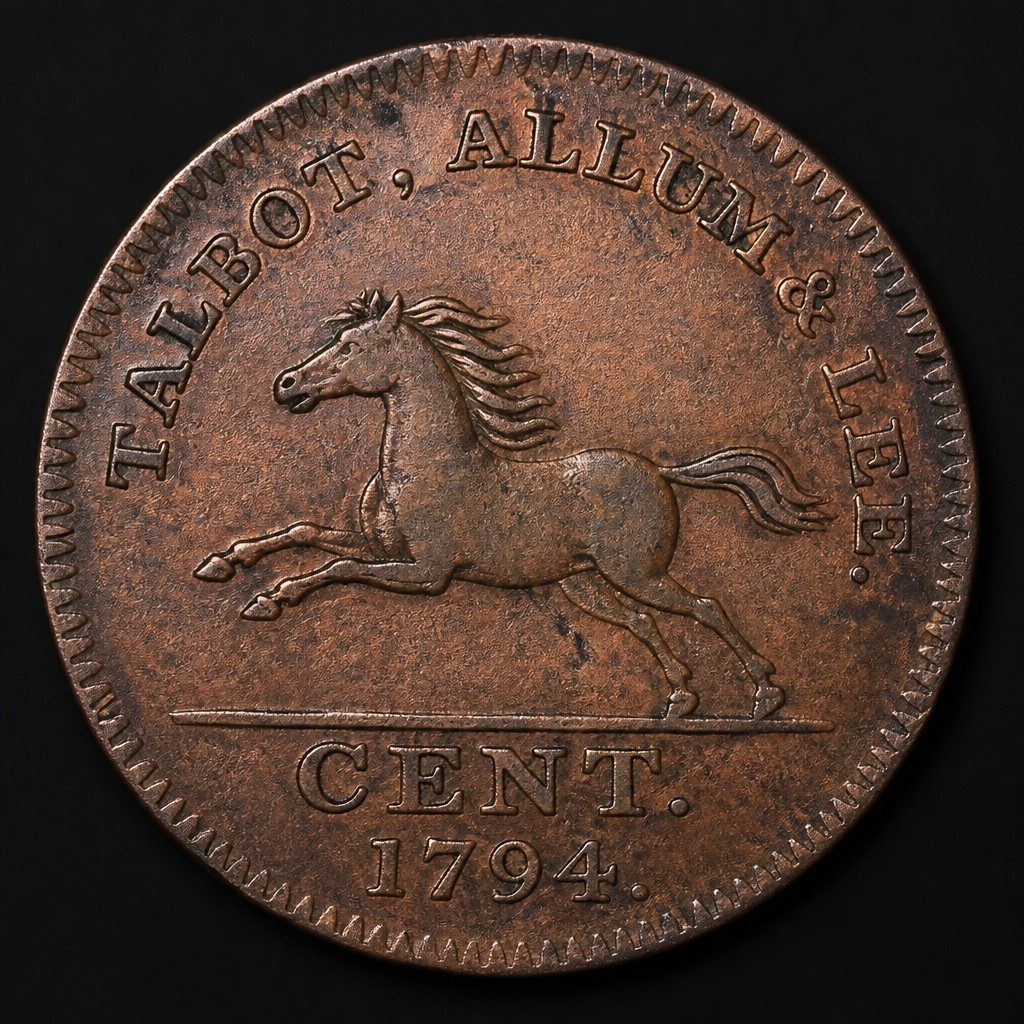
Talbot, Allum & Lee Cent
1794–1795
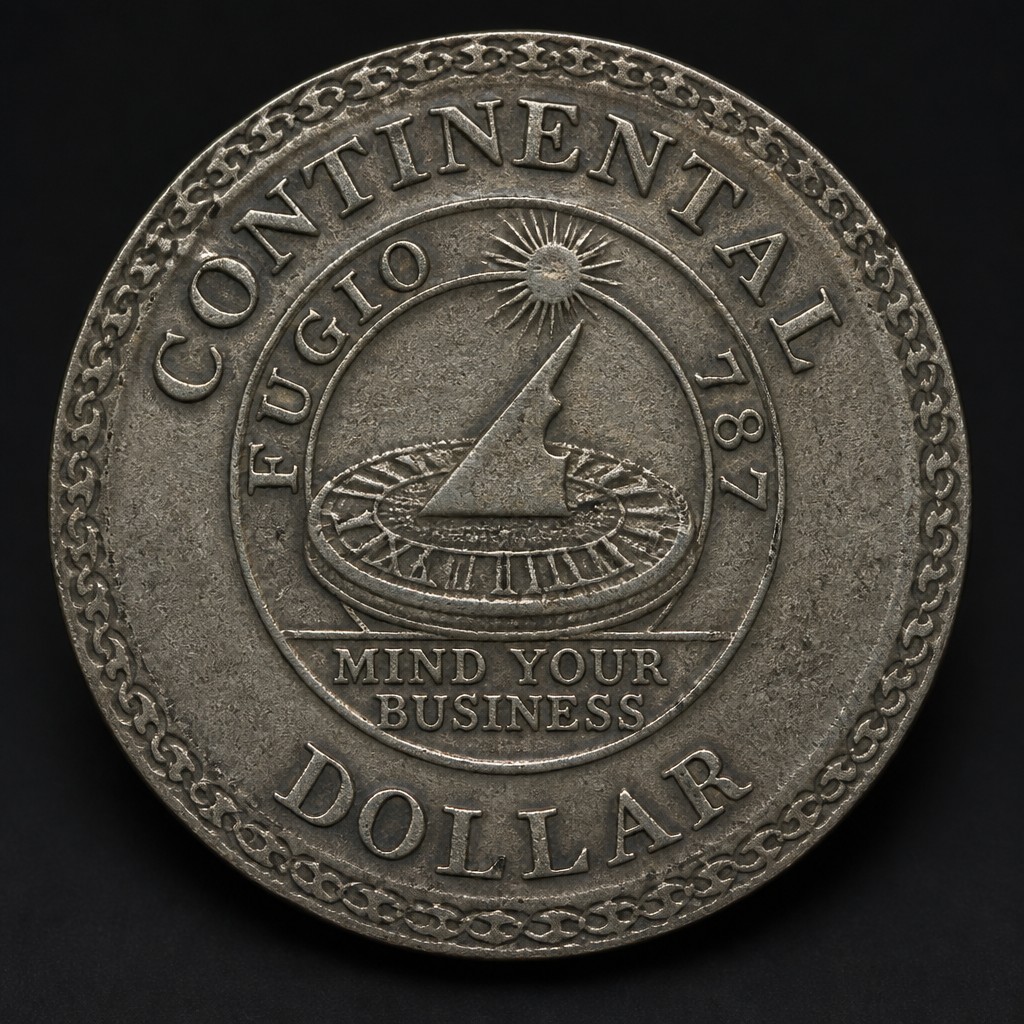
Continental Dollar
1776
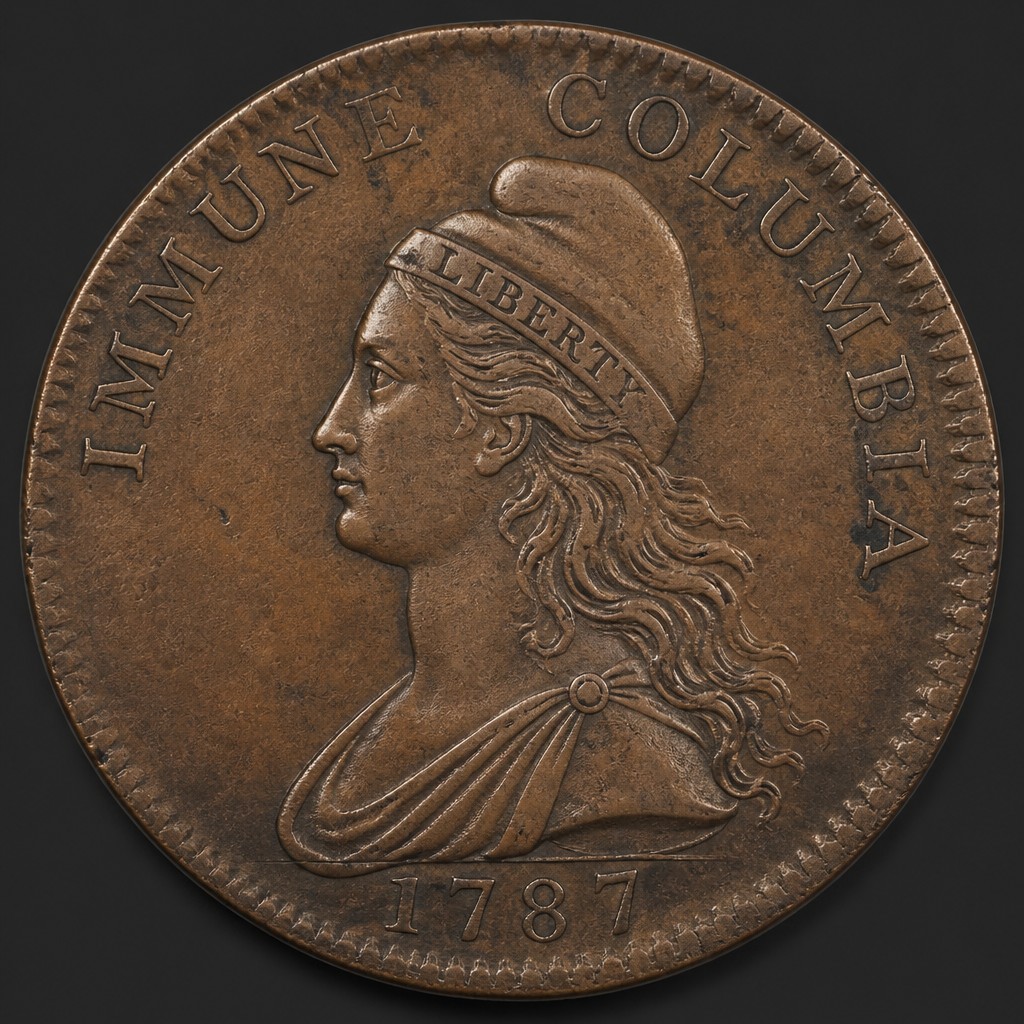
Immune Columbia Copper
circa 1785–1787
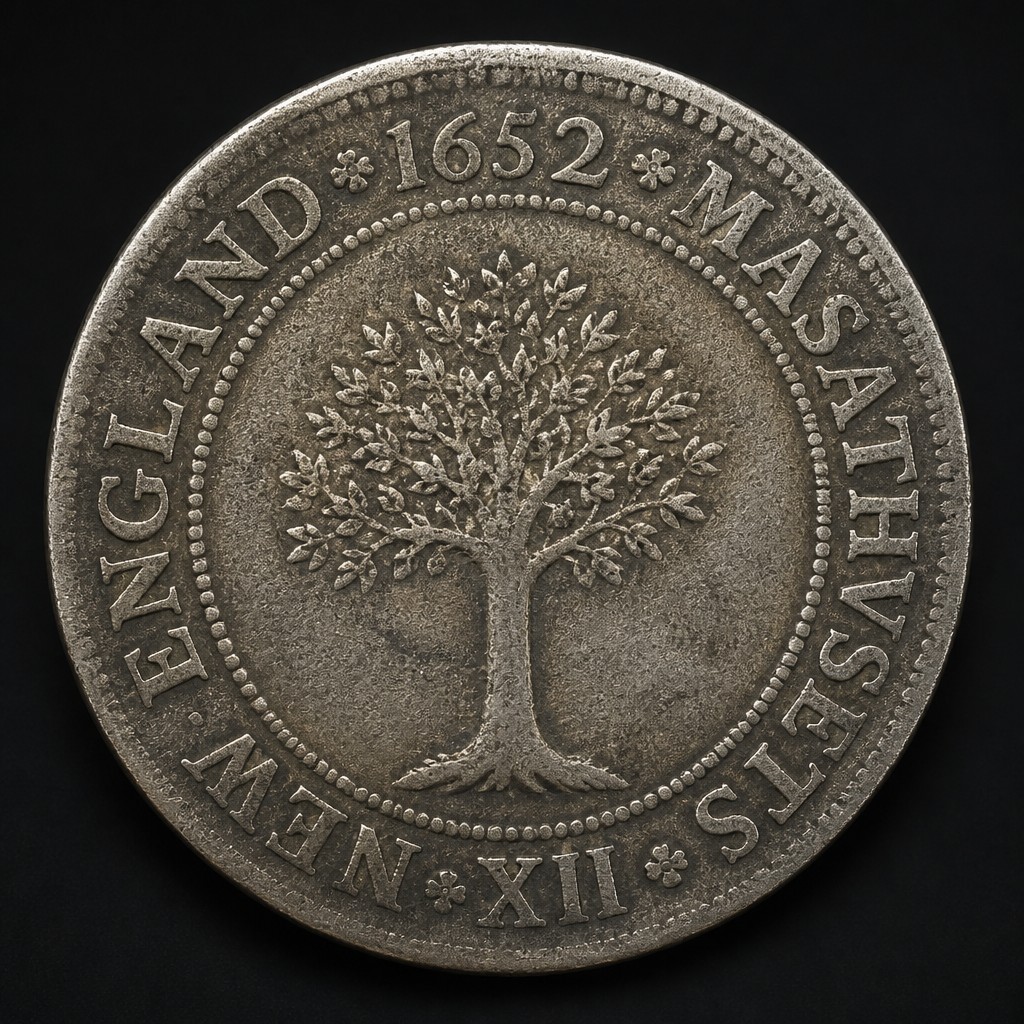
Massachusetts Oak Tree Shilling
Dated 1652, struck circa 1660–1667
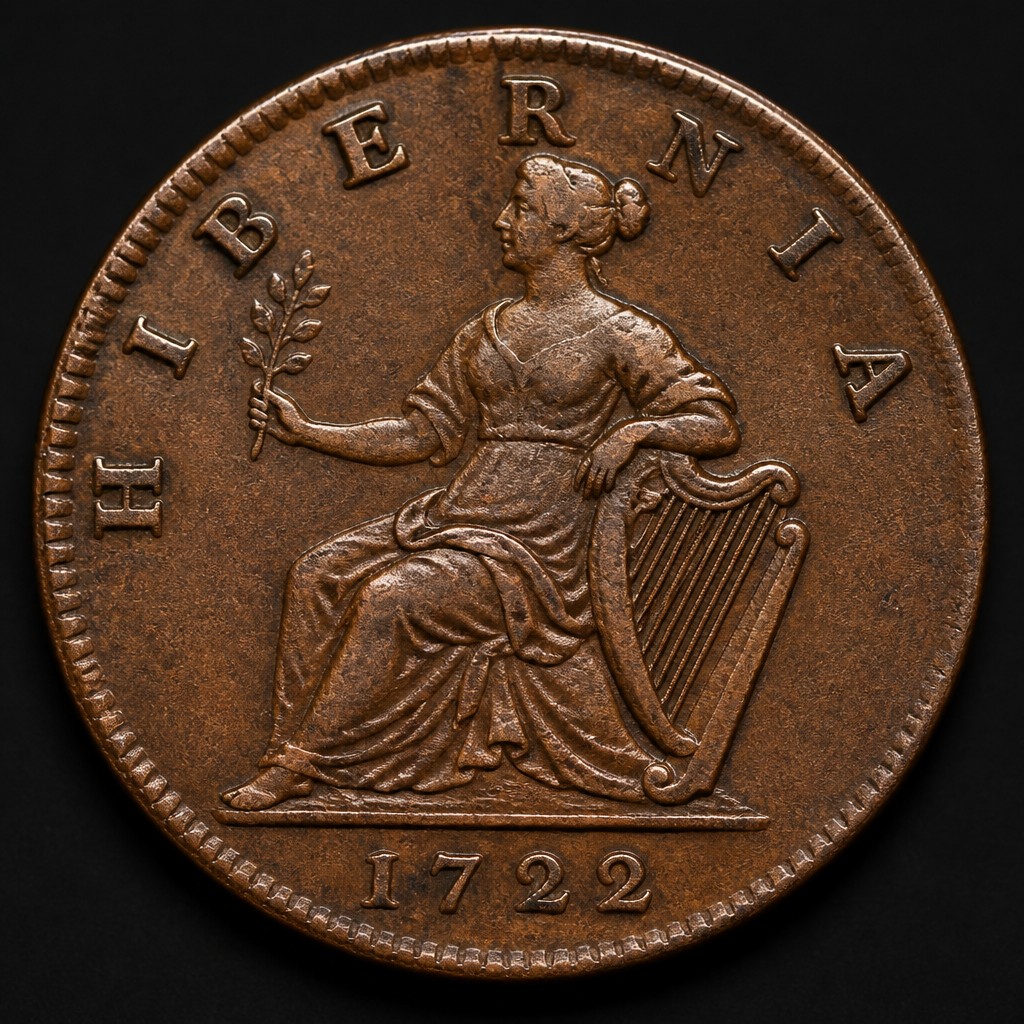
Wood's Hibernia Halfpenny
1722–1724
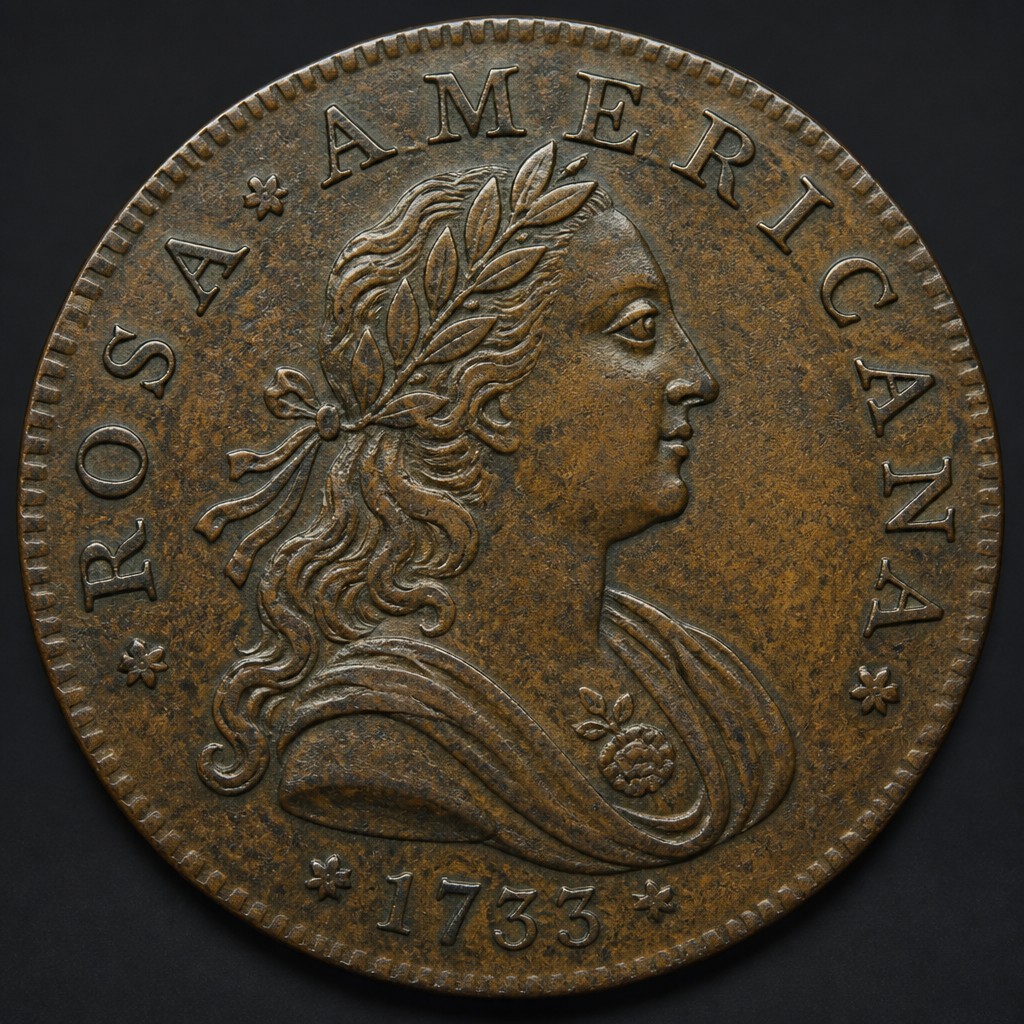
Rosa Americana Coinage
1722–1724 (with pattern issues dated 1733)
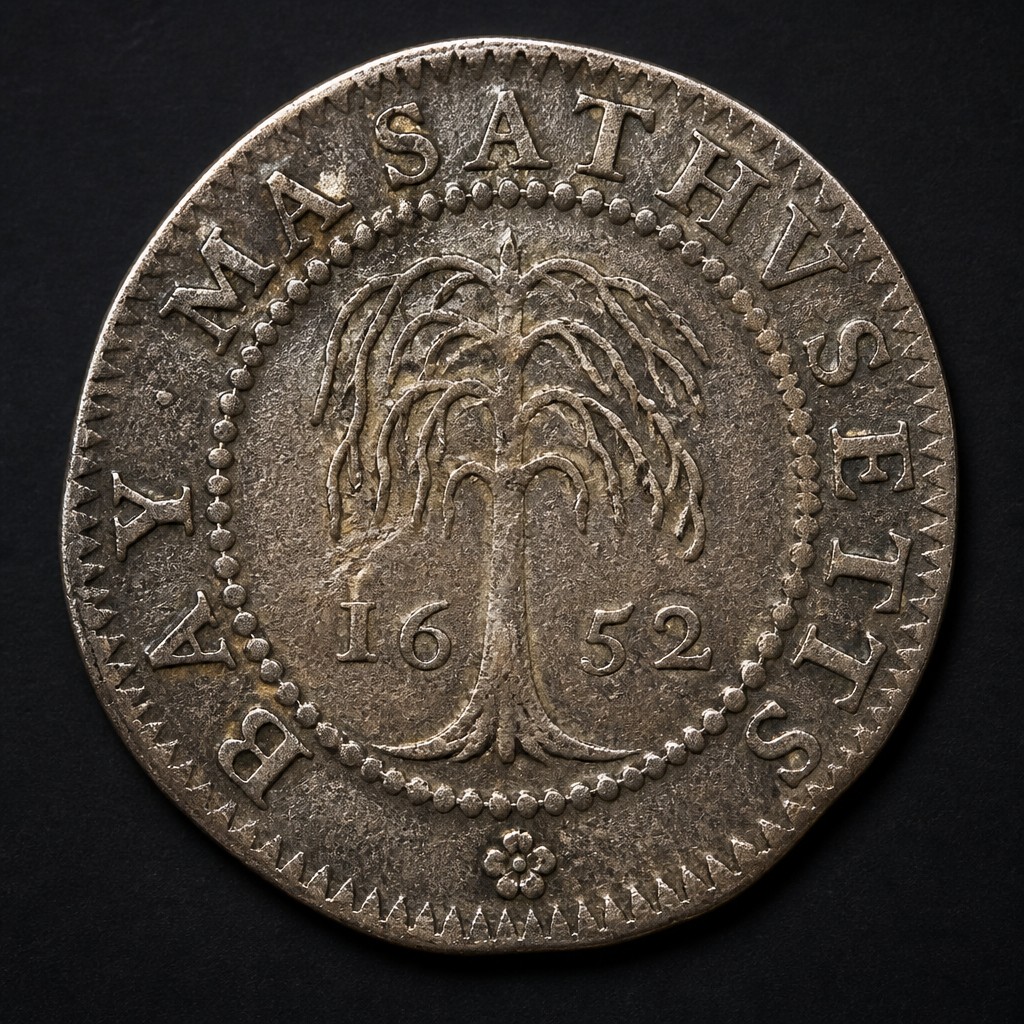
Massachusetts Willow Tree Shilling
Dated 1652, struck circa 1653–1660