
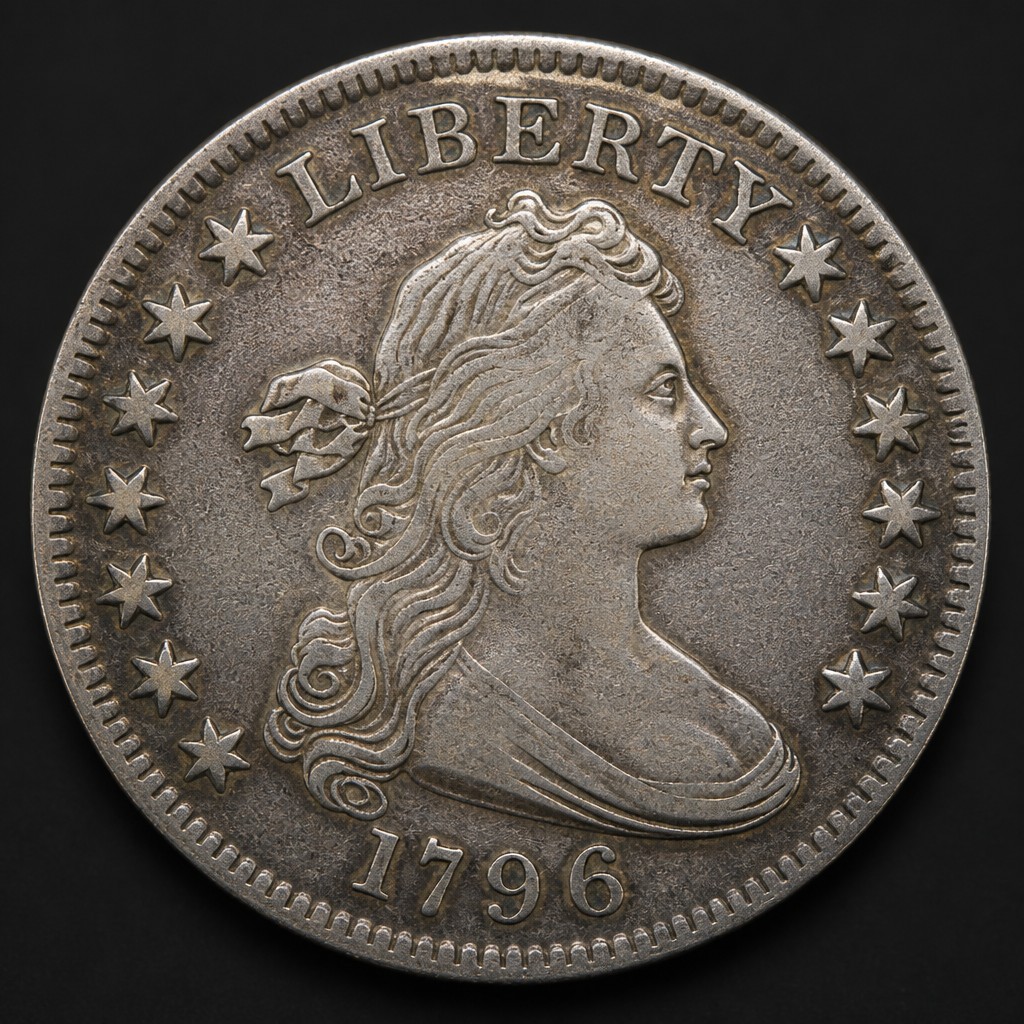
1796 Draped Bust Half Dime
An early, low-mintage silver half dime from the first U.S. Mint, featuring Robert Scot's Draped Bust obverse and a small eagle reverse.
- Country
- United States
- Denomination
- Half Dime (Five Cents)
- Metal
- .8924 Fine Silver
Got a coin like this?
Identify any coin from a photo, free.
Overview
The 1796 Draped Bust Half Dime is one of the earliest silver coins struck by the fledgling United States Mint, part of a series minted in tiny numbers during the nation's first decades. It carries the Draped Bust portrait of Liberty on the obverse paired with a small, spread-winged eagle on the reverse, a design pairing used only briefly before larger eagle reverses came into fashion.
Because total mintage was extremely small and survival rates from this era are poor, the 1796 half dime is considered a scarce and desirable type coin. It is often sought by collectors building a type set of early U.S. silver or a complete half dime date run.
A well-known variety exists where the die engraver misspelled LIBERTY as "LIBEKTY" on the headband, adding an extra layer of interest for specialists.
History & Background
The half dime denomination was authorized by the Coinage Act of 1792 and was among the first coins struck by the new U.S. Mint in Philadelphia, predating even the first cents in some respects. The Draped Bust design, attributed to Mint engraver Robert Scot and reportedly based on a Gilbert Stuart sketch of a Philadelphia socialite, replaced the earlier Flowing Hair motif starting in 1795 for half dimes and 1796 for dimes and larger coins.
In 1796, the United States was still a young republic finding its footing, and coin production was limited by hand-operated screw presses, imperfect dies, and a small workforce. Silver half dimes were struck in very small batches compared to the pressing needs of everyday commerce, which was still dominated by foreign coins and private tokens.
The half dime series would continue with the Draped Bust design through 1805 before a hiatus, later resuming with the Capped Bust design in 1829.
How to Identify
The obverse shows Liberty's bust facing right, her hair tied with a ribbon and drapery falling over her shoulder, surrounded by a ring of stars (typically 15 or 16 stars for coins of this era) with the date below. The reverse features a small, delicate eagle perched within a wreath, encircled by the legend UNITED STATES OF AMERICA, with no denomination expressed anywhere on the coin.
The coin is small, roughly the size of a modern dime, struck in .8924 fine silver with a plain (unlettered) edge. Because no mint marks existed in this era, all specimens were produced at the Philadelphia Mint.
Collectors distinguish the 1796 half dime from other Draped Bust dates by its star count and by known die varieties, including the famous "LIBEKTY" error variety. Compared to the 1794-1795 Flowing Hair half dimes, the Draped Bust portrait is more mature and formal, with drapery across Liberty's bosom.
Value & Collectibility
As an early, low-mintage type coin, the 1796 Draped Bust Half Dime is scarce in any grade and commands strong premiums even in heavily worn condition, generally starting in the low thousands of dollars for well-worn examples and rising sharply for problem-free, higher-grade pieces. The LIBEKTY error variety and any coin with strong eye appeal or original surfaces bring added premiums.
Value is highly sensitive to originality, strike quality, and the presence of adjustment marks common to this era (file marks made by the Mint to correct overweight planchets). Because true Mint State examples are rare and expensive, most collectors pursue circulated examples for type purposes.
Given the age, rarity, and frequent presence of counterfeits or altered dates in early silver, buyers are generally advised to seek coins that have been certified by a major third-party grading service.
Frequently asked questions
What is a half dime?
A half dime was a small U.S. silver coin worth five cents, struck from 1792/1794 through 1873, predating the copper-nickel nickel.
Why does the 1796 half dime have no mint mark?
Only the Philadelphia Mint existed in 1796, and it did not use mint marks, so no mark appears on the coin.
What is the LIBEKTY variety?
It's a die error where the engraver cut LIBERTY incorrectly as LIBEKTY on Liberty's headband, a variety specialists actively collect.
Is the 1796 half dime rare?
Yes, total mintage was very small and survivors are limited, making it a genuinely scarce early American coin in any condition.
Other coins you may enjoy
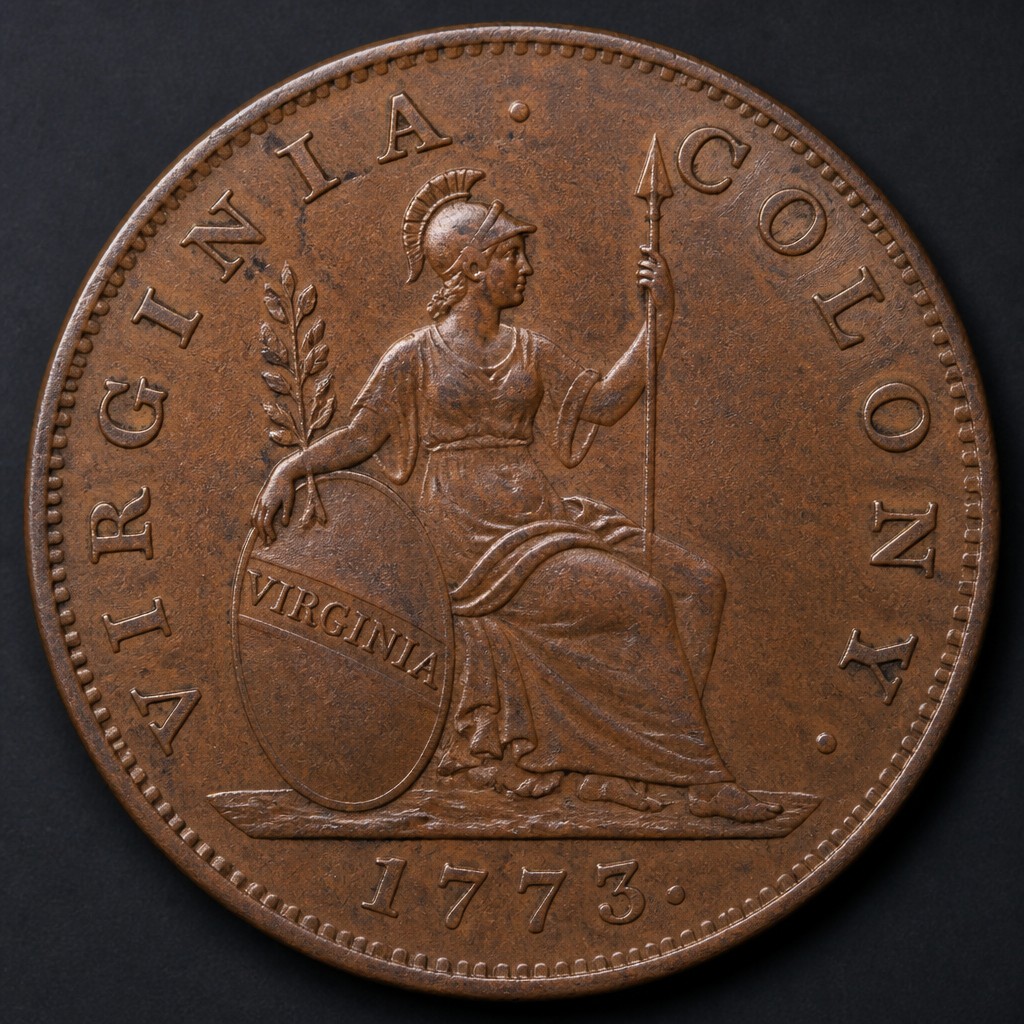
Virginia Halfpenny
1773
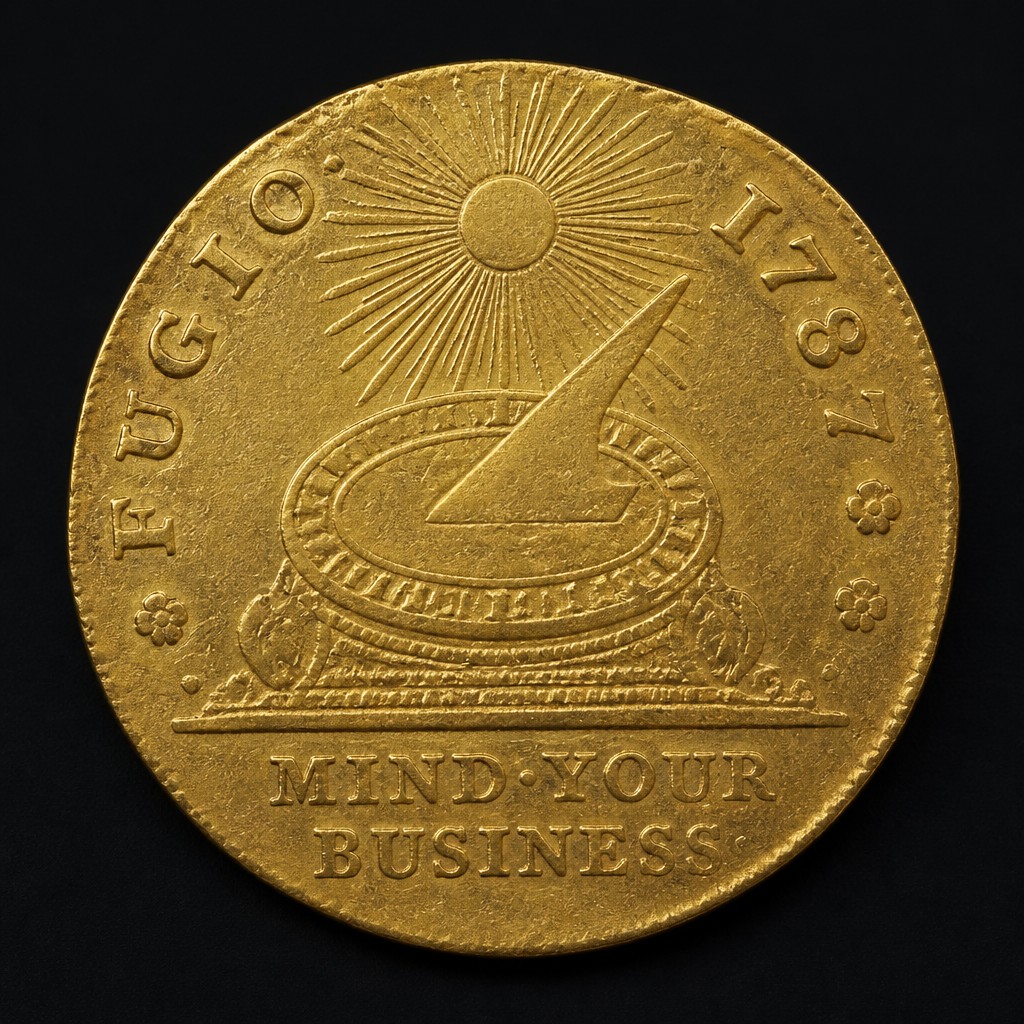
Brasher Doubloon
1787
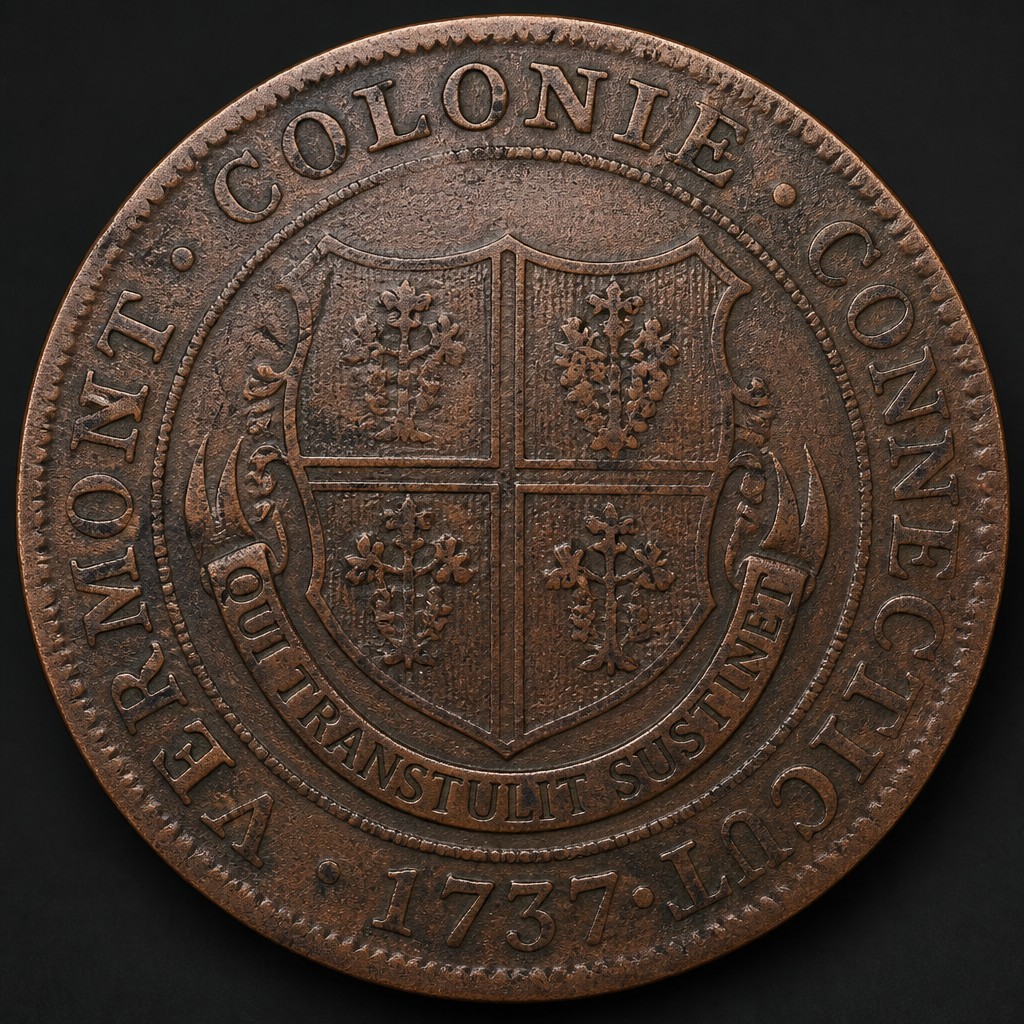
Higley Copper
1737–1739
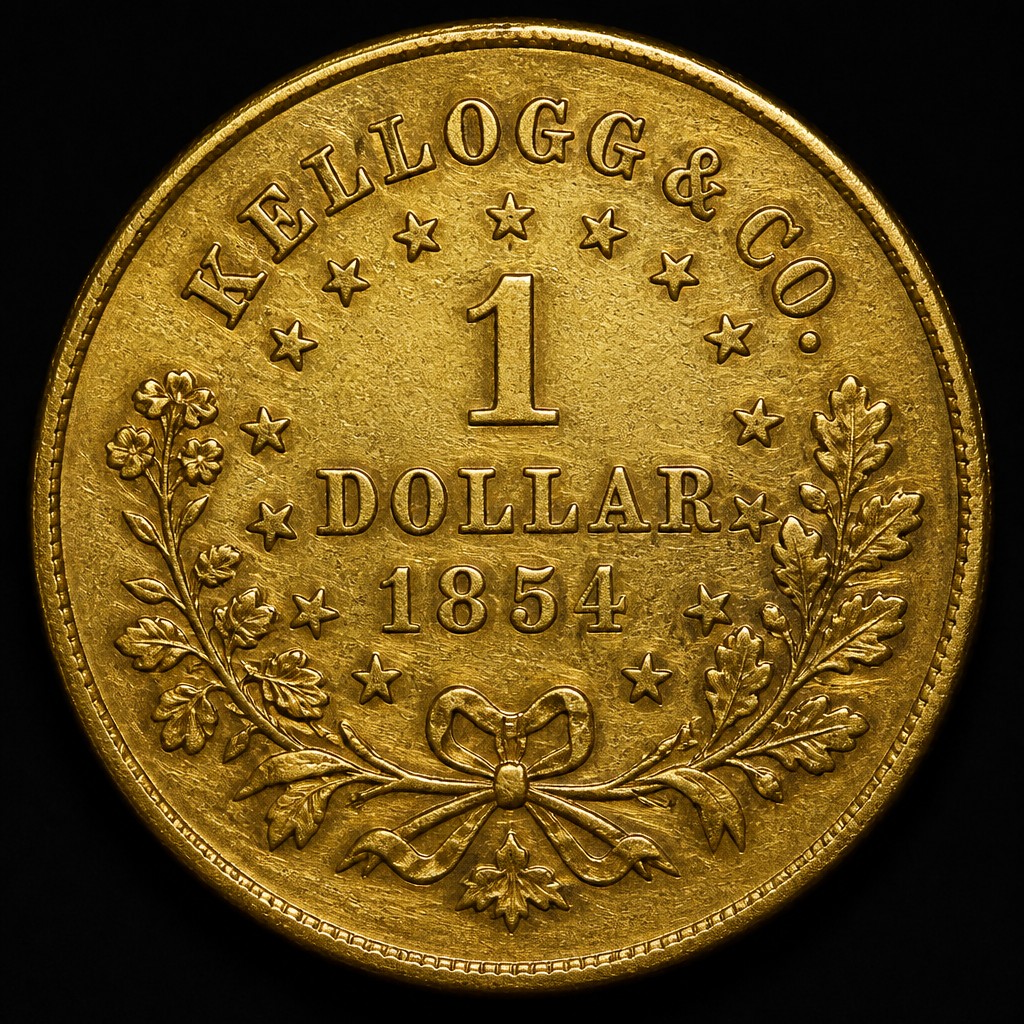
Kellogg & Co. Gold Piece
1854–1855
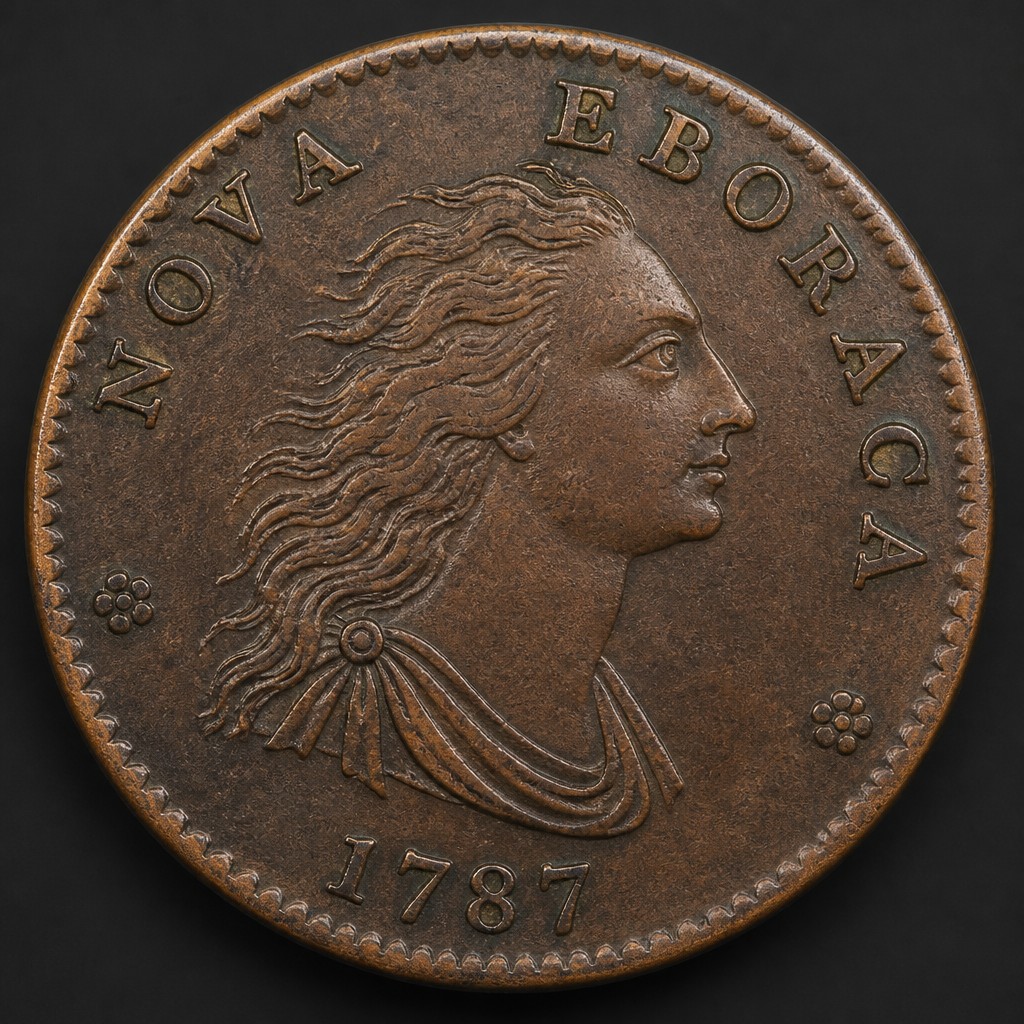
Nova Eborac Copper
1787
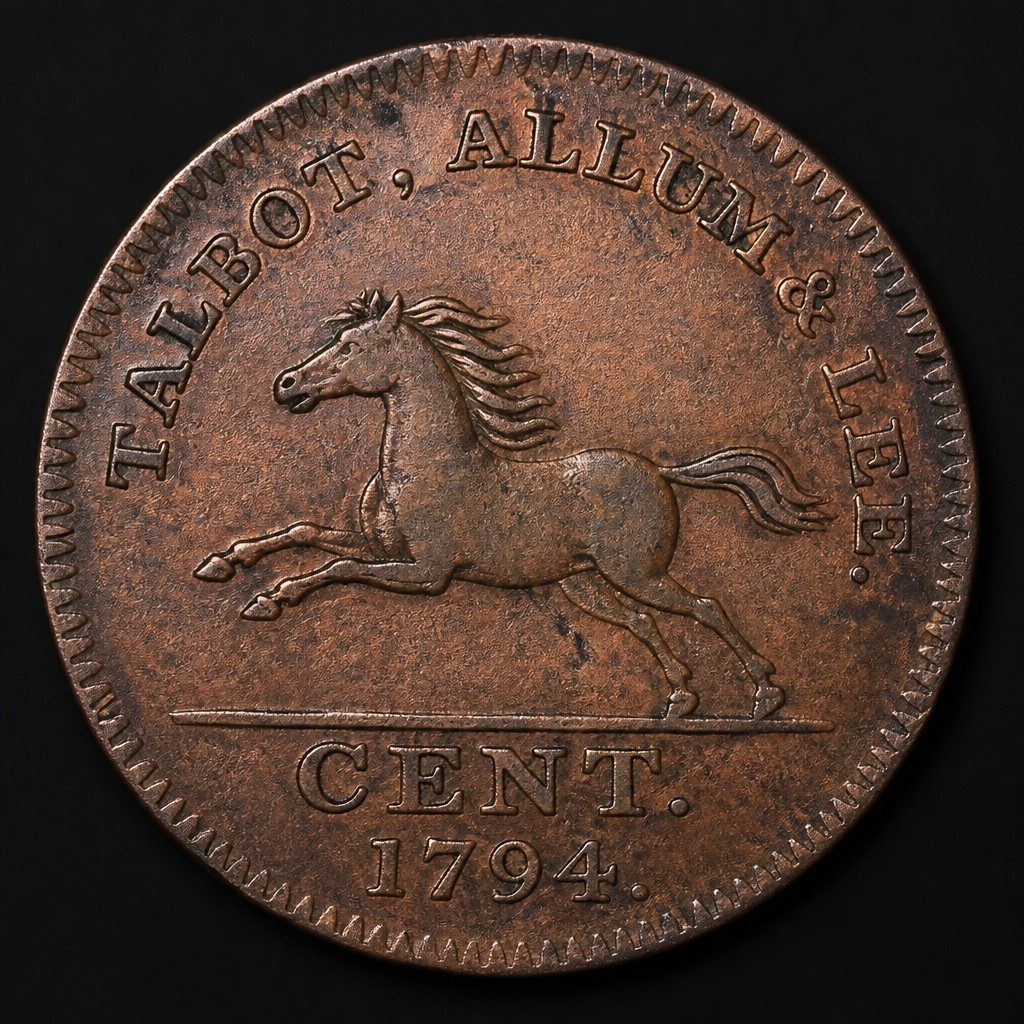
Talbot, Allum & Lee Cent
1794–1795
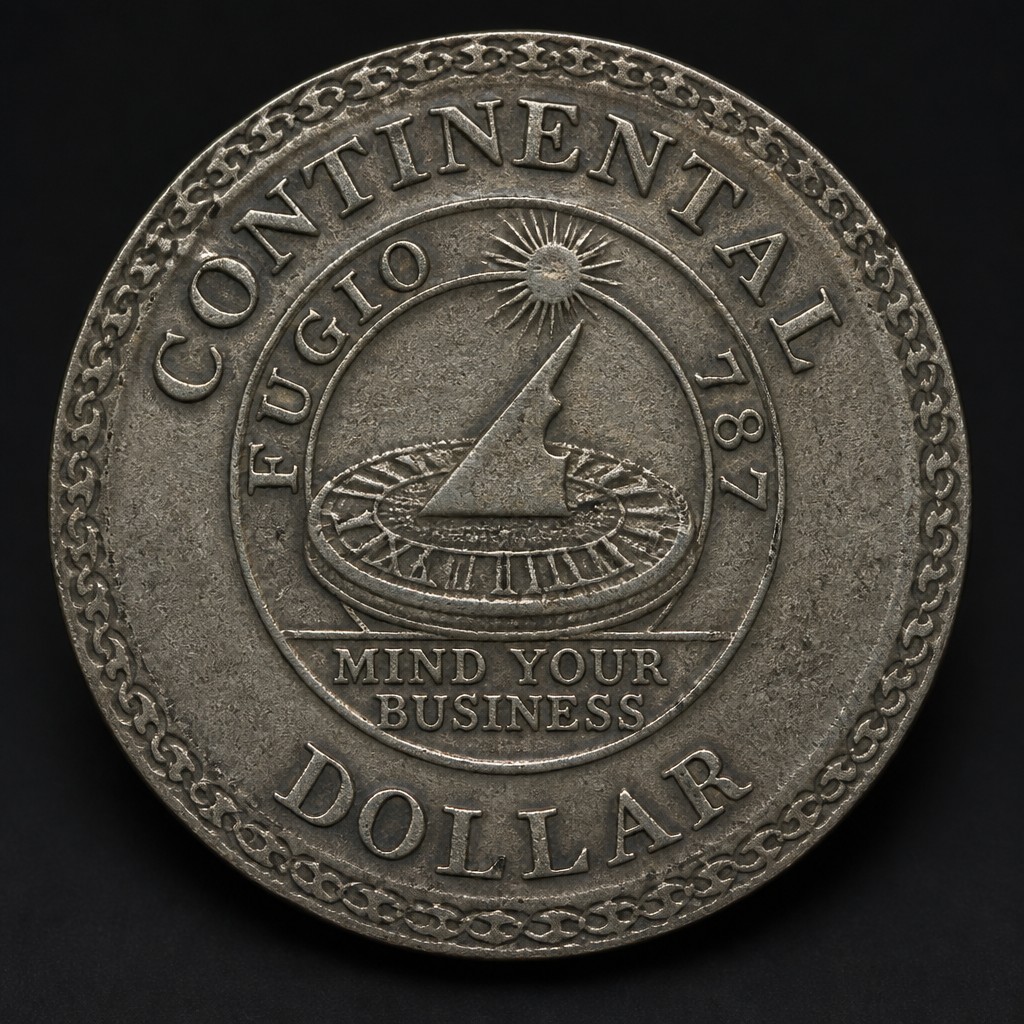
Continental Dollar
1776
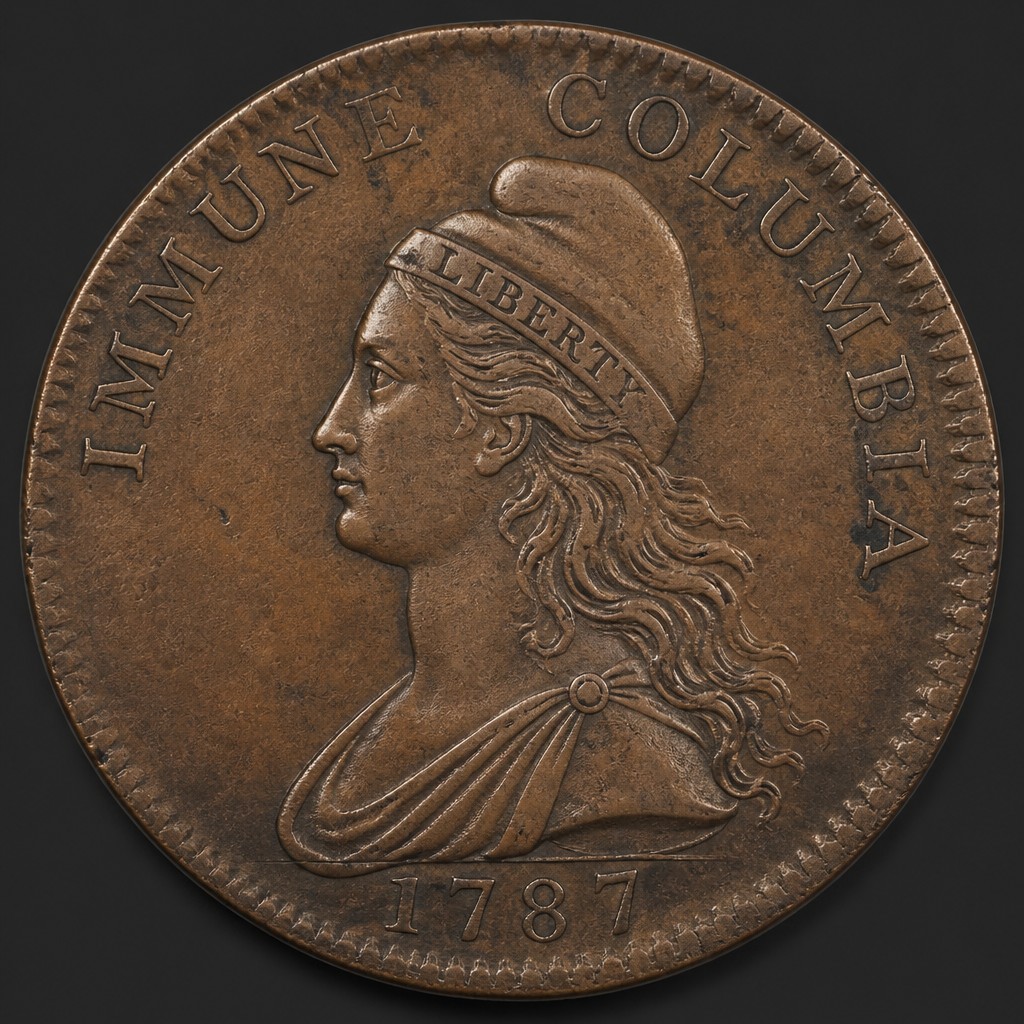
Immune Columbia Copper
circa 1785–1787
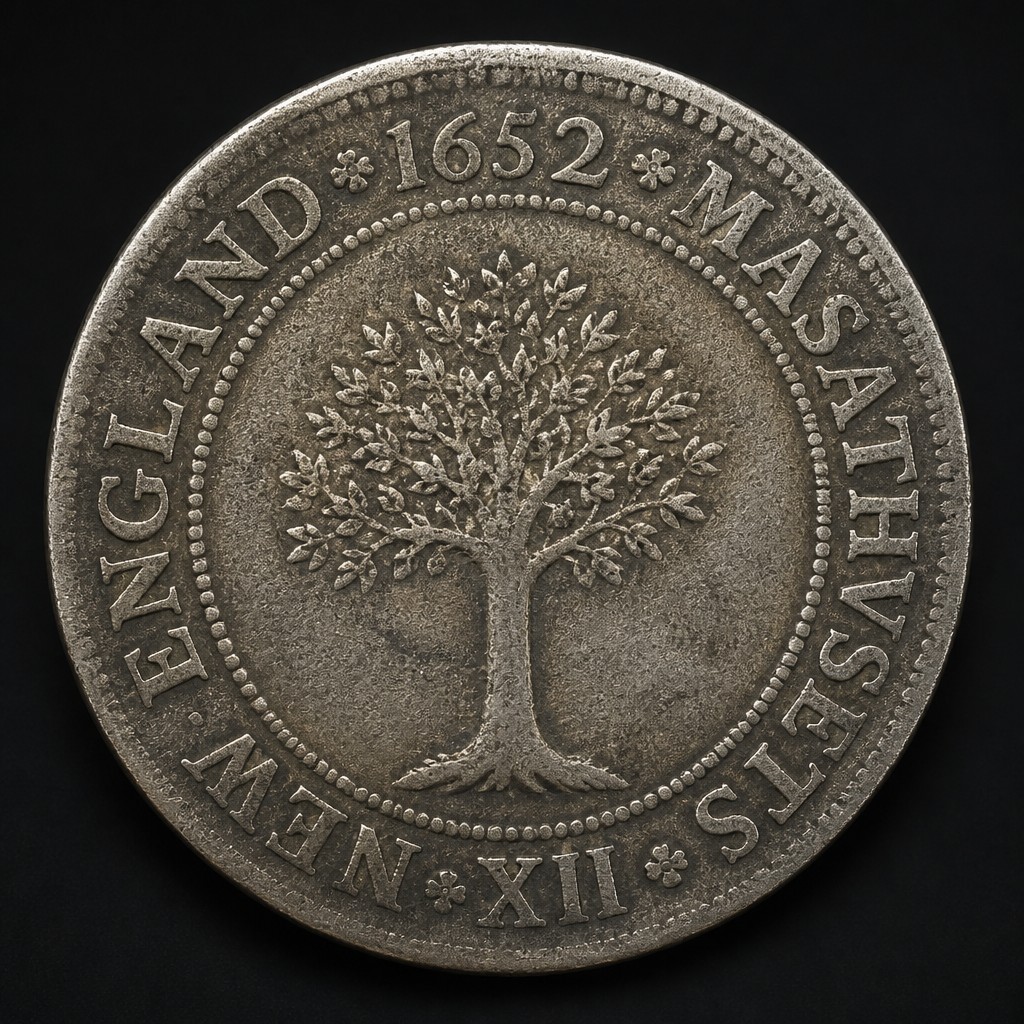
Massachusetts Oak Tree Shilling
Dated 1652, struck circa 1660–1667
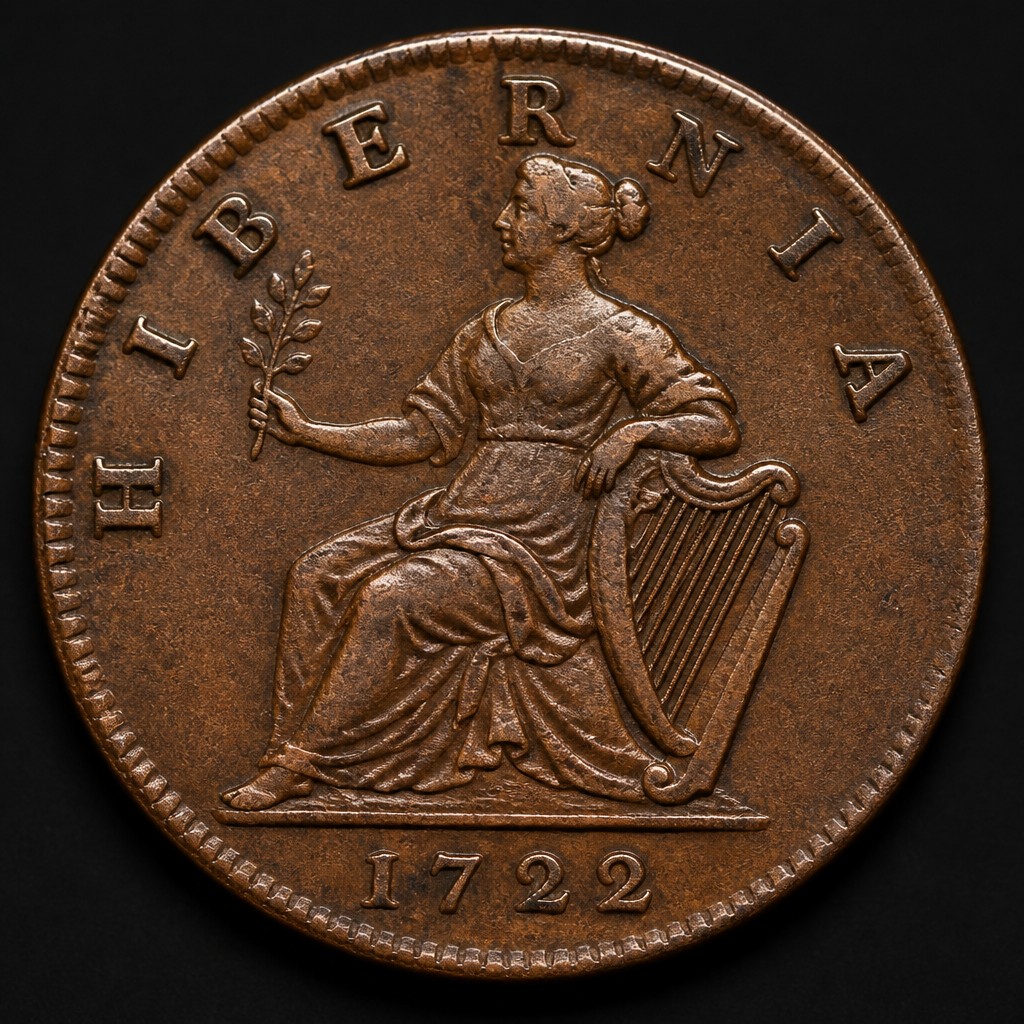
Wood's Hibernia Halfpenny
1722–1724
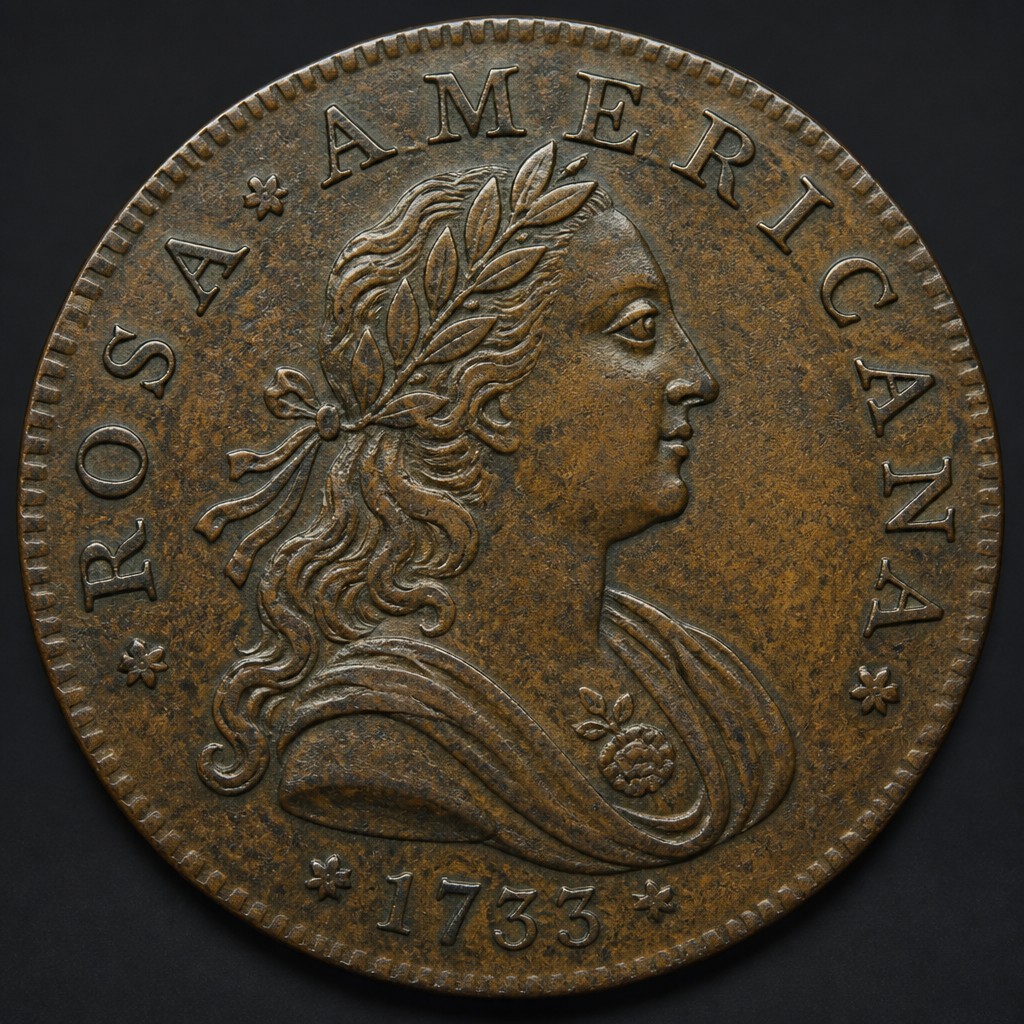
Rosa Americana Coinage
1722–1724 (with pattern issues dated 1733)
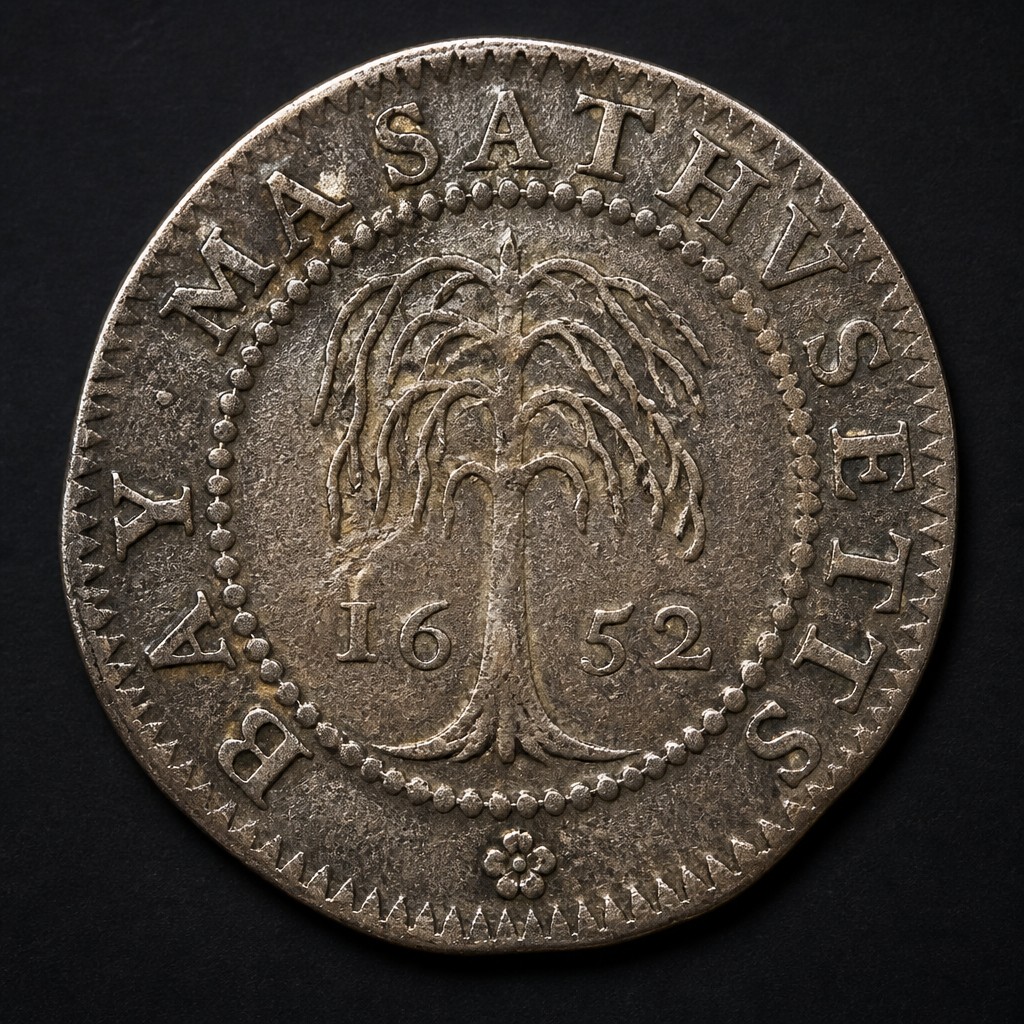
Massachusetts Willow Tree Shilling
Dated 1652, struck circa 1653–1660