
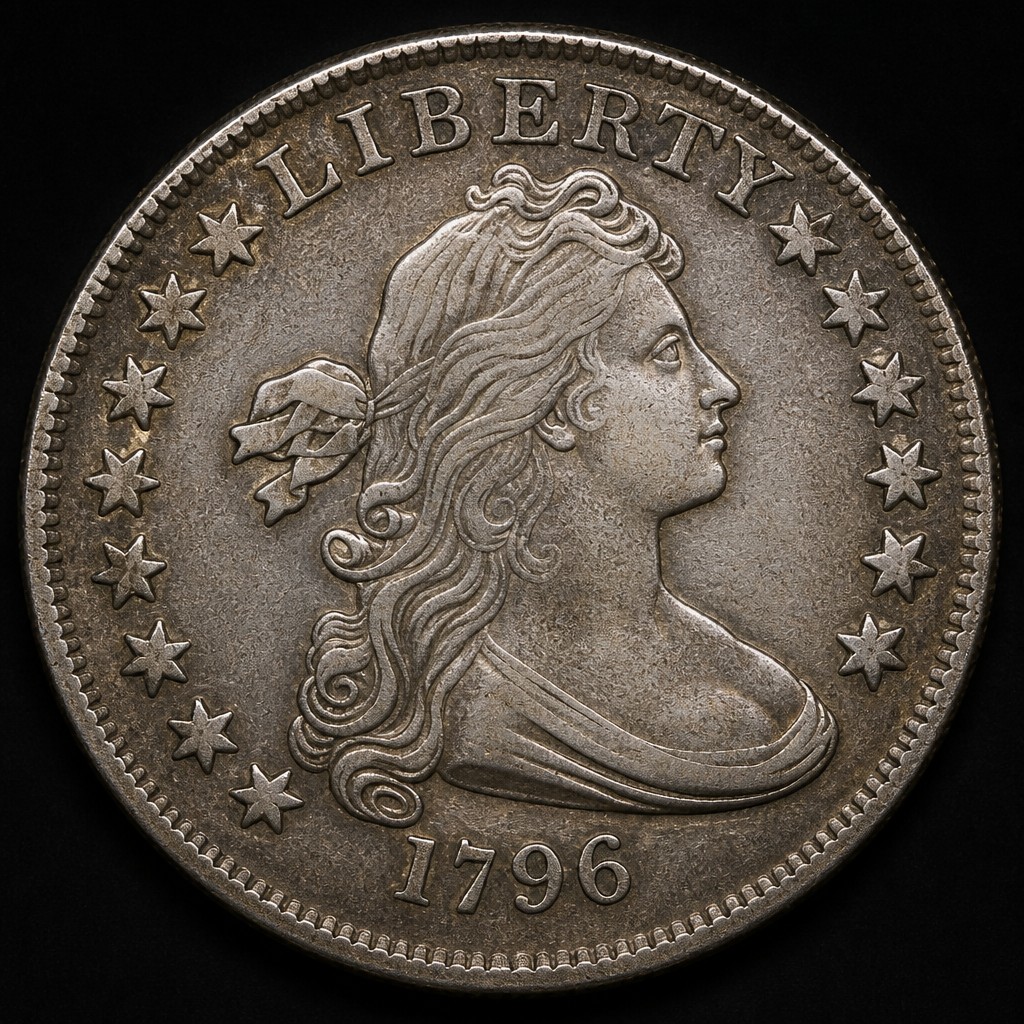
1796 Draped Bust Dime
The very first dime struck by the United States Mint, featuring the Draped Bust design with a small eagle reverse and no stated denomination.
- Country
- United States
- Denomination
- Dime (Ten Cents)
- Metal
- .8924 Fine Silver
Got a coin like this?
Identify any coin from a photo, free.
Overview
The 1796 Draped Bust Dime holds the distinction of being the first year of issue for the ten-cent denomination in United States coinage. As a first-year type coin, it is highly sought after by collectors assembling type sets of early American silver, quite apart from its numeric rarity.
Struck only at the fledgling Philadelphia Mint, the coin embodies the aesthetic and technical limitations of early American coin production, including hand-engraved dies and screw-press striking that often resulted in weakly struck details or off-center impressions.
Because 1796 was also the only year the dime carried this particular small eagle reverse alongside 15 obverse stars (matching the number of states at the time), the date carries added significance for specialists tracking star-count varieties.
History & Background
The dime, authorized as the "disme" under the Coinage Act of 1792, was not actually struck for circulation until 1796, several years after half dimes, cents, and half cents had already entered production. The delay reflected the Mint's limited capacity and its dependence on bullion deposits from the public to fund each denomination's production.
When the dime finally appeared, it used the Draped Bust obverse first introduced on the half dime and dollar the year before, designed by Robert Scot and reportedly inspired by a portrait of a Philadelphia society woman. The reverse featured a small, delicate eagle within a wreath, a motif shared briefly with several other denominations before larger, more heraldic eagle designs took over in subsequent years.
Given the young nation's limited silver supply and reliance on foreign coins for daily commerce, the entire 1796 dime mintage was relatively small, and it remains a scarce coin that bridges the gap between the earliest experimental U.S. issues and the more established coinage of the early 19th century.
How to Identify
The obverse depicts Liberty's draped bust in profile, hair tied with a ribbon, surrounded by 15 stars (reflecting the number of states in the Union at the time) with the date below. The reverse shows a small, spread-winged eagle within a wreath, encircled by UNITED STATES OF AMERICA; notably, no numeral or word denomination appears anywhere on the coin.
Struck in .8924 fine silver with a plain edge, the coin's overall diameter is close to a modern dime, though thinner and lighter in hand due to differing alloy and design conventions of the era. Weak strikes, adjustment marks, and centering issues are common due to the primitive minting technology of the period.
Collectors distinguish the 1796 dime from the following year's issue (1797, which exists with either 13 or 16 stars) by its consistent 15-star obverse. Because it predates mint marks entirely, every genuine example was struck in Philadelphia.
Value & Collectibility
As the first-year dime issue, the 1796 Draped Bust Dime is genuinely scarce and commands solid four-figure prices even in well-worn condition, with choice or higher-grade examples reaching well into five figures or more. Demand from type collectors, who need only one example of the design regardless of exact date, adds a steady baseline of interest beyond pure date collectors.
Condition and originality matter greatly; problem-free coins with pleasing toning and minimal marks bring notable premiums over cleaned, holed, or otherwise impaired examples common to coins of this age.
Because of its historical importance and value, buyers should favor examples certified by a major third-party grading service to confirm authenticity and grade.
Frequently asked questions
Why is 1796 significant for dimes?
It is the first year the dime denomination was struck for circulation by the United States Mint.
Does the 1796 dime say '10 cents' on it?
No, early dimes carried no numerical or written denomination; value was implied by the coin's size and design.
How many stars are on the obverse?
The 1796 dime consistently shows 15 stars, matching the number of states in the Union that year.
Was the 1796 dime struck anywhere besides Philadelphia?
No, the Philadelphia Mint was the only U.S. mint operating at the time, so all genuine examples originate there.
Other coins you may enjoy
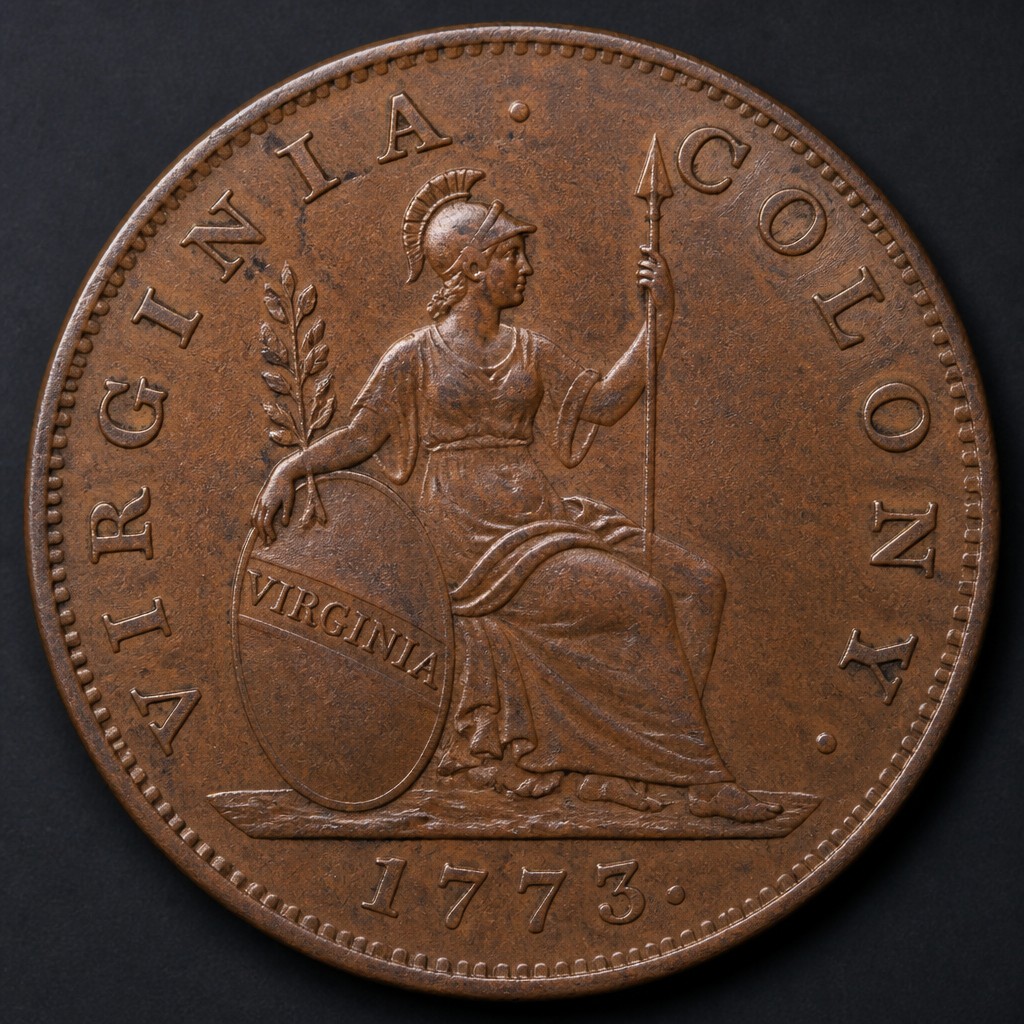
Virginia Halfpenny
1773
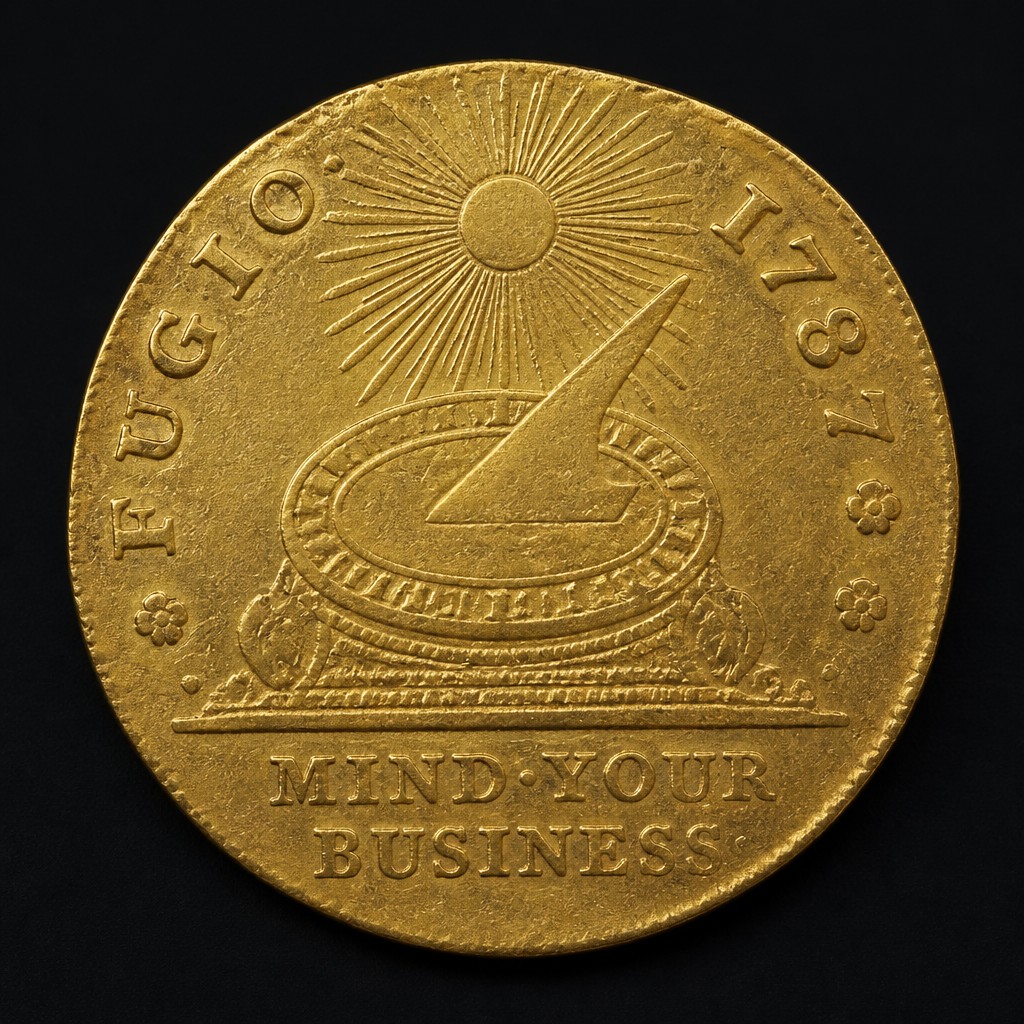
Brasher Doubloon
1787
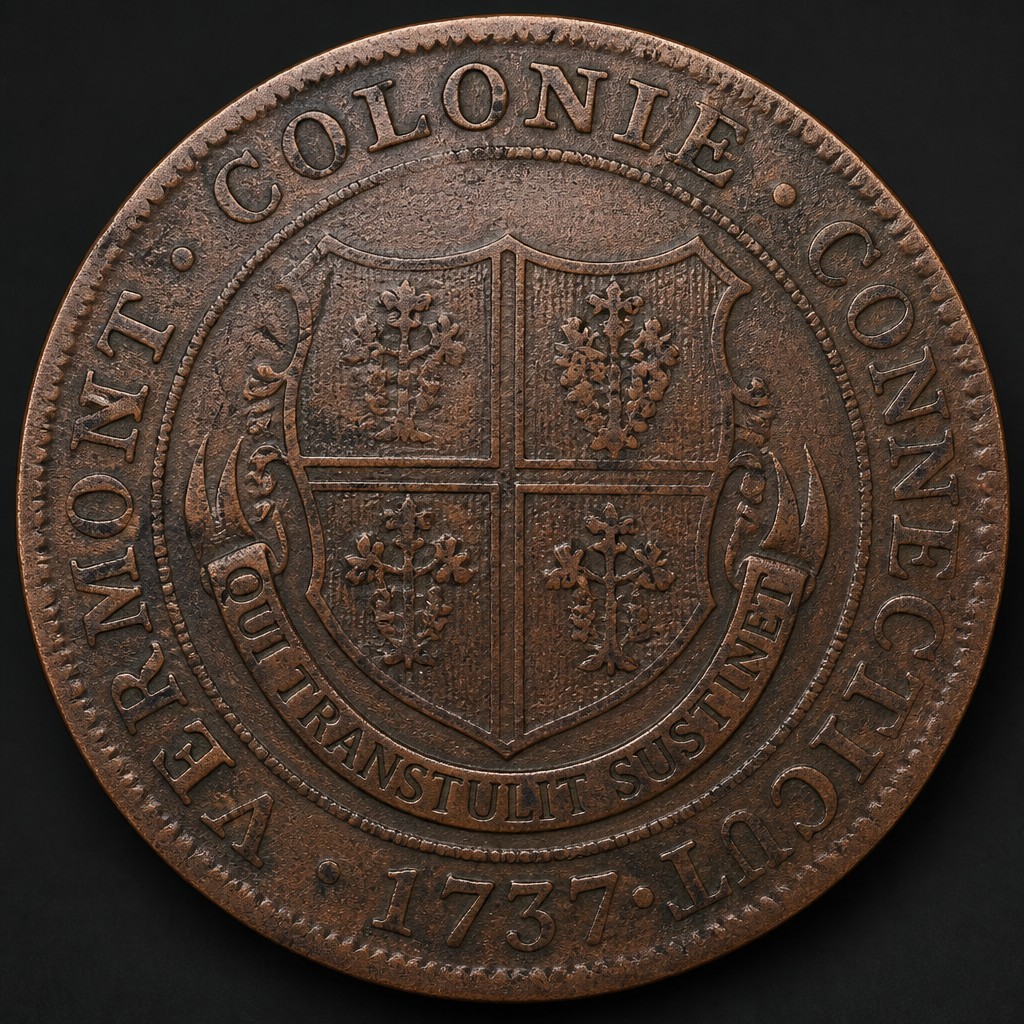
Higley Copper
1737–1739
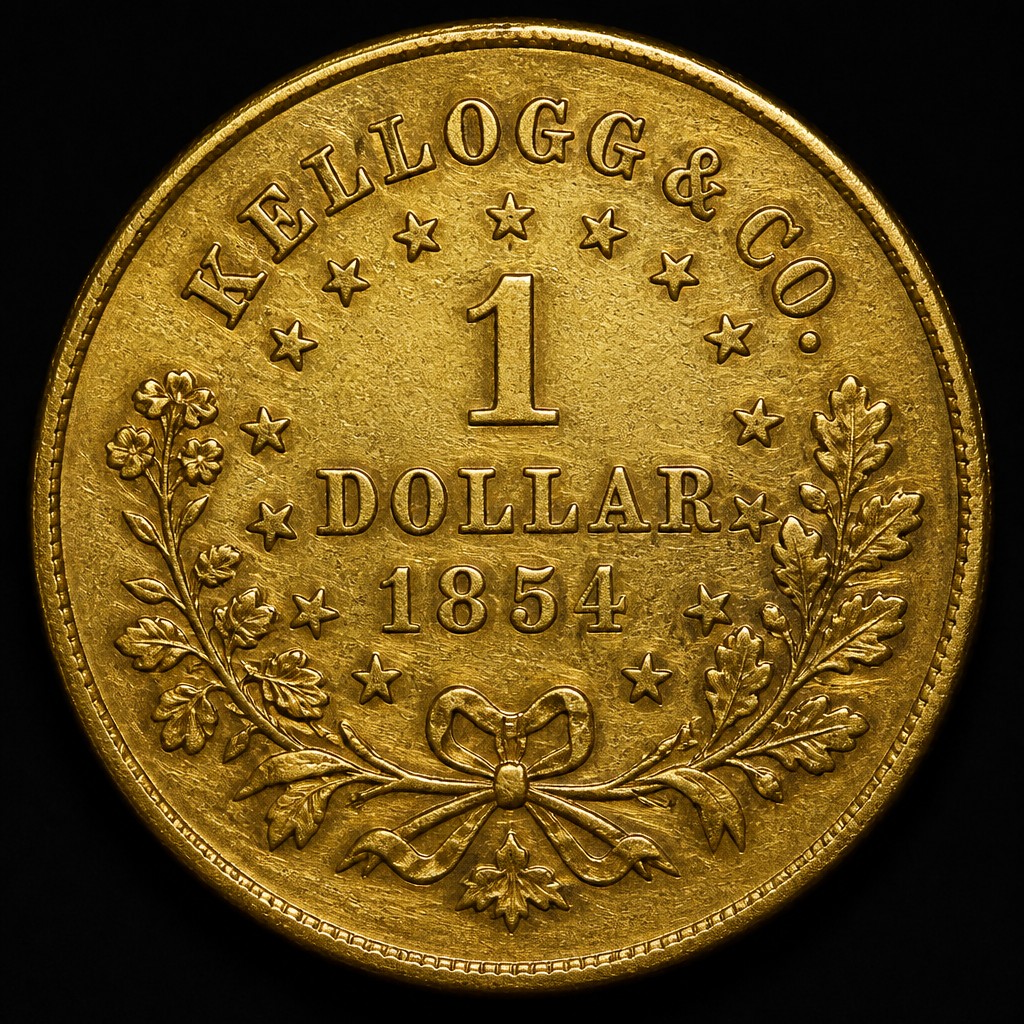
Kellogg & Co. Gold Piece
1854–1855
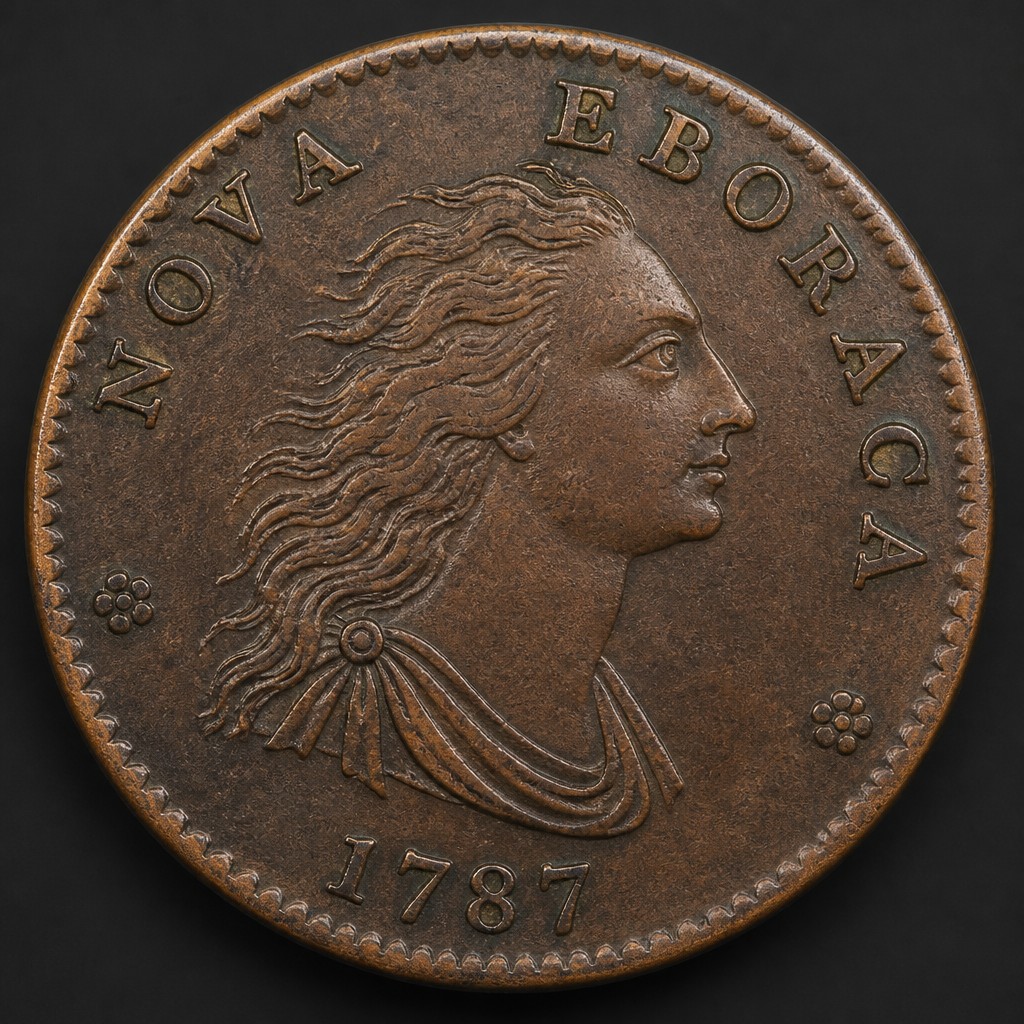
Nova Eborac Copper
1787
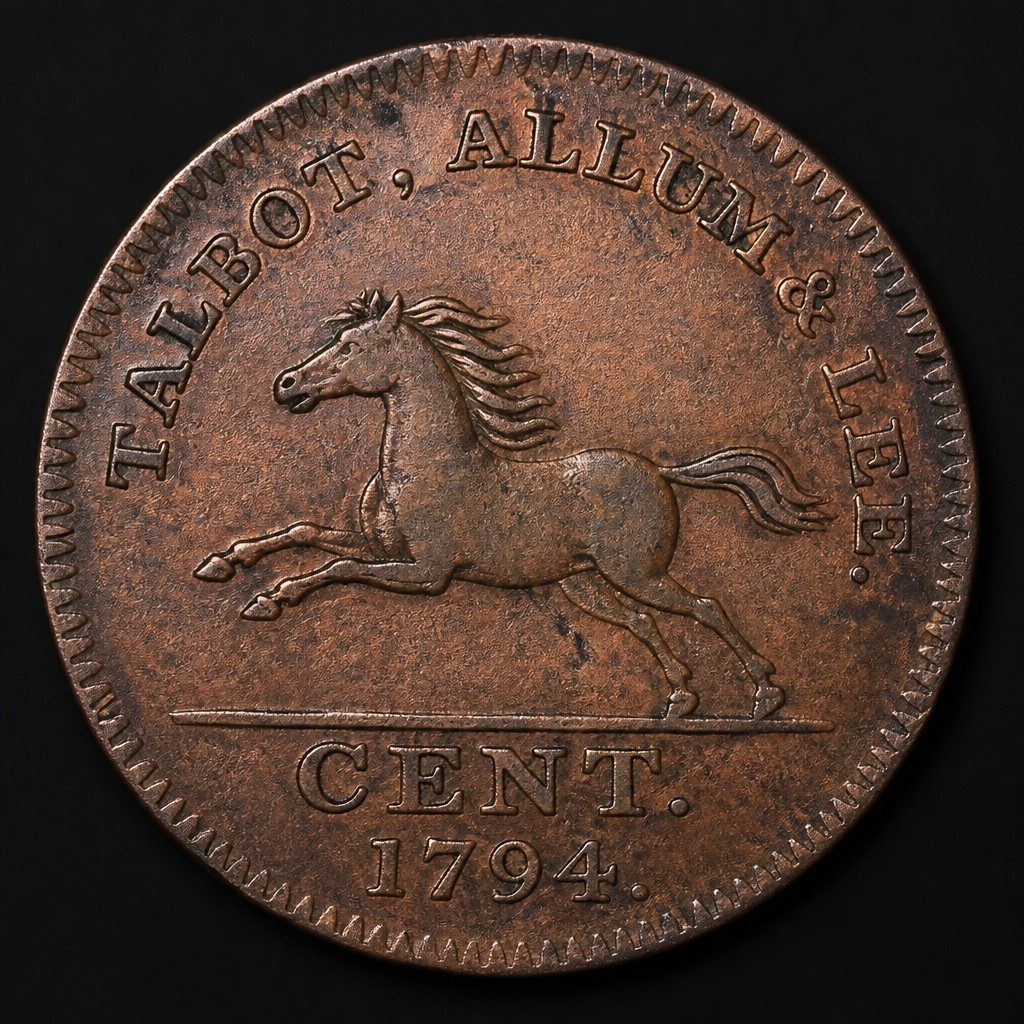
Talbot, Allum & Lee Cent
1794–1795
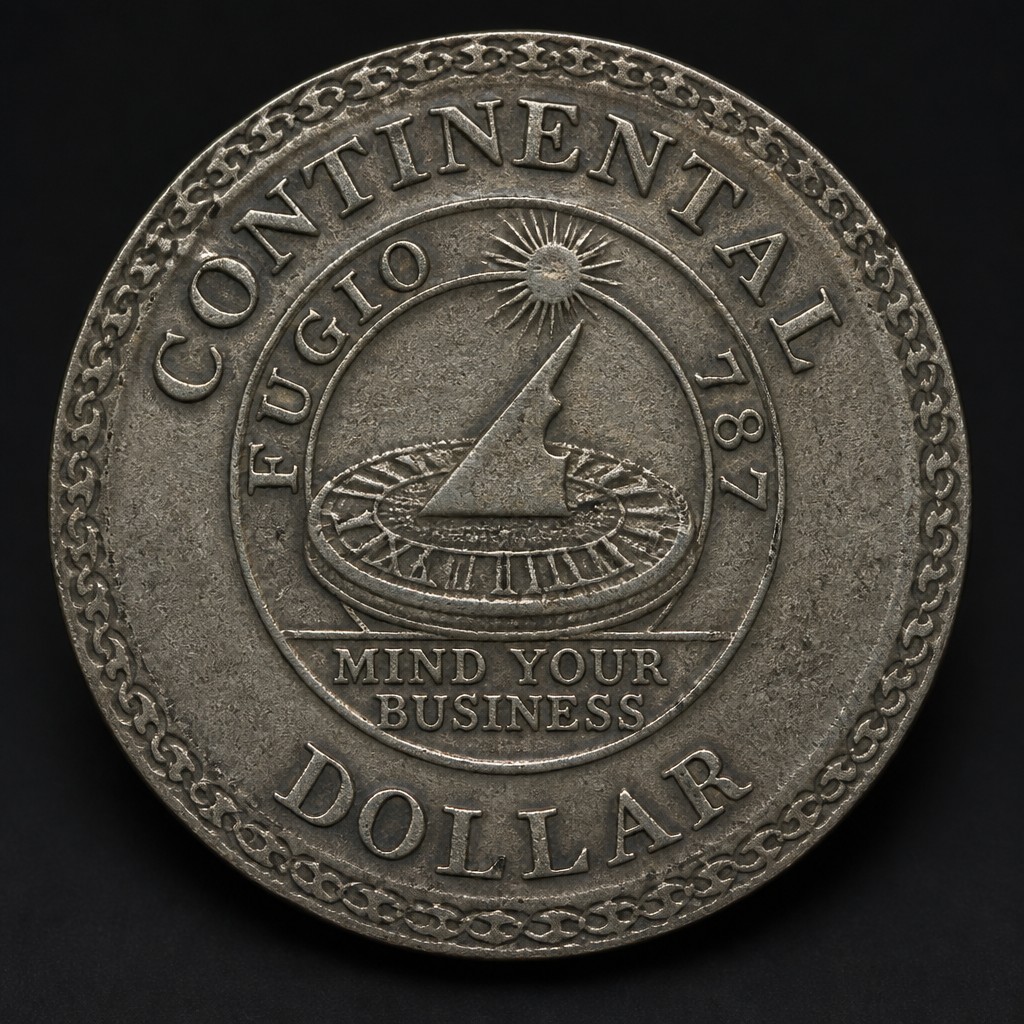
Continental Dollar
1776
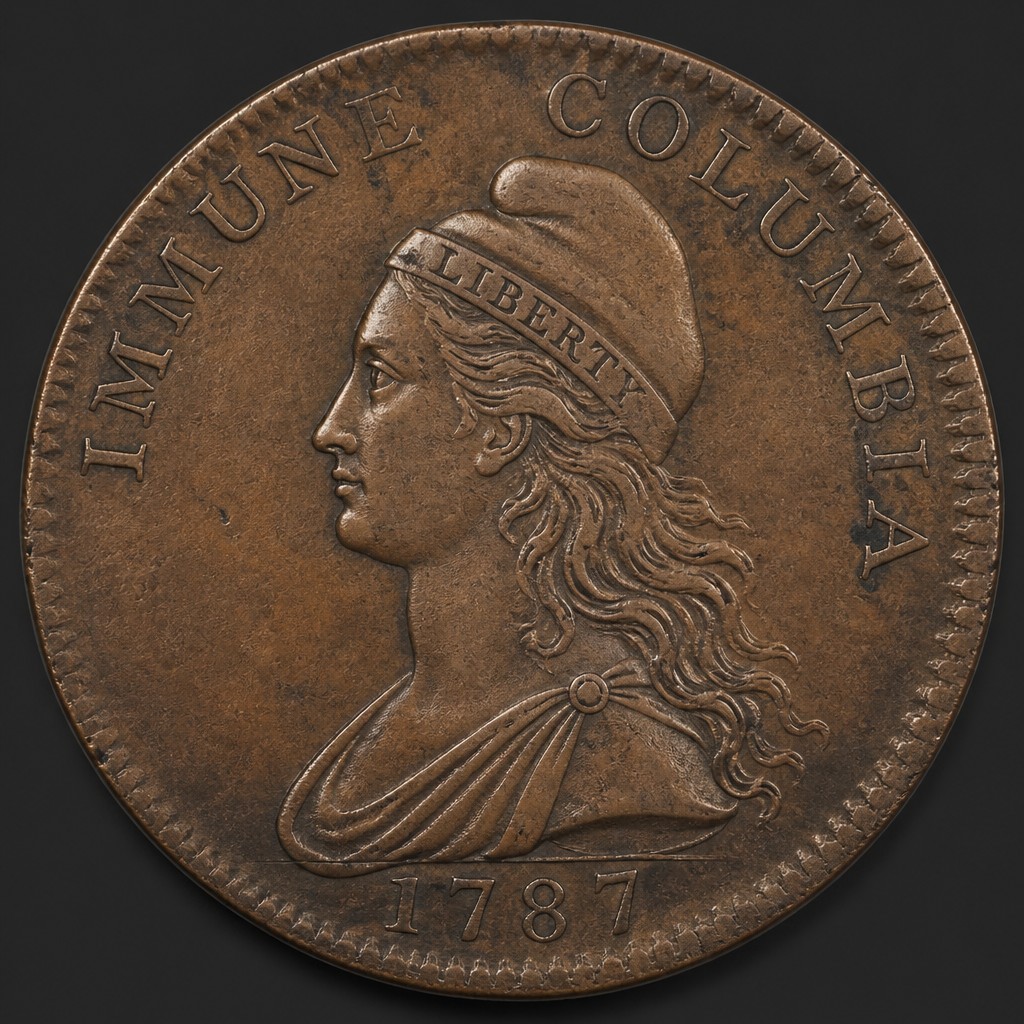
Immune Columbia Copper
circa 1785–1787
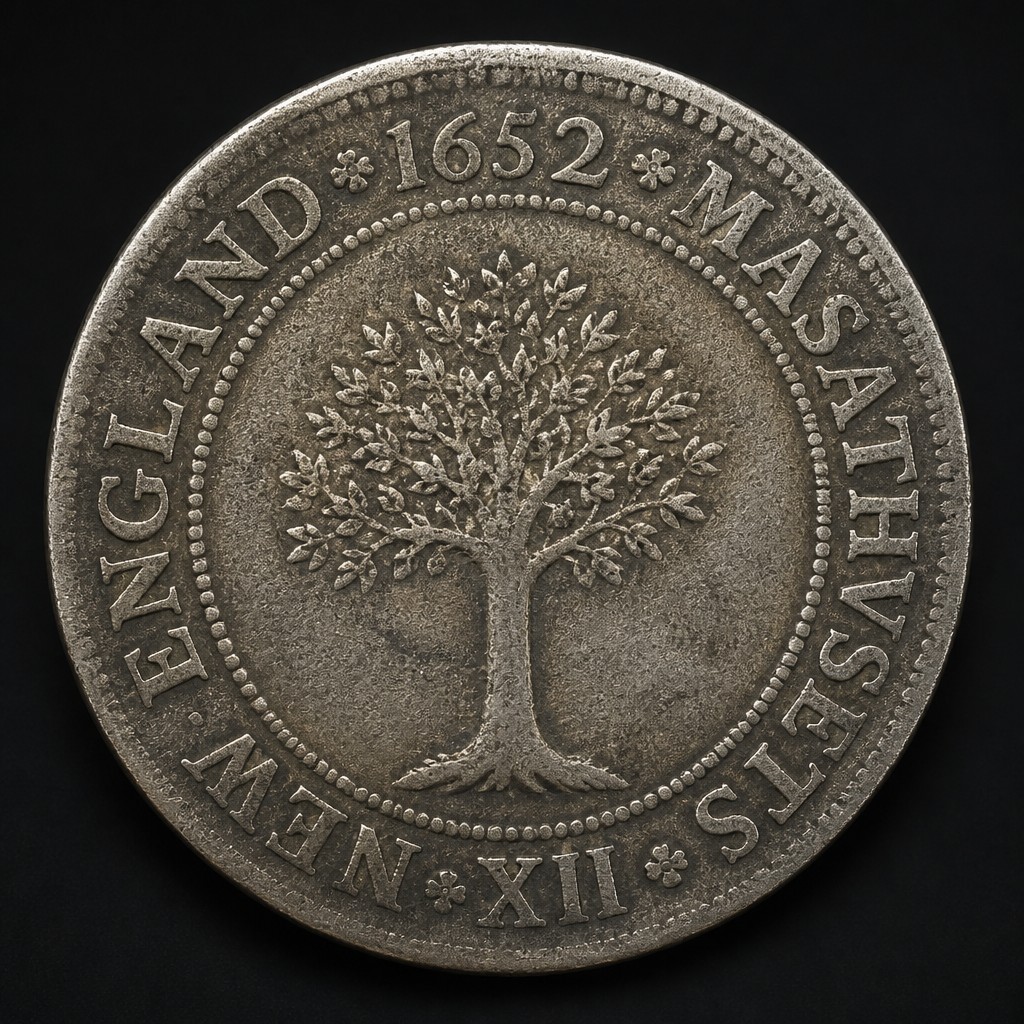
Massachusetts Oak Tree Shilling
Dated 1652, struck circa 1660–1667
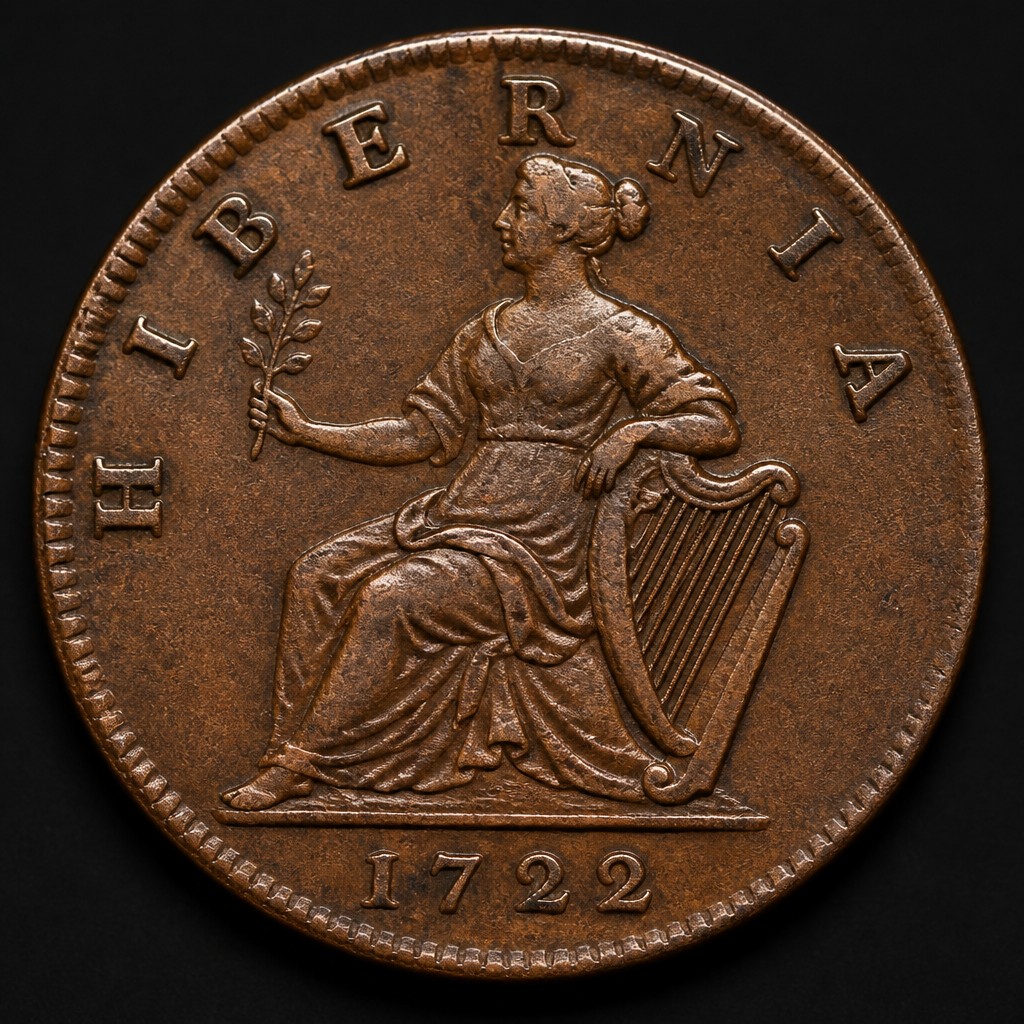
Wood's Hibernia Halfpenny
1722–1724
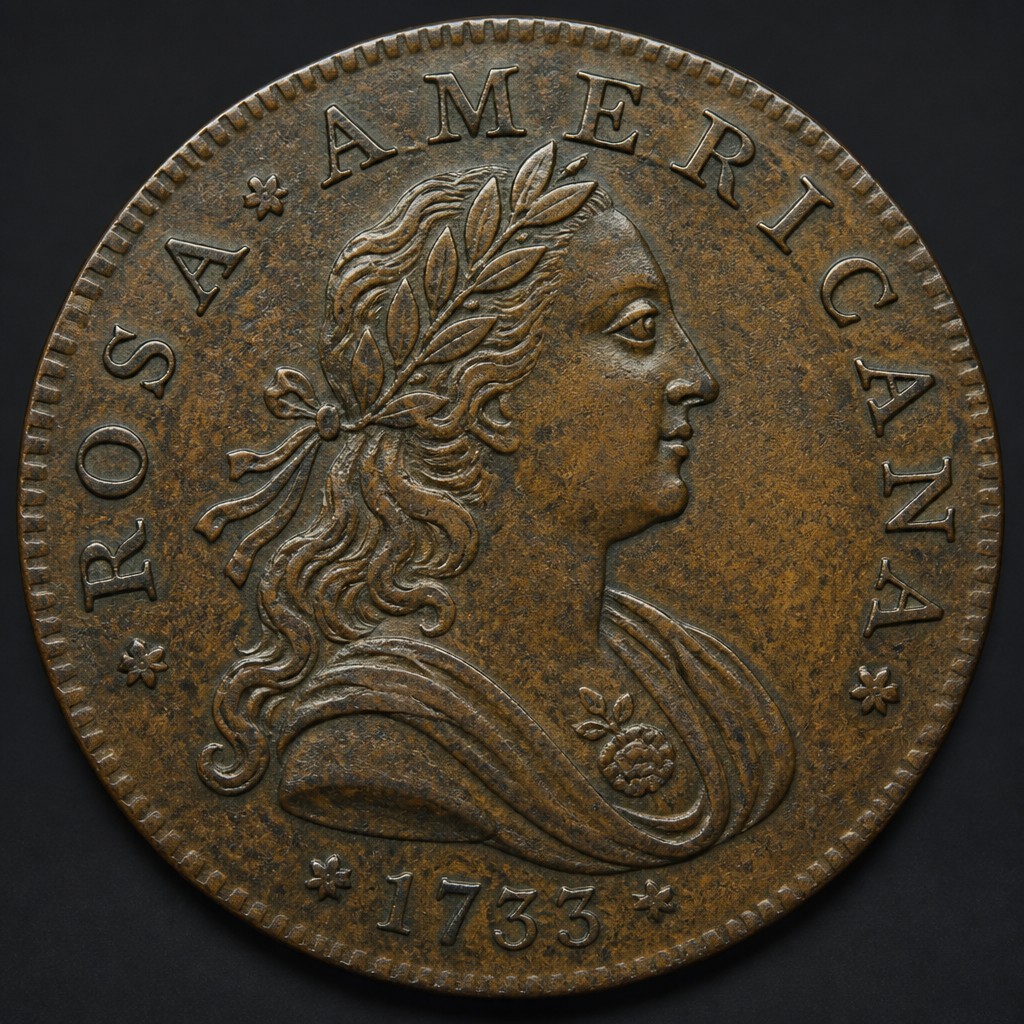
Rosa Americana Coinage
1722–1724 (with pattern issues dated 1733)
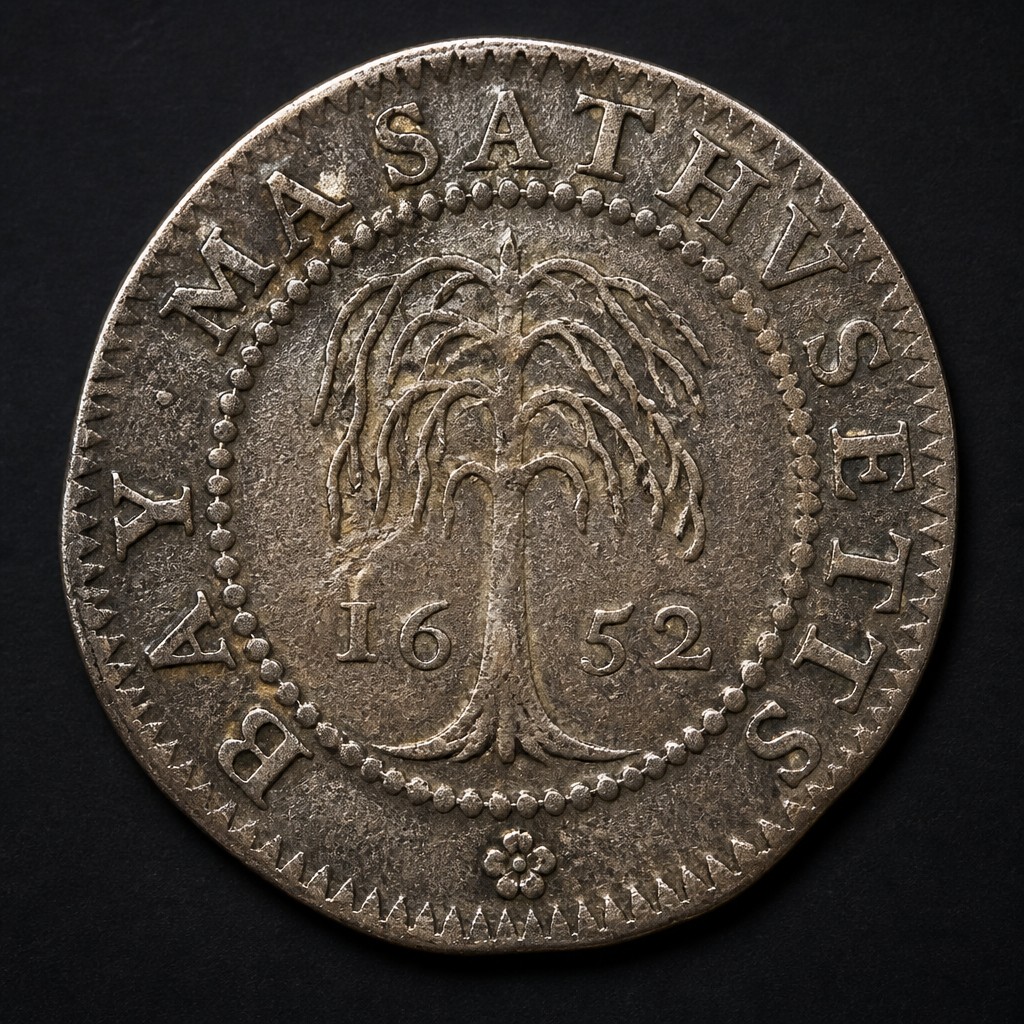
Massachusetts Willow Tree Shilling
Dated 1652, struck circa 1653–1660