
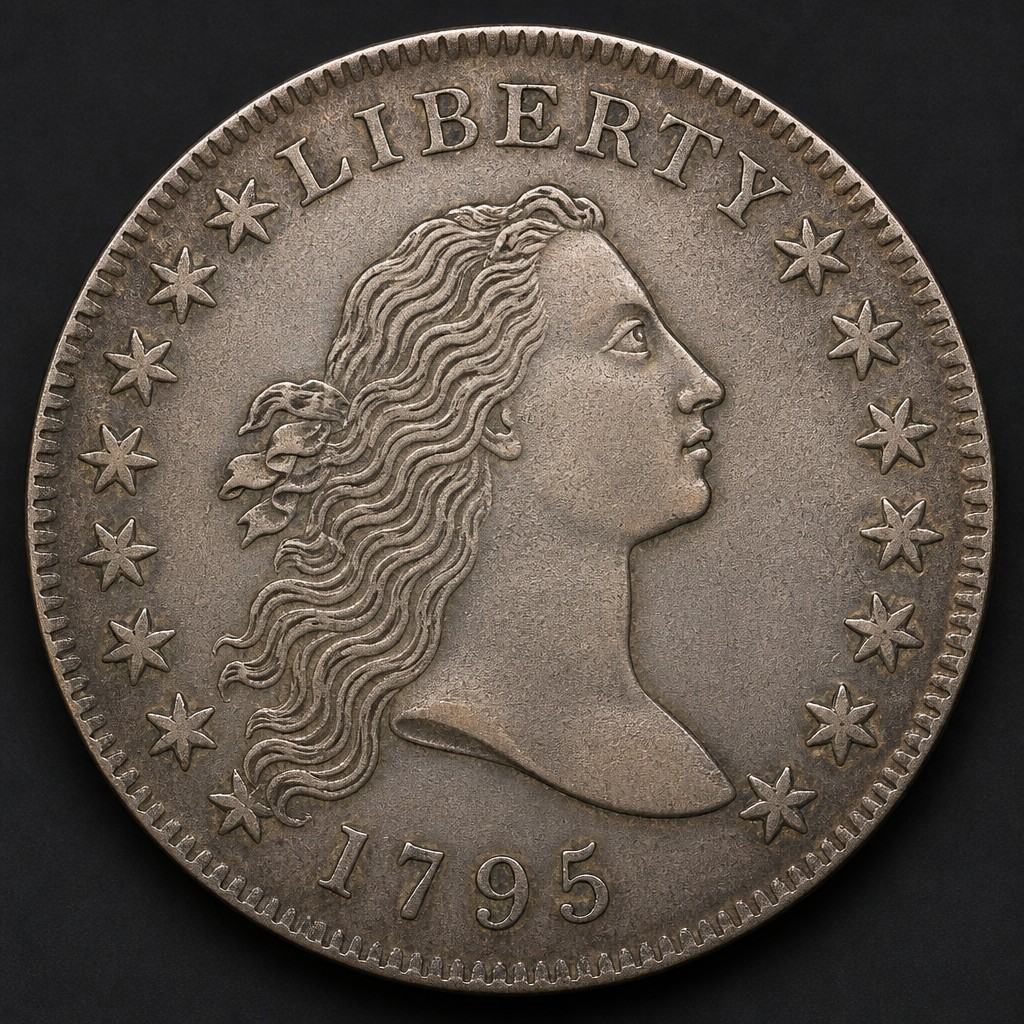
1795 Flowing Hair Silver Dollar
One of the earliest United States silver dollars, sharing the Flowing Hair design introduced in 1794 and struck in two collectible leaf-count varieties.
- Country
- United States
- Denomination
- One Dollar
- Metal
- 90% Silver, 10% Copper
Got a coin like this?
Identify any coin from a photo, free.
Overview
The 1795 Flowing Hair dollar is more available than its famous 1794 predecessor, the very first US silver dollar, but it remains an important and highly sought early American coin in its own right. It represents one of the earliest points at which the United States produced dollar-sized silver coinage at meaningful scale.
Collectors of early American silver value the coin both as a type example of the short-lived Flowing Hair dollar design and, for specialists, for its two distinct reverse varieties.
History & Background
Following the tiny 1794 production run, the Philadelphia Mint struck 1795 dollars in considerably larger numbers as it worked to establish a reliable silver dollar coinage, again using Robert Scot's Flowing Hair design. Later in 1795, the Mint transitioned to the Draped Bust design, making the Flowing Hair dollar a two-year type confined to 1794 and 1795.
How to Identify
Obverse: Liberty's head with flowing, loose hair facing right, surrounded by stars, date below.
Reverse: A small eagle within a wreath, encircled by "UNITED STATES OF AMERICA." Two well-known 1795 varieties are distinguished by the number of leaves visible beneath the eagle's wings on the reverse, known as the "two leaves" and "three leaves" varieties.
The edge is lettered, reading a phrase describing the coin's weight and value, consistent with other silver coinage of the era. No numeral denomination appears on the coin's faces.
Value & Collectibility
Values for 1795 Flowing Hair dollars vary widely with condition, strike quality, and variety, ranging from several thousand dollars for well-worn, problem examples to well into six figures for choice, well-struck coins. The rarer of the two leaf varieties generally commands an added premium.
Frequently asked questions
Is the 1795 dollar the first US silver dollar?
No, that distinction belongs to the 1794 dollar; the 1795 dollar continues the same Flowing Hair design in larger numbers.
What are the 'two leaves' and 'three leaves' varieties?
They refer to the number of leaves shown beneath the eagle's wing on the reverse, a distinction collectors track separately.
When did the Flowing Hair dollar design end?
It was replaced later in 1795 by the Draped Bust design, making Flowing Hair dollars a short two-year type.
Other coins you may enjoy
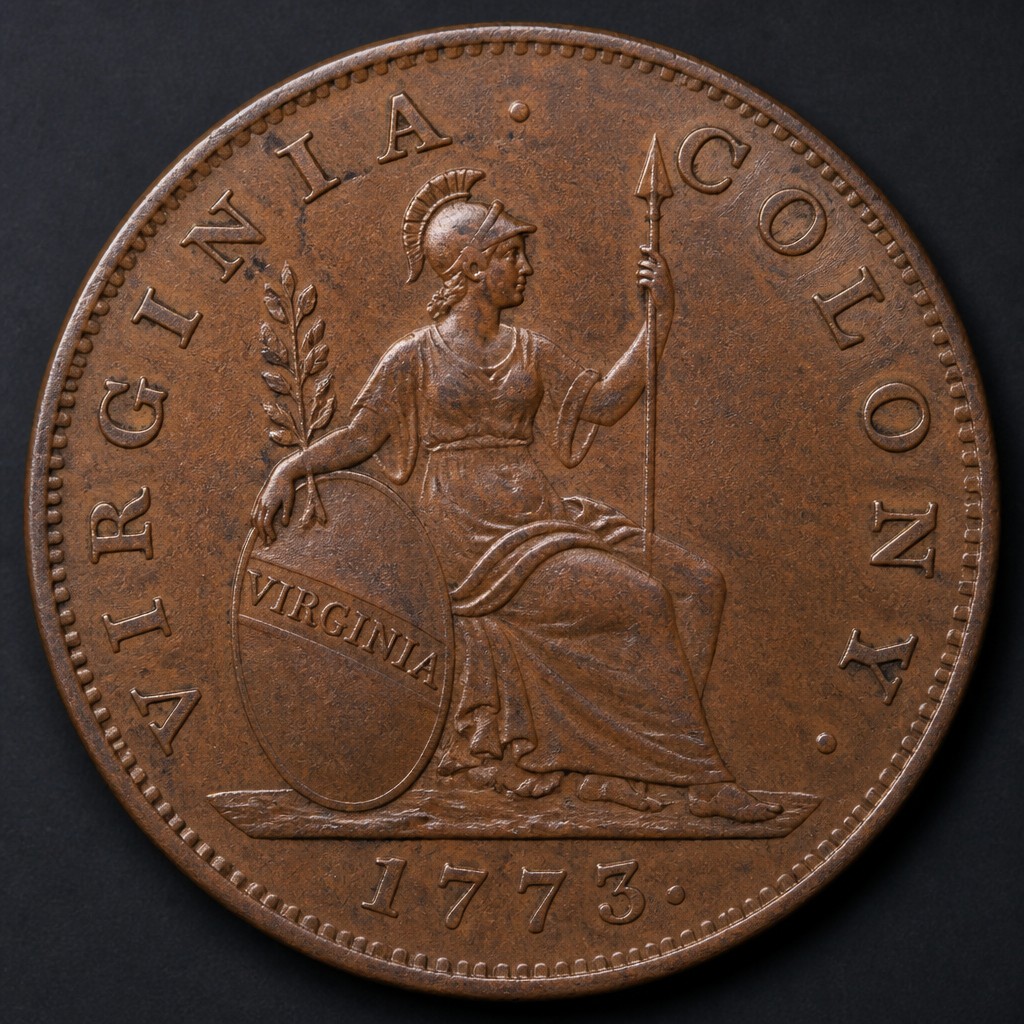
Virginia Halfpenny
1773
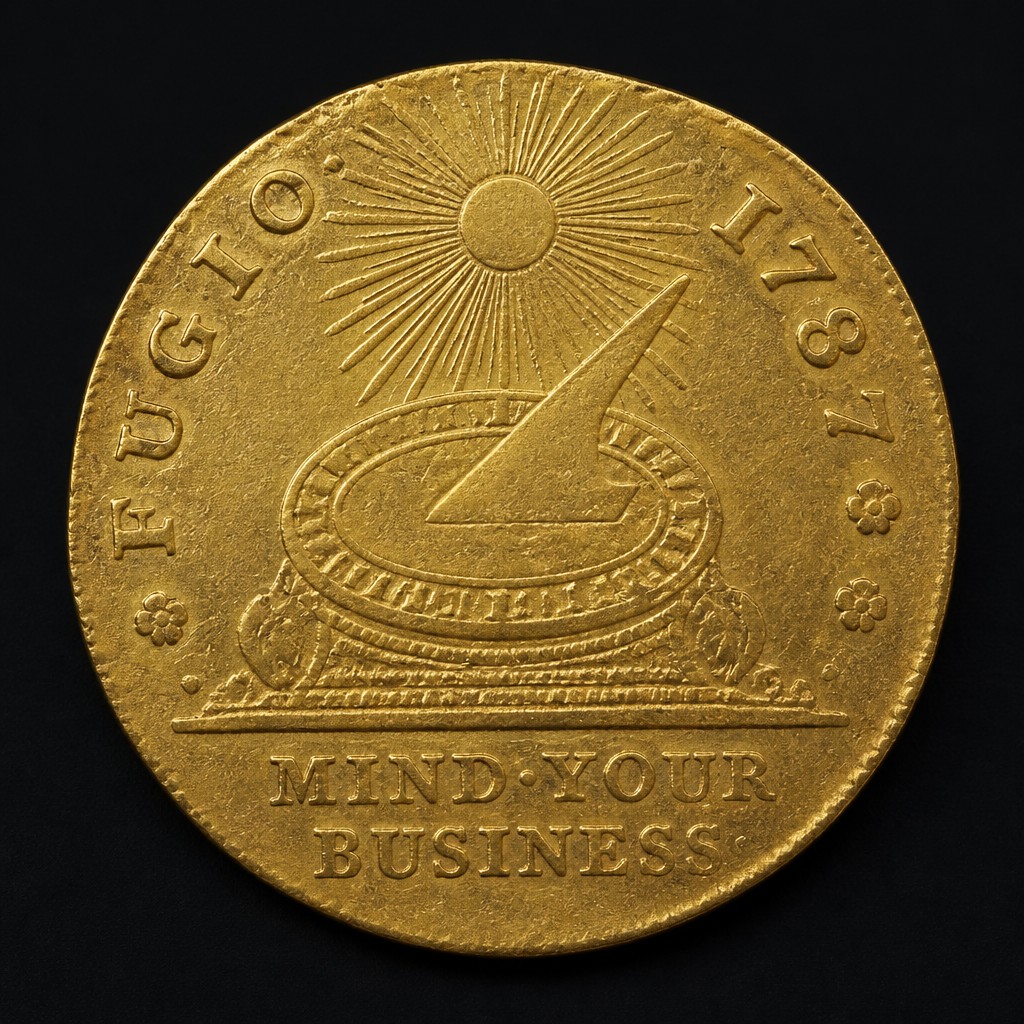
Brasher Doubloon
1787
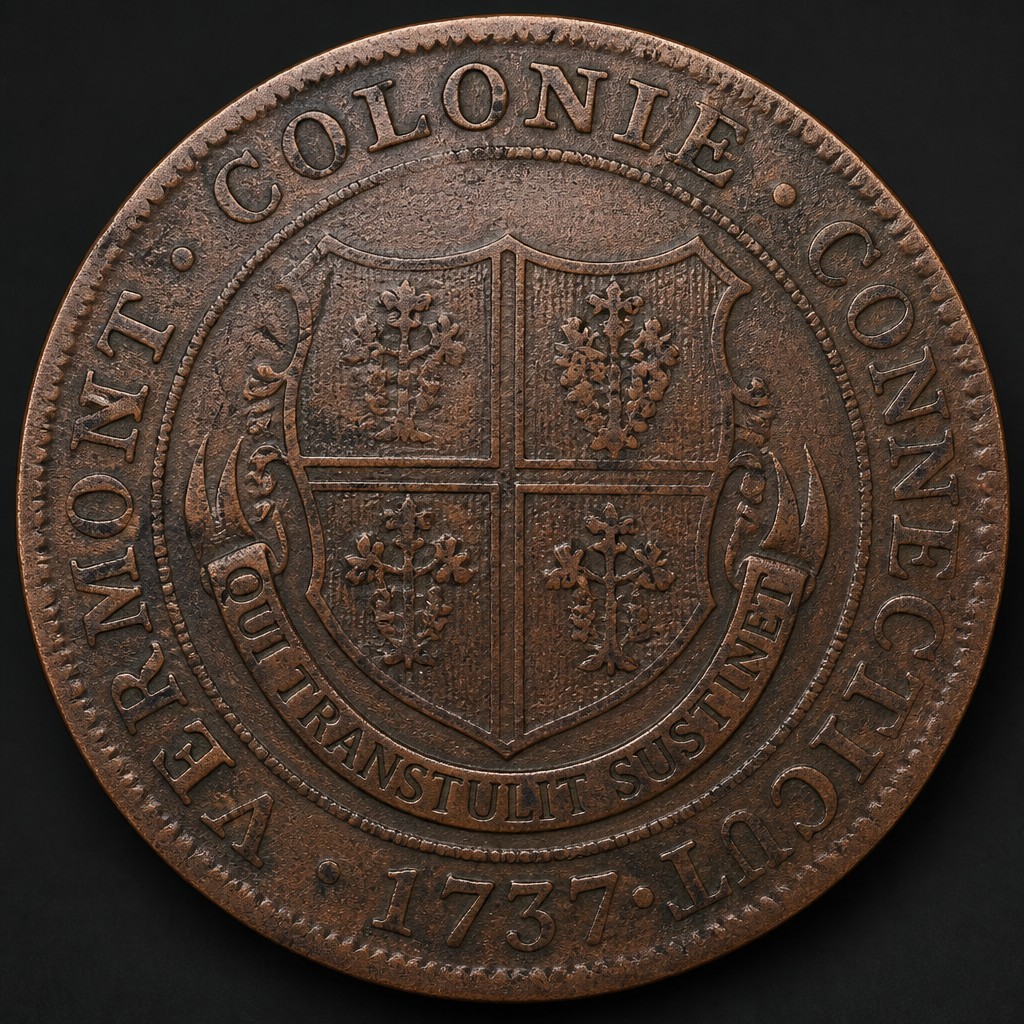
Higley Copper
1737–1739
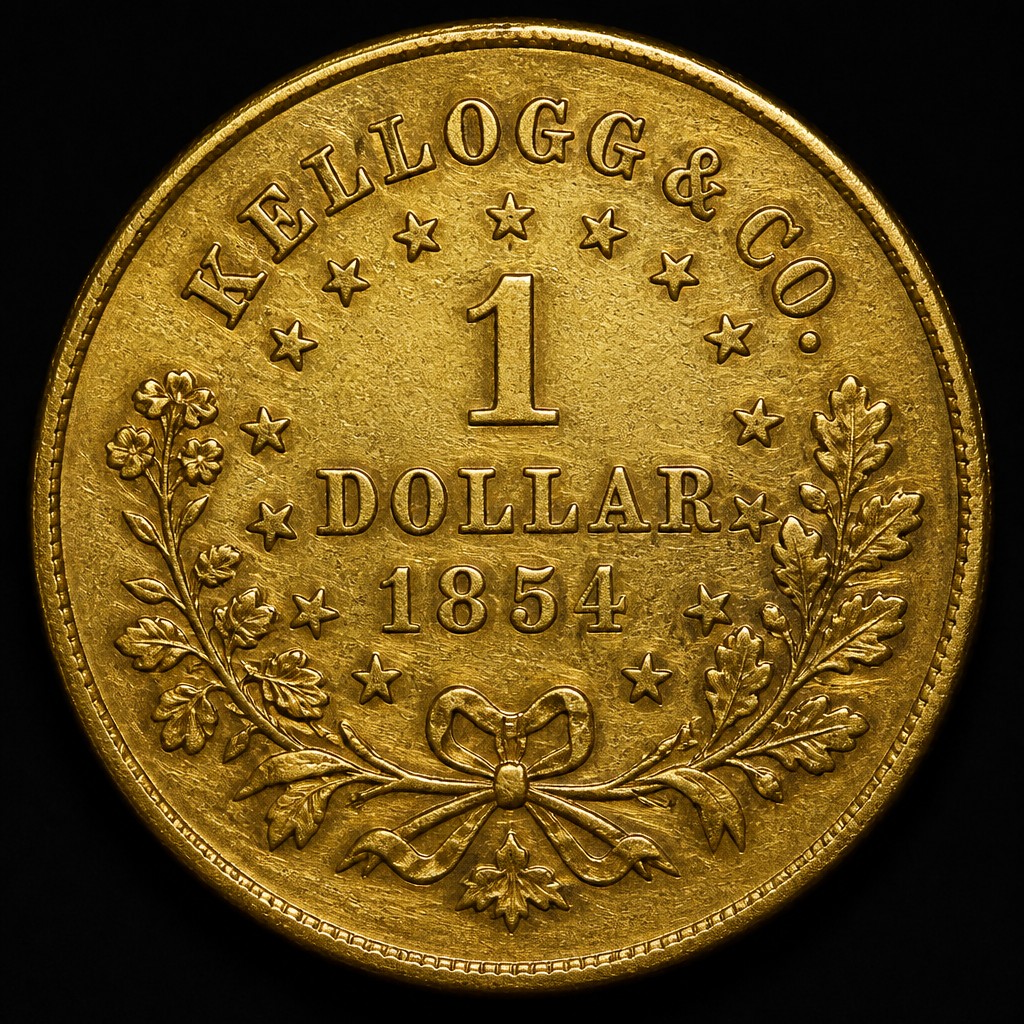
Kellogg & Co. Gold Piece
1854–1855
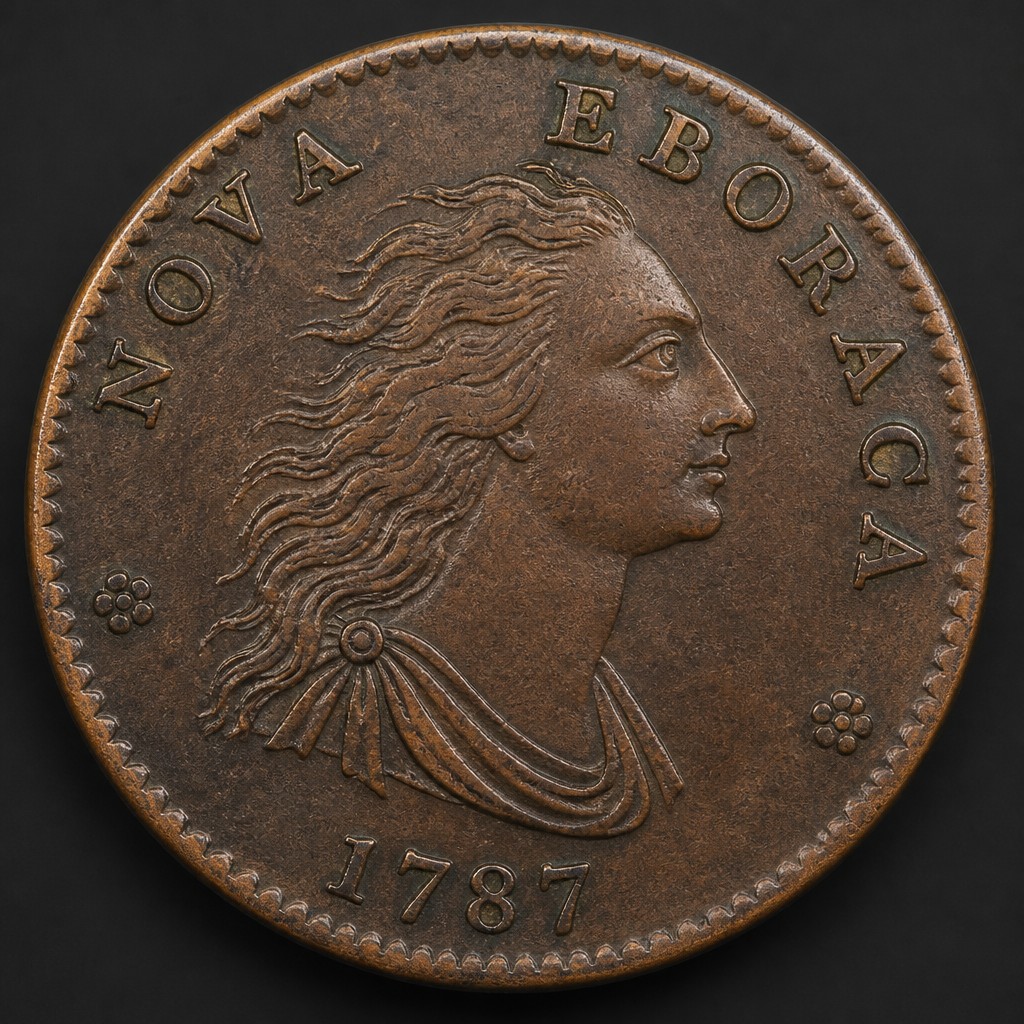
Nova Eborac Copper
1787
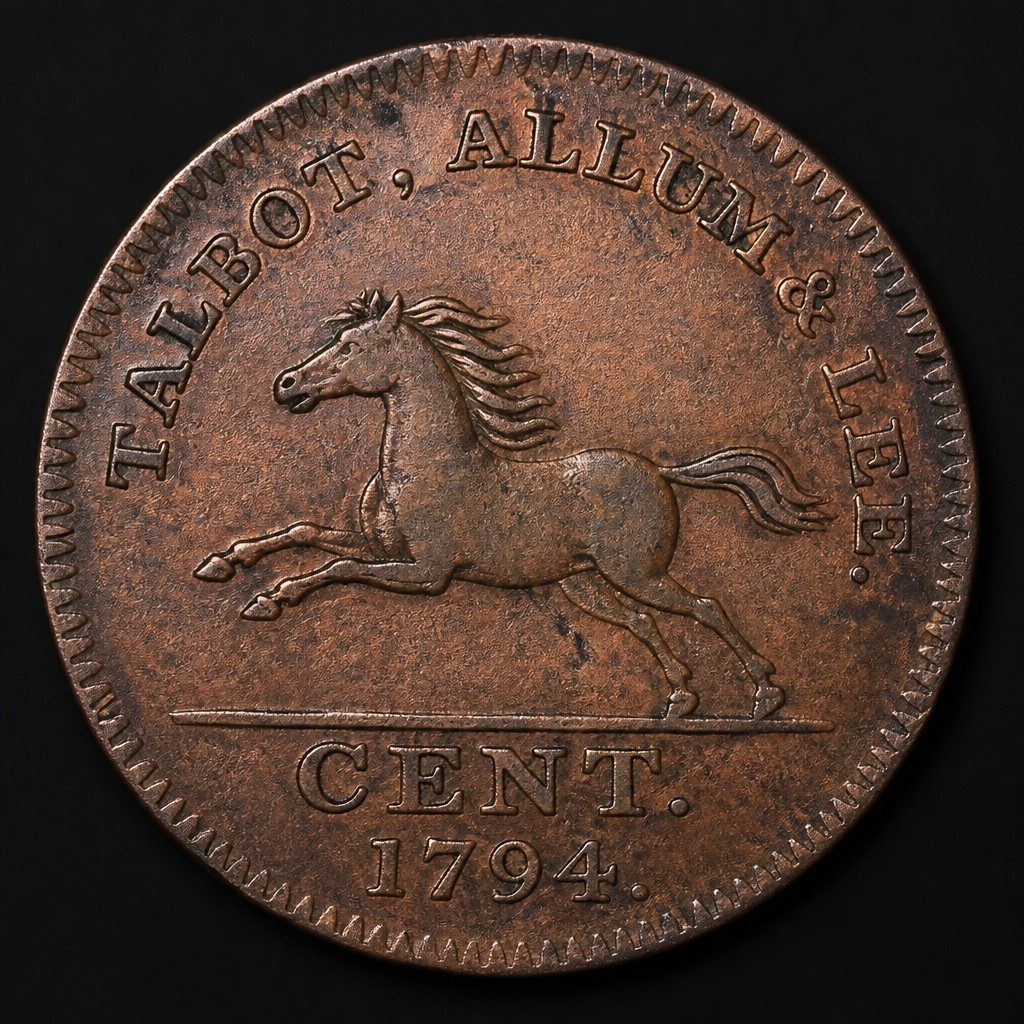
Talbot, Allum & Lee Cent
1794–1795
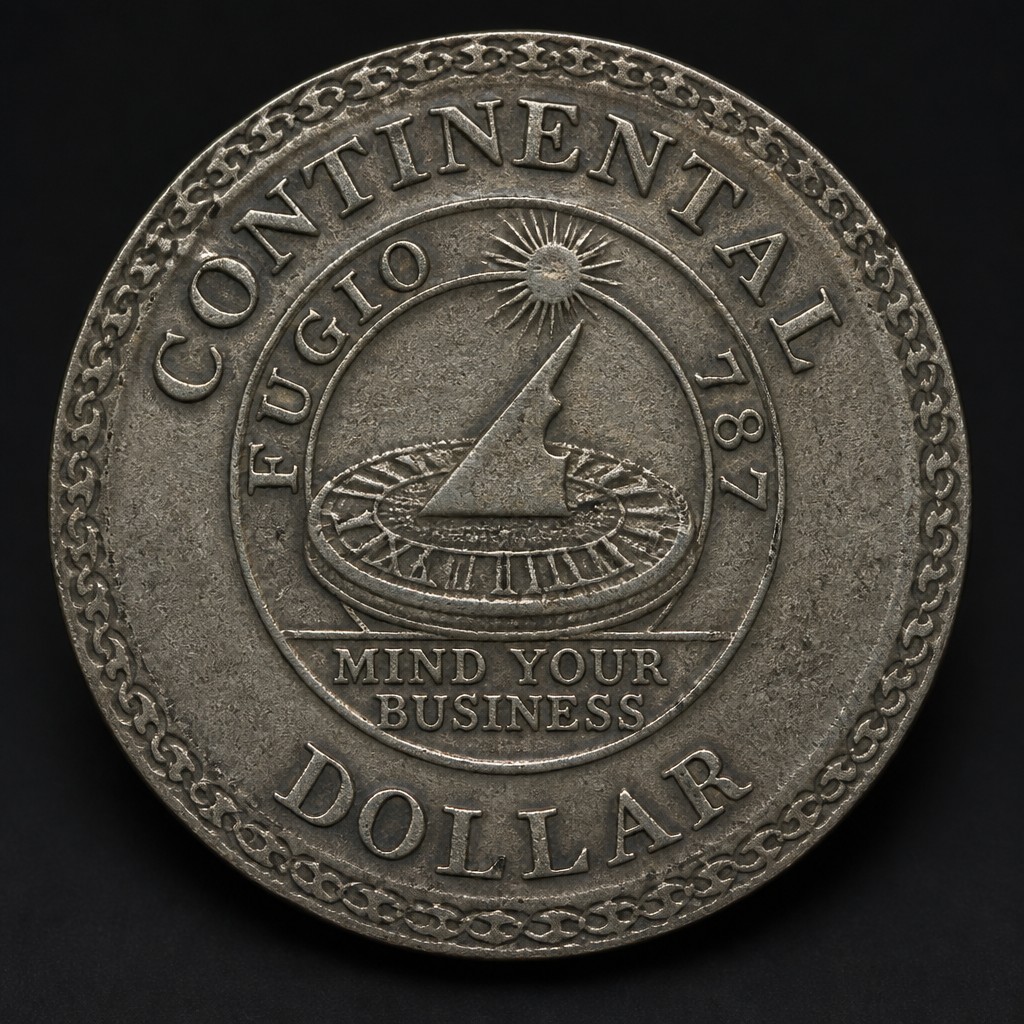
Continental Dollar
1776
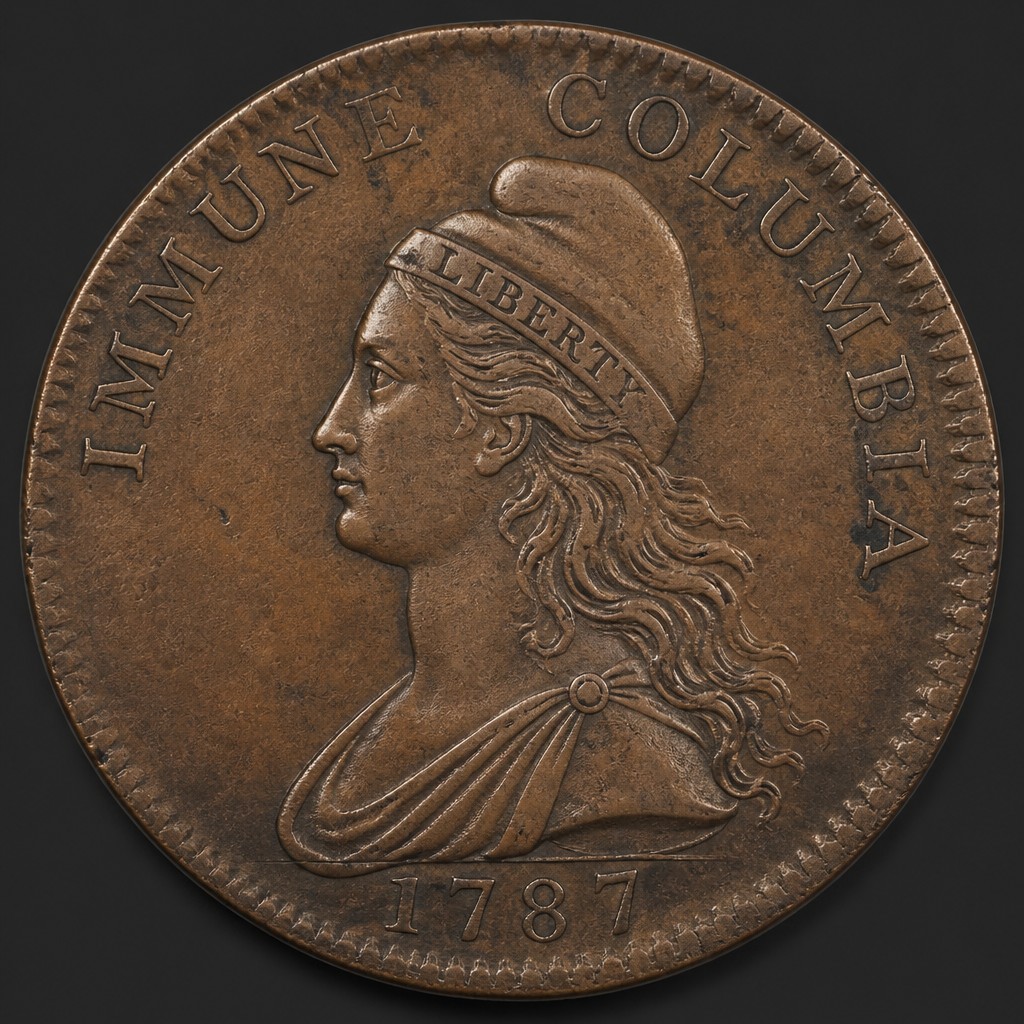
Immune Columbia Copper
circa 1785–1787
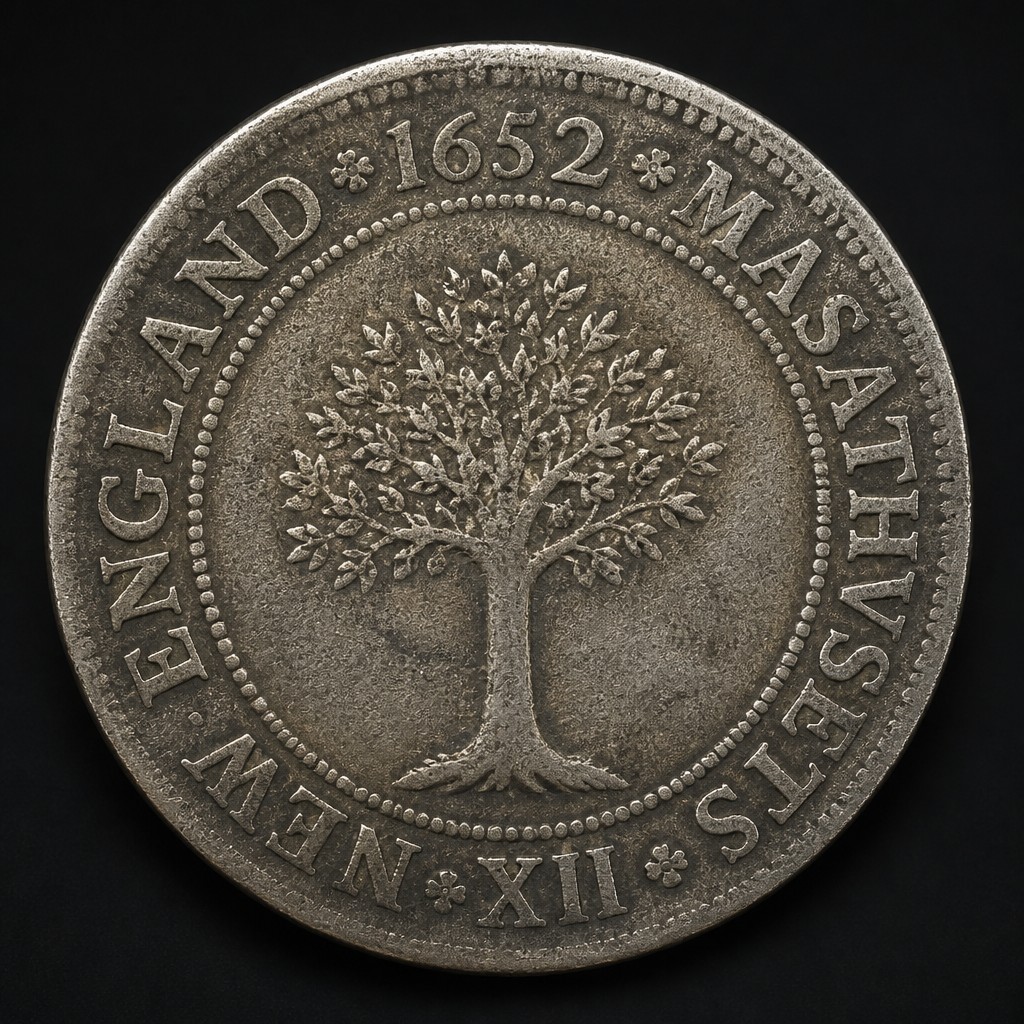
Massachusetts Oak Tree Shilling
Dated 1652, struck circa 1660–1667
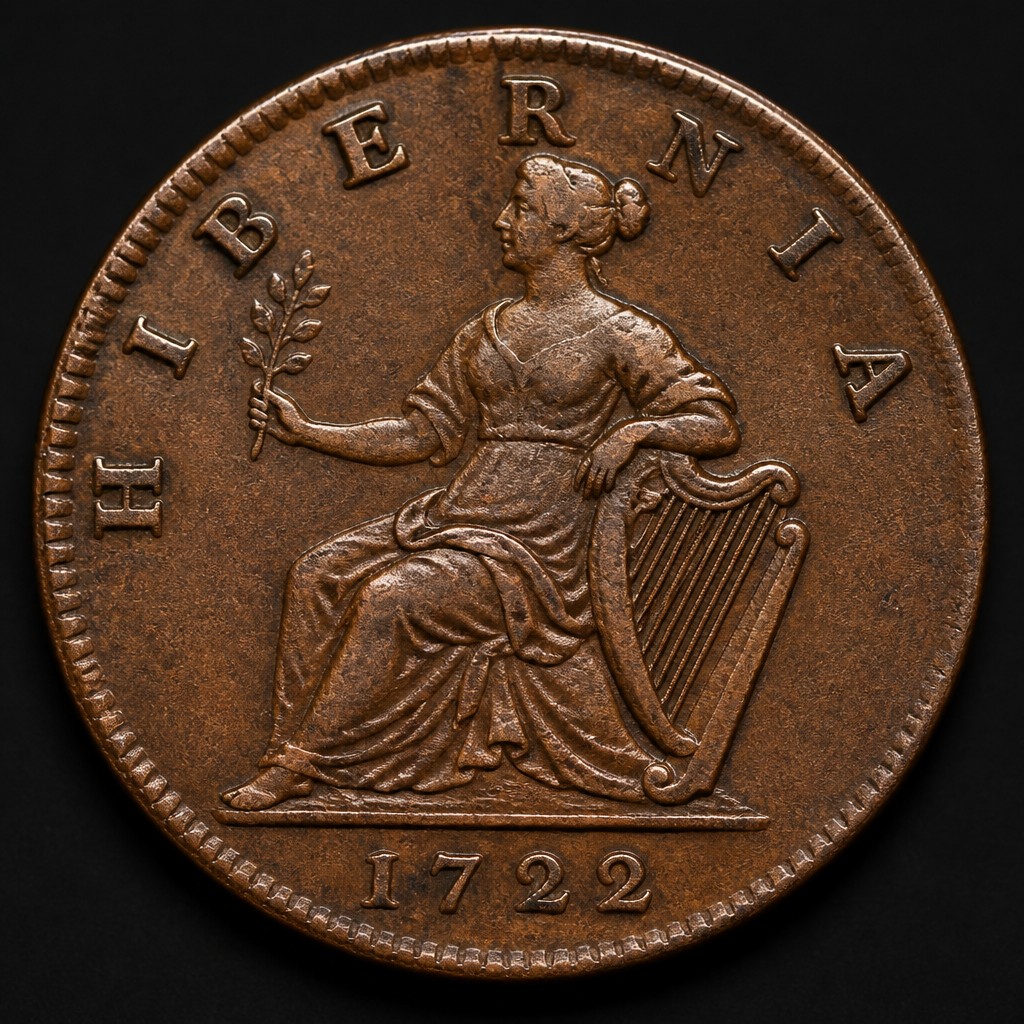
Wood's Hibernia Halfpenny
1722–1724
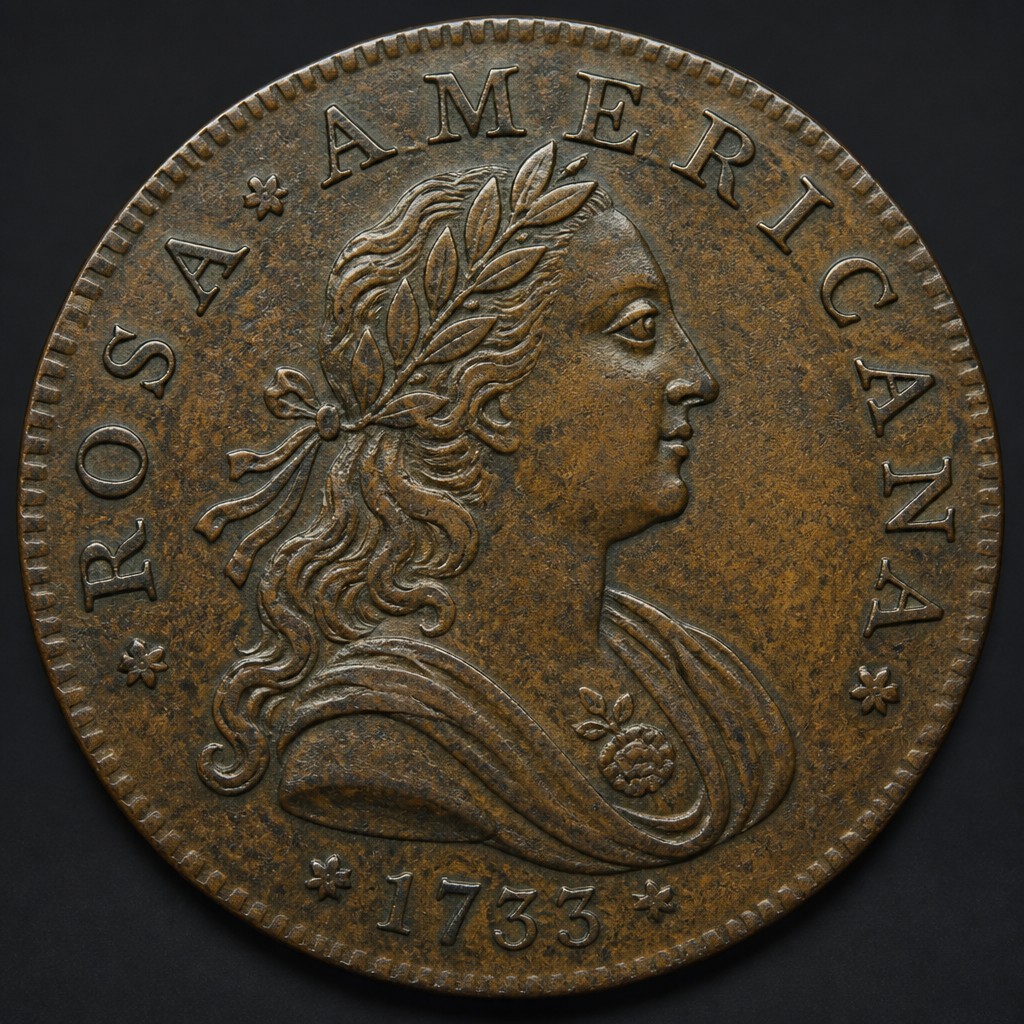
Rosa Americana Coinage
1722–1724 (with pattern issues dated 1733)
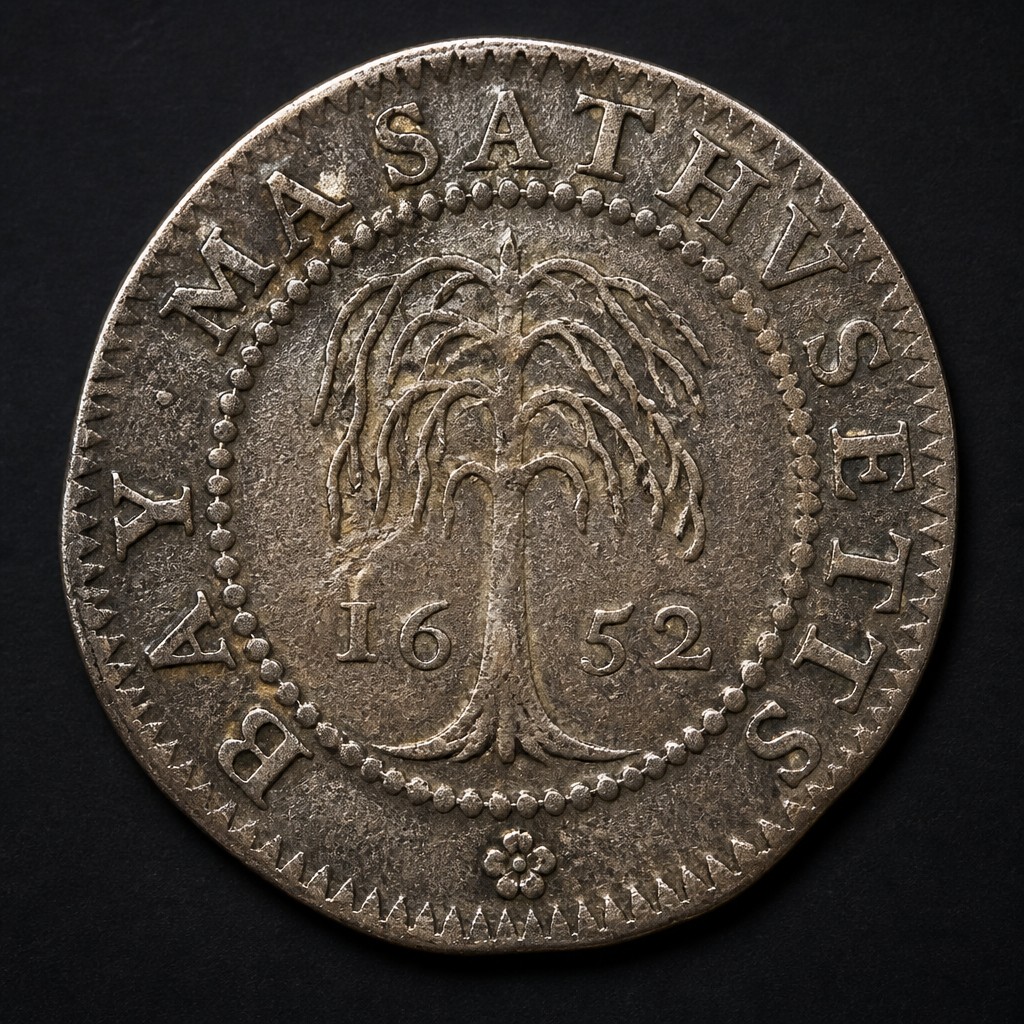
Massachusetts Willow Tree Shilling
Dated 1652, struck circa 1653–1660