
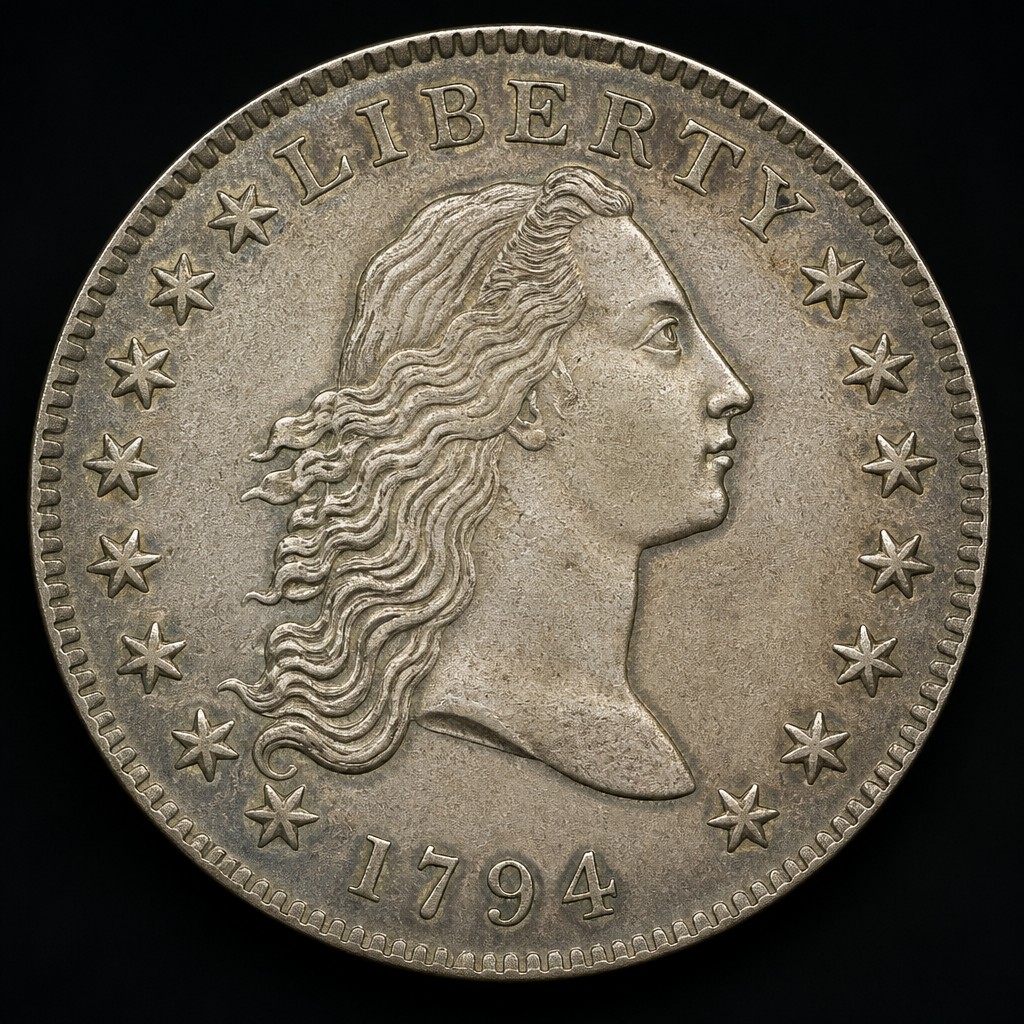
1794 Flowing Hair Dollar
The very first silver dollar struck by the United States Mint, produced in extremely limited numbers and ranking among the most valuable American coins in existence.
- Country
- United States
- Denomination
- One Dollar
- Metal
- Silver (approx. .892 fine)
Got a coin like this?
Identify any coin from a photo, free.
Overview
The 1794 Flowing Hair Dollar holds a unique place in American numismatics as the first dollar coin ever struck by the newly established United States Mint. Produced in only a single year alongside the 1795 issue before the design changed, it represents the young nation's first attempt at a large silver coin equivalent to the Spanish milled dollar that circulated widely at the time.
Surviving examples are extraordinarily scarce because the original mintage was very small and striking quality was inconsistent, with many coins showing weakness from an underpowered press. Because of its historic status as the first American dollar, it is one of the most celebrated and expensive coins in United States numismatic history.
History & Background
Struck in October 1794 at the fledgling Philadelphia Mint, the Flowing Hair Dollar was designed by Robert Scot, the Mint's first Chief Engraver. It followed the half dime, half dollar, and other early denominations as the Mint worked to establish a full national coinage under the Coinage Act of 1792.
The mintage was famously small, and it is generally accepted that only a few hundred to somewhat over a thousand coins survive today in any condition, out of an original run that itself numbered only in the low thousands. Striking difficulties, including a press too weak for the large silver planchets, resulted in many coins with soft or incomplete details, particularly at the center.
The 1795 Flowing Hair Dollar followed with a larger mintage before the design was replaced later that year by the Draped Bust type. The 1794 date, being the debut issue, is regarded as the pinnacle of early American dollar collecting.
How to Identify
The obverse features Liberty's head facing right with flowing, unbound hair, the word LIBERTY above, the date below, and stars flanking the portrait. The reverse depicts a small, spread-winged eagle within a wreath, encircled by UNITED STATES OF AMERICA, with no denomination stated on the coin itself.
The coin is struck in silver of roughly 89.25% fineness and has a plain or lettered edge depending on production batch. Because of the crude minting technology of 1794, genuine examples commonly show adjustment marks (file marks made to correct planchet weight before striking) and areas of weak strike, especially on Liberty's hair and the eagle's breast.
Authentication by a professional grading service is essential for this issue given its extreme value and the existence of contemporary counterfeits and altered dates.
Value & Collectibility
As the first United States silver dollar, this issue is among the most valuable coins in American numismatics, with even heavily worn, problem examples valued in the hundreds of thousands of dollars. The finest known specimens have sold at auction for multi-million-dollar prices, reflecting both extreme rarity and outsized historical significance.
Value is driven overwhelmingly by condition, strike quality, and pedigree, since so few coins survive and each is individually well documented in the collector community. Given the sums involved, any purchase or sale of this coin should involve a recognized third-party grading service and reputable specialist dealers.
Frequently asked questions
Why is the 1794 dollar so valuable?
It is the first silver dollar ever struck by the U.S. Mint, and only a very small number of examples are known to survive in any condition.
What does 'Flowing Hair' refer to?
It describes Liberty's unbound, flowing hairstyle on the obverse portrait, distinguishing it from the later Draped Bust design.
Are there fakes of this coin?
Yes, given its immense value, counterfeits and altered-date coins exist, so certification by a major grading service is strongly advised.
How does it differ from the 1795 dollar?
Both share the Flowing Hair design, but the 1794 has a far smaller original mintage and is considerably rarer and more valuable.
Other coins you may enjoy
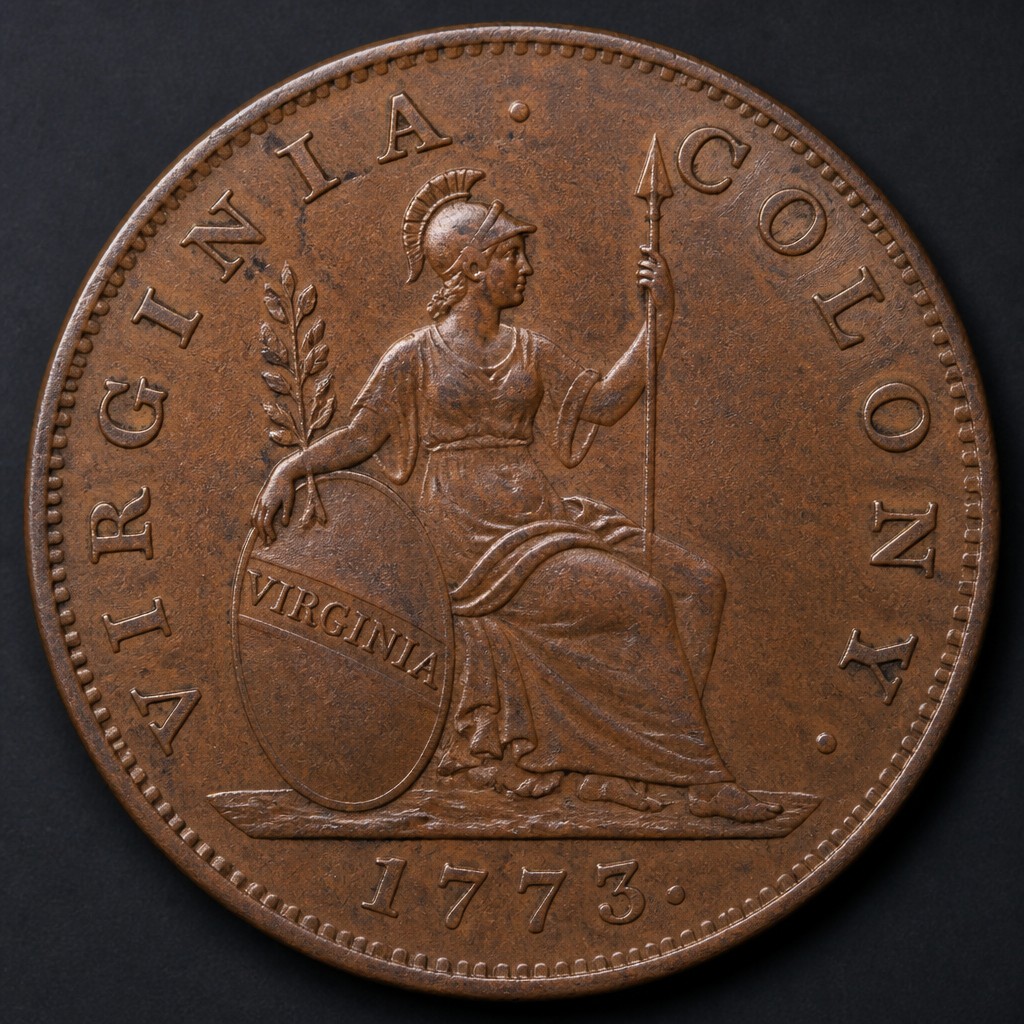
Virginia Halfpenny
1773
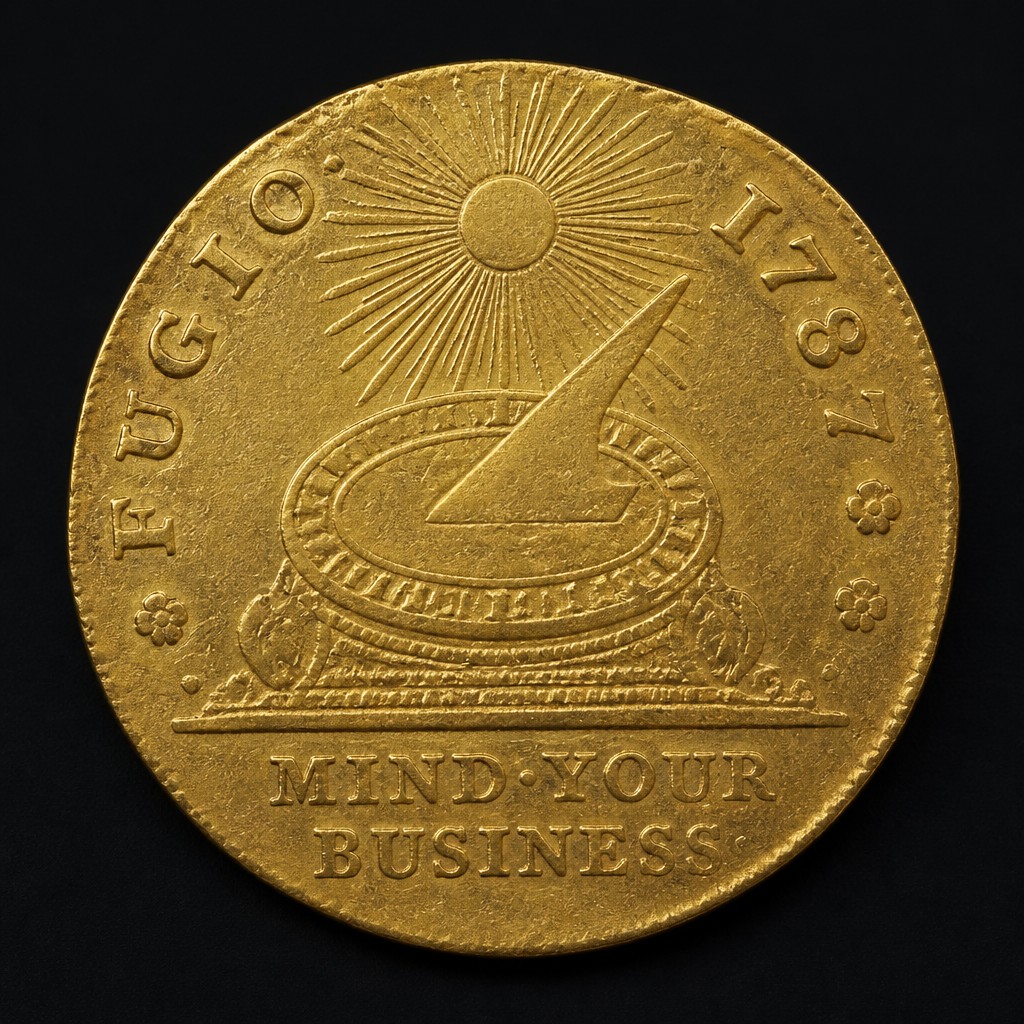
Brasher Doubloon
1787
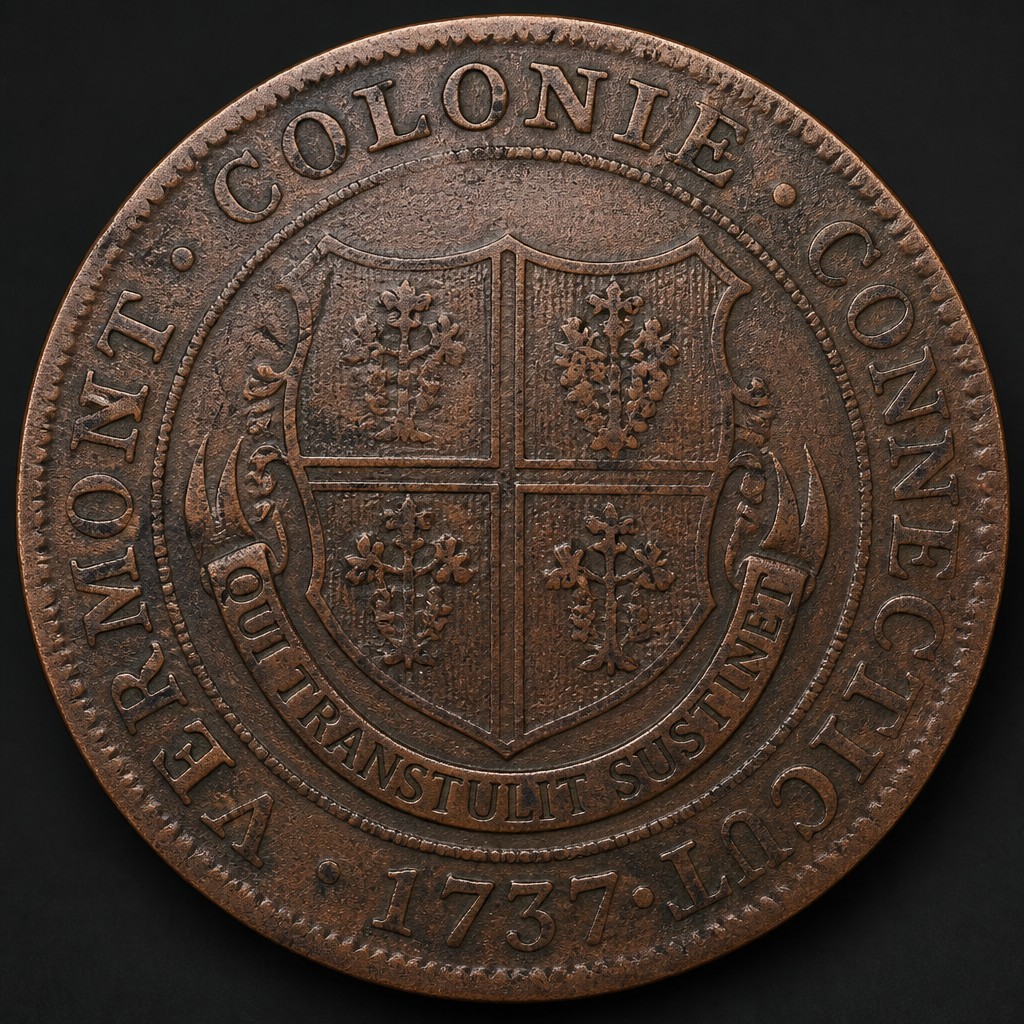
Higley Copper
1737–1739
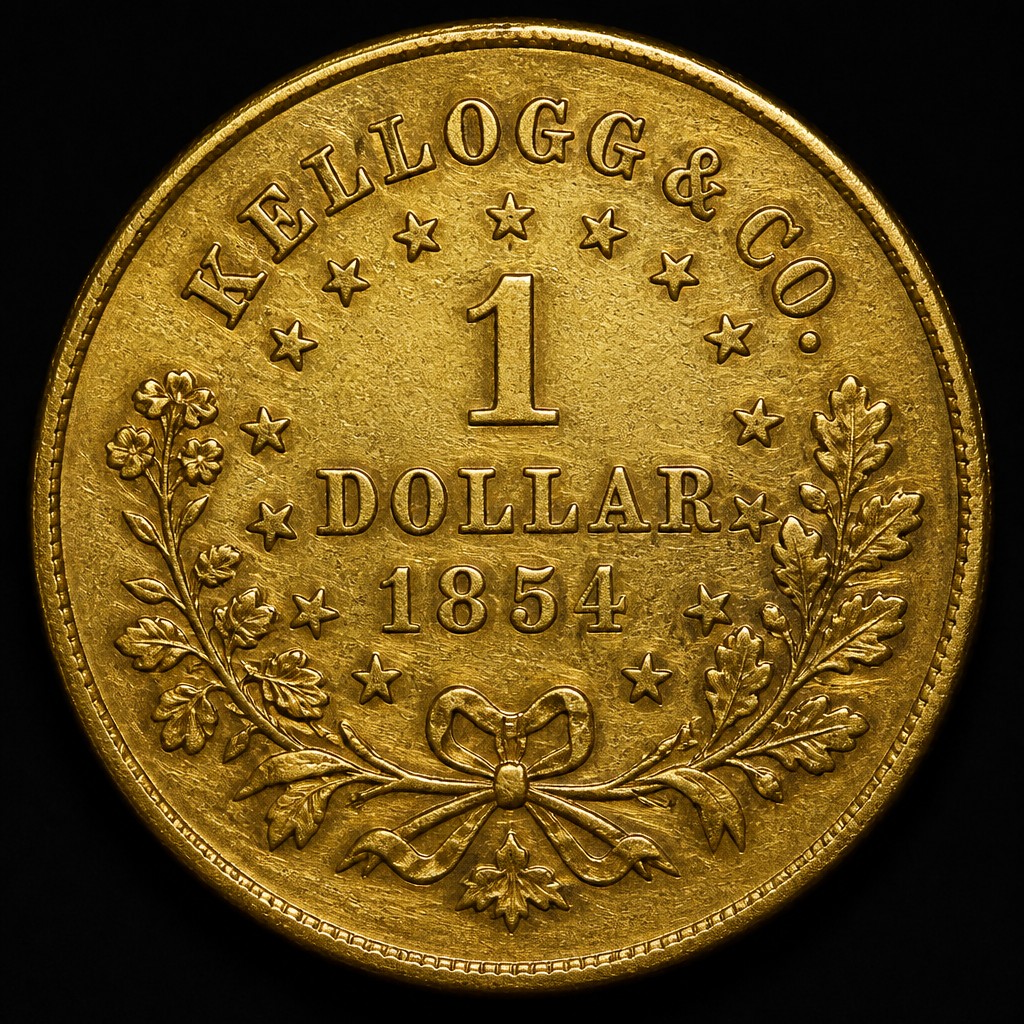
Kellogg & Co. Gold Piece
1854–1855
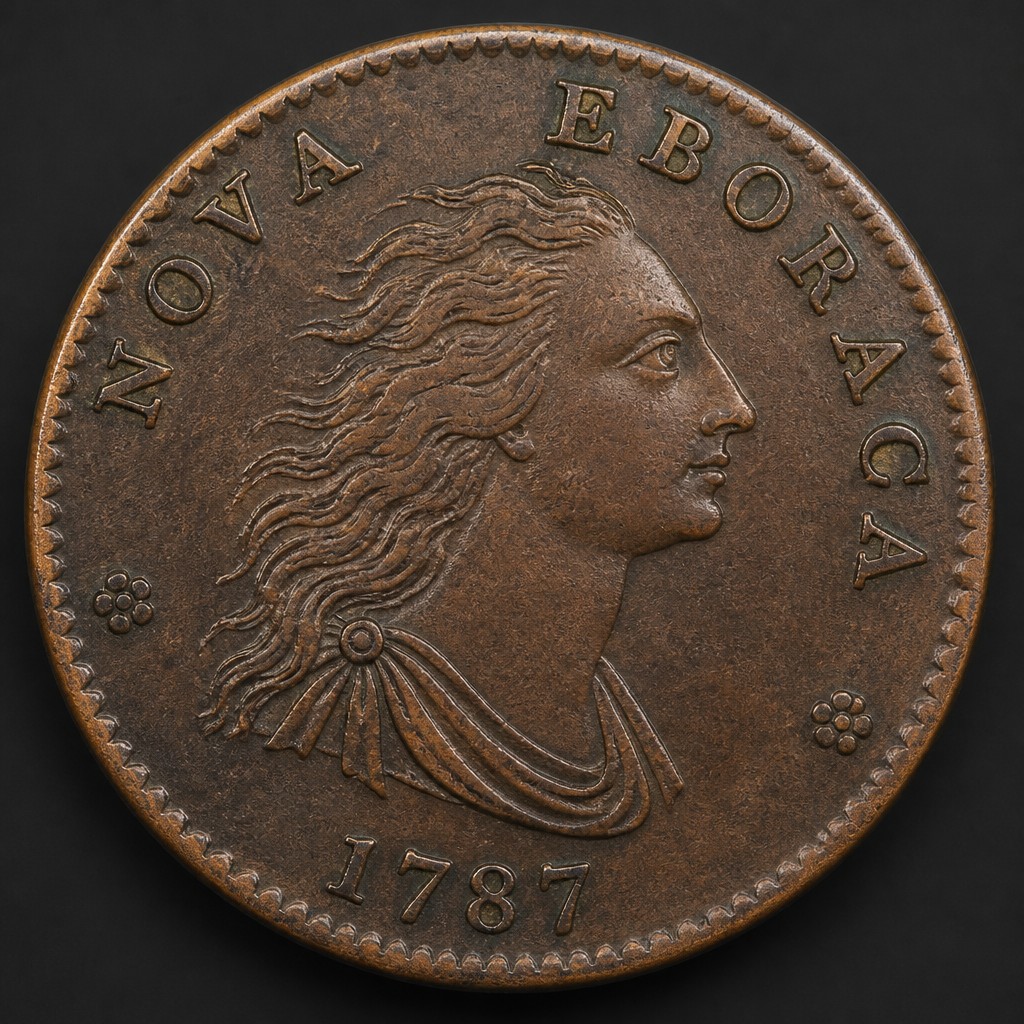
Nova Eborac Copper
1787
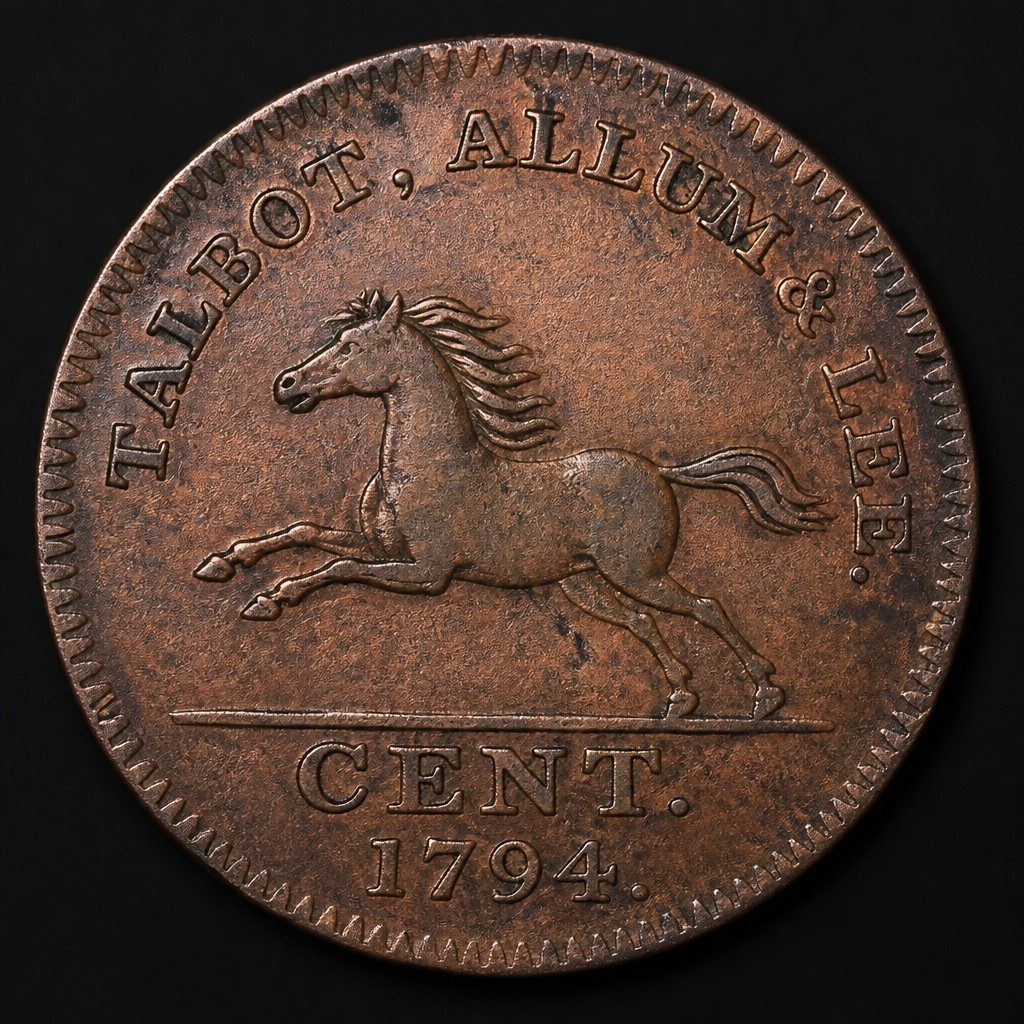
Talbot, Allum & Lee Cent
1794–1795
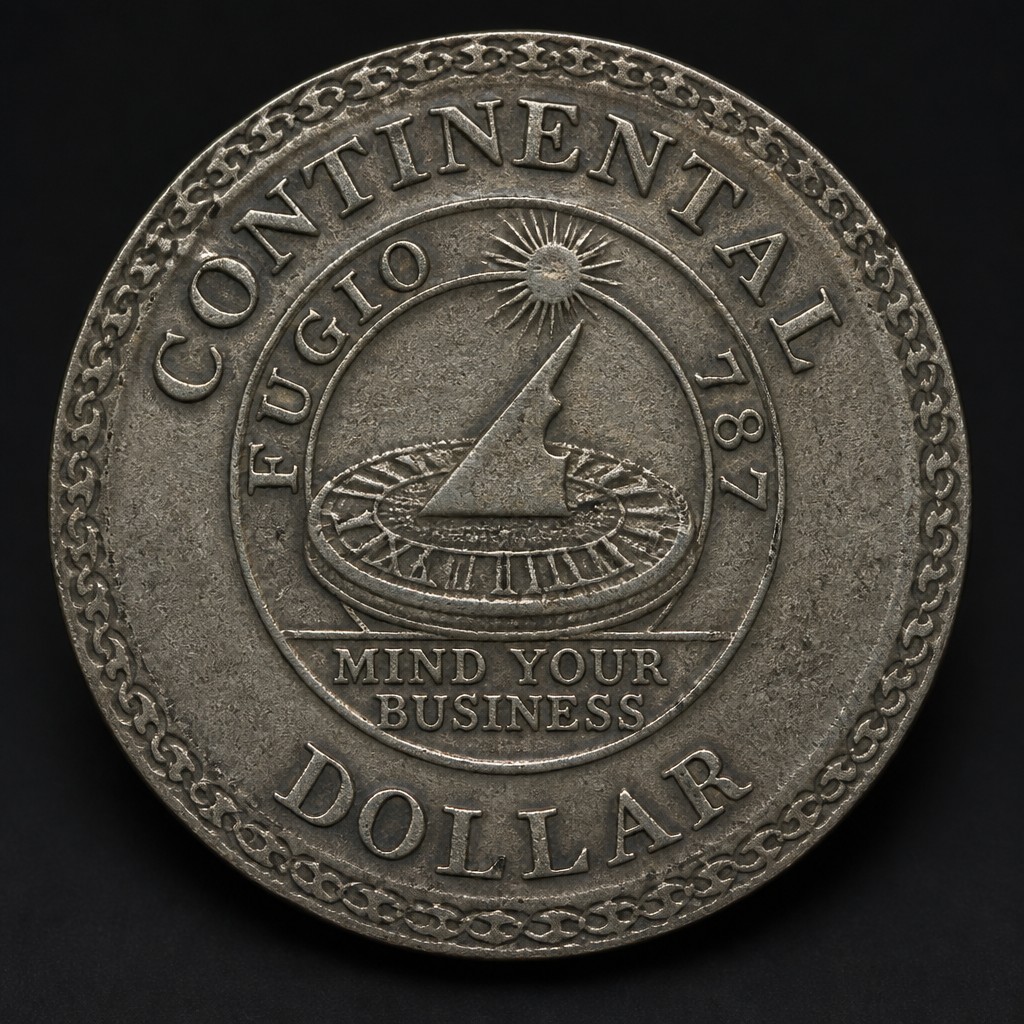
Continental Dollar
1776
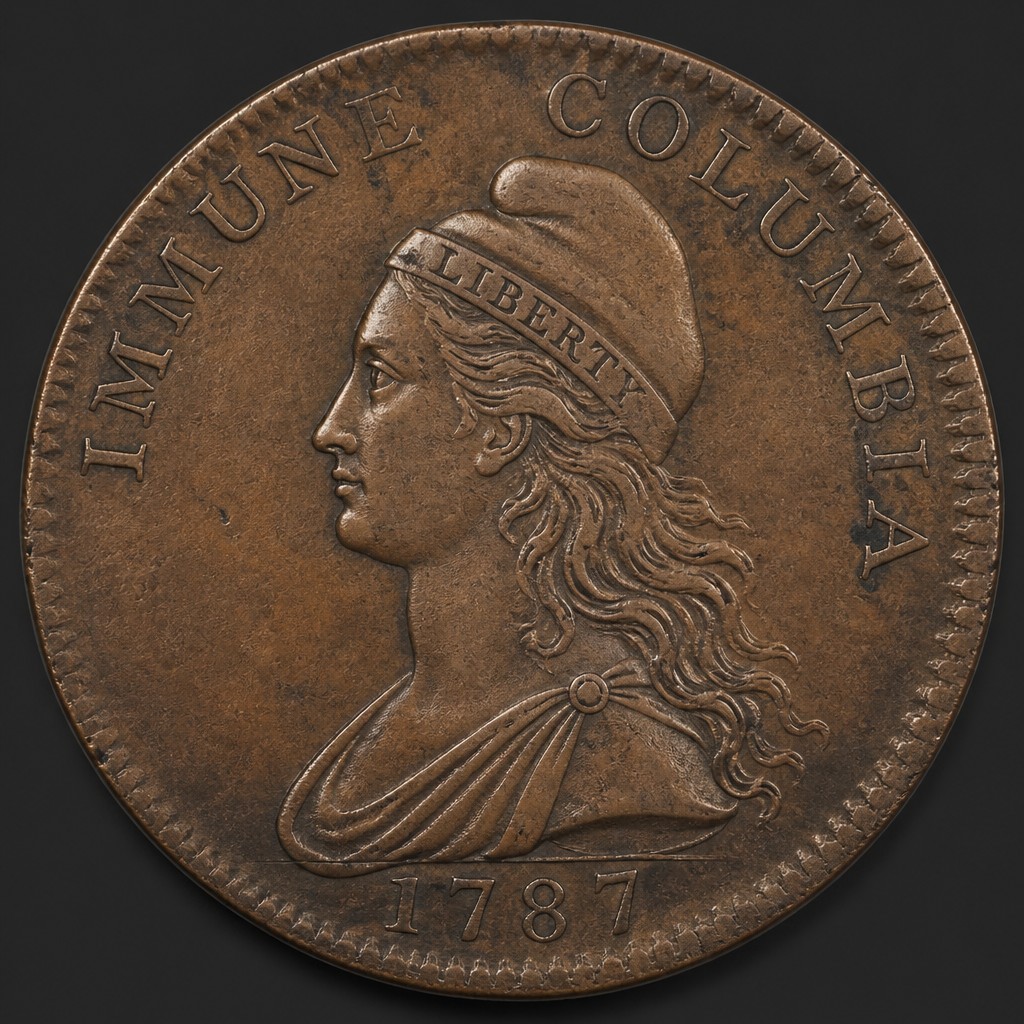
Immune Columbia Copper
circa 1785–1787
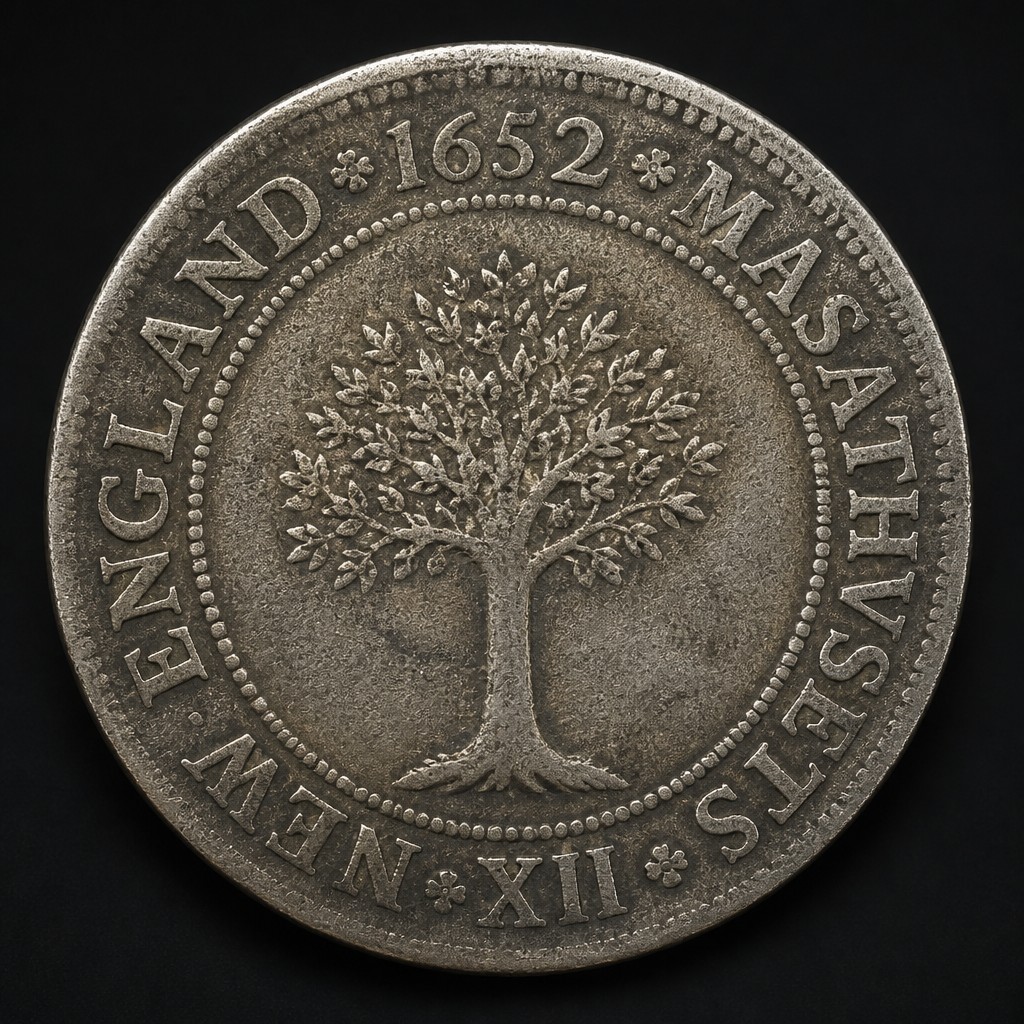
Massachusetts Oak Tree Shilling
Dated 1652, struck circa 1660–1667
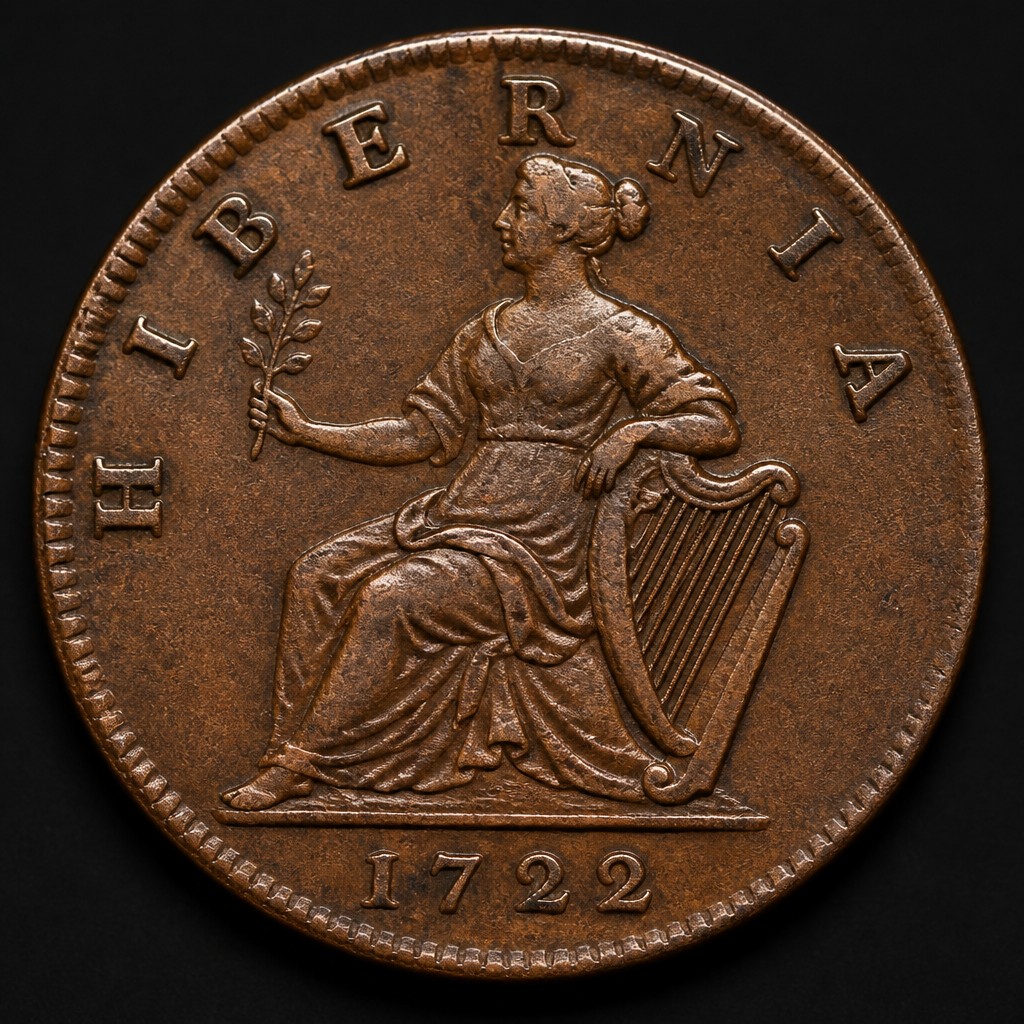
Wood's Hibernia Halfpenny
1722–1724
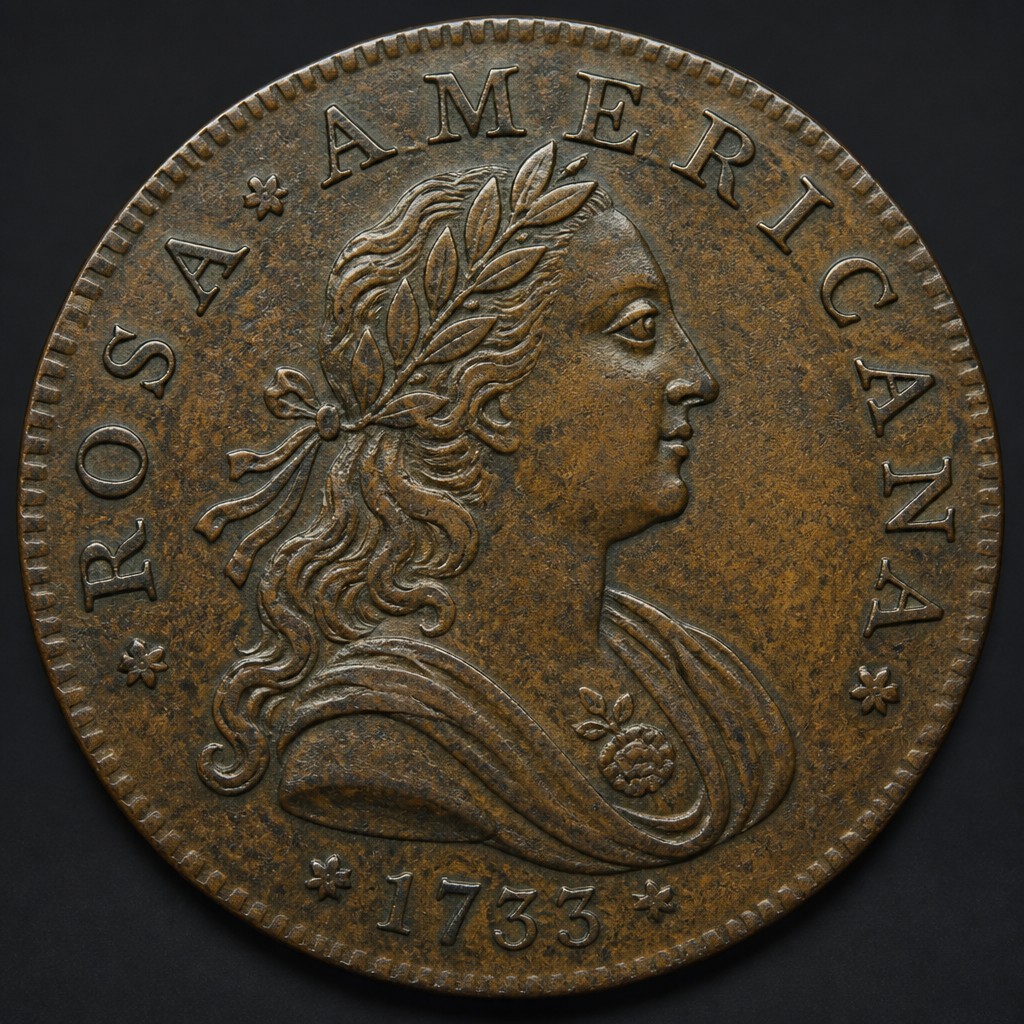
Rosa Americana Coinage
1722–1724 (with pattern issues dated 1733)
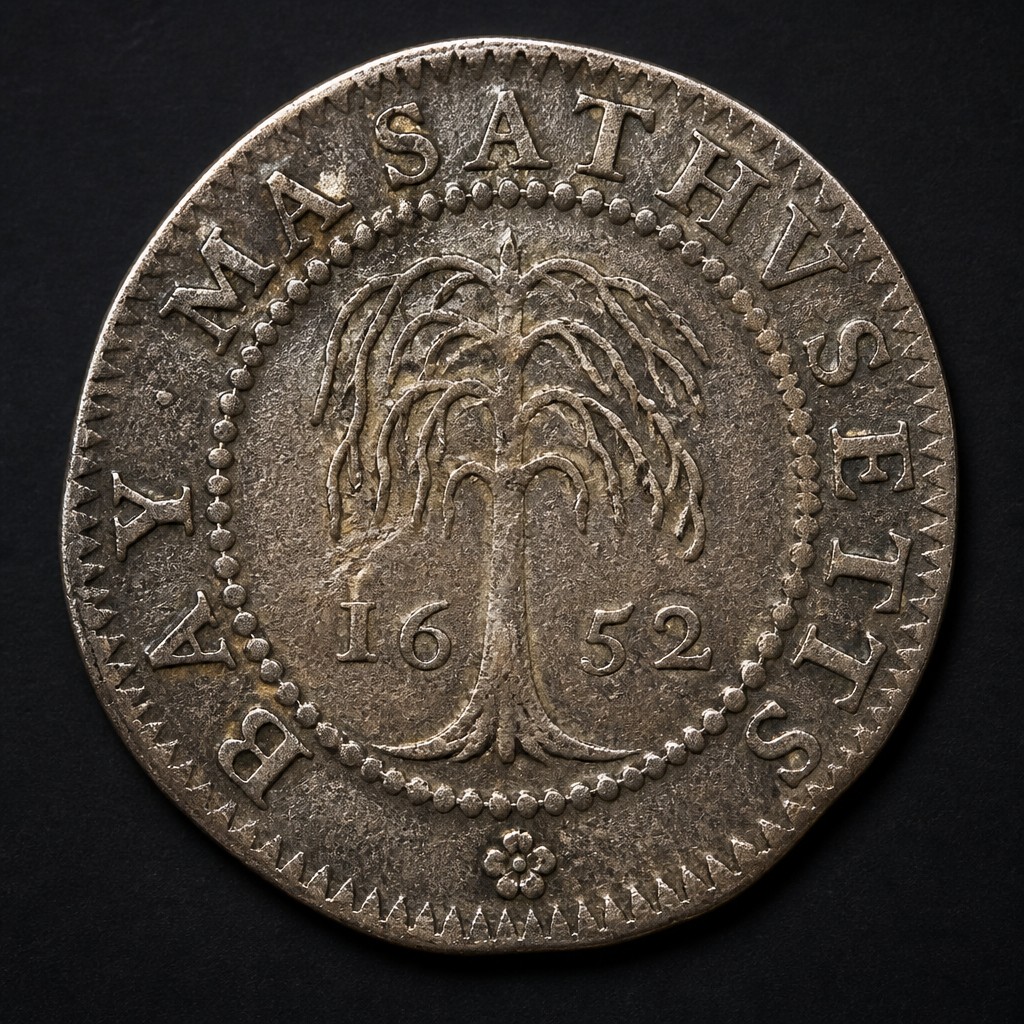
Massachusetts Willow Tree Shilling
Dated 1652, struck circa 1653–1660