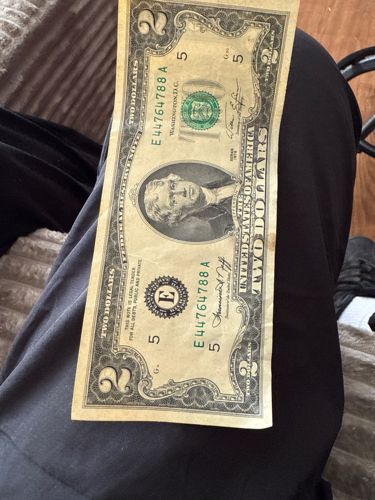
Two-Dollar Bill
United States of America · Series 1976 (based on the visible cues like the red seal usually associated with this series' reintroduction)
The obverse features a portrait of Thomas Jefferson with the words "TWO DOLLARS" on the left and right borders. The serial number E44764788 A is visible, along with the Federal Reserve Bank seal for District E (Richmond). The reverse (not visible in the image) typically depicts the signing of the Declaration of Independence.
- Country
- United States of America
- Denomination
- Two Dollars
- Metal
- 75% cotton, 25% linen
This report is AI-generated and can be wrong. Always verify grade, authenticity, and value with a qualified dealer or certified grading service before buying, selling, or insuring.
Identify your own coins.
Get a report just like this from any photo, free.
Overview
Historical significance
Estimated value
Care & preservation
More like this
Other united states of america coins
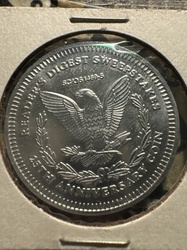
Reader's Digest Sweepstakes 25th Anniversary Coin (Token)
United States, Reader's Digest Association · 1987
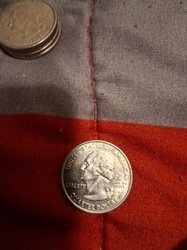
Washington Quarter (50 State Quarters Program / DC & Territories)
United States of America · Post-1999 (The specific reverse design is not visible, but this obverse design was used from 1999–2009 and 2021)
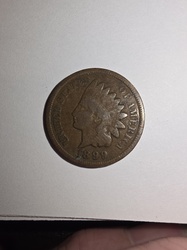
Indian Head Cent
United States of America · 1899
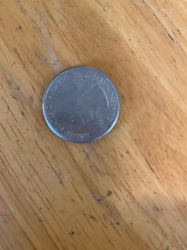
San Antonio Missions Quarter (America the Beautiful Quarters Series)
United States of America · 2019
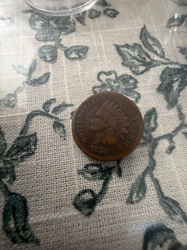
Indian Head Cent
United States · 1879
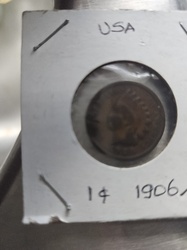
Indian Head Cent
United States · 1906