
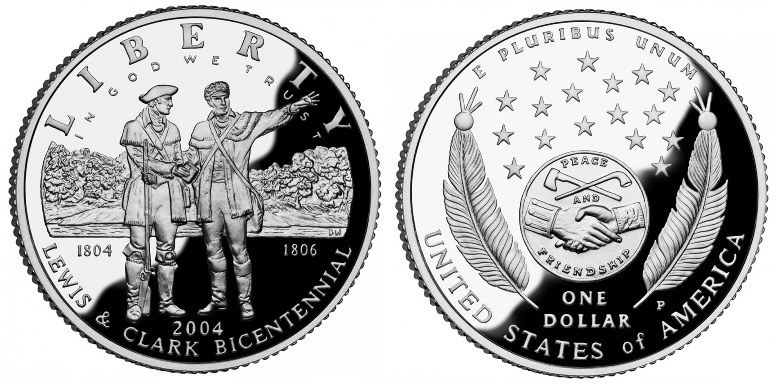
Lewis and Clark Bicentennial Dollar
A golden manganese-brass dollar marking the 2004 bicentennial of the Lewis and Clark Expedition, pairing the two explorers with Peace and Friendship imagery.
- Country
- United States
- Denomination
- One Dollar
- Metal
- Manganese Brass
Got a coin like this?
Identify any coin from a photo, free.
Overview
The Lewis and Clark Bicentennial Dollar is a golden-colored, dollar-format commemorative struck for the 2004 bicentennial of the Corps of Discovery expedition led by Meriwether Lewis and William Clark. The piece is made of manganese brass, the same warm-gold alloy used for modern United States small-dollar coins, and it carries a face value of ONE DOLLAR.
Its obverse presents the two explorers together above the word LIBERTY, framed by the phrase WE THE PEOPLE and the expedition dates 1804 and 1806. The reverse revives the classic Peace and Friendship motif: two clasped hands over a crossed peace pipe with feathers, encircled by PEACE AND FRIENDSHIP, E PLURIBUS UNUM, and the denomination.
The coin is a tribute issue rather than a circulating dollar, and it was aimed squarely at collectors marking the expedition's 200th anniversary.
History & Background
The Lewis and Clark Expedition, or Corps of Discovery, set out in 1804 and returned in 1806 after crossing the newly acquired Louisiana Purchase to the Pacific coast and back. The two dates on the obverse, 1804 and 1806, bracket that journey, and the 2004 date of issue marks its bicentennial.
The reverse imagery draws on the Jefferson Indian Peace Medals that Lewis and Clark carried and presented to Native American leaders during the expedition. Those medals showed clasped hands, a crossed peace pipe and tomahawk, and the inscription PEACE AND FRIENDSHIP. This coin adapts that historic symbolism for its anniversary theme.
The 2004 bicentennial produced a wide range of commemorative products from mints and private issuers. Golden manganese-brass dollar pieces like this one were part of that anniversary wave; buyers should treat the type as a collector commemorative rather than a coin intended for everyday commerce.
How to Identify
Look first at the obverse: two standing explorers, the word LIBERTY, the motto WE THE PEOPLE, and the paired dates 1804 and 1806. Together these are the quickest way to confirm the Lewis and Clark theme. The single issue date 2004 ties the piece to the bicentennial year.
The reverse is defined by the handshake over a crossed peace pipe with feathers and the legend PEACE AND FRIENDSHIP, along with E PLURIBUS UNUM and ONE DOLLAR. The coin is manganese brass, so it shows a distinctive golden hue rather than the gray of copper-nickel and is roughly the diameter of a modern United States small-dollar coin.
Check the fields near the date for any mint mark or maker's initials, since dollar-format commemoratives from this era were issued by more than one source. A magnet test is useful: genuine manganese brass is non-magnetic.
Value & Collectibility
As a modern manganese-brass commemorative, the Lewis and Clark Bicentennial Dollar is valued as a collector keepsake rather than for precious-metal content; the alloy contains no silver or gold. Most examples change hands for modest sums, with condition, eye appeal, and any original packaging or certificate driving the difference.
Uncirculated, well-struck pieces with full golden luster sit at the top of the range, while worn or spotted examples bring less. Original holders, cards, or certificates of authenticity add to desirability among expedition and Americana collectors.
Do not confuse this golden dollar with the United States Mint's separate 2004 Lewis and Clark commemorative struck in .900 silver; that is a different product with different composition and value, so always verify the metal before assigning a price.
Frequently asked questions
Is the Lewis and Clark Bicentennial Dollar made of silver or gold?
No. This piece is manganese brass, the golden-colored alloy used for modern small-dollar coins. It contains no precious metal, and its value is as a collector commemorative.
What do the dates 1804 and 1806 mean?
They mark the start and end of the Lewis and Clark Expedition, or Corps of Discovery. The 2004 issue date commemorates the bicentennial of that journey.
What does the reverse design represent?
The clasped hands, crossed peace pipe, feathers, and the words PEACE AND FRIENDSHIP echo the Jefferson Indian Peace Medals the explorers presented to Native American leaders.
Is this the same as the U.S. Mint's 2004 Lewis and Clark silver dollar?
No. The Mint's official 2004 commemorative was struck in .900 silver with a different design. This golden manganese-brass piece is a separate collector issue, so check the metal carefully.
Lewis and Clark Bicentennial Dollar guides
In-depth guides for identifying, valuing, and collecting Lewis and Clark Bicentennial Dollar.
Other coins you may enjoy
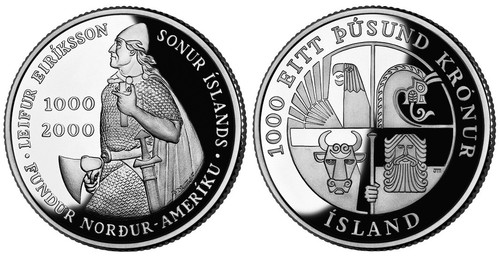
Leif Erikson Commemorative 1000 Króna
2000
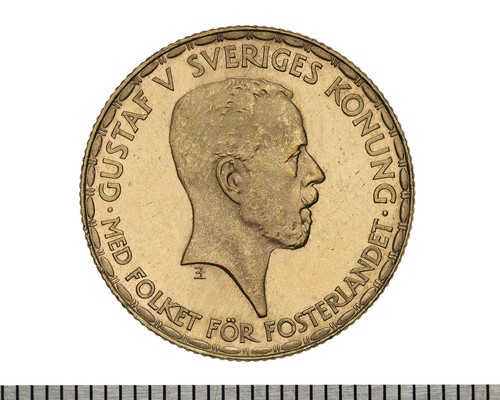
Swedish Gold Commemorative
Early 20th century
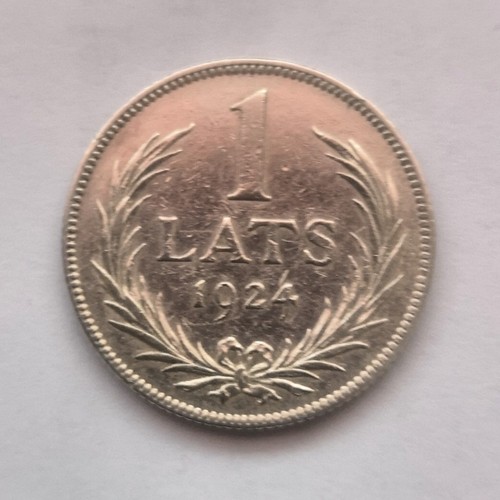
1 Lats (Christmas Bells)
2012
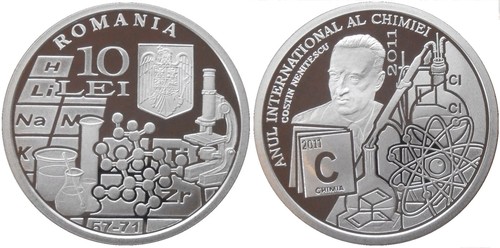
Romania International Year of Chemistry Commemorative
2011
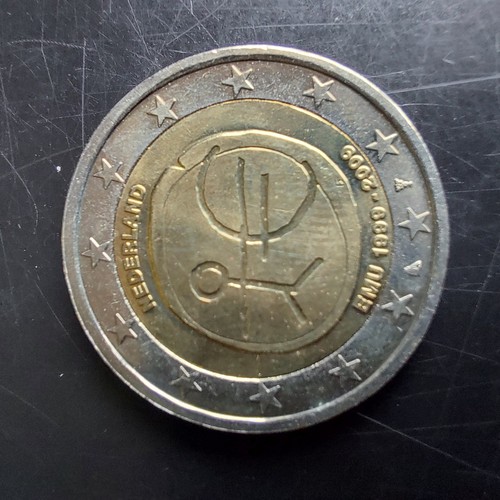
1 Euro (10 Years EMU)
1999-2009
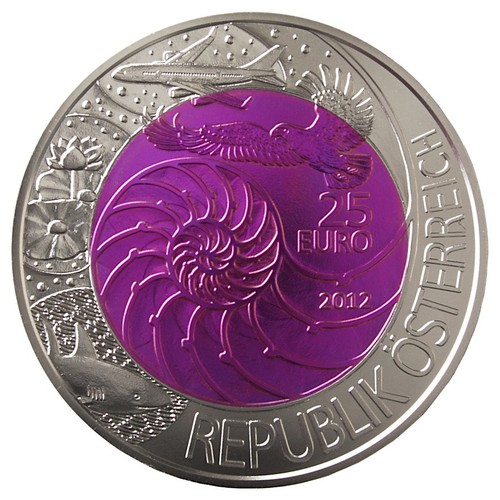
25 Euro (Bionik)
2012
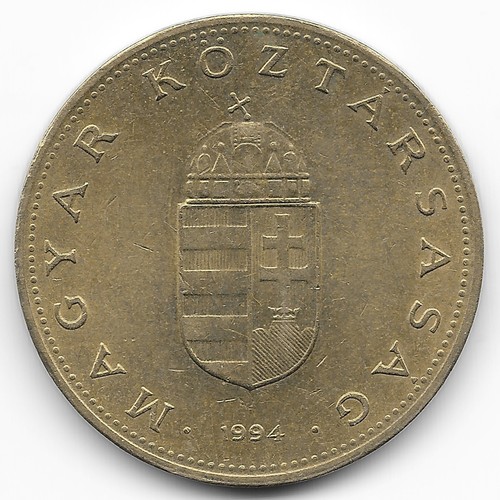
100 Forint (Commemorative)
commemorative issue
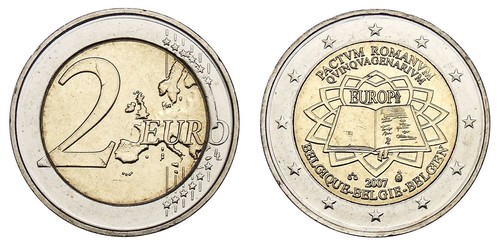
2 Euro (150 Years PSP)
2018
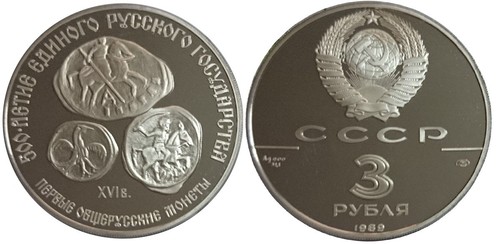
3 Roubles (First All-Russian Coins)
1982
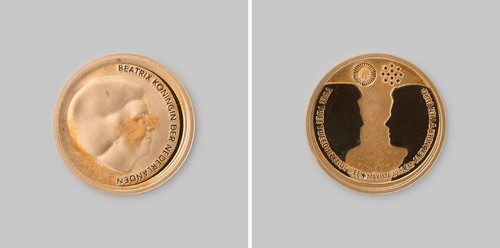
10 Euro (Royal Marriage)
2002
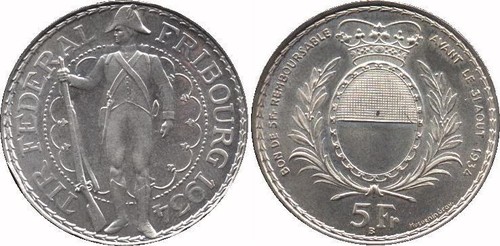
Swiss Shooting Thaler
1934
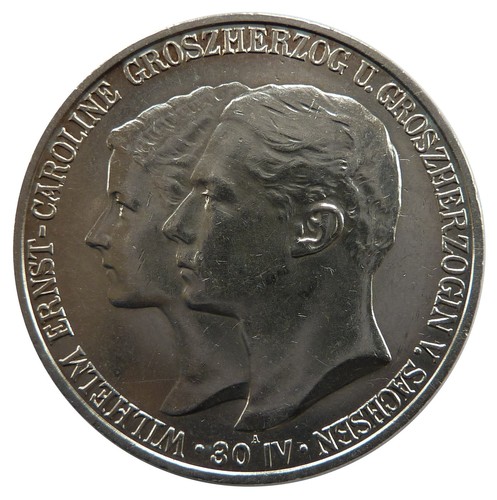
Sachsen-Weimar-Eisenach 5 Mark Wedding Commemorative
1903-1910