Coin Identifier
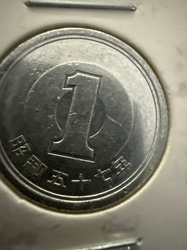
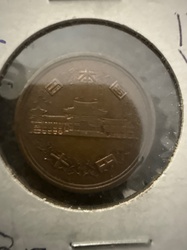
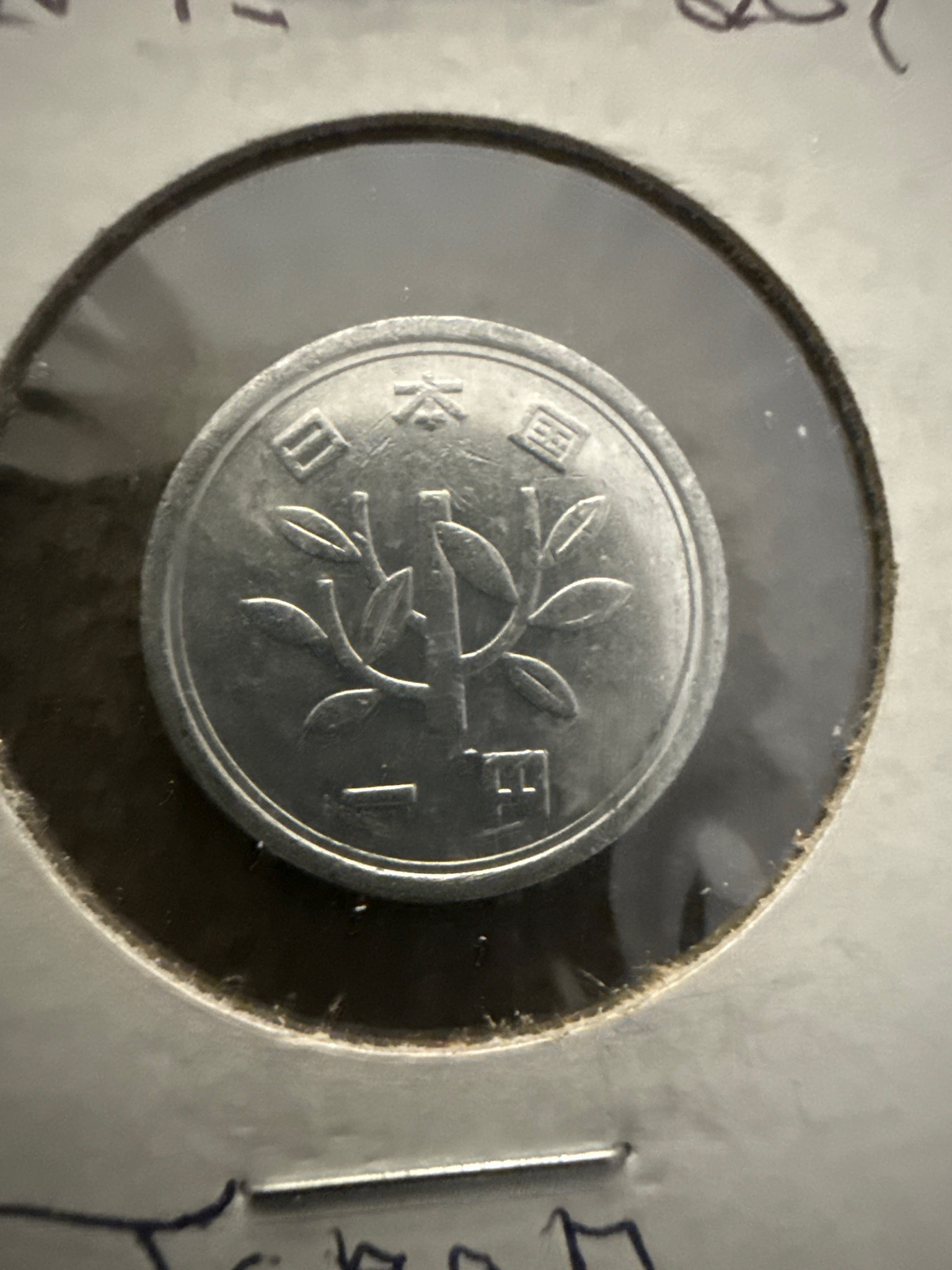
Japanese 1 Yen Aluminum Coin — obverse
Obverse
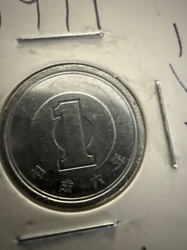
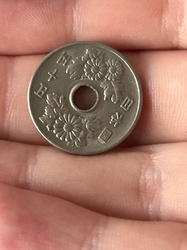
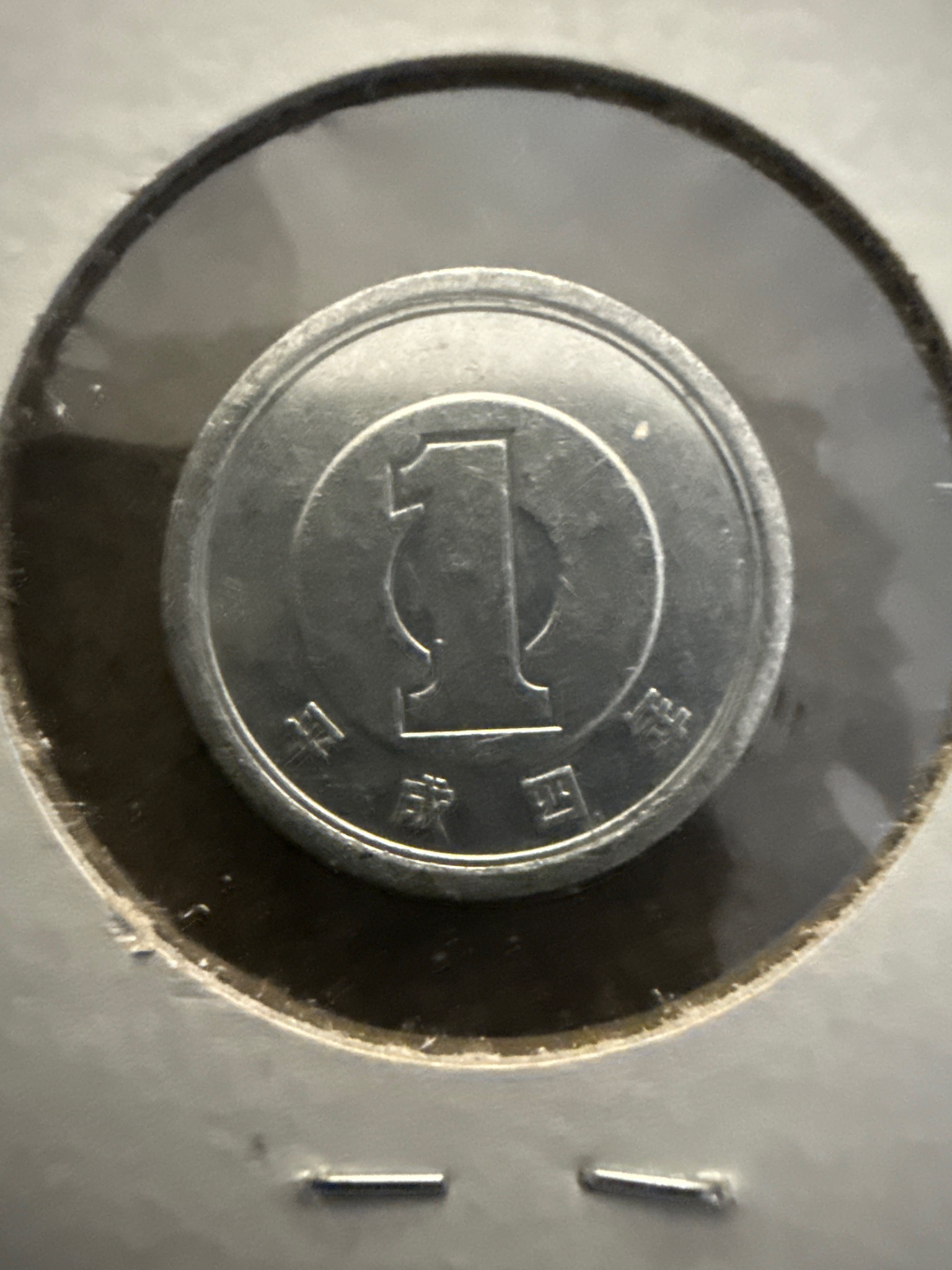
Japanese 1 Yen Aluminum Coin — reverse
Reverse
1 Yen

Japanese 1 Yen Aluminum Coin

Japan (Japan Mint) · Heisei 4 (1992)

A lightweight silver-colored aluminum coin featuring a young tree sapling on one side and a large numeral '1' on the other.

Country
Japan (Japan Mint)
Year
Heisei 4 (1992)
Denomination
1 Yen
Metal
100% Aluminum

This report is AI-generated and can be wrong. Always verify grade, authenticity, and value with a qualified dealer or certified grading service before buying, selling, or insuring.

Identified More japan (japan mint) coins →
Explore Japanese 1 Yen Aluminum Coin in the encyclopedia →

Identify your own coins.

Get a report just like this from any photo, free.

Overview

A lightweight silver-colored aluminum coin featuring a young tree sapling on one side and a large numeral '1' on the other.

Historical significance

Introduced in 1955, the aluminum one-yen coin is a staple of modern Japanese cash transactions, though their usage has declined with the rise of digital payments. They are famously known for being so lightweight that they can float on water due to surface tension.

Obverse (front)

Features a young tree sapling symbolizing growth, surrounded by the country name '日本国' (Japan) at the top and the denomination '一円' (1 Yen) at the bottom.

Reverse (back)

Features a large numeral '1' with the year of issue written in Japanese era format along the bottom (e.g., 平成四年 for 1992).

Estimated value

$0.01 - $1.00 depending on condition (mostly valued at face value or slightly more for uncirculated pieces)

What drives this coin's value

Condition (Mint State grades), year of issue (specifically seeking low-mintage mint set-only years), and absence of scratches or corrosion.

Grade assessment

About Uncirculated to Mint State (AU/MS) with minor bag marks typical of modern aluminum coinage.

Mintage & rarity

Common (millions minted annually for most years, though certain years like 2011-2013, 2014, and 2016-2019 were restricted to mint sets and are scarcer)

Authenticity & counterfeit red flags

Due to its extremely low face value and cheap metal composition, counterfeiting this coin is virtually nonexistent. Genuine pieces are exceptionally lightweight.

Notable varieties & errors

No major errors or varieties regularly command significant premiums, aside from annual mint set-only strikings.

Similar coins

Other Japanese aluminum denomination coins such as the 5 yen or 50 yen, though easily distinguished by size, holes, and designs.

Care & preservation

Aluminum is a very soft metal prone to scratching and oxidation. Handle by the edges wearing cotton gloves if uncirculated, and store in a cool, dry place inside inert holders.