Coin Identifier
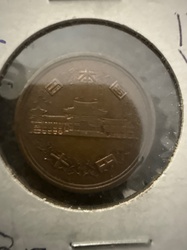
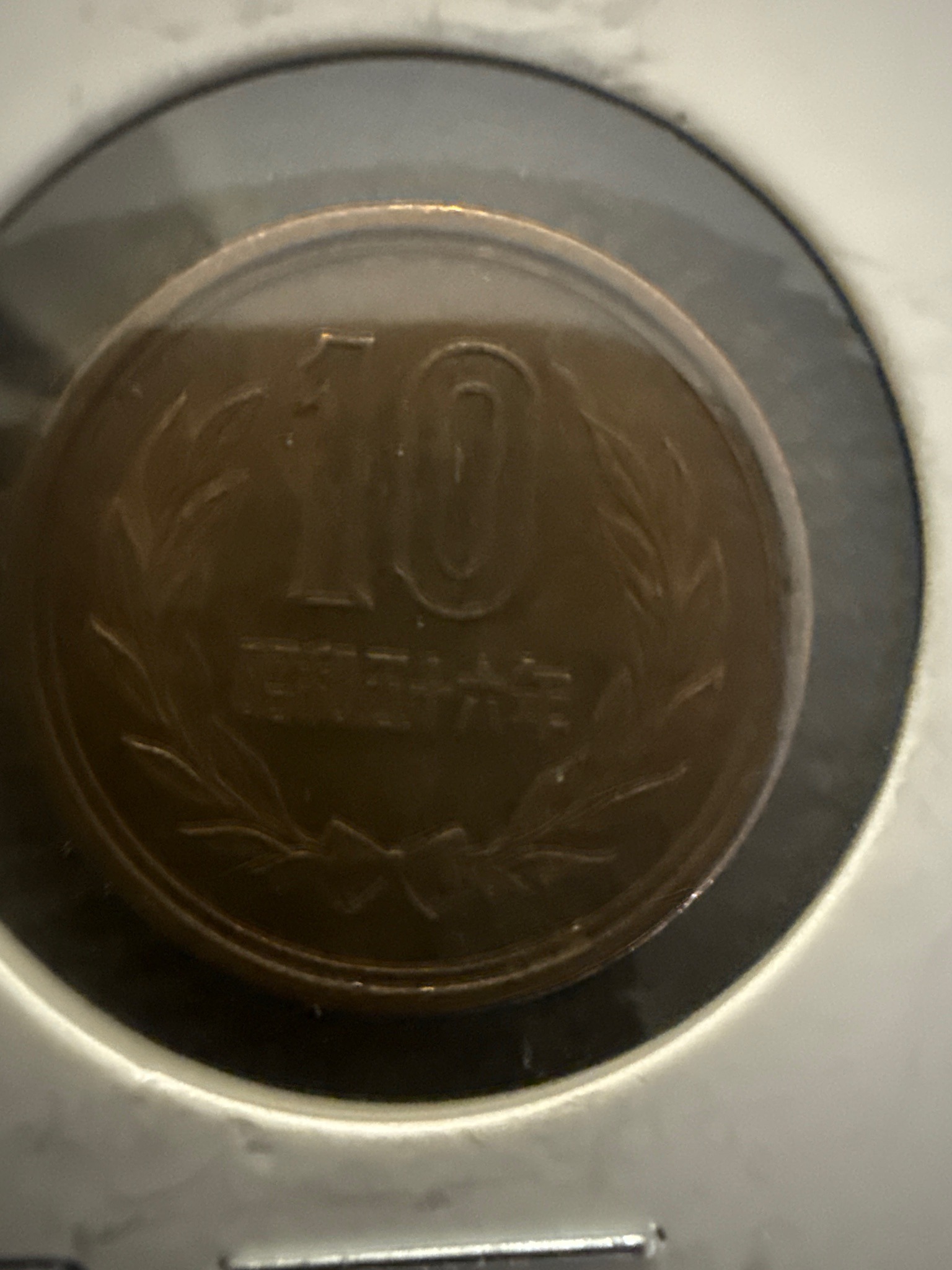
Japanese 10 Yen Coin (Byodoin Phoenix Hall) — obverse
Obverse
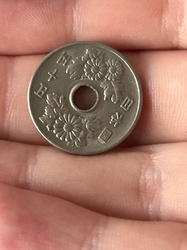
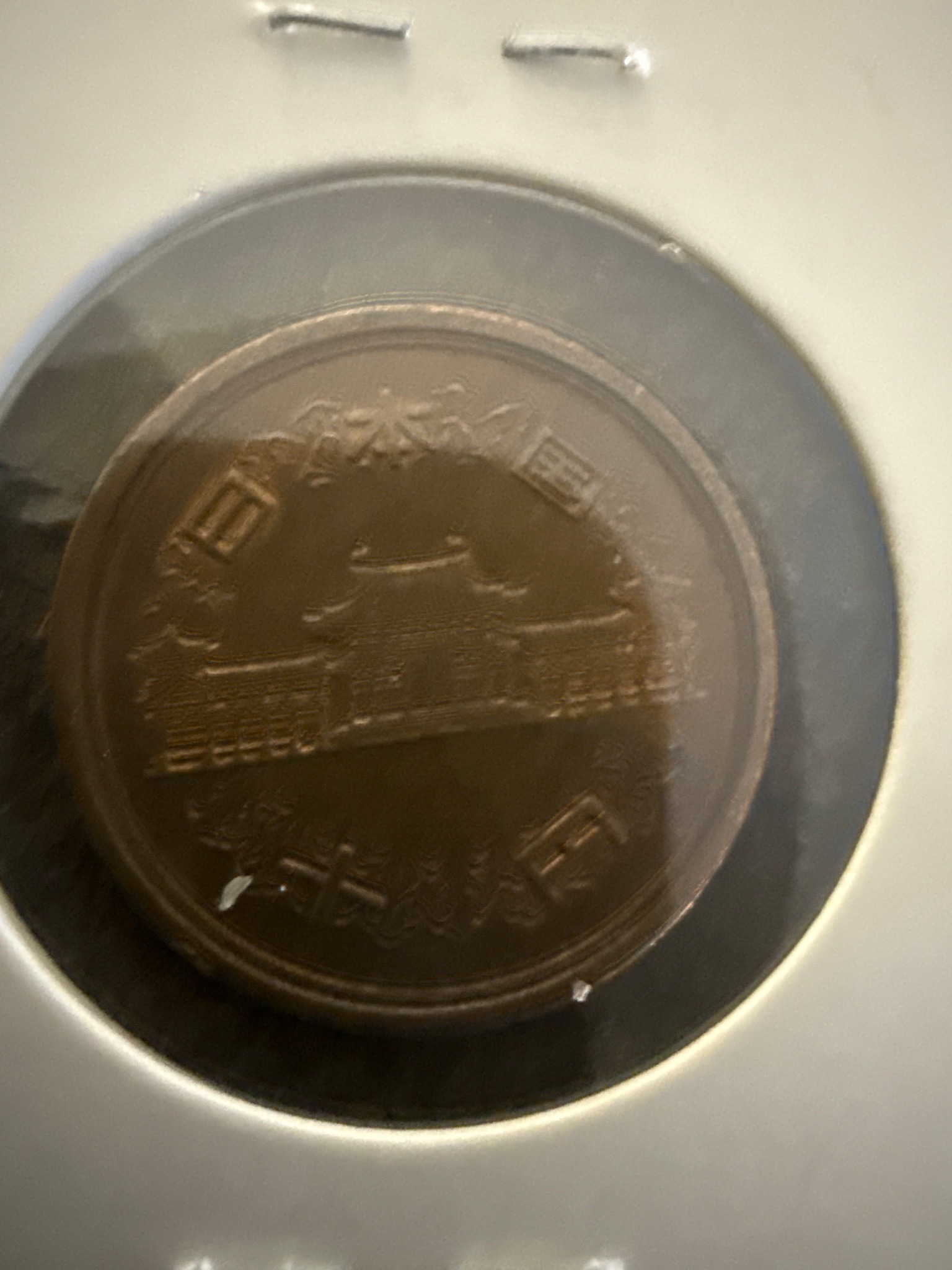
Japanese 10 Yen Coin (Byodoin Phoenix Hall) — reverse
Reverse
10 Yen

Japanese 10 Yen Coin (Byodoin Phoenix Hall)

Japan (Japan Mint) · Showa 36 (1961)

A bronze coin featuring the Phoenix Hall of Byodoin Temple on the obverse and a large numeral 10 surrounded by an evergreen wreath on the reverse.

Country
Japan (Japan Mint)
Year
Showa 36 (1961)
Denomination
10 Yen
Metal
95% copper, 4% zinc, 1% tin

This report is AI-generated and can be wrong. Always verify grade, authenticity, and value with a qualified dealer or certified grading service before buying, selling, or insuring.

Identified More japan (japan mint) coins →
Explore Japanese 10 Yen Coin (Byodoin Phoenix Hall) in the encyclopedia →

Identify your own coins.

Get a report just like this from any photo, free.

Overview

A bronze coin featuring the Phoenix Hall of Byodoin Temple on the obverse and a large numeral 10 surrounded by an evergreen wreath on the reverse.

Historical significance

Introduced in 1959 (Showa 34) replacing the earlier large-size 10 yen coin, this design features the famous Byodoin Buddhist temple in Uji, Kyoto prefecture, which is also depicted on the Japanese 10-yen banknote and is a UNESCO World Heritage site.

Obverse (front)

Depicts the Phoenix Hall (Amida-do) of the Byodoin Temple. The Japanese characters for Japan (Nippon / Nihon) appear above, and '10 Yen' appears below the architectural depiction.

Reverse (back)

Features a large numeral '10' at the top center, with the year of issue written in Japanese eras (Showa 36 = 1961) inside a continuous wreath of evergreen foliage tied with a ribbon at the bottom.

Estimated value

$0.10 to $2.00 depending on condition (mostly face value or slight collector premium for uncirculated pieces)

What drives this coin's value

Condition and specific year of issue (key dates like early Showa years or proof-only years command higher premiums)

Grade assessment

Extremely Fine to About Uncirculated (XF to AU), showing minimal wear on the high points of the temple roof and wreath, with typical minor toning from age.

Mintage & rarity

Very high mintage, highly common in circulation

Authenticity & counterfeit red flags

Counterfeits for modern face-value circulation 10 yen coins are extremely rare because the metal and production costs exceed face value. Weight and dimension checks are the best authenticators.

Notable varieties & errors

Occasional die cracks or minor minting anomalies, but generally standard business strikes with few major recognized error varieties for this specific year.

Similar coins

Other denominations of Japanese bronze coins, or older large-size 10 yen coins issued between 1951 and 1958 which featured a pagoda instead of the Phoenix Hall and a reeded edge.

Care & preservation

Store in a cool, dry place inside a non-PVC coin flip or holder. Avoid touching the metal surface directly with bare hands to prevent oils from tarnishing the bronze composition.