
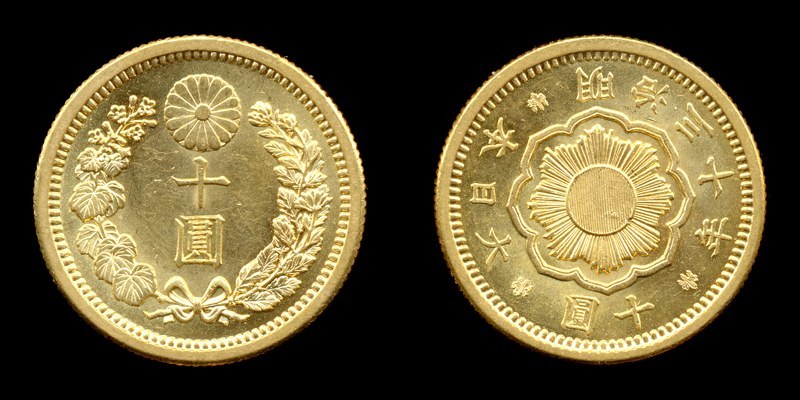
10 Yen (Gold)
A Japanese gold 10 Yen of the Meiji era, its obverse a radiant chrysanthemum sunburst, its reverse a wreath framing imperial crests; dated Meiji 30 (1897).
- Country
- Japan
- Denomination
- 10 Yen
- Metal
- Gold
Got a coin like this?
Identify any coin from a photo, free.
Overview
The coin pictured is a Japanese 10 Yen struck in gold during the Meiji era. The obverse shows an imperial chrysanthemum above a burst of radiating sun rays, flanked by leaf sprays, with Japanese inscriptions naming the country and the era-year. The reverse carries an ornate wreath enclosing the value and a pair of imperial crests, giving the piece its formal, heraldic look.
This example is dated Meiji 30 (1897), the first year of Japan's smaller, reduced-weight gold 10 Yen. It belongs to the so-called New Type gold series introduced when Japan moved onto a full gold standard, replacing an earlier and heavier 10 Yen design that had featured a dragon.
As a struck .900 fine gold circulation coin of modest size, it is collected both for its intrinsic gold content and as a compact emblem of Meiji Japan's rapid modernization and entry into the international gold economy.
History & Background
Japan adopted the yen as its monetary unit under the New Currency Act of 1871, and the earliest gold 10 Yen coins (the Old Type, Meiji 4 onward) were large pieces bearing a coiled dragon. Through the 1870s and 1880s Japan effectively operated on a silver-linked footing, and gold coins circulated only lightly.
The Coinage Law of 1897 (Meiji 30) placed Japan firmly on the gold standard and roughly halved the gold content of each denomination. A new, smaller 10 Yen was issued from that year, dropping the dragon in favor of the chrysanthemum-and-sunburst obverse and wreath reverse seen here. A coin dated Meiji 30 is thus from the inaugural year of this New Type.
Struck at the Imperial Mint in Osaka, the New Type gold 10 Yen was produced intermittently across the later Meiji years into the early twentieth century. It stands as a tangible product of the era's monetary reforms, when Japan aligned its currency with the leading industrial powers.
How to Identify
Confirm first that the piece is small gold, not the large Old Type. The New Type 10 Yen is a compact coin (roughly 16-17 mm) of .900 fine gold weighing about 8.3 grams, with no dragon. Its obverse shows the chrysanthemum crest over radiating rays with side sprays; its reverse shows a wreath framing the value and imperial crests. If a coiled dragon dominates one face, the coin is instead the earlier and larger Old Type 10 Yen.
Read the date from the Japanese characters, which state the reign era and year: 明治 (Meiji) followed by the year numerals and 年 ("year"). Meiji 30 corresponds to 1897. The value 10 Yen and country name appear in kanji around the designs rather than in Western numerals.
Because Japanese dates are written in era-year form and read right to left, verify the numerals carefully; a misread character can shift the attributed year by a decade. Diameter, weight, and the specific design type together fix the identification.
Value & Collectibility
As a small .900 gold coin, the New Type 10 Yen carries a base bullion value from its roughly 8.3 grams of gold (about a quarter troy ounce), so even worn examples are worth a meaningful multiple of face value. Common dates trade close to that gold value plus a modest collector premium.
Beyond bullion, date and condition drive the numismatic premium. Some Meiji years of the gold 10 Yen are scarce and command strong prices in higher grades, while others are relatively available; sharply struck, lightly handled coins with original luster are the most sought after. Meiji 30, as a first-year issue, is of particular interest to type and date collectors.
Because both the gold price and date rarity move values, treat any single figure with caution and check recent auction results for the specific Meiji year and grade. Japanese gold is also widely counterfeited, so certified examples support the higher end of the market.
Frequently asked questions
What year is this coin?
It is dated Meiji 30, which corresponds to 1897 in the Western calendar. Japanese coins use the reign-era system, so the characters read 明治 (Meiji) followed by the year 30 and 年 ("year").
Is it really gold?
Yes. The New Type 10 Yen is struck in .900 fine gold and weighs about 8.3 grams, containing roughly a quarter troy ounce of gold. That intrinsic content sets a floor on its value.
Why is there no dragon on it?
The dragon appears on the earlier, larger Old Type 10 Yen. The 1897 Coinage Law introduced a smaller New Type with a chrysanthemum-and-sunburst obverse and a wreath reverse, which is the design seen here.
What do the two designs show?
The obverse shows the imperial chrysanthemum above radiating sun rays with leaf sprays; the reverse shows an ornate wreath framing the value and imperial crests, along with the country name and denomination in kanji.
Is Meiji 30 a rare date?
It is the inaugural year of the New Type gold 10 Yen and is collected as a first-year issue. Rarity and premiums vary by year and grade across the series, so check references and recent sales for the specific date and condition.
10 Yen (Gold) guides
In-depth guides for identifying, valuing, and collecting 10 Yen (Gold).
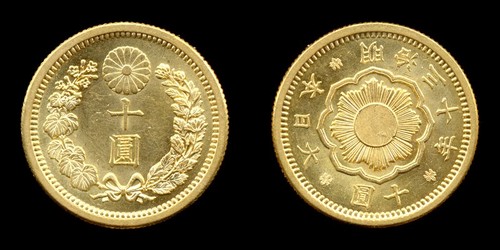
10 Yen (Gold) identified by the community
Real coins identified with Coin Identifier.
Other coins you may enjoy
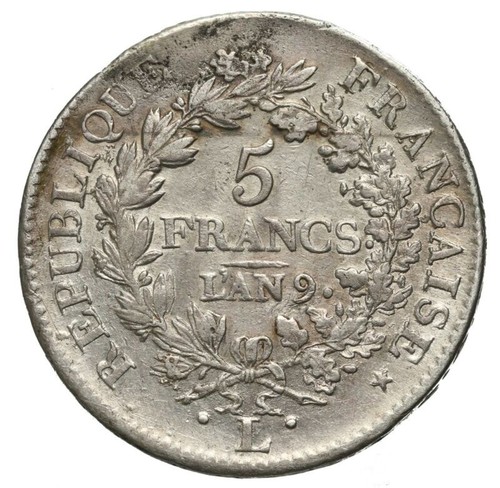
5 Francs (First Republic)
L'an 9 (1800–1801)
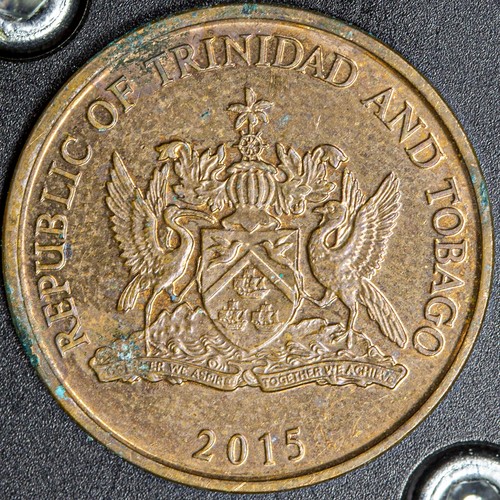
Trinidad and Tobago Dollar
2015
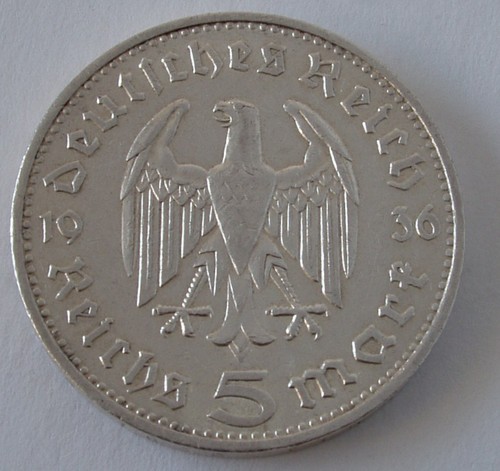
German 5 Reichsmark (Hindenburg)
1935–1936 (Hindenburg type with swastika)
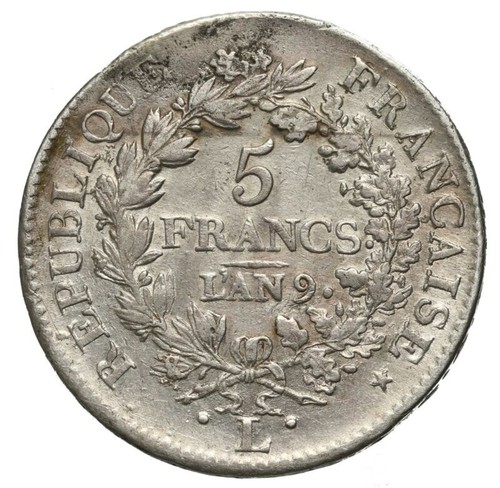
5 Francs Semeuse
1960–1969
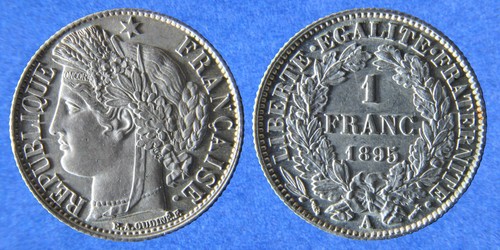
French Cérès 1 Franc
1849–1895
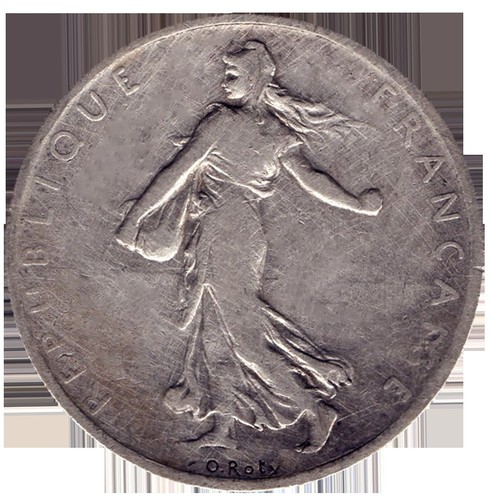
French Semeuse 2 Francs
1898–1920 (silver issues; pictured example dated 1899)
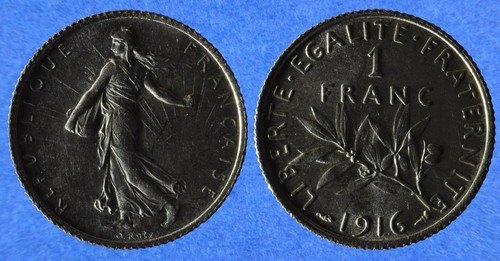
French Semeuse 1 Franc
1898–1920 (silver Semeuse 1 franc type)
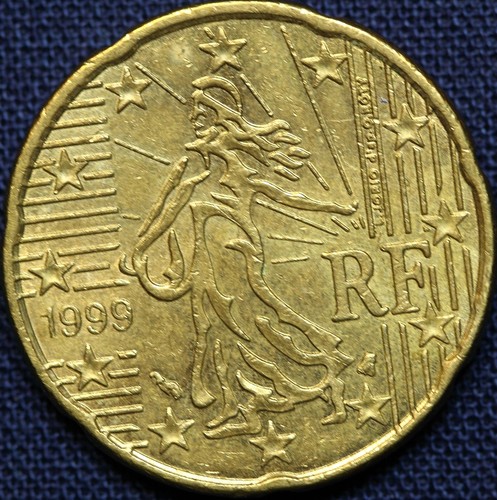
France 50 Cent Euro
1999–present
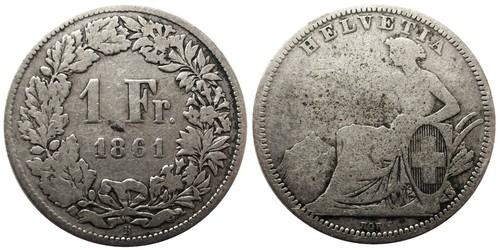
Swiss 1 Franc
1861
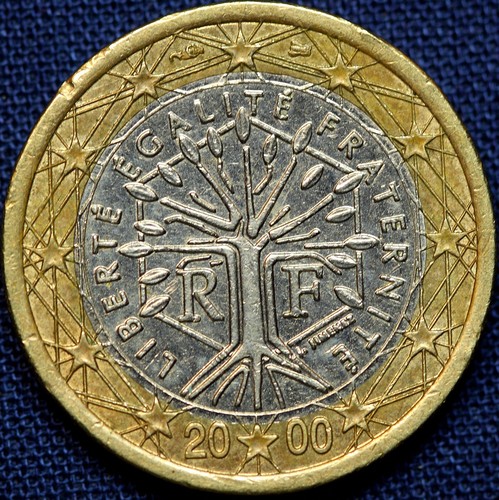
France 20 Centimes
1962–2001 (Fifth Republic, Marianne / Lagriffoul type)
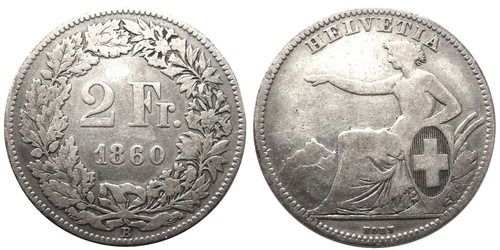
Swiss 2 Francs
1860
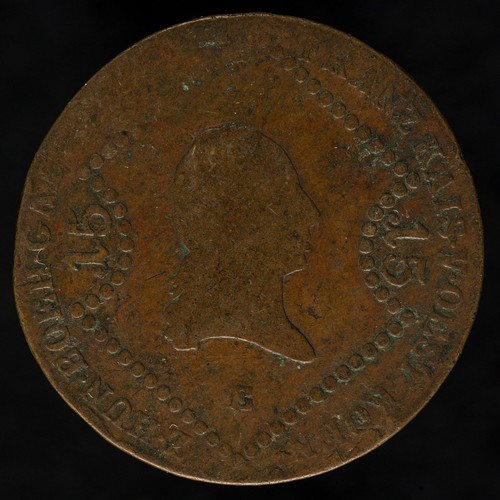
Austria-Hungary 15 Kreuzer
1807